
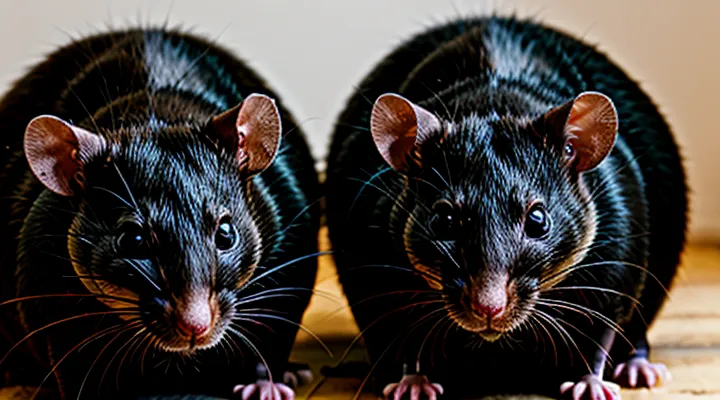
Understanding Your Pet Rat «Basics of Rat Ownership»
Rat Breeds and Personalities «Choosing the Right Rat»
Selecting a suitable rat begins with understanding breed characteristics and typical temperaments. Recognizable varieties include the Standard, the Dumbo, the Hairless, the Rex, and the Satin. Each breed presents distinct physical traits and behavioral tendencies that influence suitability for decorative environments.
«Standard rats» display balanced activity levels, adaptable to varied housing setups, and often exhibit calm interactions with handlers. «Dumbo rats» possess enlarged ears and a reputation for heightened curiosity, making them engaging companions for owners who enjoy frequent observation. «Hairless rats» lack fur, requiring attentive temperature regulation, yet their sociable nature facilitates easy bonding. «Rex rats» feature plush, curly fur and tend toward gentle exploration, suitable for settings emphasizing visual appeal. «Satin rats» show glossy coats and moderate energy, fitting environments where aesthetic presentation is prioritized.
When matching a rat to an owner’s lifestyle, consider the following factors:
- Space availability – larger breeds demand more enclosure area to accommodate active movement.
- Handling frequency – timid individuals benefit from gradual, consistent interaction.
- Sensory needs – hairless varieties require supplemental warmth and humidity control.
- Visual preferences – coat texture and color patterns influence decorative impact.
A systematic assessment of these elements enables informed decisions, ensuring the chosen rat integrates smoothly into the decorative setting while receiving appropriate care.
Social Needs «Why Rats Thrive in Groups»
Introducing New Rats «Steps for a Smooth Transition»
Introducing new rats into an established colony requires a structured approach to minimize stress and prevent conflict. The following protocol outlines essential actions for a seamless integration.
- Quarantine period of 2–4 weeks in a separate enclosure; monitor health, diet, and behavior.
- Conduct daily health checks; record weight, coat condition, and any signs of illness.
- Prepare neutral territory: clean a spacious cage with fresh bedding, hideouts, and enrichment items.
- Perform scent exchange: swap nesting material and chew toys between the resident and newcomer cages for 24 hours.
- Initiate visual contact through a secure barrier; observe reactions for aggression or avoidance.
- Allow supervised, timed interactions in the neutral cage; increase duration gradually based on calm behavior.
- Once harmony is evident, transition both groups to a larger shared enclosure; provide multiple hiding spots to reduce territorial disputes.
Adhering to these steps ensures that the introduction process aligns with best practices for decorative rat care, fostering a stable and healthy environment for all animals.
Creating a Healthy Environment «Habitat Essentials»
Cage Selection «Size and Material Considerations»
Bedding Options «Safe and Absorbent Choices»
Choosing bedding that meets the criteria of safety and absorbency is essential for the health of decorative rats. Materials must be non‑toxic, free of dust, and capable of retaining moisture without fostering mold.
Recommended options include:
- «Paper‑based bedding» such as shredded newspaper or commercially available paper pellets; low in dust and highly absorbent.
- «Hemp bedding»; natural fibers provide good wicking properties and resist bacterial growth.
- «Coconut fibre»; offers softness, high absorbency, and minimal allergenic potential.
When selecting a product, verify that it is untreated, free of fragrances, and packaged in a sealed container to preserve cleanliness. Replace bedding regularly to maintain a dry environment and prevent ammonia buildup.
Cage Location «Optimizing for Rat Comfort»
Choosing a location for a decorative rat’s cage directly influences the animal’s well‑being. A quiet corner away from household traffic reduces stress caused by sudden noises and movements. Position the enclosure on a stable surface to prevent wobbling, which can lead to injuries during climbing or jumping.
Key considerations for optimal placement:
- Temperature stability: keep the cage in an area where ambient temperature stays between 18 °C and 24 °C; avoid direct sunlight or proximity to heating vents that cause fluctuations.
- Draft protection: shield the enclosure from air currents generated by open windows, doors, or HVAC vents; drafts can cause respiratory problems.
- Accessibility: select a spot that allows easy removal of the cage for thorough cleaning and routine health checks without requiring heavy lifting or awkward angles.
- Lighting: provide natural‑light cycles by situating the cage near a window with indirect sunlight, complemented by a low‑intensity LED to maintain a consistent day‑night rhythm.
- Safety from predators: ensure the cage is out of reach of cats, dogs, and other potential threats; a closed cabinet or a high shelf can add an extra barrier.
Maintaining these environmental parameters promotes calm behavior, encourages natural foraging activity, and supports overall health. Regularly reassess the chosen location as seasonal changes or household rearrangements occur, adjusting placement to preserve the optimal conditions outlined above.
Cleaning and Maintenance «Hygiene for a Healthy Rat»
Maintaining a clean environment directly influences a rat’s wellbeing. Regular removal of waste, thorough disinfection of accessories, and consistent monitoring of water quality constitute the core of effective hygiene.
- Clean the cage at least once a week; replace all soiled bedding and spot‑clean daily to prevent ammonia buildup.
- Disinfect food bowls, water bottles, and toys with mild, non‑toxic solutions; rinse thoroughly before reuse.
- Wash the cage interior with warm water and a reptile‑safe cleaner; avoid harsh chemicals that can irritate respiratory passages.
- Rotate and replace nesting material weekly to reduce mold risk.
- Inspect and replace filter media in ventilation systems every two months to maintain air flow.
Additional maintenance tasks support overall health:
- Trim nails when they approach the foot pads to prevent overgrowth and injury.
- Examine ears for excess wax or debris; clear gently with a cotton tip softened in saline solution.
- Conduct a brief visual health check during each cage cleaning: look for signs of respiratory distress, skin lesions, or abnormal behavior.
- Schedule a veterinary examination at least twice annually; document weight and coat condition for trend analysis.
Adhering to the protocol outlined in Cleaning and Maintenance «Hygiene for a Healthy Rat» ensures a sterile habitat, reduces disease incidence, and promotes a vibrant, active pet.
Nutrition and Diet «Feeding Your Fancy Rat»
Staple Diet «Commercial vs. Homemade Options»
When selecting a staple diet for ornamental rats, the primary decision lies between ready‑made formulations and meals prepared at home. Both approaches must satisfy the species’ high metabolic rate, dental health requirements, and need for balanced micronutrients.
Commercial formulations provide consistent nutrient profiles, are pre‑pelleted to promote dental wear, and often contain added vitamins and minerals. Typical benefits include:
- Precise macro‑ and micronutrient ratios
- Long shelf life and minimal preparation time
- Reduced risk of bacterial contamination
- Availability of specialized blends such as «Lab Rat» or «Pet Rat»
Potential drawbacks consist of limited ingredient diversity, possible inclusion of fillers, and higher per‑kilogram cost compared to bulk raw foods.
Homemade diets allow complete control over ingredient selection, enabling incorporation of fresh vegetables, lean proteins, and whole grains. Key considerations for safe preparation:
- Combine a base of high‑quality rodent pellets or whole‑grain cereals with measured portions of cooked lean meat, boiled egg, or tofu
- Supplement with finely chopped leafy greens (e.g., kale, romaine) and occasional fruit slices, ensuring total sugar content remains below 5 % of the diet
- Fortify with a calibrated calcium‑phosphorus supplement to maintain skeletal health
- Store prepared meals in airtight containers for no more than 48 hours to prevent spoilage
Challenges include the need for precise nutritional calculations, diligent sanitation, and regular monitoring of vitamin and mineral levels.
A balanced feeding strategy often blends both options: allocate 70–80 % of daily intake to a reputable commercial mix for baseline nutrition, and supplement 20–30 % with freshly prepared components to enhance variety and enrichment. Regular weight checks and fecal examinations help verify that the chosen regimen meets the animal’s physiological demands.
Safe Treats «Fruits, Vegetables, and Protein Sources»
Providing decorative rats with appropriate treats supports dental health, nutrition, and enrichment. Safe options fall into three categories: fruits, vegetables, and protein sources.
Fruits suitable for occasional feeding include apple (core and seeds removed), berries such as strawberry and blueberry, banana slices, and melon. Each portion should be limited to a few small pieces to prevent excess sugar and digestive upset.
Vegetables that can be offered regularly comprise carrot sticks, broccoli florets, cucumber slices, bell‑pepper strips, and leafy greens like romaine lettuce and kale. Prior to serving, wash thoroughly and remove any wilted or bruised sections.
Protein sources must be lean and low in fat. Recommended items are boiled egg white, plain cooked chicken breast, low‑fat cottage cheese, and commercially available rodent‑specific protein treats. Ensure that meat is cooked without seasoning, oil, or sauces.
When introducing new foods, present a single item in a small amount and observe the rat for at least 24 hours. Signs of intolerance—such as diarrhea, reduced activity, or loss of appetite—warrant immediate removal of the offending treat. Rotate selections to maintain variety while adhering to the recommended serving frequencies.
Foods to Avoid «Toxic and Unhealthy Items»
Proper nutrition is essential for ornamental rats; certain foods can cause immediate toxicity or long‑term health problems. The following items belong to the category «Toxic and Unhealthy Items» and must be excluded from any diet.
- Chocolate and cocoa products – contain theobromine, which rats cannot metabolize.
- Caffeine‑containing beverages or foods – stimulate the nervous system, leading to tremors or cardiac arrhythmia.
- Alcohol – depresses central nervous function, potentially fatal even in small doses.
- Raw beans, especially kidney beans – contain lectins that damage intestinal lining.
- Avocado flesh and pit – high in persin, a compound harmful to rodents.
- Citrus peels and seeds – essential oils irritate the gastrointestinal tract.
- Processed meats with high salt or nitrites – increase risk of kidney strain and hypertension.
- High‑fat dairy products (e.g., cheese, butter) – predispose rats to obesity and hepatic lipidosis.
- Artificial sweeteners, particularly xylitol – cause rapid insulin release and hypoglycemia.
- Moldy or spoiled foods – introduce mycotoxins that impair liver function.
Eliminate these items from feeding regimens to maintain optimal health and prevent avoidable medical emergencies.
Water «Always Available and Fresh»
Providing fresh water at all times is essential for the health of decorative rats. Stagnant or warm water encourages bacterial growth, leading to digestive disturbances and urinary issues. Maintaining a supply that meets the “Always Available and Fresh” standard supports normal kidney function and encourages proper hydration.
Key practices:
- Replace water daily; use a clean bottle or bowl each time.
- Store water containers upside down to prevent leakage and contamination.
- Choose stainless‑steel or glass vessels; avoid plastic that can leach chemicals.
- Position the water source away from food dishes to reduce spillage and fouling.
- Monitor temperature; keep water below 25 °C (77 °F) to remain appealing.
Regular inspection of the water system detects cracks, mold, or residue. Cleaning the container with mild, unscented soap and rinsing thoroughly before refilling preserves water quality. Implementing these steps ensures that decorative rats have continuous access to safe, fresh hydration.
Health and Wellness «Recognizing and Preventing Illness»
Common Health Issues «Respiratory, Skin, and Tumors»
Effective health management is essential for ornamental rat owners. Early detection of problems reduces suffering and improves longevity.
-
«Respiratory» issues frequently present as sneezing, nasal discharge, or labored breathing. Common agents include Mycoplasma pulmonis and viral infections. Diagnosis relies on clinical observation and, when necessary, radiographic imaging. Treatment protocols involve appropriate antibiotics or supportive care, such as humidified environments.
-
«Skin» disorders appear as hair loss, redness, or crusted lesions. Primary causes encompass mites, fungal infections, and allergic reactions to bedding or diet. Confirmation through skin scrapings or fungal cultures guides targeted therapy, typically involving topical antiparasitics, antifungal agents, or hypoallergenic bedding replacement.
-
«Tumors» develop as palpable masses, weight loss, or altered behavior. Both benign and malignant growths occur, with fibrosarcomas and mammary adenocarcinomas being prevalent. Surgical excision offers the best prognosis for accessible tumors; adjunct chemotherapy may be indicated for aggressive forms.
Preventive measures include maintaining low humidity, providing dust‑free bedding, and conducting regular health checks. Quarantine of new arrivals limits pathogen introduction. Nutritional balance, enriched with vitamin C and omega‑3 fatty acids, supports immune function. Prompt veterinary consultation at the first sign of abnormality ensures optimal outcomes.
Signs of Illness «Early Detection is Key»
Monitoring health in ornamental rats demands constant observation; recognizing subtle changes prevents serious conditions. The principle «Early Detection is Key» guides every preventive strategy.
Typical indicators of illness include:
- Reduced activity or reluctance to explore familiar environments.
- Noticeable weight loss, visible when the rat’s spine or ribs become prominent.
- Changes in grooming behavior, such as a dull coat or persistent fur loss.
- Abnormal respiratory sounds, including wheezing, clicking, or labored breathing.
- Discolored or watery eyes, nasal discharge, or excessive sneezing.
- Diarrhea, loose stools, or a sudden shift in eating and drinking patterns.
- Lethargy combined with a lowered body temperature, detectable by gentle touch.
When any of these signs emerge, immediate steps are essential:
- Isolate the affected rat to prevent potential spread.
- Record the onset, duration, and severity of symptoms.
- Contact a qualified exotic‑animal veterinarian without delay.
- Provide a quiet, warm environment while awaiting professional guidance.
- Follow prescribed treatment plans precisely, monitoring response each day.
Consistent record‑keeping and prompt veterinary consultation form the backbone of effective health management for decorative rats.
Veterinary Care «Finding an Exotics Vet»
Preventive Measures «Regular Check-ups and Hygiene»
Regular veterinary examinations form the cornerstone of disease prevention for ornamental rats. Early detection of health issues allows timely intervention, reducing the risk of severe complications. A typical schedule includes an initial assessment at eight weeks of age, followed by semi‑annual examinations for adult specimens. Additional visits are warranted after any noticeable change in behavior, appetite, or physical condition.
Consistent hygiene practices complement medical monitoring. Cleanliness of the living environment, personal grooming, and proper handling techniques minimize exposure to pathogens and parasites. Key actions include:
- Daily removal of soiled bedding and food remnants.
- Weekly deep cleaning of the enclosure with a mild, non‑toxic disinfectant.
- Monthly inspection of cage components for wear, rust, or cracks.
- Regular trimming of overgrown nails and careful examination of the fur for ectoparasites.
- Hand washing before and after handling each animal to prevent cross‑contamination.
Veterinary guidance emphasizes that «regular health monitoring reduces disease incidence». Adhering to these preventive measures sustains the well‑being of decorative rats and supports their long‑term vitality.
Training and Enrichment «Keeping Your Rat Engaged»
Handling and Taming «Building Trust»
Effective handling of ornamental rats hinges on establishing «Building Trust». Trust forms the foundation for cooperative behavior, reduces stress, and facilitates routine care.
- Begin each session with gentle, predictable movements. Approach the cage from the side, allowing the rat to observe without sudden gestures.
- Offer a favored treat from an open hand, placing it near the nose before allowing the rat to take it. This action links the handler’s presence with positive reinforcement.
- Gradually lower the hand onto the floor, letting the rat step onto it voluntarily. Avoid forcing contact; the rat’s willingness signals progress.
- Once the rat comfortably balances on the hand, gently slide the fingers beneath the chest, supporting the body without constriction. Maintain a calm posture and keep the grip light.
- Practice brief handling sessions multiple times daily, extending duration as the rat shows relaxed breathing and steady posture.
Consistent routine reinforces «Building Trust». Maintain a quiet environment, limit loud noises, and schedule handling at the same times each day to create reliable expectations. Regular grooming, such as soft brushing, can be incorporated once the rat tolerates being held, further strengthening the bond.
Monitoring behavior provides feedback on trust levels. Signs of confidence include tail wagging, exploratory sniffing, and calm vocalizations. Persistent avoidance, rapid breathing, or attempts to escape indicate the need to reduce session length and revisit basic steps. Adjustments ensure continued progress without inducing fear.
Training Basics «Recall and Simple Tricks»
Effective training begins with a predictable environment. Provide a quiet area free of sudden noises, and schedule short sessions when the rat is most active, typically early evening.
Key components of recall training:
- Choose a distinct cue word, such as «come», and use it consistently.
- Offer a high‑value treat (e.g., a small piece of fruit or a seed) immediately after the rat approaches.
- Reinforce the behavior within a few seconds to create a clear association.
- Gradually increase the distance between the owner and the rat, maintaining the same cue and reward.
Simple tricks enhance mental stimulation and strengthen the bond. Recommended tricks include:
- Targeting – train the rat to touch a fingertip or a small stick with its nose; reward each successful touch.
- Spin – guide the rat in a gentle circular motion using a treat as a lure; reward once the spin is completed.
- Jump – place a low platform and encourage the rat to hop onto it for a treat; increase platform height as proficiency improves.
Consistency and patience are essential. Limit each session to five minutes, ending on a positive note to maintain motivation. Regular practice prevents regression and supports overall well‑being in decorative rat companions.
Toys and Enrichment «Stimulating Activities»
Out-of-Cage Time «Safe Exploration»
Out‑of‑cage time designated as «Safe Exploration» provides decorative rats with essential physical and mental stimulation while remaining under direct supervision. This practice reduces stress, encourages natural foraging behavior, and strengthens the bond between animal and caretaker.
Before allowing free movement, secure the designated area. Remove cords, small objects, and toxic plants. Ensure that all gaps in walls, doors, and windows are sealed to prevent escape. Provide a non‑slippery surface and ample hiding spots such as tunnels or cardboard boxes.
Safety checklist
- Inspect floor for gaps larger than two centimeters.
- Cover electrical outlets and conceal cords.
- Eliminate access to toxic substances (cleaning agents, houseplants).
- Position chew‑safe toys and enrichment items within reach.
- Verify that windows and doors are latched securely.
During «Safe Exploration», maintain visual contact at all times. Limit sessions to fifteen‑to‑twenty minutes for inexperienced rats; extend gradually as confidence and agility improve. Intervene immediately if the animal exhibits signs of anxiety, such as rapid breathing or frantic grooming.
After the session, return the rat to its enclosure promptly. Offer fresh water, a small portion of favorite food, and a clean nesting area. Observe for any injuries or signs of stress before resuming normal routine. Regularly rotating safe zones and enrichment items sustains interest and promotes overall well‑being.
Common Behavioral Questions «Understanding Rat Actions»
Biting «Causes and Solutions»
Biting in decorative rats often signals discomfort, stress, or territorial behavior. Identifying the underlying trigger enables effective intervention and promotes a harmonious environment for both animal and caretaker.
Common triggers include:
- Inadequate socialization during early development
- Overcrowded or poorly enriched habitat
- Sudden changes in routine, temperature, or lighting
- Health issues such as dental overgrowth or skin irritation
- Perceived threat during handling, especially when grip is too tight
Solutions focus on preventive measures and targeted responses:
- Introduce gradual, positive interaction from a young age, rewarding calm behavior with treats
- Provide spacious enclosure equipped with tunnels, nesting material, and chewable objects to reduce stress
- Maintain stable daily schedule; monitor ambient conditions to keep temperature and humidity within optimal range
- Conduct regular veterinary examinations to detect and treat medical problems promptly
- Employ a gentle, secure handling technique: support the body, avoid restraining the head, and allow the rat to approach voluntarily
Consistent application of these practices diminishes biting incidents, reinforcing trust and ensuring the decorative rat remains a pleasant companion.
Chewing «Redirecting Destructive Habits»
Decorative rats naturally chew to maintain dental health; unchecked chewing can damage furniture, wiring, and cage accessories. Providing appropriate outlets reduces the risk of costly repairs and promotes animal well‑being.
Effective redirection techniques include:
- Supplying a rotating selection of safe chew toys such as untreated wood blocks, mineral chews, and cardboard tubes; replace items before they become worn.
- Positioning chewable objects near areas where destructive behavior occurs; proximity encourages substitution.
- Introducing puzzle feeders that combine foraging with chewing; the mental challenge occupies attention while satisfying gnawing urges.
- Applying non‑toxic deterrent sprays to prohibited surfaces; the unpleasant taste deters repeated attempts.
- Scheduling regular enrichment sessions that involve handling, exploration, and novel textures; consistent interaction lessens boredom‑driven chewing.
Monitoring progress involves daily inspection of chew items, assessment of damaged zones, and adjustment of the provided materials. Consistent implementation of these measures channels chewing energy into constructive activities, preserving both the environment and the rat’s oral health.
Grooming «Self-Care and Social Grooming»
Effective grooming for ornamental rats divides into two essential components: individual self‑maintenance and mutual social grooming. Each aspect contributes to the animal’s health, coat condition, and behavioral stability.
Self‑care grooming requires routine procedures that owners perform directly. Regular inspection of the fur reveals mats, parasites, or skin irritation early. When mats appear, gentle combing with a soft brush restores coat integrity without causing stress. Nail trimming prevents overgrowth, which can impede locomotion and lead to foot injuries; a small animal nail clipper, applied to the clear, non‑vascular portion of the nail, suffices. Dental health benefits from providing chewable toys and safe wooden blocks, allowing continuous tooth wear and reducing the risk of malocclusion. Bathing is unnecessary for most rats; a damp cloth applied to the hindquarters removes excess debris while preserving natural oils.
Social grooming occurs when rats interact with cage‑mates, reinforcing social bonds and distributing scent markers. Facilitating this behavior enhances group cohesion and reduces aggression. Owners can encourage mutual grooming by offering ample space, multiple nesting areas, and enrichment objects that promote gentle contact. Observing cooperative grooming sessions provides a reliable indicator of group welfare; a decline may signal illness or tension. Introducing new individuals gradually, using a neutral enclosure for initial meetings, supports the development of healthy grooming relationships.
Practical checklist for grooming maintenance:
- Daily visual check of coat and skin for abnormalities.
- Weekly gentle brushing to prevent mats.
- Bi‑weekly nail trimming, focusing on the transparent nail tip.
- Continuous provision of chewable enrichment to support dental wear.
- Monthly assessment of social grooming frequency; intervene if interactions diminish.
Adhering to these practices ensures ornamental rats maintain optimal physical condition and robust social structures, aligning with the broader objectives of responsible pet care.