
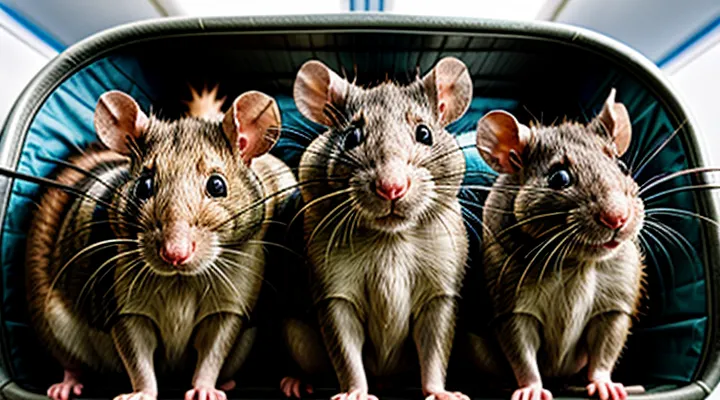
General Airline Policies on Pet Travel
Understanding «Cargo» vs. «In-Cabin» Policies
Air carriers treat rodents as either checked baggage in the cargo compartment or as personal items allowed in the passenger cabin. The distinction determines handling procedures, cost, and animal welfare requirements.
-
Cargo policies require a temperature‑controlled hold, a certified crate, and a health certificate signed by a veterinarian. Fees are calculated per kilogram or per crate. Most airlines restrict cargo transport to specific routes, prohibiting live animals on trans‑Pacific or ultra‑long‑haul flights. Advance booking through the airline’s cargo service is mandatory; spontaneous check‑in is not permitted.
-
In‑cabin policies permit a single small animal per passenger, provided the carrier fits under the seat in front. The carrier must be leak‑proof, ventilated, and sized according to airline specifications (typically no larger than 18 × 14 × 10 cm). The animal must remain in the carrier for the entire flight. Some carriers require a pet passport or a recent health declaration; others waive documentation for domestic travel. Fees are fixed per flight and non‑refundable.
To comply, passengers should reserve space for the animal during ticket purchase, submit required veterinary documentation, and label the carrier with the owner’s contact information. Upon arrival at the airport, the carrier must be presented at the check‑in desk for inspection; cargo shipments are handed over to the airline’s freight desk. Failure to meet size, health, or booking criteria results in denial of transport.
Breed and Species Restrictions
When arranging air transport for rats, the first consideration is whether the specific breed or species is permitted by the airline and destination country. Most carriers limit cargo to common domestic breeds such as the Norway rat (Rattus norvegicus) and the fancy pet rat (Rattus rattus domesticated varieties). Exotic or wild‑type rats, including dwarf or hybrid strains that are not widely recognized as pets, are frequently excluded.
Key restrictions include:
- Airline policies – Each carrier publishes a list of acceptable animal types. The list often specifies “domestic rat” and excludes “wild‑caught” or “hybrid” specimens. Documentation may be required to prove the animal’s breed.
- Health certifications – Veterinary health certificates must identify the exact species. Some airlines demand a declaration that the rat is free of zoonotic diseases, such as plague or leptospirosis, which are more common in wild populations.
- International regulations – Countries may prohibit entry of certain rodent species. The United States, for example, restricts import of non‑domestic Rattus species under the Animal Welfare Act. The European Union requires an EU Pet Passport that lists the breed and confirms compliance with EU standards.
- Size and weight limits – Even approved breeds must fit within the carrier dimensions set by the airline. Oversized rats, regardless of breed, are denied carriage.
Compliance steps:
- Verify the airline’s animal transport policy on its website or by contacting customer service.
- Obtain a veterinary health certificate that clearly states the rat’s breed and health status.
- Check the destination country’s import rules for rodents; request any required permits.
- Use an airline‑approved carrier that meets size and ventilation requirements.
Failure to meet any of these criteria results in denial of boarding or cargo acceptance. Proper verification prevents last‑minute cancellations and ensures the rat’s safe passage.
Specific Regulations for Rodents
Why Rats Are Often Excluded
Rats are frequently prohibited on commercial flights due to strict airline and regulatory policies aimed at health, safety, and operational concerns.
Airlines classify rats as live animals that require special handling. Most carriers limit transport to dogs, cats, and certain small mammals that meet specific size, species, and health criteria. Rats fall outside these approved categories, resulting in automatic denial of carriage.
Regulatory agencies such as the International Air Transport Association (IATA) and national aviation authorities enforce standards for animal transport containers, ventilation, and quarantine. Rats often fail to meet the required container specifications, and their presence can trigger additional inspection procedures that airlines seek to avoid.
Health authorities consider rodents potential vectors for zoonotic diseases. Even when rats are vaccinated and housed in clean conditions, the risk of contaminating cabin air, luggage, or cargo areas leads to a precautionary ban.
Operational factors also influence exclusion:
- Potential for escape or damage to aircraft interiors.
- Unpredictable behavior under stress, which may cause disturbance to passengers or crew.
- Requirement for specialized staff training to manage rodent-specific emergencies.
Collectively, these considerations make rats an unsuitable choice for air travel, prompting airlines to exclude them from passenger and cargo services.
Exceptions and Special Circumstances
Transporting rats by air is generally prohibited on most commercial flights, but several exceptions allow the animals to travel under strict conditions.
- Service‑animal designation: a rat certified as a service animal may be admitted in the cabin if the airline accepts the documentation and the animal does not pose a safety risk.
- Research or veterinary purpose: institutions with a valid USDA or IATA permit can ship rats as cargo, provided they are housed in approved containers and accompanied by health certificates.
- Medical emergency: a rat required for urgent treatment may be transported in the cabin or as cargo, subject to airline approval and immediate notification of flight crew.
- Breeding or genetic‑preservation programs: authorized breeding facilities may move rats under a special permit that includes quarantine compliance and temperature‑controlled containers.
- International quarantine requirements: when moving rats across borders, the destination country’s import regulations may mandate a quarantine period; airlines must coordinate with customs and veterinary authorities to ensure the animal’s documentation meets those standards.
Airlines typically require a completed live‑animal transport form, a recent veterinary health certificate, and a container that meets IATA Live Animals Regulations. Failure to provide any of these documents results in denial of boarding, even when an exception applies.
Health and Documentation Requirements
Veterinary Health Certificates
A veterinary health certificate is a formal document issued by a licensed veterinarian confirming that a rat meets the health standards required for air transport. The certificate must be signed, dated, and include the veterinarian’s registration number, ensuring authenticity for airline and regulatory review.
The certificate typically contains:
- Identification details: species, breed, sex, age, and microchip or tattoo number.
- Health status: confirmation of freedom from infectious diseases, parasites, and signs of illness.
- Vaccination record: dates and types of any vaccines administered, if applicable to the destination.
- Treatment history: recent deworming, flea control, and any therapeutic interventions within the past 30 days.
- Inspection findings: physical examination results, body condition score, and any abnormalities noted.
- Validity period: usually 10 days from issuance, though some jurisdictions may require a shorter or longer timeframe.
Airlines and destination countries often require the certificate to be presented at check‑in and may request a copy at customs. Failure to provide a valid document can lead to denial of boarding, quarantine, or return of the animal to the point of origin. Some carriers also mandate that the certificate be accompanied by a permit or import license when the destination has specific rodent regulations.
To obtain the certificate, owners should schedule a veterinary appointment at least two weeks before travel. The veterinarian will perform a thorough examination, update vaccinations if needed, and complete the form in accordance with the International Air Transport Association (IATA) Live Animals Regulations and the specific requirements of the airline and destination authorities. Keeping a digital and printed copy of the certificate readily accessible reduces the risk of delays during the travel process.
Vaccination Records and Other Paperwork
When flying with rats, airlines and regulatory agencies require documented proof of health status. A current vaccination record must list all immunizations administered to the animal, the dates they were given, and the veterinarian’s signature and license number. The document should be issued within the timeframe specified by the carrier, typically no older than 30 days, and must be presented at check‑in and, if requested, at customs.
Additional paperwork often includes:
- A health certificate signed by a licensed veterinarian, confirming the rat is free of contagious diseases and fit for transport.
- An import or export permit when crossing international borders, obtained from the destination country’s agricultural authority.
- A declaration form supplied by the airline, detailing the species, weight, and container specifications.
- Proof of microchip implantation or other identification, if required by the destination’s regulations.
Failure to provide any of these documents can result in denied boarding, quarantine, or the animal’s return to the origin. Always verify the specific requirements of the airline and the destination country before departure.
Preparation for Air Travel with Rats (If Permitted)
Choosing the Right Carrier
When traveling with a rat, the carrier functions as the sole barrier between the animal and the cabin environment. Selecting a carrier that meets airline specifications prevents delays, fines, or the denial of boarding, and safeguards the pet’s health during pressure changes and temperature fluctuations.
Key attributes of an appropriate carrier include:
- Dimensions: Interior space must allow the rat to stand, turn, and lie flat without obstruction. Exterior measurements must fit under the seat or in the overhead bin according to the airline’s size limits.
- Ventilation: Mesh panels or multiple air holes on all sides ensure continuous airflow, reducing the risk of overheating or suffocation.
- Durability: Rigid plastic or reinforced aluminum frames resist crushing and prevent accidental opening. Soft-sided containers are acceptable only if they have a solid internal frame.
- Secure closure: Double-locking latches or zippered seals eliminate the possibility of escape during handling or turbulence.
- Material safety: Non-toxic, BPA‑free plastics or stainless steel components avoid chemical exposure. Interior surfaces should be smooth to prevent injury.
- Labeling: Clear, legible tags indicating “Live Animal – Do Not Open” and the owner’s contact information satisfy regulatory requirements.
- Ease of cleaning: Removable liners or waterproof interiors simplify sanitation before and after the flight.
Compliance verification involves reviewing the carrier’s specifications against the airline’s pet policy, which typically outlines maximum length, width, height, and weight. Documentation, such as a certification of carrier compliance, should be kept in the passenger’s carry‑on bag for inspection.
Finally, conduct a trial run before travel: place the rat in the carrier for several hours, observe behavior, and confirm that ventilation remains adequate. This pre‑flight test identifies potential stressors and confirms that the selected carrier provides a secure, comfortable environment for the journey.
Acclimating Your Rat to Travel
Preparing a rat for air travel requires systematic desensitization and consistent handling. Begin by selecting an airline‑approved carrier that meets size and ventilation standards. Place familiar bedding and a chewable toy inside to create a recognizable environment.
Gradual exposure builds confidence.
- Keep the carrier in a low‑traffic area for several days; allow the rat to explore it voluntarily.
- Introduce short, supervised trips around the house, gradually extending the duration.
- Simulate travel conditions by securing the carrier on a moving surface (e.g., a stroller or a car seat) for brief periods, monitoring stress signals such as excessive grooming or vocalization.
Maintain a stable routine. Feed the rat at the same times each day, and limit changes to lighting and temperature in the weeks before departure. Offer water in a spill‑proof bottle to prevent dehydration, but remove it a few hours before the flight to avoid leaks.
Health verification strengthens compliance with airline regulations. Obtain a recent veterinary health certificate, confirming the rat is free of contagious diseases and up‑to‑date on vaccinations. Record the certificate and keep it accessible during check‑in.
On the day of travel, conduct a final inspection of the carrier: ensure locks function, ventilation openings are unobstructed, and the interior remains clean. Place the carrier under the seat in front of you, keeping it within sight but not directly in the aisle. Speak calmly to the rat, avoiding sudden movements that could trigger anxiety.
Post‑flight, allow the rat time to adjust before handling. Offer a familiar scent object, provide fresh water, and observe for any signs of stress or illness. Prompt veterinary evaluation is advisable if abnormal behavior persists.
Food, Water, and Comfort During the Journey
When transporting rats by air, the airline’s live‑animal policy dictates the allowable food and water containers, the timing of meals, and the environmental conditions required for the animal’s well‑being.
Food must be placed in a secure, spill‑proof dish that fits inside the carrier without contacting the walls. Soft kibble or pre‑moistened pellets are recommended because they remain edible for several hours without drying out. Avoid fresh produce that can rot during the flight. Offer the last meal no later than four hours before departure; this reduces the need for additional feeding while the rat remains in the carrier.
Water should be supplied in a leak‑proof bottle or a specialized hydration pad that attaches to the carrier’s side. The device must be sealed to prevent leaks that could damage luggage or create a mess in the cabin. Provide enough liquid for the entire journey, typically 10 ml per kilogram of body weight, and ensure the rat can access it without removing the carrier from the seat.
Comfort considerations include:
- Carrier size: Minimum interior dimensions must allow the rat to turn around, stand, and lie flat without touching the carrier’s walls.
- Bedding: Use absorbent, non‑dusty material such as paper strips; limit depth to prevent shifting that could destabilize the animal.
- Temperature: Verify that the aircraft’s cabin temperature remains within the species’ thermal comfort range (18‑24 °C). If the flight exceeds two hours, request a temperature‑controlled compartment if the airline offers one.
- Ventilation: Ensure the carrier has multiple ventilation slots that meet the airline’s size specifications. Do not block any openings with bedding or food wrappers.
- Noise reduction: Place a thin, breathable cloth over the carrier’s top to dampen sudden sounds without restricting airflow.
Before boarding, confirm that the carrier complies with the airline’s dimensions and that all food and water containers meet the required safety standards. During the flight, keep the carrier upright and avoid exposing it to direct sunlight or drafts from ventilation vents. After landing, inspect the rat for signs of dehydration or stress, and provide fresh water and a small meal within thirty minutes.
Alternatives to Flying with Rats
Ground Transportation Options
Ground transportation is a critical component of moving pet rats when air travel is involved. Regulations for airlines typically require that rodents travel in an approved carrier, but the journey to the airport and from the destination terminal often depends on road or rail options. Understanding the requirements of each mode prevents delays and ensures animal welfare.
Common ground solutions include:
- Personal vehicle: Secure a well‑ventilated carrier, maintain a stable temperature, and keep the animal out of direct sunlight. Verify that the carrier complies with airline size limits to avoid repacking at the airport.
- Pet‑friendly taxi or rideshare: Select services that allow animal carriers in the cabin. Confirm driver policies before booking to avoid refusal at pick‑up.
- Specialized pet transport companies: These firms provide climate‑controlled vehicles, route monitoring, and paperwork handling. Choose providers licensed for live‑animal transport and equipped with ISO‑compliant crates.
- Train services: Some rail operators permit small mammals in carriers, provided the carrier fits under the seat or in a designated luggage area. Review carrier dimensions and any required health certificates.
- Bus lines: A limited number of intercity buses accept carriers that meet size and safety standards. Verify the policy in advance, as restrictions vary by carrier.
Each option demands adherence to local animal welfare statutes, such as vaccination records and health certificates, which must be presented upon request. Failure to comply can result in denied boarding or quarantine. Selecting the appropriate ground method, based on distance, climate control, and regulatory compatibility, streamlines the overall travel process for rats and minimizes stress for both animal and owner.
Pet Relocation Services
Pet relocation specialists handle the complex requirements of moving small mammals such as rats on commercial flights. They verify airline policies, secure appropriate containers, and arrange for any necessary health certificates. By coordinating with carriers, they ensure that the animal complies with both departure and arrival regulations, reducing the risk of denied boarding.
Key responsibilities of a professional relocation service include:
- Confirming that the airline permits rodents in the cabin or cargo hold and identifying any size or weight limits.
- Selecting a USDA‑approved travel cage that meets International Air Transport Association (IATA) specifications for ventilation, security, and labeling.
- Obtaining a recent veterinary health check, including any required vaccinations or parasite treatments, and preparing the official health certificate.
- Completing customs paperwork for international trips, which may involve import permits, quarantine documentation, or species‑specific restrictions.
- Providing a pre‑flight briefing on feeding, hydration, and handling to minimize stress for the animal during transport.
Most carriers require that the cage fit under the seat in front of the passenger or be placed in a temperature‑controlled cargo compartment. The container must be clearly marked with the owner’s contact information, the animal’s identification, and a “Live Animal” label. Failure to meet these standards typically results in the animal being refused entry onto the aircraft.
When a relocation provider manages the entire process, owners receive a single point of contact and a documented timeline that tracks each step from pickup to delivery. This approach eliminates gaps in compliance, streamlines communication with airline staff, and increases the likelihood of a successful, humane journey for the rat.
Temporary Care and Pet Sitting
When a rat must be transported by air, owners often need temporary care or pet‑sitting arrangements before departure, during layovers, or after arrival. Airlines typically require a sealed, ventilated carrier that meets specific size and material standards; the carrier must be labeled with the animal’s identification and the owner’s contact information. Failure to comply results in denial of boarding and possible forfeiture of the reservation.
Temporary care providers must demonstrate compliance with local animal‑health regulations. Essential documentation includes a recent health certificate signed by a licensed veterinarian, proof of up‑to‑date vaccinations, and any required import permits. Providers should keep records of the rat’s diet, medication schedule, and emergency contacts, and they must store the carrier in a secure, temperature‑controlled environment.
Key considerations for arranging pet‑sitting services:
- Verify that the facility is licensed to handle small mammals and has experience with rodents.
- Confirm that the carrier meets airline specifications and that the provider can transport it safely to the airport.
- Ensure the sitter can administer any prescribed treatments and recognize signs of stress or illness.
- Obtain written agreements outlining liability, insurance coverage, and procedures for unexpected flight cancellations.
- Request a backup plan for alternative carriers or temporary relocation if the original flight is delayed.
By adhering to these requirements, owners can mitigate risks associated with air travel for rats and maintain the animal’s welfare throughout the journey.