
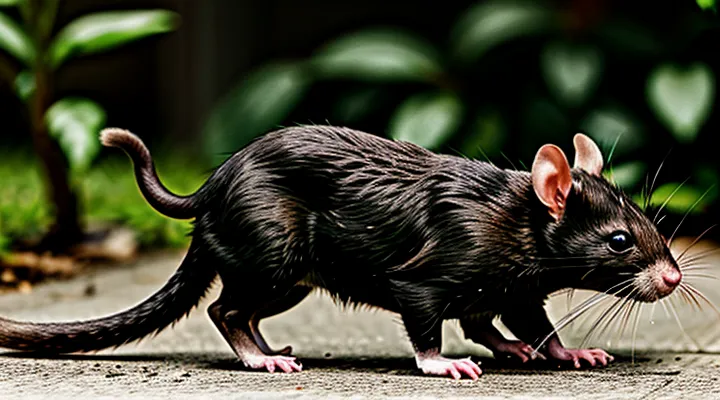
Understanding Rabies Transmission
The Rabies Virus
The rabies virus belongs to the family Rhabdoviridae and possesses a single‑stranded, negative‑sense RNA genome. Its bullet‑shaped virion is enveloped and contains five structural proteins that facilitate replication and immune evasion.
Transmission occurs primarily through the saliva of infected mammals when a bite or scratch introduces virus‑laden tissue into the nervous system of a new host. After entry, the virus travels retrograde along peripheral nerves to the central nervous system, where replication leads to encephalitis and eventual fatality if untreated.
Typical reservoirs include carnivores such as dogs, foxes, raccoons, and bats. Rodents are rarely competent hosts; experimental infection shows low susceptibility and minimal viral shedding. Consequently, the probability that a rat can serve as a source of infection for humans or other animals is extremely low.
Key points about the virus:
- Genome: ~12 kb RNA encoding nucleoprotein, phosphoprotein, matrix protein, glycoprotein, and polymerase.
- Incubation period: 1 – 3 months on average, variable with bite location and viral load.
- Clinical signs: agitation, hypersalivation, paralysis, progressing to coma.
- Prevention: pre‑exposure vaccination for high‑risk personnel, post‑exposure immunoglobulin and vaccine series for bite victims.
- Rodent role: occasional laboratory infection, but natural transmission from rats to humans is not documented.
Common Carriers of Rabies
Terrestrial Animals
Rabies is a viral disease that primarily circulates among carnivorous and omnivorous mammals. Terrestrial mammals such as dogs, foxes, raccoons, skunks, and bats serve as common reservoirs, maintaining the virus in wildlife populations. The virus is transmitted through saliva, typically via bites that break the skin.
Rats belong to the order Rodentia, a group of terrestrial mammals that includes many species adapted to urban and rural environments. Laboratory studies have demonstrated that rats can be experimentally infected with the rabies virus, yet natural infections are exceptionally rare. Surveillance data from health agencies worldwide record only isolated cases of rabies in rats, and those instances are usually linked to exposure to a rabid animal rather than independent viral maintenance.
The likelihood of acquiring rabies from a rat bite is therefore extremely low. Key points:
- Rabies reservoirs are species with established virus cycles; rats are not recognized as such.
- Documented rat rabies cases are anecdotal and involve secondary exposure.
- Standard rabies post‑exposure prophylaxis is recommended only when the biting animal is confirmed or suspected to be rabid.
Preventive measures focus on controlling rabies in known reservoir species and avoiding contact with any wild or stray mammal that may carry the virus.
Wild Animals
Rats belong to the order Rodentia, a group that is not a common reservoir for the rabies virus. The virus is maintained primarily in carnivorous mammals such as raccoons, skunks, foxes, coyotes, and in several bat species. Transmission requires the presence of virus in the animal’s saliva and a bite or deep scratch that introduces saliva into the victim’s tissue.
Evidence regarding rats and rabies:
- Experimental infection of laboratory rats shows low susceptibility; most animals do not develop clinical rabies after exposure.
- Field studies of wild rat populations report virtually no cases of rabies-positive specimens.
- Documented instances of rabid rats are exceedingly rare and usually involve rats that have been infected through contact with a rabid carnivore rather than serving as a primary source.
Consequences for public health:
- The probability of acquiring rabies from a wild rat bite is negligible compared to bites from known rabies reservoirs.
- Rabies prophylaxis is recommended only when the biting animal is a recognized carrier or when the animal’s health status cannot be reliably determined.
Other zoonotic concerns linked to wild rats include leptospirosis, hantavirus, and plague, which warrant separate preventive measures.
Rabies Risk from Rats
Low Incidence in Rodents
Biological Factors
Rabies virus belongs to the Rhabdoviridae family and infects mammals through direct contact with infected saliva. Classical reservoirs include carnivores such as dogs, foxes, and certain bat species; rodents are not primary hosts.
Rats (genus Rattus) exhibit low susceptibility to rabies. Experimental infection shows limited viral replication, and natural infection rates in wild populations are exceptionally rare. The immune response of rats rapidly clears the virus, reducing the likelihood of prolonged shedding.
When infection occurs, virus is present primarily in nervous tissue. Salivary excretion, the main transmission route, is minimal in rats because the virus rarely reaches the salivary glands. Consequently, the probability of a rat transmitting rabies through a bite is markedly lower than that of established reservoir species.
Epidemiological records contain few, if any, confirmed cases of rabies transmitted from rats to humans. Surveillance data from health agencies worldwide indicate that rats are not recognized as significant vectors of the disease.
Factors that could increase the theoretical risk include:
- Severe bite that breaches deep tissue
- High viral load in the rat at the time of contact
- Immunocompromised or stressed rat, which may allow greater viral replication
- Environments where rats have close contact with known rabies reservoirs
Overall, biological evidence supports a negligible risk of acquiring rabies from a rat under typical circumstances.
Behavioral Factors
Rats are not common rabies reservoirs; the virus is maintained primarily in carnivorous mammals such as raccoons, skunks, foxes, and bats. Documented cases of rabies infection in rats are exceedingly rare, and transmission from a rat to a person has not been observed in scientific literature.
Rat behavior influences exposure risk. Most rats are nocturnal and avoid direct confrontation with humans. Aggressive biting occurs only when the animal is trapped, severely injured, or subjected to extreme stress. Salivary infection potential is minimal because rabies replication in rodents is inefficient, and infected rodents rarely survive long enough to exhibit aggressive behavior.
Human actions determine the likelihood of contact with infectious material. The following behaviors raise the probability of exposure:
- Handling wild or feral rats without protective gloves.
- Allowing bites or scratches to go untreated.
- Contacting rat saliva on open wounds or mucous membranes.
- Feeding or trapping rats in environments where rabid carnivores are present.
Preventive measures include using gloves when handling rodents, promptly cleaning any bite or scratch with soap and water, and seeking medical evaluation if exposure occurs. Because rats seldom carry rabies, the overall risk remains low, but adherence to safe handling practices eliminates the already minimal chance of transmission.
Documented Cases and Rarity
Documented evidence of rabies transmission involving rats is virtually nonexistent. Surveillance reports from the United States, Europe, and Asia list zero human rabies cases attributable to rat exposure. The World Health Organization’s rabies database, which aggregates laboratory‑confirmed incidents worldwide, contains no entries linking a human infection to a rat bite or scratch.
Experimental studies demonstrate that laboratory‑bred rats can be infected with rabies virus under controlled conditions. In such studies, infected rats develop viral replication in neural tissue but rarely exhibit clinical rabies, and transmission to other mammals is inefficient. These findings confirm susceptibility but underscore a lack of natural disease cycles in wild rodent populations.
Key observations:
- Wild rat populations show seronegative results in most rabies surveillance programs; prevalence estimates are below 0.01 % where testing has been performed.
- All recorded human rabies cases involve carnivorous or chiropteran reservoirs (dogs, bats, raccoons, skunks, foxes); no rat‑associated case has been reported in the last century.
- Experimental infection demonstrates low viral shedding from rat saliva, reducing the likelihood of bite‑mediated transmission.
The consensus among public‑health authorities is that the risk of acquiring rabies from a rat is negligible. Preventive measures focus on wildlife known to sustain rabies cycles rather than on rodent control.
What to Do After a Rat Bite
Immediate First Aid
A rodent bite, including one from a rat, can present a theoretical rabies exposure, so prompt wound management is critical.
- Wash the wound immediately with running water for at least 30 seconds.
- Apply mild soap; avoid harsh antiseptics that may damage tissue.
- Rinse thoroughly, then pat dry with a clean gauze.
- Cover the site with a sterile, non‑adhesive dressing to control bleeding.
- Apply gentle pressure if bleeding persists, then seek professional medical evaluation without delay.
Medical assessment should include verification of the animal’s vaccination status, observation of the rodent for signs of illness, and consideration of post‑exposure prophylaxis based on local health‑authority guidelines. Documentation of the incident—date, time, location, and circumstances—facilitates accurate risk assessment.
If symptoms such as fever, headache, or neurological changes develop, report them immediately to a healthcare provider, as they may indicate progression toward rabies infection. Prompt administration of rabies immunoglobulin and vaccine, when indicated, markedly improves prognosis.
Seeking Medical Advice
When to Consult a Doctor
Rats are an uncommon source of rabies, but a bite, scratch, or contact with saliva from a potentially infected animal warrants professional evaluation.
- Bite or scratch that breaks the skin, especially if bleeding.
- Exposure to saliva on an open wound, mucous membrane, or broken skin.
- Handling a rat that appears ill, exhibits abnormal behavior, or has died under suspicious circumstances.
- Uncertainty about the animal’s vaccination status or geographic origin where rabies is endemic.
- Development of pain, swelling, redness, or fever within 48 hours after the incident.
Medical assessment should include thorough wound cleansing, documentation of the exposure event, and determination of whether rabies post‑exposure prophylaxis (PEP) is required. The clinician will consider the species, local rabies prevalence, and the nature of the contact when deciding on vaccine and immunoglobulin administration.
Follow‑up visits are necessary to monitor wound healing, assess for adverse reactions to PEP, and confirm completion of the vaccine series if it is initiated. Prompt consultation reduces the risk of delayed treatment and ensures adherence to public‑health protocols.
Rabies Post-Exposure Prophylaxis (PEP)
Rabies Post‑Exposure Prophylaxis (PEP) is the standard medical response after a potential exposure to the rabies virus, including bites or scratches from rodents such as rats. The decision to initiate PEP depends on a risk assessment that considers the animal’s species, behavior, and vaccination status, as well as the circumstances of the contact.
If a rat bite occurs, the following components constitute PEP:
- Immediate wound cleansing with soap and running water for at least 15 minutes.
- Administration of rabies‑specific human immune globulin (HRIG) infiltrated around the wound site; any remaining volume is injected intramuscularly at a distant site.
- A series of rabies vaccine doses given intramuscularly on days 0, 3, 7, and 14 (a fifth dose on day 28 may be added for immunocompromised patients).
PEP is recommended when the animal cannot be observed for 10 days, when the animal is unavailable for testing, or when the bite originates from a wild rat with unknown health status. Laboratory confirmation of rabies in the animal eliminates the need for further prophylaxis; a negative result permits discontinuation of the regimen.
The effectiveness of PEP relies on timely initiation, typically within 24 hours of exposure. Delays increase the risk of viral entry into the nervous system, which is irreversible once symptoms appear. Therefore, any rat‑related injury that penetrates the skin should be evaluated promptly by a qualified health professional to determine the necessity of PEP.
Preventing Rodent Bites and Rabies
Rodent Control Measures
Rodent control is a critical component of public‑health strategies aimed at reducing the risk of zoonotic diseases, including the rare transmission of rabies from rats. Effective management limits direct contact between humans and rodents, curtails the spread of other pathogens, and diminishes the likelihood of bite incidents.
Key control actions include:
- Sanitation: Remove food debris, secure garbage containers, and eliminate standing water to deny rodents accessible resources.
- Structural exclusion: Seal cracks, install door sweeps, and repair screens to prevent entry into buildings.
- Trapping: Deploy snap or live traps in identified activity zones; check and dispose of captures promptly.
- Rodenticides: Apply anticoagulant baits according to label directions, preferably under professional supervision to avoid non‑target exposure.
- Professional pest‑management services: Engage certified operators for comprehensive assessments, customized action plans, and ongoing monitoring.
Regular inspection of premises, documentation of rodent sightings, and swift response to infestations sustain the effectiveness of these measures. By maintaining a proactive approach, the probability of encountering a rabid rat—or any disease‑carrying rodent—remains exceedingly low.
Avoiding Contact with Wild Animals
Rats are not typical rabies reservoirs; documented cases of rabies in rats are extremely rare. Transmission would require a bite or scratch from a rat that has been infected by another rabid animal. Consequently, the likelihood of acquiring rabies from a rat is negligible, but exposure to any wild mammal carries a potential health risk.
Avoiding contact with wild animals reduces the chance of disease transmission. Effective measures include:
- Keep a safe distance from unfamiliar animals; do not attempt to handle or capture them.
- Store food, garbage, and pet feed in sealed containers to deter foraging.
- Eliminate shelter opportunities such as piles of wood, debris, or dense vegetation near residences.
- Wear thick gloves and protective clothing when cleaning areas where wild animals may have been active.
- Educate children about the dangers of approaching or touching wildlife.
If a bite, scratch, or saliva exposure occurs, wash the area thoroughly with soap and water, apply an antiseptic, and seek medical evaluation promptly. Report the incident to local public‑health authorities to enable appropriate rabies risk assessment and possible post‑exposure prophylaxis.
Key Takeaways on Rabies and Rats
Rats are rarely involved in rabies transmission. The virus primarily circulates among carnivorous mammals such as raccoons, skunks, foxes, and bats. Laboratory surveys in North America and Europe have detected rabies infection in rats at a frequency of less than 0.1 % of tested specimens. When infection occurs, it is usually the result of a bite from a rabid predator rather than the rat serving as a natural reservoir.
Key points:
- Rabies virus replication requires a suitable host; rats lack the physiological conditions that sustain prolonged viral shedding.
- Documented cases of rat‑to‑human rabies are virtually nonexistent; most reported incidents involve secondary exposure after a rat is bitten by a rabid animal.
- Diagnostic testing of rats that have died after exposure to a known rabid animal is recommended to confirm infection status.
- Preventive measures focus on controlling rabies in primary wildlife reservoirs and limiting human contact with wild or feral rodents.
- Post‑exposure prophylaxis is indicated only if a rat is proven to be rabid or if the bite originates from a rabid animal that has subsequently infected the rat.
Overall, the risk of acquiring rabies directly from rats is negligible. Public health strategies should prioritize wildlife vaccination programs and education on avoiding bites from known rabies carriers.