
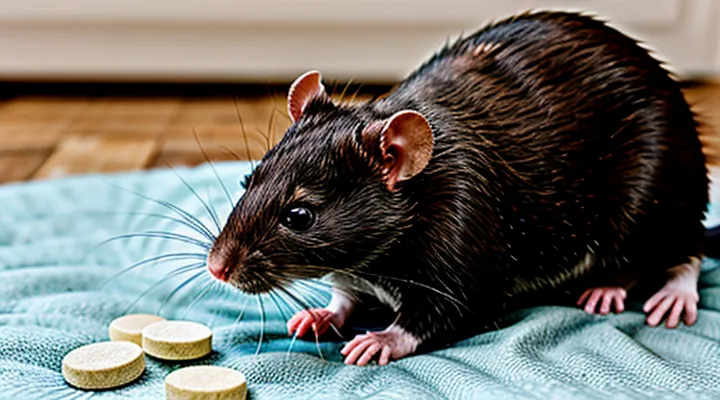
Understanding Silica Gel
What is Silica Gel?
Silica gel is a granular, porous form of silicon dioxide, produced by reacting sodium silicate with mineral acid and then washing and drying the resulting precipitate. The material exhibits a high surface area, typically 300–800 m² g⁻¹, which enables rapid adsorption of water molecules from the surrounding environment. Commercial products appear as clear beads, white granules, or colored crystals, often packaged in moisture‑indicating packets that change hue when saturated.
Key characteristics relevant to rodent substrate include:
- Moisture‑binding capacity of 30–40 % of its weight, maintaining low relative humidity in confined spaces.
- Chemically inert nature; silica gel does not react with biological tissues under normal conditions.
- Non‑nutritive composition; rodents cannot derive energy or nutrients from the material.
- Sharp edges absent in bead forms, reducing the risk of physical injury.
- Reusability after regeneration by heating at 120 °C for several hours, restoring adsorption efficiency.
Safety considerations involve avoiding inhalation of fine dust, as respirable particles may irritate the respiratory tract. Proper containment, such as using larger beads or enclosed bedding layers, mitigates this risk. The material’s desiccant function can lower humidity levels, potentially decreasing mold growth and parasite proliferation in cages, while also providing a dry, stable surface for rodents to nest.
How Silica Gel Works
Silica gel consists of amorphous silicon dioxide formed into a granular matrix with a high surface area. The material contains a network of interconnected pores ranging from a few nanometres to several micrometres, creating sites capable of binding water molecules through physical adsorption.
The adsorption process operates by establishing van‑der‑Waals forces between the silica surface and water vapour. As humidity rises, water molecules diffuse into the pore channels and adhere to internal surfaces, reducing the ambient moisture level. Desorption occurs when the surrounding air becomes drier, allowing water to release back into the environment and restoring the gel’s capacity.
Key functional characteristics include:
- Rapid equilibration with ambient humidity;
- Reversible moisture uptake without chemical alteration;
- Capacity measured in grams of water per gram of gel, typically 30–40 % at 25 °C and 80 % relative humidity.
When applied as a substrate for small‑animal housing, silica gel’s moisture‑absorbing ability can maintain a dry environment, limiting bacterial growth and odour development. However, the granules are chemically inert yet physically abrasive; direct contact with the skin may cause irritation, and ingestion poses a choking hazard. Proper containment—such as encasing the gel in a breathable yet impermeable barrier—mitigates these risks while preserving its desiccant function.
The Problem with Silica Gel for Rat Bedding
Potential Health Risks
Respiratory Irritation
Silica gel, when employed as a substrate in rat enclosures, releases fine particulate matter capable of depositing on the respiratory mucosa. Inhalation of these particles induces inflammation of the airway epithelium, leading to increased mucus production, bronchoconstriction, and reduced pulmonary compliance. Chronic exposure may progress to persistent cough, dyspnea, and heightened susceptibility to secondary infections.
Key considerations regarding airway irritation include:
- Particle size distribution: particles below 10 µm penetrate deep into the bronchioles, amplifying irritant potential.
- Moisture absorption: silica gel’s hygroscopic nature lowers ambient humidity, drying mucosal surfaces and facilitating irritation.
- Duration of exposure: continuous bedding contact prolongs inhalation risk compared to intermittent handling.
- Species sensitivity: laboratory rats exhibit heightened olfactory and respiratory reactivity, making them especially vulnerable to aerosolized silica.
Mitigation strategies involve replacing silica gel with low‑dust, absorbent materials, implementing ventilation systems that achieve at least 15 air changes per hour, and conducting periodic respiratory health assessments to detect early signs of «respiratory irritation».
Ingestion Hazards
Silica gel, commonly marketed as a moisture‑absorbing agent, is occasionally proposed as a low‑cost substrate for rodent habitats. Rats readily chew and swallow foreign material; ingestion of silica granules introduces a set of acute and chronic health concerns.
The substance is chemically inert but physically abrasive. Sharp particles can damage oral tissues, esophageal lining, and gastrointestinal mucosa. The material does not dissolve, leading to mechanical obstruction within the digestive tract. Additionally, silica particles may provoke inflammatory responses that impair nutrient absorption.
Key ingestion hazards include:
- Oral and esophageal abrasion causing bleeding and infection.
- Gastrointestinal blockage resulting in vomiting, loss of appetite, and potentially fatal perforation.
- Chronic inflammation of the gut wall, which can reduce growth rates and increase susceptibility to secondary diseases.
- Potential respiratory irritation if particles become aerosolized and are inhaled during grooming.
Preventive measures recommend using bedding composed of absorbent, non‑edible fibers such as paper or aspen shavings. If silica gel must be present, it should be sealed in impermeable containers to eliminate direct access by the animals. Regular health monitoring is essential to detect early signs of gastrointestinal distress.
Skin and Paw Irritation
Silica gel, when employed as a substrate for laboratory rodents, presents a risk of cutaneous and paw irritation. The material consists of fine, porous beads that can abrade delicate epidermal layers during grooming or locomotion. Direct contact promotes moisture loss from the stratum corneum, leading to dryness, cracking, and inflammation.
Key irritation mechanisms include:
- Mechanical friction from irregular bead edges.
- Desiccating effect caused by rapid water absorption.
- Potential leaching of silica particles that may provoke allergic responses.
Visible signs of irritation encompass erythema, swelling, ulceration, and altered gait. Affected rats often exhibit excessive scratching, reduced activity, and reluctance to explore the bedding area.
Mitigation strategies focus on modifying the substrate properties:
- Select beads with a uniform, rounded morphology to minimize abrasive contact.
- Incorporate a thin, non‑toxic coating that reduces friction while preserving absorbency.
- Limit exposure duration by providing alternative nesting zones composed of softer, natural fibers.
- Conduct regular health inspections to detect early dermatological changes.
When irritation persists despite adjustments, replacement with established bedding materials such as paper pulp or aspen shavings is advisable to safeguard animal welfare.
Absorbency and Odor Control Considerations
Silica gel exhibits high hygroscopic capacity, absorbing up to 40 % of its weight in water vapor within a few hours. The material’s porous structure creates a large internal surface area, allowing rapid uptake of moisture from the cage environment. Compared with traditional substrates such as wood shavings, silica gel reduces relative humidity more efficiently, limiting the growth of mold and dampness‑related pathogens.
Odor mitigation relies on silica gel’s ability to adsorb volatile compounds, including ammonia and urea breakdown products. By trapping these molecules, the substrate diminishes the characteristic scent of rodent waste, contributing to a cleaner air quality inside the enclosure. The adsorption process is reversible; saturation diminishes effectiveness, necessitating periodic renewal of the material.
Key considerations for implementation:
- Moisture absorption rate: 30–45 % of gel weight per day under typical cage conditions.
- Ammonia adsorption: reduction of airborne concentrations by 50–70 % when fresh gel is employed.
- Replacement interval: 1–2 weeks, depending on animal density and cage ventilation.
- Safety: non‑reactive, inert particles pose minimal dermal risk; ingestion risk mitigated by using sealed granules or coated beads.
- Cost: higher upfront expense than cellulose‑based bedding, offset by reduced cleaning frequency and lower veterinary interventions.
Effective use of silica gel as a bedding alternative requires monitoring of moisture levels and timely replacement to maintain absorbency and odor control performance.
Lack of Enrichment and Comfort
Silica gel provides a dry, inert surface, but it fails to meet the behavioral and physiological needs of rats. The material offers no nesting material, hindering the construction of burrows that rodents use for thermoregulation and stress reduction. Absence of such structures can lead to increased cortisol levels and impaired immune function.
Key deficiencies include:
- Lack of tactile variety; rats cannot manipulate or rearrange the substrate, limiting exploratory behavior.
- Inadequate insulation; silica gel does not retain warmth, exposing animals to temperature fluctuations.
- Absence of odor‑absorbing capacity; waste accumulates, creating an environment that may discourage grooming and increase respiratory irritation.
Research indicates that enrichment items such as shredded paper, wood shavings, or corn cob bedding support natural digging instincts and improve overall welfare. Replacing silica gel with these alternatives restores essential comfort and promotes healthier, more active rodents. «Enrichment is a critical component of laboratory animal care, directly influencing physiological and psychological outcomes».
Safe and Recommended Bedding Options for Rats
Paper-Based Bedding
Shredded Paper
Shredded paper serves as a widely accepted bedding material for rats in research and pet environments. Its fibrous structure offers high absorbency, allowing rapid wicking of urine and dampness, which reduces the risk of bacterial growth. The texture remains soft enough to prevent skin abrasions while maintaining sufficient firmness for nesting behavior.
When evaluating alternatives, silica gel exhibits strong desiccant properties but lacks the capacity to absorb liquids, creating a dry surface that can increase urinary concentration on the cage floor. Inhalation of fine silica particles poses respiratory hazards, especially for small mammals with sensitive airways. Shredded paper, by contrast, consists of cellulose fibers that are inert and non‑toxic when sourced from untreated, ink‑free material.
Advantages of shredded paper:
- Superior liquid absorption
- Low risk of respiratory irritation
- Supports natural nesting activity
- Economically accessible and biodegradable
Disadvantages:
- Requires regular replacement to maintain dryness
- Potential for mold development if not changed frequently
- May retain odors if not ventilated
Implementation guidelines include selecting paper without chemical additives, shredding to a uniform length of 2–4 mm, and sterilizing via autoclave or heat treatment before placement. Bedding depth of 2–3 cm provides adequate insulation while allowing easy cleaning. Monitoring moisture levels daily ensures the substrate remains within safe limits, preventing the conditions that silica gel fails to address.
Overall, shredded paper delivers a balanced combination of moisture management, safety, and behavioral suitability, making it a preferable choice over desiccant‑based options for rat bedding.
Paper Pellets
Paper pellets serve as an alternative substrate for laboratory and pet rodents. Their composition of compressed cellulose provides a dry, absorbent medium that resists mold formation. Moisture‑binding capacity typically reaches 0.6 g water per gram of pellets, sufficient for managing urine output without compromising cage hygiene.
When evaluating silica gel as a potential bedding material, the comparative analysis must consider several parameters: hygroscopic efficiency, odor control, particle size, and animal welfare. Silica gel exhibits superior moisture adsorption, often exceeding 30 % of its weight under low‑humidity conditions. However, its desiccant nature can lead to overly dry environments, potentially causing respiratory irritation if particles become airborne. Paper pellets, by contrast, maintain moderate humidity levels, reducing the risk of nasal mucosa desiccation while still providing adequate absorbency.
Key advantages of paper pellets include:
- Biodegradability; waste can be composted or incinerated without hazardous residues.
- Low dust generation; particle size distribution minimizes aerosolization.
- Compatibility with enrichment devices; pellets can be shaped or stacked to create tunnels and nesting areas.
Potential drawbacks relative to silica gel involve slower moisture uptake, requiring more frequent changes in high‑density housing. Additionally, the bulk density of pellets may reduce usable cage volume compared to granular desiccants.
In practice, a hybrid bedding system—combining a thin layer of silica gel beneath a top layer of paper pellets—can balance rapid moisture removal with a comfortable, low‑dust surface. Such configurations have demonstrated reduced ammonia levels and improved animal comfort in controlled studies. The approach aligns with best‑practice guidelines for rodent husbandry, emphasizing both environmental control and welfare considerations.
Aspen Shavings
Aspen shavings are a widely adopted substrate for laboratory and pet rats. The wood is soft, low‑density, and produces minimal dust, reducing the risk of respiratory irritation. Natural absorbency manages urine and moisture, while the neutral scent does not mask odors that may indicate health issues.
Compared with silica gel, Aspen shavings present a biodegradable alternative that avoids the desiccant’s potential for skin dryness and accidental ingestion. Silica gel offers superior water‑binding capacity, yet its granular form can create sharp particles and requires regular replacement to maintain effectiveness. Aspen shavings, by contrast, can be refreshed weekly without compromising animal comfort.
- High absorbency sufficient for typical cage loads
- Low dust generation, supporting respiratory health
- Biodegradable, compatible with composting waste streams
- Soft texture, minimizing footpad injuries
- Limited long‑term moisture control relative to silica gel
When evaluating bedding choices, Aspen shavings satisfy the primary criteria of safety, comfort, and environmental sustainability. Their performance aligns with the functional demands of rat housing, providing a practical substitute for synthetic desiccants in most settings.
Fleece and Cloth Bedding
Fleece and cloth represent two widely adopted bedding options for rats kept in laboratory or domestic environments. Both materials provide a soft substrate that encourages natural burrowing behavior while minimizing stress.
Fleece offers high absorbency, retaining moisture without becoming soggy. Its low‑dust composition reduces respiratory irritation, a critical factor for small mammals. The fabric’s durability permits repeated laundering at temperatures sufficient to eliminate pathogens, extending its service life and decreasing long‑term costs.
Cloth bedding, typically composed of woven cotton or polyester blends, delivers comparable softness with enhanced tensile strength. The material withstands frequent handling and resists tearing, making it suitable for cages with metal bars. Laundering requirements are similar to fleece, though some blends may retain odors longer, necessitating more frequent replacement.
Advantages
- Excellent moisture management
- Minimal airborne particles
- Reusable after high‑temperature washing
- Cost‑effective over multiple cycles
Disadvantages
- Potential for retained odor if not washed regularly
- Initial investment higher than disposable substrates
- May require additional layering to prevent cage bottom wear
When selecting between fleece and cloth, key criteria include hygiene protocols, cage design, and budget constraints. Both materials outperform inorganic absorbents such as silica gel in terms of animal comfort and ease of maintenance, while providing comparable control of waste accumulation. Their adaptability makes them reliable alternatives for rat bedding applications.
Care and Maintenance of Safe Bedding
Silica gel can serve as a component of rodent bedding when its physical properties are managed to prevent ingestion and respiratory irritation. Proper care ensures the material remains safe and effective for laboratory or pet rats.
- Select granules with particle size larger than 2 mm to reduce the risk of accidental consumption.
- Store the gel in a sealed container away from moisture to preserve its desiccant capacity.
- Before introducing the substrate, inspect for broken or powdered particles; discard any compromised batches.
- Mix silica gel with an absorbent, non‑toxic fiber such as paper pulp or aspen shavings to provide a comfortable surface and to dilute the concentration of silica particles.
- Monitor humidity levels in the cage; replace the gel when it no longer changes color or when its moisture‑binding capacity declines, typically every 2–3 weeks depending on ambient conditions.
- Clean the enclosure weekly with mild, non‑abrasive detergent; rinse thoroughly to remove residual gel particles that may have migrated to the cage walls.
- Perform a visual inspection of the bedding each day; remove any clumped or wet sections promptly to prevent mold growth.
Routine replacement of the bedding material reduces the likelihood of chronic exposure to silica dust. Maintaining a dry, well‑ventilated environment further limits aerosol formation. Regular observation of the rats’ respiratory health and behavior provides early indication of any adverse reaction to the substrate.
Animal Welfare and Ethical Considerations
Prioritizing Rat Health
Silica gel, a desiccant commonly employed to absorb moisture, presents several health‑related concerns when considered as material for rodent enclosures. Primary objectives in rodent husbandry include maintaining optimal humidity, preventing respiratory irritation, and avoiding ingestion of harmful substances. The following points outline the risks and mitigation strategies associated with this substrate.
-
Moisture regulation: Silica gel rapidly reduces ambient humidity, potentially creating an environment that is too dry for the natural skin and respiratory conditions of rats. Low humidity can lead to xerosis of the nasal passages and increase susceptibility to infections. Continuous monitoring of relative humidity is required if the material is introduced.
-
Respiratory safety: Fine particles released from the beads can become airborne, posing an inhalation hazard. Chronic exposure to silica dust is linked to pulmonary inflammation and, in severe cases, silicosis. Adequate ventilation and the use of sealed containers to limit particle dispersion are essential precautions.
-
Ingestion risk: Rats are prone to gnawing and may ingest silica beads unintentionally. While silica gel is chemically inert, accidental consumption can cause gastrointestinal blockage or irritation. Providing alternative chewable objects reduces the likelihood of ingestion.
-
Chemical additives: Commercial desiccant packets often contain moisture‑indicating dyes or antimicrobial agents. These additives are not intended for animal contact and may be toxic if ingested. Selecting pure, food‑grade silica beads without additives is a prerequisite for any experimental use.
-
Cleaning and disposal: The abrasive nature of silica particles can impair standard cage cleaning equipment and generate dust during maintenance. Protective equipment for staff and proper disposal protocols minimize occupational exposure.
Overall, prioritizing rat health demands rigorous assessment of environmental parameters, respiratory safety, and ingestion hazards. Conventional bedding materials—such as paper pulp, wood shavings, or hemp—offer established safety profiles and moisture‑balancing properties without the complications associated with desiccant substrates.
Understanding Rat Behavior and Needs
Rats exhibit strong nesting instincts, preferring soft, insulating materials that can be manipulated into burrows. Effective bedding must retain body heat, provide tactile comfort, and allow the construction of stable nests. Materials that are overly abrasive or hard impede nest building and may cause skin irritation.
Key physiological and behavioral requirements include:
- Moisture control: excessive dampness promotes bacterial growth and respiratory issues; absorptive substrates mitigate this risk.
- Odor management: strong smells can stress rodents and trigger avoidance behavior; low‑odor materials support a stable environment.
- Safety: ingestible particles must be non‑toxic and non‑sharp; hazardous substances can lead to gastrointestinal blockage or poisoning.
- Durability: bedding should maintain structural integrity over multiple weeks to reduce frequent replacement and disturbance.
Silica gel possesses high moisture‑absorbing capacity, which aligns with the need for dry conditions. However, its granular, rigid nature conflicts with the tactile softness rats seek for nest construction. The beads are not readily malleable, limiting the ability to form cohesive nests. Additionally, silica gel particles are small enough to be ingested inadvertently; while chemically inert, ingestion of significant quantities can cause gastrointestinal obstruction.
Considering the behavioral priority of nest building, a substrate that combines absorbency with pliability—such as shredded paper, aspen bedding, or specialty rodent fleece—better satisfies rat needs. Silica gel may serve as a supplemental desiccant placed in a separate, inaccessible compartment to control humidity, but it should not replace primary bedding material.
In summary, rat welfare depends on bedding that offers moisture regulation, odor reduction, safety, and manipulability. The physical characteristics of silica gel limit its suitability as the main bedding component, though its absorptive properties can be leveraged indirectly to support a healthier enclosure environment.
Final Recommendations for Rat Owners
Silica gel offers high moisture‑absorption capacity and minimal dust generation, which can improve enclosure hygiene. However, the granular material poses ingestion hazards; rats may chew or ingest particles, leading to gastrointestinal blockage or dehydration. The material also lacks thermal insulation, providing little warmth during colder periods. Consequently, silica gel should not replace traditional bedding designed for small rodents.
Recommendations for rat caretakers
- Choose bedding composed of paper, aspen shavings, or coconut fiber, which combine absorbency with safety.
- If silica gel is employed for short‑term moisture control, encase it in a sealed container that prevents direct contact with the animals.
- Monitor enclosure humidity regularly; maintain levels between 40 % and 60 % to discourage mold growth without relying on absorbent beads.
- Replace any bedding that becomes soiled or damp within 24 hours to preserve air quality.
- Provide additional nesting material separate from the primary substrate to ensure adequate insulation.