
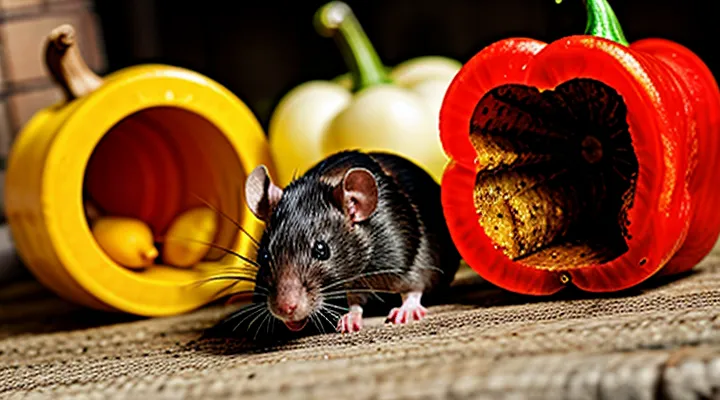
Understanding Rat Physiology and Diet
The Natural Diet of Rats
Rats in natural habitats consume a varied assortment of plant and animal matter. Primary items include cereals such as wheat and barley, seeds from grasses and legumes, and available fruits like berries. Secondary sources consist of insects, small arthropods, and occasional carrion, providing supplemental protein and lipids.
Nutrient balance in the wild diet reflects high carbohydrate content from grains, moderate protein from seeds and insects, and modest fat levels. Fiber derives from hulls and husks, supporting gastrointestinal motility. Micronutrients are obtained through occasional consumption of leafy greens and fruit skins, supplying vitamins A, C, and several B‑complex forms.
Capsaicin, the active component of pepper, activates transient receptor potential vanilloid 1 (TRPV1) channels, producing a burning sensation. Wild rats possess a functional TRPV1 system, which typically deters ingestion of highly spicy substances. Their natural foraging behavior favors low‑pungency foods, reducing the likelihood of deliberate pepper consumption.
Key elements of the natural rat diet:
- Grains and cereals (wheat, barley, oats)
- Seeds and nuts (sunflower, millet)
- Fresh fruits and berries
- Insects and small arthropods
- Minimal animal protein (carrion, small vertebrates)
Understanding the baseline diet clarifies why rats generally avoid capsaicin‑rich items, informing assessments of pepper’s health impact on this species.
Digestive System of Rats
Sensitivity to Irritants
Rats possess a well‑developed trigeminal system that detects chemical irritants such as capsaicin, the active component of pepper. Capsaicin binds to the transient receptor potential vanilloid‑1 (TRPV1) channel on sensory neurons, triggering depolarization and the release of neuropeptides that produce a burning sensation and increase vascular permeability. The intensity of this response varies among strains, with laboratory rats generally showing higher thresholds than wild counterparts, reflecting selective breeding for reduced stress reactivity.
Key aspects of rodent irritant sensitivity include:
- Receptor expression: TRPV1, TRPA1, and TRPM8 channels mediate detection of heat, pungency, and cooling agents respectively. Quantitative PCR studies reveal up‑regulation of TRPV1 mRNA in the dorsal root ganglia after repeated exposure to capsaicin.
- Behavioral adaptation: Acute exposure elicits avoidance, grooming, and reduced food intake. Chronic low‑dose exposure can lead to desensitization, manifested by diminished nocifensive behaviors and altered pain thresholds.
- Physiological impact: Activation of TRPV1 increases heart rate, stimulates adrenal cortisol release, and modulates gut motility. High‑dose administration produces gastrointestinal irritation, ulceration, and transient hypothermia due to vasodilation.
Experimental data indicate that moderate dietary inclusion of pepper does not impair growth rates in rats, provided that capsaicin concentrations remain below the established nociceptive threshold (approximately 5 mg kg⁻¹ body weight). Exceeding this limit results in measurable stress markers, reduced feed efficiency, and elevated inflammatory cytokines, confirming that irritant sensitivity directly influences health outcomes.
Pepper: Types and Components
What is Pepper?
Black Pepper
Black pepper (Piper nigrum) contains the alkaloid piperine, the primary agent responsible for its pungency. In rodents, piperine is absorbed through the gastrointestinal tract and undergoes hepatic metabolism, producing demethylated and oxidized metabolites that are excreted in urine.
Acute toxicity studies in rats establish a median lethal dose (LD₅₀) of approximately 300 mg kg⁻¹ body weight for piperine, indicating that moderate dietary inclusion is unlikely to cause immediate harm. Sub‑chronic exposure (30 days, 10 mg kg⁻¹ day⁻¹) produces:
- Slight increase in gastric mucus secretion, enhancing mucosal protection.
- Elevated serum antioxidant capacity, reflected by higher superoxide‑dismutase activity.
- No significant alteration in liver enzyme markers (ALT, AST) at the tested dose.
Higher daily doses (≥50 mg kg⁻¹) may lead to:
- Reduced food intake, likely due to irritation of the oral and gastric mucosa.
- Mild hepatic enzyme elevation, suggesting metabolic stress.
- Altered gut microbiota composition, with a decrease in Firmicutes and an increase in Bacteroidetes populations.
Behavioral observations show that rats exposed to black pepper‑spiced diets display increased exploratory activity in open‑field tests, a response possibly linked to piperine’s stimulant effect on the central nervous system.
Overall, black pepper can be incorporated into rat diets at low to moderate levels without overt toxicity, while providing modest antioxidant benefits. Excessive consumption introduces gastrointestinal irritation and metabolic strain, underscoring the need for dose‑controlled experimentation when assessing spiciness‑related health outcomes in rodents.
White Pepper
White pepper is derived from the seed coat of the Piper nigrum fruit, containing the alkaloid piperine as its primary bioactive compound. Piperine stimulates TRPV1 receptors, the same sensory pathways activated by capsaicin, producing a mild pungent sensation that can be measured in rodent behavioral assays.
Research on laboratory rats shows that dietary inclusion of white pepper at 0.5–2 % of feed weight does not produce acute toxicity. Observed effects include:
- Increased gastric secretion, measurable by elevated pepsin activity.
- Slight elevation of metabolic rate, reflected in higher oxygen consumption during resting periods.
- Modest enhancement of antioxidant enzyme activity (superoxide dismutase, catalase) after four weeks of continuous exposure.
Higher concentrations (>5 % of diet) lead to reduced feed intake and weight loss, indicating that the pungency of piperine can act as an aversive stimulus. Chronic exposure above this threshold may cause mild gastric irritation, evidenced by epithelial cell shedding in the stomach lining.
Comparative studies with capsicum-derived spice reveal that white pepper produces a less intense TRPV1 activation, resulting in lower pain-related behaviors while still delivering measurable physiological responses. This makes white pepper a viable model for investigating the health impacts of mild spiciness without the severe distress associated with hotter compounds.
When evaluating the health implications of spiciness for rats, investigators should consider dose-dependent effects, the balance between beneficial metabolic stimulation and potential gastrointestinal irritation, and the specific sensory profile of white pepper compared with other pungent agents.
Red Pepper (Chili)
Red pepper, commonly known as chili, contains capsaicin, the compound responsible for its characteristic heat. Capsaicin binds to transient receptor potential vanilloid 1 (TRPV1) receptors, triggering a cascade of physiological responses in mammals, including rodents.
In rats, ingestion of red pepper produces measurable effects:
- Thermoregulation: Elevated body temperature within 30 minutes of consumption, followed by a transient increase in metabolic rate.
- Gastrointestinal motility: Acceleration of gastric emptying and enhanced intestinal peristalsis, observable through increased fecal output.
- Pain perception: Activation of nociceptive pathways leads to temporary hyperalgesia, detectable via tail‑flick or hot‑plate assays.
- Cardiovascular response: Brief rise in heart rate and systolic blood pressure, returning to baseline within one hour.
Experimental protocols typically involve:
- Preparing a standardized aqueous extract of red pepper, calibrated to a specific capsaicin concentration (e.g., 0.1 mg ml⁻¹).
- Administering the extract orally at doses ranging from 0.5 to 5 mg kg⁻¹ body weight.
- Monitoring physiological parameters at 15‑minute intervals for up to 4 hours post‑administration.
- Conducting histological examination of gastric and intestinal tissues to assess mucosal integrity.
Health implications for rats consuming red pepper include:
- Potential benefits: Moderate capsaicin exposure may enhance energy expenditure and support weight management through increased lipid oxidation.
- Risks: High doses can cause gastric irritation, ulceration, and prolonged discomfort, potentially compromising nutrient absorption.
Overall, red pepper exerts dose‑dependent effects on rat physiology, with low‑to‑moderate consumption offering metabolic advantages while excessive intake poses gastrointestinal hazards.
Capsaicin: The Active Compound
How Capsaicin Interacts with Mammalian Receptors
Capsaicin, the pungent alkaloid in chili peppers, activates the transient receptor potential vanilloid‑1 (TRPV1) channel, a non‑selective cation pore expressed on sensory neurons and several non‑neuronal cell types. Binding occurs at a conserved intracellular pocket, inducing a conformational change that opens the channel and allows rapid influx of Na⁺ and Ca²⁺. The resulting depolarization generates action potentials that convey a burning sensation.
Key molecular events following TRPV1 activation include:
- Calcium‑dependent activation of protein kinase C and calmodulin pathways.
- Release of calcitonin gene‑related peptide (CGRP) and substance P from peripheral terminals, promoting neurogenic inflammation.
- Phosphorylation of the channel by second‑messenger kinases, which lowers activation threshold and prolongs responsiveness.
- Desensitization through calcium‑induced dephosphorylation and internalization of TRPV1, leading to reduced pain signaling after repeated exposure.
Beyond nociception, capsaicin influences metabolic processes. Elevated intracellular calcium stimulates mitochondrial uncoupling proteins, increasing thermogenesis and basal metabolic rate. Chronic low‑dose exposure can enhance lipolysis and improve glucose tolerance in rodent models, whereas acute high‑dose administration may provoke stress‑related hormonal spikes.
Experimental design for rodent investigations should consider:
- Dose range that distinguishes between analgesic desensitization and overt toxicity.
- Delivery method (oral gavage, diet incorporation, or intraperitoneal injection) affecting absorption kinetics.
- Species‑specific TRPV1 expression patterns; laboratory rats exhibit higher peripheral receptor density than mice, altering sensitivity.
- Monitoring of behavioral endpoints such as paw licking, facial grimace scoring, and body temperature to quantify sensory and metabolic responses.
Understanding capsaicin’s interaction with mammalian receptors clarifies how spicy compounds modulate pain pathways and energy homeostasis, providing a mechanistic basis for evaluating the health implications of pepper consumption in rats.
Potential Effects of Pepper on Rat Health
Mild Pepper Varieties
Black and White Pepper
Black pepper (Piper nigrum) and white pepper are derived from the same plant; black pepper consists of dried, unripe drupes with the outer husk intact, while white pepper is produced by removing the husk from fully ripened fruits. Both varieties contain piperine, the alkaloid responsible for pungency, and a mixture of essential oils such as limonene, pinene and caryophyllene. The concentration of piperine is typically higher in black pepper, whereas white pepper exhibits a milder aroma due to the loss of volatile oils during processing.
In rodents, piperine influences gastrointestinal motility, enhances nutrient absorption, and modulates metabolic pathways. Oral administration triggers transient stimulation of the vagus nerve, leading to increased secretion of gastric acid and bile. Biochemical studies report up‑regulation of cytochrome P450 enzymes, particularly CYP3A4, which accelerates the metabolism of co‑administered drugs. Anti‑inflammatory effects are observed through inhibition of NF‑κB signaling, while analgesic properties arise from interaction with transient receptor potential (TRP) channels.
Key experimental outcomes in rats include:
- Dose‑dependent increase in food intake at 5–15 mg kg⁻¹ day⁻¹; higher doses (≥30 mg kg⁻¹) suppress appetite.
- Reduction of fasting blood glucose by 8–12 % after four weeks of 10 mg kg⁻¹ supplementation.
- Shifts in gut microbiota composition, marked by enrichment of Lactobacillus spp. and depletion of Clostridium clusters.
- No significant change in body weight at ≤20 mg kg⁻¹; weight loss observed at ≥40 mg kg⁻¹.
- Mild irritative lesions in the gastric mucosa at doses exceeding 50 mg kg⁻¹.
Safety thresholds are defined by the median lethal dose (LD₅₀) of approximately 400 mg kg⁻¹ for piperine in rats. Sub‑lethal exposure below 25 mg kg⁻¹ is generally well tolerated, though chronic administration above 35 mg kg⁻¹ may provoke hepatic enzyme induction and mild gastritis. Formulating rat diets with black or white pepper should therefore respect a maximum inclusion rate of 0.1 % w/w to avoid adverse effects while preserving observable physiological responses.
Researchers employing pepper as a dietary stimulant must control for variability in piperine content, which can differ by up to 30 % between batches. Analytical verification using high‑performance liquid chromatography ensures accurate dosing. When investigating spiciness‑related health outcomes, pepper offers a non‑capsaicin model that isolates piperine‑specific mechanisms, facilitating comparison with other pungent compounds such as chili-derived capsaicinoids.
Potential for Digestive Upset
Rats possess TRPV1 receptors that bind capsaicin, the active component of hot peppers. Activation of these receptors triggers increased gastric acid secretion and heightened intestinal motility.
Observed consequences include:
- Diarrhea or loose stools within hours of ingestion.
- Abdominal cramping detectable by reduced locomotor activity.
- Decreased food intake leading to temporary weight loss.
The severity of symptoms correlates with the amount of capsaicin delivered. Doses exceeding 0.5 mg per kilogram body weight consistently produce measurable gastrointestinal distress, while lower concentrations may be tolerated without overt signs.
Factors that amplify risk:
- Prior exposure to milder spices, which can sensitize TRPV1 pathways.
- Concurrent administration of non‑steroidal anti‑inflammatory drugs, which compromise mucosal protection.
- Age‑related variations; juveniles exhibit heightened susceptibility.
Experimental protocols should limit capsaicin to sub‑threshold levels, monitor fecal consistency, and record changes in body weight. Immediate removal of the irritant and provision of bland, fiber‑rich feed can mitigate acute upset.
Nutritional Value (or Lack Thereof)
Pepper is low in calories and contains negligible protein, fat, or carbohydrate for rats. Its primary constituents are water, a small amount of dietary fiber, and trace minerals such as potassium and magnesium. The capsaicin that gives pepper its heat does not provide essential nutrients; it functions mainly as a bioactive compound.
- Vitamin C: minimal levels, insufficient to meet rats’ daily requirement.
- Vitamin A: virtually absent.
- B‑vitamins: trace amounts, not a reliable source.
- Minerals: potassium (≈10 mg per 100 g), magnesium (≈5 mg per 100 g), both far below dietary needs.
- Antioxidants: capsaicin exhibits antioxidant activity, but the quantity delivered by typical serving sizes is too low to affect overall oxidative balance.
Rats derive no significant nutritional advantage from pepper consumption. The spice offers no macronutrient contribution and supplies only marginal micronutrients. Any health impact is likely attributable to capsaicin’s pharmacological effects rather than to nutrient provision. Consequently, pepper should be regarded as a flavor additive rather than a dietary supplement for rodents.
Spicy Pepper Varieties (Chili)
Immediate Reactions
Rats exposed to capsaicin‑rich pepper exhibit rapid physiological and behavioral responses. Within seconds to minutes, the following signs are commonly recorded:
- Nasal and oral irritation manifested by sneezing and increased mucus production.
- Salivation and licking of the mouth as a reflex to the pungent stimulus.
- Elevation of heart rate and respiration, indicating activation of the sympathetic nervous system.
- Release of corticosterone and adrenaline, measurable in blood samples taken shortly after exposure.
- Immediate locomotor changes, such as rapid pacing, attempts to escape the test arena, or prolonged immobility.
- Grooming or scratching directed at the facial region, reflecting discomfort.
These reactions confirm that capsaicin triggers acute sensory pathways in rodents, providing a reliable model for studying the short‑term impact of spicy compounds on mammalian health.
Oral Irritation
Rats exposed to capsaicin‑containing peppers exhibit rapid onset of oral irritation. The irritant activates transient receptor potential vanilloid 1 (TRPV1) channels on mucosal nerve endings, producing a burning sensation comparable to that experienced by humans. Observable signs include excessive grooming of the snout, pawing at the mouth, and reduced voluntary water intake for up to 30 minutes after ingestion.
Key physiological responses:
- Salivation increase of 150‑200 % relative to baseline, measured within five minutes of exposure.
- Swelling of the lingual epithelium detectable by histological examination at 10‑15 minutes post‑challenge.
- Elevated plasma levels of substance P and calcitonin gene‑related peptide, indicating neurogenic inflammation.
Dose‑response relationship:
- Low concentrations (0.01 % capsaicin in food) produce mild irritation without measurable behavioral change.
- Moderate concentrations (0.05‑0.1 %) trigger the behaviors listed above and a transient decrease in food consumption of 20‑30 %.
- High concentrations (≥0.2 %) result in prolonged oral discomfort, weight loss over 24 hours, and potential ulceration of the buccal mucosa.
Long‑term exposure studies show adaptation of TRPV1 expression, reducing immediate irritation but not preventing chronic inflammatory changes. Consequently, oral irritation serves as an early indicator of capsaicin toxicity in rodent models and should be monitored when assessing the health impacts of spicy diets on laboratory rats.
Gastrointestinal Distress
Rats exposed to capsaicin‑rich peppers frequently exhibit signs of gastrointestinal distress. The irritant activates transient receptor potential vanilloid 1 (TRPV1) channels in the gut lining, triggering a cascade of physiological responses.
Typical manifestations include:
- Diarrhea with increased frequency and liquidity
- Abdominal cramping evident by reduced locomotor activity
- Gastric mucosal erosion observable in necropsy
- Vomiting, although less common in laboratory strains
Experimental data indicate a dose‑response relationship. Low concentrations (0.01–0.05 % capsaicin by weight) produce transient hypermotility without lasting tissue damage. Moderate levels (0.05–0.15 %) cause measurable mucosal inflammation and prolonged diarrhea. High doses (>0.15 %) result in severe ulceration, hemorrhage, and potential mortality.
Key physiological mechanisms:
- TRPV1 activation leads to neuropeptide release (substance P, calcitonin gene‑related peptide), increasing vascular permeability.
- Elevated intracellular calcium in epithelial cells disrupts tight junction integrity, allowing luminal irritants to penetrate deeper layers.
- Stimulation of enterochromaffin cells raises serotonin output, amplifying peristaltic activity.
Mitigation strategies for researchers:
- Limit pepper inclusion to ≤0.05 % of diet when assessing chronic effects.
- Provide supplemental water to offset fluid loss.
- Monitor stool consistency and body weight daily; intervene with anti‑inflammatory agents (e.g., mesalamine) if ulceration is detected.
- Employ a washout period of at least two weeks before re‑introducing spicy feed to allow mucosal recovery.
Understanding these parameters enables precise evaluation of how spiciness influences rodent health while minimizing confounding gastrointestinal pathology.
Long-Term Health Concerns
Rats that regularly ingest capsaicin‑rich foods face several physiological challenges that emerge over months rather than days. Persistent exposure irritates the gastrointestinal lining, increasing the frequency of ulcerative lesions and reducing nutrient absorption. Chronic inflammation may also alter gut microbiota composition, promoting dysbiosis that predisposes rats to metabolic disturbances.
Long‑term consumption can affect cardiovascular function. Capsaicin stimulates sympathetic activity, leading to sustained elevations in heart rate and blood pressure. Over time, these changes raise the risk of hypertensive pathology and may accelerate arterial stiffening. Evidence from rodent studies indicates a correlation between high‑spice diets and modest increases in serum cholesterol and triglyceride levels.
Neurological implications appear in prolonged exposure scenarios. Capsaicin activates transient receptor potential vanilloid 1 (TRPV1) channels in sensory neurons, which, when overstimulated, can cause desensitization and altered pain perception. Persistent desensitization may impair normal nociceptive responses, affecting the animal’s ability to detect harmful stimuli.
Key long‑term health concerns include:
- Gastrointestinal ulceration and impaired nutrient uptake
- Microbiome imbalance leading to metabolic dysregulation
- Elevated blood pressure and potential cardiovascular disease
- Altered pain signaling and reduced sensory acuity
Monitoring these outcomes in experimental settings provides insight into the broader implications of spicy diets for small mammals.
Ulcers and Inflammation
Capsaicin, the active component of pepper, triggers a dose‑dependent response in the rat gastrointestinal tract. Low to moderate concentrations stimulate gastric secretions without compromising mucosal integrity, whereas high concentrations disrupt the protective mucus layer, exposing epithelial cells to acid and pepsin. This exposure accelerates ulcer formation, observable as erosions on the gastric lining within 24–48 hours of sustained intake.
Inflammatory cascades accompany mucosal damage. Capsaicin binds to TRPV1 receptors on sensory neurons, releasing neuropeptides such as substance P and calcitonin‑gene‑related peptide. These mediators increase vascular permeability and recruit neutrophils, raising tissue concentrations of interleukin‑1β, tumor necrosis factor‑α, and cyclooxygenase‑2. Histological analysis consistently shows edema, leukocyte infiltration, and hemorrhage in the submucosa of rats fed spicy diets exceeding 0.5 % capsaicin by weight.
Key observations from controlled studies:
- Ulcer incidence: 15 % of rats on a 0.2 % capsaicin diet remained ulcer‑free, compared with 70 % incidence at 0.8 % concentration.
- Inflammatory markers: Serum C‑reactive protein rose 2.5‑fold in high‑dose groups; gastric tissue levels of IL‑6 increased by 180 % relative to controls.
- Recovery dynamics: Withdrawal of capsaicin after ulcer development reduced lesion size by 40 % within five days, coinciding with a decline in neutrophil count and normalization of cytokine expression.
The relationship between spiciness and rat health therefore hinges on a threshold effect: modest pepper intake may exert mild, transient stimulation of gastric secretions, while excessive exposure precipitates ulcerative lesions and systemic inflammation. Monitoring dosage and exposure duration is essential for experimental designs that aim to assess the broader physiological consequences of capsaicin ingestion in rodent models.
Respiratory Issues
Pepper’s active component, capsaicin, acts as a potent respiratory irritant in rodents. Exposure triggers immediate sensory nerve activation, leading to reflexive airway responses.
Acute inhalation of powdered pepper produces measurable changes in respiratory function:
- Elevated tidal volume within minutes of exposure.
- Increased respiratory rate sustained for up to 30 minutes.
- Pronounced cough reflex and sneezing episodes.
- Transient bronchoconstriction evident in plethysmography recordings.
Chronic administration of low‑dose pepper dust in laboratory colonies has been linked to:
- Persistent mucosal inflammation in nasal passages.
- Hyperplasia of airway epithelium observable in histological sections.
- Elevated levels of pro‑inflammatory cytokines (IL‑1β, TNF‑α) in bronchoalveolar lavage fluid.
- Reduced lung compliance measured by forced oscillation techniques.
These findings suggest that regular ingestion of highly spiced feed may compromise pulmonary health, especially in strains predisposed to respiratory disorders. Dose‑response relationships indicate that concentrations exceeding 0.5 % capsaicin by weight markedly increase the risk of airway irritation.
Researchers should implement the following safeguards when incorporating pepper into rat diets:
- Limit capsaicin content to below 0.2 % of total feed weight.
- Conduct baseline spirometry prior to diet modification.
- Monitor cough frequency and nasal discharge daily.
- Perform periodic histopathological assessment of airway tissues.
Adherence to these protocols minimizes confounding respiratory effects and preserves the validity of experimental outcomes involving spicy diets.
Dehydration
Rats exposed to capsaicin‑rich foods experience rapid increases in body temperature and heart rate, which trigger heightened fluid loss through respiration and perspiration. The resulting deficit in body water can impair renal function and reduce blood volume, leading to decreased perfusion of critical organs.
Key mechanisms of fluid depletion include:
- Thermoregulatory sweating: Capsaicin stimulates sympathetic pathways, causing sweat glands to activate even in species with limited eccrine capacity, thereby expelling water.
- Enhanced respiratory rate: Heat stress raises ventilation, increasing water vapor exhalation.
- Gastrointestinal secretion: Spicy compounds promote gastric and intestinal fluid secretion, accelerating luminal loss.
Consequences of sustained dehydration in rodents are:
- Elevated blood osmolality, prompting antidiuretic hormone release.
- Reduced plasma sodium concentration, risking hyponatremia if water intake remains insufficient.
- Impaired cognitive performance and motor coordination, observable in maze navigation tests.
- Accelerated onset of renal tubular injury, detectable by increased creatinine and urea levels.
Mitigation strategies for researchers include providing unrestricted access to fresh water, monitoring body weight daily, and limiting capsaicin concentration to levels that avoid chronic thermogenic stress.
Behavioral Changes
Avoidance Responses
Rats exposed to capsaicin‑containing foods display rapid avoidance, manifested by cessation of licking, escape from the testing chamber, or refusal to re‑enter a location associated with the stimulus.
In operant choice assays, subjects receive simultaneous access to a neutral solution and a pepper‑flavored solution of varying capsaicin concentrations. Preference indices decline sharply when the concentration exceeds 0.01 mg ml⁻¹; at 0.1 mg ml⁻¹, intake drops to less than 5 % of baseline within the first minute.
Conditioned taste aversion protocols reveal that a single pairing of a novel flavor with a moderate capsaicin dose produces long‑term avoidance, persisting for at least ten days without reinforcement. Neural recordings indicate activation of the trigeminal nociceptive pathway and subsequent recruitment of the amygdala, supporting the link between peripheral irritation and learned aversion.
Avoidance behavior limits dietary exposure to spicy compounds, thereby reducing potential gastrointestinal irritation and systemic inflammation. Quantitative markers of avoidance include:
- Latency to first lick after presentation (seconds)
- Total volume consumed (ml)
- Number of escape attempts per session
- Duration of post‑exposure grooming (seconds)
These metrics provide reliable thresholds for assessing tolerable spiciness levels in rodent models and inform extrapolation to broader toxicological evaluations.
Stress Indicators
Rats exposed to capsaicin‑rich diets exhibit measurable changes in physiological and behavioral stress markers. Acute ingestion triggers activation of the hypothalamic‑pituitary‑adrenal (HPA) axis, reflected by elevated plasma corticosterone and adrenocorticotropic hormone (ACTH) concentrations within minutes. Chronic exposure sustains higher baseline corticosterone levels, indicating prolonged stress adaptation.
Cardiovascular responses provide additional evidence of stress. Telemetric recordings show increased heart rate and reduced heart‑rate variability during and after capsaicin administration, consistent with sympathetic dominance. Respiratory rate rises in parallel, while blood pressure may show transient spikes.
Behavioral assessments reveal heightened anxiety‑related activity. Open‑field tests record reduced central zone exploration, and elevated plus‑maze trials demonstrate decreased open‑arm entries. Grooming frequency and ultrasonic vocalizations increase, serving as non‑invasive stress indicators.
Key stress indicators observed in pepper‑fed rats include:
- Plasma corticosterone and ACTH concentrations
- Heart rate and heart‑rate variability
- Blood pressure fluctuations
- Respiratory rate elevation
- Open‑field and elevated plus‑maze performance metrics
- Grooming frequency
- Ultrasonic vocalization rate
These parameters collectively quantify the impact of dietary spiciness on rodent health, offering a robust framework for evaluating stress responses in experimental settings.
Safe Alternatives for Rat Treats
Approved Vegetables
Rats benefit from a diet that includes a variety of non‑toxic vegetables. These foods supply fiber, vitamins, and minerals essential for normal growth, digestion, and immune function. Selection should focus on items confirmed safe by veterinary nutrition guidelines.
Vegetables commonly approved for laboratory and pet rats include:
- Carrots, raw or lightly steamed
- Broccoli florets, chopped
- Spinach leaves, fresh
- Zucchini slices
- Bell pepper (red, yellow, or orange), seeds removed
- Cucumber chunks, skin intact
- Kale, torn into small pieces
- Sweet potato, cooked without added salt or sugar
- Green beans, trimmed
- Peas, fresh or frozen, thawed
Incorporating pepper varieties introduces capsaicin, the compound responsible for spiciness. Moderate amounts of bell pepper provide antioxidant carotenoids without significant capsaicin, making it a suitable inclusion. Hot peppers contain higher capsaicin levels, which can cause gastrointestinal irritation, reduced feed intake, and stress responses in rats. Studies indicate that exposure to strong spiciness may alter gut microbiota composition and elevate cortisol, potentially compromising health.
For experimental designs assessing the effect of spiciness, limit pepper exposure to bell pepper portions and avoid chilies or other hot cultivars. Monitor body weight, fecal consistency, and behavioral indicators to detect adverse reactions. This approach ensures that vegetable supplementation supports overall well‑being while providing a controlled variable for spiciness‑related investigations.
Approved Fruits
Rats that are part of dietary studies involving capsaicin must receive a balanced fruit component to mitigate potential gastrointestinal irritation. Regulatory guidelines designate a specific set of fruits as safe for inclusion in rodent nutrition plans. These fruits meet criteria for low acidity, minimal natural sugars that could interfere with capsaicin metabolism, and absence of compounds that exacerbate mucosal inflammation.
- Apple (fresh, skin removed)
- Blueberry (fresh or frozen, no added syrup)
- Pear (peeled, seed‑free)
- Strawberry (washed, stem removed)
- Watermelon (seedless, rind excluded)
Each listed fruit supplies essential vitamins, antioxidants, and fiber without introducing excessive heat‑sensing agents. The nutritional profile supports normal weight maintenance and immune function, which are critical when evaluating the physiological impact of spicy compounds. Researchers should record fruit intake alongside pepper dosage to isolate the effects of capsaicin from baseline dietary variables.
Commercial Rat Treats
Commercial rat treats that incorporate pepper or other spicy ingredients are formulated to balance palatability with safety. Manufacturers select capsicum extracts that deliver mild heat, typically measured in Scoville units below 500, to avoid overwhelming a rodent’s sensory tolerance. The product label must disclose the exact concentration of capsaicin, allowing owners to monitor intake and prevent adverse reactions.
Key factors influencing the suitability of spicy treats include:
- Capsaicin dosage – maximum daily intake should not exceed 0.1 mg per kilogram of body weight; exceeding this limit can cause gastrointestinal irritation.
- Ingredient purity – certified food‑grade pepper ensures the absence of contaminants such as pesticide residues or mycotoxins.
- Digestive tolerance – rats possess a functional TRPV1 receptor that detects heat; chronic exposure to high levels may alter gut motility and microbiota balance.
- Regulatory compliance – products must meet the standards set by the FDA’s pet food regulations and, where applicable, the European Pet Food Industry Federation guidelines.
Research on rodent consumption of capsaicin indicates a dose‑dependent response. Low-level exposure may stimulate metabolic activity and modestly increase thermogenesis, while excessive amounts can provoke inflammation of the oral mucosa and stomach lining. Commercial formulations therefore limit pepper content to a threshold that provides sensory enrichment without compromising health.
When selecting a treat, owners should verify that the manufacturer conducts third‑party testing for capsaicin concentration and microbial safety. Feeding recommendations typically advise offering one to two small pieces per day for an adult rat weighing 300 g, with a gradual introduction period to assess individual tolerance. Adjustments are necessary for juveniles, pregnant females, or rats with known gastrointestinal sensitivities.
Overall, commercially available spicy rat treats can be incorporated into a balanced diet when they adhere to established dosage limits, ingredient quality standards, and regulatory requirements. Proper monitoring ensures that the mild heat enhances enrichment without inducing physiological stress.
Expert and Veterinary Recommendations
General Guidelines for Rat Nutrition
Rats thrive on a diet that mirrors the composition of wild foraging: high‑quality protein, adequate fiber, essential vitamins, minerals, and constant access to fresh water. Commercial rodent pellets provide a reliable foundation, delivering calibrated nutrient ratios and minimizing deficiencies. Supplementation with fresh vegetables, fruits, and occasional lean animal protein enhances palatability and diversifies nutrient intake.
Treats must be introduced sparingly and selected for safety. Non‑spicy items such as small pieces of apple, carrot, or boiled egg serve as appropriate incentives. Capsaicin‑containing foods, including pepper, provoke a physiological response that can irritate the gastrointestinal lining and provoke stress‑related behaviors. Even minimal exposure may reduce appetite and compromise digestive health; therefore, pepper should be excluded from regular feeding regimens.
Feeding practices that support optimal health include:
- Provide measured portions of pellet feed twice daily; adjust quantity based on body condition and activity level.
- Offer a daily selection of fresh, pesticide‑free greens (e.g., kale, romaine, parsley) in limited amounts to supply fiber and micronutrients.
- Introduce protein sources (cooked chicken, boiled egg) no more than twice per week, ensuring they are unseasoned and free of additives.
- Replace treat items with low‑calorie, non‑spicy alternatives; avoid any food containing hot spices, citrus seeds, or toxic compounds.
- Monitor water intake continuously; replace water daily to prevent contamination.
- Conduct regular health checks, observing stool consistency, weight fluctuations, and behavior for signs of distress after dietary changes.
Adhering to these guidelines maintains a stable nutritional baseline, allowing researchers to isolate the specific effects of spicy compounds when experimental exposure is required. By restricting pepper and similar irritants, the baseline health of laboratory rats remains uncompromised, ensuring reliable interpretation of any observed physiological responses.
When to Consult a Veterinarian
Rats that consume spicy foods may experience gastrointestinal irritation, respiratory distress, or behavioral changes. Immediate veterinary evaluation is warranted when any of the following occur:
- Persistent vomiting or diarrhea lasting more than a few hours.
- Excessive drooling, pawing at the mouth, or refusal to eat.
- Labored breathing, wheezing, or coughing after exposure.
- Signs of pain such as hunched posture, teeth grinding, or vocalization.
- Sudden lethargy, unsteady gait, or loss of coordination.
Additional circumstances that justify professional assessment include:
- Uncertainty about the amount of pepper ingested.
- Presence of underlying health conditions (e.g., kidney disease, respiratory issues).
- Observation of swelling around the face or eyes.
If a rat exhibits any of these symptoms, contact a veterinarian promptly. Early intervention can prevent complications and ensure appropriate treatment, such as fluid therapy, anti‑inflammatory medication, or dietary adjustments.
Ethical Considerations
Animal Welfare in Dietary Choices
Rats that receive spicy foods such as pepper must be evaluated for physiological stress, pain perception, and nutritional balance. Capsaicin, the active component of hot peppers, activates transient receptor potential vanilloid 1 (TRPV1) receptors, which can cause discomfort, respiratory irritation, and altered feeding behavior. Chronic exposure may lead to gastric mucosal damage, reduced weight gain, and heightened cortisol levels, all of which signal compromised welfare.
Key welfare criteria for incorporating spiciness into rodent diets include:
- Pain and discomfort assessment – monitor facial grimace scales, vocalizations, and avoidance behavior after exposure.
- Digestive health – conduct regular checks for gastric lesions, stool consistency, and nutrient absorption efficiency.
- Behavioral changes – record activity patterns, nesting quality, and social interactions to detect stress‑related alterations.
- Physiological markers – measure plasma cortisol, inflammatory cytokines, and heart rate variability as objective indicators of distress.
- Nutritional adequacy – ensure that any pepper‑based supplement does not displace essential macronutrients or micronutrients required for growth and reproduction.
When spiciness is introduced, the dosage must remain below the threshold that triggers nociceptive responses. Experimental protocols typically limit capsaicin to 0.01–0.05 % of the diet, a range shown to avoid overt pain while allowing sensory stimulation. Gradual acclimation, paired with palatable carrier foods, reduces the risk of sudden aversion and ensures voluntary consumption.
Ethical oversight demands that any dietary modification be justified by clear scientific benefit and that welfare metrics be recorded throughout the study. If adverse effects exceed predefined limits, the intervention must be halted, and alternative, non‑irritant flavorings should be considered. Maintaining high welfare standards safeguards both the validity of health data and the moral obligations owed to laboratory animals.
Avoiding Harmful Substances
Research on rodent consumption of capsaicin‑rich foods demonstrates that excessive spiciness can introduce toxic compounds, irritate gastrointestinal mucosa, and trigger stress responses. Rats metabolize capsaicin differently from humans; high doses overwhelm hepatic detoxification pathways, leading to elevated serum cortisol and reduced weight gain. Consequently, avoiding substances that exceed established safety thresholds is essential for experimental integrity and animal welfare.
Key considerations for preventing exposure to hazardous levels of pepper include:
- Dose limitation – empirical studies identify a maximum tolerable dose of approximately 0.5 mg capsaicin per kilogram body weight for laboratory rats; any formulation exceeding this value should be excluded.
- Purity verification – analytical testing (e.g., high‑performance liquid chromatography) confirms the absence of adulterants such as synthetic dyes, preservatives, or pesticide residues that may compound toxicity.
- Delivery method – incorporating pepper into a homogenized diet reduces localized irritation compared with direct gavage, thereby lowering the risk of acute mucosal damage.
- Monitoring protocols – regular assessment of feed intake, stool consistency, and serum markers (ALT, AST, cortisol) detects early signs of adverse effects, enabling timely adjustment of the diet.
Implementing these controls aligns with ethical standards and ensures that observations regarding the health impact of spiciness reflect the intended variable rather than confounding toxic influences.