
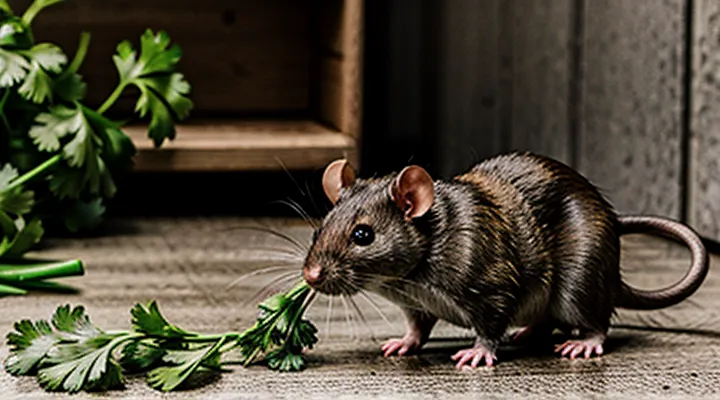
Is Cilantro Safe for Rats?
Potential Benefits of Cilantro for Rats
Cilantro (Coriandrum sativum) offers several nutritional advantages for pet rodents when included in a balanced diet. The herb contains vitamins A, C, and K, which support visual health, immune function, and blood clotting. Its mineral profile includes potassium, calcium, and magnesium, contributing to electrolyte balance and bone maintenance.
Key benefits observed in laboratory studies and anecdotal reports include:
- Antioxidant activity that reduces oxidative stress in cellular tissues.
- Fiber content that promotes regular gastrointestinal motility and prevents constipation.
- Phytochemicals with mild anti‑inflammatory properties, potentially easing low‑grade inflammation in the gut.
- Natural diuretic effect that assists in the elimination of excess fluids and may aid kidney function.
Introducing small, fresh cilantro pieces a few times per week can diversify a rat’s diet without displacing essential protein or grain sources. Monitor for any signs of digestive upset, as individual tolerance varies. Regular, moderate inclusion aligns with veterinary recommendations for herb supplementation in small mammals.
Potential Risks of Cilantro for Rats
Cilantro is occasionally offered to pet rats as a treat, but several factors can make it hazardous.
- Pesticide residue: Commercial cilantro often carries insecticides or fungicides that are toxic to rodents. Thorough washing reduces but does not eliminate the risk.
- Oxalate content: Cilantro contains oxalates, which can bind calcium and contribute to urinary stone formation when consumed in excess.
- Gastrointestinal irritation: High fiber and volatile oils may cause diarrhea, vomiting, or abdominal discomfort, especially in rats with sensitive digestive systems.
- Allergic response: Some rats develop hypersensitivity to botanical compounds, leading to skin redness, sneezing, or respiratory distress.
- Choking hazard: Large leaves or stems can obstruct the airway if the animal attempts to swallow them whole.
To mitigate these risks, provide only small, freshly washed pieces, limit frequency to occasional treats, and monitor for any adverse reactions. If signs of illness appear, discontinue cilantro and consult a veterinarian experienced with rodents.
How to Feed Cilantro to Your Rat
Preparation of Cilantro for Rats
Rats can safely ingest cilantro when it is prepared correctly, providing a source of vitamin C, calcium, and antioxidants that complement a balanced rodent diet.
Before offering cilantro, remove any stems that are wilted or discolored, and inspect leaves for insects or mold. Use only organically grown cilantro or thoroughly wash conventional cilantro to eliminate pesticide residues. Rinse under cool running water, then submerge in a bowl of water with a splash of white vinegar for one minute; repeat with fresh water to ensure thorough cleaning. Pat dry with a clean paper towel or a low‑heat salad spinner.
- Trim leaves from the central stalk, discarding the thicker, woody portion.
- Cut leaves into pieces approximately 0.5 cm long; small rats handle finer cuts better.
- Mix the cilantro with a small amount of fresh vegetable or fruit mash (e.g., carrot or apple) to encourage acceptance.
- Offer no more than 1 g of fresh cilantro per 100 g of body weight per day; excess can cause digestive upset.
Store prepared cilantro in an airtight container in the refrigerator for up to 24 hours. Discard any portion that becomes slimy or develops an off odor. Introduce cilantro gradually, monitoring the rat for signs of diarrhea or reduced appetite, and adjust the amount accordingly.
Recommended Portion Sizes
Rats can safely eat cilantro when it is introduced gradually and offered in appropriate amounts. Overfeeding may cause digestive upset, so portion control is essential.
- Small adult rat (150–250 g): ¼ to ½ teaspoon of finely chopped cilantro per day.
- Large adult rat (300–400 g): up to 1 teaspoon of chopped cilantro per day.
- Juvenile rat (under 100 g): no more than ¼ teaspoon of cilantro every other day.
Cilantro should be fresh, washed thoroughly, and presented as a supplement to a balanced diet that already includes commercial rodent pellets, fresh vegetables, and occasional treats. If a rat shows signs of diarrhea or reduced appetite, reduce or discontinue cilantro until normal behavior resumes.
Frequency of Feeding
Rats may safely consume cilantro when it is offered as a supplemental treat rather than a staple. Veterinary nutritionists recommend limiting fresh herb portions to a modest proportion of the overall diet to avoid digestive upset or nutrient imbalance.
- Offer cilantro no more than 1–2 times per week.
- Provide ½ to 1 teaspoon of finely chopped leaves per adult rat per serving.
- For juvenile or medically compromised rats, reduce frequency to once every ten days and halve the portion size.
Frequency adjustments depend on individual factors. Younger rats with rapid metabolism tolerate slightly higher turnover, while older or overweight individuals require stricter limits. Prior exposure determines tolerance; rats unfamiliar with cilantro should start with the smallest possible amount and observe for signs of diarrhea or loss of appetite.
Record each feeding event, noting quantity and any adverse reactions. If negative effects appear, discontinue cilantro and consult a veterinarian. When no issues arise, maintain the recommended schedule to preserve dietary balance while allowing occasional flavor variety.
What to Observe After Feeding Cilantro
Signs of Allergic Reactions
Rats may ingest cilantro, but owners should observe for allergic responses. Common indicators include:
- Scratching, fur loss, or localized skin redness
- Swelling around the face, ears, or paws
- Sneezing, nasal discharge, or wheezing
- Rapid breathing, coughing, or open‑mouth panting
- Diarrhea, vomiting, or abdominal cramping
- Lethargy, reduced activity, or collapse
Any of these symptoms appearing shortly after introducing cilantro warrants immediate cessation of the herb and veterinary consultation. Early detection prevents progression to systemic anaphylaxis, which can manifest as severe respiratory distress, profound shock, or sudden death. Monitoring feed changes and documenting reactions enable accurate diagnosis and safe dietary adjustments for pet rodents.
Signs of Digestive Upset
When introducing fresh herbs such as cilantro into a rat’s diet, monitoring for gastrointestinal disturbance is essential. Early detection prevents prolonged discomfort and possible health complications.
Typical indicators of digestive upset include:
- Loose, watery, or unusually frequent stools
- Visible blood or mucus in feces
- Abdominal swelling or a pronounced belly
- Decreased appetite or refusal to eat
- Lethargy, reduced activity, or reluctance to explore
- Excessive grooming of the anal area
- Vomiting or regurgitation, though rare in rodents
If any of these signs appear after offering cilantro, remove the herb immediately, provide plain water, and observe for improvement within 24 hours. Persistent symptoms warrant veterinary assessment to rule out underlying infection, dietary intolerance, or other pathology.
Alternative Herbs and Vegetables for Rats
Safe Leafy Greens
Rats can safely consume cilantro when it meets the same standards applied to all leafy vegetables offered to them. The plant must be fresh, free from pesticides, and thoroughly rinsed to remove soil and contaminants.
Safe leafy greens for rats include:
- Cilantro (coriander leaves)
- Romaine lettuce (core removed)
- Spinach (offered in limited quantities)
- Kale (stalks trimmed)
- Swiss chard (veins removed)
- Dandelion greens (grown without chemicals)
- Arugula
Feeding guidelines recommend introducing a new green in small portions, observing the animal for any adverse reactions, and limiting the total leafy intake to no more than 10 % of the daily diet. Typical serving sizes range from a pinch to a teaspoon for a standard pet rat, divided across meals.
Potential concerns involve high oxalic acid levels in spinach and Swiss chard, which can contribute to kidney stress if overfed. Kale contains glucosinolates that may irritate the digestive tract when supplied excessively. Monitoring body condition and adjusting portions mitigates these risks.
Incorporating a rotating selection of the listed greens provides nutritional variety while maintaining safety. Regular veterinary consultation ensures that the diet remains appropriate for the individual rat’s health status.
Other Beneficial Vegetables
Rats readily accept a variety of vegetables that complement the occasional herb such as cilantro. These greens supply fiber, vitamins, and minerals essential for healthy digestion, immune function, and dental maintenance.
- Carrots – high in beta‑carotene, support vision and provide a crunchy texture that promotes tooth wear.
- Broccoli florets – contain vitamin C, calcium, and glucosinolates that aid detoxification; offer in small pieces to avoid gas buildup.
- Bell peppers – rich in vitamin C and antioxidants; choose red, orange, or yellow varieties for maximum nutrient density.
- Zucchini – low in calories, high in water content; ideal for hydration and gentle on the digestive tract.
- Spinach – source of iron and folate; limit to occasional servings because of oxalates that can affect kidney health.
Each vegetable should be washed thoroughly, served raw or lightly steamed, and introduced gradually to monitor tolerance. Portion sizes of 1–2 cm³ per day per rat prevent overconsumption of fiber and maintain a balanced diet alongside pellets and occasional fruit.
When to Avoid Feeding Cilantro to Rats
Health Conditions to Consider
Cilantro offers rats a source of vitamins A, C, and K, as well as antioxidants and trace minerals. When introducing this herb, evaluate the animal’s existing health status to avoid adverse effects.
- Rats with a history of gastrointestinal upset may react to the high fiber content, leading to diarrhea or bloating.
- Individuals diagnosed with chronic kidney disease should avoid cilantro because of its potassium levels, which can exacerbate renal strain.
- Animals suffering from liver insufficiency are at risk; compounds in cilantro require hepatic metabolism, potentially overloading compromised tissue.
- Rodents with metabolic disorders such as diabetes benefit from limited intake, as the herb’s natural sugars can affect blood‑glucose regulation.
- Documented cases of food‑borne allergies in rats indicate that a sudden introduction of cilantro may trigger itching, respiratory distress, or anaphylaxis.
- Pregnant or lactating females should receive only minimal amounts, since excessive phytochemicals could interfere with fetal development or milk composition.
Start with a small sample—no more than a half‑leaf per rat—offered once or twice a week. Observe behavior and stool consistency for 24‑48 hours. If no negative response occurs, maintain the same serving size; increase only gradually and never exceed a few leaves per week. Discontinue immediately if any of the listed conditions manifest.
Medication Interactions
Cilantro consumption by rats can modify the pharmacokinetics of several commonly used laboratory drugs. The herb contains flavonoids, essential oils, and phenolic acids that influence hepatic enzymes, gastrointestinal absorption, and plasma protein binding.
Enzyme modulation
- Induction of CYP1A2 and CYP2C9 may accelerate the clearance of drugs metabolized by these isoforms, reducing therapeutic concentrations.
- Inhibition of CYP3A4 can increase plasma levels of substrates such as dexamethasone or midazolam, heightening the risk of adverse effects.
Gastrointestinal effects
- Essential oil components stimulate bile flow, potentially enhancing the oral bioavailability of lipophilic compounds.
- Fiber content may bind certain medications, decreasing their absorption and delaying onset of action.
Plasma protein interaction
- Polyphenols compete for albumin binding sites, displacing highly protein‑bound drugs (e.g., warfarin), which may alter free drug fractions.
Practical implications for rodent studies
- When cilantro is included in the diet, adjust dosing schedules or monitor plasma drug concentrations to maintain target exposure.
- Record cilantro intake precisely; even modest amounts can produce measurable enzyme activity changes.
- Consider a washout period before initiating drug treatment if the herb was previously provided.
Overall, cilantro is not inert in pharmacological research. Its bioactive constituents interact with metabolic pathways, influencing the efficacy and safety of administered medications.