
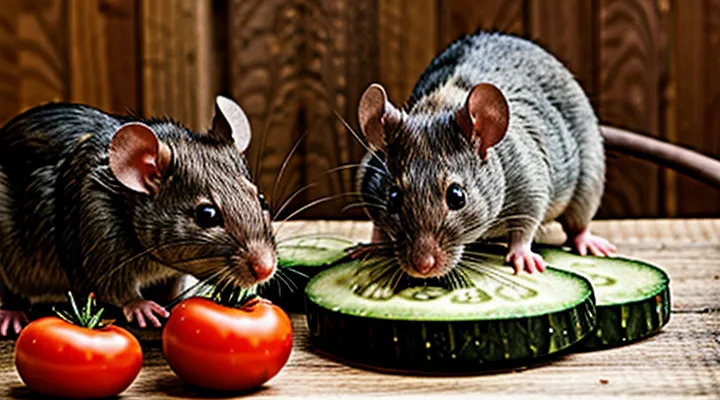
Understanding Rat Dietary Needs
General Nutritional Requirements for Rats
Essential Macronutrients
Rats require three essential macronutrients—protein, fat, and carbohydrate—to sustain growth, reproduction, and metabolic functions. Adequate protein supplies amino acids for tissue repair and enzyme synthesis; dietary fat delivers essential fatty acids and concentrates energy; carbohydrate provides readily available glucose for immediate energy needs.
Typical tomato and cucumber composition includes minimal protein (≈0.8 g / 100 g for tomato, ≈0.6 g / 100 g for cucumber), negligible fat, and modest carbohydrate levels (≈3–4 g / 100 g). Their high water content dilutes nutrient density, making them insufficient as primary sources of any macronutrient.
To meet macronutrient targets, incorporate complementary foods that balance the diet:
- Protein‑rich options: cooked chicken, boiled eggs, low‑fat cheese, soy‑based pellets.
- Fat sources: sunflower seeds, flaxseed oil, small amounts of nuts (unsalted, unroasted).
- Carbohydrate contributors: whole‑grain oats, barley, sweet potatoes, small quantities of fruit.
When tomatoes or cucumbers are offered, limit portions to 5–10 % of total daily intake. This ensures that the primary macronutrient requirements are satisfied by more nutrient‑dense components while still providing fiber and micronutrients from the vegetables.
Essential Micronutrients
Tomatoes and cucumbers can be included in a rat’s diet, but their nutritional contribution hinges on the micronutrients they provide. These vegetables supply vitamins and minerals that support growth, immune function, and metabolic processes in rodents.
Key micronutrients present in tomatoes and cucumbers:
- Vitamin C – antioxidant, aids collagen synthesis, enhances immune response.
- Vitamin A (β‑carotene) – essential for vision, epithelial health, and cellular differentiation.
- Vitamin K1 – involved in blood clotting and bone metabolism.
- Folate (Vitamin B9) – required for DNA synthesis and red blood cell formation.
- Potassium – regulates fluid balance and nerve transmission.
- Magnesium – cofactor for enzymatic reactions, supports muscle and nerve function.
- Manganese – participates in antioxidant defenses and carbohydrate metabolism.
Rats synthesize vitamin C endogenously, so dietary intake is not mandatory, yet the additional antioxidant capacity can reduce oxidative stress. Vitamin A from β‑carotene is partially convertible; providing supplemental sources ensures adequate levels, especially in breeding or growing individuals. Vitamin K1, folate, and the listed minerals are not produced internally and must be obtained through food.
When offering tomatoes or cucumbers, serve them in moderation to avoid excess water content that may dilute overall nutrient density. Combine these vegetables with a balanced commercial rodent chow that already fulfills the majority of micronutrient requirements, using the produce as a supplemental source of the specific vitamins and minerals listed above.
Foods to Avoid for Rats
Rats tolerate many fresh vegetables, but a balanced diet excludes items that cause digestive distress, organ damage, or lethal toxicity. Recognizing harmful foods prevents illness and supports longevity.
- Processed meats, including bacon and sausage
- Chocolate, coffee, and caffeine‑containing products
- Raw or cooked beans, especially kidney beans, due to lectins
- Citrus peels and large quantities of acidic fruit juice
- Avocado flesh and pit (contains persin)
- Onions, garlic, leeks, and chives (contain thiosulfates)
- High‑salt snacks, potato chips, and seasoned nuts
- Alcoholic beverages and fermented foods
- Moldy or spoiled foods, which may harbor mycotoxins
Providing rats with safe staples—fresh water, high‑quality pellets, limited fruits, and vegetables such as carrots, leafy greens, and the occasional tomato or cucumber—maintains health while avoiding the listed hazards.
Tomatoes for Rats
Can Rats Eat Tomatoes?
Nutritional Benefits of Tomatoes for Rats
Tomatoes provide a range of nutrients that support rat health when offered in moderation. The fruit’s high water content aids hydration, while its low caloric density prevents excess weight gain.
- Vitamin A: promotes retinal function and epithelial maintenance.
- Vitamin C: contributes to collagen synthesis and antioxidant defense.
- Vitamin K: essential for blood clotting and bone metabolism.
- Lycopene and other carotenoids: reduce oxidative stress, supporting immune resilience.
- Dietary fiber: enhances gastrointestinal motility and fecal consistency.
- Potassium: assists in electrolyte balance and nerve transmission.
Feeding recommendations: present fresh, washed tomato slices no larger than a quarter of an inch thick; limit intake to 5 % of the daily diet by weight. Remove stems and any green parts, which contain solanine. Avoid canned or seasoned varieties to eliminate added sugars, salts, and preservatives. Ensure the primary diet remains a balanced rodent pellet formulated for essential protein, fat, and mineral requirements.
Potential Risks of Tomatoes for Rats
Tomatoes contain several compounds that can be harmful to rats when consumed in excess or without proper preparation.
- Solanine and tomatine: natural glycoalkaloids present in green parts and unripe fruit. These toxins interfere with cell membranes and may cause neurological symptoms, loss of coordination, and gastrointestinal distress.
- Acidity: the high citric and malic acid content can irritate the delicate lining of a rat’s stomach and intestines, leading to vomiting, diarrhea, or ulcer formation.
- Pesticide residues: conventionally grown tomatoes often carry insecticides, fungicides, or herbicides. Even low‑level exposure can accumulate in liver tissue and impair detoxification pathways.
- Seeds and skins: hard seeds and fibrous skins are difficult for a rat’s small incisors to process. They may cause choking, intestinal blockage, or abrasion of the mucosal surface.
- Nutritional imbalance: tomatoes are low in protein and essential fats. Regular inclusion can displace higher‑quality foods, resulting in deficiencies of amino acids, vitamins, and minerals crucial for growth and immune function.
To minimize risk, offer only fully ripened, washed, and seed‑free tomato flesh in small quantities, and treat it as an occasional treat rather than a staple. Monitor for signs of digestive upset, lethargy, or abnormal behavior after introduction, and discontinue if adverse reactions appear.
Solanine Content in Green Parts
Solanine is a glycoalkaloid produced by plants of the Solanaceae family. It accumulates primarily in unripe (green) fruit skins, stems, and leaves. Concentrations in green tomatoes can reach 20 mg kg⁻¹ of fresh weight, whereas ripe red tomatoes contain less than 1 mg kg⁻¹. The compound interferes with acetylcholinesterase activity, leading to neurological disturbances and gastrointestinal irritation in mammals.
Cucumber plants belong to the Cucurbitaceae family and do not synthesize solanine. Their toxic potential derives from cucurbitacins, bitter triterpenoids present in leaves, stems, and unripe fruit. Cucurbitacin levels vary widely, often remaining below 0.1 mg kg⁻¹ in cultivated varieties but rising sharply in wild or stressed plants.
Rats exhibit sensitivity to solanine at doses of approximately 50 mg kg⁻¹ body weight, producing symptoms such as salivation, tremors, and reduced appetite. Sub‑lethal exposure (10–20 mg kg⁻¹) may cause mild digestive upset without lasting effects. Cucurbitacin toxicity in rats manifests as anorexia and weight loss at doses above 5 mg kg⁻¹.
Guidance for feeding rats:
- Green tomato skins and leaves: avoid; solanine levels exceed safe thresholds.
- Ripe tomato flesh: safe; solanine content negligible.
- Cucumber fruit (mature, non‑bitter): safe; lacks solanine and contains low cucurbitacin.
- Cucumber leaves, stems, or bitter‐tasting fruit: avoid; cucurbitacins may be harmful.
Providing only ripe tomato flesh and non‑bitter cucumber fruit eliminates the risk associated with solanine and cucurbitacin exposure.
Acidity and Digestive Issues
Tomatoes and cucumbers contain organic acids that can influence a rat’s gastrointestinal environment. The pH of ripe tomatoes ranges from 4.0 to 4.5, while cucumbers are closer to neutral, around 5.5 to 6.0. When a rat ingests these foods, the stomach’s acidic secretions must adjust to accommodate the additional load, potentially delaying gastric emptying.
Excessive acidity may irritate the mucosal lining, leading to inflammation, reduced appetite, and loose stools. Conversely, the relatively low acidity of cucumbers poses minimal risk but can introduce excess water, which may dilute stomach acids and affect nutrient absorption.
Key considerations for feeding rats these vegetables:
- Monitor stool consistency after introduction; watery or mucus‑laden output signals irritation.
- Limit tomato portions to no more than 10 % of total daily intake to prevent over‑acidification.
- Offer cucumbers in small, bite‑size pieces, ensuring they are washed to remove pesticide residues.
- Observe for signs of discomfort, such as reduced activity or hunched posture, and adjust the diet accordingly.
Balancing acidic and non‑acidic vegetables helps maintain optimal digestive function while providing nutritional variety.
How to Safely Feed Tomatoes to Rats
Preparing Tomatoes for Rats
Rats can safely consume tomatoes when the fruit is prepared correctly. Improper preparation may introduce toxins, cause digestive upset, or encourage mold growth.
- Wash the tomato under running water to remove soil and pesticide residues.
- Peel the skin if the rat shows sensitivity to fibrous material.
- Remove the stem and all seeds, as seeds contain low levels of solanine.
- Cut the flesh into bite‑size cubes (approximately ½ cm) to prevent choking.
- Offer only a few cubes per feeding; excess fruit can lead to diarrhea.
Store prepared pieces in a sealed container in the refrigerator for no more than 24 hours. Discard any portion that becomes soft, discolored, or develops an off odor.
Introducing tomatoes gradually allows observation of any adverse reactions. If the rat tolerates the fruit, occasional servings can be part of a balanced diet that includes grains, protein, and fresh vegetables.
Recommended Portion Sizes
Rats may safely consume fresh tomatoes and cucumbers when offered in moderation. Both vegetables provide water and vitamins, but their high water content and natural sugars require controlled portions to prevent digestive upset and obesity.
- Tomato: up to one tablespoon of finely diced flesh per day for an adult rat weighing 300 g; remove skins, stems, and seeds.
- Cucumber: up to one tablespoon of peeled, seed‑free slices per day for the same weight; limit to a maximum of two days per week.
Portion sizes should be adjusted proportionally for smaller or larger individuals. Introduce each vegetable gradually, observing for signs of diarrhea or reduced appetite. Always wash thoroughly, avoid canned or processed varieties, and remove any wilted pieces before serving.
Frequency of Feeding
Rats may enjoy tomatoes and cucumbers as occasional treats, but the feeding schedule requires careful control. Fresh produce should never replace a balanced pellet or mash diet; it serves only as supplemental enrichment.
- Offer a small slice of tomato or cucumber no more than two to three times per week.
- Limit each serving to approximately ¼ inch of fruit or vegetable, roughly the size of a pea.
- Observe the rat after each introduction for signs of digestive upset, such as loose stools or reduced appetite.
If the rat tolerates the treat without adverse effects, maintain the same interval. Increase frequency only after a veterinary assessment confirms no underlying health issues. Excessive consumption can lead to excess water intake, mild diarrhea, or nutrient imbalances, especially because tomatoes contain natural acids and cucumbers have high water content. Regular monitoring and adherence to the outlined schedule ensure the treat remains a safe, enriching component of the rat’s diet.
Cucumbers for Rats
Can Rats Eat Cucumbers?
Nutritional Benefits of Cucumbers for Rats
Cucumbers provide rats with a high proportion of water—approximately 95 %—which supports hydration without adding significant calories. The vegetable supplies modest amounts of vitamin K, vitamin C, and several B‑vitamins that contribute to blood clotting, immune function, and energy metabolism. Essential minerals such as potassium and magnesium appear in levels that help maintain electrolyte balance and muscle activity. Dietary fiber in cucumbers promotes gut motility, aiding regular bowel movements and preventing constipation. Antioxidant compounds, including cucurbitacin and flavonoids, protect cellular structures from oxidative damage.
Key nutritional advantages for rats include:
- Enhanced hydration due to the vegetable’s moisture content.
- Low caloric load, suitable for weight‑control regimens.
- Fiber that supports digestive health and stool consistency.
- Vitamins and minerals that complement a balanced diet.
- Antioxidants that contribute to overall cellular resilience.
When offering cucumbers, present fresh, washed pieces without skin blemishes or pesticide residues. Cut the cucumber into bite‑size cubes to facilitate chewing and reduce choking risk. Introduce the vegetable gradually; excessive amounts may lead to loose stools because of the high water and fiber content. Avoid feeding seeds or pickled varieties, which contain added salts and spices that can be harmful. Integrating cucumbers as a regular, moderate component of a rat’s diet supplies essential nutrients while maintaining hydration and digestive function.
Potential Risks of Cucumbers for Rats
Cucumbers are low‑calorie, water‑rich vegetables that many owners consider as occasional treats for rats. Their high moisture content can be appealing, yet several factors make cucumbers a questionable choice for regular feeding.
- Digestive upset: Excessive fiber and water may cause loose stools or diarrhea, especially in younger or stress‑sensitive rats.
- Nutrient imbalance: Cucumbers provide minimal protein, fat, and essential vitamins; reliance on them can dilute the overall nutritional profile of the diet.
- Pesticide residue: Non‑organic cucumbers often carry surface chemicals that are toxic to rodents if not thoroughly washed.
- Cold temperature: Refrigerated cucumbers are cold to the touch; feeding chilled pieces can lower body temperature and trigger hypothermia in small mammals.
- Potential for mold: High water content encourages rapid spoilage; mold growth produces mycotoxins harmful to rat health.
To minimize risk, offer only a small, peeled slice of fresh, thoroughly rinsed cucumber no more than once a week. Observe the animal for any changes in stool consistency or behavior after consumption. If adverse signs appear, discontinue the vegetable and revert to a balanced rat diet focused on grains, proteins, and leafy greens.
Pesticide Residues
Rats that eat tomatoes or cucumbers may ingest pesticide residues present on the produce. Residues result from agricultural applications intended to protect crops from insects, fungi, or weeds. When residues exceed established safety thresholds, they can cause acute toxicity, liver damage, or neurological impairment in rodents.
Key considerations for evaluating residue risk include:
- Regulatory limits – Maximum Residue Limits (MRLs) define permissible concentrations for each pesticide on specific crops. Exceeding MRLs increases the likelihood of adverse effects in rats.
- Residue persistence – Some chemicals, such as organophosphates, degrade rapidly, while others, like neonicotinoids, remain stable throughout storage and transport.
- Sampling and analysis – High‑performance liquid chromatography (HPLC) and gas chromatography‑mass spectrometry (GC‑MS) provide quantitative measurements of residues on fruit skins and flesh.
Mitigation strategies for pet owners and laboratory personnel:
- Wash tomatoes and cucumbers thoroughly under running water; abrasive brushing removes surface residues more effectively than soaking.
- Peel cucumbers when possible; the peel often carries the highest concentration of pesticides.
- Source produce labeled as “pesticide‑free” or certified organic to reduce exposure risk.
- Conduct periodic residue testing if rats are fed large quantities of raw produce in research settings.
Understanding residue levels enables accurate assessment of the safety of feeding tomatoes and cucumbers to rats, ensuring that nutritional benefits are not outweighed by toxicological hazards.
Choking Hazards
Rats can consume tomatoes and cucumbers, but the risk of choking increases with large, unprocessed pieces. Whole cherry tomatoes, thick cucumber slices, and seeds present solid masses that may block a rat’s airway.
- Cut vegetables into bite‑size cubes (approximately 0.5 cm).
- Remove seeds from tomatoes and the central rib from cucumbers.
- Offer only soft, ripe fruit; firm or overripe produce may be harder to chew.
Observe each animal while it eats. If a rat stops breathing, gags, or exhibits sudden distress, intervene immediately. Regularly rotate fresh, appropriately sized portions to reduce the likelihood of accidental blockage.
How to Safely Feed Cucumbers to Rats
Preparing Cucumbers for Rats
Cucumbers are safe for rats when prepared correctly. Raw cucumber flesh provides hydration and a mild source of vitamins, but improper handling can introduce contaminants or cause digestive upset.
Preparation steps:
- Rinse the cucumber under cool running water to remove surface dirt and pesticide residues.
- Peel the skin if it appears waxed, heavily treated, or if the rat shows sensitivity to fibrous material.
- Slice the cucumber into bite‑size pieces, roughly 1–2 cm cubes, allowing easy chewing and reducing choking risk.
- Remove seeds from each piece; seeds are harder to digest and may contain trace amounts of bitterness.
- Offer a small portion (no more than 10 g) at a time, monitoring the rat’s reaction for signs of intolerance.
Storage guidelines:
- Place prepared cucumber in an airtight container.
- Refrigerate and use within 24 hours to maintain freshness and prevent bacterial growth.
- Discard any leftovers that develop wilting, discoloration, or odor.
By following these procedures, owners ensure that cucumbers contribute safely to a rat’s diet while minimizing health hazards.
Recommended Portion Sizes
Rats can safely include tomatoes and cucumbers in their diet when portions are controlled. Excessive amounts increase the risk of digestive upset and nutrient imbalance.
- Tomato: 1‑2 small cherry‑sized pieces (approximately 5‑10 g) per day for an adult laboratory‑grade rat weighing 250‑300 g. Larger varieties should be diced into comparable bite‑size pieces and limited to the same weight.
- Cucumber: 2‑3 thin slices (about 8‑12 g) per day for the same weight class. Peel is optional, but skin should be removed if the cucumber is not organic to avoid pesticide exposure.
Juvenile rats (under 8 weeks) require half the adult portions; adjust accordingly. Offer fresh produce once daily, removing any uneaten pieces after 30 minutes to prevent spoilage. Combine vegetables with a balanced base of commercial rodent pellets to meet protein, fat, and vitamin requirements.
Frequency of Feeding
Tomatoes and cucumbers can be included in a rat’s diet, but they should be offered sparingly to prevent gastrointestinal upset. Fresh vegetables provide moisture and vitamins, yet their high water content can cause loose stools if given in excess.
- Serve a bite‑size piece (approximately ½ cm³) per 100 g of body weight.
- Limit intake to 2–3 servings per week; alternate between the two vegetables to maintain variety.
- Observe each rat after the first exposure; discontinue if diarrhea or lethargy appears.
- Remove any uneaten portion within two hours to avoid spoilage.
Consistent feeding schedules support digestive health. Provide the primary diet—commercial pellets or a balanced grain mix—daily, and supplement with the occasional tomato or cucumber according to the guidelines above. Adjust frequency for juvenile or geriatric rats, reducing portions for younger animals and monitoring older ones for reduced tolerance.
Other Safe Fruits and Vegetables for Rats
Fruits Rats Can Eat
Berries
Rats that are offered tomatoes and cucumbers often encounter other fruit options in a typical household diet. Berries represent a distinct category of small, soft‑fleshed fruits that differ in sugar content, acidity, and seed structure from the mentioned vegetables. Understanding how berries interact with a rat’s digestive system clarifies whether they can be introduced alongside tomato or cucumber feedings.
Berries provide:
- Simple carbohydrates that are rapidly absorbed, supporting short‑term energy needs.
- Vitamin C and antioxidants that contribute to cellular protection.
- Small seeds that may pass through the gastrointestinal tract without obstruction.
Safety considerations for berries include:
- Presence of natural toxins in certain species (e.g., wild nightshade berries) that are harmful to rodents.
- Potential for mold growth on overripe fruit, which can introduce mycotoxins.
- The risk of excessive sugar intake leading to gastrointestinal upset or obesity if berries are fed in large quantities.
When integrating berries into a rat’s diet that already contains tomatoes and cucumbers, balance the proportion of each food type. Offer berries as occasional treats, limit portions to no more than a few grams per day, and select cultivated varieties free of pesticide residues. This approach ensures nutritional variety while maintaining the health of the animal.
Melons
Melons are a high‑water fruit that provides rats with carbohydrates, vitamin C, and modest amounts of potassium. Compared with tomatoes and cucumbers, melons contain more natural sugars and less fiber, which influences how a rodent processes the food.
Nutritional comparison
- Water content: melons ≈ 90 %, cucumbers ≈ 95 %, tomatoes ≈ 94 %
- Sugar: melons ≈ 8 % of fresh weight, tomatoes ≈ 3 %, cucumbers ≈ 2 %
- Vitamin C: melons ≈ 30 mg / 100 g, tomatoes ≈ 14 mg / 100 g, cucumbers ≈ 2 mg / 100 g
Safety considerations
- High sugar may cause gastrointestinal upset or weight gain if offered excessively.
- Pesticide residues on the rind can be toxic; thorough washing or peeling reduces risk.
- Seeds of some melon varieties contain trace cyanogenic compounds; removal eliminates potential toxicity.
Feeding guidelines
- Offer only a small cube (approximately 1 cm³) once or twice a week.
- Remove rind, seeds, and any blemished flesh before serving.
- Observe the rat for signs of diarrhea or reduced appetite after introduction; discontinue if adverse reactions appear.
When introduced correctly, melons can complement a diet that already includes tomatoes and cucumbers, providing variety without compromising health.
Apples (Seedless)
Seedless apples offer a safe, low‑fiber fruit option for laboratory and pet rats. The flesh contains soluble sugars, vitamins C and A, and a modest amount of potassium, all of which support energy metabolism without overloading the digestive tract. Absence of hard seeds eliminates the risk of choking or intestinal blockage that whole apples could present.
Rats are able to consume tomatoes and cucumbers, yet both vegetables require moderation. Tomatoes provide lycopene and water but contain small amounts of acidic compounds that may irritate sensitive stomachs. Cucumbers supply hydration but are largely water, offering limited nutritional value. Seedless apples complement these foods by delivering additional carbohydrates and antioxidants while avoiding the acid load of tomatoes and the dilution effect of cucumbers.
Guidelines for feeding seedless apples to rats:
- Offer no more than a quarter of a medium apple per 100 g of body weight per day.
- Remove any residual core material to prevent accidental ingestion of hard tissue.
- Serve the fruit in bite‑size pieces to encourage chewing and reduce choking risk.
- Introduce gradually, observing for signs of diarrhea or reduced appetite.
- Rotate with other approved fruits and vegetables to maintain dietary variety.
Vegetables Rats Can Eat
Leafy Greens
Rats readily accept many leafy greens as part of a balanced diet. These vegetables supply essential vitamins, minerals, and fiber that support digestive health and immune function. When evaluating the suitability of greens alongside tomatoes and cucumbers, consider the following factors.
- Nutrient profile – Spinach, kale, romaine lettuce, and Swiss chard provide high levels of vitamin A, vitamin K, and calcium. These nutrients complement the hydration benefits of cucumbers and the lycopene content of tomatoes.
- Digestibility – Young, tender leaves are easier for rats to chew and digest. Mature, fibrous stalks may cause gastrointestinal irritation if offered in large quantities.
- Potential hazards – Avoid greens treated with pesticides or heavy herbicides. Wash thoroughly before serving. Do not feed spoiled or wilted leaves, as they can harbor mold or bacteria.
Recommended serving size: 1–2 small leaf pieces per 100 g of body weight, offered 2–3 times per week. Introduce new greens gradually to monitor for adverse reactions such as diarrhea or reduced appetite.
In practice, integrating leafy greens with tomatoes and cucumbers creates a varied diet that meets the nutritional requirements of pet rats while minimizing the risk of deficiencies. Regular rotation of different greens prevents monotony and ensures a broader spectrum of micronutrients.
Carrots
Carrots are a viable addition to a rat’s diet when considering the broader question of suitable vegetables such as tomatoes and cucumbers. They provide essential nutrients without the toxicity risks associated with some other produce.
Nutritional profile of carrots for rats:
- High beta‑carotene, which rats convert to vitamin A.
- Moderate fiber content that supports gastrointestinal health.
- Low sugar levels compared to many fruits, reducing the chance of digestive upset.
Safety considerations:
- Offer raw or lightly steamed carrots; avoid seasoning or added fats.
- Serve in small, bite‑size pieces to prevent choking.
- Introduce gradually to monitor for any adverse reactions.
Comparison with tomatoes and cucumbers:
- Unlike ripe tomatoes, carrots contain no solanine, a compound toxic in high amounts.
- Cucumbers consist mainly of water and provide minimal calories; carrots deliver more substantial nutrients per gram.
Overall, carrots complement a balanced rodent diet, supplying vitamins, minerals, and fiber while posing minimal health risks. Regular inclusion, alongside appropriate portions of other vegetables, contributes to optimal growth and well‑being in pet rats.
Broccoli
Rats can safely include broccoli in their diet, provided the vegetable is offered in moderation and prepared correctly. Broccoli supplies fiber, vitamin C, calcium, and antioxidants that support rodent health, but its high calcium content can interfere with iron absorption if over‑fed.
Guidelines for feeding broccoli to rats:
- Offer only small, bite‑size pieces (approximately ½ inch) to prevent choking.
- Serve raw or lightly steamed florets; avoid boiling, which reduces nutrient density.
- Limit intake to 5‑10 % of the total daily food volume to maintain a balanced diet.
- Monitor for signs of digestive upset, such as loose stools or reduced appetite, and discontinue if symptoms appear.
When evaluating the broader question of rat consumption of tomatoes and cucumbers, broccoli serves as an additional vegetable option that complements the nutritional profile of those foods while avoiding the higher acidity of tomatoes and the excessive water content of cucumbers. Including a variety of vegetables, including broccoli, helps ensure a well‑rounded diet without overloading any single nutrient.
Signs of Dietary Distress in Rats
Digestive Issues
Diarrhea
Rats that consume raw tomatoes or cucumbers may develop diarrhea, a condition characterized by frequent, watery feces. The primary dietary factors contributing to this response are high moisture levels, natural sugars, and organic acids present in both vegetables. These components can disrupt the balance of gut microbiota and accelerate intestinal transit, especially in rats unaccustomed to such foods.
Key mechanisms:
- Excess water dilutes intestinal contents, reducing absorption efficiency.
- Fructose and glucose in tomatoes increase osmotic pressure, drawing fluid into the lumen.
- Citric and malic acids lower intestinal pH, irritating the mucosal lining.
- Soluble fiber in cucumbers can ferment rapidly, producing gas and further motility disturbances.
Typical clinical signs include:
- Loose, pale stools
- Increased defecation frequency
- Mild abdominal cramping
- Dehydration risk if fluid loss persists
Management strategies:
- Limit tomato and cucumber intake to less than 10 % of total diet volume.
- Introduce these vegetables gradually, monitoring stool consistency after each addition.
- Provide a balanced diet rich in protein and complex carbohydrates to stabilize gut flora.
- Ensure constant access to clean water to counteract fluid loss.
- If diarrhea persists beyond 48 hours, replace the vegetable portion entirely and consider a probiotic supplement.
Understanding the digestive impact of tomatoes and cucumbers enables caretakers to prevent diarrhea while still offering nutritional variety to laboratory or pet rats.
Vomiting
Rats readily accept many fresh vegetables, yet the digestive response can include emesis when certain compounds exceed tolerance levels.
Tomatoes contain organic acids and alkaloids such as solanine. High concentrations irritate the gastric lining, trigger the chemoreceptor trigger zone, and may induce vomiting. Over‑ripe or spoiled fruit intensifies this effect.
Cucumbers are low‑acid, low‑toxicity vegetables. Their high water content can dilute stomach secretions, occasionally leading to regurgitation in naïve rodents. Excessive intake may overwhelm the limited capacity of the rat’s stomach, resulting in vomitus.
Typical indicators of emesis in rats:
- Presence of undigested material around the mouth or cage bedding
- Frequent licking of the lips followed by drooling
- Reduced activity and reluctance to eat
- Visible expulsion of stomach contents
Preventive measures include:
- Introducing new produce in small quantities (no more than 5 % of the daily diet)
- Offering fully ripe, uncontaminated tomato slices
- Providing cucumber in thin strips rather than large chunks
- Monitoring behavior for the first 24 hours after exposure
- Consulting a veterinarian if vomiting persists beyond one episode
Proper management of vegetable introduction minimizes the risk of vomiting while allowing rats to benefit from the nutritional value of tomatoes and cucumbers.
Bloating
Rats that consume fresh tomatoes or cucumbers may experience abdominal distension, commonly referred to as bloating. The high water and fiber content of these vegetables can increase gastrointestinal volume, leading to gas accumulation when bacterial fermentation intensifies. In small rodents, rapid expansion of the stomach or intestines can compromise breathing and circulation, making bloating a serious health concern.
Key factors that contribute to bloating in rats include:
- Excessive ingestion of raw, high‑fiber produce
- Sudden changes in diet without gradual adaptation
- Presence of fermentable sugars such as fructose in tomatoes
- Low tolerance to the cucurbitaceae family’s cucurbitacin compounds
Typical signs of bloating are:
- Swollen abdomen that feels firm to the touch
- Reduced activity and reluctance to move
- Labored breathing or audible wheezing
- Decreased appetite and water intake
Preventive measures focus on moderation and observation. Offer tomatoes or cucumbers in limited quantities, introduce them gradually, and monitor the animal for any abdominal enlargement. If bloating appears, remove the offending food, provide easy‑to‑digest protein sources, and consult a veterinary professional promptly to avoid progression to gastrointestinal obstruction or fatal complications.
Behavioral Changes
Lethargy
Rats that become unusually sluggish often exhibit reduced activity, diminished grooming, and a lack of interest in typical exploration. These signs may indicate an underlying nutritional imbalance, metabolic disturbance, or health issue that requires immediate attention.
Tomatoes and cucumbers are low‑calorie vegetables that provide water, vitamins, and fiber. When introduced gradually, they can supplement a rat’s diet without causing lethargy, provided the following conditions are met:
- Fresh produce is washed thoroughly to remove pesticide residues.
- Portions are limited to no more than 5 % of the total daily food intake.
- Seeds and skins are removed from tomatoes to avoid potential digestive irritation.
Excessive consumption or inclusion of spoiled vegetables can lead to gastrointestinal upset, dehydration, or mild hypoglycemia, all of which may manifest as lethargy. Monitoring weight, water intake, and behavior after feeding helps differentiate normal dietary adaptation from adverse reactions. If lethargy persists despite proper portion control, veterinary evaluation is recommended to rule out infection, organ dysfunction, or other systemic causes.
Loss of Appetite
Rats that receive raw tomatoes or cucumbers may exhibit reduced food intake. The acidic content of tomatoes and the high water percentage in cucumbers can alter gastrointestinal pH and dilute stomach contents, leading to temporary satiety signals. When these vegetables constitute a significant portion of the diet, rats often decline other protein‑rich foods, resulting in overall lower caloric consumption.
Typical indicators of diminished appetite include:
- Decreased gnawing activity on standard pellets
- Longer intervals between feeding bouts
- Weight loss of more than 5 % over a two‑week period
- Lethargy and reduced exploratory behavior
Management strategies focus on restoring balanced intake:
- Limit tomato and cucumber portions to no more than 10 % of total daily ration.
- Offer fresh, high‑protein pellets immediately after vegetable exposure to encourage transition.
- Monitor body weight and adjust portions weekly; increase fiber‑rich supplements if stool consistency changes.
- Introduce a short fasting interval (12–14 hours) to reset hunger cues before re‑feeding.
Persistent loss of appetite despite dietary adjustments may signal underlying illness, such as dental problems or gastrointestinal infection. In such cases, veterinary evaluation is required to rule out pathology and to prescribe appropriate therapeutic nutrition.