
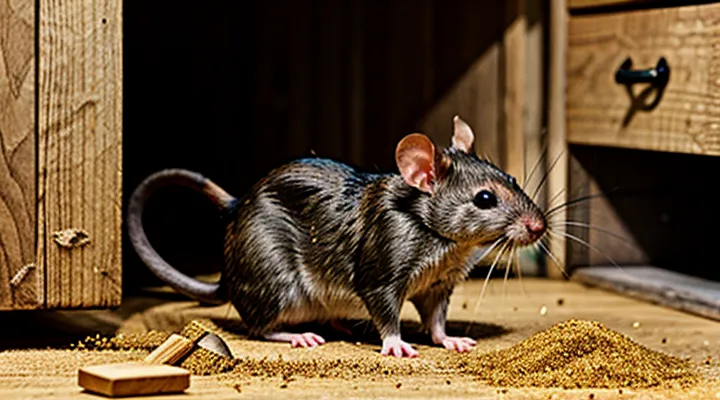
Understanding Rat Diets
What Do Rats Naturally Eat?
Wild Rat Diets
Wild rats survive by exploiting a broad range of food sources found in natural and urban environments. Their omnivorous habits enable them to thrive on both plant material and animal matter, providing the flexibility needed for rapid population growth.
Typical components of a wild rat’s diet include:
- Seeds, grains, and cereals
- Fresh fruits and vegetables
- Insects, larvae, and other small arthropods
- Carrion and discarded meat
- Nuts and tree buds
- Fungi and mold spores
Protein‑rich items such as insects and carrion supply essential amino acids, while seeds and grains deliver carbohydrates for energy. Fiber from plant matter supports digestive health, and occasional consumption of fungi contributes micronutrients. Seasonal variations influence the relative abundance of each component, prompting rats to adjust intake accordingly.
Sawdust, although occasionally ingested incidentally while foraging among debris, lacks nutritional value and may contain contaminants. Regular consumption poses risks of gastrointestinal irritation and reduced nutrient absorption. Providing a diet that mirrors natural food sources—high‑quality proteins, diverse plant matter, and occasional insects—ensures optimal health and reduces the likelihood of harmful filler material being consumed.
Domestic Rat Diets
Domestic rats thrive on a diet that mirrors their wild ancestors while accommodating the convenience of home environments. Protein sources such as cooked chicken, boiled eggs, or commercial rat pellets supply essential amino acids for growth and tissue repair. Fiber, supplied by fresh vegetables like carrots, broccoli, and leafy greens, supports digestive health and prevents gastrointestinal blockages. Limited fruit portions—apple slices, berries, or melon—offer natural sugars and vitamins but must remain a small fraction to avoid excess caloric intake. Whole grains, including oats, brown rice, or whole‑wheat pasta, provide complex carbohydrates that sustain energy levels throughout the day. Calcium and phosphorus balance is maintained through small amounts of low‑fat cheese, plain yogurt, or fortified rodent blocks.
Key considerations for a safe domestic rat diet:
- Avoid processed human foods containing salt, sugar, or artificial additives.
- Exclude toxic items such as chocolate, caffeine, onions, and raw beans.
- Ensure fresh water is available at all times; replace daily to prevent bacterial growth.
- Monitor portion sizes; adult rats typically consume 1–2 tablespoons of solid food per day, adjusted for activity level and age.
Sawdust, commonly found in bedding, is not a nutritional component. It lacks digestible nutrients and may contain dust particles that irritate the respiratory system. Occasional ingestion of small, clean wood shavings poses minimal risk, but the primary diet should focus on the protein, fiber, fruit, and grain categories outlined above. Maintaining a balanced regimen reduces the likelihood of health issues such as obesity, dental overgrowth, and metabolic disorders.
Essential Nutritional Requirements for Rats
Protein
Protein is an essential nutrient for rats, supporting growth, tissue repair, and immune function. Adult rats require approximately 14–16 % protein in their daily intake; growing or breeding individuals may need up to 20 % to sustain rapid development.
Sawdust supplies no protein and offers only negligible nutritional value. Continuous consumption displaces protein‑rich foods, leading to muscle wasting, poor coat condition, and heightened susceptibility to disease.
Typical protein sources suitable for rats include:
- Commercial rodent pellets formulated with balanced amino acid profiles.
- Cooked lean meats such as chicken, turkey, or beef, offered in small, unseasoned portions.
- Hard‑boiled eggs, providing a complete protein source.
- Low‑fat dairy products like plain yogurt or cottage cheese, introduced gradually.
- Legumes (e.g., cooked lentils or peas) and soy products, ensuring they are thoroughly cooked to eliminate anti‑nutritional factors.
Maintain a varied diet that meets the recommended protein percentage while limiting sawdust exposure. Regular observation of weight, fur quality, and activity levels helps detect deficiencies early. Adjust feed composition promptly if signs of protein shortage appear.
Fats
Fats supply essential fatty acids that rats cannot synthesize. These nutrients support cell membrane integrity, hormone production, and neurological function. A diet lacking adequate fat can lead to poor growth, skin lesions, and reduced reproductive performance.
Commercial rodent pellets typically contain 4–6 % fat, meeting the species’ requirements. When supplementing with fresh foods, the following items provide appropriate lipid content:
- Sunflower seeds (≈ 50 % fat) – offer a concentrated source; limit to prevent excess calories.
- Flaxseed (≈ 42 % fat) – rich in omega‑3 fatty acids, beneficial for inflammation control.
- Cooked eggs (≈ 10 % fat) – provide high‑quality protein and fat; serve in moderation.
- Low‑fat cheese (≈ 30 % fat) – acceptable occasional treat, mindful of sodium.
Sawdust contains negligible fat and offers no nutritional value for rats. It may be used as bedding but should never replace feed. Ensure that any bedding material remains dry and free of mold, as contaminated fibers can compromise gut health regardless of diet composition.
Carbohydrates
Carbohydrates provide the primary source of quick energy for rats. Natural diets include grains, fruits, and vegetables that supply simple sugars and complex starches. These nutrients support activity, growth, and thermoregulation.
Sawdust contains negligible carbohydrate content. Its composition is mainly cellulose fibers, which rats cannot digest efficiently. Consequently, sawdust does not contribute to the carbohydrate needs of a rodent and should not be considered a dietary component.
Recommended carbohydrate sources for pet rats:
- Commercial rodent pellets formulated with balanced starch and fiber ratios.
- Fresh produce such as apples, carrots, and peas, offered in moderation.
- Whole grains like oatmeal or brown rice, introduced gradually to avoid digestive upset.
Excessive carbohydrate intake can lead to obesity and metabolic disorders. A typical adult rat requires approximately 10–15 % of its daily caloric intake from carbohydrates, adjusted for activity level and age.
When evaluating a rat’s diet, prioritize foods with proven digestibility and nutrient density. Sawdust, lacking meaningful carbohydrate value, serves only as bedding and should be kept separate from feeding areas.
Vitamins and Minerals
Rats require a balanced supply of vitamins and minerals to maintain metabolic functions, immune health, and skeletal integrity. Sawdust lacks measurable quantities of these micronutrients; therefore, it cannot serve as a source of essential nutrients.
Key micronutrients for laboratory and pet rats include:
- Vitamin A – supports vision and epithelial tissue; found in carrots, sweet potatoes, and fortified pellet mixes.
- Vitamin D3 – regulates calcium absorption; synthesized through limited UV exposure or supplied in fortified diets.
- Vitamin E – antioxidant protecting cell membranes; present in seeds, nuts, and commercial feeds.
- B‑complex vitamins (B1, B2, B3, B5, B6, B12, folic acid) – facilitate energy metabolism; abundant in whole grains, legumes, and fortified chow.
- Vitamin K – essential for blood clotting; sourced from leafy greens and certain oils.
- Calcium – critical for bone formation and neuromuscular signaling; obtained from dairy products, fortified vegetables, and calcium‑rich pellets.
- Phosphorus – partners with calcium in skeletal development; available in meat, fish, and balanced rodent diets.
- Magnesium – involved in enzyme activity and nerve function; found in nuts, seeds, and whole‑grain feeds.
- Iron – required for hemoglobin synthesis; supplied by meat, beans, and fortified foods.
- Zinc – supports immune response and wound healing; present in meat, eggs, and fortified pellets.
- Selenium – antioxidant trace element; sourced from Brazil nuts and specialized supplements.
When formulating a diet, ensure that each micronutrient meets the National Research Council (NRC) recommendations for adult rats: vitamin A ≈ 4 IU/g, vitamin D3 ≈ 0.02 IU/g, calcium ≈ 1 % of diet, phosphorus ≈ 0.8 % of diet, and trace minerals at levels specified in the NRC tables. Excessive supplementation can cause toxicity; for example, hypervitaminosis A leads to liver damage, while surplus calcium disrupts phosphorus balance.
If a rat’s environment includes wood shavings, monitor for accidental ingestion. While the material itself provides fiber, it does not contribute vitamins or minerals and may introduce contaminants such as dust or mold spores. Regular provision of a nutritionally complete pellet or mash, supplemented with fresh vegetables and occasional protein sources, ensures that the animal receives all required micronutrients without reliance on non‑nutritive substrates.
In summary, sawdust offers no functional contribution to a rat’s vitamin or mineral intake. Adequate nutrition depends on a formulated feed that complies with established micronutrient standards, complemented by fresh produce and controlled supplementation when necessary. «Proper micronutrient balance prevents deficiency diseases and supports optimal growth and reproduction».
Sawdust and Its Impact on Rat Health
What is Sawdust?
Types of Wood Used for Sawdust
Sawdust used in rodent enclosures originates from a limited selection of hardwoods and softwoods, each possessing distinct nutritional and safety profiles. Understanding the material source helps prevent exposure to toxic compounds and supports optimal digestive health.
• Oak – dense, low‑nutrient wood; minimal risk of toxicity but may produce fine dust that irritates respiratory passages.
• Birch – soft, readily decomposes; generally safe, though rapid breakdown can foster mold growth if moisture is uncontrolled.
• Pine – resin‑rich softwood; contains terpenes that can irritate mucous membranes and may be unsuitable for prolonged contact.
• Maple – hard, fine‑grained; low allergenicity, appropriate for short‑term enrichment.
• Beech – sturdy, low‑scent; favorable for bedding, low risk of chemical contamination.
Safety assessment requires evaluation of dust particle size, presence of natural oils, and potential for fungal colonization. Hardwood sawdust typically offers lower resin content, reducing respiratory irritation. Softwoods with high resin levels should be limited to brief enrichment sessions, not as primary bedding.
For rat diets, the preferred approach integrates hardwood-derived sawdust as a supplemental source of fiber, while avoiding prolonged exposure to resinous softwoods. Regular replacement of bedding prevents microbial buildup and maintains a hygienic environment.
Common Uses of Sawdust
Sawdust, the fine wood particles generated during cutting, sanding, or milling, is a versatile by‑product of timber processing.
Typical applications include:
- Bedding for small mammals, poultry, and laboratory rodents, where its absorbency and softness provide hygienic conditions.
- Fuel source in small‑scale boilers, pellet machines, and wood‑gas stoves, offering a renewable energy alternative.
- Soil amendment for gardens and greenhouses, improving aeration, moisture retention, and organic matter content.
- Ingredient in composite panels such as particleboard, MDF, and fiberboard, contributing to structural strength and dimensional stability.
- Absorbent medium for oil spills, chemical leaks, and industrial waste, facilitating safe containment and disposal.
- Component of animal feed additives, where processed sawdust supplies dietary fiber for ruminants and certain livestock.
These uses illustrate the economic and environmental value of sawdust across agricultural, industrial, and residential sectors.
Why Sawdust is Not Suitable for Rat Consumption
Indigestibility
Sawdust consists mainly of cellulose fibers, a substance that rats lack the enzymatic capacity to break down. The physiological inability to hydrolyze cellulose classifies sawdust as essentially indigestible for these rodents.
When ingested, indigestible material remains intact through the gastrointestinal tract. Consequences include:
- Mechanical obstruction of the small intestine or colon
- Reduced absorption of essential nutrients due to displacement of balanced feed
- Fermentation by gut microflora, producing excess gas and volatile fatty acids
Prolonged exposure to undigested fibers can lead to chronic constipation, weight loss, and heightened susceptibility to secondary infections. In severe cases, intestinal perforation may occur, necessitating veterinary intervention.
Optimal diet formulation excludes any source of non‑digestible cellulose. Commercial rat chow provides adequate fiber content without the risks associated with sawdust. If environmental enrichment requires wood material, select untreated, low‑dust options and limit exposure to prevent accidental ingestion.
Potential for Internal Blockages
Rats that consume sawdust face a risk of gastrointestinal impaction. The fine, dry particles can accumulate in the stomach or intestines, forming a solid mass that obstructs normal passage of food and waste.
Typical signs of an internal blockage include reduced food intake, lethargy, abdominal swelling, and failure to pass feces. In severe cases, vomiting or rapid weight loss may occur, requiring immediate veterinary intervention.
Preventive measures focus on diet composition and environmental management:
- Offer high‑fiber, digestible foods such as fresh vegetables, whole grains, and commercially formulated rodent pellets.
- Limit exposure to loose wood shavings; prefer tightly packed bedding that reduces the likelihood of ingestion.
- Monitor the amount of loose debris in the cage and remove excess material daily.
If blockage is suspected, diagnostic imaging (radiography or ultrasound) confirms the presence of a mass. Treatment options range from conservative management with laxatives to surgical removal, depending on the severity and location of the obstruction.
Regular observation of eating habits and stool consistency provides early detection, allowing prompt action before complications develop.
Toxicity from Certain Woods and Treatments
Rats may gnaw on or ingest sawdust that comes from various types of wood. Some species produce natural compounds that are harmful when consumed in sufficient quantities.
- Oak (Quercus spp.) – contains tannins and phenolic acids that can cause gastrointestinal irritation.
- Walnut (Juglans spp.) – rich in juglone, a neurotoxic agent that may lead to tremors and coordination problems.
- Cedar (Thuja spp.) – emits aromatic oils such as thujone, which can depress the central nervous system.
- Pine (Pinus spp.) – resinous sap includes diterpenes that may produce liver stress.
Chemical treatments applied to wood also pose risks. Preservatives containing arsenic, copper, or chromium remain toxic after drying. Pressure‑treated lumber often includes alkaline copper quat (ACQ) formulations; ingestion can result in renal damage. Paints, stains, and varnishes that incorporate volatile organic compounds (VOCs) or heavy metals become hazardous when particles are inhaled or swallowed.
Safe practice involves selecting untreated, hardwood sawdust from non‑toxic species such as birch or beech. If processed wood is unavoidable, verify that it is free from chemical preservatives, paints, and stains. Regularly monitor rats for signs of distress, including reduced appetite, abnormal droppings, or lethargy, and replace contaminated bedding promptly.
Respiratory Irritation
Sawdust introduced into a rat’s environment can become an inhalation hazard. Fine particles remain suspended in the air, reaching the upper and lower respiratory tracts where they provoke irritation and inflammation.
Dust particles irritate mucous membranes, while fungal spores that often colonize wood fragments exacerbate allergic responses. Chemical residues from treated lumber, such as preservatives or paints, add toxic load to the inhaled air.
Typical signs of respiratory irritation include:
- Sneezing or frequent snorts
- Nasal discharge
- Labored breathing or audible wheezing
- Decreased activity and appetite
- Persistent coughing
Mitigation strategies focus on air quality and substrate selection:
- Replace sawdust with low‑dust bedding such as paper pulp or aspen shavings
- Ensure adequate ventilation in cages and storage areas
- Store wood products in dry conditions to limit mold growth
- Use untreated, natural wood without chemical coatings
- Perform regular cage cleaning to remove accumulated particles
Monitoring respiratory health and maintaining a dust‑free environment reduce the risk of chronic irritation and support overall well‑being.
Health Risks Associated with Sawdust Ingestion
Gastrointestinal Issues
Rats require a balanced diet that supplies adequate fiber, protein, and vitamins. Sawdust, although sometimes present in bedding, is not a nutritional component and can introduce gastrointestinal complications when consumed in significant amounts.
Mechanical obstruction is a primary risk. Indigestible wood particles may accumulate in the stomach or intestines, forming a blockage that prevents normal passage of food. Typical signs include:
- Reduced food intake
- Decreased fecal output
- Abdominal swelling
- Lethargy
Chemical irritation represents another concern. Sawdust can contain dust, mold spores, or residues from treatment chemicals. Direct contact with the gastrointestinal lining may trigger inflammation, ulceration, or infection, leading to chronic diarrhea or weight loss.
Preventive strategies focus on eliminating access to sawdust as food. Provide chewable wooden toys made from untreated hardwood, incorporate safe fiber sources such as plain oats or small amounts of fresh vegetables, and monitor bedding material for accidental ingestion. Regular health checks enable early detection of digestive distress and prompt veterinary intervention.
Nutrient Malabsorption
Rats that ingest sawdust may experience nutrient malabsorption, because the fibrous material interferes with intestinal absorption processes. The high cellulose content of sawdust is indigestible for rodents, leading to reduced contact between digestive enzymes and essential nutrients such as proteins, vitamins, and minerals. Consequently, the efficiency of nutrient uptake declines, potentially resulting in deficiencies.
Symptoms indicating compromised absorption include:
- Weight loss despite adequate food intake
- Dull coat and skin lesions
- Reduced growth rates in juveniles
- Lethargy and decreased activity levels
The mechanism behind the impairment involves mechanical blockage of the mucosal surface and altered gut motility. Sawdust particles can embed in the intestinal lining, causing micro‑abrasions that diminish surface area available for absorption. Additionally, the presence of foreign fibers may trigger inflammatory responses, further disrupting transporter function.
Preventive measures focus on eliminating sawdust from the diet and providing a balanced feed formulated for laboratory or pet rats. Supplementation with highly bioavailable vitamins and minerals can mitigate short‑term deficits, but long‑term health depends on removing indigestible substrates from the feeding environment. Monitoring body condition and conducting periodic blood analyses help detect early signs of malabsorption and guide corrective nutrition strategies.
Chemical Poisoning
Rats that gnaw on wood shavings may ingest residues of industrial chemicals, pesticides, or preservatives present in the material. Exposure to such substances can lead to acute or chronic poisoning, compromising health and lifespan.
Common contaminants include:
- Organophosphate insecticides, which inhibit acetylcholinesterase and disrupt nervous function.
- Formaldehyde‑based binders, causing respiratory irritation and cellular damage.
- Heavy metals such as lead or cadmium, resulting in renal failure and neurotoxicity.
- Phenolic compounds used in wood treatment, producing liver toxicity.
Signs of chemical poisoning manifest as:
- Reduced activity, lethargy, or unsteady gait.
- Excessive salivation, tremors, or seizures.
- Abnormal respiration, including labored or rapid breathing.
- Discolored urine or feces, indicating organ distress.
Mitigation strategies require strict control of the sawdust source. Use only untreated, food‑grade wood shavings verified free of pesticide residues. Store shavings in sealed containers away from chemicals, solvents, and cleaning agents. Conduct periodic testing for heavy metals and volatile compounds. Replace contaminated bedding immediately, and monitor rats for the listed symptoms to enable prompt veterinary intervention.
Safe Bedding and Enrichment Alternatives for Rats
Recommended Bedding Materials
Paper-Based Bedding
Paper‑based bedding, commonly made from shredded newspaper, cardboard, or paper pulp, offers several advantages for pet rats. Its absorbent structure reduces moisture buildup, limiting the growth of mold and bacteria that could compromise health. The material is soft enough to prevent foot injuries while providing a comfortable substrate for nesting.
Nutritional impact is negligible; rats do not derive calories from the fibers. However, ingestion of small amounts is generally harmless because the cellulose is indigestible and passes through the gastrointestinal tract without causing obstruction. Excessive consumption may lead to loose stools, so monitoring intake remains prudent.
Compared with wood‑based options such as pine or cedar, paper bedding lacks aromatic oils that can irritate the respiratory system. The absence of volatile compounds makes it suitable for rats with sensitive airways, especially when combined with a diet low in dust‑producing components.
Cleaning frequency influences bedding performance. Replacing the substrate every one to two weeks maintains optimal dryness and odor control. Spot cleaning daily removes soiled sections, extending the usable life of the bedding and preserving a stable environment.
When selecting a product, prioritize bedding labeled as dust‑free and free from added fragrances or dyes. Certified hypoallergenic variants minimize the risk of allergic reactions and support overall well‑being.
Aspen Shavings
Aspen shavings are commonly used as bedding for pet rodents because the wood is soft, low‑dust, and free of aromatic oils that can irritate respiratory passages. When rats gnaw or ingest small amounts of the shavings, the material is largely inert and passes through the digestive tract without providing nutritional value.
Nutritional profile of aspen shavings includes negligible protein, fat, or fiber; the primary component is cellulose. The lack of digestible nutrients means that aspen shavings cannot serve as a food source. Their main function remains as a substrate for nesting and burrowing behavior.
Guidelines for handling aspen shavings with rats:
- Provide a fresh layer of shavings daily to limit accumulation of urine and feces.
- Ensure shavings are free from mold, mildew, or chemical treatments.
- Monitor rats for signs of gastrointestinal blockage, such as reduced fecal output or abdominal swelling.
- Complement bedding with a balanced diet of commercial rat pellets, fresh vegetables, and occasional protein treats.
Potential risks involve excessive ingestion, which can lead to impaction or reduced appetite. Regular inspection of the cage and prompt removal of soiled bedding mitigate these hazards.
Fleece
Fleece is a synthetic fabric commonly employed as bedding for pet rodents because it is soft, washable, and resistant to moisture. Its structure consists of tightly woven fibers that do not break down into fine particles, reducing the likelihood that rats will ingest the material while foraging.
Unlike wood shavings, fleece does not contribute any nutritional value and does not pose a risk of digestive obstruction when accidental ingestion occurs. The material remains intact in the gastrointestinal tract and passes through without absorption, making it a safe alternative when dietary purity is a concern.
Key considerations for using fleece in a rat enclosure:
- Ensure the fleece is free of loose threads or frayed edges that could become detachable.
- Wash the fabric regularly with mild, unscented detergent to prevent bacterial buildup.
- Provide supplemental chew items, such as untreated wood blocks, because fleece offers no gnawing surface.
- Monitor the cage for signs of excessive nesting material consumption; excessive ingestion may indicate a need for additional fiber sources in the diet.
When selecting bedding, prioritize materials that do not introduce indigestible particles into the animal’s diet. Fleece meets this criterion while offering comfort and ease of maintenance.
Enrichment Options Not for Consumption
Cardboard Tubes
Cardboard tubes are frequently found in pet stores and hobbyist kits, making them readily accessible for rat owners. The material consists primarily of cellulose, offering negligible protein, fat, or vitamin content. Consequently, tubes should not replace a balanced diet of commercial pellets, fresh fruits, and vegetables.
Safety considerations focus on contamination. Tubes printed with ink, coated with plastic, or bonded with glue may contain toxic substances. Only plain, untreated cardboard should be presented. Prior to offering, tubes must be free of dust, mold, or sharp edges that could cause oral injury.
Rats naturally gnaw to maintain dental health; cardboard provides a suitable texture for chewing. Occasional ingestion of small fragments can aid in fiber intake, yet excessive consumption raises the risk of gastrointestinal blockage. Observation of stool consistency and behavior is essential after introducing new chew material.
Guidelines for use:
- Select unprinted, uncoated cardboard.
- Cut tubes into manageable lengths (2–3 cm) to limit ingestion.
- Offer no more than one piece per day per animal.
- Replace damaged pieces promptly.
- Monitor for signs of impaction, such as reduced fecal output or lethargy.
Adhering to these practices integrates cardboard tubes as a safe enrichment item while preserving the nutritional integrity of the rat’s diet.
Chew Toys
Chew toys provide essential dental wear for rats, preventing overgrowth of incisors that can impair feeding and cause injury. Regular gnawing also stimulates natural foraging behavior, reducing stress and supporting overall health.
Safe chew toys consist of untreated wood, natural fibers, and mineral-based products. Avoid items treated with chemicals, paints, or synthetic polymers, as these substances can leach toxins when gnawed. Materials that break down into fine particles should be excluded, because small fragments may mix with bedding and be mistakenly ingested alongside sawdust.
When bedding contains sawdust, chew toys help divert attention from the substrate, lowering the risk of accidental consumption. Providing a variety of textures encourages selective gnawing, limiting exposure to potentially harmful dust.
Recommended chew toys:
- Untreated apple or birch branches, cut to appropriate length
- Natural hemp rope, tightly twisted
- Mineral chews formulated for rodents
- Uncoated wooden blocks, free of splinters
- Cardboard tubes, plain and sturdy
Choosing toys that meet these criteria enhances dental maintenance, promotes enrichment, and mitigates the likelihood of rats ingesting sawdust particles.
Tunnels and Hiding Spots
Rats rely on a network of tunnels and concealed areas to feel secure while foraging. These structures channel movement, concentrate activity near feeding zones, and increase the likelihood that loose bedding material, such as sawdust, is encountered and unintentionally ingested.
When tunnels are constructed from dense, low‑dust substrates, the risk of sawdust consumption diminishes. Loose sawdust settles in corners and crevices, where rats may gnaw or swallow particles while exploring. Frequent cleaning of tunnel interiors removes accumulated debris, reducing exposure to non‑nutritive material.
Practical measures to limit sawdust intake through tunnels and hiding spots:
- Choose tunnel walls made of solid plastic, untreated wood, or thick cardboard rather than pure sawdust‑based bedding.
- Line the floor of each tunnel with a thin, washable mat that can be removed and cleaned regularly.
- Provide multiple escape routes and alternative hideouts to distribute traffic and prevent prolonged contact with any single dusty area.
- Replace worn or heavily soiled tunnel sections at least once a month to maintain a clean environment.
Effective tunnel design supports natural hiding behavior while minimizing inadvertent ingestion of sawdust, contributing to a balanced diet and overall health.
What to Do If Your Rat Has Ingested Sawdust
Recognizing Symptoms of Sawdust Ingestion
Lethargy
Lethargy in rats manifests as reduced activity, sluggish movements, and diminished responsiveness to stimuli. Observable signs include prolonged periods of rest, lack of interest in nesting material, and failure to explore familiar environments.
Dietary factors play a decisive role in the onset of lethargy. Ingestion of sawdust, whether accidental or intentional, introduces non‑nutritive bulk that can displace essential nutrients. Excessive fiber from sawdust reduces the absorption of proteins, vitamins, and minerals required for normal metabolic function. Moreover, certain wood types release aromatic compounds that may act as mild toxins, further impairing energy metabolism.
Primary contributors to lethargy linked to sawdust consumption are:
- Nutrient dilution caused by high‑fiber, low‑calorie material.
- Potential exposure to volatile organic compounds emitted by specific wood species.
- Gastrointestinal irritation leading to reduced feed intake.
Effective mitigation involves immediate removal of sawdust from the enclosure and replacement with safe bedding such as paper‑based products. A balanced diet should consist of commercially formulated rodent pellets, fresh vegetables, and occasional protein sources. Adequate hydration must be ensured through clean water. Continuous observation for improvement in activity levels is essential; persistent lethargy warrants veterinary assessment to rule out underlying health conditions.
Loss of Appetite
Loss of appetite in pet rats often signals an underlying health issue. When sawdust is present in the cage, it can become a source of irritation or infection, leading to reduced food intake. Common causes include respiratory irritation from dust particles, dental problems exacerbated by hard wood shavings, and gastrointestinal upset from ingesting contaminated bedding.
Signs of decreased appetite:
- Weight loss of more than 5 % over a week
- Reluctance to approach the food dish
- Increased grooming of the muzzle or whiskers
- Lethargic behavior and reduced activity
If loss of appetite persists for more than 48 hours, immediate veterinary assessment is recommended. Diagnostic steps typically involve:
- Physical examination of the oral cavity and respiratory passages
- Evaluation of bedding quality; low‑dust, kiln‑treated wood shavings are preferable
- Blood work to detect infection or metabolic imbalance
Preventive measures focus on maintaining a clean environment. Regularly replace bedding, choose low‑dust substrates, and provide chewable toys to promote dental health. Adequate hydration and a balanced diet of high‑protein pellets, fresh vegetables, and occasional treats support normal appetite and overall well‑being.
Difficulty Breathing
Difficulty breathing is a common symptom when rats inhale fine wood particles. Dust particles irritate nasal mucosa, provoke inflammation in the lower respiratory tract, and can obstruct airflow. Persistent exposure may lead to chronic bronchitis or pneumonia.
Inflammation reduces the efficiency of gas exchange, causing the animal to increase respiratory rate. Upper‑airway irritation produces sneezing, nasal discharge, and audible wheezing. In severe cases, alveolar damage impairs oxygen absorption, resulting in lethargy and reduced appetite.
Typical indicators of respiratory distress include:
- Open‑mouth breathing
- Rapid, shallow breaths
- Audible wheezing or rattling
- Nasal discharge or crusting
- Reduced activity levels
Preventive measures focus on minimizing dust exposure. Select bedding made from low‑dust materials such as paper‑based products or processed wood shavings with confirmed low particle emission. Maintain adequate ventilation in the enclosure and perform regular cleaning to remove accumulated debris. Immediate veterinary assessment is advised if any breathing abnormalities appear, as prompt treatment improves outcomes.
Changes in Stool
Rats that ingest sawdust may exhibit noticeable alterations in fecal characteristics. The most common changes include:
- Darker coloration, often approaching black, indicating the presence of wood particles.
- Increased bulk and a coarser texture, reflecting the fibrous nature of the material.
- Reduced frequency of defecation, which can signal slower gastrointestinal transit.
These modifications arise from the high cellulose content of sawdust, a component that rodents cannot efficiently break down. When the diet contains a substantial proportion of such indigestible fiber, the digestive system compensates by expelling larger, less processed waste.
Persistent dark, bulky stools may precede more serious conditions such as intestinal blockage or irritation of the mucosal lining. Early detection relies on regular observation of stool appearance and consistency. If abnormalities persist for more than a few days, veterinary assessment is advisable to rule out obstruction and to adjust the diet accordingly.
A balanced rat diet should limit non‑nutritive fillers. Incorporating appropriate amounts of fresh vegetables, high‑quality pellets, and occasional protein sources reduces reliance on sawdust as a bedding material that could be ingested inadvertently. Monitoring stool remains a practical indicator of dietary adequacy and gastrointestinal health.
When to Seek Veterinary Care
Rats that ingest sawdust may develop gastrointestinal irritation, respiratory issues, or nutritional deficiencies. Prompt veterinary evaluation is essential when any of the following signs appear:
- Persistent coughing, sneezing, or labored breathing
- Diarrhea, blood in feces, or prolonged constipation
- Loss of appetite lasting more than 24 hours
- Lethargy, tremors, or uncoordinated movement
- Swelling or discharge around the mouth, nose, or eyes
- Sudden weight loss or failure to gain weight in growing individuals
If a rat shows multiple symptoms simultaneously, immediate professional care reduces the risk of severe complications. Even isolated incidents, such as a single episode of vomiting after exposure to sawdust, warrant a veterinary check to rule out underlying damage.
Veterinarians will conduct a physical examination, possibly supplemented by radiographs or blood work, to assess organ function and identify inflammation or infection. Early diagnosis enables targeted treatment, such as dietary adjustments, medication for respiratory inflammation, or supportive fluid therapy for dehydration.
Owners should keep a record of the rat’s diet, environment, and any recent changes in bedding material. Providing this information during the veterinary visit facilitates accurate assessment and faster intervention. Regular health check‑ups, at least twice yearly, help detect subtle health issues before they become critical.
Debunking Common Misconceptions About Rat Diets
Rats thrive on a balanced diet that mirrors their natural foraging behavior. Misconceptions often lead owners to offer inappropriate foods, jeopardizing health and longevity.
Sawdust, despite being a common bedding material, lacks nutritional value and presents a risk of gastrointestinal blockage. Rats cannot derive energy from cellulose alone; their digestive system requires readily digestible carbohydrates, proteins, and fats. Feeding sawdust as a food source confuses its purpose as a hygienic substrate.
Common myths and factual corrections:
-
Myth: Rats survive on a diet of exclusively commercial pellets.
Fact: Pellets provide a solid foundation, but supplementation with fresh vegetables, fruits, and occasional protein sources ensures essential vitamins and minerals. -
Myth: All human snacks are safe for rats.
Fact: Processed foods high in salt, sugar, or artificial additives can cause renal strain and obesity; only rat‑safe treats should be offered. -
Myth: Cheese is a primary protein source.
Fact: Cheese is rich in lactose, which many rats cannot tolerate; moderate portions of low‑fat cheese may be used sparingly, but lean meats or boiled eggs are superior protein options. -
Myth: Rats require meat to remain carnivorous.
Fact: Rats are omnivores; a diet emphasizing plant matter with modest animal protein aligns with their physiological needs. -
Myth: Sawdust can replace leafy greens.
Fact: Leafy greens supply fiber, antioxidants, and hydration absent from wood particles; they are indispensable for digestive health.
Providing fresh water, a varied selection of safe produce, and high‑quality pellets creates an environment where rats maintain optimal weight, coat condition, and activity levels. Eliminating misconceptions about diet reduces the likelihood of malnutrition, dental issues, and metabolic disorders.