
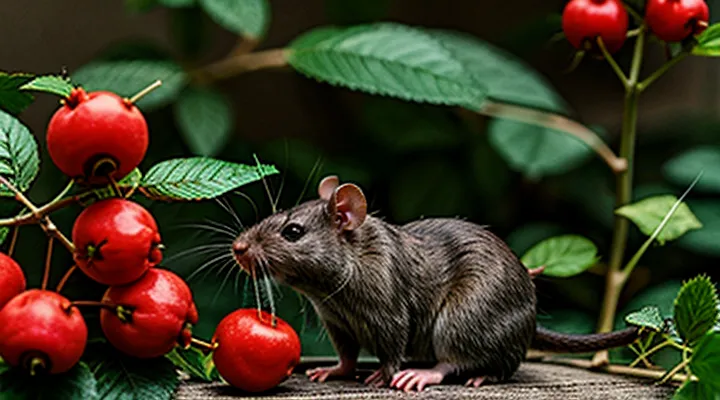
Understanding Rosehips
What Are Rosehips?
Rosehips are the fleshy fruits that develop after roses bloom and the petals fall. They grow on species of the genus Rosa, most commonly on wild roses such as Rosa canina and Rosa rugosa. The fruit encloses a small seed and a thin, edible skin rich in pigments.
Botanically, rosehips are classified as accessory fruits because the edible part originates from the enlarged hypanthium rather than the ovary itself. Their size ranges from a few millimetres to several centimetres, and their colour varies from bright red to deep orange, reflecting the presence of carotenoids.
Nutritional profile of rosehips includes:
- High concentrations of vitamin C, often exceeding the content of citrus fruits.
- Significant amounts of provitamin A (β‑carotene) and vitamin E.
- Minerals such as potassium, calcium, and magnesium.
- Dietary fibre, primarily pectin, which contributes to gastrointestinal health.
- Antioxidant compounds, including flavonoids and polyphenols.
Common applications involve the preparation of teas, jams, syrups, and dietary supplements. The fruit’s tart flavour makes it suitable for culinary uses, while its bioactive substances support research into anti‑inflammatory and immune‑modulating effects.
Nutritional Profile of Rosehips
Vitamins and Minerals
Rosehip fruit supplies a concentrated source of vitamin C, typically ranging from 150 mg to 300 mg per 100 g of fresh material. Vitamin A is present as provitamin β‑carotene, with concentrations of 5–10 µg RAE per gram. Vitamin E appears as α‑tocopherol at approximately 0.5 mg per 100 g. The B‑vitamin complex includes thiamine, riboflavin, niacin, and pyridoxine in modest amounts (0.02–0.1 mg per 100 g). Mineral content comprises potassium (300–400 mg), calcium (20–30 mg), magnesium (10–15 mg), iron (0.5–1 mg), and phosphorus (30–40 mg) per 100 g of fresh rosehip.
- Vitamin C: antioxidant, supports immune cells.
- Vitamin A: contributes to visual pigment synthesis.
- Vitamin E: protects cell membranes from oxidative damage.
- B‑vitamins: facilitate energy metabolism.
- Potassium: regulates fluid balance.
- Calcium & magnesium: participate in bone formation and neuromuscular activity.
- Iron: essential for hemoglobin synthesis.
- Phosphorus: involved in ATP production.
Rats metabolize these nutrients similarly to other mammals. Adequate intake can improve coat condition and bolster resistance to infections. Excessive vitamin C may provoke diarrhea or soft stools, while high calcium levels could interfere with iron absorption. Balance is achieved by limiting rosehip to no more than 1–2 % of total feed weight, integrated with a complete rodent diet that already supplies baseline vitamins and minerals.
When evaluating whether rats may consume rosehip, the primary consideration is dosage control. Small, measured portions provide the nutritional advantages of the fruit without inducing gastrointestinal disturbances or mineral imbalances. Regular monitoring of body weight and stool consistency ensures that supplementation remains within safe parameters.
Antioxidants and Other Compounds
Rosehip (« rosehip ») contains a high concentration of antioxidant molecules that influence metabolic processes in rodents. Vitamin C dominates the antioxidant profile, reaching levels several times higher than those found in citrus fruits. Carotenoids such as β‑carotene and lycopene add lipid‑soluble protection, while flavonoids—including quercetin, kaempferol and catechin—contribute to free‑radical scavenging. Phenolic acids, notably gallic and chlorogenic acids, further enhance the overall oxidative stability of the fruit matrix.
Other bioactive constituents accompany the antioxidant suite. Soluble fiber, primarily pectin, improves gastrointestinal transit and modulates nutrient absorption. Minerals—calcium, magnesium, potassium, and trace zinc—support enzymatic functions. Essential fatty acids, especially linoleic acid, provide structural components for cell membranes. The presence of organic acids (malic, citric) aids in maintaining physiological pH balance.
In laboratory rats, ingestion of rosehip extracts yields measurable reductions in markers of oxidative stress, such as malondialdehyde and protein carbonyls. Elevated plasma vitamin C levels correlate with enhanced immune cell activity, while flavonoid intake improves endothelial function. No acute toxicity observed at dietary inclusion rates up to 10 % of total feed weight; however, chronic exposure above 15 % may induce mild gastrointestinal irritation due to high fiber content.
Safe dietary incorporation follows these guidelines:
- Inclusion level: 5–10 % of total diet mass for standard laboratory strains.
- Monitoring: weekly assessment of body weight, feed intake, and fecal consistency.
- Duration: short‑term studies (≤ 4 weeks) acceptable without adverse effects; longer trials require periodic blood chemistry panels.
Adherence to the dosage parameters ensures that rats benefit from the antioxidant capacity of rosehip while avoiding potential gastrointestinal disturbances.
Can Rats Safely Eat Rosehips?
Potential Benefits for Rats
Vitamin C Content
Rosehip berries contain a high concentration of «vitamin C». Fresh material typically provides 400–600 mg per 100 g, while dried powder can reach 1 200–1 500 mg per 100 g. For comparison, orange juice offers about 50 mg per 100 g, and raw broccoli supplies roughly 90 mg per 100 g.
- Fresh rosehip: 400–600 mg «vitamin C» / 100 g
- Dried rosehip powder: 1 200–1 500 mg «vitamin C» / 100 g
- Orange juice: ~50 mg «vitamin C» / 100 g
- Raw broccoli: ~90 mg «vitamin C» / 100 g
Rats possess the enzyme L‑gulonolactone oxidase, enabling endogenous synthesis of «vitamin C». Consequently, dietary intake is not required for physiological needs. However, excessive external sources may influence antioxidant balance, potentially reducing endogenous production through feedback inhibition.
When evaluating the suitability of rosehip as a component of rodent diets, the elevated «vitamin C» content should be considered alongside the animal’s intrinsic synthesis capability. Moderate inclusion can supply additional antioxidant benefits without jeopardizing metabolic stability, provided overall diet formulation maintains appropriate nutrient ratios.
Fiber and Digestive Health
Rosehip provides a notable amount of soluble and insoluble fiber, which can influence gastrointestinal function in rodents. The fruit’s cell walls contain pectin, a soluble fiber that forms a viscous gel during digestion, while the seed coat contributes insoluble fiber that adds bulk to the intestinal contents.
Fiber contributes to several physiological processes relevant to rat health:
- Increases stool bulk, promoting regularity.
- Enhances microbial fermentation, generating short‑chain fatty acids that support colonocyte energy supply.
- Modulates transit time, preventing excessive absorption of harmful metabolites.
- Improves mucosal integrity by stimulating mucus production.
When assessing the suitability of rosehip for rats, consider the following factors:
- Portion size: small pieces (1–2 g per 100 g body weight) avoid excessive fiber load that could cause diarrhea.
- Preparation: fresh or dried rosehip should be free of pesticides and other contaminants; optional blanching reduces potential antinutrients.
- Frequency: offering rosehip intermittently (2–3 times weekly) integrates fiber benefits without displacing essential nutrients from a balanced diet.
Overall, rosehip’s fiber profile can support digestive health in rats when administered in controlled amounts and combined with a nutritionally complete base diet.
Potential Risks and Considerations
Sugar Content
Rosehip berries contain a notable concentration of simple carbohydrates, primarily glucose and fructose. On average, fresh rosehip provides about 7–9 grams of total sugars per 100 grams of edible portion. The sugar profile is roughly balanced, with glucose accounting for 3–4 grams and fructose for a similar amount; the remainder consists of minor amounts of sucrose and other oligosaccharides.
Rats possess a high capacity for carbohydrate digestion, yet excessive intake of simple sugars can disrupt glucose homeostasis and promote adiposity. The sugar content of rosehip falls within the range of many fruits commonly offered to laboratory rodents, suggesting that moderate consumption is physiologically tolerable. However, the following considerations are essential when incorporating rosehip into a rat’s diet:
- Limit daily rosehip intake to no more than 5 % of total food mass to avoid excess caloric load.
- Monitor blood glucose levels in subjects with known metabolic sensitivities.
- Provide a balanced diet that includes adequate fiber, protein, and micronutrients to offset the rapid absorption of rosehip sugars.
Overall, the sugar concentration in rosehip does not present an inherent toxicity for rats, but prudent portion control and regular health assessment are required to maintain metabolic stability.
Pits and Seeds
Rats may encounter rosehip pits and seeds when offered the fruit. These components are hard, dense structures that can pose mechanical hazards. Small rodents lack the dental strength to crush large pits, increasing the risk of oral injury or obstruction in the gastrointestinal tract.
Key considerations for the inclusion of rosehip pits and seeds in a rat’s diet:
- Size: pits typically exceed the gape of a rat’s mouth; ingestion is unlikely without forceful chewing.
- Texture: hard seed coats resist breakdown, potentially remaining intact through the digestive process.
- Nutrient content: seeds contain modest amounts of fatty acids and fiber, but the nutritional contribution is minimal compared to the fruit’s pulp.
- Toxicity: rosehip seeds do not contain known toxins for rodents; however, any residual pesticide residues present a chemical risk.
- Choking risk: unprocessed pits present a choking hazard, especially for younger or smaller individuals.
Best practice recommends removing pits and seeds before offering rosehip to rats. Providing only the soft, edible flesh ensures safe consumption while delivering the vitamin‑C–rich benefits of the fruit.
Pesticide Exposure
Rats that encounter rosehip in environments where the fruit is treated with insecticides or herbicides may ingest pesticide residues along with the plant material. Acute toxicity depends on the chemical class, dosage, and the animal’s metabolic capacity; organophosphates, carbamates, and pyrethroids can cause cholinergic crisis, respiratory failure, or neurobehavioral disturbances at comparatively low exposure levels. Sub‑lethal exposure often results in enzymatic inhibition, altered liver function, and reduced reproductive success, which can compromise population health even when the fruit itself is nutritionally acceptable.
Pesticide residues on rosehip persist after harvest, especially when applied during fruit development. Factors influencing residue levels include application timing, formulation, and environmental conditions such as rainfall and temperature. Ingestion of contaminated rosehip therefore represents a direct oral route of exposure, bypassing dermal barriers and delivering the toxicant to the gastrointestinal tract for rapid absorption.
Risk assessment for rodents consuming treated rosehip should consider:
- Maximum residue limits (MRLs) established for food crops;
- Species‑specific LD₅₀ values for the relevant pesticides;
- Frequency of consumption and foraging behavior that may increase cumulative dose;
- Potential synergistic effects when multiple pesticide classes are present.
Mitigation strategies involve avoiding the use of broad‑spectrum chemicals on rosehip destined for wildlife, employing integrated pest management, and monitoring residue levels through regular sampling. Implementing these measures reduces the likelihood that rats will experience adverse health outcomes from pesticide exposure while feeding on rosehip.
Choking Hazards
Rats may accept rosehip as a treat, but the fruit’s physical characteristics create specific choking risks. The berry’s size, firm skin, and hard seeds can block a rat’s airway or obstruct the esophagus if swallowed whole.
Key choking hazards include:
- Whole berries larger than the animal’s mouth opening.
- Undegraded seeds that remain intact after chewing.
- Dried or dehydrated pieces that become brittle and fragment.
- Agglomerated pulp that forms a compact mass when compressed.
To reduce these dangers, present rosehip in a form that fits the rat’s dental capacity. Cut the fruit into pieces no larger than a few millimetres, remove all seeds, and offer fresh, moist portions rather than dried fragments. Supervise initial feedings and observe for signs of distress such as labored breathing, coughing, or prolonged silence. If any obstruction is suspected, seek veterinary assistance immediately.
Moderation is Key
Rosehip provides rodents with vitamin C, antioxidants, and fiber, but its acidic nature can irritate the gastrointestinal tract if consumed in excess.
Balanced inclusion of this fruit supports immune function while avoiding digestive upset; the principle of moderation prevents the shift from benefit to harm.
Guidelines for safe feeding:
- Fresh or dried rosehip, finely chopped, introduced gradually.
- Daily portion limited to 1–2 grams per 100 grams of body weight.
- Frequency restricted to two to three times per week, not daily.
- No added sugars, preservatives, or artificial flavorings.
Observe the animal for signs of discomfort: reduced appetite, loose stools, or oral irritation. If any symptom appears, discontinue rosehip immediately and consult a veterinarian.
Adhering to these limits ensures that the nutritional advantages of «rosehip» are realized without compromising health.
How to Prepare Rosehips for Rats
Sourcing and Selection
Rosehip, when considered as a dietary component for laboratory or pet rodents, requires careful sourcing to ensure safety and nutritional value. Reliable suppliers provide fruit that is free from pesticide residues, mold, and excessive microbial load. Documentation of organic certification or third‑party testing strengthens confidence in product integrity.
Selection of appropriate rosehip material follows several criteria:
- Species authenticity: true Rosa spp. fruit, not processed extracts containing additives.
- Freshness: minimal time between harvest and packaging, indicated by firm skin and vibrant color.
- Dry matter content: 10–15 % moisture for dried batches, reducing spoilage risk.
- Particle size: uniform pieces no larger than 2 mm to prevent dental injury and ensure even consumption.
- Absence of foreign matter: no seeds, stems, or leaves that may contain irritants.
When integrating rosehip into rodent feed, the ingredient should constitute no more than 5 % of the total formulation to avoid gastrointestinal upset. Regular monitoring of feed palatability and health parameters confirms suitability.
Cleaning and Washing
Rats can be offered rosehip as a supplemental treat, provided the fruit is thoroughly cleaned to remove contaminants and pesticide residues. Effective cleaning safeguards the animal’s digestive health and prevents exposure to harmful substances.
Key procedures for preparing rosehip:
- Rinse fresh rosehip under running water, using a fine‑mesh strainer to keep small fruits from slipping away.
- Immerse the berries in a solution of one part white vinegar to three parts water for five minutes; this step reduces microbial load.
- Scrub each berry gently with a soft brush to dislodge surface dirt and lingering particles.
- Rinse again with clean water to eliminate residual vinegar.
- Pat dry with a paper towel or allow air‑dry on a clean surface before offering to the rat.
For dried rosehip, verify that the product originates from a reputable supplier and that the packaging indicates a “no‑additives” guarantee. If any dust or debris is visible, repeat the rinsing process before rehydrating in warm water for ten minutes, then drain and dry.
Storage guidelines:
- Store cleaned fresh rosehip in a sealed container within the refrigerator, consuming within three days.
- Keep dried rosehip in an airtight jar in a cool, dark place; replace the lid after each use to maintain dryness.
Adhering to these cleaning and washing protocols ensures that rosehip remains a safe, nutritious addition to a rat’s diet.
Removing Pits and Hairs
Rosehip must be prepared carefully before being offered to laboratory or pet rodents. The fruit’s hard seed and fine hairs present choking hazards and can cause gastrointestinal irritation; therefore, both elements require complete removal.
The removal process begins with pit extraction. After washing the berries, immerse them in boiling water for one to two minutes. This brief blanching softens the flesh, allowing the seed to be expelled easily with a fine‑mesh sieve or by pressing the berries gently between two clean surfaces. Discard any remaining fragments.
Hair elimination follows pit removal. Rinse the de‑seeded berries under cool running water while agitating them in a stainless‑steel bowl. Use a soft brush to loosen the tiny hairs that cling to the surface. After brushing, perform a second rinse to wash away detached hairs. Pat the berries dry with a lint‑free cloth before storage.
Key safety considerations:
- Verify that no seed fragments remain; visual inspection under magnification is advisable.
- Ensure all hairs are removed; residual hairs can cause nasal or oral irritation.
- Store prepared rosehip in a sealed container at refrigeration temperature and use within 48 hours to prevent spoilage.
Proper preparation eliminates the primary physical risks associated with rosehip consumption for rodents, enabling the nutritional benefits of the fruit to be accessed safely.
Serving Recommendations
Fresh Rosehips
Fresh rosehips contain high levels of vitamin C, carotenoids, flavonoids, and dietary fiber. These nutrients support immune function and provide antioxidant benefits.
Rats tolerate the fruit’s natural sugars and acids when offered in moderation. The edible portion is the fleshy outer layer; seeds are small, hard, and may cause gastrointestinal irritation if ingested in large quantities.
Feeding recommendations:
- Introduce a small amount (approximately 0.5 g per 100 g body weight) of cleaned, deseeded rosehip pulp.
- Observe for signs of discomfort, such as reduced activity or loose stools, within 24 hours.
- Limit exposure to three times per week to prevent excessive vitamin C intake, which can lead to urinary stone formation.
Potential risks include:
- Presence of residual pesticides on unwashed fruit.
- Possibility of mold growth on over‑ripe rosehips, which may produce mycotoxins.
Proper preparation—washing, removing seeds, and offering fresh, firm pulp—minimizes hazards and makes fresh rosehips a safe occasional supplement for laboratory or pet rats.
Dried Rosehips
Rats can safely ingest dried rosehips when the fruit is free of additives and contaminants. The dried form retains high levels of vitamin C, carotenoids, and fiber, which are digestible for rodents. Excessive quantities may cause mild gastrointestinal irritation due to the natural acidity of the fruit.
Key considerations for offering dried rosehips to rats:
- Provide only unsweetened, unsalted pieces; avoid products with sugar, chocolate, or artificial flavorings.
- Introduce the fruit gradually, starting with a single small fragment to monitor tolerance.
- Limit daily intake to no more than 2 % of the animal’s body weight, equivalent to a few grams for an adult rat.
- Store in a dry, airtight container to prevent mold growth, which could introduce mycotoxins.
Regular observation for changes in stool consistency, appetite, and activity levels will indicate whether the fruit is well tolerated. If adverse signs appear, discontinue feeding and consult a veterinarian.
Alternative Safe Treats for Rats
Fruits and Vegetables
Rosehip belongs to the fruit group, derived from the seed‑bearing shrub Rosa canina. It appears as a small, bright red berry, rich in vitamins, antioxidants, and organic acids. The fruit’s composition aligns with the nutritional categories typically assigned to berries, making it a candidate for inclusion in a rodent’s diet.
Key nutrients relevant to rat health include vitamin C, carotenoids, flavonoids, and a modest amount of dietary fiber. Vitamin C supports immune function and collagen synthesis, while flavonoids provide antioxidant protection against oxidative stress. The fiber content contributes to gastrointestinal motility, a factor often considered in laboratory and pet rat feeding regimes.
Safety assessment indicates that rosehip is non‑toxic to rats when offered in limited quantities. Potential concerns involve high acidity, which may irritate the oral cavity or stomach lining if consumed excessively. Processing methods such as drying, grinding, or cooking reduce acidity and improve digestibility. Fresh, unprocessed berries should be washed thoroughly to remove pesticide residues or environmental contaminants.
Practical guidelines for incorporating rosehip into rat nutrition:
- Offer dried or powdered rosehip as a supplement, not exceeding 2 % of total feed weight.
- Introduce the fruit gradually, monitoring for changes in stool consistency or appetite.
- Combine rosehip with a balanced staple diet containing grains, proteins, and other vegetables.
- Store dried material in a sealed container away from moisture to preserve vitamin content.
When applied according to these parameters, rosehip can serve as a beneficial fruit supplement, enhancing the variety and nutrient density of a rat’s diet.
Other Healthy Snacks
Rats thrive on a diet that includes a variety of natural foods, providing essential vitamins, minerals, and fiber. Incorporating diverse healthy snacks enhances overall nutrition and encourages natural foraging behavior.
Suitable snack options include:
- Carrot sticks, rich in beta‑carotene and fiber, offered in small, bite‑size pieces.
- Apple slices, low in calories, providing vitamin C; remove seeds to avoid cyanogenic compounds.
- Blueberries, source of antioxidants, served fresh or frozen in limited quantities.
- Leafy greens such as kale, spinach, or romaine lettuce, delivering calcium and folate; rinse thoroughly to eliminate residues.
- Cooked quinoa or whole‑grain oats, offering complex carbohydrates and protein; serve cooled and unseasoned.
- Unsalted, unroasted peanuts or almonds, providing healthy fats and vitamin E; limit intake to a few kernels to prevent obesity.
- Small pieces of boiled egg, a high‑quality protein source; ensure no added salt or seasoning.
Safety considerations remain paramount. All produce should be washed, pesticide‑free, and presented in sizes that prevent choking. Sugary, salty, or heavily processed foods must be excluded. Regular monitoring of weight and health status helps adjust snack portions to maintain optimal condition.