
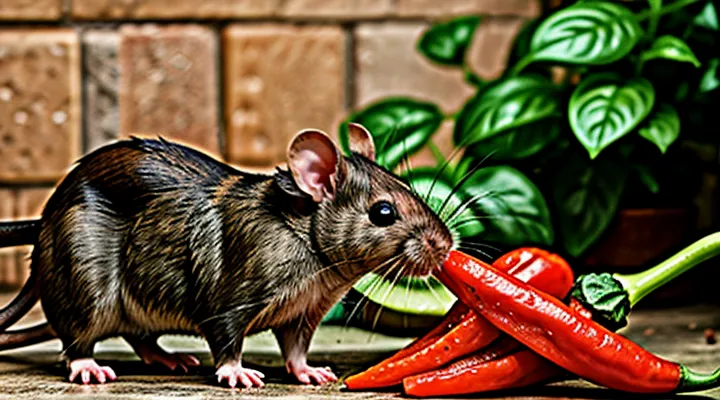
Red Pepper and Rats: An Overview
What is Red Pepper?
Types of Red Peppers
Rats that are offered red peppers must be matched with varieties that differ in sweetness, texture, and capsaicin concentration. Understanding these distinctions helps determine which forms are suitable for rodent diets.
- Red bell pepper – large, fleshy fruit, virtually no capsaicin, high water content, rich in vitamins A and C.
- Pimiento – small, sweet, low heat, thin wall, similar nutritional profile to bell pepper.
- Sweet paprika – dried and ground form of mild red peppers, negligible capsaicin, concentrated nutrients.
- Cayenne pepper – thin, elongated, Scoville rating 30,000–50,000; contains significant capsaicin that can irritate gastrointestinal lining.
- Thai red chili – small, very hot (50,000–100,000 Scoville units), high capsaicin, may cause pain and inflammation in rodents.
- Paprika (smoked) – dried, smoked version of sweet or mild peppers; retains low capsaicin but adds aromatic compounds.
Low‑heat varieties—bell pepper, pimiento, and sweet paprika—pose minimal risk and can be incorporated into a balanced rat diet in moderation. High‑heat types such as cayenne and Thai chili introduce capsaicin levels that often exceed the tolerance of laboratory or pet rats, potentially leading to reduced appetite, digestive upset, or mucosal irritation. When selecting red peppers for rats, prioritize those with Scoville values below 1,000 to avoid adverse effects while providing beneficial nutrients.
Key Nutritional Components
Red bell pepper supplies a concentrated source of nutrients that can complement a rodent’s diet. The flesh contains approximately 80 % water, providing hydration without excess calories.
- Vitamin C: 80 mg per 100 g, supporting immune function and antioxidant defenses.
- Vitamin A (β‑carotene): 157 µg RAE per 100 g, essential for vision and epithelial health.
- Vitamin B6: 0.3 mg per 100 g, involved in amino‑acid metabolism.
- Vitamin E: 1.6 mg per 100 g, protects cell membranes from oxidative damage.
- Folate: 30 µg per 100 g, required for DNA synthesis and red blood‑cell formation.
- Potassium: 210 mg per 100 g, regulates fluid balance and nerve activity.
- Magnesium: 15 mg per 100 g, contributes to enzymatic reactions and muscle function.
- Iron: 0.4 mg per 100 g, supports oxygen transport.
- Dietary fiber: 1.5 g per 100 g, aids gastrointestinal motility.
Red pepper also contains carotenoids such as capsanthin and lutein, which function as potent antioxidants. These compounds can mitigate oxidative stress in rats, provided the fruit is offered in moderation. Excessive fiber or the occasional presence of capsaicinoids in hotter varieties may provoke digestive irritation; therefore, plain sweet red pepper is the safest option.
Potential Benefits of Red Pepper for Rats
Vitamins and Minerals
Red pepper provides a concentrated source of several vitamins that rats can metabolize effectively. Vitamin C, present in high amounts, supports antioxidant defenses and collagen synthesis; rats synthesize their own vitamin C but benefit from additional dietary supply during stress or illness. Vitamin A, in the form of β‑carotene, contributes to visual health and epithelial maintenance. Vitamin B6 participates in amino‑acid metabolism, while vitamin K assists in blood clotting. These nutrients are water‑soluble or fat‑soluble, allowing absorption without complex processing.
Mineral content in red pepper includes potassium, which regulates nerve impulses and fluid balance, and iron, essential for hemoglobin formation. Small quantities of magnesium and phosphorus support bone structure and enzymatic reactions. The overall mineral profile aligns with the micronutrient requirements of laboratory and pet rats when offered in moderation.
Potential concerns arise from the capsaicin compounds that give red pepper its heat. Capsaicin can irritate the gastrointestinal lining of rodents, leading to reduced feed intake or mild inflammation. Excessive consumption may cause dehydration due to increased water loss. Therefore, limit red pepper to no more than 1–2 grams per 100 grams of total diet, and monitor for signs of discomfort.
Guidelines for safe inclusion:
- Provide fresh, seed‑free pieces, washed to remove pesticide residues.
- Introduce gradually, starting with a pinch of finely chopped pepper mixed into regular chow.
- Observe appetite, stool consistency, and activity levels for 24–48 hours after each addition.
- Discontinue if rats display piloerection, excessive grooming of the mouth, or reduced water intake.
When integrated within a balanced diet that meets the National Research Council’s nutrient specifications for rats, red pepper can enrich vitamin and mineral intake without compromising health.
Antioxidant Properties
Red pepper contains a high concentration of carotenoids, primarily capsanthin and β‑carotene, which act as potent antioxidants. These compounds neutralize free radicals by donating electrons, thereby reducing oxidative stress in cellular membranes and DNA. In laboratory rodents, dietary inclusion of red pepper has been shown to elevate plasma antioxidant capacity, measured by increased total antioxidant status (TAS) values.
Key antioxidant constituents of red pepper include:
- Capsanthin: scavenges peroxyl radicals and inhibits lipid peroxidation.
- β‑Carotene: converts to vitamin A, providing both antioxidant and retinoid activity.
- Vitamin C: synergizes with carotenoids to regenerate oxidized antioxidants.
- Flavonoids (e.g., quercetin): chelate metal ions and suppress oxidative enzyme activity.
When rats consume red pepper as part of a balanced diet, the bioavailable antioxidants can mitigate oxidative damage associated with high‑fat or high‑sugar feeding regimes. Studies report reduced markers of oxidative stress, such as malondialdehyde (MDA), and improved hepatic enzyme profiles in rats receiving red pepper supplementation. Consequently, the antioxidant profile of red pepper supports its safe inclusion in rodent nutrition, provided that the amount is moderated to avoid gastrointestinal irritation.
Risks and Concerns
Capsaicin: The Hot Component
How Capsaicin Affects Rats
Capsaicin, the active component of red pepper, triggers a cascade of sensory and physiological responses in rats. Upon ingestion, the compound binds to transient receptor potential vanilloid 1 (TRPV1) channels located on nociceptive neurons. Activation of these channels depolarizes the neurons, generating a burning sensation that the animal perceives as aversive.
The immediate effects include:
- Increased salivation and mucus secretion to protect the oral cavity.
- Elevated heart rate and blood pressure due to sympathetic nervous system stimulation.
- Stimulation of gastrointestinal motility, often resulting in rapid transit of the ingested material.
Long‑term exposure to capsaicin can induce desensitization of TRPV1 receptors. Repeated dosing reduces the intensity of the burning response, allowing rats to tolerate higher concentrations of the spice. However, chronic intake may lead to gastric irritation, ulcer formation, and altered gut microbiota composition.
Behavioral observations show that naïve rats typically avoid food containing noticeable amounts of capsaicin, while conditioned individuals may consume it after repeated exposure. The avoidance response aligns with the compound’s role as a deterrent, whereas desensitization illustrates the capacity for physiological adaptation.
Digestive Issues
Rats can tolerate small quantities of red pepper, but the capsaicin that gives the pepper its heat may irritate the gastrointestinal tract. Capsaicin stimulates sensory nerves in the stomach and intestines, potentially increasing acid secretion and causing inflammation of the mucosal lining. In healthy adult rats, occasional exposure to mild amounts rarely leads to lasting damage, yet the risk rises with larger or more frequent doses.
Potential digestive reactions include:
- Reduced appetite
- Diarrhea or loose stools
- Abdominal cramping
- Vomiting (less common in rodents)
If any of these signs appear, remove red pepper from the diet immediately and provide plain water and a bland food source such as cooked rice or oatmeal. Monitor the animal for 24‑48 hours; persistent symptoms warrant veterinary evaluation.
For long‑term feeding strategies, limit red pepper to occasional treats no larger than a pinch per 100 g of body weight. Combine with fiber‑rich foods to offset possible irritation. Regular observation of stool consistency and feeding behavior will help detect early digestive disturbances.
Allergic Reactions
Red pepper contains capsaicin, carotenoids, and various proteins that can act as allergens for laboratory and pet rodents. Sensitization occurs when the immune system recognizes these molecules as foreign, producing IgE antibodies that trigger mast‑cell degranulation.
Typical signs of an allergic response in rats include:
- Sudden itching or excessive grooming
- Skin reddening, swelling, or hives
- Respiratory distress such as wheezing or rapid breathing
- Gastrointestinal upset, including vomiting or diarrhea
- Lethargy and reduced activity
Allergy confirmation relies on observation of clinical signs after controlled exposure, followed by laboratory tests such as serum IgE quantification or skin‑prick assays adapted for rodents. Histological examination of affected tissues may reveal eosinophilic infiltration.
Management strategies focus on elimination of the offending food, substitution with non‑allergenic alternatives, and, when necessary, pharmacologic intervention. Antihistamines (e.g., diphenhydramine) and corticosteroids can alleviate acute symptoms; dosage must be calculated based on body weight. Long‑term prevention requires strict dietary monitoring and avoidance of cross‑contamination with capsicum products.
Researchers and caretakers should document any adverse reactions promptly, adjust feeding protocols accordingly, and consult veterinary professionals for severe or persistent cases.
Choking Hazards
Red pepper can be part of a rat’s diet, but its physical characteristics create a choking risk if not handled correctly. The spice’s fibrous skin, seeds, and occasional hard chunks may obstruct a rat’s airway, especially in younger or smaller individuals.
Risk factors include:
- Size of pieces – fragments larger than ¼ inch can become lodged in the throat.
- Texture – raw, crunchy sections resist chewing and may break apart while the animal bites.
- Seed concentration – seeds are hard and can slip past the molars into the pharynx.
- Individual health – rats with dental wear or respiratory issues are more vulnerable.
Preventive measures:
- Cook the pepper – steaming or boiling softens the tissue, reducing hardness.
- Remove seeds and membranes – discard the inner core before offering any portion.
- Dice finely – cut into pieces no larger than 2 mm to ensure easy mastication.
- Observe feeding – watch the rat during the initial introduction; discontinue if coughing or gagging occurs.
- Limit frequency – offer red pepper occasionally, not as a staple, to avoid overexposure to potential hazards.
When these precautions are applied, the likelihood of airway obstruction diminishes, allowing rats to enjoy the nutritional benefits of red pepper without compromising safety.
Safe Alternatives and Diet Recommendations
Rat-Safe Vegetables
Rats tolerate a variety of vegetables, but not all are suitable for daily feeding. Leafy greens such as romaine lettuce, kale, and spinach provide essential vitamins without harmful compounds. Root vegetables like carrots, sweet potatoes, and radishes supply fiber and beta‑carotene, though raw sweet potato skins should be removed to avoid potential pesticide residues. Cruciferous options, including broccoli florets and cauliflower, are safe in moderation; excessive amounts may cause digestive upset due to glucosinolates. Bell peppers, especially green and yellow varieties, are generally accepted, but red pepper contains higher levels of capsaicin, which can irritate a rat’s gastrointestinal tract and should be avoided or offered only in very small, infrequent portions.
Common rat‑safe vegetables
- Romaine lettuce, kale, spinach
- Carrots, radishes, sweet potatoes (peeled)
- Broccoli, cauliflower
- Zucchini, cucumber (seedless)
- Celery (chopped, without strings)
Vegetables that pose risks include onions, garlic, leeks, and any members of the nightshade family (tomatoes, eggplant). When introducing a new vegetable, observe the rat for signs of diarrhea or reduced appetite, and limit portions to no more than 10 % of the total diet. Balanced feeding, combined with a quality pellet base, ensures optimal health while addressing the question of red pepper consumption.
Commercial Rat Food
Commercial rat feed is formulated to meet the complete nutritional profile required for healthy growth, reproduction, and disease resistance. Products typically contain a blend of grains, protein sources, vitamins, and minerals, each measured to provide balanced ratios of macronutrients and micronutrients.
Typical ingredients in a standard pellet or mash include:
- Whole grain corn or wheat
- Soy or fish meal for protein
- Sunflower or canola oil for essential fatty acids
- Vitamin premix covering A, D, E, K and B‑complex
- Mineral mix supplying calcium, phosphorus, magnesium, zinc and selenium
- Fiber additives such as oat hulls or beet pulp to support digestion
Rats have a limited tolerance for capsaicin, the active compound in red pepper. Small amounts may stimulate appetite without causing distress, but high concentrations can irritate the gastrointestinal tract and induce stress responses. Commercial formulations rarely incorporate spicy vegetables because the risk of adverse reactions outweighs any perceived benefit.
For owners who wish to offer red pepper as an occasional treat, the following guidelines apply:
- Use only fresh, seed‑free pieces.
- Limit intake to less than 5 % of the daily food volume.
- Observe the animal for signs of discomfort, such as reduced feeding or watery stool.
- Maintain the primary diet with a reputable commercial product to ensure nutrient completeness.
Overall, a high‑quality commercial rat diet provides all essential nutrients; supplemental red pepper should remain an infrequent, carefully measured addition rather than a regular component.
How to Introduce New Foods to Your Rat
Gradual Introduction
Introducing red pepper into a rat’s diet requires a step‑by‑step approach to avoid digestive upset and assess tolerance to capsaicin. Begin with a minute portion—approximately 0.1 gram of finely chopped pepper mixed into regular food. Observe the animal for 24 hours, checking for changes in fecal consistency, loss of appetite, or signs of discomfort.
If the rat shows no adverse reaction, increase the amount by 0.1 gram every two to three days. Continue monitoring after each increment. The process should not exceed a total of 0.5 gram per day for an average adult rat; larger individuals may tolerate slightly more, but the ceiling remains low compared to standard rodent feed.
Key observations during the trial:
- Normal water intake
- Stable body weight
- Absence of diarrhea or mucus in stool
- No excessive grooming of the mouth or facial area
Should any of these indicators appear, cease feeding red pepper immediately and allow a recovery period of at least five days before attempting a reduced dose. Consistent tolerance over a two‑week period justifies maintaining the established amount as a occasional supplement rather than a staple.
Monitoring for Adverse Reactions
When introducing red pepper into a rodent diet, systematic observation of physiological and behavioral changes is essential. Researchers should establish baseline measurements before exposure and record deviations throughout the trial period.
Key indicators to track include:
- Respiratory rate and pattern
- Skin and fur condition (e.g., erythema, alopecia)
- Gastrointestinal signs (vomiting, diarrhea, reduced feed intake)
- Body weight fluctuations
- Activity levels and locomotor patterns
- Blood parameters (white‑cell count, liver enzymes, serum electrolytes)
Data collection must occur at consistent intervals (e.g., 0 h, 2 h, 24 h, then daily) to capture acute and delayed effects. Any abnormal reading should trigger immediate veterinary assessment and, if necessary, removal of the test substance from the diet. Documentation of all observations supports reliable conclusions about the safety of red pepper consumption in rats.
Consulting a Veterinarian
When deciding whether to offer red pepper to a pet rat, professional veterinary advice is essential. A veterinarian can evaluate the animal’s health status, dietary history, and any existing conditions that might affect tolerance to spicy foods. Direct consultation reduces the risk of gastrointestinal irritation, allergic reactions, or nutrient imbalances.
During the appointment, provide the following information:
- Age, weight, and breed of the rat.
- Current diet, including commercial pellets, fresh produce, and treats.
- Recent health issues such as vomiting, diarrhea, or respiratory problems.
- Frequency and quantity of red pepper exposure you intend to test.
The veterinarian will:
- Review the rat’s medical record for contraindications.
- Explain the physiological effects of capsaicin, the active component in red pepper, on rodent digestion.
- Recommend safe introduction methods, if appropriate, or advise against feeding red pepper altogether.
- Suggest alternative vegetables that provide similar nutritional benefits without the associated risks.
Follow the vet’s guidance precisely. Adjust the rat’s diet only after receiving explicit approval to ensure the animal’s well‑being remains uncompromised.