
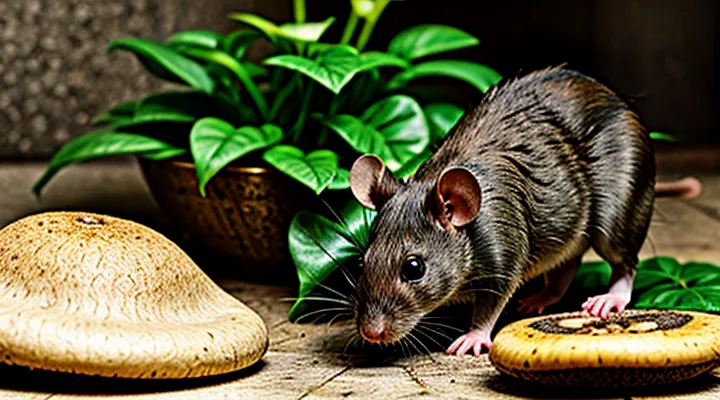
The Nutritional Landscape of Raw Mushrooms
General Nutritional Value for Humans
Mushrooms provide a distinct nutrient profile that differs from most plant foods. They contain approximately 3 g of protein per 100 g, delivering essential amino acids such as lysine and leucine. Dietary fiber ranges from 1 g to 2 g per 100 g, primarily β‑glucans that support gut health.
Vitamins are concentrated in several groups:
- B‑complex: riboflavin (B2) reaches 0.5 mg per 100 g, niacin (B3) up to 4 mg, and pantothenic acid (B5) around 1 mg.
- Vitamin D2: present in sun‑exposed varieties, providing 5–10 µg per 100 g.
- Minor amounts of vitamin C and vitamin K.
Mineral content includes:
- Selenium: 10–15 µg per 100 g, exceeding typical daily intake.
- Potassium: 300–400 mg per 100 g, contributing to electrolyte balance.
- Copper, phosphorus, and iron appear in measurable quantities.
Raw consumption preserves heat‑sensitive nutrients, notably vitamin C and some B vitamins, while maintaining enzymatic activity that may aid digestion. However, certain wild species contain thermolabile toxins (e.g., amatoxins) that are not neutralized without cooking. Commercially cultivated varieties (Agaricus bisporus, Pleurotus spp.) are generally safe to eat raw, provided they are fresh and free from contamination.
For humans, raw mushrooms integrate well into salads, sandwiches, and garnishes, delivering low‑calorie protein and micronutrients without added fat. Their water content, about 90 %, supports hydration. The combination of fiber, antioxidants, and trace minerals contributes to cardiovascular health and immune function.
In laboratory settings, rodents are often offered uncooked fungal material as a supplemental protein source. The same safety considerations—identifying non‑toxic species and ensuring freshness—apply to both animal and human diets.
Potential Health Benefits
Raw mushrooms occasionally appear in laboratory rodent feeds as a source of bioactive compounds. Their inclusion raises interest because fungal tissue contains nutrients and metabolites absent from standard grain‑based diets.
Potential health benefits for rats include:
- Micronutrient enrichment – mushrooms provide selenium, copper, and B‑vitamins that support enzymatic activity and metabolic pathways.
- Antioxidant capacity – polysaccharides such as ergothioneine and phenolic acids neutralize reactive oxygen species, reducing oxidative stress in tissues.
- Immune modulation – β‑glucans trigger macrophage activation and enhance cytokine production, which can improve resistance to infections.
- Gut microbiota support – non‑digestible fibers serve as prebiotics, fostering beneficial bacterial populations and promoting intestinal barrier integrity.
Evidence indicates that these effects depend on species, strain, and preparation. Not all fungi are safe; some contain thermolabile toxins that degrade only with cooking. Controlled studies recommend limiting raw mushroom inclusion to 5 % of total diet weight and selecting cultivars verified free of amatoxins and other hazardous metabolites.
When administered within safe limits, uncooked fungal material can contribute to micronutrient balance, oxidative defense, immune responsiveness, and gut health in rats. Proper sourcing and dosage remain essential to avoid adverse outcomes.
Common Types of Mushrooms
When assessing mushroom varieties for inclusion in a rat’s diet, focus on species that are regularly consumed by humans and have well‑documented safety profiles. The following list presents the most common cultivated and wild mushrooms, noting their suitability for rats when offered raw.
- Agaricus bisporus (white button, cremini, portobello) – widely cultivated; low toxicity; safe in small, unseasoned portions.
- Pleurotus ostreatus (oyster mushroom) – mild flavor; non‑toxic; safe raw in limited amounts.
- Lentinula edodes (shiitake) – contains lentinan; safe raw in modest quantities, but excessive intake may cause digestive upset.
- Hypsizygus tessellatus (beech mushroom) – edible; safe raw, though some rats may prefer cooked texture.
- Flammulina velutipes (enoki) – delicate; safe raw, but thin stems can pose choking risk for larger rats.
- Agaricus subrufescens (almond mushroom) – similar safety to button mushrooms; safe raw.
- Amanita phalloides (death cap) – highly toxic; absolutely prohibited.
- Gyromitra esculenta (false morel) – contains gyromitrin; toxic, must be excluded.
- Boletus edulis (porcini) – edible; safe raw in small pieces.
Rats can ingest raw mushroom flesh from the safe species listed, provided portions are modest and the fungi are fresh, free of mold, and free of chemical treatments. Avoid any wild specimens that lack clear identification, as many contain lethal toxins. Regular monitoring for gastrointestinal distress after introduction of new mushroom types is advisable.
Risks and Considerations for Rats
Toxicity of Raw Mushrooms
Specific Toxic Compounds
Raw mushrooms contain several low‑molecular toxins that can harm rodents. The most relevant compounds for assessing the safety of uncooked fungi for rats are listed below.
- Amatoxins (α‑amanitin, β‑amanitin) – inhibit RNA polymerase II, causing rapid hepatic and renal failure. Oral LD₅₀ for rats ranges from 0.1 to 0.2 mg kg⁻¹; symptoms appear within 6–12 hours.
- Phallotoxins (phalloidin, phallacidin) – bind actin filaments, disrupting cellular structure. Toxic dose in rats is approximately 0.5 mg kg⁻¹; gastrointestinal irritation and liver damage are typical.
- Muscarine – activates cholinergic receptors, producing salivation, lacrimation, bronchoconstriction, and bradycardia. Effective dose for rats is about 5 mg kg⁻¹; mortality occurs with higher exposure.
- Orellanine – a bipyridine toxin that interferes with oxidative phosphorylation, leading to delayed renal insufficiency. LD₅₀ for rats exceeds 30 mg kg⁻¹, but sub‑lethal doses cause progressive kidney damage over weeks.
- Gyromitrin – hydrolyzes to monomethylhydrazine, a potent neurotoxin and metabolic inhibitor. Acute toxic dose for rats is near 30 mg kg⁻¹; neurobehavioral signs and hepatic lesions are common.
These substances differ in stability to heat. Amatoxins and phallotoxins resist typical cooking temperatures, while gyromitrin partially degrades, reducing but not eliminating risk. Muscarine and orellanine are moderately heat‑sensitive; thorough boiling can lower concentrations but does not guarantee safety.
When evaluating whether rats may ingest raw fungi, the presence and concentration of the listed toxins must be considered. Even low levels of amatoxins can be fatal, whereas higher doses of orellanine produce chronic renal impairment. Consequently, raw mushroom diets pose a significant toxicological hazard for rats, and any experimental feeding should be preceded by precise chemical analysis.
Symptoms of Mushroom Poisoning
Rats that ingest toxic fungi display a rapid onset of clinical signs. Early manifestations include excessive salivation, facial twitching, and sudden loss of coordination. Within minutes to hours, affected animals may develop abdominal cramping, vomiting, and diarrhea, often accompanied by a distinct foul odor from the stool.
Progressive neuro‑toxic effects appear as tremors, seizures, and paralysis of the hind limbs. Cardiovascular disturbances such as irregular heartbeat, low blood pressure, and respiratory depression frequently follow. In severe cases, hepatic failure presents with jaundice, enlarged liver, and elevated enzyme levels, leading to death if untreated.
Typical symptom checklist:
- Salivation and foaming at the mouth
- Muscle twitching and ataxia
- Vomiting and watery diarrhea
- Tremors, convulsions, hind‑limb paralysis
- Irregular pulse, hypotension, shallow breathing
- Jaundice, liver enlargement, high liver enzymes
Observation of any combination of these signs after exposure to uncooked mushrooms warrants immediate veterinary intervention.
Dangerous Mushroom Varieties
Rats that ingest uncooked fungi are exposed to several toxic species that can cause severe physiological effects or death. The most hazardous varieties include:
- Amanita phalloides (death cap): contains amatoxins that inhibit RNA polymerase II, leading to rapid liver failure.
- Amanita virosa (destroying angel): produces similar amatoxins, resulting in acute kidney and hepatic damage.
- Galerina marginata (deadly galerina): contains orellanine, a nephrotoxin that produces delayed renal failure.
- Cortinarius rubellus and Cortinarius orellanus: both contain orellanine, causing irreversible kidney injury.
- Gyromitra esculenta (false morel): harbors gyromitrin, which metabolizes to monomethylhydrazine, a neurotoxin that can trigger seizures and respiratory distress.
- Inocybe spp. and Clitocybe spp.: produce muscarine, leading to excessive salivation, sweating, bronchoconstriction, and cardiac arrhythmias.
These mushrooms share traits that increase risk for rodents: bright coloration, strong odor, or deceptive resemblance to edible species. Consumption of any of the listed fungi by rats typically results in gastrointestinal upset, neurological signs, or organ failure within hours to days, depending on toxin concentration. Preventing access to raw wild mushrooms is essential to avoid accidental poisoning in laboratory or pet settings.
Digestibility Concerns
Chitin Content
Rats possess enzymes capable of breaking down chitin, a structural polysaccharide found in the cell walls of many fungi. The amount of chitin varies among species; typical values are:
- White button (Agaricus bisporus): 0.5–1 % dry weight
- Shiitake (Lentinula edodes): 1.5–2 % dry weight
- Portobello (Agaricus bisporus, mature): up to 2 % dry weight
When raw mushrooms are introduced into a rat’s diet, the chitin content influences digestibility. Low concentrations (≤1 %) are generally tolerated, producing minimal gastrointestinal disturbance. Higher levels (≥1.5 %) may cause mild irritation or reduced nutrient absorption, especially if the animal lacks prior exposure.
Overall, chitin does not constitute a lethal toxin for rats, but excessive intake of raw fungi with elevated chitin may impair digestive efficiency. Gradual acclimation and monitoring of stool consistency are advisable when incorporating uncooked mushroom material into rodent feeding regimens.
Gastrointestinal Upset
Rats that ingest uncooked fungi are prone to gastrointestinal disturbance. Toxic compounds present in many wild mushroom species, such as amatoxins, muscarine, and ibotenic acid, can irritate the mucosal lining, disrupt enzymatic activity, and alter gut motility. The resulting condition typically manifests as:
- Diarrhea, often watery and frequent
- Abdominal cramping or bloating
- Reduced appetite and weight loss
- Vomiting, when the animal can expel contents
The severity depends on mushroom type, quantity consumed, and the individual’s metabolic capacity. Some cultivated varieties, like plain white button mushrooms, contain low levels of irritants and are generally tolerated, but even these can cause upset if fed in excess or if the rat’s digestive system is compromised.
Preventive measures include:
- Offering only cooked or thoroughly processed mushroom products, which denature most toxins.
- Limiting portions to a small fraction of the daily diet, ensuring that the primary feed remains balanced rodent chow.
- Monitoring for early signs of distress; immediate removal of mushroom sources and consultation with a veterinarian are advisable at the first indication of abnormal stool or reduced feeding.
If gastrointestinal upset is confirmed, supportive care—fluid replacement, probiotic supplementation, and anti‑emetic medication—can aid recovery. Persistent symptoms warrant diagnostic testing to identify specific toxins and guide targeted treatment.
Expert Opinions and Recommendations
Veterinary Advice
Rats should not be given uncooked mushrooms without veterinary guidance. Many wild fungi contain amatoxins, orellanine, or muscarine, which can cause rapid liver failure, renal damage, or neurological distress in rodents. Even cultivated species such as Agaricus bisporus may carry bacterial contaminants if eaten raw.
Safe practice includes:
- Identifying mushroom species confirmed as non‑toxic by a qualified mycologist.
- Washing thoroughly to remove soil and insects.
- Cooking at a minimum of 75 °C for 10 minutes to deactivate heat‑sensitive toxins.
- Offering only small portions as occasional treats, not as a dietary staple.
Signs of mushroom poisoning in rats appear within hours and may include:
- Lethargy or sudden collapse.
- Vomiting and diarrhea, sometimes with blood.
- Jaundice, abdominal swelling, or tremors.
- Rapid breathing and loss of coordination.
If any of these symptoms develop after mushroom exposure, seek veterinary care immediately. Treatment may involve induced vomiting, activated charcoal, intravenous fluids, and specific antidotes when available.
Overall recommendation: avoid raw mushrooms in rat diets. Provide approved vegetables, fruits, and commercial rodent pellets. Consult a veterinarian before introducing any new fungal food source.
Research Findings on Rat Diets
Research on laboratory and wild rodent nutrition includes investigations of uncooked fungal material as a potential component of the diet. Studies compare standard grain‑based feed with supplemental raw mushroom tissue to assess acceptability, digestibility, and health outcomes.
Raw mushrooms contain protein, fiber, vitamins (B‑complex, D) and minerals (selenium, potassium). Their macronutrient profile aligns with the nutritional requirements of Rattus species, yet the presence of naturally occurring toxins influences safety assessments.
Toxicological analyses identify agaritine, hydrazine derivatives, and certain phenolic compounds in fresh fungi. Acute‑toxicity tests on Rattus norvegicus show dose‑dependent gastrointestinal irritation and transient hepatic enzyme elevation when mushroom inclusion exceeds 5 % of total caloric intake.
Feeding trials with controlled groups reveal:
- 2 % raw mushroom inclusion: no significant change in weight gain or behavior.
- 5 % inclusion: slight reduction in feed efficiency, occasional mild diarrhea.
- 10 % inclusion: marked decline in body condition, elevated liver enzymes, increased mortality.
Long‑term studies (12 weeks) report that low‑level supplementation (≤2 %) does not impair growth or reproductive performance, while higher levels accelerate onset of neoplastic lesions in the liver and kidneys.
Overall, empirical evidence indicates that modest amounts of uncooked mushroom tissue can be tolerated by rats, but concentrations above 5 % of the diet pose health risks due to inherent toxins. Safe incorporation requires strict limitation of raw fungal content and monitoring of physiological markers.
Safer Alternatives and Dietary Guidelines
Approved Foods for Rats
Vegetables
Rats are omnivorous mammals capable of digesting a broad range of plant matter, including fresh vegetables. When evaluating the suitability of raw fungi for rodent consumption, the presence of complementary vegetables in the diet influences digestive health, toxin metabolism, and nutrient balance.
Vegetables provide essential vitamins, minerals, and fiber that mitigate potential adverse effects of uncooked mushrooms. Fiber promotes gastrointestinal motility, reducing the risk of fungal spores lingering in the intestinal tract. Certain phytochemicals, such as glucosinolates in cruciferous greens, enhance hepatic enzyme activity, which can accelerate the breakdown of mushroom-derived toxins.
Recommended vegetables for laboratory or pet rats include:
- Dark leafy greens (spinach, kale, romaine lettuce) – high in vitamin K and iron.
- Root vegetables (carrots, sweet potatoes) – source of beta‑carotene and complex carbohydrates.
- Cruciferous vegetables (broccoli, cauliflower) – contain compounds that support detoxification pathways.
- Peppers and cucumbers – low‑calorie options that contribute water content and vitamin C.
When incorporating vegetables with raw mushrooms, follow these guidelines:
- Offer vegetables daily to ensure a balanced nutrient profile.
- Limit mushroom portions to no more than 5 % of total food weight to avoid overload of potentially harmful substances.
- Observe rats for signs of digestive upset, such as reduced fecal output or abnormal stool consistency, and adjust the vegetable mix accordingly.
Properly selected vegetables enhance overall health and improve the safety margin for rats that are exposed to uncooked fungal material.
Fruits
Rats that are offered uncooked fungi require a balanced diet to avoid nutritional deficiencies. Fruit provides essential vitamins, minerals, and hydration, complementing the limited protein and fiber found in raw mushrooms.
Safe fruit options for laboratory and pet rodents include:
- Apple (seedless, skin removed)
- Banana (ripe, small portions)
- Blueberries
- Strawberries (husked)
- Pear (seedless, skin removed)
- Melon (cantaloupe, honeydew)
These items deliver glucose, vitamin C, and antioxidants, which mitigate the low carbohydrate content of uncooked fungi. Excessive fruit can cause diarrhea; limit servings to 5 % of total daily intake by weight. Replace a portion of mushroom feed with fruit to maintain caloric equilibrium while preventing gastrointestinal upset.
Grains and Proteins
Rats can ingest uncooked fungi, but the nutritional balance of their diet must include appropriate sources of carbohydrates and amino acids. Grains supply the primary energy needed for digestion and activity; common options such as wheat, oats, and barley provide digestible starches that complement the fiber content of mushrooms. Excessive grain intake can reduce the relative proportion of protein, potentially impairing growth and immune function.
Proteins deliver essential amino acids for tissue repair and enzymatic processes. When raw mushrooms are part of a rat’s regimen, protein sources should be high‑quality and readily digestible. Suitable choices include:
- Cooked chicken breast, shredded
- Hard‑boiled egg, chopped
- Low‑fat cottage cheese
- Soybean meal, finely milled
Combining these grains and proteins with raw mushrooms creates a diet that meets caloric demands while avoiding nutrient deficiencies. Monitoring body condition and adjusting portion sizes ensures that the inclusion of uncooked fungi does not compromise overall health.
Preparing Safe Treats
Rats can consume certain uncooked fungi, but safety depends on species identification, preparation method, and portion size. Properly preparing mushroom treats reduces the risk of toxicity and digestive upset.
Identify edible varieties. Only mushrooms confirmed as non‑toxic to rodents should be considered. Common safe options include white button, cremini, and portobello mushrooms. Avoid wild specimens unless verified by a mycologist.
Clean the mushrooms thoroughly. Rinse under running water to remove soil and potential contaminants. Pat dry with a paper towel; excess moisture can promote mold growth during storage.
Cut into bite‑size pieces. Uniform pieces ensure consistent consumption and prevent choking hazards. For young rats, limit each piece to approximately 0.5 cm³.
Cook briefly if uncertainty remains. A brief steam or microwave treatment (30–45 seconds) deactivates most heat‑labile toxins while preserving flavor. Do not add oil, butter, or seasoning.
Store prepared treats in an airtight container. Refrigerate for up to three days; discard any pieces that develop discoloration or odor.
Introduce treats gradually. Offer a single piece during a feeding session and observe behavior for 24 hours. If no adverse signs appear—such as lethargy, diarrhea, or loss of appetite—gradually increase frequency, not exceeding 5 % of the rat’s daily caloric intake.
Maintain a balanced diet. Mushroom treats supplement, not replace, the standard rodent pellet and fresh vegetable regimen. Regular veterinary consultation reinforces safe inclusion of novel foods.
Importance of a Balanced Rat Diet
A rat’s health depends on a diet that supplies protein, fiber, vitamins, minerals, and appropriate calories. Protein sources such as cooked eggs, lean meat, or high‑quality lab blocks provide essential amino acids for tissue repair and growth. Fiber, delivered through fresh vegetables, whole grains, and limited hay, supports gastrointestinal motility and prevents constipation. Vitamins A, D, E, and the B‑complex are obtained from a varied selection of leafy greens, carrots, and fortified pellets, while calcium and phosphorus balance is maintained with calcium‑rich foods and mineral supplements. Caloric intake must match activity level; overfeeding leads to obesity, underfeeding causes malnutrition.
Raw fungi occasionally appear in a rat’s environment. Uncooked mushrooms contain compounds that can be toxic or indigestible for rodents. Introducing them without proper identification and preparation poses a risk of liver or kidney damage. If a mushroom is verified as safe and offered in small, cooked portions, it can contribute minor fiber and micronutrients, but it should never replace the core components listed above.
Key elements of a balanced rat diet:
- High‑quality commercial pellets (base of nutrition)
- Fresh protein (egg, cooked lean meat, insect larvae)
- Varied vegetables (leafy greens, carrots, bell peppers)
- Whole‑grain or seed mixes for fiber
- Calcium source (cuttlebone, fortified pellets)
- Clean water available at all times
Maintaining this structure ensures optimal growth, immune function, and reproductive success, while minimizing the hazards associated with raw mushroom consumption.
Emergency Protocols
Recognizing Symptoms of Distress
Rats that ingest uncooked fungi may display acute distress. Early indicators include:
- Rapid breathing or panting
- Tremors or shaking of the limbs
- Unsteady gait or loss of coordination
- Excessive salivation or drooling
- Vomiting or frequent retching
- Diarrhea with watery stools
- Lethargy or sudden collapse
If any of these signs appear within minutes to a few hours after exposure, immediate veterinary intervention is required. Persistent symptoms such as weight loss, reduced activity, or chronic digestive upset suggest ongoing toxicity and must be evaluated without delay. Monitoring behavior, appetite, and stool consistency provides a practical baseline for detecting abnormal reactions in laboratory or pet settings.
First Aid for Suspected Poisoning
Rats that have chewed raw mushrooms may develop toxic reactions. Prompt recognition and intervention can prevent severe outcomes.
Typical signs of mushroom poisoning in rodents include:
- Tremors or seizures
- Excessive salivation
- Lethargy or collapse
- Diarrhea, sometimes with blood
- Rapid breathing or difficulty breathing
If poisoning is suspected, follow these steps immediately:
- Remove the animal from the contaminated area and isolate it from other pets.
- Assess airway, breathing, and circulation; apply gentle pressure to the chest if the rat shows no pulse.
- Induce vomiting only if a veterinarian advises it within the first 15 minutes; use a small syringe to deliver a mild emetic solution.
- Administer activated charcoal (approximately 1 g per kg body weight) to bind residual toxins, mixing it with a small amount of water for easy ingestion.
- Keep the rat warm, monitor vital signs, and record the time of each intervention.
After initial care, contact a veterinary professional without delay. Provide details about the mushroom species, amount consumed, and all measures taken. The veterinarian may prescribe antidotes, intravenous fluids, or anticonvulsants based on the specific toxin.
Prevent future incidents by storing all wild fungi out of reach, labeling any cultivated mushrooms, and offering only rodent‑safe foods. Regularly inspect cages for stray debris to eliminate accidental ingestion.
When to Contact a Veterinarian
Raw mushrooms may contain toxins that cause rapid deterioration in a pet rat’s health. Exposure can lead to gastrointestinal distress, neurological impairment, or organ failure within hours.
Indicators that professional care is required
- Persistent vomiting or diarrhea lasting more than two hours
- Blood in stool or vomit
- Seizures, tremors, or loss of coordination
- Unusual lethargy, inability to stand, or collapse
- Rapid breathing, panting, or difficulty breathing
- Swelling of the abdomen or visible signs of pain when touched
If any of these symptoms appear after a rat consumes uncooked fungi, contact a veterinarian immediately. While awaiting professional advice, isolate the animal, provide fresh water, and avoid offering food until guidance is received. Prompt veterinary intervention can prevent irreversible damage and improve the likelihood of recovery.