
What is Buckwheat?
A Pseudocereal Explained
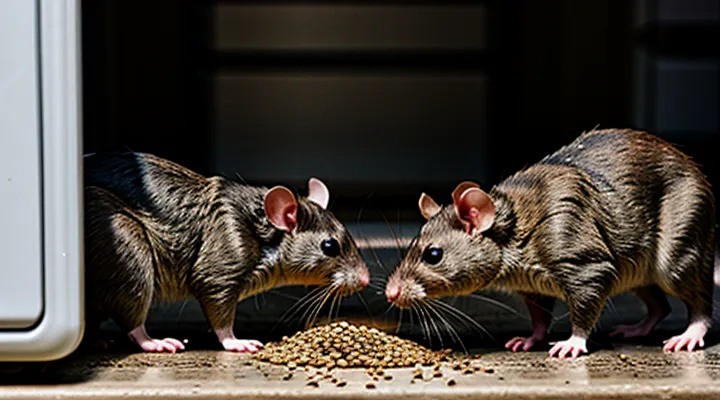
Buckwheat belongs to the group of pseudocereals, plant seeds used like true cereals despite lacking grass family taxonomy. The grain’s botanical family is Polygonaceae, and its seeds contain high levels of protein, complex carbohydrates, dietary fiber, and a spectrum of minerals such as magnesium, manganese, and phosphorus. Essential amino acids, notably lysine and arginine, are present in quantities that surpass many true grains, making buckwheat a valuable supplement for omnivorous rodents.
Nutrient profile relevant to laboratory and pet rats:
- Protein: ~13 % of dry weight, rich in lysine.
- Carbohydrates: ~71 % of dry weight, predominantly starch.
- Fiber: ~10 % of dry weight, promoting gut motility.
- Fat: ~3 % of dry weight, mainly polyunsaturated fatty acids.
- Minerals: magnesium (≈ 130 mg 100 g⁻¹), manganese, phosphorus, copper.
- Vitamins: B‑complex (especially B₂, B₆) and trace vitamin E.
Raw buckwheat retains anti‑nutrients such as phytic acid and tannins, which bind minerals and reduce digestibility. Additionally, the seed coat contains protease inhibitors that may impair protein absorption if consumed in large amounts. These compounds are diminished by heat, soaking, or fermentation, but remain present in uncooked grain.
Safety considerations for feeding uncooked buckwheat to rats:
- Limit to ≤ 5 % of total daily dry intake to avoid mineral imbalance.
- Observe for signs of gastrointestinal upset, such as soft stools or reduced appetite.
- Provide ample fresh water to mitigate increased fiber load.
- Ensure the grain is free from mold, mycotoxins, or pesticide residues.
When raw buckwheat is offered, mix it with a balanced rodent chow to maintain nutritional equilibrium. For long‑term inclusion, rotate with other grains and periodically introduce lightly toasted buckwheat to reduce anti‑nutrient levels while preserving texture. Proper monitoring and moderation allow rats to benefit from the pseudocereal’s protein and fiber without adverse effects.
Raw Buckwheat: Potential Risks for Rats
Enzyme Inhibitors and Antinutrients
Raw buckwheat contains several enzyme inhibitors, notably protease and amylase inhibitors, that interfere with protein and carbohydrate digestion. In rats, these inhibitors reduce the efficiency of pancreatic enzymes, leading to lower amino acid absorption and slower glucose utilization. The inhibition is dose‑dependent; small amounts cause modest reductions in nutrient uptake, while larger quantities can produce measurable weight loss and altered blood‑glucose profiles.
Antinutrients present in unprocessed buckwheat include phytic acid, tannins, and saponins. Phytic acid chelates calcium, iron, and zinc, decreasing their bioavailability. Tannins bind to proteins and digestive enzymes, further limiting protein assimilation. Saponins can irritate the intestinal mucosa, potentially causing mild inflammation. In laboratory studies, rats fed a diet with 10 % raw buckwheat showed reduced plasma mineral concentrations compared with a control group receiving a processed grain diet.
Mitigation strategies:
- Heat treatment (roasting or boiling) deactivates protease and amylase inhibitors within minutes at 80 °C.
- Soaking for 12–24 hours lowers phytic acid content by 30–40 % through natural fermentation.
- Fermentation with lactic‑acid bacteria reduces tannin levels and improves mineral absorption.
- Grinding increases surface area, enhancing the effectiveness of the above processes.
When raw buckwheat is incorporated into a rat diet, the presence of enzyme inhibitors and antinutrients limits nutrient utilization and may impair growth. Proper processing eliminates most of these compounds, making buckwheat a safe and nutritionally valuable component for laboratory rodents.
Digestive Issues
Rats can tolerate raw buckwheat in small quantities, but the grain presents several digestive challenges. High fiber content accelerates intestinal transit, which may lead to loose stools or mild diarrhea. Raw buckwheat also contains antinutritional compounds such as tannins and phytic acid; these substances bind minerals and impede absorption, potentially causing nutrient deficiencies if the grain forms a significant portion of the diet. Additionally, the coarse texture can irritate the mucosal lining, increasing the risk of gastrointestinal inflammation.
Key digestive concerns include:
- Rapid fermentation of fiber by gut microbes, producing excess gas and bloating.
- Reduced mineral bioavailability due to phytic acid complexation.
- Potential mucosal irritation from sharp hull fragments.
- Elevated risk of sudden weight loss if chronic diarrhea persists.
Mitigation strategies involve limiting raw buckwheat to less than 5 % of total daily intake, soaking or lightly toasting the grain to lower antinutrient levels, and monitoring stool consistency after introduction. Consistent observation ensures that any adverse digestive response is identified promptly, preserving overall health.
Choking Hazards
Raw buckwheat kernels are larger than typical rat pellets and can obstruct the airway if a rat attempts to swallow them whole. The hard texture makes the grains difficult to break down with a rat’s incisors, increasing the likelihood of blockage in the trachea or esophagus.
Key risk factors include:
- Grain size exceeding 2 mm in diameter
- Lack of moisture, which prevents softening of the hull
- Presence of hull fragments that can detach and become lodged
Preventive measures:
- Soak raw buckwheat in warm water for at least 30 minutes; the hull softens and the grain expands, reducing choking potential.
- Grind or crush the soaked kernels to a coarse powder before offering them to the animal.
- Limit portion size to a few teaspoons per day, ensuring the rat can chew thoroughly.
- Observe the rat while eating; discontinue the food if the animal pauses excessively or shows signs of distress.
Typical choking symptoms in rats:
- Sudden cessation of breathing or gasping
- Inability to swallow saliva
- Unusual neck posture or head tilting
- Rapid weight loss after repeated episodes
If any of these signs appear, remove the food source immediately and seek veterinary assistance. Proper preparation eliminates the primary choking hazard associated with raw buckwheat and allows safe inclusion in a rat’s diet.
Cooked Buckwheat: A Safer Alternative
How to Prepare Buckwheat for Rats
Rats can safely consume buckwheat when it is properly prepared, eliminating potential digestive issues caused by raw grains. Preparation removes anti‑nutritional factors, improves palatability, and ensures the grain is nutritionally accessible.
- Rinse buckwheat under cool running water to eliminate dust and debris.
- Soak the grains in fresh water for 30–45 minutes; this softens the hull and reduces phytic acid.
- Drain and transfer the soaked buckwheat to a saucepan; add twice the volume of water.
- Bring to a boil, then reduce heat and simmer for 8–10 minutes until the grains are tender but not mushy.
- Remove from heat, let stand covered for 5 minutes to finish steaming.
- Cool the cooked buckwheat to room temperature before offering to rats.
Store any leftovers in an airtight container in the refrigerator for up to three days; discard if odor changes or mold appears. Incorporate a small portion into the regular diet, adjusting quantity to the animal’s overall caloric intake.
Recommended Portion Sizes
Rats may consume raw buckwheat as an occasional supplement to a balanced diet. Veterinary nutrition guidelines specify that the grain should represent a small fraction of total intake to avoid digestive upset and excessive calorie load.
- Adult rats (250‑300 g): ¼ teaspoon (≈1 g) of raw buckwheat per day.
- Juvenile rats (under 150 g): ⅛ teaspoon (≈0.5 g) of raw buckwheat per day.
- Larger breeds (over 350 g): up to ½ teaspoon (≈2 g) per day, not exceeding 10 % of total daily calories.
Portion sizes must be adjusted for individual metabolic rates, activity levels, and existing health conditions. Introduce the grain gradually, monitoring stool consistency and weight. If any signs of diarrhea, bloating, or weight gain appear, reduce or discontinue the supplement immediately.
Frequency of Feeding
Raw buckwheat can be incorporated into a rat’s diet, but the amount and schedule must be carefully managed. Excessive portions may cause digestive upset, while infrequent feeding limits nutritional benefits.
- Offer raw buckwheat no more than twice per week.
- Limit each serving to 5–10 % of the total daily food intake.
- Observe the animal for signs of loose stools or reduced appetite after each offering.
- Adjust frequency if the rat shows intolerance; reduce to once weekly or discontinue.
Consistent monitoring ensures raw buckwheat contributes fiber and protein without compromising gut health. Regular feeding intervals, combined with a balanced staple diet, maintain optimal nutrition.
Essential Nutrients Rats Need
Raw buckwheat may appear as a convenient snack for pet rats, but its nutritional composition must be measured against the species’ dietary requirements.
Rats require a set of nutrients that support growth, reproduction, and metabolic stability:
- Protein: 14‑20 % of diet, containing all essential amino acids.
- Fats: 5‑10 % of diet, providing energy and essential fatty acids (linoleic and α‑linolenic acids).
- Carbohydrates: 50‑60 % of diet, primarily digestible starches and fibers.
- Vitamins: A, D₃, E, K, and the B‑complex group (B₁, B₂, B₃, B₅, B₆, B₇, B₉, B₁₂).
- Minerals: Calcium, phosphorus, magnesium, potassium, sodium, iron, zinc, copper, selenium, and trace elements.
- Water: continuous access to clean water.
Raw buckwallnut (raw buckwheat) delivers approximately 13 % protein, notable B‑vitamins, and minerals such as magnesium and manganese. It lacks sufficient calcium, vitamin A, vitamin D, and the essential fatty acids required for optimal rat health. Consequently, feeding raw buckwheat as a sole staple would create deficits in several critical nutrients.
In practice, raw buckwheat can serve as a supplemental ingredient when paired with a formulated rat chow that supplies the missing nutrients. Soaking or lightly toasting the grain reduces anti‑nutritional factors and improves digestibility. Regular monitoring of body condition and veterinary assessment remain essential when introducing any new food item.
Other Safe Grains for Rats
Rats tolerate a variety of grains that provide carbohydrates, fiber, and essential nutrients without posing health risks when offered in moderation. The following grains are recognized as safe for regular inclusion in a rat’s diet:
- Oats, rolled or whole, raw or lightly toasted
- Brown rice, uncooked or cooked, without added salt or seasoning
- Quinoa, rinsed and uncooked or briefly steamed
- Barley, hulled or pearled, raw or cooked
- Millet, whole or cracked, raw or lightly toasted
- Cornmeal, plain and unsweetened, in small quantities
Each grain should be introduced gradually, observing the animal for any signs of digestive upset. Portion sizes should not exceed 10 % of the total daily food intake to maintain a balanced diet and prevent obesity. Rotate grains to provide nutritional variety and reduce the risk of nutrient deficiencies.
Foods to Avoid Feeding Your Rat
Rats require a balanced diet, and several common foods can cause acute or chronic health problems. Avoid offering items that contain toxic compounds, high fat, excessive sugar, or indigestible fibers.
- Chocolate, caffeine‑containing products, and nicotine – contain stimulants that can lead to cardiac arrest.
- Raw or dried beans, especially kidney beans – contain lectins that damage the gastrointestinal lining.
- Citrus peels and large amounts of citrus fruit – cause stomach irritation and can lead to ulceration.
- Processed meats, bacon, and salami – high in salt and preservatives, increasing the risk of kidney failure.
- Avocado flesh and pit – contain persin, a toxin harmful to rodents.
- Apple seeds, cherry pits, and peach pits – hold cyanogenic glycosides that release cyanide.
- Alcohol and fermented beverages – depress the central nervous system and can be fatal.
- High‑fat snacks such as chips, crackers, and popcorn with butter – contribute to obesity and liver disease.
- Dairy products in large quantities – many rats lack lactase, leading to diarrhea and nutrient imbalance.
Raw buckwheat, when presented in moderation, fits within a safe dietary framework. It supplies protein and fiber without the hazards listed above, making it a suitable component of a rat’s nutrition plan.