
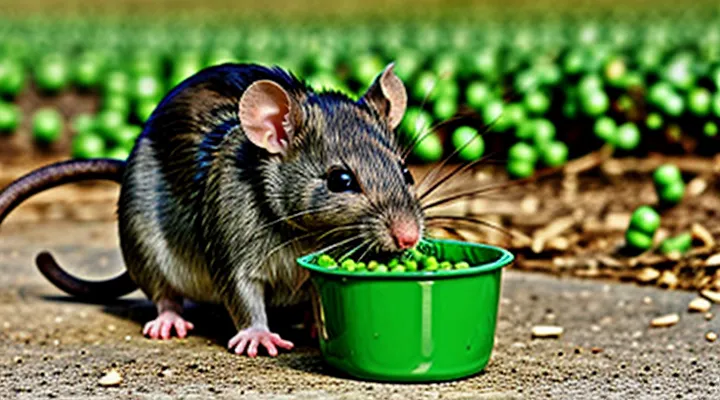
The Nutritional Value of Peas for Rats
Vitamins and Minerals in Peas
Peas provide a dense profile of micronutrients that can support the health of laboratory rodents when incorporated into a balanced diet.
Key vitamins present in green peas include:
- Vitamin C (ascorbic acid): antioxidant, aids collagen synthesis and immune function.
- Vitamin K1 (phylloquinone): essential for blood clotting and bone metabolism.
- Folate (vitamin B9): required for DNA synthesis and red blood cell formation.
- Thiamine (vitamin B1) and pyridoxine (vitamin B6): involved in carbohydrate metabolism and neurotransmitter production.
Important minerals found in peas are:
- Iron: contributes to hemoglobin formation and oxygen transport.
- Magnesium: supports enzymatic reactions, muscle contraction, and nerve transmission.
- Phosphorus: critical for skeletal development and energy storage.
- Potassium: regulates fluid balance and cellular excitability.
- Zinc: necessary for immune response and wound healing.
When peas are offered to rats, the nutrient concentrations must be considered relative to the species’ dietary requirements. Excessive intake of certain minerals, particularly phosphorus, can disrupt calcium balance and affect bone health. Conversely, the presence of folate and vitamin C can mitigate oxidative stress and improve reproductive outcomes.
In practice, peas should constitute a modest portion of the overall feed, typically no more than 5–10 % of total caloric intake, to provide these micronutrients without risking nutrient imbalances. Regular monitoring of blood parameters ensures that the inclusion of peas contributes positively to the animal’s physiological status.
Fiber Content and Digestive Health
Peas contain a notable amount of dietary fiber, primarily soluble pectin and insoluble cellulose. In a typical serving, peas provide approximately 5–6 g of fiber per 100 g, which translates to roughly 0.5–0.6 g per gram of fresh weight. This fiber contributes to bulk formation in the gastrointestinal tract, promotes peristaltic movement, and can help regulate the absorption of nutrients.
For rats, a balanced fiber intake supports the health of the cecum and colon, where microbial fermentation occurs. Soluble fibers serve as substrates for beneficial bacteria, producing short‑chain fatty acids that nourish colonocytes and maintain mucosal integrity. Insoluble fibers add mechanical stimulation, preventing stagnation and reducing the risk of constipation.
When introducing peas into a rodent’s diet, consider the following guidelines:
- Start with a small quantity (5–10 % of daily food volume) to allow the gut microbiota to adjust.
- Observe stool consistency; firm, well‑formed feces indicate adequate fiber, while overly loose stools suggest excess.
- Combine peas with other fiber sources such as leafy greens or whole‑grain pellets to ensure a varied fiber profile.
- Limit total pea consumption to no more than 15 % of the diet to avoid excessive carbohydrate load and potential gas production.
Adequate fiber from peas, when managed correctly, can enhance digestive efficiency, support a stable microbial community, and contribute to overall gastrointestinal health in rats.
Protein and Amino Acids
Peas provide a moderate amount of protein, typically 5‑7 % of fresh weight, which can contribute to the dietary requirements of laboratory and pet rats. Rat protein needs are approximately 14‑16 % of total caloric intake; therefore, peas alone cannot satisfy this quota but can serve as a supplemental source when combined with higher‑protein foods such as grains, legumes, or animal‑derived feed.
The amino‑acid profile of peas includes several essential amino acids, yet some are present at lower concentrations than in rodent‑optimized diets. Key deficiencies include:
- Methionine: limited supply, often below the 0.6 % of total diet recommended for rats.
- Lysine: moderate levels, may require augmentation for optimal growth.
- Tryptophan: low relative to requirements, influencing serotonin synthesis.
Non‑essential amino acids such as glutamine and alanine are abundant in peas and can support gut health and nitrogen balance. When peas are incorporated into a rat’s diet, the overall amino‑acid balance must be evaluated to avoid deficits that could impair growth, reproduction, or immune function.
Practical feeding guidelines:
- Limit peas to no more than 10 % of total daily feed weight.
- Pair peas with a protein‑rich component (e.g., soymeal, fish meal) to meet methionine and lysine targets.
- Monitor body condition and adjust portions based on weight gain or loss.
By integrating peas as a complementary ingredient and ensuring a balanced amino‑acid supply, rats can safely consume this legume without jeopardizing their nutritional status.
Are Peas Safe for Rats?
Raw vs. Cooked Peas: What’s the Difference?
Potential Choking Hazards
Peas are a viable source of protein and fiber for laboratory and pet rats, but their physical characteristics can create choking risks. Whole peas often exceed the optimal bite size for a rodent’s incisors and molars. When a rat attempts to swallow an unbroken pea, the seed may lodge in the oral cavity or trachea, obstructing airflow and causing distress.
- Fresh peas should be split in half or crushed to pieces no larger than 3 mm in diameter.
- Cooked peas must be cooled and mashed or pureed to a smooth consistency.
- Frozen peas should be thawed completely and broken into small fragments before offering.
Rats that are accustomed to chewing hard objects may bite larger peas without immediate difficulty, yet the risk remains during mastication or when the animal’s attention is diverted. Observational monitoring is essential: any sudden cessation of breathing, coughing, or gagging indicates an obstruction that requires immediate veterinary intervention.
Feeding protocols that include size reduction, thorough inspection for foreign material, and limited portion sizes minimize the likelihood of accidental airway blockage. Regularly cleaning the feeding area prevents stray peas from accumulating and becoming hidden hazards for unsupervised rats.
Enzyme Inhibitors in Raw Peas
Rats are omnivorous mammals capable of consuming a wide range of plant material, including legumes such as peas. Raw peas contain several naturally occurring compounds that interfere with digestive enzymes, potentially limiting the nutritional benefit of the food for rodents.
- Trypsin inhibitors – bind to trypsin, reducing protein breakdown in the small intestine.
- Lectins (including phytohemagglutinins) – attach to intestinal cell membranes, impairing nutrient absorption and may cause mild inflammation.
- Protease inhibitors – similar to trypsin inhibitors, they hinder the activity of other proteolytic enzymes.
These inhibitors are present at concentrations that can cause digestive disturbances when rats ingest significant quantities of uncooked peas. The compounds are heat‑labile; cooking or blanching peas deactivates most of the inhibitory activity, making the legumes safe for regular consumption.
Small, occasional servings of raw peas may be tolerated without overt symptoms, but repeated or large amounts increase the risk of reduced protein utilization, soft stools, and intestinal irritation. Monitoring body condition and fecal consistency is essential when raw legumes are part of a rat’s diet.
For optimal health, provide peas only after heat treatment, limit overall legume intake to a modest proportion of the diet, and observe any adverse reactions promptly. This approach balances the nutritional value of peas with the need to avoid the negative effects of enzyme inhibitors.
Types of Peas: Green, Snap, Snow, and More
Safety of Dried and Canned Peas
Rats may consume peas, but the form of the legume influences safety. Dried peas retain natural sugars and antinutrients such as phytic acid, which can interfere with mineral absorption if fed in large quantities. Soaking and thorough cooking reduce these compounds and improve digestibility.
Canned peas are pre‑cooked and typically contain added salt or preservatives. High sodium levels can cause electrolyte imbalance in rodents, while certain preservatives may irritate the gastrointestinal tract. Choose varieties labeled “low‑sodium” or rinse the peas before offering them to rats.
Safety guidelines:
- Use only plain, unsalted canned peas; discard any with added sauces or seasonings.
- Rinse canned peas under running water to remove excess brine.
- Offer dried peas only after soaking for at least 4 hours and cooking until soft.
- Limit portions to no more than 5 % of the rat’s total daily diet to avoid excess carbohydrates.
- Monitor for signs of digestive upset, such as loose stool or reduced activity, and discontinue if symptoms appear.
When prepared correctly, both dried and canned peas provide protein, fiber, and vitamins that can complement a balanced rodent diet. Improper handling or excessive amounts increase the risk of nutritional imbalances and gastrointestinal distress.
Moderation and Portion Sizes
How Often Can Rats Eat Peas?
Peas are a safe occasional addition to a rat’s diet, but the frequency must be limited to prevent digestive upset and nutritional imbalance. A single serving of fresh or frozen peas—approximately one to two peas for a small adult rat—provides fiber, vitamins A and C, and a modest amount of protein without excessive calories.
Guidelines for incorporating peas:
- Offer peas no more than twice per week.
- Serve only the edible portion; discard any pod material that could cause choking.
- Provide peas as a treat, not a staple; the primary diet should consist of a high‑quality commercial rodent pellet supplemented with fresh greens.
Monitor the rat after each pea feeding. Signs of intolerance include loose stools, reduced appetite, or lethargy. If any adverse reaction occurs, discontinue peas and consult a veterinarian. Regularly rotating treats helps maintain dietary variety while safeguarding health.
Signs of Overfeeding
Peas provide protein, fiber, and vitamins that many pet rodents can tolerate, but excessive portions quickly lead to nutritional imbalance. Overfeeding peas introduces surplus carbohydrates and moisture, which strains the digestive system and promotes weight gain.
Typical indicators that a rat has received too many peas include:
- Rapid increase in body mass despite unchanged activity level
- Soft, loose stools or occasional diarrhea
- Visible abdominal distension
- Lethargy or reduced curiosity during normal exploration
- Respiratory sounds altered by excess body fat pressing on the chest
When any of these signs appear, reduce pea portions immediately and replace them with a balanced mix of standard rodent pellets, fresh vegetables, and limited fruit. Monitoring weight weekly and adjusting portions based on the animal’s condition prevents chronic obesity and related health complications.
Benefits of Feeding Peas to Rats
Hydration and Weight Management
Peas provide a notable water content, offering an additional source of fluid for laboratory or pet rats. Each 100 g of fresh peas contains roughly 78 ml of water, which can contribute to daily hydration requirements when combined with regular drinking water.
The carbohydrate profile of peas is high in complex starches and low in simple sugars. This composition supports gradual energy release, helping to prevent rapid weight gain often associated with sugary treats. In controlled portions, peas supply dietary fiber that promotes satiety and may aid in maintaining a stable body weight.
Key considerations for incorporating peas into a rat’s diet:
- Offer fresh or lightly steamed peas; avoid canned varieties with added salt or preservatives.
- Limit serving size to 1–2 grams per 100 g of body weight to prevent excess caloric intake.
- Monitor water consumption; peas should supplement, not replace, access to clean drinking water.
- Observe individual tolerance; some rats may experience mild digestive upset if introduced abruptly.
When introduced responsibly, peas can enhance hydration and support balanced weight management without compromising overall nutrition.
Mental Stimulation and Enrichment
Rats thrive on environments that challenge their cognition and encourage natural foraging instincts. Introducing novel foods such as peas creates opportunities for problem‑solving, scent discrimination, and tactile exploration, all of which contribute to mental stimulation.
Peas offer a distinct texture, bright color, and sweet aroma, prompting rats to manipulate the vegetable with their paws and whiskers. The act of retrieving a pea from a container, peeling it, or sorting whole beans from split pieces requires focused attention and fine‑motor coordination, reinforcing neural pathways linked to learning and memory.
Guidelines for using peas as enrichment:
- Offer fresh or frozen peas thawed to room temperature; avoid canned varieties with added salt or preservatives.
- Present peas in a small, perforated toy or a shallow dish to require manipulation.
- Limit exposure to 2–3 peas per day to prevent digestive upset and maintain nutritional balance.
- Monitor the individual’s response; discontinue if signs of gastrointestinal distress appear.
Regular inclusion of peas in enrichment routines supports exploratory behavior, reduces stereotypic activity, and enhances overall cognitive health, aligning dietary variety with the species’ innate curiosity.
Promoting a Balanced Diet
Peas provide a source of protein, fiber, and micronutrients that can complement a laboratory or pet rat’s diet. Their carbohydrate profile is moderate, and the vitamin C content can help offset the species’ limited ability to synthesize this nutrient.
When incorporating peas, follow these guidelines:
- Offer fresh or frozen peas that have been thoroughly rinsed and blanched to deactivate anti‑nutritional factors.
- Limit the portion to no more than 5 % of the total daily food mass; excess legumes may cause gastrointestinal upset.
- Remove the outer pod and any stringy fibers that could pose a choking hazard.
- Observe each animal for signs of intolerance, such as soft stools or reduced appetite, before increasing the quantity.
Balanced nutrition for rats requires protein from animal‑derived sources, grains for energy, and a variety of vegetables for vitamins and minerals. Peas serve as a supplemental element rather than a primary protein source. Regular rotation of vegetables ensures a broader spectrum of nutrients and reduces the risk of nutrient imbalances.
Monitoring body condition scores and adjusting the diet based on growth rates, reproductive status, and health indicators maintains optimal wellbeing. Documentation of dietary changes supports reproducibility in research settings and promotes responsible pet care.
Potential Risks and Considerations
Pesticides and Organic Options
Peas intended for rodent consumption may contain residues from conventional pest‑control chemicals. Common treatments include organophosphates, neonicotinoids, and pyrethroids, each designed to deter insects but capable of persisting on plant surfaces after harvest. Exposure to these compounds can disrupt neurotransmission, impair growth, and increase mortality in laboratory and pet rats.
Organic cultivation eliminates synthetic pesticides, relying on crop rotation, biological predators, and approved natural substances such as neem oil or copper sulfate. Certified organic peas therefore present a lower risk of toxic residue accumulation, though strict adherence to certification standards is essential to guarantee compliance.
To minimize hazard when offering peas to rats, follow these practices:
- Purchase certified organic peas or verify non‑treated status through supplier documentation.
- Rinse peas under running water for at least 30 seconds; use a brush to remove surface particles.
- Soak peas in a dilute vinegar solution (1 % acetic acid) for 5 minutes, then rinse again.
- Cook peas thoroughly (boil 5–7 minutes) to degrade any residual pesticide molecules.
- Store cooked peas in a sealed container at refrigeration temperature; discard leftovers after 48 hours.
Employing these steps ensures that peas provided to rats remain nutritionally beneficial while limiting exposure to harmful agrochemicals.
Allergic Reactions and Sensitivities
Peas contain legume proteins that can trigger immune responses in rodents. Some rats develop hypersensitivity to these proteins, leading to allergic reactions.
Typical manifestations include localized itching, fur loss, facial swelling, sneezing, labored breathing, and diarrhea. Severe cases may progress to anaphylaxis, characterized by rapid pulse, collapse, and difficulty breathing.
Diagnosis relies on a systematic elimination diet. Remove peas and monitor symptoms for several days; reintroduce in small quantities to observe any recurrence. Veterinary assessment may include skin prick testing or serum IgE measurement for pea‑specific antibodies.
Management focuses on immediate removal of peas from the diet. Antihistamines or corticosteroids prescribed by a veterinarian can alleviate acute symptoms. Supportive care, such as fluid therapy for gastrointestinal loss, may be necessary.
Prevention involves gradual dietary changes. Introduce new foods one at a time, observing the animal for at least 48 hours before adding another item. Maintain a balanced diet with alternative vegetables that lack known rodent allergens.
If a rat shows any of the described signs after consuming peas, cease exposure promptly and seek veterinary guidance to prevent escalation.
When to Avoid Feeding Peas
Rats may tolerate peas as an occasional treat, but several circumstances require complete avoidance.
- Young or neonatal rats: Immature digestive systems lack the enzymes needed to break down complex carbohydrates, making peas a choking hazard and a source of intestinal upset.
- Existing gastrointestinal disorders: Conditions such as colitis, diarrhea, or bloating are aggravated by the fiber and fermentable sugars in peas.
- Metabolic diseases: Rats with diabetes or insulin resistance experience rapid blood‑glucose spikes from the natural sugars in peas; renal insufficiency is worsened by the potassium load.
- Allergic reactions: Prior exposure to legumes may trigger hypersensitivity; signs include itching, swelling, or respiratory distress.
- Pesticide contamination: Non‑organic peas can retain insecticides or fungicides that are toxic to rodents; any trace of chemicals necessitates exclusion.
- Improper preparation: Raw, frozen, or unthawed peas retain anti‑nutritional factors such as lectins and phytic acid, which impair nutrient absorption and can cause vomiting.
In each of these scenarios, substituting low‑risk vegetables—such as cucumber, bell pepper, or leafy greens—maintains dietary variety without exposing rats to the identified hazards.
How to Prepare Peas for Your Rat
Washing and Cleaning Peas
Cleaning peas before offering them to rats ensures removal of contaminants, pesticide residues, and microbial growth. Rinse peas under running water to eliminate surface dust, then soak them briefly in a mild saline solution to detach stubborn particles. After soaking, agitate the peas gently, discard the liquid, and rinse again with fresh water.
- Place peas in a colander.
- Run cool water over peas for 30 seconds.
- Submerge peas in 1 % saltwater for 2–3 minutes.
- Stir gently, then drain and rinse.
- Pat dry with a clean cloth or paper towel before serving.
Dry peas reduce moisture‑related spoilage; store them in an airtight container in the refrigerator for up to three days. Discard any peas that develop mold, off‑odors, or softness, as these indicate degradation that could harm rats.
Cooking Methods for Rats
Steaming and Boiling
Rats can safely eat peas when the legumes are prepared by steaming or boiling. Both methods eliminate raw plant defenses, reduce microbial load, and make nutrients more accessible. Steaming preserves the majority of vitamins, particularly vitamin C and B‑complex, while minimizing nutrient loss. Boiling softens the peas, facilitating digestion, but extended exposure to water can leach water‑soluble vitamins; a brief boil followed by immediate cooling retains most nutritional value.
Key considerations for preparing peas for rats:
- Use fresh, pesticide‑free peas; rinse thoroughly before cooking.
- Steam for 5–7 minutes until the pods are tender but still firm.
- Boil for 3–4 minutes; stop heating as soon as the peas are soft.
- Cool to room temperature; avoid adding salt, butter, or seasonings.
- Offer in small portions; monitor the animal for any adverse reaction.
Properly cooked peas provide protein, fiber, and micronutrients that complement a rat’s standard diet. Over‑reliance on peas may unbalance nutrient intake; they should constitute no more than 10 % of daily food volume. Regular observation ensures the rats tolerate the legume without gastrointestinal upset.
Mashing or Pureeing for Younger/Older Rats
Peas offer a source of protein, fiber, and vitamins that fits within a balanced diet for pet rats. Their natural sweetness and texture make them an appealing treat, but the preparation method must match the animal’s developmental stage.
Young rats, especially those still nursing or recently weaned, lack the dental strength to chew solid vegetables. A smooth puree prevents choking and ensures adequate nutrient absorption. Older rats possess fully developed incisors; they can manage mashed peas with small lumps, which also provides dental exercise.
Preparation guidelines
- Rinse peas thoroughly under running water to eliminate soil and pesticide residues.
- Cook peas briefly (steam or boil for 3–5 minutes) to soften cell walls and deactivate anti‑nutritional factors.
- Drain and cool to room temperature.
- For juveniles: place peas in a blender or food processor, pulse until a uniform liquid forms; add a few drops of water if needed.
- For adults: transfer cooked peas to a fork or potato masher, crush until a coarse mash remains; retain some whole peas for chewing.
- Serve immediately; discard any leftovers after two hours to avoid bacterial growth.
Safety notes: avoid adding salt, butter, or seasonings; limit pea portions to no more than 10 % of total daily food intake; monitor for signs of digestive upset. Properly prepared peas, whether pureed for the young or mashed for the mature, can be incorporated safely into a rat’s diet.
Alternative Safe Vegetables for Rats
Leafy Greens and Their Benefits
Leafy greens provide essential nutrients that complement a rodent’s diet when peas are introduced as a protein source. Vitamins A, C, and K, abundant in spinach, kale, and romaine, support immune function, skin health, and blood clotting, reducing the risk of deficiencies that may arise from a pea‑centric regimen.
Minerals such as calcium, magnesium, and potassium in lettuce and collard greens balance the high fiber and carbohydrate content of peas, preventing digestive disturbances. Antioxidants like lutein and beta‑carotene mitigate oxidative stress, which can be elevated by the occasional inclusion of legumes.
Benefits specific to rats include:
- Improved dental health through fibrous texture that encourages natural tooth wear.
- Enhanced weight management; low‑calorie greens offset the caloric density of peas.
- Stabilized blood sugar levels, as the slow‑release carbohydrates in greens moderate the rapid glucose spike from peas.
Integrating a variety of leafy greens with peas creates a nutritionally balanced menu, promoting overall vitality and preventing the metabolic imbalances that may result from a limited diet.
Root Vegetables and Their Nutrients
Root vegetables such as carrots, turnips, and radishes supply a spectrum of nutrients essential for the health of small mammals. They deliver carbohydrates for energy, dietary fiber that supports digestive motility, and a range of vitamins and minerals that contribute to metabolic functions.
Key nutrients found in common root vegetables include:
- Vitamin A (beta‑carotene) – promotes vision and immune response.
- Vitamin C – acts as an antioxidant and aids collagen synthesis.
- Potassium – regulates fluid balance and nerve transmission.
- Magnesium – participates in enzymatic reactions and bone formation.
- Folate – supports DNA synthesis and cell division.
When evaluating the suitability of these foods for laboratory or pet rats, consider the following factors: raw textures encourage chewing and dental wear; low fat content aligns with typical rodent dietary requirements; and the presence of soluble fiber can help prevent gastrointestinal stasis. Introduce root vegetables gradually to monitor tolerance and avoid overconsumption, which may lead to diarrhea due to high fiber levels.
Overall, root vegetables constitute a nutritionally dense component that can complement a balanced diet for rodents, provided they are offered in moderation and prepared without added salts or seasonings.
Fruits Safe for Rat Consumption
Rats can safely include a variety of fruits in their diet, provided the items are fresh, washed, and offered in moderation. Fruit supplies essential vitamins and hydration, complementing the protein and fiber from other foods.
- Apple (core and seeds removed); high in fiber and vitamin C.
- Blueberries; antioxidant-rich, suitable for small portions.
- Banana; soft texture, source of potassium; limit due to sugar content.
- Strawberries; rich in vitamin C and folate; remove stems.
- Pear (seedless); gentle on digestion, provides dietary fiber.
- Kiwi; vitamin C and potassium; peel may be offered to increase fiber.
- Melon (cantaloupe, honeydew); high water content, low calorie; remove seeds.
- Mango (pit removed); vitamin A and E; serve sparingly because of sugar.
Avoid fruits with toxic components such as grapes, raisins, citrus seeds, and avocado flesh. Remove pits, cores, and skins that are difficult to digest. Introduce new fruits gradually to monitor tolerance and prevent gastrointestinal upset. Regularly rotate fruit choices to maintain nutritional balance and prevent overconsumption of sugars.