
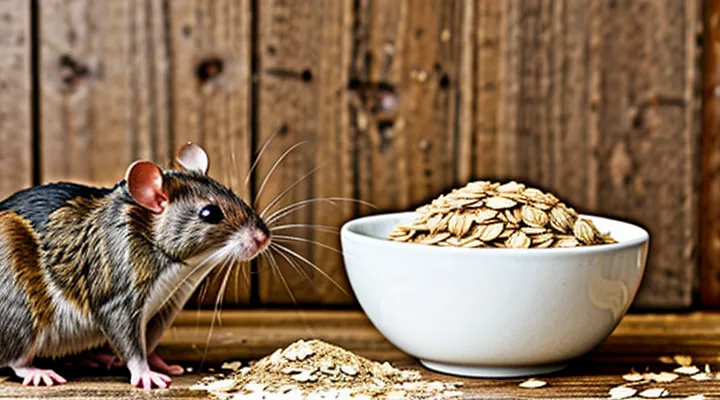
Nutritional Profile of Oatmeal
Key Nutrients for Rats
Rats require a balanced diet that supplies protein, fat, fiber, vitamins, and minerals in proportions that support growth, reproduction, and immune function. Protein supplies amino acids for tissue repair and enzyme production; a typical adult rat needs about 14‑16 % protein in its diet. Fat provides concentrated energy and essential fatty acids; dietary fat should represent roughly 5‑7 % of the total intake. Fiber promotes gastrointestinal motility and helps maintain a healthy gut microbiome; soluble and insoluble fibers together should account for 2‑5 % of the diet.
Vitamins A, D, E, and K are fat‑soluble and critical for vision, calcium metabolism, antioxidant protection, and blood clotting. Water‑soluble vitamins, especially the B‑complex group, facilitate carbohydrate metabolism and red blood cell formation. Minerals such as calcium, phosphorus, magnesium, zinc, and iron are required for bone development, nerve transmission, and enzymatic reactions; the calcium‑to‑phosphorus ratio should be kept near 1:1 to prevent skeletal disorders.
Oatmeal delivers carbohydrates, soluble fiber, and modest amounts of B‑vitamins and minerals like manganese and phosphorus. It lacks sufficient protein and is low in calcium, vitamin A, and vitamin D. Consequently, oatmeal can serve as an occasional supplement but must be combined with a protein‑rich source (e.g., lab‑formulated rodent pellets, boiled eggs, or lean meat) and a fortified vitamin/mineral mix to meet the complete nutritional profile required for healthy rats.
Potential Benefits of Oatmeal for Rats
Oatmeal provides a range of nutrients that can support the health of pet rodents. The grain’s composition includes soluble fiber, complex carbohydrates, and modest amounts of protein, each contributing to specific physiological functions.
- Digestive regulation – soluble fiber slows gastric emptying, promoting steady nutrient absorption and reducing the likelihood of constipation.
- Blood‑sugar stability – complex carbohydrates release glucose gradually, helping to prevent sharp spikes and crashes that can stress metabolic systems.
- Weight management – the low‑calorie density of oatmeal allows for satiety without excessive caloric intake, useful for maintaining an appropriate body condition.
- Skin and coat quality – B‑vitamins and trace minerals present in oats assist in keratin formation, which can improve fur texture and reduce dandruff.
- Immune support – beta‑glucans, a type of soluble fiber, have been shown to enhance macrophage activity, strengthening the animal’s innate defenses.
When incorporated into a balanced diet, oatmeal should be offered plain, cooked, and cooled to avoid mold growth. Portion sizes must remain modest—approximately one teaspoon of dry oats per 100 g of body weight, adjusted for individual energy needs. Excessive feeding can lead to gastrointestinal upset or nutrient imbalances, so oatmeal should complement, not replace, species‑specific protein sources.
Risks and Considerations
Digestibility Issues
Oatmeal provides carbohydrates, soluble fiber, and modest protein, components that differ from the high‑protein, low‑fiber diet typical for laboratory and pet rats. Rats possess a relatively short gastrointestinal tract optimized for rapid digestion of animal‑derived nutrients; grain‑based foods introduce digestive challenges not present in meat or formulated pellets.
The primary digestibility concerns involve:
- Soluble fiber (beta‑glucan) – forms viscous gels that slow gastric emptying and can hinder nutrient absorption.
- Resistant starch – escapes enzymatic breakdown in the small intestine, reaching the colon where fermentation produces gas and short‑chain fatty acids, potentially causing bloating.
- Phytate content – binds minerals such as calcium and zinc, reducing their bioavailability.
Excessive inclusion of oatmeal may lead to soft stools, reduced weight gain, and altered gut microbiota composition. Rats that receive oatmeal without proper processing often exhibit lower apparent digestibility coefficients for dry matter and energy compared with standard rodent chow.
To mitigate these issues, prepare oatmeal as follows:
- Cook thoroughly to gelatinize starch, decreasing resistant starch fraction.
- Cool and dry the cooked product to reduce moisture content, limiting microbial growth.
- Mix with a balanced pellet base at a maximum of 10 % of total diet weight.
- Monitor fecal consistency and body condition; adjust portion size if signs of malabsorption appear.
When incorporated correctly, oatmeal supplies a source of complex carbohydrates without compromising digestive efficiency.
Additives and Sugars to Avoid
Oatmeal may serve as a nutritious supplement for pet rodents when offered plain and free of harmful ingredients. Commercially flavored packets often contain substances that can compromise health, so careful selection of the product is essential.
Additives to exclude
- Artificial sweeteners (e.g., sucralose, aspartame)
- Preservatives such as sodium benzoate or potassium sorbate
- Flavor enhancers like monosodium glutamate
- Excessive salt or sodium chloride
- Food colorings, especially synthetic dyes
Sugars to avoid
- Refined white sugar (sucrose)
- High‑fructose corn syrup
- Brown sugar or molasses in large quantities
- Fruit‑flavored syrups containing added sugars
- Honey or agave nectar when used as a primary sweetener
Only plain, cooked oatmeal without these components should be incorporated into a rat’s diet, ensuring a balanced intake of fiber and carbohydrates without exposing the animal to toxic or excessive sweeteners.
Portion Control and Frequency
Rats can safely consume oatmeal when the portion is limited and the feeding schedule is controlled. Oatmeal provides soluble fiber, moderate carbohydrates, and a small amount of protein, but it lacks several essential nutrients required for a balanced rodent diet. Therefore, it should be offered only as a supplement to a nutritionally complete pellet or mash.
Recommended serving guidelines
- Small adult rat: ½ teaspoon of cooked plain oatmeal per serving.
- Juvenile or small breed: ¼ teaspoon per serving.
- No added sugar, butter, or flavorings.
Feeding frequency
- Offer oatmeal no more than twice per week.
- Space servings at least three days apart to prevent excessive carbohydrate intake.
Excessive oatmeal can lead to weight gain, digestive upset, or nutrient imbalances. Monitor body condition and stool consistency after each serving; discontinue if any adverse signs appear. Incorporate oatmeal as an occasional treat rather than a staple to maintain optimal health.
Potential Allergies and Sensitivities
Feeding oatmeal to rats can trigger allergic reactions or dietary sensitivities. Rats may develop hypersensitivity to proteins present in oat grains, particularly when the product is unprocessed or contains added flavorings. Symptoms typically include:
- Skin redness, itching, or localized swelling
- Respiratory distress, such as wheezing or labored breathing
- Gastrointestinal upset, including diarrhea, vomiting, or reduced appetite
- Lethargy and abnormal behavior
Allergy risk increases with frequent or large‑portion servings. Commercial oat products often contain additives (sweeteners, preservatives, or dairy) that heighten the likelihood of adverse responses. Pure, plain rolled or instant oats, without added ingredients, present the lowest risk.
Veterinary protocols recommend a gradual introduction protocol: start with a teaspoon of plain oatmeal mixed into the regular diet, observe the animal for 24–48 hours, and monitor for any of the listed symptoms. If no reaction occurs, the amount may be modestly increased, but the total daily oat intake should not exceed 5 % of the rat’s overall caloric consumption.
In cases of suspected allergy, a veterinarian may perform a skin prick test or blood assay to identify specific IgE antibodies. Management involves immediate removal of oatmeal from the diet, administration of antihistamines or corticosteroids as prescribed, and substitution with alternative fiber sources such as barley or wheat bran, which are less likely to provoke immune responses.
Routine health checks should include inquiries about dietary intolerances, especially when introducing new grains. Documentation of any adverse events contributes to a clearer understanding of individual sensitivity thresholds and supports evidence‑based feeding practices.
How to Serve Oatmeal to Rats
Preparation Methods
Oatmeal can be included in a rodent diet when prepared to meet the nutritional and safety requirements of the animal. Proper preparation eliminates choking hazards, controls moisture content, and prevents the growth of harmful bacteria.
- Cook plain rolled oats in water without added salt, sugar, or milk. Bring water to a boil, add oats, simmer for 2–3 minutes until soft, then cool to room temperature before serving.
- For a low‑moisture option, soak dry oats in warm water for 5 minutes, drain excess liquid, and allow the grains to dry on a clean surface until they are moist but not wet.
- Combine cooled cooked oatmeal with a small amount of fresh, finely chopped vegetables (e.g., carrots, spinach) to increase fiber and vitamins. Ensure the mixture remains moist but not soggy.
- Prepare a “treat” version by mixing cooled oatmeal with a teaspoon of unsweetened applesauce or a few crushed berries. Limit the quantity to no more than 10 % of the daily caloric intake.
- Store prepared oatmeal in a sealed container in the refrigerator for up to 24 hours. Discard any portion that shows signs of spoilage, such as sour odor or mold.
Each method supplies a safe, digestible form of oatmeal that can be offered as a supplemental component of a balanced rodent diet.
Suitable Types of Oatmeal
Rats can safely consume oatmeal when the product is free of added sugars, flavors, or salts. The most appropriate varieties are those that retain the grain’s natural composition and present a texture rats can chew without difficulty.
- Plain rolled oats – whole‑grain, flat, and easily softened by brief cooking; provide balanced carbohydrates and soluble fiber.
- Steel‑cut oats – minimally processed whole oat groats; require longer cooking but remain digestible when fully softened.
- Quick‑cooking plain oats – smaller flakes that soften rapidly; suitable for small portions, provided no additives are present.
- Oat bran – high‑fiber component of the grain; can be mixed in small amounts with other oat forms to increase fiber intake.
Avoid instant oatmeal packets that contain sweeteners, artificial flavors, or powdered milk, as these additives may cause gastrointestinal upset or nutritional imbalances. When serving, cook the oats in plain water, allow them to cool to room temperature, and offer only a modest portion (approximately one teaspoon per 100 g body weight) to prevent excess caloric intake.
Consistent inclusion of the listed plain oat varieties, prepared without additives, supports a rat’s diet without introducing health risks.
Unsafe Ingredients to Exclude
Rats can safely consume plain oatmeal when it is prepared without harmful additives. The following ingredients must be omitted to prevent toxicity or digestive upset.
- Added sugars (white sugar, brown sugar, honey, maple syrup) – promote obesity and alter gut flora.
- Salt or soy sauce – excess sodium impairs kidney function.
- Dairy products (milk, cheese, butter) – many rats lack lactase, leading to diarrhea.
- Chocolate, cocoa, or caffeine‑containing foods – contain theobromine, a known rodent toxin.
- Nuts and seeds with high fat content (peanuts, almonds, sunflower seeds) – can cause pancreatitis and are difficult to digest in large amounts.
- Dried fruits such as raisins or apricots – contain sulfites and high sugar levels, risking gastrointestinal distress.
- Artificial sweeteners, especially xylitol – rapidly induce hypoglycemia and liver failure.
- Alcohol or fermented ingredients – toxic at any concentration.
- Moldy or expired oats – may harbor mycotoxins that damage the liver and nervous system.
When preparing oatmeal for rats, use only unflavored, plain rolled or instant oats cooked in water. Cool the mixture to room temperature before serving, and introduce it gradually to monitor tolerance. This approach ensures nutritional benefit without exposing the animal to hazardous substances.
Alternative Safe Treats for Rats
Fruits and Vegetables
Rats may include oatmeal in a balanced diet, but the presence of fruits and vegetables influences overall health and digestion. Oatmeal supplies carbohydrates and soluble fiber; fruits and vegetables contribute vitamins, minerals, and additional fiber that complement the grain.
Nutritional synergy requires that fruit and vegetable portions be modest, raw or lightly steamed, and free of toxic compounds. High‑acid fruits can irritate the gastrointestinal tract when combined with large oatmeal servings, while leafy greens provide calcium and antioxidants that aid nutrient absorption.
Recommended produce for rats receiving oatmeal:
- Apples, core removed, thin slices
- Blueberries, a few per serving
- Carrots, grated or finely diced
- Spinach, wilted briefly
- Peas, shelled and cooked
- Sweet potatoes, cooked and mashed
Avoid citrus, avocado, raw potatoes, and nightshade vegetables, as they contain substances harmful to rodents. Introducing new produce gradually allows observation of tolerance and prevents digestive upset.
Commercial Rat Treats
Commercial rat treats are formulated to meet the nutritional requirements of pet rodents. Ingredients typically include grains, seeds, dried fruits, and protein sources such as soy or insect meal. Manufacturers often add vitamins and minerals to support bone health, immune function, and coat condition.
When considering oatmeal as a dietary component, the relevance lies in its fiber content and carbohydrate profile. Many commercial products incorporate rolled or instant oats, providing a familiar texture for rats accustomed to grain-based snacks. The inclusion of oats does not replace the need for balanced protein and fat levels; instead, it augments fiber intake and contributes to digestive regularity.
Guidelines for selecting appropriate treats:
- Verify that the product lists oats or oat derivatives among the primary ingredients.
- Ensure the treat contains at least 15 % protein and 5 % fat to complement a standard rat diet.
- Check for the absence of added sugars, artificial sweeteners, or high‑salt preservatives.
- Prefer items with a short ingredient list and recognizable, natural components.
Feeding recommendations: limit treats to no more than 5 % of the daily caloric intake, distribute portions throughout the day, and monitor weight and behavior for any adverse reactions. Commercial options that meet these criteria provide a convenient, nutritionally sound way to incorporate oatmeal‑derived fiber into a rat’s diet.
Observing Your Rat's Reaction
When introducing oatmeal to a pet rodent, watch the animal’s immediate response. A quick glance at the bowl, sniffing, and the first bite reveal whether the food is acceptable. If the rat approaches, sniffs, and begins to chew within a few seconds, the texture and flavor are likely tolerable.
Key indicators of a positive reaction:
- Steady chewing without hesitation
- Consumption of a measurable portion (e.g., 1–2 teaspoons) within 5 minutes
- Normal grooming and activity after eating
Signs of discomfort or rejection:
- Sniffing followed by retreat
- Excessive pawing at the bowl without eating
- Gagging, coughing, or drooling
- Lethargy or altered posture within 15 minutes
To document observations, follow a simple log:
- Record date, time, and oatmeal preparation (plain, cooked, mixed with water).
- Note the rat’s behavior before, during, and after the trial.
- Measure the amount consumed and any abnormal signs.
- Repeat the test on successive days, adjusting portion size or preparation method as needed.
Consistent recording enables assessment of whether oatmeal is a suitable addition to the diet and helps identify any adverse reactions promptly.