
Nutritional Profile of Millet
Key Nutrients for Rats
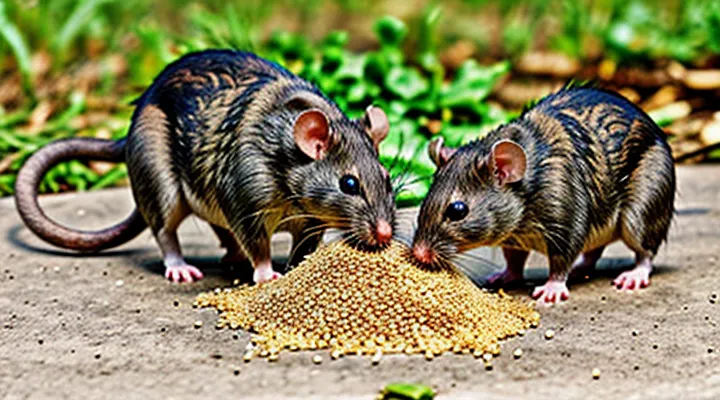
Millet offers a range of nutrients that contribute to a balanced rat diet. Protein provides essential amino acids for tissue growth and repair; millet contains approximately 10 % protein, making it a supplemental source when combined with higher‑protein foods such as legumes or commercial rat pellets. Dietary fiber supports gastrointestinal motility and microbiome health; the grain’s soluble and insoluble fiber fractions aid digestion and prevent constipation.
Carbohydrates in millet supply readily available energy, while its low glycemic index helps maintain stable blood glucose levels. The grain delivers several vitamins, notably B‑complex (thiamine, niacin, folate) that participate in metabolic pathways, and modest amounts of vitamin E, an antioxidant protecting cellular membranes.
Mineral content includes phosphorus for bone development, magnesium for enzymatic function, and trace elements like zinc and iron, which are vital for immune competence and oxygen transport.
When incorporating millet, observe the following guidelines:
- Limit millet to no more than 5 % of total daily intake to avoid excess carbohydrates.
- Ensure the diet includes a primary protein source exceeding 15 % protein to meet growth requirements.
- Provide a calcium‑to‑phosphorus ratio of approximately 1:1 to support skeletal health.
- Offer fresh water and monitor for signs of digestive upset after introducing new grains.
By meeting these nutrient parameters, millet can serve as a safe occasional addition to a rat’s nutrition plan.
Potential Benefits
Millet provides a balanced source of carbohydrates, protein, and dietary fiber that aligns with the nutritional requirements of laboratory and pet rats. Its composition delivers readily metabolizable energy while supporting muscle maintenance and overall growth.
- Energy supply: Complex carbohydrates in millet release glucose steadily, preventing rapid spikes and supporting sustained activity.
- Protein contribution: Approximately 10 % protein enhances tissue repair and enzyme production without excessive nitrogen load.
- Fiber intake: Soluble and insoluble fibers promote gut motility, aid microbiome diversity, and reduce the risk of constipation.
- Vitamin and mineral provision: B‑vitamins, magnesium, phosphorus, and iron contribute to metabolic pathways, bone health, and oxygen transport.
- Dental health: Hard seeds encourage natural gnawing behavior, facilitating continuous incisor wear and reducing overgrowth.
- Weight regulation: Low fat content (under 2 %) allows inclusion in calorie‑controlled diets, aiding in obesity prevention.
Incorporating millet into a rat’s diet can therefore improve energy balance, support physiological development, and enhance digestive and dental health while maintaining a lean nutritional profile.
Is Millet Safe for Rats?
Types of Millet
Millet is a group of small‑seeded grasses cultivated for human and animal consumption. Several species are commonly available, each with distinct nutritional profiles that affect suitability for rodent diets.
- Pearl millet (Pennisetum glaucum) – high in protein, moderate fat, low fiber; digestible carbohydrate source.
- Foxtail millet (Setaria italica) – rich in minerals such as magnesium and phosphorus, moderate fiber content.
- Proso millet (Panicum miliaceum) – low in fat, high in starch, provides rapid energy.
- Finger millet (Eleusine coracana) – elevated calcium and iron levels, higher fiber, slower digestion.
- Little millet (Panicum sumatrense) – balanced protein‑carbohydrate ratio, notable B‑vitamin content.
- Kodo millet (Paspalum scrobiculatum) – high fiber, moderate protein, suitable for gut health.
When offering millet to rats, consider the grain’s protein, fiber, and mineral levels. Species with higher calcium, such as finger millet, should be fed in moderation to avoid excess mineral accumulation. Low‑fat varieties like proso millet serve as an energy source without contributing excess lipids. Mixing several millet types can create a balanced supplement, but total grain intake should not exceed 10 % of the animal’s daily caloric intake to maintain a nutritionally complete diet.
Foxtail Millet
Foxtail millet (Setaria italica) is a small‑seeded cereal cultivated worldwide for human consumption and animal feed. The grain is gluten‑free, low in fat, and harvested when the seed heads mature.
Nutritional profile relevant to rodent diets includes:
- Protein ≈ 11 % (contains essential amino acids such as lysine and methionine)
- Carbohydrates ≈ 70 % (primarily starch)
- Dietary fiber ≈ 9 % (mostly insoluble)
- Vitamin B complex (thiamine, niacin, folate)
- Minerals (phosphorus, magnesium, iron, zinc)
Safety considerations:
- No inherent toxins; the grain is free of cyanogenic glycosides found in some other cereals.
- High fiber can accelerate gut transit; excessive amounts may cause loose stools.
- Whole grains present a choking risk for small or young rats; grinding or soaking reduces this hazard.
- Residue risk depends on cultivation practices; organic or thoroughly washed grain minimizes pesticide exposure.
Feeding recommendations for pet or laboratory rats:
- Offer milled or lightly soaked foxtail millet as a supplemental component, not exceeding 5–10 % of total daily dry intake.
- Provide 0.5–1 g of prepared millet per 100 g of body weight per day, divided into two feedings.
- Incorporate millet alongside a balanced rodent chow that supplies adequate protein, fat, and micronutrients.
- Monitor fecal consistency after introduction; reduce or discontinue if diarrhea or weight loss occurs.
When prepared properly and used in moderation, foxtail millet supplies valuable nutrients and can be safely included in a rat’s diet.
Pearl Millet
Pearl millet (Pennisetum glaucum) is a small‑seeded cereal grain high in carbohydrates, protein, and essential minerals such as magnesium, phosphorus, and zinc. The grain’s fiber content supports digestive health, while its low fat level makes it a suitable energy source for small mammals.
Rats can safely consume pearl millet when it is introduced gradually and offered in moderation. The grain should be dry, free of mold, and free of added salts, sugars, or flavorings that could disrupt electrolyte balance. Cooked or soaked millet can improve palatability but must be cooled to room temperature before feeding.
Feeding guidelines:
- Provide no more than 5 % of the rat’s total daily diet as millet.
- Offer a handful of whole grains a few times per week, not daily.
- Ensure fresh water is always available.
- Observe the animal for signs of digestive upset, such as loose stool or reduced appetite, and discontinue if symptoms appear.
Potential concerns include the presence of antinutritional factors like phytic acid, which can bind minerals and reduce absorption. Soaking or lightly toasting millet reduces phytic acid levels. Excessive millet intake may lead to an imbalanced diet, displacing protein‑rich foods such as lab rodent chow.
In summary, pearl millet is a nutritionally appropriate occasional supplement for rats, provided it is prepared properly, limited in quantity, and monitored for adverse reactions.
Proso Millet
Proso millet (Panicum miliaceum) is a small, gluten‑free grain with a high carbohydrate content, modest protein levels (approximately 9–12 % by weight), and low fat. It supplies essential minerals such as phosphorus, magnesium, and trace amounts of iron and zinc, as well as B‑vitamins including thiamine and niacin. The grain’s fibrous hull is largely removed during processing, leaving a digestible endosperm suitable for small mammals.
Rats can safely ingest proso millet when it is introduced gradually and offered in moderation. The grain should be clean, free of mold, and preferably cooked or soaked to improve digestibility and reduce the risk of choking on dry particles. Uncooked millet may pass through the digestive tract, but cooking enhances nutrient absorption and eliminates potential contaminants.
Guidelines for incorporating proso millet into a rat’s diet:
- Limit millet to no more than 5–10 % of total daily food intake.
- Serve cooked millet cooled to room temperature; avoid adding salt, sugar, or seasoning.
- Mix millet with a balanced base of commercial rat pellets, fresh vegetables, and occasional protein sources.
- Observe the animal for signs of digestive upset; discontinue if diarrhea or weight loss occurs.
When used correctly, proso millet provides a source of energy and supplemental nutrients without displacing the essential protein and fiber supplied by standard rodent feed. Proper preparation and controlled portions ensure that the grain contributes positively to overall health.
Preparation for Rats
Millet is a safe dietary component for laboratory and pet rats when presented correctly. Raw millet contains fibrous husks that can cause gastrointestinal irritation; therefore, proper preparation is required before offering it as a treat or supplemental grain.
- Rinse the millet thoroughly under running water to remove dust and potential contaminants.
- Soak the grains in cool water for 15–20 minutes; this softens the outer layer and reduces anti‑nutritional factors.
- Drain and rinse again to eliminate residual soaking water.
- Lightly steam the millet for 5–7 minutes, avoiding full cooking that would degrade nutrients.
- Allow the steamed grains to cool to room temperature before placing them in the cage.
Portion control matters: a single rat should receive no more than one teaspoon of prepared millet per day, integrated with a balanced diet of commercial pellets, fresh vegetables, and occasional protein sources. Store unused prepared millet in an airtight container in the refrigerator for up to three days; discard any grain that shows mold, odor, or discoloration.
Observe each rat after the first feeding. Signs of digestive upset, such as loose stools or reduced activity, indicate intolerance and require immediate removal of millet from the diet. Regular monitoring ensures that millet contributes positively to nutrition without compromising health.
Raw vs. Cooked
Millet is a small grain frequently offered to pet rodents as a supplemental food. The decision between serving it raw or cooked influences nutrient availability, digestive comfort, and microbial risk.
Raw millet retains all natural oils and fiber, providing a source of carbohydrate, protein, and essential minerals. However, the grain’s hard outer hull can challenge a rat’s molar wear and intestinal passage, leading to possible impaction if large quantities are consumed. Uncooked grains also harbor spores of mold or bacteria that may proliferate during storage, increasing the likelihood of gastrointestinal upset.
Cooked millet softens the hull, improves digestibility, and reduces the chance of impaction. Heat treatment deactivates most surface microbes, extending shelf life when stored properly. Overcooking, however, can diminish heat‑sensitive vitamins such as B‑complex and reduce the grain’s fiber content, potentially affecting gut motility.
Comparison
- Digestibility – cooked > raw
- Fiber integrity – raw > cooked
- Microbial safety – cooked > raw
- Vitamin retention – raw ≥ cooked (if not overcooked)
For optimal rat nutrition, provide millet in small, cooked portions, allowing it to cool before mixing with regular diet. Reserve raw millet for occasional enrichment, limiting the amount to prevent digestive complications.
Whole vs. Hulled
Millet is a viable component of a rodent diet, but the form—whole grain versus hulled grain—affects its nutritional value and safety. Whole millet retains the outer hull, which contains fiber, minerals, and antioxidants. The hull also adds bulk, encouraging natural chewing behavior and supporting gastrointestinal motility. However, the hull can be tougher to digest, especially for younger or dental‑compromised rats, and may contain trace amounts of anti‑nutritional factors such as phytic acid, which can bind minerals and reduce absorption.
Hulled millet has had the outer layer removed, leaving the endosperm and germ. This results in higher digestibility, lower fiber content, and a more concentrated source of carbohydrates and protein. The reduced fiber makes hulled millet suitable for rats with sensitive digestive systems or those requiring a higher caloric density. The removal process also diminishes phytic acid levels, improving mineral bioavailability.
Feeding considerations:
-
Whole millet
- Provides natural fiber for dental wear.
- Supports gut health through bulk.
- May cause occasional digestive upset in sensitive individuals.
- Requires thorough cleaning to eliminate dust and contaminants.
-
Hulled millet
- Enhances nutrient absorption.
- Offers smoother texture for easy chewing.
- Lower fiber may reduce natural dental abrasion.
- Best mixed with other high‑fiber foods to maintain dental health.
Preparation guidelines
- Rinse millet thoroughly under cold water to remove debris.
- Lightly steam or boil for 5–7 minutes; cooling prevents mold growth.
- Offer in small portions (1–2 teaspoons per day for an adult rat) and monitor intake.
- Rotate between whole and hulled forms to balance fiber and digestibility.
Overall, both forms can be included in a balanced rat diet. Whole millet supplies structural fiber and encourages natural gnawing, while hulled millet delivers readily available nutrients with minimal digestive strain. Alternating the two ensures comprehensive nutritional coverage and promotes optimal health.
Feeding Millet to Rats
Recommended Portions
Millet may be offered as a supplemental grain for pet rats, provided the quantity aligns with their nutritional requirements. Excessive millet can displace essential protein sources and increase caloric intake, potentially leading to obesity or digestive upset.
- Adult rats (200–300 g): ½ teaspoon (≈2 g) of dry millet per day, mixed with regular pellets or fresh foods.
- Juvenile rats (under 200 g): ¼ teaspoon (≈1 g) of dry millet per day, ensuring the grain does not exceed 10 % of total diet volume.
- Senior rats (over 350 g): ½ teaspoon (≈2 g) of dry millet every other day, reducing frequency to accommodate slower metabolism.
- Weekly maximum: 3–4 teaspoons of dry millet, distributed across the appropriate daily portions.
Millet should be introduced gradually, observing the animal for signs of intolerance. Fresh water must be available at all times. Replace millet with other grains periodically to maintain dietary diversity.
Frequency of Feeding
Millet can be offered as a supplemental grain to pet rats, but the feeding schedule must align with the animal’s overall diet and metabolic needs. Regular meals of a balanced commercial rodent mix should remain the primary source of nutrition; millet serves only as an occasional treat.
- Adult rats: 1–2 teaspoons of millet per week, divided into two portions, provides variety without excess calories.
- Juvenile rats (under 8 weeks): ½ teaspoon once weekly prevents nutrient imbalance while supporting growth.
- Highly active or breeding rats: 2–3 teaspoons weekly, split into three feedings, may accommodate higher energy demands.
Each millet serving should be fresh, dry, and free from mold. Observe the rats after introduction; signs of digestive upset or weight gain indicate the need to reduce frequency. Adjust portions based on individual response, not on a fixed calendar.
Potential Risks and Considerations
Millet is a small, dry grain that some owners offer to pet rats as a treat. When evaluating its safety, consider the following risks and practical factors:
- Digestive sensitivity – Rats have a high‑fiber diet; millet’s coarse texture can cause gastrointestinal upset, including diarrhea or constipation, especially if introduced abruptly or fed in large quantities.
- Nutrient imbalance – Millet is rich in carbohydrates but low in protein, fat, and essential vitamins compared to a balanced rat chow. Overreliance on millet may dilute overall nutrient intake and lead to deficiencies.
- Caloric density – The grain’s caloric content is relatively high. Uncontrolled portions can contribute to weight gain and obesity, which increase the likelihood of metabolic disorders.
- Contamination risk – Improper storage may allow mold, mycotoxins, or insect infestation to develop. Ingesting contaminated millet can produce respiratory irritation or liver toxicity.
- Allergic response – Although uncommon, some rats may develop an allergic reaction manifested by itching, swelling, or respiratory distress.
- Dental wear – Hard grains can aid in incisor wear, but excessive consumption may cause uneven grinding, leading to malocclusion if not balanced with softer foods.
- Availability of safer alternatives – Commercial rodent treats and fresh vegetables provide comparable enrichment with fewer unknown variables.
Introduce millet gradually, limit servings to a small fraction of the daily diet (no more than 5 % of total intake), and monitor the animal for any adverse signs. Regular veterinary check‑ups will help confirm that the inclusion of millet does not compromise health.
Choking Hazards
Millet is a grain frequently offered to pet rats for its protein and carbohydrate content. The grain’s size and shape create a potential choking risk when rats consume it whole.
Whole millet kernels can become lodged in the pharynx, especially in younger or smaller individuals. Dry seeds may swell after contact with saliva, increasing the likelihood of obstruction. Larger, unprocessed grains also pose a danger if the animal attempts to bite without sufficient chewing.
To reduce choking hazards:
- Soak millet in water for 10–15 minutes, then drain and dry before offering.
- Grind or crush the grain into a coarse powder and mix with soft food.
- Provide only a small quantity at each feeding session.
- Observe the rat while it eats; remove any uneaten seeds promptly.
- Replace whole millet with rolled or flaked varieties that dissolve more readily.
Implementing these measures minimizes the risk of airway blockage while preserving millet’s nutritional benefits.
Digestive Issues
Millet is a grain commonly offered to pet rats as a treat or occasional supplement. Its high fiber content can affect the gastrointestinal tract, especially when introduced abruptly or in excessive amounts. Rats possess a sensitive digestive system; sudden inclusion of coarse, fibrous seeds may overwhelm enzymatic capacity, leading to malabsorption and irritation of the intestinal lining.
Potential digestive disturbances include:
- Soft or watery stools, indicating rapid transit or incomplete nutrient absorption.
- Constipation, caused by excessive bulk without adequate hydration.
- Bloating or gas accumulation, reflecting fermentation of undigested fiber.
- Loss of appetite, often a secondary response to abdominal discomfort.
Mitigation strategies rely on gradual adaptation and balanced diet composition. Begin with a single millet seed per rat, observe stool consistency for 24–48 hours, and increase only if no adverse signs appear. Ensure constant access to fresh water to support fiber processing. Combine millet with low‑fiber staples such as cooked rice or commercial rat pellets to maintain nutrient equilibrium. If persistent diarrhea or constipation occurs, discontinue millet and consult a veterinarian for diagnostic testing and possible probiotic supplementation.
Allergic Reactions
Millet is a common grain offered to laboratory and pet rodents, but some individuals develop hypersensitivity after consumption. Symptoms include:
- Itching, fur loss, or skin lesions around the mouth and paws
- Respiratory distress such as wheezing or rapid breathing
- Gastrointestinal upset with vomiting or diarrhea
- Swelling of the face, ears, or limbs
Allergic reactions arise when a rat’s immune system identifies millet proteins as foreign, triggering IgE-mediated mast cell degranulation. The response can be immediate or delayed, depending on the antigen’s potency and the animal’s prior exposure.
Diagnosis relies on observation of clinical signs after millet introduction, followed by elimination of the grain and re‑challenge to confirm causality. Blood tests for specific IgE or skin prick testing are available in research settings, but are rarely used in routine pet care.
Management involves immediate removal of millet from the diet and administration of antihistamines or corticosteroids to reduce inflammation. Severe cases may require emergency oxygen therapy and supportive care. Long‑term prevention consists of substituting millet with alternative grains such as oats or barley and monitoring for cross‑reactivity with other cereals.
Owners and caretakers should document any adverse reactions and consult a veterinarian before reintroducing millet or related grains.
Alternative Grains for Rats
Safe Grain Options
Rats can safely consume millet when it is plain, dry, and free from mold or chemical residues. The grain offers a moderate protein source, essential amino acids, and carbohydrates that support energy needs. Feeding millet should be limited to a small portion of the daily diet to maintain balanced nutrition.
Other grains suitable for rat consumption include:
- Oats – low in fat, high in fiber; serve as a gentle source of energy.
- Brown rice – provides starch and B‑vitamins; avoid cooked rice that may become sticky.
- Barley – rich in soluble fiber; ensure it is hulled and free of additives.
- Whole wheat – supplies protein and minerals; use only unflavored, unprocessed forms.
- Quinoa – high in protein and essential fatty acids; rinse thoroughly to remove saponins.
Preparation guidelines: rinse grains, dry them completely, and serve in small, measured amounts. Do not add salt, sugar, or flavorings. Rotate grain types to prevent nutrient imbalances and monitor for signs of digestive upset. Regularly inspect stored grains for spoilage; discard any that show discoloration, odor, or moisture.
Grains to Avoid
When selecting grain-based foods for pet rats, safety must be the primary criterion. Certain grains contain compounds or nutritional profiles that can harm rodents, especially when offered regularly or in large quantities.
- Corn – high in starch, low in essential nutrients, may cause obesity and digestive upset.
- Wheat germ – contains phytic acid that binds minerals, reducing absorption and potentially leading to deficiencies.
- Barley – rich in beta‑glucans that can ferment excessively in the gut, producing gas and diarrhea.
- Rye – contains gluten‑like proteins that some rats cannot digest, increasing the risk of intestinal irritation.
- Oats (unprocessed) – may contain high levels of aflatoxins if not properly stored; processed rolled oats are safer but still should be limited.
These grains should be excluded from a rat’s regular diet. If a rat shows interest in millet, verify that it is plain, unsalted, and offered in moderation, as millet itself is generally acceptable when prepared correctly. For balanced nutrition, combine safe grains such as plain rice or quinoa with a variety of fresh vegetables, high‑quality protein sources, and a commercial rodent pellet formulated to meet nutritional standards.
Recognizing Dietary Problems in Rats
Signs of Digestive Upset
Millet is sometimes included in the diet of pet rats because of its high carbohydrate content and palatable texture. The grain’s rich starch and low fiber can overwhelm the sensitive gastrointestinal system of these animals, leading to digestive disturbances.
Common indicators of gastrointestinal upset after millet consumption include:
- Watery or loose stools, sometimes containing mucus
- Presence of fresh blood in feces
- Decreased food intake and reduced water consumption
- Noticeable weight loss over a few days
- Lethargy or reduced activity levels
- Swollen abdomen or visible distension
- Frequent grooming of the anal region
- Excessive burrowing or nesting behavior aimed at relieving discomfort
Symptoms typically emerge within 12 to 48 hours of introducing millet and may persist as long as the grain remains in the diet. Prompt removal of millet, substitution with a balanced rodent chow, and provision of fresh water are essential first steps. If diarrhea continues for more than 24 hours, blood persists, or the rat exhibits severe lethargy, veterinary evaluation is required to prevent dehydration and secondary complications.
When to Consult a Vet
Millet is a small, cereal grain occasionally added to a rat’s diet for variety and fiber. While generally safe in moderation, certain health signals require professional evaluation.
- Sudden loss of appetite or refusal to eat millet
- Persistent diarrhea, vomiting, or abnormal stool after millet consumption
- Signs of respiratory distress, such as wheezing or labored breathing
- Noticeable weight loss or rapid weight gain linked to millet intake
- Swelling, redness, or ulceration around the mouth or gastrointestinal tract
- Behavioral changes including lethargy, aggression, or tremors
Each of these symptoms may indicate an allergic reaction, digestive upset, or underlying disease aggravated by the new food source. Ignoring them can lead to dehydration, nutrient deficiencies, or more severe systemic issues.
Contact a veterinarian immediately if any symptom appears acutely; otherwise, schedule a check‑up within 24–48 hours to assess the rat’s overall health and adjust the diet accordingly. Provide the vet with details about the millet type, quantity offered, and the timeline of observed signs.