
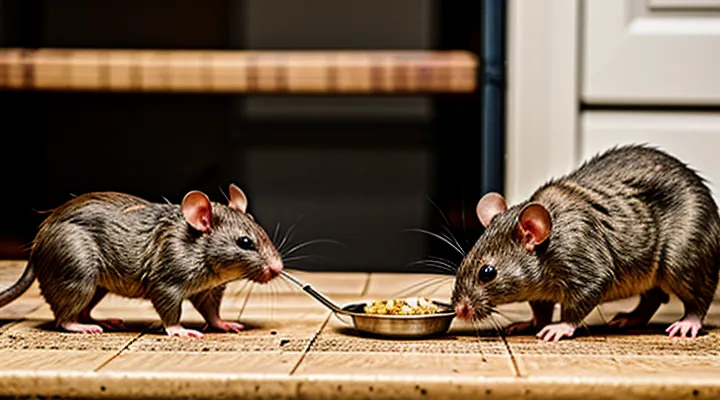
The Rat's Omnivorous Diet: An Overview
Natural Diet of Wild Rats
Wild rats survive by exploiting a broad spectrum of food sources available in their habitats. Their natural diet reflects opportunistic omnivory, combining plant matter, animal protein, and waste material.
Typical components include:
- Grains and cereals such as wheat, barley, and rice.
- Seeds from grasses, legumes, and trees.
- Fresh fruits and vegetables, especially berries, apples, and leafy greens.
- Invertebrates: beetles, larvae, earthworms, and other arthropods.
- Small vertebrate remains and carrion when accessible.
- Human-generated refuse, which often contains processed foods and scraps.
Protein intake derives mainly from insects and occasional animal tissue, supplying essential amino acids for growth and reproduction. Seasonal shifts alter food availability; during spring and summer, insects and fresh vegetation dominate, while autumn brings increased seed consumption and reliance on stored grains. In winter, rats may turn more frequently to stored foods and scavenged meat.
The balance of carbohydrates, fats, fiber, and protein in the wild diet equips rats with the nutrients required for metabolic demands, immune function, and reproductive success. Understanding this natural composition informs appropriate feeding strategies for domestic rats, ensuring that meat inclusion aligns with their evolutionary dietary patterns.
Nutritional Needs of Pet Rats
Pet rats require a diet that supplies adequate protein, fat, carbohydrates, fiber, vitamins, and minerals. Commercial rat blocks or pellets provide a reliable base, typically delivering 15‑20 % protein and essential nutrients in balanced ratios. Supplementing this foundation with fresh foods can improve health and enrichment, provided the additions respect the rat’s nutritional limits.
Protein sources such as lean cooked chicken, turkey, or lean beef can be offered in small quantities. Each serving should not exceed 5 % of the total daily intake, and the meat must be boneless, unseasoned, and thoroughly cooked to eliminate pathogens. Raw meat is discouraged because it may contain harmful bacteria and parasites. Organ meats, including small portions of liver or kidney, supply additional B‑vitamins and iron but should be limited to once or twice a week to avoid excess vitamin A.
Fat contributes energy and supports coat condition. Small amounts of cooked egg yolk or a teaspoon of unsalted, unflavored peanut butter can meet this need without exceeding recommended caloric levels. Excess fat leads to obesity, a common issue in captive rats.
Fiber, primarily from vegetables, fruits, and whole‑grain products, promotes gastrointestinal motility and dental wear. A daily inclusion of 10‑15 % fresh produce—such as carrots, broccoli, apple slices (seedless), or whole‑grain oats—maintains gut health and prevents overgrowth of harmful bacteria.
Key micronutrients include calcium, phosphorus, and vitamin D. A calcium‑rich supplement, such as a small piece of plain cheese or a calcium‑fortified pellet, should be provided sparingly to keep the calcium‑phosphorus ratio near 1:1. Vitamin D can be synthesized through exposure to natural daylight; indoor rats may benefit from a brief daily period of indirect sunlight or a UV‑B lamp.
Water must be fresh, clean, and available at all times. A hanging bottle with a stainless‑steel nozzle reduces contamination risk compared to open dishes.
Practical feeding schedule:
- Morning: portion of commercial pellets (≈ ¼ cup) + a few grams of cooked lean meat.
- Midday: small serving of fresh vegetable or fruit (≈ ½ cup).
- Evening: repeat pellet portion; optional treat of egg yolk or peanut butter (≈ ½ teaspoon).
Monitoring body condition, stool consistency, and activity levels helps adjust portions promptly. Any sudden changes in appetite, weight loss, or digestive disturbances warrant veterinary evaluation.
Can Rats Eat Meat?
The "Yes" Side: Benefits of Meat for Rats
Protein Sources
Rats require high‑quality protein for growth, reproduction, and immune function. Protein must be digestible and free of pathogens that could harm the animal.
- Cooked lean poultry (chicken, turkey) without skin or seasoning
- Cooked lean beef or pork, trimmed of excess fat
- Fresh or frozen fish, deboned and cooked thoroughly
- Insects such as crickets, mealworms, and black soldier fly larvae, offered live or dried
- Commercially prepared rodent blocks or pellets with a protein content of 14‑20 %
When incorporating animal protein, follow these guidelines. Provide only small portions—no more than 10 % of the total daily diet—to prevent imbalances. Ensure all meat is cooked to eliminate parasites and bacteria; raw meat poses a significant health risk. Remove bones that could splinter, and avoid processed meats containing sodium, preservatives, or spices. Rotate protein sources regularly to supply a broader amino‑acid profile.
Supplement the meat‑based protein with plant‑derived sources such as soy, lentils, and peas, which contribute fiber and additional nutrients. Monitor body condition and adjust quantities if weight gain or loss occurs. Consistent, balanced protein intake supports optimal health and longevity in pet and laboratory rats.
Essential Nutrients
Rats require a defined set of nutrients to maintain growth, reproduction, and immune function. Meat can supply several of these nutrients, but it must be integrated into a balanced diet.
- High‑quality protein: provides essential amino acids such as lysine, methionine, and tryptophan.
- Fats: supply energy and essential fatty acids (linoleic and arachidonic acids).
- Vitamin B12: crucial for red blood cell formation and neurological health.
- Vitamin A (as retinol): supports vision and epithelial integrity.
- Iron: necessary for oxygen transport.
- Zinc: involved in enzyme activity and skin health.
- Calcium and phosphorus: maintain bone structure and cellular signaling.
Protein from meat should represent no more than 15‑20 % of a rat’s total daily caloric intake. Excessive animal fat can lead to obesity and hepatic lipidosis. Vitamin A and B12 levels are easily met with modest meat portions, but over‑supplementation may cause toxicity; monitor intake carefully.
Offer cooked, lean meat (e.g., chicken breast, turkey, lean beef) in small, bite‑size pieces. Remove bones, skin, and visible fat. Provide meat two to three times per week, alternating with a high‑fiber grain and vegetable base to ensure adequate carbohydrate and fiber intake. Fresh water must be available at all times.
Regular health checks should include weight monitoring and observation for digestive disturbances. Adjust meat frequency if rats display signs of excess weight or stool irregularities.
The "No" Side: Risks and Concerns
High Fat Content
Meat provides a substantial amount of dietary fat, which influences energy density, nutrient absorption, and weight regulation in rats. High‑fat content can be beneficial when rats require additional calories, such as during growth phases or recovery from illness. However, excessive fat increases the risk of obesity, hepatic lipidosis, and digestive disturbances.
Key points for managing fat intake from meat:
- Ideal fat proportion in a rat’s diet: 5–10 % of total caloric intake from animal sources.
- For lean meats (e.g., chicken breast, turkey), fat contributes less than 3 % of calories; supplementation may be needed for high‑energy diets.
- For fattier cuts (e.g., pork belly, ribeye), fat can exceed 20 % of calories; limit portions to 1–2 % of the daily ration.
- Monitor body condition regularly; rapid weight gain or a glossy coat may indicate over‑consumption of fat.
- Balance with fiber‑rich vegetables and low‑fat protein sources to maintain gut health.
When introducing meat, start with small quantities (approximately 5 g per 100 g of total diet) and observe tolerance. Adjust portions based on the rat’s activity level, age, and health status. If signs of digestive upset appear—loose stools, reduced appetite, or lethargy—reduce or discontinue high‑fat meat items immediately.
Potential for Bacteria and Parasites
Feeding rats raw or undercooked animal tissue introduces a high probability of bacterial contamination. Common pathogens include Salmonella, E. coli O157:H7, and Campylobacter; each can cause gastrointestinal distress, septicemia, or fatal infection in rodents. Proper cooking to an internal temperature of at least 74 °C (165 °F) eliminates these bacteria, while refrigeration without cooking does not reduce the risk.
Parasites also pose a serious threat when meat is offered without adequate treatment. Trichinella spiralis larvae, found in undercooked pork, can invade muscle tissue and lead to severe muscle inflammation. Toxoplasma gondii cysts, present in raw meat from infected animals, may cause encephalitis or reproductive failure. Taenia tapeworm segments can establish intestinal infestations, resulting in malabsorption and weight loss.
Risk mitigation strategies:
- Cook all meat thoroughly before presentation.
- Freeze meat at –20 °C (–4 °F) for at least three weeks to inactivate most parasites, then reheat before feeding.
- Source meat from reputable suppliers that follow sanitary processing standards.
- Avoid feeding raw organs, especially liver and brain, which concentrate pathogens.
- Rotate protein sources to prevent buildup of specific microbial loads.
Monitoring rats for signs such as diarrhea, lethargy, weight loss, or abnormal behavior enables early detection of infection. Prompt veterinary assessment, including fecal analysis and culture, is essential for effective treatment and prevention of outbreaks within a colony.
Processing and Additives
Rats can digest animal protein, but the safety of meat depends on how it is prepared and what substances are added. Fresh, unprocessed meat carries a risk of bacterial contamination; cooking eliminates pathogens and makes the protein more digestible. Boiling, steaming, or baking without oil preserves nutrients while ensuring sterility. Freezing raw meat for at least 48 hours reduces parasite load, but thawed meat should be cooked before offering it to rats.
Additives commonly found in commercial meat products can harm rodents. Sodium nitrite, used in cured meats, interferes with oxygen transport. High‑salt sauces increase the risk of hypertension and renal strain. Sugar, artificial sweeteners, and flavor enhancers overload the digestive system. Spices such as onion, garlic, and chili irritate the gastrointestinal tract and may be toxic. Preservatives like BHA, BHT, and certain sulfites have been linked to liver stress in small mammals.
Acceptable meat for rats includes plain, lean cuts of chicken, turkey, rabbit, or beef that are cooked without seasoning. Small portions—no more than a teaspoon per 100 g of body weight—provide balanced protein without displacing essential fiber from the diet. Protein should complement, not replace, a staple diet of high‑quality rodent pellets and fresh vegetables.
- Use fresh or properly frozen meat; discard any that shows discoloration or odor.
- Cook meat thoroughly (internal temperature ≥ 74 °C) and cool before serving.
- Avoid cured, smoked, or processed meats containing nitrites, high salt, or preservatives.
- Exclude all seasonings, sauces, and spice blends.
- Limit meat to 5–10 % of total daily caloric intake.
- Store cooked portions in airtight containers, refrigerate for up to three days, or freeze for longer periods.
Following these processing standards and additive restrictions ensures that meat contributes safely to a rat’s nutritional regimen.
Types of Meat Rats Can Eat (And How to Prepare Them)
Cooked Meats
Poultry
Rats are omnivorous mammals capable of digesting animal protein, including poultry. Introducing chicken or turkey meat can enhance a diet that otherwise consists mainly of grains and vegetables, provided the meat meets safety standards.
Poultry supplies high‑quality protein, essential amino acids, and B‑vitamins that support growth, tissue repair, and immune function. Fat content varies by cut; lean breast meat offers a low‑fat option, while thigh or skin contains additional calories that may be useful for growing or lactating rats.
Safety considerations:
- Use only fresh, uncontaminated meat. Discard any that shows discoloration or odor.
- Cook meat thoroughly to an internal temperature of at least 165 °F (74 °C) to eliminate Salmonella, E. coli, and other pathogens.
- Remove all bones; even small fragments can cause choking or gastrointestinal injury.
- Avoid seasoning, sauces, or additives that contain salt, garlic, onion, or artificial sweeteners, as these can be toxic to rodents.
Feeding frequency and amount:
- Offer poultry as an occasional supplement, not a staple. A serving size of 1–2 grams per 100 grams of body weight, two to three times per week, maintains balance without excess calories.
- Monitor the rat’s weight and behavior after introduction; adjust portions if signs of obesity or digestive upset appear.
Practical tips:
- Cut cooked meat into bite‑size pieces to facilitate handling.
- Store leftovers in a sealed container in the refrigerator for no more than 24 hours.
- Introduce meat gradually, mixing small amounts with the regular pellet or mash to encourage acceptance.
By adhering to these guidelines, poultry can be a safe, nutritious component of a rat’s diet, contributing to overall health while minimizing risk.
Beef
Beef can be included in a rat’s diet when it is prepared correctly and offered in moderation. Cooked, lean cuts provide protein and essential amino acids that support muscle growth and tissue repair. Raw beef carries a high risk of bacterial contamination and should be avoided.
When introducing beef, follow these guidelines:
- Cook thoroughly, without added salt, spices, or sauces.
- Trim all visible fat; excessive fat can lead to obesity and digestive upset.
- Cut into small, bite‑size pieces to prevent choking.
- Limit servings to no more than 5 % of the total daily caloric intake.
- Offer beef no more than two times per week to maintain a balanced nutrient profile.
Potential issues include gastrointestinal distress, increased cholesterol, and the possibility of nutrient imbalances if meat displaces standard rodent pellets. Monitor weight, stool consistency, and overall activity after each feeding.
If a rat shows signs of intolerance—such as diarrhea, lethargy, or loss of appetite—discontinue beef immediately and consult a veterinarian experienced with small mammals.
Fish
Fish can be offered to rats as an occasional source of animal protein, but it must be selected and prepared with care. Raw fish carries parasites and bacterial contamination; therefore, all fish should be cooked thoroughly, removing bones and skin that could cause choking or gastrointestinal injury. Overcooking reduces omega‑3 fatty acids, so gentle steaming or baking is recommended.
Suitable fish types include:
- Salmon (rich in omega‑3, low in mercury when sourced responsibly)
- Whitefish such as cod or haddock (lean, easy to digest)
- Tilapia (moderate protein, low fat)
Avoid species high in mercury or heavy metals, such as shark, swordfish, and king mackerel. Fatty fish like tuna should be limited to prevent excess fat intake.
Feeding guidelines:
- Offer fish no more than once or twice per week.
- Portion size should not exceed 5 % of the rat’s total daily caloric intake.
- Mix a small amount of cooked fish with the regular grain‑based diet to maintain balanced nutrition.
- Observe the rat for signs of digestive upset after introducing fish; discontinue if vomiting, diarrhea, or reduced activity occurs.
Nutritionally, fish supplies high‑quality protein, essential amino acids, and beneficial fatty acids that support coat health and immune function. However, rats require a diet dominated by grains, vegetables, and commercially formulated pellets; fish serves only as a supplemental treat, not a staple.
Raw Meats: A Cautionary Tale
Raw meat presents several health hazards for pet rats. Bacterial pathogens such as Salmonella, E. coli, and Campylobacter can survive in uncooked tissue, leading to gastrointestinal upset, diarrhea, and potentially fatal systemic infection. Rats’ digestive systems lack the robust acidic environment found in larger carnivores, reducing their ability to neutralize these microbes.
Nutritional imbalances arise when raw meat replaces a portion of a balanced rodent diet. Meat alone supplies protein and fat but lacks essential vitamins, minerals, and fiber required for dental health and gut motility. Overreliance on raw protein can cause deficiencies in calcium, vitamin C, and B‑complex vitamins, which are critical for bone development and metabolic functions.
Safe handling practices mitigate many risks:
- Freeze meat at –18 °C for at least 48 hours before offering, then thaw in a refrigerator.
- Trim visible fat, bones, and gristle to prevent choking and dental injury.
- Serve only small, bite‑size pieces; limit raw protein to no more than 10 % of daily caloric intake.
- Discard leftovers after 30 minutes to avoid spoilage.
- Clean feeding dishes with hot, soapy water after each use.
When raw meat is included, it should complement a formulated rodent pellet or mash, not replace it. Cooking meat to an internal temperature of 71 °C eliminates most pathogens while preserving protein quality, providing a safer alternative for owners who wish to diversify their rats’ diet.
Organ Meats
Organ meats are a valuable component of a rat’s diet when offered correctly. Liver supplies essential vitamins A, D, and B‑complex, as well as iron and copper. Kidney provides high‑quality protein and B‑vitamins, while heart delivers taurine and CoQ10. Spleen, though less common, adds zinc and immune‑supporting factors.
Guidelines for feeding organ meats to pet rats:
- Offer small portions (no more than 5 % of total daily intake) to avoid nutrient overload.
- Serve fresh, raw organ tissue or lightly steamed to reduce bacterial load; avoid deep frying or heavy seasoning.
- Rotate between liver, kidney, heart, and occasional spleen to ensure a balanced micronutrient profile.
- Observe each rat for signs of digestive upset; discontinue if vomiting, diarrhea, or lethargy occur.
- Store leftovers in airtight containers, refrigerate for up to 48 hours, or freeze for longer periods.
When integrated with a balanced chow base and occasional vegetable treats, organ meats enhance growth, reproduction, and overall health in laboratory and companion rats.
Meats to Avoid (And Why)
Processed Meats
Processed meats, such as deli slices, bacon, and canned sausages, contain high levels of sodium, preservatives, and saturated fat. Rats can digest animal protein, but the additives in these products may cause health issues.
- Sodium content often exceeds safe daily limits for a typical pet rat, leading to dehydration, hypertension, and kidney strain.
- Nitrates and nitrites, common curing agents, have been linked to gastrointestinal irritation and increased cancer risk in rodents.
- Excess saturated fat contributes to obesity, hepatic lipidosis, and reduced lifespan.
If a caretaker chooses to offer processed meat, follow these strict guidelines:
- Limit portions to no more than 1‑2 grams per 100 g of body weight per week.
- Rinse or soak the meat in water to reduce surface salt before serving.
- Remove visible additives, such as spices, sauces, and smoke flavorings.
- Offer only freshly prepared pieces; discard leftovers after 30 minutes to prevent bacterial growth.
- Monitor the rat for signs of digestive upset, excessive thirst, or weight gain, and discontinue if symptoms appear.
Unprocessed animal proteins—cooked chicken, boiled eggs, or plain lean beef—provide comparable nutritional benefits without the harmful additives. Processed meats should remain an occasional, carefully controlled treat rather than a regular component of a rat’s diet.
Spicy or Seasoned Meats
Rats can tolerate small amounts of cooked meat, but adding strong spices or heavy seasoning introduces risks. Capsaicin, black pepper, garlic, onion, and many commercial flavorings irritate the gastrointestinal tract, can cause excessive salivation, and may lead to dehydration. Over‑seasoned protein also masks the natural scent of the food, reducing a rat’s willingness to eat it and potentially causing selective appetite loss.
Guidelines for offering flavored meat to rats:
- Use plain, boneless, unprocessed meat such as chicken breast, turkey, or lean beef.
- Cook thoroughly to eliminate pathogens; avoid raw or undercooked portions.
- If seasoning is desired, limit to a pinch of plain herbs (e.g., parsley or dill) that lack pungent compounds.
- Exclude salt, chili powder, garlic, onion, soy sauce, and any artificial flavor enhancers.
- Serve only a bite‑size portion once or twice a week; monitor for signs of digestive upset (diarrhea, reduced activity, abnormal stool).
When introducing any new protein, observe the rat’s response for 24‑48 hours. Discontinue the item if adverse symptoms appear, and consult a veterinarian experienced with small mammals for persistent issues.
High-Fat Meats
High‑fat meats such as pork belly, lamb shoulder, and beef ribeye contain more than 30 % calories from fat. Rats metabolize dietary fat efficiently, but excessive intake can lead to obesity, hepatic lipidosis, and cardiovascular strain.
When offering high‑fat meat, limit portions to 5–10 % of the total daily caloric intake. A single 1‑gram piece of cooked lean beef, trimmed of visible fat, provides a safe baseline; additional fat should not exceed 0.5 gram per day for an adult laboratory rat (≈250 g body weight).
Preferred sources include:
- Cooked turkey breast with a thin layer of skin
- Small cuts of lean pork loin, lightly seared
- Ground beef with ≤15 % fat, thoroughly cooked
Avoid raw high‑fat cuts, processed meats containing nitrates, and meats seasoned with salt, spices, or sauces.
Gradual introduction is essential. Begin with a 2‑day trial of 0.5 gram cooked meat, observe stool consistency and activity level, then increase only if no adverse signs appear.
Long‑term feeding of high‑fat meat should be supplemented with a balanced rodent pellet diet, fresh vegetables, and adequate water to ensure essential vitamins, minerals, and fiber.
Monitoring body weight weekly and adjusting portions accordingly prevents over‑conditioning. If weight gain exceeds 5 % of baseline within a month, reduce or discontinue high‑fat meat provision.
In summary, high‑fat meats can be incorporated safely when:
- Fat content is limited to ≤15 % of the meat portion.
- Total caloric contribution remains below 10 % of daily intake.
- Meat is cooked, unseasoned, and introduced gradually.
Adherence to these parameters supports nutritional diversity without compromising rat health.
How to Introduce Meat into Your Rat's Diet
Small Portions
Feeding meat to rats can be part of a balanced diet when the portions are limited. Small amounts provide protein and essential amino acids without overwhelming the digestive system.
A typical serving size for a laboratory‑grade or pet rat is no more than ½ teaspoon of cooked, unseasoned meat per week. This quantity supplies the necessary nutrients while keeping calorie intake within safe limits.
When offering meat, follow these guidelines:
- Choose lean cuts such as chicken breast, turkey, or lean beef; avoid processed or fatty varieties.
- Cook thoroughly to eliminate pathogens; raw meat carries a high risk of bacterial contamination.
- Remove all bones, skin, and visible fat; these components can cause choking or digestive upset.
- Cool the meat to room temperature before presentation; hot food may burn oral tissues.
- Offer the portion on a clean dish separate from the regular pellet or fresh produce; this prevents cross‑contamination.
Introduce meat gradually. Begin with a half‑teaspoon and observe the rat for any signs of digestive distress, such as loose stools or reduced appetite. If adverse reactions occur, discontinue meat and consult a veterinarian.
Incorporating meat in small, controlled servings complements the primary diet of commercial pellets and fresh vegetables, ensuring rats receive a well‑rounded nutrient profile without excess protein or fat.
Gradual Introduction
Rats can tolerate animal protein, but the transition must be managed to prevent digestive disturbance. Introducing meat too quickly can cause diarrhea, loss of appetite, or stress on the gut flora.
A controlled schedule allows the gastrointestinal system to adapt. Begin with a minimal amount and increase only after the animal shows stable stool and normal feeding behavior.
- Day 1–3: Offer ½ teaspoon of finely minced, fully cooked chicken or turkey, mixed with regular diet.
- Day 4–7: If stool remains solid, raise the portion to 1 teaspoon, still blended with staple food.
- Day 8–14: Increase to 2 teaspoons, presented as a separate bite rather than mixed, to assess acceptance.
- Beyond two weeks: Adjust the serving size according to body condition, activity level, and overall health, never exceeding 10 % of total caloric intake.
Observe each rat for signs of intolerance: loose feces, reduced water consumption, lethargy, or weight loss. If any symptom appears, revert to the previous tolerated amount and extend the adaptation period before attempting another increase.
Safety measures include cooking meat thoroughly, removing skin and bones, and avoiding seasonings, sauces, or processed products that contain additives. Store leftovers in a sealed container and discard any portion left uneaten after 30 minutes to prevent bacterial growth.
Gradual incorporation of animal protein, combined with vigilant monitoring, ensures that rats receive nutritional benefits without compromising digestive health.
Monitoring for Adverse Reactions
When adding animal protein to a rat’s diet, systematic observation is essential to detect any negative health effects promptly.
Key indicators of intolerance or distress include:
- Reduced food intake or refusal of the new food
- Diarrhea, loose stools, or blood in feces
- Unexplained weight loss or failure to gain expected weight
- Lethargy, tremors, or abnormal grooming behavior
- Respiratory difficulty, coughing, or nasal discharge
- Skin lesions, swelling, or excessive scratching
A practical monitoring plan should consist of daily checks for the first week, followed by observations every other day for the next two weeks. Record body weight, food consumption, and any of the listed symptoms in a simple log. If a rat shows any sign of discomfort, pause meat provision and revert to a standard rodent diet while maintaining the observation schedule.
Should adverse reactions persist after returning to the baseline diet, consult a veterinarian experienced with rodents. Possible interventions include dietary adjustment, gradual reintroduction of protein in smaller portions, or medical treatment to address gastrointestinal upset.
Frequency and Portion Sizes
Occasional Treat
Rats can safely receive meat as an occasional treat when certain conditions are met. Meat should be fresh, cooked, and unseasoned to eliminate pathogens and reduce sodium intake. Offer only small portions—no larger than a teaspoon for a standard pet rat—once or twice a week.
Key considerations for meat treats:
- Cooking method: Boil or bake without oil, spices, or sauces.
- Temperature: Cool to room temperature before feeding.
- Portion size: Limit to 5–10 grams per animal.
- Frequency: Restrict to 1–2 times weekly to avoid nutritional imbalance.
- Variety: Alternate between lean poultry, fish, and low‑fat beef to provide diverse amino acids.
Avoid processed meats, cured products, and anything containing additives, as these can cause digestive upset or long‑term health issues. Monitor the rat after introducing meat; any signs of diarrhea, lethargy, or loss of appetite require immediate cessation and veterinary consultation.
Balancing with Other Foods
Rats can digest animal protein, but meat should represent only a small portion of a varied diet. Excessive reliance on meat can lead to nutrient imbalances, digestive upset, and obesity. To maintain health, incorporate meat alongside staple foods, fresh vegetables, fruits, and high‑quality rodent pellets.
- Protein from meat: limit to 10‑15 % of total daily intake.
- Commercial pellets: provide 60‑70 % of calories; formulated to meet essential vitamin and mineral requirements.
- Fresh produce: supply 15‑20 % of the diet; choose leafy greens, carrots, broccoli, and berries for fiber and antioxidants.
- Treats and supplements: use sparingly; avoid salty, seasoned, or processed meats.
When offering meat, select lean, unseasoned cuts such as chicken breast, turkey, or lean beef. Cook thoroughly to eliminate pathogens; raw meat increases the risk of bacterial infection. Cool the cooked portion before serving, and remove any leftover pieces within a few hours to prevent spoilage.
Monitor body condition regularly. Signs of over‑feeding include rapid weight gain, reduced activity, and greasy fur. Adjust portions if these symptoms appear, ensuring the overall diet remains balanced and nutritionally complete.
Alternatives to Meat for Protein
Plant-Based Protein Sources
Rats require a reliable protein intake of roughly 14‑20 % of their daily calories. Plant-derived proteins can satisfy this requirement when incorporated correctly into a balanced diet.
- Soybeans (cooked, unsalted) – high‑quality protein, complete amino‑acid profile.
- Lentils (soft‑cooked, rinsed) – 9 % protein, rich in lysine.
- Peas (fresh or frozen, no additives) – 5 % protein, good source of threonine.
- Chickpeas (cooked, plain) – 8 % protein, provides methionine.
- Quinoa (boiled, unsalted) – 4 % protein, contains all essential amino acids.
- Hemp seeds (sprinkled, raw) – 25 % protein, high in arginine.
- Pumpkin seeds (unsalted, raw or lightly toasted) – 30 % protein, source of tryptophan.
Preparation guidelines: cook legumes thoroughly to deactivate antinutritional factors; avoid salt, spices, and oil; serve in moderate portions to prevent digestive upset. Complement protein sources with a variety of grains, vegetables, and a small amount of fortified rodent chow to ensure adequate levels of taurine, vitamin B12, and essential fatty acids that plant proteins lack. Regularly monitor body condition and adjust portions to maintain a healthy weight.
When plant proteins are provided alongside a nutritionally complete base diet, rats receive sufficient amino acids without reliance on animal flesh. This approach supports growth, reproduction, and overall health while adhering to meat‑free feeding recommendations.
Insect-Based Protein
Insect-derived protein offers a nutritionally complete alternative for rodents that require animal‑based nutrients. Crickets, mealworms, and black soldier fly larvae contain high levels of essential amino acids, comparable to traditional meat sources, while providing lower fat and fewer cholesterol concerns. Their chitin exoskeleton contributes dietary fiber, supporting gastrointestinal health in rats.
When incorporating insect protein into a rat’s diet, observe the following guidelines:
- Introduce a small portion (approximately 5 % of total daily intake) to assess tolerance.
- Ensure insects are sourced from reputable suppliers that guarantee a pesticide‑free product.
- Roast or dehydrate insects before feeding to eliminate potential pathogens.
- Balance the insect portion with standard rodent chow to maintain appropriate vitamin and mineral ratios.
- Monitor weight and behavior for any adverse reactions over a two‑week period.
Insect meals can replace meat in feeding regimes without sacrificing growth rates or reproductive performance, provided the overall diet meets the species‑specific caloric and micronutrient requirements. Regular veterinary checks are recommended to verify that the protein shift does not disrupt metabolic balance.
Common Misconceptions About Rats and Meat
Do Rats Need Meat?
Rats are omnivores, but their dietary needs are satisfied primarily by plant‑based foods. Protein, essential amino acids, vitamins, and minerals can be obtained from grains, legumes, seeds, and commercial rodent pellets. Meat contributes protein and certain nutrients, yet it is not required for a balanced diet.
When meat is offered, it should be:
- Cooked, without seasoning, spices, or sauces.
- Cut into small, manageable pieces to prevent choking.
- Limited to no more than 5 % of total daily intake.
- Fresh, with any leftovers removed after a few hours to avoid spoilage.
Potential concerns include:
- High fat content leading to obesity or hepatic issues.
- Risk of bacterial contamination if meat is raw or improperly stored.
- Imbalance of calcium‑phosphorus ratio if meat replaces calcium‑rich plant foods.
For most pet rats, a high‑quality pellet formulated for rodents, supplemented with fresh vegetables, fruits, and occasional protein sources such as boiled egg or low‑fat cheese, provides sufficient nutrition. Meat can be an occasional treat, but it does not replace the core components of a rat’s diet.
Is All Meat Equal?
Rats are omnivores capable of processing animal tissue, but not every meat source provides the same nutritional value or safety profile.
Protein content varies widely. Lean poultry, such as cooked chicken breast, delivers high-quality protein with minimal fat. Red meat, including beef and pork, supplies comparable protein but often contains higher saturated fat and cholesterol, which can increase the risk of obesity and cardiovascular issues in laboratory or pet rats when fed regularly.
Fat composition influences energy density. Fish, particularly oily varieties like salmon, offers omega‑3 fatty acids that support brain development and inflammation control. However, raw fish may contain thiaminase, an enzyme that destroys vitamin B1, leading to deficiency if not cooked.
Digestibility differs among meat types. Cooked organ meats (liver, kidney) are highly digestible and rich in vitamins A, B12, and iron, but excess consumption can cause hypervitaminosis A or iron overload. Processed meats (sausages, deli slices) often contain additives, high sodium, and preservatives that can irritate the gastrointestinal tract and raise blood pressure.
Pathogen risk demands careful handling. Raw meat carries bacteria such as Salmonella and E. coli; cooking to an internal temperature of 165 °F (74 °C) eliminates most hazards. Freezing does not guarantee parasite destruction; therefore, only heat‑treated meat should be offered.
Practical feeding guidelines:
- Offer small, cooked portions (no larger than a pea) 2–3 times per week.
- Rotate protein sources: chicken, turkey, lean beef, cooked fish, and occasional organ meat.
- Avoid raw, processed, or heavily seasoned meat.
- Monitor body condition; adjust frequency if weight gain or loss occurs.
By recognizing that meat types differ in protein quality, fat profile, micronutrient density, and safety concerns, caretakers can provide balanced animal‑protein supplementation that supports rat health without introducing nutritional imbalances or disease risk.
Consulting Your Veterinarian
When to Seek Professional Advice
When introducing animal protein into a rat’s diet, owners should evaluate the pet’s current health status and dietary history. Any deviation from normal behavior or physiology warrants external assessment before proceeding with meat supplementation.
- Sudden weight loss or gain
- Persistent diarrhea or constipation
- Excessive thirst or urination
- Respiratory distress, coughing, or wheezing
- Unexplained lethargy or hyperactivity
- Visible skin lesions, fur loss, or swelling around the mouth
If any of these signs appear, contact a qualified veterinarian with experience in small‑animal or exotic pet care. The professional may recommend laboratory analyses such as blood panels, fecal examinations, or imaging studies to rule out underlying conditions that could be aggravated by protein‑rich foods.
During the consultation, provide a detailed record of the rat’s age, breed, previous diet, and recent changes in feeding practices. Document the type, source, and preparation method of any meat offered. This information enables the practitioner to tailor recommendations, adjust portion sizes, or suggest alternative protein sources that align with the animal’s metabolic needs.
Regular veterinary check‑ups, even in the absence of symptoms, help confirm that the rat tolerates dietary shifts safely. Monitoring weight, stool consistency, and overall activity on a weekly basis ensures early detection of potential issues and supports informed feeding decisions.
Dietary Recommendations for Specific Health Conditions
Rats can digest animal protein, yet disease states dictate precise adjustments to meat inclusion.
- Obesity – limit meat to 5 % of total calories; choose lean cuts, avoid added fats.
- Chronic kidney disease – reduce protein load to 0.8 g per kilogram body weight daily; offer small, frequent portions of low‑phosphorus meat such as boiled chicken breast.
- Liver insufficiency – favor highly digestible proteins; provide 10 % of diet as cooked fish or turkey, monitor for fat accumulation.
- Gastrointestinal disorders – introduce cooked, unseasoned meat gradually; start with 1–2 g per 100 g of regular feed, observe stool consistency.
- Allergic or inflammatory conditions – eliminate red meat; substitute with hypoallergenic sources like boiled egg whites or plant‑based protein isolates.
General practices ensure safety and nutritional balance: cook meat thoroughly to eliminate pathogens; remove skin and visible fat; cool before mixing with staple feed; record daily intake to prevent over‑feeding. Adjust portion sizes according to weight, activity level, and veterinary assessment.