
Introduction to Rat Diet
General Dietary Needs of Rats
Essential Nutrients for Rats
Rats require a balanced diet that supplies specific nutrients in precise amounts. Protein is the primary building block for growth and tissue repair; a daily intake of 14–16 % of total calories from high‑quality animal or plant sources meets this need. Essential amino acids such as lysine, methionine, and tryptophan must be present in the diet.
Fat supplies energy and supports absorption of fat‑soluble vitamins. A rat’s diet should contain 5–7 % calories from fats, emphasizing omega‑3 and omega‑6 fatty acids. Sources include sunflower oil, fish oil, and modest amounts of animal fat.
Fiber promotes gastrointestinal motility and microbial health. An intake of 3–5 % crude fiber, derived from whole grains, vegetables, and safe fruits, maintains normal stool consistency and prevents constipation.
Vitamins are required in microgram quantities. Vitamin A supports vision and immune function; vitamin D regulates calcium metabolism; vitamin E acts as an antioxidant; vitamin K is essential for blood clotting. B‑complex vitamins—including B1, B2, B6, B12, niacin, and pantothenic acid—facilitate energy metabolism. Adequate levels are achieved through fortified rodent pellets or a varied supplement regimen.
Minerals must be balanced to avoid deficiencies or excesses. Calcium and phosphorus should be present in a ratio of approximately 1.2 : 1 to support bone development. Magnesium, potassium, and sodium are needed for nerve transmission and fluid balance. Trace elements such as zinc, copper, iron, and selenium are required in milligram or microgram amounts for enzymatic activity.
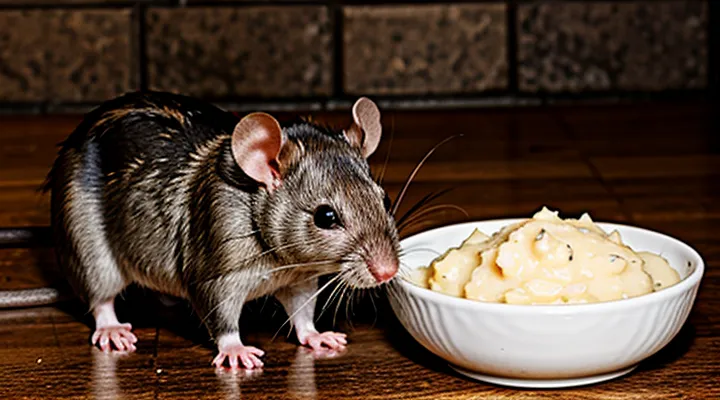
Mashed potatoes provide carbohydrates and some potassium but lack sufficient protein, essential fats, and most vitamins and minerals. When offered, they should be plain, unsalted, and free of butter or dairy. Even then, they can constitute only a small fraction of the total diet, supplementing, not replacing, nutritionally complete rat food. Regular monitoring of body condition and periodic blood work can confirm that nutrient requirements remain met.
Foods to Avoid for Rats
When introducing a new food to a pet rat, identify items that pose health risks. Mashed potatoes often contain components that belong on the prohibited list.
- Raw potatoes – contain solanine, a toxic alkaloid.
- Cooked potatoes with butter, salt, cheese, or other additives – high fat and sodium levels strain cardiovascular and renal function.
- Processed snack foods (chips, crackers) – contain excessive salt, preservatives, and artificial flavors.
- Sugary treats (candy, chocolate) – cause rapid blood‑sugar spikes and may contain theobromine, which is poisonous to rodents.
- Citrus fruits – acidity can irritate the gastrointestinal tract.
- Dairy products – rats lack lactase; lactose leads to diarrhea and discomfort.
- High‑fat nuts (peanuts, almonds) – predispose to obesity and hepatic lipidosis.
- Caffeinated beverages (coffee, tea) – stimulate the nervous system, risking seizures.
- Alcohol – depresses central nervous system, potentially fatal.
- Raw onions and garlic – contain organosulfoxides that damage red blood cells.
A safe diet consists of high‑quality rodent pellets, fresh leafy greens, limited fruit, and occasional lean protein such as cooked egg or unseasoned chicken. Avoid the listed items to maintain optimal health and prevent acute or chronic illness.
Mashed Potatoes and Rat Health
Nutritional Value of Mashed Potatoes
Macronutrients in Potatoes
Potatoes provide a distinct macronutrient profile that influences their suitability for rodent consumption. A typical raw potato (100 g) contains approximately 17 g carbohydrates, 2 g protein, 0.1 g fat, and 2.2 g dietary fiber, delivering about 77 kcal of energy. The carbohydrate fraction is primarily starch, which breaks down into glucose during digestion. Protein consists mainly of essential amino acids such as lysine and methionine, albeit in modest amounts. Fat content is negligible, while fiber contributes to gastrointestinal motility.
When potatoes are mashed, cooking gelatinizes starch, increasing digestibility for rats. The macronutrient ratios remain largely unchanged, but moisture rises, reducing caloric density to roughly 70 kcal per 100 g of mash. Rats can efficiently metabolize the carbohydrate load, use the protein for tissue maintenance, and tolerate the minimal fat. Excessive fiber may limit intake, as rats prefer softer textures.
Key considerations for feeding mashed potatoes to rats:
- Carbohydrate level: 15–20 g per 100 g, source of rapid energy.
- Protein contribution: 1.5–2 g per 100 g, supplemental to standard rodent diet.
- Fat amount: under 0.2 g per 100 g, unlikely to cause lipid imbalance.
- Fiber content: 2–3 g per 100 g, should be monitored to avoid digestive upset.
- Sodium and additives: avoid added salt, butter, or seasonings that introduce unnecessary electrolytes or saturated fats.
In summary, the macronutrient composition of potatoes, even after mashing, aligns with the nutritional requirements of rats, provided the mash is plain and offered as a complementary component rather than a staple.
Micronutrients in Potatoes
Potatoes supply a range of micronutrients that influence the nutritional value of a mashed preparation for rodents. The primary vitamins and minerals present in raw tubers include:
- Vitamin C: approximately 19 mg per 100 g; heat reduces content by 30‑40 %.
- Vitamin B6 (pyridoxine): about 0.3 mg per 100 g; relatively stable during cooking.
- Potassium: 425 mg per 100 g; little loss when boiled or mashed.
- Magnesium: 23 mg per 100 g; modestly retained after heating.
- Iron: 0.8 mg per 100 g; unaffected by cooking.
- Folate: 15 µg per 100 g; partially degraded by heat.
These micronutrients contribute to metabolic processes in rats. Vitamin C supports antioxidant defenses, while vitamin B6 participates in amino‑acid metabolism. Potassium maintains electrolyte balance and nerve function. Magnesium and iron are essential for enzymatic reactions and oxygen transport, respectively. Folate is required for nucleic‑acid synthesis.
Cooking alters the nutrient profile. Boiling and mashing cause water‑soluble vitamins, especially vitamin C and folate, to leach into cooking water. Retaining the water for use in the mash minimizes loss. The carbohydrate matrix of mashed potatoes provides readily digestible glucose, which can affect blood‑sugar levels if consumed in large quantities.
When formulating a diet that includes mashed potatoes, balance the micronutrient contribution with other feed components to ensure adequate intake of essential vitamins and minerals without exceeding recommended energy levels.
Potential Risks of Mashed Potatoes for Rats
Solanine Content in Potatoes
Solanine is a glycoalkaloid produced by potatoes as a natural defense against pests. It concentrates in the skin, especially when the tuber turns green, and in sprouts and eyes. Fresh, unpeeled potatoes may contain 20–150 mg kg⁻¹ of solanine; mature tubers typically hold 2–10 mg kg⁻¹.
Rodent toxicity studies indicate that a dose of 30–50 mg kg⁻¹ body weight produces acute neurological symptoms, while 100 mg kg⁻¹ can be lethal. A laboratory rat weighing 250 g would therefore experience adverse effects after ingesting roughly 7.5–12.5 mg of solanine.
Cooking does not degrade solanine; boiling, baking, or mashing retains the compound. Peeling removes most of the surface concentration, and discarding green or sprouted sections reduces overall intake.
Implications for feeding rats mashed potatoes:
- Peel potatoes thoroughly before cooking.
- Remove any green areas or sprouts.
- Limit portion size to a few grams of fully cooked, plain mash.
- Monitor rats for signs of lethargy, tremors, or loss of appetite after exposure.
Adhering to these measures keeps solanine intake well below toxic thresholds, making mashed potatoes a safe occasional supplement for rats.
Preparation Methods and Additives
Mashed potatoes can be included in a rat’s diet if prepared correctly and limited to occasional treats. The preparation must eliminate hazards and avoid excessive sodium, fat, or dairy that could cause digestive upset.
Safe preparation steps
- Peel potatoes thoroughly to remove skin, which may contain pesticide residues.
- Cut into uniform cubes and boil in plain water until tender; avoid adding salt, butter, oil, or broth.
- Drain and mash while the potatoes are still warm to ensure a smooth texture that rats can easily ingest.
- Cool to room temperature before serving; hot potatoes may burn delicate oral tissues.
Acceptable additives
- A small amount of plain, unsweetened yogurt (no added sugars) can introduce beneficial probiotics, provided the rat tolerates dairy.
- Fresh, finely chopped herbs such as parsley or dill supply trace vitamins and encourage natural foraging behavior.
- A teaspoon of cooked, plain carrots or peas mixed into the mash adds fiber and beta‑carotene without increasing carbohydrate load.
Prohibited ingredients
- Salt, soy sauce, or other seasoned sauces raise sodium levels beyond safe limits.
- Butter, cream, cheese, or oil increase saturated fat, leading to obesity and liver strain.
- Garlic, onion, or chives are toxic to rodents and must be excluded.
Portion control
- Offer no more than one tablespoon of prepared mash per adult rat per serving.
- Monitor for signs of diarrhea or reduced appetite; discontinue if adverse reactions appear.
Following these guidelines ensures that mashed potatoes serve as a nutritionally balanced, low‑risk supplement for pet rats.
Harmful Ingredients for Rats
Mashed potatoes may appear harmless, yet several common additives render them unsafe for pet rats. High sodium levels, excessive fat, and certain seasonings can cause acute digestive upset, dehydration, and long‑term organ damage.
- Table salt (sodium chloride) – promotes electrolyte imbalance and hypertension.
- Butter or oil – adds saturated fat that strains the liver and contributes to obesity.
- Cheese, milk, or cream – lactose intolerance leads to diarrhea and gut irritation.
- Garlic and onion powders – contain thiosulfates that damage red blood cells, causing hemolytic anemia.
- Pepper, chili, or other strong spices – irritate the mucous membranes and may trigger respiratory distress.
- Processed stock or broth – often high in sodium and contains hidden flavor enhancers such as monosodium glutamate.
Safe alternatives include plain, boiled potatoes cooled to room temperature, served without any additives. Portion size should remain small to avoid excess carbohydrate intake, which can lead to obesity and glucose intolerance. Regular monitoring for signs of gastrointestinal distress or changes in behavior is essential when introducing any new food.
Safe Preparation for Occasional Treats
Rats can accept plain mashed potatoes as an occasional treat when the preparation eliminates ingredients that are harmful to their physiology. The tuber provides carbohydrates but lacks essential protein and fiber required for a balanced rodent diet; therefore, it should remain supplemental.
- Use only peeled, fresh potatoes.
- Boil or steam until fully softened; avoid frying.
- Discard butter, milk, cheese, salt, spices, and any processed seasonings.
- Cool the mash to room temperature before offering.
- Portion size should not exceed one teaspoon per 100 g of body weight.
- Remove any uneaten portion within two hours to prevent spoilage.
Risks associated with improper preparation include gastrointestinal upset from excess sodium, lactose intolerance from dairy, and obesity from added fats. Providing mashed potatoes strictly in the manner described ensures that the treat contributes no adverse health effects while satisfying occasional curiosity.
Feeding Mashed Potatoes to Rats
Moderation and Frequency
Rats may consume mashed potatoes, but only as an occasional supplement to a balanced diet. The dish contains high levels of simple carbohydrates, sodium, and often added fats such as butter or milk. These components provide energy but can disrupt normal nutrient ratios, elevate blood pressure, and contribute to obesity if offered regularly.
Guidelines for safe inclusion:
- Portion size: Approximately 0.5 g of mashed potato per gram of body weight; for a 100‑g adult rat, a teaspoon (≈5 g) is the upper limit.
- Frequency: No more than two servings per week, with at least three days between offerings.
- Preparation: Use plain potatoes, boil and mash without added salt, butter, or dairy. If seasoning is unavoidable, keep salt below 0.2 % of the total weight.
Excessive or frequent feeding can cause digestive upset, weight gain, and electrolyte imbalance. Observe the animal for loose stools, reduced activity, or sudden weight changes after introduction. Adjust or discontinue the treat if any adverse signs appear. Regular monitoring ensures that the occasional mashed potato does not compromise overall health.
Proper Preparation Techniques
Boiling and Mashing
Boiling potatoes is the first step in creating a safe, digestible mash for rodents. Use fresh, unblemished tubers; wash thoroughly to remove soil and pesticide residues. Submerge the peeled pieces in cold water, bring to a rolling boil, and maintain a steady simmer. Cook until a fork penetrates easily, typically 12–15 minutes for medium-sized cubes. Drain promptly, allowing excess moisture to escape; prolonged standing water can promote bacterial growth.
Mashing converts the cooked flesh into a texture suitable for a rat’s small oral cavity and digestive system. Transfer the hot potatoes to a clean bowl, add a minimal amount of water or unsalted broth—no more than one tablespoon per cup of mash—to achieve a smooth consistency without excess liquid. Avoid butter, milk, cheese, or seasoning; these additives introduce saturated fats, lactose, and sodium that can upset a rat’s gastrointestinal balance. A simple mash, free of added fats and salts, provides carbohydrates and modest fiber, supporting energy needs without overloading the liver.
Key considerations for feeding mashed potatoes to rats:
- Verify that the mash is fully cooled before offering; temperatures above 40 °C can cause oral burns.
- Serve only a small portion, roughly one teaspoon per adult rat, to prevent overconsumption of starch.
- Observe the animal after the first feeding; signs of diarrhea, lethargy, or respiratory distress indicate intolerance.
- Store leftover mash in a sealed container in the refrigerator for no more than 24 hours; discard any that develops an off odor or visible mold.
When prepared correctly, boiled and mashed potatoes can be an occasional supplement in a rodent diet, offering a source of easily digestible carbohydrates while avoiding the risks associated with raw or heavily seasoned potatoes.
Avoiding Skin and Green Parts
Mashed potatoes can be a suitable occasional treat for pet rats, but preparation must eliminate potential hazards. The potato skin frequently contains higher concentrations of solanine, a glycoalkaloid toxin that can cause gastrointestinal distress, neurological symptoms, or, in severe cases, organ failure. Removing the peel before cooking eliminates the primary source of this compound.
Green discoloration on potatoes indicates chlorophyll development, which accompanies increased solanine levels. Even after cooking, the toxin remains active. Any visible green patches, sprouts, or areas where the flesh has turned yellow‑green should be discarded. Only fully white, unblemished potato flesh is safe for inclusion in a rat’s diet.
Practical steps for safe preparation:
- Peel the potato completely.
- Inspect the interior for green spots; cut them away or discard the potato if they are extensive.
- Boil or steam the potato until soft; avoid frying or adding butter, oil, salt, or seasonings.
- Cool the mash to room temperature before offering a small portion (no more than one teaspoon for an adult rat).
Feeding guidelines:
- Offer mashed potatoes no more than once or twice per week.
- Limit the portion to a fraction of the rat’s total daily caloric intake.
- Observe the animal for signs of digestive upset after introduction; discontinue if symptoms appear.
By strictly removing skin and any green areas, the risk of solanine poisoning is minimized, allowing rats to enjoy a safe, occasional mashed potato supplement.
Observing Rat's Reaction
Signs of Digestive Upset
Rats that consume mashed potatoes may exhibit several indicators of gastrointestinal disturbance. Common observations include:
- Watery or loose feces, sometimes containing mucus
- Abdominal swelling or a visibly distended belly
- Decreased food intake and reduced water consumption
- Lethargy, reluctance to move, or abnormal nesting behavior
- Frequent grooming of the anal area or signs of discomfort when defecating
These symptoms often arise because mashed potatoes are high in starch and may contain added salts, butter, or seasonings that overwhelm a rat’s digestive capacity. Rapid fermentation of excess carbohydrates can produce gas and alter intestinal flora, leading to the listed manifestations. Prompt identification of these signs enables timely veterinary intervention and adjustment of the diet to prevent further complications.
Allergic Reactions
Rats may tolerate plain, cooked potatoes, but mashed preparations often contain dairy, butter, salt, and seasonings that can trigger hypersensitivity. Common allergens in such mixtures include milk proteins, egg, and certain spices. When a rat experiences an allergic reaction, observable signs appear within minutes to hours:
- Scratching or excessive grooming of the face and body
- Swelling of the ears, snout, or paws
- Respiratory distress, including rapid breathing or wheezing
- Diarrhea or vomiting
- Lethargy and loss of appetite
Diagnosis relies on correlating symptom onset with recent consumption of the mash and, when necessary, performing a skin prick or serum IgE test for specific allergens. Management involves immediate removal of the offending food, administration of antihistamines or corticosteroids as prescribed by a veterinarian, and monitoring for anaphylaxis. Preventive measures include offering unseasoned, boiled potato pieces in moderation and avoiding any additives known to provoke immune responses in rodents.
Healthy Alternatives to Mashed Potatoes
Safe Vegetable Options for Rats
Rats can safely consume a variety of vegetables, which provide essential vitamins, minerals, and fiber. When evaluating whether mashed potatoes are appropriate, it is helpful to compare them with vegetables known to be safe for rodents.
Common safe options include:
- Carrots, raw or lightly steamed, sliced into bite‑size pieces.
- Broccoli florets, offered in moderation to avoid gas buildup.
- Bell peppers, all colors, diced and seed‑free.
- Spinach, fresh, limited to prevent oxalate accumulation.
- Zucchini, raw or gently cooked, cut into small chunks.
- Cucumber, peeled if the skin is thick, served in thin slices.
- Sweet potato, cooked without added salt or butter, provided in small portions.
Avoid vegetables that are toxic or irritating, such as raw onions, garlic, and cabbage, as well as any preparation that adds salt, butter, or seasoning. Selecting the appropriate vegetables ensures a balanced diet while minimizing health risks for pet rats.
Fruit Options for Rats
Rats can safely enjoy a limited selection of fruits, which provide vitamins, minerals, and hydration without compromising their dietary balance. Fruit should complement a primary diet of high‑quality pellets, fresh vegetables, and occasional protein sources; it must never replace the core nutrition.
Suitable fruits include:
- Apple (core removed, skin optional, sliced thin)
- Blueberries (whole, rinsed)
- Strawberries (hull removed, quartered)
- Banana (small slice, infrequent due to sugar)
- Pear (cored, thinly sliced)
- Kiwi (peeled, seedless, limited amount)
- Melon (cantaloupe, honeydew, seedless, small cubes)
Unsuitable fruits are citrus varieties, grapes, raisins, and any fruit with pits or seeds that pose choking hazards or toxic compounds. Introduce each fruit gradually, observe for digestive upset, and limit portions to no more than 10 % of the daily food intake. Regular monitoring ensures the rat maintains optimal health while benefiting from occasional fruit treats.
Commercial Rat Foods
Rats often encounter human foods, and the question of whether mashed potatoes fit into their diet arises when owners consider alternatives to standard feeds. Commercial rat diets are formulated to meet precise nutritional requirements, delivering balanced protein, fat, fiber, vitamins, and minerals essential for growth, reproduction, and immune function.
Typical commercial formulas contain:
- 18‑22 % protein from soy, fish, or animal by‑products
- 4‑6 % fat, primarily from vegetable oils
- 5‑7 % crude fiber for gastrointestinal health
- Added vitamins A, D, E, K and B‑complex, plus mineral blends (calcium, phosphorus, zinc)
- Low carbohydrate content, with starches limited to 15‑20 %
Mashed potatoes consist mainly of simple carbohydrates and water, with minimal protein and essential micronutrients. The high glycemic load can cause rapid blood‑sugar spikes, while the low fiber content fails to support normal gut motility. Compared with the nutrient profile of a commercial feed, mashed potatoes lack the balanced amino‑acid profile and essential fatty acids required for optimal rodent health.
If a caretaker wishes to offer mashed potatoes as an occasional treat, the following guidelines align the practice with commercial standards:
- Limit portions to less than 5 % of total daily intake.
- Ensure the mash contains no added butter, salt, or seasonings that could introduce excess sodium or saturated fat.
- Complement the treat with a high‑quality commercial diet that continues to provide the required protein, fiber, and micronutrients.
Adhering to these parameters prevents nutritional deficiencies and maintains the health profile established by commercial rat feeds while allowing occasional inclusion of human‑derived foods.