
Understanding Rats’ Dietary Needs
What Do Rats Naturally Eat?
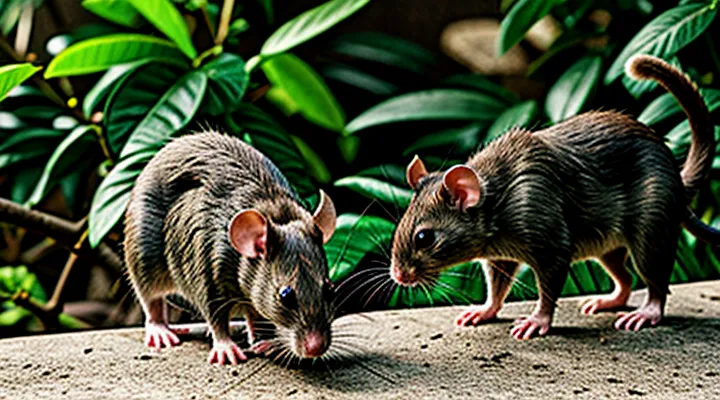
Rats are omnivorous mammals that obtain most of their energy from plant material, supplemented by animal protein when available. In the wild, their diet consists primarily of seeds, grains, nuts, fruits, vegetables, and occasional insects or small vertebrates. This dietary flexibility allows rats to thrive in diverse habitats, from fields to urban environments.
Typical natural food sources include:
- Whole grains such as wheat, barley, and rice
- Seeds from grasses and legumes
- Nuts like acorns and peanuts
- Fresh fruits (berries, apples, grapes) and vegetables (roots, leafy greens)
- Invertebrates (worms, beetles) and occasional carrion
Understanding the composition of a rat’s natural diet is essential when assessing the safety of novel foods, such as lychee. Lychee contains sugars, organic acids, and a toxin called hypoglycin A, which can affect mammals that lack specific metabolic pathways. Because rats normally ingest a balanced mix of carbohydrates, proteins, and fibers, introducing a fruit high in simple sugars and potential toxins requires comparison with their regular intake levels. If the lychee’s nutrient profile exceeds typical fruit consumption or introduces compounds absent from their usual diet, the risk of adverse effects increases. Consequently, any safety evaluation must reference the baseline nutritional and toxicological parameters of a rat’s natural feeding habits.
Essential Nutrients for Rats
Rats require a diet that supplies protein, fat, carbohydrates, vitamins, minerals, water, and fiber in precise ratios to support growth, reproduction, and immune function. Protein sources such as soy, casein, or animal meal provide essential amino acids; fats from vegetable oils deliver energy and aid absorption of fat‑soluble vitamins; complex carbohydrates from grains supply sustained glucose.
Key vitamins include:
- Vitamin A – vision, epithelial health
- Vitamin D – calcium metabolism
- Vitamin E – antioxidant protection
- Vitamin K – blood clotting
- B‑complex (B1, B2, B6, B12, niacin, pantothenic acid, folic acid) – energy metabolism, nerve function
- Vitamin C – not essential for rats but beneficial in high‑stress conditions
Critical minerals are:
- Calcium and phosphorus – skeletal development, 2:1 ratio preferred
- Magnesium – enzymatic reactions, nerve conduction
- Potassium and sodium – fluid balance, nerve transmission
- Iron – hemoglobin synthesis
- Zinc, copper, selenium – immune response, antioxidant enzymes
Adequate water intake is mandatory; fiber from cellulose supports gastrointestinal motility.
Lychee fruit contains high levels of simple sugars, moderate vitamin C, and trace amounts of potassium. It lacks protein, essential fatty acids, and most vitamins and minerals required for rat health. Moreover, lychee seeds and rind harbor compounds that can cause toxicity if ingested. Consequently, lychee should be treated solely as an occasional treat, limited to less than 5 % of total caloric intake, and never replace a nutritionally complete rodent chow. Regular feeding of a balanced diet remains the only reliable method to meet the essential nutrient requirements of rats.
Lychee: A Fruit Overview
Nutritional Profile of Lychee
Lychee (Litchi chinensis) is a tropical fruit with a thin, edible skin and a juicy, translucent flesh surrounding a single seed. Fresh lychee contains primarily water and carbohydrates, with modest amounts of protein and negligible fat.
- Energy: approximately 66 kcal per 100 g fresh weight.
- Carbohydrates: 16.5 g, of which about 15 g are sugars (fructose, glucose, sucrose).
- Dietary fiber: 1.3 g, contributing to modest bulking effects.
- Protein: 0.8 g, providing limited amino acids.
- Fat: 0.4 g, mainly unsaturated.
- Vitamin C: 71 mg (119 % of the human RDA), a potent antioxidant.
- B‑vitamins: small quantities of thiamine, riboflavin, niacin, and vitamin B6.
- Minerals: potassium 171 mg, copper 0.2 mg, magnesium 10 mg, and trace iron.
The high sugar content supplies rapid energy but may cause gastrointestinal upset in rodents if consumed in excess. Vitamin C levels exceed the requirement of most laboratory rats, offering antioxidant benefits, while the low fat and protein provide limited nutritional value. Fiber amount is insufficient to support normal rodent gut motility when lychee replaces standard fiber sources. Consequently, lychee can be offered to rats only as an occasional treat, with portion sizes limited to avoid hyperglycemia and digestive disturbance.
Potential Benefits of Lychee for Humans
Lychee (Litchi chinensis) delivers a concentrated mix of nutrients, antioxidants, and bioactive compounds that influence human physiology. The fruit’s edible flesh supplies vitamin C at levels exceeding many citrus varieties, while also providing B‑vitamins, potassium, copper, and modest protein.
Key health effects attributed to lychee consumption include:
- Antioxidant activity: Polyphenols, flavonoids, and vitamin C neutralize free radicals, reducing oxidative stress.
- Immune support: High vitamin C content enhances leukocyte function and antibody production.
- Cardiovascular regulation: Potassium assists in blood‑pressure control; flavonoids improve endothelial function and may lower LDL oxidation.
- Anti‑inflammatory response: Anthocyanins and other phenolics inhibit pro‑inflammatory pathways, contributing to reduced chronic inflammation.
- Metabolic influence: Low glycemic index and fiber content aid glucose stability and promote satiety, supporting weight‑management efforts.
These benefits are relevant when evaluating the safety of lychee exposure in animal models. Evidence of positive physiological outcomes in humans informs risk‑benefit analyses for laboratory rodents, guiding dosage limits and monitoring parameters in toxicological studies.
Can Rats Eat Lychee? The Safety Assessment
Components of Lychee and Their Effect on Rats
Seeds and Their Toxicity
Lychee seeds contain a concentration of cyanogenic glycosides, primarily amygdalin, which release hydrogen cyanide when metabolized. In rodents, ingestion of these compounds can cause rapid onset of respiratory distress, convulsions, and potentially fatal outcomes. Experimental data indicate that a dose of 0.5 mg cyanide per kilogram body weight can produce observable toxic effects in rats; the seed’s cyanide yield approaches this threshold when a rat consumes more than a few grams of raw seed material.
Key toxicological characteristics of lychee seeds:
- Cyanogenic glycoside content: 0.5–1.5 % of seed dry weight, variable with cultivar and maturity.
- Acute toxicity: Symptoms appear within minutes of ingestion, including panting, tremors, and loss of coordination.
- Lethal dose (LD₅₀): Approximately 150 mg kg⁻¹ for cyanide derived from amygdalin in rats, translating to roughly 30–60 g of whole seed for a 200‑g animal.
Processing methods such as boiling or roasting reduce cyanide availability by up to 80 %, yet residual levels often remain above safe limits for laboratory rodents. Consequently, any dietary trial involving lychee fruit for rats must exclude seeds entirely or employ rigorously quantified, detoxified seed extracts with documented cyanide concentrations below 0.1 mg kg⁻¹.
For safety assessments concerning rat consumption of lychee, the following protocol is advisable:
- Verify seed removal by visual inspection and mechanical separation.
- Conduct cyanide assay on any processed seed material intended for inclusion.
- Limit exposure to seed‑derived products to concentrations that do not exceed 0.05 mg cyanide per kilogram of rat diet.
- Monitor subjects for acute neurological signs during the first hour after feeding and for delayed effects over 24 hours.
Adhering to these guidelines ensures that the toxic potential of lychee seeds does not compromise the health of rats in experimental or pet‑care settings.
Flesh: Sugars and Fiber Content
Lychee flesh contains a high proportion of simple sugars, primarily fructose, glucose, and sucrose. Typical values range from 12 % to 15 % total sugars by fresh weight, with fructose representing the majority. Rapid absorption of these monosaccharides can cause a swift rise in blood glucose levels, which may overwhelm the metabolic capacity of small rodents. Excessive glucose influx can lead to transient hyperglycemia, increased insulin secretion, and, in extreme cases, hypoglycemic rebound after insulin peaks subside.
Fiber in lychee pulp is relatively low, averaging 1 % to 2 % of fresh mass. The soluble fraction consists mainly of pectin and small amounts of hemicellulose, while insoluble fiber is minimal. Limited dietary fiber reduces the bulk of gastrointestinal contents, potentially decreasing stool bulk and slowing transit time. For rats, inadequate fiber may affect gut microbiota balance and diminish the natural satiety signals that fiber typically provides.
Key considerations for rat consumption:
- Sugar load: High simple sugar content can strain pancreatic function and alter glucose homeostasis.
- Fiber deficit: Minimal fiber offers little benefit for digestive health and may exacerbate constipation risk.
- Caloric density: Combined sugar and low fiber result in a calorie‑dense food, increasing the likelihood of rapid weight gain if offered regularly.
Overall, the sugar‑rich, fiber‑poor profile of lychee flesh suggests that occasional, limited exposure is unlikely to cause acute toxicity, but frequent or large‑quantity feeding could disrupt metabolic and gastrointestinal stability in rats.
Potential Risks of Feeding Lychee to Rats
Digestive Upset
Lychee fruit contains several compounds that can irritate the gastrointestinal tract of rats. The high sugar concentration creates an osmotic load, drawing water into the intestinal lumen and potentially inducing diarrhea. Additionally, lychee skin and seeds harbor hypoglycin‑related toxins that may damage mucosal cells, leading to abdominal pain and reduced feed intake.
Observed signs of digestive upset in rats after lychee exposure include:
- Soft or watery stools, sometimes with mucus
- Decreased food consumption and weight loss
- Hunched posture and reduced activity
- Occasional vomiting in young or highly stressed individuals
Experimental data suggest that a single oral dose of 0.5 g lychee flesh per kilogram body weight can trigger mild diarrhea, while doses exceeding 1 g kg⁻¹ raise the incidence of severe gastrointestinal distress. Toxicity rises sharply when the fruit’s rind or seed is ingested, as these parts contain higher concentrations of the harmful alkaloids.
Preventive measures focus on limiting lychee to a maximum of 0.2 g kg⁻¹ of edible flesh and excluding all rind and seed material. Monitoring stool consistency and body weight for 48 hours after exposure provides early detection of adverse effects. If diarrhea persists beyond 24 hours or is accompanied by lethargy, supportive care—such as fluid replacement and a temporary return to a bland diet—should be administered.
Sugar Content and Health Issues
Lychee fruit contains approximately 15 %–20 % total sugars by weight, primarily fructose, glucose, and sucrose. A single medium lychee (about 10 g) provides roughly 1.5 g of sugar, which represents a significant portion of a rat’s daily carbohydrate intake when compared with standard rodent chow that contains 4 %–5 % sugars.
High sugar consumption can lead to several health complications in rodents:
- Rapid blood glucose spikes, increasing the risk of insulin resistance.
- Weight gain and adipose tissue accumulation.
- Dental decay due to acid production by oral bacteria.
- Gastrointestinal disturbances, including diarrhea and bloating.
Rats possess limited ability to metabolize large fructose loads; excessive intake may overload hepatic pathways, causing lipid accumulation in the liver. Moreover, lychee seeds contain cyanogenic glycosides, which can release toxic cyanide when metabolized, adding a separate hazard beyond sugar content. For safe inclusion of lychee in a rat diet, limit portions to less than 5 % of total daily calories and ensure seeds are completely removed.
Choking Hazards
Lychee flesh is soft, but the seed is hard, spherical, and larger than a rat’s typical food particle. When a rat attempts to ingest the seed, the risk of airway obstruction rises sharply. The seed’s smooth surface can slip past the tongue and lodge in the trachea, especially in younger or smaller individuals.
Key choking factors include:
- Size: the seed exceeds the diameter of a rat’s esophageal opening, creating a mechanical block.
- Shape: a round, unbroken object resists dislodgement once lodged.
- Texture: the hard outer shell prevents rapid breakdown by saliva or gastric juices.
- Behavioral tendency: rats may bite into whole fruit without removing the seed, increasing exposure.
Mitigation measures:
- Remove the seed completely before offering lychee pieces.
- Cut flesh into bite‑size cubes no larger than 0.5 cm.
- Supervise initial feedings to confirm the rat chews thoroughly.
- Provide alternative, seed‑free treats for comparative palatability testing.
Adhering to these precautions eliminates the primary choking hazard associated with lychee consumption in rats.
How to Introduce New Foods to Rats
General Guidelines for Feeding Fruits to Rats
Rats can include fruit as an occasional supplement, but each type requires careful evaluation for toxicity, sugar content, and preparation method. When considering lychee, apply the same criteria used for all fruits to ensure safety.
- Offer fruit in small portions, no larger than a pea‑sized piece per 100 g of body weight.
- Remove seeds, pits, and skins that may contain harmful compounds or pose choking hazards.
- Rinse fruit thoroughly to eliminate pesticide residues; prefer organic or thoroughly washed produce.
- Introduce new fruit gradually, monitoring for digestive upset, changes in behavior, or loss of appetite.
- Limit overall fruit intake to less than 10 % of the total daily caloric intake to prevent obesity and nutrient imbalance.
- Store fresh fruit in the refrigerator for no more than 24 hours; discard any that becomes soft, moldy, or fermented.
- Provide fresh water at all times; ensure that fruit does not replace water consumption.
Applying these guidelines to lychee means serving only the peeled, seed‑free flesh in the prescribed amount, observing the rat’s response, and maintaining strict hygiene. Consistent adherence reduces the risk of toxicity and supports a balanced diet.
Portion Control and Frequency
Lychee can be offered to rats as an occasional treat, but strict control of amount and timing is essential to prevent gastrointestinal upset and potential toxicity from the fruit’s natural compounds. A single, small piece—approximately the size of a pea—provides a safe exposure without overwhelming the animal’s digestive system.
- Maximum portion per serving: 0.5 cm³ of flesh (about one–two grams).
- Maximum frequency: No more than twice per week, with at least 48 hours between servings.
- Preparation guidelines: Remove the seed completely, peel the skin, and wash the flesh to eliminate residues. Offer only fresh, ripe fruit; discard any that shows signs of spoilage.
- Monitoring protocol: Observe the rat for 24 hours after each feeding. Record any signs of diarrhea, reduced appetite, or lethargy. If adverse effects appear, discontinue lychee and consult a veterinarian.
Adhering to these limits ensures that lychee remains a low‑risk supplement within a balanced rodent diet.
Monitoring for Adverse Reactions
When assessing the safety of lychee intake for laboratory rodents, systematic observation of health indicators is essential. Researchers must record baseline physiological parameters before exposure and compare them to measurements taken during and after feeding trials.
Effective monitoring includes:
- Daily visual inspection for signs such as lethargy, tremors, or abnormal grooming.
- Measurement of body weight and food consumption to detect reduced intake or weight loss.
- Recording of core temperature and respiratory rate to identify fever or respiratory distress.
- Collection of blood samples at predetermined intervals for hematology, serum biochemistry, and markers of organ function.
- Post‑mortem examination of major organs (liver, kidney, heart, brain) to reveal histopathological changes.
Data analysis should focus on deviations from baseline values and control groups. Any statistically significant alteration in the listed parameters warrants immediate cessation of the test diet and further investigation to determine causality.
Alternative Safe Fruit Options for Rats
Recommended Fruits for Rat Consumption
Rats can enjoy a variety of fruits that provide essential vitamins, minerals, and fiber while posing minimal health risks. When selecting fruit for laboratory or pet rodents, prioritize items that are low in sugar, free of pits, and easy to digest.
- Apples (core removed, skin optional)
- Blueberries (fresh or frozen, no added sugar)
- Strawberries (hull removed, cut into bite‑size pieces)
- Bananas (thin slices, limited quantity due to high potassium)
- Pears (core removed, skin optional)
- Mango (flesh only, no seed)
- Cantaloupe (seedless, flesh only)
Each fruit should be offered in moderation, typically no more than 5 % of the daily diet by weight. Wash thoroughly to eliminate pesticide residues, and introduce new items gradually to monitor for digestive upset or allergic reactions. Avoid fruits containing toxic compounds such as pits, seeds, or high oxalate levels.
Fruits to Avoid
Rats tolerate many fruits, yet several varieties present toxic risks that outweigh any nutritional benefit. When evaluating lychee safety, awareness of these hazardous fruits is essential.
- Citrus seeds (e.g., orange, lemon, lime): contain cyanogenic glycosides that release cyanide upon digestion, causing respiratory distress and potential fatality.
- Stone fruit pits (e.g., cherry, peach, apricot, plum): harbor amygdalin, another cyanogenic compound that can lead to acute poisoning.
- Apple and pear cores: include small amounts of cyanide-producing substances; ingestion of whole cores may result in gastrointestinal irritation.
- Grapes and raisins: linked to renal failure in rodents; even limited consumption can impair kidney function.
- Avocado flesh and pit: contain persin, a fatty acid derivative toxic to many mammals, producing respiratory and cardiac complications.
- Tomato leaves and stems: high in solanine, a glycoalkaloid that induces neurological symptoms and digestive upset.
- Unripe or overripe bananas: excess potassium and sugar fluctuations can trigger metabolic imbalance and diarrhea.
Excluding these fruits from a rat’s diet eliminates known sources of cyanide, renal toxicity, and organ failure, thereby providing a safer baseline for assessing lychee’s suitability as a dietary item.