
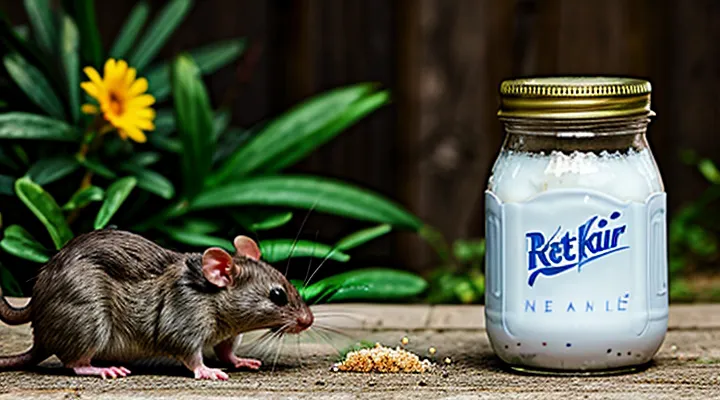
Understanding Rat Dietary Needs
Essential Nutritional Requirements for Rats
Macronutrients
Kefir contains three primary macronutrients: protein, fat, and carbohydrates. Typical fermented milk provides approximately 3–4 g of protein, 2–3 g of fat, and 4–5 g of lactose per 100 ml, with variations depending on brand and fermentation time.
Laboratory rats require a diet that supplies around 15–20 % of calories from protein, 5–10 % from fat, and the remainder from carbohydrates. Protein supports growth and tissue repair; fat supplies essential fatty acids and energy; carbohydrates serve as the main energy source.
When assessing kefir for rat consumption, the macronutrient profile aligns with these requirements, but the lactose content may exceed the digestive capacity of adult rats, potentially causing gastrointestinal distress. Monitoring intake and limiting portions can mitigate this risk.
Key macronutrient considerations
- Protein: 3–4 g / 100 ml – meets a portion of daily protein needs.
- Fat: 2–3 g / 100 ml – contributes essential fatty acids.
- Carbohydrates (lactose): 4–5 g / 100 ml – may be poorly tolerated in large amounts.
Micronutrients
Kefir provides a spectrum of micronutrients that can influence rodent health when included in a diet. The beverage contains vitamins B12, B2, B6, K2, and trace amounts of vitamin D, each contributing to enzymatic activity, red blood cell formation, and bone metabolism. Minerals such as calcium, magnesium, phosphorus, zinc, and selenium are present in concentrations comparable to low‑fat dairy products, supporting skeletal integrity, immune function, and antioxidant defenses.
Rats metabolize these nutrients similarly to other mammals, yet their dietary requirements differ from humans. Vitamin B12 intake above 0.1 µg g⁻¹ diet can prevent anemia, while excess calcium may predispose to urinary calculi. The balance of minerals in kefir generally aligns with recommended rodent levels, but variability in commercial formulations can lead to occasional spikes in sodium or added sugars, which are undesirable for laboratory or pet rats.
Potential benefits of incorporating kefir‑derived micronutrients include:
- Enhanced gut flora diversity, indirectly improving nutrient absorption.
- Improved coat quality through adequate zinc and biotin supply.
- Support for bone density via calcium‑phosphate ratio.
Risks to consider:
- Lactose intolerance in some rats, causing gastrointestinal upset.
- Over‑supplementation of fat‑soluble vitamins (K2, D) if kefir is fed in large volumes.
- Presence of probiotic strains that may outcompete native microbiota, leading to dysbiosis.
A prudent feeding regimen limits kefir to 5–10 % of total daily caloric intake, monitors for signs of intolerance, and supplements any identified deficiencies with rodent‑specific formulations. This approach maximizes the micronutrient advantages of kefir while maintaining nutritional balance for rats.
Kefir: Nutritional Profile and Potential Benefits
What is Kefir?
Fermentation Process
Kefir results from the controlled fermentation of milk by a symbiotic culture of bacteria and yeasts. The process begins when the microbial consortium is introduced to fresh milk, where it metabolizes lactose and other sugars.
- Bacterial strains (Lactobacillus, Lactococcus) convert lactose into lactic acid, decreasing pH.
- Yeasts (Saccharomyces, Kluyveromyces) produce ethanol and carbon dioxide, creating a slightly effervescent texture.
- The acidified environment inhibits spoilage organisms, stabilizing the product for several weeks.
The biochemical transformations reduce lactose concentration, increase concentrations of short‑chain fatty acids, and generate live probiotic cells. These changes improve digestibility and introduce microbial species that can modulate gut flora.
Rats possess limited lactase activity, which restricts their ability to process raw milk. The lowered lactose content in fermented kefir lessens the risk of gastrointestinal distress. Probiotic microorganisms may support intestinal health, but high acidity or excessive probiotic load could provoke irritation. Therefore, moderate inclusion of kefir in a rat’s diet may be permissible, provided the product is fresh, unsweetened, and introduced gradually.
Nutritional Composition of Kefir
Kefir is a fermented dairy product derived from milk inoculated with a symbiotic culture of bacteria and yeasts. Its macronutrient profile per 100 g of plain kefir typically includes:
- Protein: 3.0–3.5 g, comprising casein and whey fractions that supply essential amino acids.
- Fat: 1.5–2.0 g, predominantly short‑chain saturated and monounsaturated fatty acids.
- Carbohydrate: 4.0–5.0 g, mainly lactose partially broken down during fermentation.
- Energy: 45–60 kcal.
Micronutrient content varies with the milk source but generally provides:
- Calcium: 120–130 mg, supporting bone mineralization.
- Phosphorus: 90–100 mg, involved in cellular energy metabolism.
- Vitamin B12: 0.4–0.5 µg, essential for red‑blood‑cell formation.
- Riboflavin (B2): 0.15–0.20 mg, facilitating oxidative reactions.
- Vitamin D: 0.2–0.4 µg, enhancing calcium absorption.
Fermentation generates a dense population of live microorganisms, typically 10⁸–10⁹ colony‑forming units per milliliter. Dominant species include Lactobacillus, Lactococcus, Leuconostoc, and yeasts such as Saccharomyces. These probiotics contribute to gut‑microbiota modulation and short‑chain fatty‑acid production.
For rodents, the nutritional composition aligns with the requirements of omnivorous laboratory strains. Protein and calcium levels meet standard dietary guidelines, while the reduced lactose content lessens the risk of intolerance. The probiotic load offers a potential benefit for gastrointestinal health, provided the strain mix does not contain pathogens.
In summary, kefir delivers a balanced blend of proteins, fats, carbohydrates, essential vitamins, and minerals, supplemented by a high density of beneficial microbes. This composition supports the physiological needs of rats when incorporated as a supplemental component of a controlled diet.
Potential Health Benefits of Kefir for Humans
Probiotics and Gut Health
Rats readily accept kefir when it is offered, but the decision to include this fermented dairy product in their diet should consider the interaction between kefir’s probiotic cultures and the rodent gastrointestinal system. Kefir contains Lactobacillus, Bifidobacterium, and yeast strains that can colonize the intestinal mucosa, potentially enhancing microbial diversity and stabilizing the gut environment. In laboratory studies, supplementation with kefir‑derived microbes increased the abundance of beneficial bacteria, reduced the prevalence of opportunistic pathogens, and promoted short‑chain fatty acid production, which supports epithelial integrity.
Key factors influencing the suitability of kefir for rats include:
- Lactose tolerance: Adult rats possess limited lactase activity; excessive lactose may cause osmotic diarrhea. Fermentation reduces lactose content, yet residual amounts remain and should be monitored.
- Probiotic strain compatibility: Species native to kefir differ from those commonly found in the rat gut. Some strains may transiently colonize without adverse effects, while others could compete with resident microbes.
- Quantity and frequency: Small servings (approximately 1 ml per 100 g body weight) introduced gradually allow the gut microbiota to adapt, minimizing disruption.
- Health status: Animals with compromised immune function or existing gastrointestinal disorders may react unpredictably to live cultures.
Research indicates that moderate kefir consumption can improve intestinal barrier function, as reflected by lower serum endotoxin levels and enhanced expression of tight‑junction proteins in rodent models. Moreover, probiotic enrichment has been linked to improved nutrient absorption and a modest increase in growth rates when paired with a balanced base diet.
In practice, incorporating kefir as an occasional supplement—rather than a primary food source—provides probiotic benefits without overwhelming the rat’s digestive capacity. Continuous monitoring of stool consistency, weight gain, and behavior ensures that the introduction of fermented dairy aligns with overall health objectives.
Vitamins and Minerals
Kefir provides a range of vitamins and minerals that can contribute to the nutritional profile of laboratory or pet rodents. Vitamin B12, riboflavin (B2), and niacin (B3) appear in measurable quantities, supporting metabolic processes such as energy production and DNA synthesis. Calcium and phosphorus are abundant, promoting bone development and maintenance. Magnesium, potassium, and sodium are present in levels that aid electrolyte balance and nerve function.
When evaluating kefir as a dietary supplement for rats, consider the following nutrient contributions:
- Vitamin B12: Facilitates red blood cell formation and neurological health.
- Riboflavin (B2): Involved in oxidative metabolism and cellular respiration.
- Niacin (B3): Supports digestive enzyme activity and skin integrity.
- Calcium: Essential for skeletal strength and muscle contraction.
- Phosphorus: Works with calcium to sustain bone tissue and cellular signaling.
- Magnesium: Regulates enzymatic reactions and stabilizes DNA.
- Potassium: Maintains cellular fluid balance and cardiac rhythm.
Excessive intake of kefir may introduce undue amounts of lactose and fat, potentially leading to gastrointestinal upset in rats prone to lactose intolerance. Moderation, such as a teaspoon per kilogram of body weight offered two to three times weekly, typically prevents adverse effects while delivering the outlined micronutrients.
Scientific literature indicates that short‑term inclusion of kefir in rodent diets does not compromise health markers when administered within the suggested limits. Long‑term feeding strategies should be balanced with standard rodent chow to ensure comprehensive nutrient coverage and avoid imbalances.
Evaluating Kefir for Rat Consumption
Potential Risks and Concerns
Lactose Content and Rat Digestion
Kefir contains approximately 3–5 % lactose, depending on fermentation time and starter culture. The majority of lactose is hydrolyzed by lactic‑acid bacteria and yeasts, leaving a residual amount that varies between 0.5 % and 2 % in the final product.
Rats possess intestinal lactase activity that declines after weaning. Adult laboratory rats typically exhibit 20–40 % of the lactase activity observed in neonates. Consequently, they can metabolize modest lactose loads but may experience malabsorption when intake exceeds enzymatic capacity.
Key considerations for offering kefir to rats:
- Residual lactose ≈ 0.5–2 % of the product; small servings (<1 g per 100 g body weight) generally remain within tolerable limits.
- High‑lactose batches can provoke osmotic diarrhea, reduced nutrient absorption, and altered gut microbiota.
- Fermentation byproducts (short‑chain fatty acids, probiotics) may confer digestive benefits, provided lactose does not trigger intolerance.
When introducing kefir, start with minimal quantities, monitor fecal consistency, and adjust or discontinue if signs of lactose intolerance appear.
Acidity Levels
Kefir’s acidity typically ranges from pH 4.0 to 4.5, reflecting the presence of lactic acid, acetic acid, and other organic acids produced during fermentation. This pH level is mildly acidic compared with many dairy products, yet it remains within the tolerance range of rodent digestive systems when introduced gradually.
Rats possess a stomach environment capable of neutralizing moderate acidity, and their intestinal microbiota can adapt to fermentable substrates such as those found in kefir. However, excessive acidity may cause gastric irritation, reduced feed intake, or transient diarrhea.
Key considerations for evaluating kefir’s suitability for rats:
- pH measurement – confirm the product’s pH falls between 4.0 and 4.5; lower values indicate higher acidity and greater risk of discomfort.
- Gradual introduction – start with 0.5 ml of kefir per 100 g body weight, observe for adverse reactions, and increase only if tolerance is evident.
- Frequency – limit servings to once daily; repeated exposure to acidic content can alter gastric pH balance.
- Monitoring – track weight, stool consistency, and behavior for signs of distress; discontinue if negative effects appear.
When acidity remains within the specified range and administration follows the outlined protocol, kefir can be incorporated into a rat’s diet without immediate health concerns. Persistent exposure to higher acidity levels warrants cessation and veterinary consultation.
Alcohol Content
Kefir contains a small amount of ethanol produced during fermentation. Typical concentrations range from 0.1 % to 0.5 % alcohol by volume (ABV), with some artisanal batches reaching up to 1 % ABV. The exact level depends on fermentation time, temperature, and starter culture activity.
Rats metabolize ethanol similarly to other mammals, converting it to acetaldehyde and then to acetate via hepatic enzymes. Low ethanol concentrations, such as those found in standard kefir, do not produce acute toxicity in healthy adult rats when consumed in modest quantities. However, repeated ingestion of kefir containing higher alcohol levels may lead to:
- Elevated blood ethanol concentrations
- Impaired motor coordination
- Increased oxidative stress in liver tissue
- Potential alteration of gut microbiota composition
Experimental protocols that include kefir as a dietary component for rats typically limit intake to 5 ml per day, ensuring ethanol exposure remains below 0.05 g/kg body weight—a dose regarded as safe for short‑term studies. Chronic studies advise monitoring liver enzyme activity and behavioral markers to detect subclinical effects.
In summary, the ethanol present in kefir is low enough to be considered non‑lethal for rats under controlled feeding conditions, but researchers must account for cumulative alcohol exposure when designing long‑term experiments.
Added Ingredients in Commercial Kefir
Commercial kefir sold in supermarkets differs from traditional homemade versions by containing a range of added components designed to extend shelf life, enhance flavor, or improve texture. These additives are not part of the natural kefir grain fermentation process and vary among brands and product types.
Typical added ingredients include:
- Stabilizers: gelatin, pectin, carrageenan, or modified starches that maintain viscosity.
- Preservatives: potassium sorbate, sodium benzoate, or natamycin to inhibit spoilage microorganisms.
- Flavor enhancers: natural or artificial fruit extracts, vanilla, honey, or sugar substitutes.
- Sweeteners: sucrose, high‑fructose corn syrup, or non‑caloric alternatives such as stevia.
- Fortifiers: calcium carbonate, vitamin D, or probiotic isolates added in concentrated form.
- Thickeners: xanthan gum or guar gum to achieve a creamier consistency.
For laboratory or pet rodents, the presence of stabilizers, preservatives, and excess sugars introduces potential health risks. Gelatin and carrageenan can provoke gastrointestinal irritation, while potassium sorbate may affect liver enzyme activity. High sugar levels can lead to dysbiosis and obesity in rats, compromising experimental outcomes or animal welfare.
When assessing kefir suitability for rats, select products that list only live cultures and plain milk, without added stabilizers, preservatives, or sweeteners. Alternatively, prepare kefir at home using kefir grains to ensure a composition limited to fermented milk and beneficial microbes.
Safe Introduction and Moderation
Small Quantities and Frequency
Rats tolerate kefir only when it is offered in minimal portions. A single teaspoon (approximately 5 ml) per adult rat provides sufficient probiotic exposure without overwhelming the digestive system. Larger volumes can cause diarrhea or upset stomach due to the product’s acidity and live cultures.
Frequency should remain low. Providing kefir once or twice a week allows the gut microbiota to adjust while preventing habituation to the dairy product. Daily administration increases the risk of lactose intolerance symptoms, especially in strains lacking the necessary lactase activity.
Guidelines for safe inclusion:
- Serve chilled kefir at room temperature; avoid heating.
- Observe each rat for changes in stool consistency after the first exposure.
- Limit the regimen to one–two servings per week, not exceeding 5 ml per serving.
Observing for Adverse Reactions
When introducing kefir to laboratory rats, systematic observation of adverse reactions is essential for reliable conclusions about safety. Prior to feeding, establish a baseline of normal behavior, weight, and stool consistency for each subject. After the first exposure, record any deviations at regular intervals—15 minutes, 1 hour, 4 hours, and 24 hours post‑intake.
Key indicators of intolerance include:
- Diarrhea or unusually soft feces
- Vomiting or regurgitation (rare in rodents but possible)
- Lethargy, reduced activity, or tremors
- Respiratory distress, such as rapid breathing or audible wheezing
- Sudden weight loss exceeding 5 % of baseline within 48 hours
- Visible inflammation of the oral cavity or gastrointestinal tract upon necropsy
Document each symptom with time stamp, severity rating (mild, moderate, severe), and duration. Use a standardized scoring sheet to enable statistical comparison between test and control groups. Controls should receive an equivalent volume of water or a neutral vehicle to isolate effects attributable to kefir.
If any severe signs appear—persistent vomiting, marked weight loss, or respiratory compromise—terminate the trial for the affected animal and provide appropriate veterinary care. Repeat the observation protocol with a reduced kefir concentration before escalating dosage, ensuring that cumulative exposure does not exceed the established safety threshold.
Long‑term monitoring, extending to at least two weeks after the final feeding, helps detect delayed hypersensitivity or chronic gut disturbances. Compile all data into a structured dataset for analysis of incidence rates, dose‑response relationships, and potential strain‑specific sensitivities. This rigorous approach yields credible evidence on whether kefir consumption poses health risks to rats.
Alternatives to Kefir
Rats require a balanced diet that supplies protein, fiber, vitamins, and beneficial microbes. When kefir is unsuitable or unavailable, several alternatives can provide comparable probiotic and nutritional benefits.
- Plain yogurt (unsweetened, low‑fat) supplies live cultures similar to kefir, though the texture is thicker and the bacterial strains differ slightly.
- Fermented vegetable mash, such as finely shredded cabbage or carrot kimchi, introduces lactic‑acid bacteria without dairy.
- Commercial rodent probiotic supplements, formulated with strains like Lactobacillus acidophilus and Bifidobacterium, deliver targeted microbial support.
- Small amounts of buttermilk or cultured milk provide a milder dairy probiotic source, easier for rats to digest than kefir’s higher acidity.
Each option should be introduced gradually, monitoring the animal for digestive tolerance. Nutrient composition varies; for example, yogurt contains calcium and protein, while fermented vegetables add fiber and antioxidants. Selecting an alternative depends on the rat’s health status, dietary preferences, and the caretaker’s ability to maintain freshness.
When incorporating any substitute, maintain overall diet consistency: fresh water, high‑quality rodent pellets, and occasional fresh fruits or vegetables. Regular veterinary consultation ensures that probiotic intake aligns with the animal’s nutritional requirements and prevents imbalances.
Expert Opinions and Veterinarian Recommendations
General Guidelines for Feeding Rats
Rats require a diet that supplies essential nutrients, supports growth, and maintains digestive health. Commercially formulated rat pellets provide a reliable base, delivering balanced protein, fat, fiber, vitamins, and minerals. Fresh produce should complement pellets, offering additional vitamins and hydration.
- Offer a variety of vegetables such as carrots, broccoli, and leafy greens; limit citrus and high‑acid items.
- Provide small portions of fruit like apple, banana, or berries; avoid seeds and pits that may be toxic.
- Include protein sources such as boiled egg, cooked chicken, or mealworms; keep quantities modest to prevent excess fat.
- Ensure constant access to clean, fresh water; replace daily to prevent contamination.
- Introduce any new food gradually, observing for changes in stool, behavior, or appetite.
- Avoid foods known to be harmful: chocolate, caffeine, alcohol, raw beans, and high‑salt or high‑sugar snacks.
- Limit treats to no more than 10 % of total intake; use them for enrichment rather than nutrition.
Kefir, a fermented dairy product rich in probiotics, can be offered in very small amounts (no more than a teaspoon per week) to test tolerance. Observe for signs of diarrhea, bloating, or reduced appetite; discontinue if adverse reactions appear. Kefir should never replace the primary diet and must be plain, without added sugars or flavorings.
When to Consult a Veterinarian
Rats may tolerate kefir, but any adverse reaction warrants professional evaluation. Recognize the following situations as reasons to seek veterinary assistance:
- Persistent diarrhea or vomiting after kefir intake.
- Noticeable weight loss or failure to thrive.
- Lethargy, tremors, or uncoordinated movements.
- Swelling, redness, or discharge around the mouth, eyes, or genitals.
- Blood in stool or urine.
If any of these signs appear, contact a veterinarian promptly. Early intervention prevents complications such as dehydration, electrolyte imbalance, or gastrointestinal infection. Provide the clinician with details about the kefir type, amount offered, and the rat’s overall diet and health history. This information enables accurate diagnosis and appropriate treatment.