
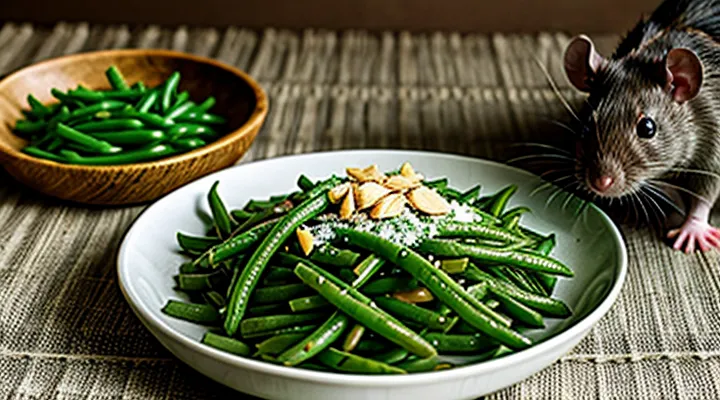
Nutritional Benefits of Green Beans for Rats
Vitamins and Minerals in Green Beans
Vitamin K
Vitamin K is a fat‑soluble micronutrient essential for blood clotting and bone metabolism in mammals. Green beans contain measurable amounts of vitamin K₁ (phylloquinone), typically 15–20 µg per 100 g of fresh tissue. When rats ingest green beans, they receive this nutrient alongside other vitamins, minerals, and fiber.
In rodents, dietary vitamin K requirements are modest. Studies on laboratory rats indicate a minimum intake of about 0.1 mg kg⁻¹ day⁻¹ to maintain normal coagulation. The vitamin K content of a standard serving of green beans exceeds this baseline, suggesting that occasional consumption contributes positively to the animal’s nutrient balance without risk of excess.
Potential concerns arise only if green beans replace a balanced diet. Overreliance on a single food source could lead to deficiencies in protein, essential fatty acids, or other vitamins. However, vitamin K toxicity is rare because excess amounts are metabolized and excreted efficiently.
Key points for rat caretakers:
- Green beans provide 15–20 µg vitamin K per 100 g fresh weight.
- Minimum daily vitamin K requirement for rats ≈ 0.1 mg kg⁻¹.
- Regular inclusion of small portions (≤ 20 g per 100 g body weight) supports normal clotting function.
- Ensure the overall diet remains nutritionally complete.
Overall, vitamin K present in green beans aligns with the physiological needs of rats, making the vegetable a safe component of a varied diet.
Vitamin C
Rats can safely consume green beans, and the presence of vitamin C in this vegetable contributes to their nutritional balance. Green beans contain approximately 12 mg of vitamin C per 100 g, a level that helps meet the modest requirement of laboratory rats, which need about 15 mg per kilogram of body weight daily. Although rats synthesize vitamin C endogenously, dietary sources can reduce metabolic strain and support immune function.
Key considerations when offering green beans to rats:
- Serve cooked or raw beans in small, bite‑size portions to avoid digestive upset.
- Limit intake to no more than 10 % of the total daily diet to prevent excess fiber.
- Ensure the beans are free of added salts, seasonings, or sauces that could introduce sodium or harmful additives.
Vitamin C from green beans is water‑soluble; excess amounts are excreted in urine, minimizing risk of toxicity. However, prolonged over‑supplementation may interfere with the rat’s natural synthesis pathways, potentially leading to reduced endogenous production. Monitoring overall diet composition maintains the balance between natural synthesis and supplemental intake.
Folate
Folate, a B‑vitamin involved in nucleotide synthesis and methylation, is present in green beans at approximately 30 µg per 100 g of raw weight. Rats require folate for rapid cell division, especially in the intestinal epithelium and during growth phases. When green beans are offered as part of a rat’s diet, the folate contribution can help meet the species‑specific requirement of roughly 2 mg per kilogram of diet on a dry‑matter basis.
Absorption of folate from plant sources occurs primarily in the small intestine through carrier‑mediated transport. Rats efficiently uptake dietary folate, but excess intake can lead to unmetabolized folic acid accumulation, which may interfere with normal vitamin B12 function. Therefore, dietary planning should balance green bean servings with other folate‑rich foods such as leafy greens and fortified pellets.
Key considerations for incorporating green beans into rat nutrition:
- Serve cooked or lightly steamed beans to reduce anti‑nutrient content that can inhibit folate absorption.
- Limit portion size to 10–15 g of fresh beans per 100 g of total diet to avoid excessive folate and fiber.
- Monitor for signs of gastrointestinal upset, which may indicate intolerance to the legume’s oligosaccharides.
- Complement with a balanced commercial rat chow that supplies the remaining essential nutrients, including vitamin B12 and other B‑vitamins.
Overall, green beans provide a measurable amount of folate that can contribute positively to a rat’s nutritional regimen when integrated with a varied diet and appropriate portion control.
Fiber
Rats can include green beans in their diet, but the high dietary fiber they contain requires careful management. Fiber promotes intestinal motility, supports healthy gut flora, and helps prevent constipation. Excessive fiber, however, may lead to loose stools or reduced nutrient absorption if the proportion exceeds the animal’s digestive capacity.
Key considerations for feeding green beans to rats:
- Soluble fiber: slows digestion, moderates blood glucose, and provides short‑chain fatty acids for colon cells.
- Insoluble fiber: adds bulk, accelerates transit, and reduces the risk of fecal impaction when offered in moderate amounts.
- Portion size: a few small pieces (no more than 5 % of total daily intake) supply beneficial fiber without overwhelming the gastrointestinal system.
- Preparation: raw or lightly steamed beans retain most fiber; overcooking reduces texture and may diminish microbial benefits.
Monitoring stool consistency and overall health after introducing green beans will indicate whether the fiber level is appropriate for the individual rat. Adjust quantities accordingly to maintain balanced nutrition and digestive stability.
Antioxidant Properties
Green beans provide a rich source of antioxidants that can influence rat physiology when included in their diet. The primary antioxidant compounds in green beans are flavonoids, phenolic acids, and vitamin C, each contributing to the neutralisation of reactive oxygen species in cellular environments.
- Flavonoids (e.g., quercetin, kaempferol) scavenge free radicals and support enzyme systems that mitigate oxidative stress.
- Phenolic acids (e.g., chlorogenic acid) reduce lipid peroxidation and protect membrane integrity.
- Vitamin C regenerates oxidised antioxidants and participates in collagen synthesis, essential for tissue repair.
Empirical studies demonstrate that rats consuming green beans exhibit lower levels of malondialdehyde, a marker of lipid oxidation, and increased activity of superoxide‑dismutase and catalase enzymes. These biochemical changes suggest that the antioxidant profile of green beans can enhance the oxidative balance in laboratory rodents, potentially improving overall health outcomes.
Potential Risks and Considerations
Choking Hazards
Feeding green beans to rats introduces a potential choking risk that owners must manage. Whole beans, especially when raw, retain a firm, cylindrical structure that can obstruct a small rodent’s airway if swallowed whole.
- Cut beans into pieces no larger than ¼ inch in any dimension.
- Remove the tip and any fibrous strands that could snag the throat.
- Offer only a few pieces at a time to prevent rapid ingestion.
Prepared beans that are softened by cooking become pliable and less likely to block the trachea, but over‑cooking can create mush that adheres to teeth and may cause dental issues. Monitoring each feeding session ensures that the animal chews thoroughly and reduces the chance of accidental blockage.
Pesticide Residue
Washing Green Beans
Properly cleaned green beans are essential when they are offered to laboratory or pet rodents. Residues from cultivation, soil particles, and microbial contaminants can cause digestive upset or introduce pathogens into a rat’s gastrointestinal system. Removing these hazards before feeding ensures that the nutritional benefits of the vegetable are not compromised.
Washing eliminates surface contaminants while preserving the bean’s texture and flavor. The process must be thorough enough to reduce pesticide traces yet gentle enough to avoid bruising the pods, which could accelerate spoilage.
- Rinse beans under cool running water for 30 seconds, using a clean colander.
- Fill a bowl with cold water, add a teaspoon of food‑grade vinegar, and submerge the beans for 2 minutes.
- Agitate gently with clean hands to dislodge adhered particles.
- Drain and rinse again under running water to remove vinegar residue.
- Pat dry with a lint‑free cloth or paper towel before cutting or serving.
After washing, store beans in a sealed container in the refrigerator and use them within 48 hours. Cold storage slows bacterial growth and maintains freshness, reducing the risk of feeding spoiled produce to rats. Following this protocol maximizes safety and nutritional value when green beans are included in a rodent diet.
Organic Options
Rats can include green beans in a balanced diet, provided the beans are free from synthetic chemicals. Selecting organically grown beans eliminates the risk of pesticide exposure, aligning with the species’ sensitivity to contaminants.
Organic green beans supply dietary fiber, vitamin C, vitamin K, and folate. These nutrients support digestive health, immune function, and bone development in rodents. The low‑calorie profile prevents excess energy intake when the vegetable is offered as a supplement rather than a staple.
Safety depends on proper handling. Raw beans must be rinsed thoroughly to remove soil and potential microbes. Cooking is optional; gentle steaming softens the texture, making it easier for the animal to chew, while preserving most nutrients. Avoid adding salt, butter, or seasonings, as these introduce unnecessary sodium and fats.
Guidelines for feeding organic green beans:
- Wash under running water for at least 30 seconds.
- Trim ends and cut into bite‑size pieces (approximately 1 cm).
- Offer 1–2 small pieces per 100 g of body weight, no more than three times weekly.
- Observe the rat for signs of digestive upset; discontinue if diarrhea or vomiting occurs.
Incorporating organically sourced green beans expands dietary variety while minimizing health risks associated with conventional produce.
Allergic Reactions
Green beans are sometimes included in a rat’s diet as a supplemental vegetable, yet some individuals develop hypersensitivity to the plant’s proteins.
Allergic reactions in rats arise when the immune system misidentifies a harmless protein as a threat, producing IgE antibodies that trigger mast cell degranulation. The response can be immediate or delayed, depending on the antigen’s exposure level and the animal’s prior sensitization.
Typical clinical signs include:
- Respiratory distress (rapid breathing, wheezing)
- Skin manifestations (redness, swelling, scratching)
- Gastrointestinal upset (vomiting, diarrhea)
- Lethargy or collapse in severe cases
Veterinarians confirm allergy through observation of symptoms after controlled exposure, skin testing, or serum analysis for specific antibodies. Continuous monitoring during initial feedings helps differentiate true allergy from incidental gastrointestinal irritation.
Management involves immediate removal of the offending food, administration of antihistamines or corticosteroids as prescribed, and supportive care such as fluid therapy. Long‑term prevention requires eliminating green beans and related legumes from the animal’s menu, substituting non‑allergenic vegetables, and documenting the reaction in the pet’s medical record.
How to Prepare Green Beans for Rats
Raw vs. Cooked Green Beans
Rats can consume green beans, but the form in which the beans are offered influences digestibility and health outcomes. Raw green beans retain the full complement of vitamins A, C, and K, as well as fiber and antioxidants. The crisp texture encourages chewing, which promotes dental wear and stimulates saliva production. However, raw beans contain lectins and certain anti‑nutrients that may irritate the gastrointestinal tract of sensitive individuals.
Cooking green beans reduces lectin content and softens cell walls, making nutrients more accessible. Heat denatures proteins that can cause mild inflammation, while preserving most vitamins if the cooking method avoids prolonged exposure to water. Overcooking diminishes vitamin C and can create a mushy consistency that some rats find unappealing, potentially decreasing intake.
Safety considerations include:
- Ensure beans are fresh, free from mold or pesticide residues.
- Serve beans in moderation; excessive fiber can lead to diarrhea.
- Avoid adding salt, butter, or seasonings that are toxic to rodents.
- Introduce new food gradually to monitor for adverse reactions.
In practice, a balanced approach combines occasional raw pieces for dental health with regularly offered lightly steamed beans to maximize nutrient absorption while minimizing digestive stress. Regular observation of weight, coat condition, and stool quality will indicate whether the chosen preparation meets the animal’s nutritional needs.
Cutting and Serving Size
Rats may safely eat green beans when the vegetable is prepared correctly and offered in appropriate amounts. Proper preparation minimizes choking risk and ensures the nutrient content remains intact.
- Wash the beans thoroughly under running water to remove pesticides or soil residue.
- Trim both ends to discard the hard, fibrous tips.
- Slice the bean lengthwise into strips no wider than 0.5 cm (about ¼ inch).
- For very small rats, further cut the strips into bite‑size pieces roughly 0.3 cm (⅛ inch) long.
Serving size should reflect the rat’s overall diet, which is primarily a balanced commercial pellet mix. Green beans are a supplemental treat and should not exceed 10 % of daily caloric intake. A typical adult rat can be given:
- One to two small pieces per day for a medium‑sized rat (≈250 g).
- Half that amount for a juvenile or a particularly small individual.
Introduce the vegetable gradually, observing the animal for any signs of digestive upset. If stool remains normal and the rat shows interest, the portion can be maintained at the recommended level. Excessive feeding may cause soft stools or reduced appetite for the main diet.
Frequency of Feeding
Rats can safely include green beans in their diet, but the interval between servings determines nutritional balance and digestive health. Providing green beans too often can lead to excess fiber, reduced appetite for staple foods, and potential gastrointestinal upset.
Guidelines for feeding green beans to pet rats:
- Maximum frequency: once every 3–4 days.
- Portion size: 1–2 small beans (approximately 5 g) per adult rat; juveniles receive half this amount.
- Preparation: raw or lightly steamed; avoid added salt, butter, or seasoning.
- Monitoring: observe stool consistency and overall activity; discontinue if soft stools or reduced food intake appear.
Adjust frequency based on individual health status, age, and activity level. A balanced regimen integrates green beans with standard pellets, grains, and protein sources to meet the rat’s complete dietary requirements.
Alternative Safe Vegetables for Rats
Leafy Greens
Rats can safely incorporate leafy vegetables into a diet that also includes green beans, provided the greens are selected and prepared correctly.
- Spinach (moderate amounts, low oxalate content)
- Kale (young leaves, high calcium)
- Romaine lettuce (crisp texture, low water content)
- Swiss chard (young stems, rich in magnesium)
- Arugula (peppery flavor, source of vitamin K)
These greens supply vitamins A, C, K, and folate, as well as dietary fiber that supports gastrointestinal health. Calcium and potassium levels in kale and chard contribute to bone strength and electrolyte balance.
Potential hazards arise from high oxalic acid concentrations in mature spinach or beet greens, which can interfere with calcium absorption. Pesticide residues pose a toxicity risk; thorough washing or sourcing organic produce mitigates this. Excessive fiber may cause diarrhea; limit each serving to approximately one teaspoon per 100 g of rat body weight.
Recommended practice: rinse greens under running water, remove wilted portions, and offer raw or lightly steamed pieces. Combine with a measured portion of green beans to diversify nutrients while avoiding overreliance on any single vegetable. Observe the animal for signs of digestive upset and adjust the diet accordingly.
Root Vegetables
Rats readily accept many vegetables, but green beans present a distinct nutritional profile that differs from typical root crops. Root vegetables such as carrots, sweet potatoes, and turnips offer high fiber, moderate carbohydrate content, and essential micronutrients. Their dense texture encourages chewing, supporting dental health and gastrointestinal motility.
When evaluating the suitability of green beans for rats, consider the following points:
- Fiber comparison – Root vegetables provide insoluble fiber that promotes gut transit; green beans contain less fiber, reducing their effectiveness for digestive regulation.
- Sugar levels – Carrots and beets contain natural sugars comparable to those in green beans, yet the latter’s sugar concentration is lower, minimizing the risk of metabolic imbalance.
- Vitamin content – Sweet potatoes supply beta‑carotene and vitamin A, while green beans deliver vitamin C and folate; both groups contribute valuable nutrients, but the balance varies.
In practice, rats can consume green beans safely in moderation, but root vegetables remain a more comprehensive source of dietary fiber and energy. A balanced diet should therefore prioritize root crops while supplementing occasional green bean servings to diversify nutrient intake.
Other Legumes
Rats can safely consume a variety of legumes beyond green beans, offering protein, fiber, and essential minerals. Each legume requires careful preparation to avoid digestive upset and to ensure nutritional benefits.
Fresh or cooked peas, lentils, chickpeas, and black beans are generally well tolerated. Serve them plain, without added salt, spices, or sauces. Cooked legumes should be thoroughly softened; raw beans contain lectins that can be toxic in high amounts. Soaking and boiling for at least 10 minutes neutralizes most antinutrients.
- Peas – high in vitamin C and manganese; feed in small portions daily.
- Lentils – rich in iron and folate; provide cooked, cooled portions 2–3 times per week.
- Chickpeas – source of protein and calcium; limit to occasional treats due to higher fat content.
- Black beans – contain antioxidants and potassium; offer cooked, rinsed beans sparingly.
Monitor rats for signs of gas or diarrhea after introducing new legumes. Adjust quantities based on individual tolerance. Consistent inclusion of these legumes contributes to a balanced diet while diversifying flavor and texture options for pet rats.