
The Basics of Rat Diet
What Wild Rats Eat
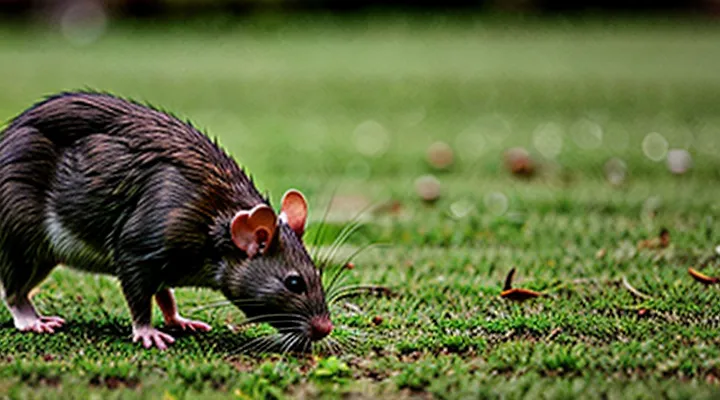
Wild rats survive by exploiting a broad spectrum of natural resources. Their foraging behavior reflects opportunistic feeding, allowing adaptation to diverse habitats.
Typical components of a wild rat’s diet include:
- Seeds and grains harvested from grasses and cereals;
- Fruit and berries that fall to the ground;
- Nuts and kernels of various trees;
- Insects, larvae, and other arthropods;
- Leaf litter and soft‑tissue plant parts such as young shoots;
- Small vertebrate carrion when available.
Grass consumption occurs primarily through ingestion of seed heads, tender shoots, and the surrounding foliage. The plant material provides fiber and limited protein, supplementing the animal’s caloric needs during periods when other food sources are scarce. Wild rats demonstrate a preference for grasses with higher moisture content, often selecting species that grow near water sources.
For domesticated rats, inclusion of fresh grass or grass‑based supplements can aid digestive health, but the proportion should remain modest to avoid gastrointestinal upset. Providing a balanced diet that mimics the natural variety—seeds, fruits, insects, and occasional leafy greens—ensures nutritional adequacy while reflecting the species’ evolutionary feeding patterns.
What Pet Rats Should Eat
Essential Nutrients for Rats
Rats require a balanced diet that supplies energy, growth, and physiological maintenance. Protein supplies amino acids for tissue repair and enzyme production, while carbohydrates provide readily available energy. Fats deliver essential fatty acids and support absorption of fat‑soluble vitamins. Adequate water intake is critical for digestion and metabolic processes.
Key nutrients include:
- Protein: 14–16 % of diet, derived from soy, fish, or insect meals.
- Calcium and phosphorus: ratio of approximately 1:1 to support bone health.
- Vitamin A: necessary for vision and immune function; commonly sourced from carrots or fortified feeds.
- Vitamin D: facilitates calcium absorption; sunlight exposure or dietary supplementation required.
- Vitamin E: antioxidant protecting cell membranes; found in plant oils.
- B‑complex vitamins: involved in energy metabolism; supplied by whole grains and legumes.
- Trace minerals: zinc, iron, copper, and selenium support enzymatic activity and immune defenses.
Fiber contributes to gastrointestinal motility and microbial balance. Grass, when offered in moderation, delivers cellulose and small amounts of vitamins A and K, but it lacks sufficient protein, calcium, and other essential nutrients. Consequently, grass should complement, not replace, a formulated rat diet.
Supplemental treats must not exceed 10 % of total caloric intake to avoid nutritional imbalances. Regular monitoring of body condition and veterinary assessment ensure that nutrient requirements remain met throughout the rat’s lifespan.
Foods to Avoid for Rats
Rats may nibble vegetation, but their digestive system requires careful selection of safe foods. Certain items pose serious health risks and must be excluded from their diet.
- Chocolate and cocoa products
- Citrus fruits and juices
- Raw beans, especially kidney beans
- Processed meats with additives
- Salty snacks and chips
- High‑fat dairy products such as cheese and butter
- Onion, garlic, and related Allium species
- Caffeine‑containing beverages or foods
Chocolate contains theobromine, a toxin that can cause cardiac arrest in rodents. Citrus acidity damages enamel and may lead to gastrointestinal upset. Raw beans hold lectins that interfere with nutrient absorption and can cause severe vomiting. Processed meats often contain nitrates and preservatives that stress liver function. Excess salt induces electrolyte imbalance, while high‑fat dairy overloads the pancreas, increasing the risk of pancreatitis. Onion and garlic introduce compounds that damage red blood cells, resulting in hemolytic anemia. Caffeine stimulates the central nervous system beyond safe limits, producing tremors and seizures.
Grass and Rats: A Closer Look
Is Grass Safe for Rats?
Types of Grass and Their Potential Effects
Rats can consume a variety of grasses, each offering distinct nutritional profiles and health implications. Understanding these differences helps determine safe and beneficial dietary inclusion.
- «Wheatgrass» – high in chlorophyll and vitamin C; readily digestible; excessive intake may cause mild gastrointestinal upset.
- «Ryegrass» – moderate fiber content; supports gut motility; contains low levels of alkaloids that can be irritating if consumed in large quantities.
- «Timothy» – rich in calcium and protein; suitable for growing individuals; overconsumption may lead to mineral imbalances.
- «Bluegrass» – provides soluble fiber; aids in dental wear; contains silica that can contribute to dental abrasion when ingested excessively.
- «Orchard grass» – balanced carbohydrate and fiber ratio; promotes steady energy release; potential pesticide residues require thorough washing.
Potential effects of grass consumption include improved fecal bulk, enhanced vitamin intake, and natural dental filing. Risks involve possible irritation from alkaloids, mineral excesses, and physical wear on incisors. Selecting clean, pesticide‑free specimens and limiting portions mitigates adverse outcomes while preserving nutritional benefits.
Potential Hazards of Feeding Grass
Providing grass to pet rats introduces several health risks that warrant careful consideration. The plant material is not a natural component of a rat’s diet, which is primarily composed of grains, seeds, and protein sources. Consequently, unintended consequences may arise from its inclusion.
- Gastrointestinal irritation caused by coarse fiber can lead to abdominal discomfort, reduced appetite, and intermittent diarrhea.
- Pesticide residues, even at low levels, may trigger neurotoxic effects or liver strain, particularly in young or immunocompromised individuals.
- Contamination with mold spores or mycotoxins can provoke respiratory irritation or systemic toxicity after ingestion.
- High calcium content in certain grasses may disrupt mineral balance, resulting in urinary stones or renal stress.
- Presence of thorns or sharp leaf edges poses a physical hazard, potentially causing oral injuries or esophageal perforation.
Mitigation strategies include sourcing organic, pesticide‑free grass, thoroughly rinsing and blanching to reduce microbial load, and offering only small, infrequent portions. Monitoring for signs of digestive upset, abnormal behavior, or changes in waste consistency is essential. When adverse symptoms appear, discontinuation of grass and consultation with a veterinarian should occur promptly.
Pesticides and Herbicides
Rats that gnaw on grass are exposed to chemicals applied to lawns and fields. Pesticides designed to eliminate insects and herbicides intended to suppress unwanted plants can remain on foliage, creating a direct ingestion route for rodents. Consumption of contaminated grass introduces toxic compounds into the rat’s bloodstream, potentially leading to organ damage, reproductive failure, and reduced lifespan.
Key hazards associated with chemical-treated grass include:
- Organophosphates and carbamates: inhibit acetylcholinesterase, causing neurotoxicity.
- Glyphosate‑based herbicides: disrupt amino acid synthesis, impairing growth and immune function.
- Synthetic pyrethroids: induce hyperexcitation of nerve cells, resulting in seizures.
- Heavy‑metal residues (e.g., arsenic, lead): accumulate in liver and kidneys, causing chronic poisoning.
Mitigation strategies focus on minimizing exposure. Integrated pest management reduces reliance on broad‑spectrum chemicals, while organic weed control eliminates synthetic herbicide residues. Regular monitoring of grass for pesticide drift and herbicide runoff ensures that rodents encounter lower toxin levels, supporting healthier populations and limiting the transfer of contaminants up the food chain. «Research indicates that reduced chemical use correlates with lower toxin bioaccumulation in wild rodents».
Parasites and Bacteria
Rats that graze on grass encounter a spectrum of microorganisms that can affect health. Parasites commonly found on vegetation include nematodes such as Trichostrongylus species, which attach to the intestinal lining and cause malabsorption. Cestodes, notably tapeworms of the genus Hymenolepis, may be present as cysticercoid larvae on grass blades; ingestion leads to adult worm development in the small intestine. Protozoan cysts, for example Giardia and Cryptosporidium, survive on moist foliage and become infective when consumed.
Bacterial hazards are equally significant. Gram‑negative organisms like Salmonella serovars colonize plant surfaces after contact with contaminated soil or feces. Escherichia coli pathogenic strains persist on leaves, producing toxins that can trigger diarrheal disease. Clostridium species form spores that resist desiccation; ingestion may result in toxin‑mediated enteritis. Staphylococcus aureus can be transferred from rodents’ fur to grass, leading to opportunistic infections if wounds are present.
Key considerations for rodent health:
- Identify grass sources with low exposure to livestock manure or wildlife droppings.
- Implement regular deworming protocols to reduce internal parasite loads.
- Monitor for signs of gastrointestinal distress, such as reduced food intake or weight loss.
- Maintain clean nesting environments to limit bacterial cross‑contamination.
Understanding the microbial profile of grass enables informed decisions about its suitability as a dietary supplement for rats, mitigating the risk of parasitic and bacterial infections.
Sharp Edges and Digestive Issues
Rats may sample grass when foraging, but the plant’s physical structure presents specific hazards.
Grass blades possess fine, serrated edges that can lacerate the incisors and soft palate. Repeated contact with these edges increases the likelihood of oral wounds, which can become entry points for infection and impair the animal’s ability to process food efficiently.
The digestive system of a rat is adapted to omnivorous diets rich in grains, fruits, and protein. High‑fiber material such as grass introduces large amounts of cellulose that resist enzymatic breakdown. Undigested fibers can accumulate in the stomach and intestines, leading to impaction, reduced nutrient absorption, and altered gut microbiota. Excessive fermentation of plant matter may produce gas and acidic by‑products, aggravating gastrointestinal irritation.
Key concerns include:
- Oral trauma from serrated leaf margins.
- Stomach or intestinal blockage caused by indigestible fiber.
- Disruption of normal gut flora due to prolonged fermentation.
- Increased risk of diarrhea or constipation from rapid transit of coarse material.
These factors indicate that, while occasional grazing may occur, the structural characteristics of grass pose notable risks to rat health.
Nutritional Value of Grass for Rats
Grass offers a modest source of fiber, vitamins, and minerals for rodents. Its primary contribution lies in roughage that supports gastrointestinal motility and can aid in preventing constipation. The plant material also supplies trace amounts of nutrients that complement a nutritionally balanced laboratory or pet diet.
Key nutritional components of common lawn grass include:
- Cellulose and hemicellulose – insoluble fiber that promotes gut peristalsis.
- Vitamin A precursors (β‑carotene) – essential for vision and immune function.
- Vitamin K – involved in blood clotting and bone metabolism.
- Calcium and magnesium – required for skeletal health and enzymatic activity.
- Small quantities of protein – provide amino acids, though levels are lower than in commercial rodent feed.
Digestive efficiency for grass is limited in rats. Enzymatic capacity to break down cellulose is modest, resulting in low energy extraction compared to grains or pellets. Excessive consumption may lead to gastrointestinal upset, such as diarrhea or bloating, due to the high fiber load. Moreover, grass can harbor pesticides, parasites, or mold spores, posing health risks if sourced from untreated areas.
Practical guidance recommends offering grass as an occasional supplement rather than a staple. Fresh, pesticide‑free clippings may be presented in small portions (no more than 5 % of total daily intake) to provide fiber without displacing essential nutrients from a formulated diet. Monitoring for signs of digestive disturbance ensures safe integration of this natural foraging element.
How to Safely Introduce Grass (If at All)
Small Amounts and Observation
Rats can ingest limited quantities of grass without immediate danger, provided that the plant material is free from pesticides and contaminants. Introducing grass in small portions allows the animal’s digestive system to adjust, reducing the risk of gastrointestinal upset. Continuous monitoring during the trial period is essential to detect any adverse reactions, such as diarrhea, reduced appetite, or changes in behavior.
Key practices for safe experimentation:
- Offer fresh, clean grass no larger than a few centimeters in length.
- Begin with a single blade per day, gradually increasing to a maximum of one tablespoon of chopped material per week.
- Observe stool consistency, water intake, and activity levels for at least 48 hours after each introduction.
- Record any signs of irritation, weight loss, or respiratory distress; discontinue grass if such symptoms appear.
If observations indicate tolerance, occasional supplementation can contribute minor fiber and trace nutrients, supporting dental wear and gut motility. Nevertheless, grass should remain an ancillary component, not a primary food source, within a balanced rodent diet.
Growing Your Own Rat-Friendly Grass
Growing rat‑friendly grass begins with selecting a suitable seed variety. Choose low‑maintenance species such as dwarf wheatgrass, oat grass, or barley grass, which remain tender and safe for small rodents. Avoid tall, coarse grasses that develop hard stems.
Prepare a shallow container—plastic trays, ceramic pots, or repurposed food containers work well. Fill the vessel with a light, well‑draining substrate composed of equal parts peat moss and perlite. The medium should stay moist but not waterlogged; excessive saturation promotes mold growth, which can harm pets.
Sow seeds uniformly across the surface, pressing them lightly into the substrate. Cover with a thin layer of soil, no more than ¼ inch, to protect seedlings while allowing light penetration. Maintain a temperature between 18 °C and 22 °C and provide indirect sunlight or a low‑intensity grow light for 12 hours daily.
Water daily with a fine mist, ensuring the medium remains damp. After germination (typically 5–7 days), reduce watering frequency to prevent root rot. Trim the grass to a length of 1–2 cm once it reaches 5 cm, preserving the tender shoots that rats prefer.
Harvesting involves cutting stalks with clean scissors, discarding any wilted or discolored portions. Offer fresh clippings in the cage as a supplemental treat, rotating with other safe vegetables to maintain dietary balance. Store leftover grass in a sealed container in the refrigerator for up to three days; discard any that develop an off odor or slime.
Regularly inspect the growing area for pests such as aphids or fungus. Apply a mild, pet‑safe insecticidal soap if necessary, following label instructions. By maintaining consistent moisture, temperature, and hygiene, a reliable supply of rat‑compatible grass can be produced year‑round.
Alternatives to Grass for Foraging and Enrichment
Safe Green Leafy Vegetables
Rats are naturally inclined to nibble on plant material, and several green leafy vegetables provide essential nutrients without posing health risks. These vegetables supply fiber, vitamins A, C, K, and minerals such as calcium and iron, supporting digestive health and overall vitality.
«Safe green leafy options include:»
- Romaine lettuce (without dressing)
- Kale leaves, finely chopped
- Spinach, offered in limited amounts
- Swiss chard, stalks removed
- Bok choy, raw or lightly steamed
- Dandelion greens, free of pesticides
Feeding these vegetables should be done gradually, monitoring for signs of digestive upset. Fresh, pesticide‑free produce ensures that rats receive the benefits of green foliage while avoiding toxic residues. Incorporating safe leafy greens into a balanced diet enhances the nutritional profile of rat meals.
Other Acceptable Forage Options
Rats can safely supplement their diet with a variety of herbaceous and leafy foods beyond simple grass. These options provide fiber, vitamins, and minerals that support digestive health and dental wear.
- Dandelion leaves – high in calcium and vitamin A; feed fresh, washed leaves in small portions.
- Clover – offers protein and soluble fiber; ensure no pesticide residue.
- Chickweed – soft texture, rich in potassium; suitable for daily rotation.
- Plantain (leafy variety) – contains anti‑inflammatory compounds; introduce gradually.
- Parsley – source of vitamin C and antioxidants; limit to avoid excessive oxalates.
- Kale – dense in vitamin K and calcium; remove thick stems to prevent choking.
Safety considerations include sourcing untreated, pesticide‑free plants; rinsing thoroughly; providing only fresh material; and limiting total forage to no more than 10 % of overall caloric intake. Monitor for signs of digestive upset, and discontinue any item that provokes diarrhea or reduced appetite.
Enrichment Activities for Rats
Rats require mental and physical stimulation to maintain health and prevent stress‑related behaviors. Providing a varied environment mirrors natural foraging patterns and encourages problem‑solving abilities.
Enrichment options include:
- Natural materials such as dried grasses, herbs, and safe plant leaves for gnawing and scent exploration.
- Puzzle feeders that release small portions of food when manipulated, promoting dexterity.
- Climbing structures made from untreated wood, cardboard tubes, or rope ladders to develop agility.
- Tunnel systems and hideouts that simulate burrows, offering privacy and security.
- Interactive toys that roll, spin, or make noise when pushed, engaging curiosity.
Integrating edible foliage into the diet supplies fiber and mimics wild foraging, while also serving as a sensory stimulus. Regular rotation of items prevents habituation and ensures continuous interest. Monitoring consumption and adjusting quantities based on individual health status maintains nutritional balance.