
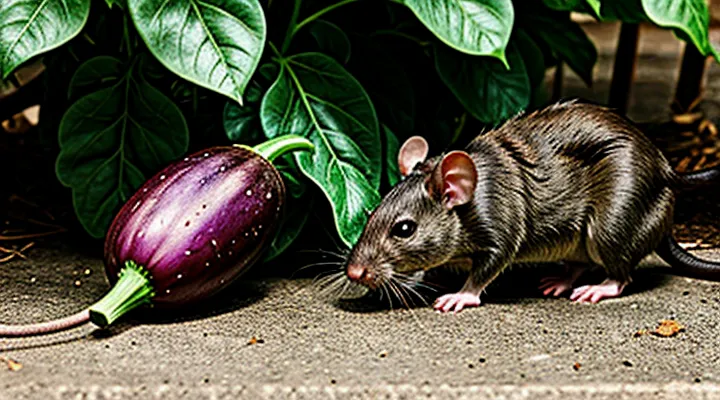
What is Eggplant?
Botanical Classification
Eggplant belongs to the nightshade family, a group that includes many species known for both edible and toxic members. Its scientific name, «Solanum melongena», identifies it as a distinct member of this family.
- Kingdom: Plantae
- Clade: Angiosperms
- Clade: Eudicots
- Order: Solanales
- Family: Solanaceae
- Genus: Solanum
- Species: melongena
The plant produces fruit rich in fiber, water, and low‑level alkaloids such as solanine. These compounds are present primarily in the skin and leaves; the flesh contains minimal concentrations. Rodents, including rats, can ingest the flesh without immediate toxicity, though excessive consumption of raw skin or unripe fruit may introduce higher solanine levels. Cooking reduces alkaloid content, further diminishing risk. Consequently, eggplant can be offered to rats in moderation, provided that it is cooked, peeled, and free of green or sprouted sections.
Common Varieties
Eggplant varieties differ in size, skin thickness, and bitterness, factors that influence their suitability for rodent consumption. Rats generally accept softer flesh and milder flavors, while extremely bitter or fibrous types may deter feeding.
Common eggplant cultivars include:
- Globe eggplant (large, dark purple skin, thick flesh)
- Japanese eggplant (slender, purple, thinner skin, lower bitterness)
- Chinese eggplant (long, dark purple, tender interior)
- Indian eggplant (small, deep purple, slightly firmer texture)
- White eggplant (pale skin, milder taste, comparable texture to globe)
Among these, Japanese and Chinese varieties present the most palatable options for rats due to reduced bitterness and thinner skins, facilitating easier chewing and digestion. Globe and white types remain acceptable if cooked or peeled to soften the skin. Indian eggplant may require preparation to mitigate firmness.
Nutritional Profile of Eggplant
Macronutrients
Eggplant presents a specific macronutrient profile that influences its suitability as a component of a rat’s diet. The vegetable supplies primarily carbohydrates, modest amounts of protein, and negligible fat, while also delivering a high level of dietary fiber that affects digestive health.
- Carbohydrates: approximately 5 g per 100 g, mainly in the form of sugars and starches.
- Protein: about 0.8 g per 100 g, representing a minor contribution to the animal’s total protein requirement.
- Fat: less than 0.2 g per 100 g, insufficient to serve as an energy source.
- Fiber: roughly 3 g per 100 g, promoting intestinal motility and microbial balance.
Rats require a diet rich in protein and balanced energy sources. The low protein content of eggplant means it cannot replace protein‑rich foods such as legumes, meat, or formulated rodent chow. Carbohydrate levels are moderate, providing supplemental energy without excessive caloric load. Minimal fat contributes little to overall energy density, while the substantial fiber supports gut health but may reduce the digestibility of other nutrients if offered in large quantities.
Incorporating eggplant as an occasional treat can diversify a rat’s diet, provided that primary protein and fat requirements are met through other foods. Small, bite‑size portions introduced gradually reduce the risk of gastrointestinal upset. Regular monitoring of body condition ensures that the additional fiber does not interfere with nutrient absorption.
Vitamins and Minerals
Eggplant can be incorporated into a rat’s diet as a source of several micronutrients. The vegetable supplies a modest amount of vitamins and minerals that contribute to physiological processes without exceeding typical dietary limits for laboratory or pet rodents.
-
Vitamin C: approximately 2 mg per 100 g; supports collagen synthesis and antioxidant defense in rats.
-
Vitamin K1: about 4 µg per 100 g; participates in blood clotting and bone metabolism.
-
Vitamin B6 (pyridoxine): roughly 0.2 mg per 100 g; involved in amino‑acid metabolism and neurotransmitter synthesis.
-
Folate (vitamin B9): near 22 µg per 100 g; required for DNA synthesis and cell division.
-
Potassium: 229 mg per 100 g; aids in nerve transmission and muscle contraction.
-
Magnesium: 14 mg per 100 g; contributes to enzymatic reactions and energy production.
-
Phosphorus: 24 mg per 100 g; essential for bone mineralization and ATP formation.
-
Calcium: 9 mg per 100 g; supports skeletal health, though eggplant provides a low level relative to other sources.
When offering eggplant, remove the skin and seeds to reduce oxalate content, which can interfere with calcium absorption. Serve the flesh cooked or raw in small portions, monitoring for digestive upset. Excessive intake may lead to imbalances, particularly in calcium‑phosphorus ratios, due to the vegetable’s relatively high potassium and low calcium levels. Regular dietary analysis ensures that eggplant complements, rather than dominates, the overall nutrient profile of a rat’s diet.
Potential Toxins in Eggplant
Solanine Content
Solanine is a glycoalkaloid found in plants of the Solanaceae family. Eggplant (Solanum melongena) contains measurable amounts of this compound, primarily in the skin and seeds. The alkaloid contributes to the plant’s natural defense mechanisms and can be toxic when ingested in sufficient quantities.
Typical solanine concentrations in eggplant range from 0.01 % to 0.05 % of fresh weight. Levels increase under stress conditions such as exposure to light, physical damage, or immature fruit. The following points summarize the distribution of solanine within the vegetable:
- Skin: highest concentration, often approaching the upper range of total content.
- Seeds: moderate concentration, lower than skin but higher than flesh.
- Flesh: lowest concentration, frequently below detectable limits in mature specimens.
Rats exhibit a lower tolerance for solanine than many other mammals. Lethal dose estimates for rodents fall between 30 mg kg⁻¹ and 80 mg kg⁻¹ body weight. Assuming an average solanine content of 0.03 % in eggplant skin, a 200‑g rat would need to consume approximately 2 g of raw skin to approach the lower lethal threshold. This calculation excludes the mitigating effects of cooking, which reduces solanine levels by up to 50 %.
Consequently, while small, occasional ingestion of cooked eggplant flesh poses minimal risk, substantial intake of raw skin or seeds can approach toxic levels for rats. Monitoring portion size and preparation method is essential to prevent solanine‑related toxicity.
Other Harmful Compounds
Eggplant contains several naturally occurring substances that may be detrimental to rodent health. Solanine, a glycoalkaloid present in the skin and flesh, interferes with cellular membranes and can produce nausea, vomiting, and neurological disturbances in rats. Chlorogenic acid, another phenolic compound, may irritate the gastrointestinal tract and exacerbate inflammation. Oxalic acid, found in modest amounts, contributes to calcium binding and can lead to the formation of renal crystals when consumed in excess. Nasunin, an anthocyanin pigment, possesses antioxidant activity but at high concentrations may disrupt normal metabolic pathways in rodents.
Key harmful compounds in eggplant:
- Solanine – membrane-disrupting glycoalkaloid
- Chlorogenic acid – gastrointestinal irritant
- Oxalic acid – potential renal crystal precursor
- Nasunin – metabolic modulator at elevated levels
Exposure to these substances can result in reduced appetite, weight loss, and impaired organ function. Monitoring intake and limiting eggplant portions are advisable measures to prevent adverse effects in laboratory or pet rats.
The Solanine Factor
Solanine, a glycoalkaloid found in members of the nightshade family, accumulates primarily in the skin, leaves, and stems of eggplant. Concentrations in the edible flesh are low, typically ranging from 0.1 to 0.2 mg per 100 g. Toxicological data indicate that doses above 20 mg per kg body weight can produce neurological symptoms in mammals, including tremors and hypersalivation. For a laboratory rat weighing 250 g, the lethal threshold would be roughly 5 mg of solanine, far exceeding the amount present in a standard serving of the vegetable.
Key considerations for rodent consumption of eggplant:
- Solanine content declines during cooking; boiling or baking reduces levels by up to 80 %.
- Young plants and unripe fruit contain higher concentrations; mature fruit presents the lowest risk.
- Chronic exposure to sub‑lethal doses may impair growth and alter behavior, even when acute toxicity is absent.
- Nutrient profile of eggplant (fiber, vitamins, antioxidants) offers potential benefits if solanine levels remain below toxic thresholds.
Overall, the solanine factor does not preclude rats from eating eggplant, provided that the vegetable is mature, properly prepared, and offered in moderation. Excessive or raw consumption of immature fruit could approach toxic limits and should be avoided.
Risks Associated with Feeding Eggplant to Rats
Eggplant (Solanum melongena) contains several compounds that can pose health hazards to rodents. The primary concerns include:
- Solanine and related glycoalkaloids; these natural toxins can cause gastrointestinal irritation, neurological disturbances, and, in severe cases, respiratory failure when ingested in sufficient quantities.
- Nicotine‑like alkaloids; low levels may provoke increased heart rate and blood pressure, potentially leading to stress‑related complications.
- Oxalates; high concentrations may precipitate renal stones and contribute to kidney dysfunction.
- Pesticide residues; commercial eggplant often carries insecticides or fungicides that are toxic to small mammals, requiring thorough washing or organic sourcing to mitigate risk.
- Physical hazards; the fibrous skin and seed fragments can cause choking or gastrointestinal obstruction, especially in young or small‑bodied rats.
- Nutritional imbalance; eggplant provides minimal protein and essential fatty acids, and excessive inclusion can displace balanced diets rich in grains, legumes, and fortified feeds, leading to deficiencies.
Veterinary guidance recommends limiting eggplant to occasional, small, cooked portions free of added salts or spices. Monitoring for signs such as vomiting, diarrhea, lethargy, or abnormal behavior is essential after any exposure. If adverse symptoms appear, immediate veterinary assessment is advised.
Safe Alternatives for Rat Diets
Recommended Vegetables
Rats benefit from a diet that includes a range of fresh vegetables, providing essential vitamins, minerals, and fiber. When selecting produce, prioritize items that are low in oxalates, sugars, and potential toxins.
- Carrots – rich in beta‑carotene and fiber, suitable for occasional feeding.
- Bell peppers – supply vitamin C and antioxidants; remove seeds before offering.
- Leafy greens such as kale, spinach, and romaine lettuce – deliver calcium and iron; introduce gradually to monitor tolerance.
- Zucchini – soft texture and high water content aid hydration.
- Broccoli florets – source of vitamin K and folate; limit to small portions to avoid gas.
Eggplant can be presented in small, cooked pieces, ensuring the skin is removed and the flesh is thoroughly softened. Raw eggplant contains solanine, a compound that may cause digestive upset in rodents; cooking reduces this risk. Even with preparation, eggplant should remain an occasional supplement rather than a staple.
Avoid vegetables that are toxic or irritant, including raw potatoes, onions, garlic, and rhubarb leaves. Introduce new vegetables one at a time, observing the animal for any signs of intolerance such as diarrhea or loss of appetite. Consistent access to fresh water and a balanced commercial rat pellet base complete a nutritionally sound regimen.
Fruits and Other Treats
Rats tolerate a variety of fruits when offered in moderation. Low‑sugar options such as berries, apples (seedless), and pears provide vitamins and antioxidants without overwhelming carbohydrate load. Citrus fruits should be limited due to acidity; melons and grapes are acceptable in small portions, with careful monitoring for individual tolerance.
Eggplant, botanically a fruit, contains fiber, vitamins B6 and C, and modest mineral levels. Cooked, skinless pieces introduced gradually become a safe occasional treat; raw eggplant may cause mild digestive upset because of solanine content. Portion size should not exceed a few centimeter‑sized cubes per week, and any preparation must avoid oil, salt, or seasoning.
Additional treats suitable for rats include:
- Small quantities of unsalted nuts (almonds, walnuts) – high in fat, limit to a few pieces weekly.
- Seeds such as pumpkin or sunflower – rich in protein, offer in moderation.
- Fresh vegetables (broccoli, carrot, cucumber) – provide hydration and fiber.
- Plain, low‑fat cheese – occasional protein boost, monitor for lactose intolerance.
How to Introduce New Foods to Rats
Gradual Introduction
Introducing a novel vegetable to a rodent diet requires a step‑by‑step approach. The method minimizes digestive disruption and allows observation of individual tolerance.
Prepare the produce by removing stems, washing thoroughly, and cooking lightly to reduce fibrous texture. Raw slices may cause irritation; steaming for 3–5 minutes yields a softer product without adding salt or seasoning.
Begin with a single bite‑sized piece, approximately 0.5 g, offered on a clean surface. Observe the animal for 24 hours, noting appetite, stool consistency, and activity level. Any signs of diarrhea, lethargy, or respiratory distress warrant immediate removal of the food and consultation with a veterinarian.
If the initial exposure is tolerated, increase the portion by 0.5 g every two to three days. Maintain a maximum of 2 % of total daily caloric intake from the new item. Documentation of each increment supports consistent monitoring.
Potential adverse reactions include:
- Soft, watery feces
- Reduced water consumption
- Unusual scratching or grooming behavior
Should any of these appear, revert to the previous tolerated amount or discontinue the vegetable entirely. Regular health checks ensure long‑term safety when incorporating «eggplant» into a rat’s diet.
Monitoring for Adverse Reactions
Feeding eggplant to laboratory or pet rats requires systematic observation to identify any negative health effects. Immediate visual assessment should focus on changes in behavior, posture, and grooming. Rapid detection of adverse reactions minimizes animal distress and preserves data integrity.
Key indicators include:
- Reduced activity or lethargy
- Abnormal respiration or audible wheezing
- Diarrhea, vomiting, or unexplained weight loss
- Skin lesions, swelling, or discoloration around the oral cavity
- Signs of pain such as teeth grinding or vocalization
Continuous monitoring involves recording baseline parameters before introducing the vegetable, then documenting deviations at regular intervals (e.g., 2 hours, 6 hours, 24 hours post‑exposure). Laboratory analysis may supplement visual checks; blood samples can reveal elevated liver enzymes, renal markers, or inflammatory cytokines suggestive of toxicity. Fecal examinations help identify gastrointestinal irritation or dysbiosis.
If any adverse sign emerges, immediate cessation of eggplant intake is warranted, followed by veterinary consultation. Documentation of the incident, including dose, preparation method, and time course, supports reproducibility and informs future dietary guidelines for rodents.