
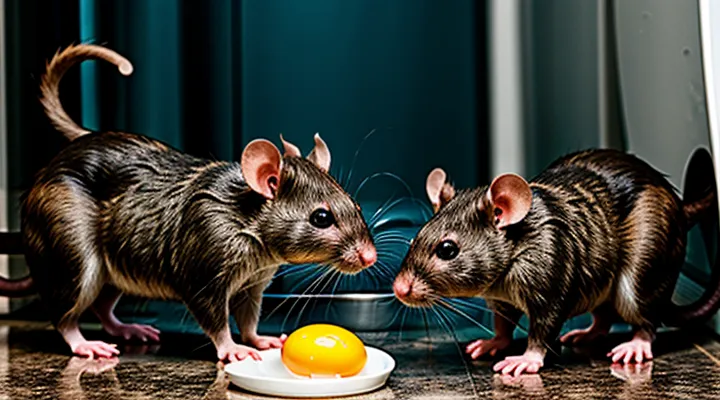
The Nutritional Profile of Egg Whites
Macronutrients in Egg Whites
Egg whites consist almost entirely of water and protein. Per 100 g, they contain about 88 g water, 10.9 g protein, 0.2 g carbohydrate, and less than 0.1 g fat, delivering roughly 52 kcal. The protein is rich in essential amino acids, particularly leucine, lysine, and arginine, and is highly digestible for mammals. Carbohydrate content is negligible, and the lipid fraction is insufficient to supply meaningful energy. Egg whites lack cholesterol, vitamins A, D, E, and most minerals present in yolk.
For a rodent diet, these macronutrient characteristics have specific implications:
- Protein supply: meets the high‑protein requirement of growing or active rats; supports tissue repair and enzymatic functions.
- Energy contribution: very low caloric density; must be balanced with other energy‑rich foods to prevent deficiency.
- Fat deficiency: absence of essential fatty acids necessitates supplementation from other sources.
- Carbohydrate shortfall: minimal glucose provision; additional carbs required for glycogen stores.
Raw egg whites contain avidin, a glycoprotein that binds biotin and can induce deficiency if consumed in large quantities. Heat treatment denatures avidin, eliminating this risk. Consequently, cooked egg whites deliver the same protein profile without the anti‑nutrient effect.
Overall, the macronutrient profile of egg whites makes them a viable protein source for rats, provided the diet is complemented with fats, carbohydrates, and micronutrients that egg whites lack.
Micronutrients and Vitamins
Egg whites provide high‑quality protein and a modest profile of micronutrients that can contribute to a rat’s diet. They contain water‑soluble B‑vitamins such as riboflavin (B₂), niacin (B₃), and small amounts of folate (B₉). Minerals include selenium, potassium, magnesium, and trace copper. The nutrient composition is limited to these elements; fat‑soluble vitamins (A, D, E, K) are absent.
- Riboflavin – supports energy metabolism and redox reactions.
- Niacin – involved in NAD/NADP synthesis, essential for cellular respiration.
- Folate – required for nucleotide synthesis and methylation cycles.
- Selenium – functions as an antioxidant cofactor for glutathione peroxidase.
- Potassium – maintains electrolyte balance and nerve impulse transmission.
- Magnesium – cofactor for numerous enzymatic processes.
Rats require a balanced intake of these micronutrients. Standard laboratory chow already supplies adequate levels of B‑vitamins and minerals, so supplemental egg whites add little nutritional benefit beyond extra protein. Excessive consumption can disrupt the diet’s mineral ratios, potentially leading to deficiencies or toxicities.
Raw egg whites contain avidin, a glycoprotein that binds biotin (vitamin B₇) with high affinity, rendering it unavailable. Prolonged intake of untreated egg whites may induce biotin deficiency, manifested by dermatitis and growth retardation. Heat treatment denatures avidin, eliminating this risk and making cooked egg whites safe for inclusion.
Because egg whites lack fat‑soluble vitamins, they cannot replace a complete diet. They should be offered as a cooked, limited supplement—no more than 10 % of total caloric intake—to avoid nutrient imbalances while providing additional protein. Balanced feeding regimens that combine standard rodent chow with occasional cooked egg whites ensure that rats receive the full spectrum of micronutrients and vitamins necessary for health.
Potential Health Benefits for Rats
Egg whites provide a high‑quality source of protein that is low in fat and carbohydrates, making them a potential supplement for laboratory and pet rats whose diets may lack sufficient amino acids. The albumin in egg whites contains all essential amino acids, supporting muscle maintenance, tissue repair, and growth in juvenile rodents.
Key physiological advantages include:
- Enhanced muscle synthesis due to rapid absorption of albumin peptides.
- Improved immune function from the presence of lysozyme, a natural antimicrobial protein.
- Increased satiety, which can help regulate caloric intake in overweight rats.
- Minimal cholesterol contribution, reducing the risk of lipid‑related disorders when used in moderation.
When incorporated correctly—cooked to eliminate avidin, which binds biotin, and offered in small, measured portions—egg whites can complement a balanced rodent diet without introducing excess calories or harmful substances. Excessive raw egg white consumption may lead to biotin deficiency and gastrointestinal upset; therefore, heat‑treated egg whites are the safest form for regular inclusion.
Is It Safe to Feed Egg Whites to Rats?
Raw vs. Cooked Egg Whites
Risks of Raw Egg Whites
Raw egg whites contain avidin, a glycoprotein that binds biotin with high affinity. When rats consume uncooked whites, avidin reduces biotin absorption, leading to deficiency symptoms such as skin lesions, impaired growth, and neurological disturbances. The effect intensifies with frequent or large portions, making biotin depletion a primary health concern.
Salmonella enterica serovars frequently inhabit raw poultry products. Ingestion of contaminated egg whites can introduce the bacteria into the gastrointestinal tract, causing diarrhea, fever, and systemic infection. Immunocompromised or young rats are especially vulnerable, and outbreaks may spread rapidly within a colony.
Protein quality declines in the uncooked state. Heat denatures avidin and unfolds albumin, improving digestibility and amino‑acid availability. Raw albumin resists enzymatic breakdown, resulting in lower nutrient uptake and potential gastrointestinal upset, including gas and bloating.
Key risks of uncooked egg whites for rats
- Biotin binding by avidin → deficiency
- Salmonella contamination → infection
- Reduced protein digestibility → nutritional imbalance
- Gastrointestinal irritation → discomfort and altered stool consistency
Mitigation requires thorough cooking to inactivate avidin and eliminate pathogens, thereby converting egg whites into a safe protein supplement for laboratory or pet rats.
Benefits of Cooked Egg Whites
Cooked egg whites supply high‑quality protein that is readily digested by rodents. Heat denatures avidin, eliminating its capacity to bind biotin and preventing potential nutrient deficiencies. The resulting product delivers essential amino acids—particularly leucine, lysine, and arginine—supporting muscle development and tissue repair.
Additional nutritional advantages include:
- Minimal fat and cholesterol, helping maintain optimal lipid profiles.
- Low caloric density, suitable for weight‑management regimes.
- Absence of allergens that may be present in raw egg components, reducing the risk of gastrointestinal upset.
The cooking process also improves microbial safety by destroying Salmonella and other pathogens commonly associated with raw eggs. Consequently, cooked egg whites become a reliable source of nutrition for rats, contributing to growth, immune competence, and overall health without introducing the hazards linked to uncooked forms.
Potential Allergies and Sensitivities
Egg‑white protein can trigger immune responses in rodents, especially when introduced without gradual adaptation. Rats may develop IgE‑mediated hypersensitivity, leading to respiratory distress, skin irritation, or gastrointestinal upset. The risk increases if the animal has a history of reactions to other protein sources or if the egg white is raw, containing avidin that interferes with biotin absorption and can exacerbate immune stress.
Typical manifestations of an allergic reaction include:
- Sneezing, nasal discharge, or labored breathing
- Redness, swelling, or itching of the skin, particularly around the head and ears
- Diarrhea, vomiting, or reduced appetite
- Lethargy or sudden collapse in severe cases
To minimize adverse outcomes, follow these guidelines:
- Introduce egg white in minute quantities (no more than 0.1 g per 100 g body weight) and observe the rat for at least 24 hours.
- Use cooked egg white rather than raw to denature most allergenic proteins and eliminate avidin activity.
- Conduct a brief health assessment before feeding, noting any prior allergic events or existing respiratory conditions.
- Keep emergency veterinary contact information readily available in case of acute anaphylaxis.
Monitoring and controlled exposure are essential to determine tolerance and avoid potentially life‑threatening reactions.
Recommended Portions and Frequency
Egg whites can be incorporated into a rat’s diet as a source of high‑quality protein, but the amount and schedule must be carefully controlled to avoid nutritional imbalances.
A typical serving for an adult laboratory or pet rat ranges from ½ to 1 gram of raw egg white per day, equivalent to roughly 1 to 2 teaspoons when whisked. This portion provides about 5 – 10 percent of the animal’s daily protein requirement without delivering excessive sulfur‑containing amino acids that can stress the kidneys.
Frequency recommendations:
- Offer egg white no more than three times per week. Intermittent feeding prevents over‑reliance on a single protein source and encourages a varied diet.
- On non‑egg‑white days, supply a balanced commercial rodent mix, fresh vegetables, and occasional treats to meet vitamin and mineral needs.
Guidelines for safe handling:
- Use fresh, pasteurized egg whites to eliminate the risk of Salmonella.
- Serve at room temperature; avoid heating, which can denature proteins and alter digestibility.
- Observe the rat for signs of digestive upset (diarrhea, reduced activity). If symptoms appear, discontinue egg whites and consult a veterinarian.
Adjust portions for juveniles or pregnant females: limit to ¼ gram per day, and increase frequency only under veterinary supervision. Regular monitoring of body weight and coat condition will indicate whether the protein supplement is appropriate.
How to Prepare Egg Whites for Your Rat
Boiling and Scrambling Techniques
Properly cooked egg white reduces the risk of Salmonella and makes the protein more digestible for rodents. Cooking method influences texture, nutrient availability, and safety.
Boiling provides a uniform, firm product. Heat water to a rolling boil, lower the temperature to a gentle simmer, and submerge the egg white in a heat‑proof container. Maintain the liquid at 70 °C–75 °C for 5–7 minutes. Remove the container, rinse the egg white with cool water, and cut into bite‑size pieces. This process eliminates most pathogens while preserving most amino acids.
Scrambling yields a softer, more palatable consistency. Whisk raw egg white until uniform, then pour into a preheated non‑stick pan sprayed with a light oil coat. Cook over medium‑low heat, stirring continuously to prevent clumping. Stop cooking when the mixture reaches a soft‑set state, typically at 65 °C–70 °C, after 2–3 minutes. Allow the scramble to cool to room temperature before serving.
- Boiling retains higher protein stability; scrambling may cause slight denaturation but improves palatability.
- Both methods require cooling to avoid thermal injury.
- Avoid adding salt, spices, or fats that could upset a rat’s digestive system.
Choosing the method depends on the desired texture and the caregiver’s ability to control temperature precisely. Both techniques render egg white safe for rodent consumption when executed correctly.
Seasoning Considerations
Egg whites provide a high‑quality protein source for rats, but any added flavorings can alter their nutritional balance and introduce health risks. Veterinary nutrition guidelines advise that the white portion of a fresh egg be offered plain, without any additives.
Potential hazards of common seasonings include:
- Sodium chloride (table salt): excess sodium can lead to hypertension and renal strain.
- Sugar or honey: promotes rapid weight gain and dental decay.
- Spices such as garlic, onion powder, or chili: contain compounds toxic to rodents, causing gastrointestinal irritation or hemolysis.
- Artificial flavorings or preservatives: may contain chemicals that disrupt digestive flora.
If a mild taste enhancement is desired, the following options are considered safe when used sparingly:
- A pinch of dried, unsalted parsley: provides trace vitamins without significant sodium.
- A few drops of low‑sodium, unsweetened broth (chicken or vegetable): must be free of onion, garlic, and added spices.
- Nutritional yeast: offers B‑vitamins and a cheesy flavor, but should not exceed 1 % of the total diet by weight.
When seasoning egg whites, always monitor the rat’s intake and health markers. Sudden changes in appetite, stool consistency, or activity level may indicate an adverse reaction, requiring immediate cessation of the flavored feed and consultation with a veterinarian.
Serving Suggestions and Combinations
Egg whites provide a high‑quality protein source that rats can digest without adverse effects when offered in moderation. The liquid should be boiled or lightly cooked to eliminate residual avidin, which interferes with biotin absorption, then cooled to room temperature before serving.
A typical portion for an adult laboratory rat equals 0.5 g of cooked egg white, roughly one teaspoon of shredded solid. Divide the amount into two feedings per day to avoid excess protein load. Present the egg white on a clean dish, ensuring no shell fragments remain.
Combine egg white with complementary nutrients to create balanced mini‑meals:
- Vegetable mix: steamed broccoli or spinach (10 g) plus egg white (0.5 g).
- Whole‑grain blend: small piece of cooked brown rice (5 g) mixed with egg white (0.5 g).
- Fruit adjunct: a slice of fresh apple (2 g) paired with egg white (0.5 g).
Each combination supplies fiber, vitamins, or carbohydrates that offset the low fat content of egg whites.
Store cooked egg white in a sealed container at 4 °C for up to 48 hours. Discard any portion that develops an off‑odor or discoloration. Limit inclusion to three times per week to maintain protein balance within the overall diet.
Alternatives and Supplements
Other Safe Protein Sources for Rats
Rats require high‑quality protein for growth, reproduction, and immune function. When evaluating alternatives to egg whites, select foods that are nutritionally complete, low in fat, and free of toxic additives.
- Cooked lean poultry (chicken or turkey breast) provides essential amino acids without excess fat. Remove skin and bones before offering small portions.
- Boiled or steamed fish such as salmon or whitefish supply omega‑3 fatty acids and protein. Avoid species high in mercury and eliminate any bones.
- Low‑fat cottage cheese and plain Greek yogurt deliver casein and whey proteins. Choose products without added sugars or flavorings.
- Soy‑based items, including plain tofu and edamame, are plant‑derived proteins suitable for most rats. Ensure they are cooked and free of seasoning.
- Legumes like cooked lentils, split peas, and mung beans offer protein and fiber. Rinse thoroughly and cook until soft to prevent digestive issues.
- Insect protein, presented as dried mealworms or crickets, mimics natural prey. Offer in limited quantities to avoid excess fat.
- Commercial rat pellets labeled “high‑protein” contain balanced amino acid profiles and are formulated for rodent health. Use as the primary protein source.
Each option should be introduced gradually, monitored for tolerance, and provided in moderation alongside a balanced diet of grains, vegetables, and fresh water.
Commercial Rat Food Options
Rats require a balanced diet that supplies protein, fat, fiber, vitamins, and minerals. Egg whites offer high‑quality protein, but their inclusion in a pet’s diet depends on the formulation of commercial products.
Commercial rat foods fall into three main categories:
- Dry pellets – nutritionally complete, formulated with plant and animal proteins such as soy, fish meal, or whey. Labels often list “egg protein” or “egg powder” rather than whole egg whites.
- Seed and grain mixes – primarily plant‑based, providing moderate protein levels. Typical ingredients include sunflower seeds, millet, and oats; egg-derived components are uncommon.
- Treat sticks and chews – supplemental items designed for enrichment. Many contain dried egg whites or egg powder to boost protein content, but concentrations vary widely.
When selecting a product, verify the ingredient list for any mention of egg, egg white, or egg protein. If the goal is to avoid egg whites, choose brands that state “egg‑free” or rely solely on plant proteins. If inclusion is acceptable, opt for formulas that list egg derivatives as a primary protein source, ensuring the overall protein percentage aligns with the rat’s dietary needs (generally 14‑18 % for adults).
Commercial diets that incorporate egg‑derived proteins provide a convenient alternative to raw egg whites, delivering comparable amino acid profiles while maintaining safety, shelf stability, and proper nutrient balance.
When to Consult a Veterinarian
Feeding egg whites to pet rats can be safe when introduced gradually and in small quantities, but certain signs indicate that professional veterinary advice is required.
If a rat shows any of the following symptoms after consuming egg whites, contact a veterinarian promptly:
- Persistent vomiting or regurgitation
- Diarrhea lasting more than 24 hours, especially with blood or mucus
- Loss of appetite or refusal to eat for more than a day
- Lethargy, weakness, or difficulty moving
- Swelling or irritation around the mouth, eyes, or abdomen
- Respiratory distress, such as rapid breathing or audible wheezing
Additional circumstances that warrant a veterinary consultation include:
- The rat has a known allergy to egg proteins or a history of food sensitivities.
- The animal is pregnant, nursing, or very young, when dietary changes carry higher risk.
- The owner is unsure about the appropriate portion size or frequency of egg white feeding.
When calling a vet, provide details about the rat’s age, weight, overall health, the amount of egg white ingested, and the timing of observed symptoms. Early professional assessment can prevent complications such as gastrointestinal upset, nutritional imbalance, or allergic reactions, ensuring the rat’s health remains stable.
Frequently Asked Questions
Can Baby Rats Eat Egg Whites?
Egg whites provide high‑quality protein but contain avidin, a protein that binds biotin and can cause deficiency if consumed raw in large amounts. Neonatal rats require rapidly digestible protein for growth; the amino‑acid profile of egg whites matches this need, yet the risk of biotin depletion makes unprocessed egg whites unsuitable for very young pups.
If egg whites are introduced, they must be cooked to denature avidin. Boiling for at least three minutes eliminates most avidin activity. After cooling, mix a small portion (no more than 5 % of the total diet by weight) into the standard milk‑based formula. Offer this mixture once daily and monitor weight gain and stool consistency for any adverse signs.
Key points for feeding baby rats egg whites:
- Cook thoroughly; raw egg whites are unsafe.
- Limit inclusion to a minor fraction of the overall diet.
- Observe for signs of biotin deficiency: skin lesions, hair loss, lethargy.
- Adjust or discontinue if growth stalls or health issues arise.
What if My Rat Refuses Egg Whites?
Rats may decline egg‑white offerings for several physiological or behavioral reasons. Taste aversion, texture sensitivity, or prior negative experiences can trigger refusal. Additionally, some individuals possess limited ability to digest the high protein content, leading to discomfort that discourages consumption.
If a rat consistently rejects egg whites, consider the following actions:
- Verify freshness and temperature; cold or spoiled egg whites are unappealing.
- Mix a small amount with a familiar food, such as a piece of fruit or a commercial pellet, to mask texture.
- Offer the mixture at different times of day, avoiding periods when the animal is already satiated.
- Observe for signs of illness—lethargy, diarrhea, or weight loss—indicating a possible underlying health issue that requires veterinary assessment.
- Replace egg whites with alternative protein sources, for example cooked chicken breast, low‑fat cottage cheese, or a formulated rodent supplement.
Monitoring intake and health markers will reveal whether the refusal stems from a temporary preference or a deeper nutritional incompatibility. Adjust the diet accordingly to maintain balanced protein levels without forcing unwanted foods.
Are There Any Long-Term Effects?
Feeding rats egg white protein introduces a high‑quality amino acid source but also presents specific physiological challenges that may manifest over time.
Egg whites contain avidin, a glycoprotein that binds biotin (vitamin B7) and reduces its absorption. Chronic biotin deficiency can impair fatty‑acid synthesis, skin health, and neural function. Rats receiving unprocessed egg whites daily often display reduced growth rates and dermatitis, indicating sustained biotin limitation.
The albumin in egg whites is low in sulfur‑containing amino acids. Long‑term diets lacking adequate methionine and cysteine may compromise antioxidant defenses and delay tissue repair. Supplementation with a balanced protein mix can mitigate this imbalance.
Excessive protein load taxes renal filtration. Persistent high‑protein intake elevates glomerular pressure and may accelerate nephron loss, especially in strains predisposed to kidney disease. Monitoring blood urea nitrogen and creatinine levels provides early indication of renal stress.
Potential long‑term outcomes include:
- Biotin deficiency symptoms (skin lesions, alopecia, neurological signs)
- Impaired growth and muscle development due to amino‑acid imbalance
- Increased risk of renal strain or chronic kidney disease
- Possible allergic sensitization leading to respiratory or gastrointestinal inflammation
Mitigation strategies involve limiting egg‑white proportion to 10–15 % of total diet, heat‑treating egg whites to denature avidin, and ensuring complementary nutrients (biotin, methionine, cysteine) are supplied through other feed components. Regular health assessments are essential to detect adverse trends early.