
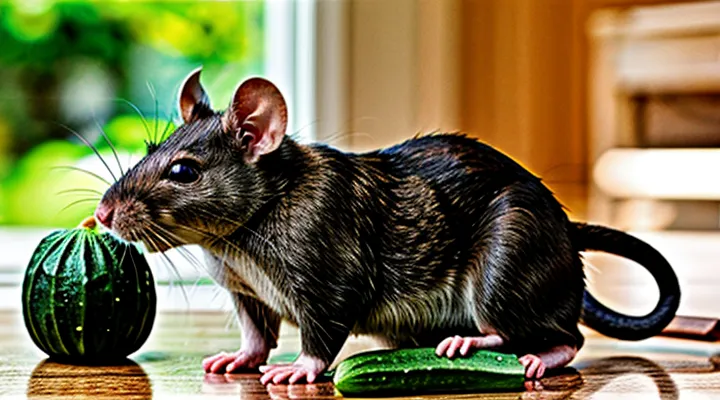
Cucumber Nutrition for Rats
Key Nutrients in Cucumbers
Cucumbers consist primarily of water, yet they provide several nutrients valuable for small mammals. The edible flesh supplies modest amounts of carbohydrate, dietary fiber, and a range of vitamins and minerals essential for metabolic functions.
- Vitamin K 1: Supports blood clotting mechanisms and bone health.
- Vitamin C: Acts as an antioxidant, aids collagen synthesis, and enhances immune response.
- Vitamin A precursor (β‑carotene): Contributes to visual acuity and epithelial integrity.
- Potassium: Regulates fluid balance and nerve transmission.
- Magnesium: Involved in enzymatic reactions and energy production.
- Small quantities of calcium, phosphorus, and iron: Participate in skeletal development and oxygen transport.
These nutrients can complement a rat’s standard diet, which typically emphasizes protein and grain sources. The high water content assists hydration, while the fiber promotes gastrointestinal motility. However, the low caloric density of cucumbers means they should not replace energy‑rich feed. Excessive consumption may lead to soft stools due to the soluble fiber load. Balanced inclusion—approximately 5–10 % of total daily intake—provides the described vitamins and minerals without compromising nutritional adequacy.
«Cucumbers deliver a spectrum of micronutrients while contributing negligible fat or protein», a statement supported by standard compositional analyses. This profile makes them a suitable occasional treat, provided that overall diet formulation maintains required macronutrient ratios.
Potential Benefits of Cucumbers for Rats
Hydration
Cucumbers contain approximately 95 % water, making them one of the most moisture‑rich vegetables available for small mammals. When offered to rats, the high water content contributes directly to daily fluid intake, reducing reliance on standing water sources.
The additional moisture supports normal kidney function, helps maintain electrolyte balance, and can prevent dehydration during warm weather or periods of increased activity. However, the vegetable’s low caloric density means it should complement, not replace, the primary feed that supplies protein and essential nutrients.
- Wash thoroughly to remove pesticides or soil residues.
- Slice into bite‑size pieces to prevent choking.
- Introduce gradually, observing for signs of digestive upset.
- Limit to 5–10 % of total daily food volume; excess may cause loose stools.
- Provide fresh, clean water alongside cucumber treats.
Veterinary guidance emphasizes that «adequate dietary moisture is essential for optimal renal health in rodents». When incorporated responsibly, cucumbers enhance hydration without compromising nutritional balance.
Vitamins and Minerals
Cucumbers contain a range of vitamins and minerals that can contribute to a laboratory rat’s diet when offered in moderation. The vegetable’s nutrient profile includes vitamin C, vitamin K, and small amounts of B‑vitamins, which support antioxidant defenses and blood‑clotting processes. Potassium and magnesium are present in levels that aid electrolyte balance and muscle function. Calcium and iron appear only in trace quantities, insufficient to meet the species’ requirements.
Key nutrients in cucumbers and their relevance for rats:
- Vitamin C – assists in collagen synthesis and immune response; rats synthesize this vitamin endogenously, so dietary supply is supplemental.
- Vitamin K – required for normal blood coagulation; cucumber intake can help maintain adequate stores.
- B‑vitamins (B6, folate) – participate in metabolism of proteins and carbohydrates; low concentrations provide minor support.
- Potassium – regulates nerve impulse transmission and fluid balance; cucumber contribution aligns with typical maintenance needs.
- Magnesium – involved in enzymatic reactions and bone health; modest amounts complement other dietary sources.
Potential concerns arise from the high water content (≈ 95 %) and low caloric density of cucumbers. Excessive consumption may dilute overall nutrient intake, leading to insufficient energy and possible gastrointestinal upset. Additionally, the skin may contain pesticide residues if not thoroughly washed, posing a toxic risk.
Guidelines for safe inclusion:
- Offer cucumber pieces no larger than 0.5 cm³.
- Limit servings to 5–10 % of total daily food weight.
- Ensure the primary diet provides balanced protein, fat, and fiber; cucumbers should remain a supplementary item.
- Provide only washed, pesticide‑free portions.
When integrated according to these parameters, cucumbers can enrich a rat’s diet with beneficial vitamins and minerals without compromising nutritional adequacy.
Low Calorie Snack
Cucumbers contain roughly 15 kilocalories per 100 grams, 95 percent water, and a modest amount of fiber, vitamins C and K, and potassium. Their low energy density makes them an appropriate occasional treat for small rodents that require calorie‑controlled diets. The vegetable’s soft texture is easily masticated by rats, and the absence of toxic compounds ensures safety when offered in moderation.
Guidelines for incorporating cucumber as a low‑calorie snack:
- Offer pieces no larger than 1 centimeter in length to prevent choking.
- Limit total daily intake to 5 percent of the animal’s overall caloric requirement; for a typical adult rat, this corresponds to roughly 10 grams of cucumber.
- Provide fresh, washed slices; discard any with wilted or moldy spots.
- Monitor the animal for signs of digestive upset, such as loose stools, and discontinue if symptoms appear.
Regular inclusion of small cucumber portions can diversify a rat’s diet without significantly increasing caloric load, supporting weight management while delivering hydration and micronutrients. «Cucumber‑based treats should complement, not replace, a balanced pellet or laboratory diet.»
Risks and Considerations
Pesticides and Wax
How to Prepare Cucumbers for Rats
Rats tolerate cucumbers when the vegetable is prepared safely. Begin with fresh, firm cucumbers free of bruises or mold. Rinse under running water to eliminate surface contaminants. Peel the skin if the rat’s diet includes primarily soft textures; otherwise, a thin skin removal reduces pesticide residue. Slice into bite‑size pieces, approximately one‑centimetre cubes, to match a rat’s oral capacity. Remove seeds, as they contain higher concentrations of cucurbitacin, which may cause gastrointestinal irritation. Offer the pieces in a clean dish, limiting the portion to a few cubes per day to prevent excess moisture in the enclosure. Store any remaining cucumber in an airtight container in the refrigerator; consume within 24 hours to avoid spoilage. Monitor the animal for changes in stool consistency; discontinue feeding if soft stools or vomiting appear.
Choking Hazards
Proper Slicing Techniques
Proper slicing of cucumber for rodent consumption eliminates choking hazards and promotes digestibility. Uniform pieces prevent uneven chewing, which can lead to gastrointestinal irritation.
Recommended dimensions: thickness ≈ 2–3 mm, length ≈ 1 cm, width ≈ 1 cm. Pieces larger than 5 mm pose a risk of obstruction; pieces smaller than 1 mm may dissolve too quickly, reducing tactile stimulation.
- Wash cucumber thoroughly under running water to remove pesticide residues.
- Peel skin only if it appears waxy or if the source is unknown; skin provides fiber and is safe when clean.
- Cut cucumber into strips of the specified width, then slice crosswise to achieve the target thickness.
- Separate slices into individual portions using a clean utensil; avoid touching multiple pieces with the same hand to reduce bacterial transfer.
- Store portions in a sealed container in the refrigerator; use within 24 hours to maintain freshness.
Consistent application of these techniques supports safe dietary inclusion of cucumber in rat nutrition programs.
Digestive Upset
Introducing New Foods Gradually
Rats are omnivorous mammals capable of digesting a wide range of plant matter, including cucumber. Introducing this vegetable requires a structured approach to prevent digestive upset and ensure acceptance.
- Begin with a tiny piece, roughly the size of a pea, mixed with the regular diet.
- Observe the animal for 24 hours; note any signs of refusal or abnormal stool.
- If the rat consumes the portion without adverse effects, increase the amount by 10‑15 % every two days.
- Maintain a consistent schedule, offering the new food at the same time each day to reinforce routine.
Health monitoring is essential. Indicators of successful integration include normal water consumption, steady body weight, and firm, well‑formed feces. Appearance of diarrhea, lethargy, or loss of appetite signals the need to reduce or discontinue the addition.
Portion size should remain modest; a single slice of cucumber per week suffices for most adult rats. Over‑feeding may lead to excess moisture in the diet, potentially disrupting gut flora. Adjust quantities based on individual tolerance and overall dietary balance.
Allergic Reactions
Rats that are offered cucumber slices may develop allergic reactions similar to those observed with other vegetable proteins. The primary allergens are cucumber’s seed proteins and certain cucurbitacin compounds, which can trigger immunoglobulin E‑mediated responses in susceptible individuals.
Typical clinical signs include:
- Skin reddening or urticaria
- Nasal discharge and sneezing
- Respiratory distress such as wheezing
- Gastrointestinal upset, including vomiting and diarrhea
- Anaphylactic shock in severe cases
Preventive measures consist of gradual introduction of small cucumber portions, monitoring for the listed symptoms, and maintaining a diet that limits exposure to known vegetable allergens. If an allergic response is confirmed, immediate cessation of cucumber feeding and veterinary intervention are required.
Oxalates and Their Impact
Oxalates are naturally occurring organic acids found in many vegetables, including cucumber. Their concentration in cucumber tissue averages 10–20 mg per 100 g fresh weight, a level considered modest for most mammals but potentially significant for small rodents with limited renal excretion capacity.
Rats metabolize oxalates primarily through intestinal absorption followed by renal elimination. Excessive intake can lead to calcium‑oxalate crystal formation in the kidneys, impairing function and increasing the risk of urolithiasis. Studies indicate that dietary oxalate levels above 200 mg per kilogram of body weight per day may overwhelm renal clearance mechanisms in laboratory rats. «High oxalate exposure correlates with elevated serum oxalate and reduced urine calcium, fostering stone development».
When incorporating cucumber into a rat’s diet, consider the following points:
- Limit fresh cucumber portions to no more than 5 % of total daily food weight.
- Monitor water intake; adequate hydration promotes oxalate solubility and excretion.
- Provide calcium‑rich supplements or foods to bind dietary oxalate in the gastrointestinal tract.
- Observe urinary output and kidney health indicators, especially in long‑term feeding regimes.
Adhering to these guidelines minimizes oxalate‑related risks while allowing rats to benefit from the moisture and low‑calorie content of cucumber.
Feeding Guidelines
How Much Cucumber Can Rats Eat
Cucumber is a low‑calorie vegetable that rodents can digest without difficulty when offered in appropriate amounts. Its high water content and modest fiber make it a suitable occasional supplement to a balanced diet.
A typical cucumber slice (≈10 g) provides roughly 1–2 kcal, 0.2 g protein, 0.1 g fat and 0.2 g carbohydrate, with negligible sodium and potassium levels that do not disrupt electrolyte balance in small mammals.
Recommended daily portions, expressed as a percentage of body weight, are:
- Small rat (≈150 g): up to 3 % of body weight (≈4–5 g fresh cucumber).
- Medium rat (≈250 g): up to 3 % of body weight (≈7–8 g).
- Large rat (≈350 g): up to 3 % of body weight (≈10–12 g).
Cucumber should be introduced gradually, offered raw, washed, and free of seeds or rind. Feeding frequency may range from three to five small servings per week; daily provision is unnecessary.
Signs of excessive intake include watery stools, reduced appetite for regular feed, and lethargy. Immediate reduction of cucumber portions mitigates these effects; persistent symptoms warrant veterinary consultation.
Frequency of Feeding
Feeding cucumbers to pet rodents requires a balanced schedule to avoid digestive upset while providing hydration and low‑calorie enrichment.
Cucumbers consist mainly of water and a modest amount of fiber; they lack essential proteins, fats, and vitamins that constitute a rat’s primary diet. Consequently, cucumber pieces should complement, not replace, the staple feed.
Recommended frequency:
- Offer a small slice (approximately 1 cm × 2 cm) once or twice a week.
- For adult rats, limit total cucumber intake to no more than 5 % of the daily food volume.
- Juvenile rats may receive a single bite every ten days, monitoring for tolerance.
Observe the following indicators of excessive cucumber consumption: loose stools, reduced appetite for standard pellets, or diminished activity. If any sign appears, suspend cucumber provision for several days and resume with a reduced portion.
Consistent, moderate inclusion supports hydration without compromising nutritional balance.
Acceptable Cucumber Forms
Raw Cucumber
Raw cucumber is a low‑calorie vegetable composed mainly of water, with modest amounts of vitamin K, vitamin C, potassium and dietary fiber. Its crisp texture can stimulate chewing behavior in rodents, providing a natural means of dental wear.
Nutritional profile per 100 g of raw cucumber:
- Water: 95 %
- Calories: 16 kcal
- Protein: 0.7 g
- Carbohydrates: 3.6 g (including 0.5 g fiber)
- Vitamin K: 16 µg
- Vitamin C: 2.8 mg
- Potassium: 147 mg
Safety considerations:
- Skin may contain pesticide residues; thorough washing or peeling reduces risk.
- Seeds are small and generally harmless, but excessive consumption can cause gastrointestinal blockage.
- High water content may lead to soft stool if offered in large quantities.
Feeding guidelines:
- Offer small, bite‑sized pieces (1–2 cm) to prevent choking.
- Limit raw cucumber to no more than 10 % of total daily food volume.
- Introduce gradually, monitoring for signs of diarrhea or reduced appetite.
- Combine with a balanced rodent diet that includes protein, fats, and other vegetables.
Overall, raw cucumber can be included as an occasional treat for rats, provided it is clean, portioned appropriately, and does not replace essential nutrients.
Cooked Cucumber
Rats are omnivorous mammals capable of digesting a wide range of plant matter, including vegetables that have been subjected to heat. Cooked cucumber provides a soft texture that reduces the risk of choking and improves palatability for laboratory and pet rodents.
The vegetable contains approximately 95 % water, modest amounts of carbohydrates, and small quantities of vitamins C and K. Heat treatment destroys most of the enzyme cucurbitacin, which can cause bitterness and mild gastrointestinal irritation in rodents. The resulting product supplies hydration and a source of micronutrients without excessive caloric load.
Safety considerations include:
- Elimination of pesticide residues through thorough washing and cooking.
- Avoidance of added salt, spices, or oils, which may disrupt electrolyte balance.
- Exclusion of cucumber skins that have been charred or burnt, as carbonized material can irritate the intestinal lining.
For optimal inclusion in a rat’s diet, prepare bite‑sized cubes (5–7 mm) of boiled or steamed cucumber, cooled to room temperature. Limit the portion to no more than 10 % of total daily food intake to prevent excess water consumption and maintain dietary balance. Regular monitoring of stool consistency and weight ensures that the addition does not provoke adverse effects.
Unacceptable Cucumber Forms
Pickled Cucumbers
Rats may ingest pickled cucumbers, but the high sodium content and acidic medium require careful consideration.
Pickled cucumbers consist primarily of water, a modest amount of carbohydrates, and a vinegar‑based brine rich in salt. The brine contributes electrolytes but also raises osmotic pressure, which can stress a rodent’s kidneys.
Excessive salt intake may lead to dehydration, hypertension, and renal strain. Acidity can irritate the gastrointestinal lining, causing discomfort or diarrhea. Fresh cucumber lacks these risks and provides similar hydration benefits with lower mineral load.
Guidelines for offering pickled cucumbers to rats:
- Offer no more than a single bite (approximately 2–3 mm) once per week.
- Observe for signs of excess thirst, lethargy, or abnormal stool.
- Prioritize fresh cucumber as the regular source of cucumber‑derived nutrients.
When introduced sparingly and monitored, pickled cucumbers do not pose an immediate lethal threat, yet they remain a suboptimal regular food item for laboratory or pet rats.
Flavored Cucumbers
Flavored cucumbers are cucumbers that have been infused with herbs, spices, or natural extracts to enhance taste. Common additives include dill, garlic, lemon zest, and mild chili powders. The addition of these flavorings alters the chemical profile of the vegetable, introducing compounds such as essential oils and capsaicinoids.
When evaluating the suitability of flavored cucumbers for rodent consumption, consider the following factors:
- Toxicity of additives – Certain herbs (e.g., garlic) contain organosulfur compounds that can be harmful in large quantities. Mild spices, such as dill or parsley, are generally safe when offered sparingly.
- Salt and sugar content – Commercially flavored products often contain added salt or sugar. Elevated sodium or glucose levels can disrupt the delicate electrolyte balance of small mammals.
- Texture and moisture – Flavoring processes may increase moisture loss, producing a tougher rind. Rats prefer softer, moist vegetables; excessive drying can reduce palatability and lead to dehydration.
Nutritional aspects of flavored cucumbers remain similar to plain cucumbers: low caloric density, high water content, and modest amounts of vitamin K, vitamin C, and potassium. The introduced flavor compounds contribute negligible nutrients but may affect digestive comfort. For example, capsaicin from mild chili can cause mild gastrointestinal irritation in sensitive individuals.
Guidelines for offering flavored cucumbers to rats:
- Verify ingredient list for prohibited substances (e.g., high‑sodium preservatives, artificial sweeteners).
- Provide only small portions (no more than a few bite‑sized pieces) to monitor tolerance.
- Observe behavior for signs of aversion, excessive grooming, or changes in stool consistency.
- Rotate flavored varieties with plain cucumber to prevent overexposure to any single additive.
In summary, flavored cucumbers can be included as an occasional treat for rodents, provided that additives are non‑toxic, sodium and sugar levels are low, and portions are limited. Regular health monitoring ensures that the occasional flavored bite does not compromise overall well‑being.
Other Safe Vegetables for Rats
Leafy Greens
Rats can safely consume a variety of leafy greens, which provide essential vitamins, minerals, and fiber. These vegetables complement the diet of rodents that also enjoy cucumbers, offering a broader spectrum of nutrients.
Key nutritional contributions of leafy greens include:
- Vitamin A for vision and immune function
- Vitamin C for antioxidant protection
- Calcium and magnesium for bone health
- Dietary fiber that supports gastrointestinal motility
Suitable options for inclusion in a rat’s menu are:
- Romaine lettuce
- Spinach (in limited quantities due to oxalate content)
- Kale (moderate portions)
- Swiss chard
- Arugula
Potential concerns arise when leafy greens are offered excessively or when the plant contains high levels of oxalates or nitrates, which may impair kidney function. Fresh, washed leaves should be presented in small, bite‑sized pieces to prevent choking and to encourage natural foraging behavior.
Integrating leafy greens alongside cucumber slices creates a balanced dietary profile, delivering hydration, low caloric density, and diverse micronutrients. Regular rotation of different greens minimizes the risk of nutrient imbalances and maintains interest in the feeding routine.
Root Vegetables
Root vegetables constitute a category of underground plant parts such as carrots, beets, turnips and radishes. These foods provide dietary fiber, vitamins and minerals that complement the nutritional profile of a typical laboratory‑grade rat diet.
Carrots supply beta‑carotene, a precursor of vitamin A, and soluble fiber that promotes intestinal health. Beets offer folate and potassium while delivering a modest amount of natural sugars. Turnips contribute calcium and vitamin C, and radishes contribute glucosinolates with antimicrobial properties. Each of these nutrients supports growth, reproduction and immune function in rodents.
Safety considerations include the presence of oxalates in spinach‑type greens and the potential for high sugar content in certain varieties. Excessive feeding of raw beets may lead to gastrointestinal upset due to their high fructan levels. All root vegetables must be washed thoroughly to remove soil and pesticide residues before offering to rats.
- Carrots, peeled and sliced
- Beets, cooked and cooled
- Turnips, raw or lightly steamed
- Radishes, trimmed and cut into bite‑size pieces
Preparation guidelines recommend removing skins when they are thick or waxed, cutting vegetables into pieces no larger than one centimeter, and limiting portions to no more than ten percent of the total daily intake. Introducing new root vegetables gradually allows observation of individual tolerance and prevents adverse reactions.
Other Fruits (in moderation)
Rats that accept cucumbers often enjoy a limited selection of other fruits, provided the portions remain modest and the fruit is fresh.
• Apple – core removed, skin optional, small slice.
• Blueberry – handful of whole berries.
• Strawberry – quarter, stems removed.
• Banana – thin slice, no more than a few millimeters thick.
• Pear – seedless slice, similar size to apple.
Fruit supplies natural sugars and vitamins, yet excessive intake can cause digestive upset and weight gain. Recommended frequency does not exceed two to three small servings per week. Prior to offering, wash thoroughly, remove pits, seeds, and stems that may contain toxins. Store leftovers in the refrigerator and discard any fruit that becomes moldy or overly soft.
Balanced inclusion of these fruits complements a diet centered on grains, proteins, and vegetables, supporting overall health without compromising the rat’s nutritional equilibrium.