
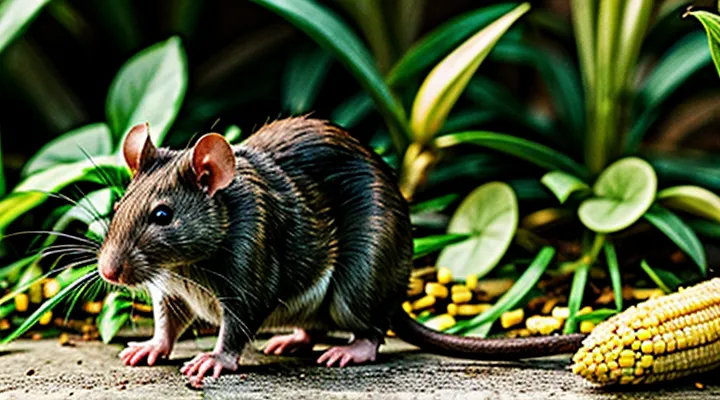
Understanding Rat Diet: A General Overview
What Do Rats Naturally Eat?
Rats are omnivorous mammals whose natural diet consists primarily of plant material, insects, and small vertebrates. In the wild they forage for seeds, grains, fruits, nuts, and leafy vegetation, supplementing these with insects, larvae, and occasional carrion. Their digestive system is adapted to process both carbohydrate‑rich and protein‑rich foods, allowing flexible feeding habits across diverse habitats.
Key components of a rat’s natural intake include:
- Seeds and grains: wheat, barley, oats, millet, and wild grasses provide essential starches and fiber.
- Fruits and berries: apples, grapes, blueberries, and seasonal berries offer sugars, vitamins, and antioxidants.
- Nuts and legumes: peanuts, almonds, soybeans, and lentils supply fats and amino acids.
- Invertebrates: beetles, caterpillars, earthworms, and other arthropods deliver high‑quality protein and micronutrients.
- Vegetative matter: leafy greens, stems, and root vegetables contribute minerals and roughage.
When evaluating the suitability of corn for rats, consider that corn belongs to the grain category and aligns with the carbohydrate portion of their natural diet. However, corn’s high starch content and relatively low protein balance it against the broader spectrum of foods rats typically consume in the wild. Regular inclusion of corn should therefore be limited and complemented with protein‑rich insects or legumes to maintain nutritional equilibrium.
Dietary Needs of Pet Rats
Pet rats require a balanced diet that supplies protein, fiber, vitamins, and minerals in appropriate ratios. Commercial rat blocks or pellets form the core of a healthy regimen because they deliver consistent nutrition and prevent deficiencies. Fresh vegetables and fruits can be offered as supplemental treats, but portions must be limited to avoid digestive upset.
Corn kernels, when provided in small quantities, can serve as an occasional source of carbohydrates and fiber. The grain contains starch, modest protein, and beta‑carotene, yet it lacks several essential amino acids and is low in calcium. Overreliance on corn may displace more nutritionally complete foods and increase the risk of obesity or gastrointestinal problems.
Guidelines for incorporating corn into a pet rat’s diet:
- Offer no more than one teaspoon of cooked, unsalted corn per week.
- Ensure corn is plain, without butter, oil, or seasoning.
- Serve corn alongside a varied selection of leafy greens (e.g., kale, romaine) and a protein source such as boiled egg or mealworms.
- Monitor the rat for signs of digestive distress; discontinue if diarrhea or bloating occurs.
- Maintain constant access to fresh water and a clean cage environment.
Overall, corn can be part of a rat’s diet, but it should remain a minor component, complemented by nutritionally complete pellets and a diverse array of fresh produce to meet the species’ dietary requirements.
Corn and Rats: The Basics
Is Corn Safe for Rats?
Cooked vs. Raw Corn
Rats can include corn in their diet, but the form in which it is offered influences safety and nutritional value.
Raw corn kernels contain intact cellulose and high levels of starch that rats digest slowly. The hard texture raises the risk of choking, especially for smaller individuals. Uncooked kernels may also harbor mycotoxins or pesticide residues if not thoroughly washed, increasing the likelihood of gastrointestinal irritation. Consequently, raw corn should be limited to small, freshly washed pieces and offered only occasionally.
Cooking corn alters its physical and chemical properties. Heat gelatinizes starch, making it readily absorbable and reducing the effort required for mastication. Boiling or steaming eliminates most surface contaminants and deactivates certain antinutrients, such as phytic acid, which can impair mineral absorption. However, excessive cooking or the addition of salt, butter, or spices introduces unnecessary sodium and fats, potentially leading to obesity or renal strain. The preferred preparation method is plain, fully cooked corn cooled to room temperature.
Advantages of cooked corn
- Softened texture reduces choking hazard.
- Enhanced digestibility improves energy extraction.
- Lowered risk of microbial contamination.
Potential drawbacks of cooked corn
- Over‑cooking diminishes vitamin B content.
- Added seasonings introduce unwanted nutrients.
- Moisture content may promote mold if stored improperly.
When incorporating corn into a rat’s regimen, limit portions to no more than 10 % of total daily intake and rotate with other vegetables and protein sources. Observe the animal for signs of digestive upset, such as loose stools or reduced activity, and discontinue if adverse reactions appear. Regularly inspect corn for mold or spoilage before serving.
Corn on the Cob vs. Kernels
Rats can consume corn, but the form in which it is offered influences safety and nutritional value.
Corn on the cob presents a hard, fibrous exterior that rats cannot gnaw through efficiently. The outer husk may cause dental strain, and the solid cob can become a choking hazard if a rat attempts to bite it. Additionally, the cob offers little edible material compared with the amount of effort required to extract kernels.
Kernels, whether fresh, frozen, or dried, are readily accessible to a rat’s incisors. They provide a concentrated source of carbohydrates, fiber, and essential micronutrients such as vitamin B6 and magnesium. The small size reduces the risk of obstruction, and the texture encourages natural chewing behavior, promoting dental health.
Considerations when feeding corn to rats
- Safety – kernels pose minimal choking risk; cob should be avoided.
- Digestibility – kernels are fully digestible; cob contains indigestible cellulose.
- Nutrient density – kernels deliver measurable calories and vitamins; cob contributes negligible nutrients.
- Portion control – a teaspoon of kernels per day fits within a balanced rodent diet; larger quantities may lead to weight gain.
Providing only the edible kernels ensures that rats receive the nutritional benefits of corn without the complications associated with the cob.
Types of Corn to Consider («Sweet Corn», «Popcorn», «Field Corn»)
Rats can consume corn, but the variety matters for nutrition and safety.
Sweet corn offers high moisture, natural sugars, and readily digestible carbohydrates. Fresh kernels provide vitamin C, fiber, and small amounts of protein. Rats tolerate the soft texture without dental strain. Feeding should be limited to a few tablespoons per day to prevent excess calories.
Popcorn presents a dry, fibrous structure. When fully popped and unsalted, it supplies minimal calories and a source of fiber. The hulls can cause gastrointestinal blockage if large pieces are ingested; therefore, only small, fully expanded kernels should be offered, and any unpopped kernels must be removed.
Field corn, also known as dent corn, is dense and starchy. It contains higher levels of complex carbohydrates and lower sugar compared to sweet corn. The hard kernels are difficult for rats to chew and may damage teeth. If included, kernels must be cooked, softened, and served in small portions.
Key considerations for each type:
- Sweet corn: high sugar, moisture‑rich, safe in moderation.
- Popcorn: low calorie, high fiber, risk of hull blockage.
- Field corn: starchy, hard texture, requires cooking to be safe.
Nutritional Value of Corn for Rats
Key Nutrients in Corn
Corn supplies a dense source of carbohydrates, primarily starch, which delivers rapid energy for small mammals. The grain contains moderate protein levels, with a profile rich in glutamine and leucine but limited in lysine and tryptophan. Dietary fiber, chiefly insoluble hemicellulose, supports gastrointestinal motility.
- Starch: 70–75 % of dry weight, high‑glycemic carbohydrate.
- Protein: 8–10 % of dry weight; includes essential amino acids albeit in low lysine content.
- Fiber: 2–3 % of dry weight; promotes gut health.
- Vitamins: B‑complex (thiamine, niacin, folate), vitamin A precursor beta‑carotene, vitamin E.
- Minerals: magnesium, phosphorus, potassium, zinc; calcium present in low proportion.
Rats require a balanced intake of protein, calcium, and phosphorus. Corn contributes energy, B‑vitamins, and certain minerals, yet its protein quality and calcium level fall short of optimal rodent nutrition. Supplementation with higher‑lysine protein sources and calcium‑rich foods is necessary to avoid deficiencies when corn forms a substantial part of the diet.
Potential Benefits for Rats
Corn can be incorporated into a rat’s diet as a source of energy and nutrients. The grain’s composition offers several measurable advantages when provided in appropriate amounts.
- High‑quality carbohydrates supply rapid energy for active rodents.
- Dietary fiber supports intestinal motility and helps maintain a stable gut environment.
- Vitamin A contributes to visual health and epithelial maintenance.
- B‑vitamins, particularly thiamine and niacin, assist in metabolic processes.
- Antioxidants such as lutein protect cellular structures from oxidative stress.
- The starch content can aid in weight gain for undernourished individuals.
- Inclusion of corn kernels introduces textural variety, encouraging natural foraging behavior and mental stimulation.
When corn is offered, it should be fresh, free of mold, and limited to a modest portion of the overall diet to prevent excessive caloric intake and potential digestive upset. Properly balanced, corn serves as a functional component that enhances energy provision, nutrient diversity, and behavioral enrichment for rats.
Risks and Concerns
Digestive Issues
Rats can ingest corn, but its high starch and low fiber content challenge the rodent’s digestive system. The grain delivers rapid carbohydrate absorption, which may exceed the capacity of the small intestine and provoke hyperglycemia. Insufficient fiber limits bulk formation, reducing motility and raising the risk of constipation.
Common digestive problems associated with corn consumption include:
- Gastrointestinal blockage from large, unprocessed kernels.
- Fermentation of undigested starch in the cecum, leading to gas accumulation and abdominal distension.
- Diarrhea caused by sudden shifts in osmotic balance.
- Nutrient imbalance, as excessive corn displaces protein‑rich foods essential for gut health.
- Exposure to mycotoxins if the grain is moldy, resulting in inflammation of the intestinal lining.
Mitigation strategies focus on preparation and moderation. Cooking or grinding corn softens the kernel structure, facilitating passage through the gut. Limiting portions to no more than 5 % of the total diet prevents overload of starch and maintains a balanced nutrient profile. Regular observation of stool consistency and appetite helps identify early signs of digestive distress.
When introduced correctly, corn can serve as an occasional energy source without compromising intestinal function. Persistent symptoms such as persistent soft stools, reduced activity, or abdominal swelling warrant immediate veterinary assessment.
Nutritional Imbalances
Corn is occasionally offered to laboratory or pet rats as a treat, yet its composition can disrupt dietary equilibrium. The grain delivers a disproportionate amount of carbohydrates relative to protein, providing roughly 70 % starch while contributing only 7–9 % protein. This ratio exceeds the protein requirements of adult rats, which range from 14 to 18 % of total calories. Consequently, a diet dominated by corn reduces intake of essential amino acids such as lysine and methionine, impairing growth and tissue repair.
Micronutrient shortfalls accompany the macronutrient imbalance. Corn contains minimal calcium, leading to a calcium‑to‑phosphorus ratio far below the optimal 1 : 1 to 2 : 1 range needed for bone health. Vitamin A, vitamin D, and several B‑vitamins (thiamine, riboflavin, niacin) are present in insufficient quantities, increasing the risk of vision disorders, impaired immunity, and metabolic dysfunction.
Excessive carbohydrate consumption produces additional concerns. High glucose loads promote rapid weight gain, elevate blood lipid levels, and can precipitate insulin resistance. Starch that remains undigested may ferment in the hindgut, generating gas and causing diarrhea or soft stools. The low fiber content of corn fails to support the continuous incisor grinding required for dental maintenance, potentially leading to overgrown teeth.
Key nutritional imbalances associated with regular corn feeding:
- Protein deficit (7–9 % vs. 14–18 % required)
- Inadequate essential amino acids (lysine, methionine)
- Calcium deficiency (Ca:P ratio far below 1 : 1)
- Insufficient fat‑soluble vitamins (A, D)
- Low B‑vitamin levels (thiamine, riboflavin, niacin)
- Excessive carbohydrate intake (≈70 % of calories)
- Reduced dietary fiber (affects gut motility and dental wear)
To prevent these issues, corn should be limited to occasional, small portions. Primary nutrition must derive from a formulated rat chow that meets established macro‑ and micronutrient standards. When corn is included, supplement the diet with calcium sources, balanced protein modules, and vitamin mixes to restore the appropriate nutritional profile.
Pesticides and GMOs
Rats may ingest corn that contains pesticide residues or genetically modified traits; both factors influence safety and nutritional value.
Pesticide residues on corn are regulated by maximum residue limits (MRLs) established for livestock feed. Common insecticides such as organophosphates and pyrethroids exhibit acute toxicity at doses exceeding 10 mg kg⁻¹ in rats, while chronic exposure above 0.1 mg kg⁻¹ can impair liver function. Residue levels below MRLs typically fall within the established no‑observed‑adverse‑effect level (NOAEL) for rodents, reducing the risk of toxicity.
Genetically modified corn varieties often express Bacillus thuringiensis (Bt) toxin or confer herbicide tolerance. Bt protein has been evaluated in rodent feeding studies and shown to produce no adverse effects at dietary concentrations up to 10 % of the diet. Herbicide‑tolerant lines may contain trace amounts of the associated herbicide; exposure below the acceptable daily intake (ADI) for rats does not elicit measurable health effects.
Safety assessment for feeding corn to rats should address the following points:
- Verify that pesticide residues are below the relevant MRLs for rodent feed.
- Confirm that the corn variety is approved for animal consumption and that Bt or other introduced proteins are within established safety margins.
- Conduct a short‑term feeding trial (7 days) to observe any immediate adverse reactions before implementing a long‑term diet.
- Monitor body weight, feed intake, and clinical signs throughout the trial.
When corn meets residue and GMO safety criteria, it constitutes an acceptable component of a rat diet, providing carbohydrate energy and modest protein content without inherent health hazards.
How to Safely Feed Corn to Your Rat
Preparation Guidelines
Feeding corn to rats requires careful preparation to ensure safety and nutritional balance. Select fresh, high‑quality kernels, avoiding those treated with pesticides or mold. Rinse thoroughly under running water to remove dust and residues.
- Cooking method: Steam or boil corn until soft; raw kernels are difficult to digest and may cause gastrointestinal irritation. Do not fry or add butter, salt, or seasonings.
- Cooling: Allow cooked corn to reach room temperature before offering it to the animal. Hot food can burn delicate oral tissues.
- Portion size: Provide no more than a tablespoon of cooked corn per 100 g of body weight, incorporated into a varied diet that includes protein, vegetables, and grains.
- Storage: Store leftovers in an airtight container in the refrigerator for up to 48 hours. Discard any portion that develops an off‑odor or visible mold.
- Observation: Monitor rats for changes in stool consistency, appetite, or behavior after introducing corn. If adverse signs appear, discontinue and consult a veterinarian.
Following these steps maximizes the benefits of corn while minimizing health risks for pet rats.
Portion Control
Corn is a safe food for rats when offered in measured amounts. It provides carbohydrates, fiber, and small quantities of protein, but lacks essential amino acids and vitamins required for a balanced rodent diet. Excess corn can displace nutritionally complete pellets and lead to weight gain.
Portion control prevents nutritional imbalances and obesity. A typical adult rat (200‑250 g) should receive no more than 5–10 g of corn per day, equivalent to roughly one teaspoon of whole kernels. Younger or smaller rats require proportionally less, while larger rats may tolerate the upper limit without adverse effects.
Guidelines for feeding corn:
- Offer corn only as a supplement, not as a staple.
- Divide the daily allowance into two short sessions to reduce the risk of overconsumption.
- Combine corn with fresh vegetables and high‑quality pellet feed to maintain dietary diversity.
- Observe the rat’s body condition; reduce or discontinue corn if weight increases rapidly.
Regular monitoring and adherence to these limits ensure corn contributes safely to a rat’s diet without compromising health.
Frequency of Feeding
Corn can be included in a rat’s diet, but the frequency of offering it must balance nutritional benefits with the risk of digestive upset. Adult laboratory or pet rats tolerate corn as an occasional treat; daily provision is unnecessary and may displace essential protein and fiber sources.
- Weekly limit: 1–2 small pieces (approximately 5 g total) per week for a 250‑g rat.
- Bi‑weekly option: One serving of 5 g every 10–14 days for larger rats or those on high‑fiber diets.
- Special cases: Pregnant, lactating, or growing juveniles require reduced corn portions (no more than 2 g per serving) to avoid excess carbohydrate intake.
Feeding schedule should follow these principles:
- Introduce corn gradually, observing stool consistency for signs of softening or diarrhea.
- Offer corn at the same time each week to maintain routine and prevent overconsumption.
- Remove uneaten corn after 30 minutes; prolonged exposure can lead to mold growth and toxin formation.
If a rat exhibits gastrointestinal disturbance after corn ingestion, suspend the treat for at least one week and revert to a diet composed of high‑quality rodent pellets, fresh vegetables, and limited fruit. Regular monitoring ensures corn remains a safe, occasional supplement rather than a staple.
Alternatives and Supplements
Other Safe Vegetables for Rats
Corn is a popular treat for pet rats, but a balanced diet includes a variety of vegetables that are equally safe and nutritious. The following vegetables meet the dietary requirements of rats and can be offered regularly:
- Broccoli florets – high in vitamin C and fiber; feed in small portions to avoid gas.
- Carrot sticks – provide beta‑carotene and potassium; raw or lightly steamed.
- Spinach leaves – rich in iron and calcium; limit to a few leaves per week due to oxalates.
- Bell pepper strips – supply vitamin A and antioxidants; choose red, orange, or yellow varieties.
- Cucumber slices – low in calories, high water content; useful for hydration.
- Zucchini cubes – mild flavor, source of vitamin B6; can be served raw or lightly cooked.
- Kale leaves – source of vitamin K and lutein; offer sparingly to prevent thyroid issues.
- Green beans – contain protein and fiber; serve cooked or raw, trimmed of tough ends.
Introduce new vegetables gradually, observing the rat’s reaction for any signs of digestive upset. Combine these options with a high‑quality commercial pellet base to ensure complete nutrition. Regularly wash all produce to remove pesticides and contaminants before feeding.
Balanced Commercial Rat Foods
Commercial rat diets are formulated to provide a complete nutrient profile, reducing reliance on single ingredients such as corn. Formulations typically contain precise ratios of protein, fat, fiber, vitamins, and minerals, ensuring growth, reproduction, and immune function are supported without the need for supplemental feeding.
Key components of a balanced commercial mix include:
- High‑quality animal or soy protein delivering essential amino acids.
- Grain sources, often corn, wheat, or barley, supplying carbohydrates and energy.
- Added fats for caloric density and essential fatty acids.
- Fiber from beet pulp or cellulose to promote gastrointestinal health.
- Micronutrient premixes providing calcium, phosphorus, vitamin D, B‑complex vitamins, and trace elements.
When evaluating corn’s role, the grain contributes starch and some beta‑carotene but lacks sufficient lysine and methionine for optimal rat nutrition. Commercial products compensate by blending corn with complementary protein sources, preventing deficiencies that could arise from feeding corn alone.
Choosing a reputable brand guarantees that corn content remains within a range that supports energy needs while the overall formula meets the species‑specific dietary requirements, eliminating the need for additional supplementation.
When to Avoid Feeding Corn
Health Conditions
Corn can be a source of carbohydrates, fiber, and some vitamins for rats, but its impact on health varies with the animal’s condition and the amount offered.
-
Digestive tolerance – Rats possess a short gastrointestinal tract adapted to high‑energy foods. Small quantities of cooked or raw corn are generally digested without issue; large servings may overwhelm the gut, leading to soft stools or diarrhea.
-
Weight management – Corn’s high starch content contributes significant calories. Overfeeding can accelerate weight gain, especially in sedentary or already overweight rats, increasing the risk of obesity‑related complications such as fatty liver disease.
-
Blood‑sugar regulation – The rapid glucose surge from corn may exacerbate insulin resistance in rats predisposed to diabetes. Monitoring blood‑glucose levels is advisable when introducing corn to diabetic‑prone individuals.
-
Allergic reactions – Though rare, some rats develop hypersensitivity to corn proteins, manifesting as skin irritation, sneezing, or respiratory distress. Discontinue corn immediately if these signs appear.
-
Nutrient balance – Corn lacks sufficient protein, calcium, and essential fatty acids required for optimal rat health. Relying on corn as a staple displaces more balanced foods and can lead to deficiencies, particularly in growing juveniles.
-
Dental health – The fibrous texture of whole kernels provides mild abrasion, supporting incisor wear. However, excessive soft corn mash may reduce natural grinding, potentially contributing to overgrown teeth.
When incorporating corn into a rat’s diet, limit portions to no more than 5 % of total daily intake, ensure it is fresh and free of mold, and observe the animal for any adverse reactions. Adjust the diet based on the rat’s weight, metabolic status, and overall health profile.
Young or Elderly Rats
Rats of any age can consume corn, but metabolic needs and physiological resilience differ between juveniles and seniors. Young rodents possess rapid growth rates, high energy demands, and a digestive system that efficiently processes starches. Corn supplies carbohydrates, modest protein, and essential fatty acids that support muscle development and thermoregulation. However, the grain’s coarse fiber may irritate the delicate intestinal lining of very young pups if introduced before weaning; gradual incorporation is advisable.
Elderly rats experience a slowdown in metabolism, reduced enamel strength, and a higher incidence of dental wear. Softened or finely ground corn reduces chewing stress and minimizes the risk of oral injury. The same carbohydrate source can help maintain body weight and prevent age‑related cachexia, yet excessive intake may exacerbate obesity or predispose senior animals to glucose intolerance. Monitoring portion size is essential.
Practical guidelines for feeding corn to rats at opposite life stages:
- Juvenile rats – introduce cooked, unsalted corn in small quantities after weaning; prefer finely diced pieces.
- Senior rats – serve softened or pureed corn; limit to occasional treats, not more than 5 % of total daily calories.
- All ages – avoid raw kernels with husk, as they pose choking hazards; ensure corn is free from mold and pesticide residues.
Balanced diets that pair corn with protein‑rich foods, leafy greens, and appropriate vitamins meet the nutritional requirements of both young and aging rats while reducing the likelihood of digestive upset. Regular health checks allow owners to adjust corn portions according to weight trends and dental condition.
Consulting a Veterinarian
When deciding whether to include corn in a pet rat’s diet, professional veterinary advice is essential. A veterinarian can evaluate the animal’s health status, dietary needs, and potential risks associated with corn consumption.
Key reasons to seek veterinary consultation:
- Confirmation that corn fits the rat’s specific nutritional requirements.
- Identification of possible allergic reactions or gastrointestinal upset.
- Guidance on appropriate portion size and frequency to avoid obesity or nutrient imbalance.
- Recommendations for alternative foods if corn proves unsuitable.
During the appointment, provide the vet with the following information:
- Current diet composition, including any commercial pellets, fresh produce, and treats.
- Recent changes in weight, appetite, or stool consistency.
- Observed symptoms such as vomiting, diarrhea, or skin irritation after introducing new foods.
- Any known medical conditions, such as diabetes or liver disease, that may affect food tolerance.
The veterinarian may perform a physical examination, request blood work, or suggest a trial feeding schedule. If corn is approved, the vet will likely advise feeding small, cooked or raw kernels without added salt, butter, or seasoning, and monitoring the rat’s response over several days.
If the vet determines that corn poses a health risk, they will suggest safer carbohydrate sources—such as sweet potatoes, oats, or specially formulated rodent mixes—to meet energy needs without compromising wellbeing.
Consulting a qualified animal health professional ensures that dietary decisions support optimal growth, immune function, and overall quality of life for the rat.