
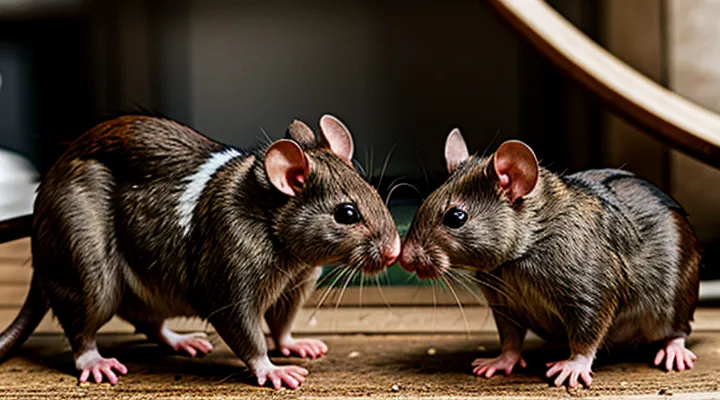
The Nutritional Value of Chicken Hearts
Macronutrients
Protein Content
Chicken hearts provide a high‑quality protein source for rats. A 100‑gram serving contains approximately 18–20 g of protein, with a complete essential amino‑acid profile that matches the nutritional requirements of rodents. The protein is highly digestible, delivering a biological value comparable to that of lean muscle meat.
Key nutritional comparisons:
- Chicken hearts (raw) – 18 g protein / 100 g; rich in taurine and L‑carnitine.
- Standard rodent chow – 15–17 g protein / 100 g; primarily plant‑based proteins.
- Cooked chicken breast – 31 g protein / 100 g; higher protein density but lower in certain micronutrients found in organ tissue.
When incorporating chicken hearts into a rat’s diet, consider the following guidelines:
- Offer hearts in moderation, limiting them to no more than 10 % of total daily intake to avoid excess fat and cholesterol.
- Provide hearts cooked to a safe temperature (≥ 74 °C) to eliminate pathogenic bacteria while preserving most protein quality.
- Balance organ meat with a varied diet that includes grains, vegetables, and a fortified pellet to meet vitamin and mineral needs.
Properly prepared chicken hearts can supplement dietary protein effectively, supporting growth, tissue repair, and overall health in rats.
Fat Content
Chicken hearts are a high‑fat protein source. Raw hearts contain about 8 g of fat per 100 g, which accounts for roughly 70 % of their caloric value. The fat is primarily unsaturated, with a modest amount of saturated fatty acids. In a typical laboratory rat diet, total fat intake ranges from 5 % to 10 % of calories; a single 5‑gram portion of chicken hearts would contribute close to 0.4 g of fat, fitting within that range.
When feeding rats chicken hearts, consider the following points:
- Caloric balance – The added fat raises total energy intake; adjust other diet components to avoid excess weight gain.
- Digestibility – Rats efficiently digest animal fat, but sudden increases can cause gastrointestinal upset.
- Nutrient profile – Alongside fat, hearts provide iron, zinc, and B‑vitamins, which complement a balanced rodent diet.
- Portion control – Limit servings to 5–10 g per 100 g of total feed to maintain recommended fat percentages.
- Health monitoring – Observe for signs of lipid‑related issues, such as hepatic steatosis, especially in long‑term feeding trials.
Overall, the fat content of chicken hearts makes them suitable as an occasional supplement for rats, provided that total dietary fat remains within established nutritional guidelines.
Micronutrients
Vitamins
Chicken hearts provide a concentrated source of several vitamins essential for rodent health. The organ meat is rich in vitamin B12, which supports red blood cell formation and neurological function. It also supplies notable amounts of riboflavin (vitamin B2) and niacin (vitamin B3), both involved in energy metabolism. Vitamin A is present in the form of retinol, contributing to vision, immune response, and epithelial integrity.
- Vitamin B12: promotes DNA synthesis, prevents anemia, maintains nerve tissue.
- Riboflavin (B2): assists in the conversion of carbohydrates, fats, and proteins into usable energy.
- Niacin (B3): facilitates enzymatic reactions in cellular respiration.
- Vitamin A: essential for retinal health, mucosal barriers, and immune modulation.
When incorporating chicken hearts into a rat’s diet, balance is critical. Excessive vitamin A can lead to toxicity, manifesting as skeletal abnormalities or liver dysfunction. Regular monitoring of overall dietary vitamin intake prevents oversupply. Fresh, properly stored hearts minimize degradation of heat‑sensitive vitamins, preserving nutritional value.
Minerals
Chicken hearts provide a dense source of essential minerals that support rat health. The organ meat is rich in iron, zinc, selenium, phosphorus, and potassium, each contributing to specific physiological functions.
- Iron: Facilitates oxygen transport and energy metabolism.
- Zinc: Essential for enzyme activity, immune response, and wound healing.
- Selenium: Acts as an antioxidant, protecting cells from oxidative damage.
- Phosphorus: Integral to bone formation and cellular energy storage.
- Potassium: Maintains electrolyte balance and nerve impulse transmission.
Rats metabolize these minerals efficiently, but excessive intake can lead to imbalances. High iron levels may cause gastrointestinal irritation, while surplus zinc can suppress copper absorption. Selenium toxicity, though rare, results in neurological symptoms if dietary limits are exceeded.
For a balanced diet, incorporate chicken hearts as a supplemental protein source, limiting portions to 5–10 % of total daily food weight. Monitor overall mineral intake from other feed components to avoid cumulative excess. Regular veterinary assessment ensures that mineral levels remain within safe parameters for laboratory or pet rats.
Safety Considerations for Feeding Chicken Hearts to Rats
Preparation Guidelines
Raw vs. Cooked
Rats are capable of eating chicken hearts, but the form in which they are offered influences safety and nutritional value.
Raw hearts contain high levels of protein, iron, and essential fatty acids. However, they also harbor Salmonella, Campylobacter, and potential parasites that can cause gastrointestinal illness in rodents. The delicate digestive system of a rat is less equipped to neutralize these pathogens, increasing the risk of infection and mortality.
Cooking eliminates most bacterial and parasitic threats, making the organ safer for consumption. Heat denatures some proteins, reducing digestibility slightly, but the loss is modest compared to the health benefits of pathogen removal. Cooked hearts retain the majority of iron and essential fatty acids, while also providing a more palatable texture for many rats.
Practical guidance
- Cook hearts thoroughly (boil or steam until internal temperature reaches 165 °F/74 °C).
- Cool to room temperature before serving.
- Offer small portions (no more than 10 % of total daily caloric intake).
- Rotate with other protein sources to maintain a balanced diet.
Providing cooked chicken hearts satisfies rats’ nutritional needs without exposing them to the hazards associated with raw organ meat.
Portion Size
Chicken hearts can be a protein-rich treat for pet rodents, but the amount offered must respect their small digestive capacity. A single adult rat should receive no more than 0.5 – 1 gram of raw or lightly cooked hearts per feeding, equivalent to roughly one‑third of a standard heart. Juvenile rats require half that quantity; 0.25 – 0.5 gram per meal provides sufficient nutrients without overloading the stomach.
When incorporating hearts into a balanced diet, follow these guidelines:
- Offer hearts no more than twice a week to prevent excess fat and cholesterol.
- Divide the daily allowance into two small servings to aid digestion.
- Observe the rat’s weight and fecal consistency; adjust portions if weight gain or loose stools occur.
- Store hearts refrigerated and use within 24 hours to maintain freshness and prevent bacterial growth.
Consistent monitoring and adherence to the recommended gram limits ensure that chicken hearts remain a safe, occasional protein source for rats.
Frequency of Feeding
Rats may be offered chicken hearts as a protein source, but the feeding schedule must align with their nutritional needs and digestive capacity.
Adult rats typically tolerate chicken hearts two to three times per week without adverse effects. A single heart, weighing 5–10 g, provides sufficient protein when combined with a balanced grain‑based diet. Overfeeding can lead to excess fat and nutrient imbalance; therefore, limiting portions to one heart per feeding session is advisable.
Juvenile or breeding rats require more frequent protein supplementation. For pups older than three weeks, a heart can be given every other day, while breeding females benefit from three to four servings weekly to support gestation and lactation. In each case, the heart should be chopped into bite‑size pieces to prevent choking.
Monitoring is essential. Observe weight, stool consistency, and activity levels after each introduction. If signs of gastrointestinal upset appear, reduce frequency or discontinue the treat. Rotate chicken hearts with other organ meats—such as liver or kidney—to provide a broader nutrient profile and prevent monotony.
Practical schedule guidelines
- Adults: 2–3 servings/week, 5–10 g per serving.
- Juveniles (≥3 weeks): every other day, 3–5 g per serving.
- Breeding females: 3–4 servings/week, 5–10 g per serving.
Adjust portions based on individual body condition and overall diet composition. Consistent, moderate feeding maintains health while allowing rats to enjoy the taste and benefits of chicken hearts.
Potential Risks
Choking Hazards
Rats can safely consume chicken hearts when the meat is prepared to eliminate choking risks. The organ is dense and rich in nutrients, but its natural composition includes cartilage and tiny bone fragments that may obstruct a rat’s airway.
- Cut the heart into pieces no larger than ¼ inch (6 mm). Small, uniform sections pass through the oral cavity and esophagus without difficulty.
- Remove all visible cartilage, tendons, and any residual bone. These structures are rigid and can become lodged in the trachea.
- Freeze the heart briefly, then thaw and pat dry. Freezing softens connective tissue, making it easier to separate and trim.
- Offer only one piece at a time. Multiple pieces increase the chance of accidental aspiration.
- Observe the animal while it eats. Immediate detection of coughing, gagging, or labored breathing allows swift intervention.
If a rat shows signs of respiratory distress after ingesting chicken heart material, separate it from the cage, keep it upright, and seek veterinary assistance without delay. Proper preparation and vigilant monitoring remove the primary choking hazards associated with this protein source.
Bacterial Contamination
Feeding chicken hearts to rats introduces a potential bacterial hazard if the meat is not properly handled. Raw poultry commonly carries Salmonella, Campylobacter, and Escherichia coli strains that can infect rodents and, through their waste, contaminate the environment and human handlers. These pathogens survive at refrigeration temperatures and multiply rapidly at room temperature, making storage conditions critical.
To reduce risk, follow these practices:
- Purchase fresh, reputable sources; discard any hearts with discoloration or foul odor.
- Store raw hearts at 4 °C (39 °F) or lower; use within 24 hours.
- Cook hearts to an internal temperature of at least 74 °C (165 °F) to ensure bacterial kill-off.
- Cool cooked hearts rapidly, then refrigerate and serve within 48 hours.
- Maintain separate cutting boards and utensils for raw poultry and rodent food; sanitize with a 1 % bleach solution after each use.
Even after cooking, cross‑contamination can occur if rodents chew on contaminated surfaces or if handlers neglect hand hygiene. Regular cleaning of cages, feeding trays, and surrounding areas with an effective disinfectant prevents bacterial persistence. Monitoring rodent health for signs of gastrointestinal distress—such as diarrhea, lethargy, or weight loss—provides early detection of infection.
Overall, chicken hearts are nutritionally suitable for rats, but only when strict sanitary protocols are applied from purchase through preparation and feeding. Failure to implement these controls increases the likelihood of bacterial exposure and associated health complications for both the animals and humans involved.
Dietary Imbalance
Feeding chicken hearts to rats introduces a concentrated source of protein, iron, and taurine. These nutrients exceed the levels found in a standard laboratory rodent diet, which is formulated to provide balanced macro‑ and micronutrients. When heart tissue comprises a large portion of a rat’s intake, protein and iron can surpass optimal thresholds, leading to hepatic strain and reduced absorption of other essential minerals such as zinc and calcium.
Potential dietary imbalances include:
- Excess protein: may cause kidney overload and dehydration.
- High iron: increases risk of oxidative stress and gastrointestinal irritation.
- Low fiber: heart meat lacks dietary fiber, which can impair gut motility and microbiome diversity.
- Deficient vitamins: the organ lacks adequate levels of vitamin C and certain B‑vitamins that are essential for metabolic functions.
To avoid these issues, incorporate heart meat as a limited supplement, not exceeding 5–10 % of total caloric intake. Complement the diet with a commercial rodent chow that supplies balanced vitamins, minerals, and fiber. Monitor body weight, urine output, and fecal consistency regularly to detect early signs of imbalance. Adjust the proportion of organ meat accordingly to maintain overall nutritional equilibrium.
Alternative Protein Sources for Rats
Other Meat Options
Rats thrive on protein sources that are lean, low in fat, and free from harmful contaminants. When considering alternatives to poultry organs, several meat options meet these criteria.
-
Beef muscle tissue: Provides high‑quality protein, iron, and zinc. Trim visible fat, cook to an internal temperature of at least 71 °C, and cut into bite‑size pieces. Excessive fat can lead to obesity and digestive upset.
-
Turkey breast: Similar to chicken in nutrient profile but lower in cholesterol. Remove skin, cook thoroughly, and avoid seasoned or processed forms.
-
Pork tenderloin: Offers essential amino acids and B‑vitamins. Cook to a minimum of 71 °C, discard any fatty portions, and ensure the meat is fresh to prevent bacterial growth.
-
White‑fish fillets (e.g., cod, tilapia): Supply omega‑3 fatty acids and lean protein. Cook until opaque, avoid species with high mercury levels, and remove all bones.
-
Rabbit meat: Extremely low in fat, rich in protein, and contains taurine, which supports cardiac health. Cook fully and serve without seasoning.
All meat should be presented without added salts, spices, sauces, or marinades, as these additives can be toxic to rodents. Portion sizes should not exceed 10 % of the rat’s total daily caloric intake; the majority of the diet must remain a balanced, commercial rodent mix that provides fiber, vitamins, and minerals. Regular rotation of protein sources reduces the risk of nutrient imbalances and maintains palate interest.
Plant-Based Proteins
Rats require high‑quality protein to support rapid growth, reproduction, and metabolic activity. Animal organs such as chicken hearts supply complete amino acid profiles, but plant-derived proteins can meet the same nutritional demands when formulated correctly.
Common plant protein sources include:
- Soy isolate (≈90 % protein, rich in lysine and tryptophan)
- Pea protein concentrate (≈65 % protein, balanced in branched‑chain amino acids)
- Lentil flour (≈30 % protein, notable for arginine)
- Quinoa grain (≈14 % protein, contains all essential amino acids)
- Hemp seed meal (≈50 % protein, high in methionine and cysteine)
Digestibility of these ingredients ranges from 70 % to 90 % of that observed for animal tissue. Soy isolate and pea protein exhibit the highest biological value among plant options, closely approximating the amino acid spectrum of poultry organ meat. Complementary inclusion of grain‑derived proteins (e.g., quinoa) or seed meals (e.g., hemp) compensates for limiting amino acids such as methionine and cysteine.
Effective rat diets based on plant proteins typically combine two or more sources to achieve a balanced essential amino acid profile. A practical formulation might consist of 45 % soy isolate, 30 % pea protein, and 25 % quinoa flour, supplemented with a vitamin‑mineral premix to replace nutrients abundant in animal organs (e.g., vitamin B12, iron, zinc). Heat‑processing or extrusion improves protein availability and reduces antinutritional factors.
When plant proteins replace animal organ meat, monitor growth rates, feed conversion, and health markers. Adjust protein levels to 18–22 % of the diet by weight, ensuring that energy density remains consistent with the species’ metabolic requirements.
Observing Your Rat's Reaction
Signs of Digestive Upset
Feeding rats chicken hearts introduces a rich source of protein and fat, but it can also trigger gastrointestinal disturbances. Recognizing early signs of digestive upset helps prevent more serious health problems.
Typical indicators include:
- Soft or watery stools, sometimes with blood
- Reduced food intake or refusal of the heart portions
- Noticeable weight loss over a few days
- Abdominal swelling or visible gas buildup
- Lethargy, decreased activity, or reluctance to explore
- Unusual odor from the fur around the anal area
- Vomiting, though rare in rodents, may occur with severe irritation
If any of these symptoms appear, remove the heart pieces from the diet immediately and provide plain, easily digestible food such as boiled rice or a commercial rodent recovery formula. Monitor hydration; offer fresh water and, if necessary, a small amount of electrolyte solution. Persistent diarrhea or rapid weight loss warrants veterinary evaluation to rule out infection, pancreatitis, or other underlying conditions.
Preventive measures involve limiting chicken heart portions to no more than 10 % of the total diet, ensuring the tissue is fresh, fully cooked, and cut into bite‑sized pieces. Gradual introduction over several days allows the digestive system to adapt, reducing the likelihood of acute upset. Regular observation of stool consistency and overall behavior remains essential for maintaining optimal gut health in rats consuming this protein source.
Allergic Reactions
Rats readily accept animal tissue, and chicken hearts provide a concentrated source of protein and micronutrients. Introducing this food to a rodent’s diet can trigger immune‑mediated reactions in susceptible individuals.
Allergic responses in rats typically manifest as:
- Skin redness, swelling, or hair loss at the site of contact
- Sneezing, nasal discharge, or labored breathing indicating respiratory involvement
- Diarrhea, vomiting, or reduced appetite reflecting gastrointestinal irritation
The likelihood of an allergic event depends on several variables:
- Previous exposure to similar proteins; prior sensitization increases risk.
- Genetic background; certain strains exhibit higher immunoglobulin E (IgE) production.
- Overall diet composition; imbalanced nutrient ratios may exacerbate immune sensitivity.
When adding chicken hearts to a rat’s menu, follow these precautions:
- Begin with a minimal portion (approximately 1‑2 % of total daily intake).
- Observe the animal for at least 24 hours, noting any of the symptoms listed above.
- If signs appear, discontinue the food immediately and seek veterinary assistance.
Consistent monitoring and gradual introduction minimize the chance of adverse immune reactions while allowing the nutritional benefits of chicken hearts to be evaluated safely.