
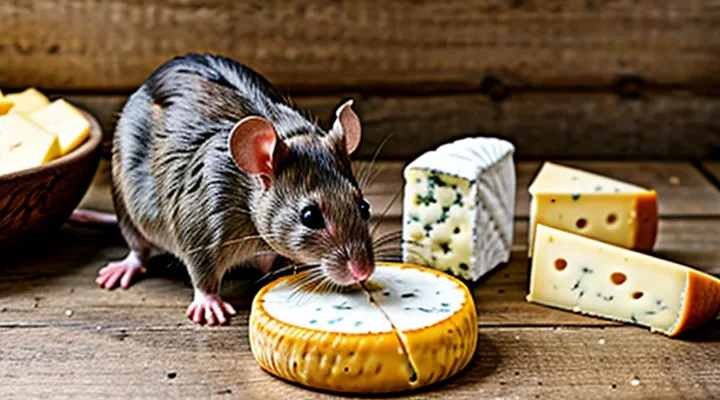
The Allure of Cheese: Why Rats Love It «Or Do They?»
Rats are often portrayed as cheese‑loving rodents, a stereotype that originated from 19th‑century cartoons and agricultural folklore. The image persists, yet scientific observation shows that cheese is not a universal favorite among wild or laboratory rats.
Taste receptors in rats respond strongly to fatty acids, salt, and certain amino acids—components abundant in many cheeses. The creamy texture and strong aroma also stimulate olfactory pathways, making cheese an appealing occasional treat.
Nutritionally, cheese supplies protein, calcium, and vitamin B12. Rats can digest lactose only in small amounts; mature rats produce limited lactase, so the sugar in fresh cheeses may cause gastrointestinal upset. High‑fat varieties increase caloric intake rapidly, raising the risk of obesity and related metabolic disorders.
Potential benefits
- Source of high‑quality protein
- Provides calcium for skeletal development
- Supplies B‑vitamins in modest quantities
Potential drawbacks
- Elevated fat content accelerates weight gain
- Salt levels can strain renal function
- Lactose may trigger diarrhoea in adult rats
- Strong flavors may mask nutritional deficiencies, leading to imbalanced diets
Overall, cheese can serve as a supplemental snack for rats under controlled conditions, but it should not replace a balanced grain‑based diet. Regular monitoring of body condition and digestive health is essential when incorporating dairy products into rodent care.
Nutritional Aspects of Cheese for Rats
Beneficial Nutrients in Cheese
Calcium «For Bone Health»
Cheese supplies a notable amount of calcium, a mineral that contributes directly to skeletal development and maintenance in rodents. Adequate calcium supports the formation of dense bone matrix, enhances fracture resistance, and facilitates proper growth in juvenile rats.
Potential advantages of cheese-derived calcium
- Increases serum calcium levels, promoting mineral deposition in long bones.
- Supplies a readily absorbable source of calcium, reducing the need for supplemental powders.
- May improve dental health by strengthening incisor enamel.
Potential disadvantages of cheese-derived calcium
- Excessive intake can lead to hypercalcemia, causing mineral imbalance and soft‑tissue calcification.
- High calcium coupled with low phosphorus may disrupt the calcium‑phosphorus ratio, impairing bone remodeling.
- Fat and sodium content in cheese may contribute to obesity and cardiovascular strain, indirectly affecting bone metabolism.
Balancing cheese consumption with other low‑calcium foods, monitoring portion size, and ensuring a varied diet help maintain optimal bone health while avoiding the risks associated with over‑supplementation. Regular veterinary assessment of blood calcium levels provides an objective measure of skeletal safety when cheese is part of a rat’s diet.
Protein «For Growth and Repair»
Rats require a steady supply of amino acids to sustain tissue growth and repair. Cheese delivers a measurable amount of protein, making it a potential supplement to the typical grain‑based diet.
Advantages of cheese‑derived protein
- Supplies essential amino acids that support muscle development.
- Contributes to the synthesis of enzymes and hormones involved in cellular regeneration.
- Provides a quick source of nitrogen for metabolic processes.
Disadvantages of cheese‑derived protein
- High fat content can lead to excess caloric intake and weight gain.
- Lactose present in many cheeses may cause digestive disturbances in rats lacking sufficient lactase activity.
- Amino‑acid profile of cheese is less balanced than that of rodent‑specific protein sources, potentially creating deficiencies if relied upon exclusively.
- Elevated sodium levels in processed cheeses may strain renal function over time.
Practical guidance
- Offer cheese in limited quantities, no more than 5 % of total daily caloric intake.
- Pair cheese with low‑fat, high‑protein alternatives such as boiled eggs, soy isolates, or commercial rodent pellets to achieve a more complete amino‑acid spectrum.
- Monitor body condition and fecal consistency regularly; adjust portions if signs of obesity or diarrhea appear.
Vitamins «A, D, B12»
Cheese is a common treat offered to pet rats, yet its nutritional contribution is limited. Vitamins A, D, and B12 are essential for rat health, and their presence in cheese influences the risk‑benefit balance of this food.
Vitamin A supports retinal function and epithelial integrity. Cheese contains only trace amounts, insufficient to meet the daily requirement of a mature rat (approximately 300 IU). Relying on cheese for this vitamin may lead to subclinical deficiency, manifested by poor vision and skin lesions.
Vitamin D regulates calcium absorption and bone remodeling. The vitamin content of most cheeses is negligible, while dietary excess of calcium from cheese can disrupt calcium‑phosphorus balance if not offset by adequate vitamin D. Without supplemental vitamin D, rats consuming cheese may experience weakened skeletal structure.
Vitamin B12 is crucial for red blood cell formation and neurological health. Fermented cheeses provide modest B12 levels (around 0.5 µg per 100 g), representing a small fraction of the 0.05 µg daily need for an adult rat. Regular cheese feeding contributes marginally to B12 intake, but does not replace a balanced diet rich in meat or fortified feed.
Considerations when offering cheese:
-
Pros:
• Provides palatable enrichment, encouraging natural foraging behavior.
• Supplies small amounts of protein and calcium. -
Cons:
• Low in vitamins A, D, and B12, risking deficiency if cheese replaces nutritionally complete feed.
• High fat and sodium content may predispose rats to obesity and renal strain.
• Calcium overload without adequate vitamin D can impair bone health.
To maintain optimal levels of vitamins A, D, and B12, cheese should be treated as an occasional supplement rather than a staple. Pairing occasional cheese with a diet formulated for laboratory or pet rats—containing adequate vitamin premixes and balanced macro‑nutrients—ensures that the benefits of enrichment do not compromise essential micronutrient status.
Potential Harmful Components in Cheese
High Fat Content «Risk of Obesity»
Cheese contains a substantial proportion of lipids, typically ranging from 20 % to 35 % of its weight, which translates into a high caloric density. When a rat consumes a portion of cheese, the energy contribution from fat can quickly exceed the animal’s daily requirement, especially if the cheese is offered regularly or in large amounts.
Excess dietary fat is stored as adipose tissue, leading to an increase in body mass. Rats with elevated body fat experience reduced insulin sensitivity, altered lipid metabolism, and a higher likelihood of developing obesity‑related pathologies such as hepatic steatosis and cardiovascular strain.
Typical laboratory rat diets limit fat to about 5 %–7 % of total calories. Introducing cheese pushes the fat proportion well beyond this threshold, accelerating weight gain. The risk escalates when cheese replaces nutritionally balanced feed, because essential vitamins and minerals become diluted while caloric intake rises.
- Persistent feeding of cheese → caloric surplus → rapid weight gain.
- Fat‑induced satiety reduction → increased overall food consumption.
- Elevated plasma triglycerides → impaired glucose regulation.
- Obesity → heightened susceptibility to respiratory and musculoskeletal disorders.
Mitigation strategies include limiting cheese to occasional treats, restricting portion size to less than 5 % of total daily calories, and monitoring body condition scores weekly to detect early signs of excess adiposity.
High Sodium Content «Kidney Strain»
Rats that regularly consume cheese are exposed to sodium levels far exceeding their typical dietary intake. A single ounce of cheddar can contain 180 mg of sodium, while a rat’s daily requirement for the mineral is less than 10 mg. Persistent excess sodium forces the kidneys to excrete larger volumes of urine, increasing glomerular pressure and accelerating renal wear. Over time, this strain may manifest as reduced filtration efficiency, proteinuria, or chronic kidney disease.
Potential drawbacks of high‑sodium cheese for rats
- Elevated blood pressure due to fluid retention
- Accelerated loss of renal nephrons
- Increased risk of dehydration from osmotic diuresis
Possible benefits, limited to occasional, low‑sodium varieties
- Source of protein and calcium when sodium content is controlled
- Stimulation of natural foraging behavior
Balancing cheese intake with low‑sodium alternatives or limiting portions mitigates renal stress while preserving nutritional advantages.
Lactose «Digestive Issues for Some Rats»
Rats lack the enzyme lactase in sufficient quantities to break down lactose efficiently. When a rat consumes cheese containing lactose, undigested sugar remains in the gastrointestinal tract, where bacterial fermentation produces gas and short‑chain fatty acids. Common manifestations include soft or watery stools, abdominal distension, and reduced appetite. In severe cases, prolonged exposure can lead to weight loss and secondary infections due to compromised gut integrity.
- Bloating or visible abdominal swelling
- Diarrhea or increased stool frequency
- Decreased food intake and lethargy
- Potential weight loss after repeated exposure
Owners who wish to offer cheese as a treat should select lactose‑free varieties or limit portions to amounts that do not trigger these symptoms. Monitoring stool consistency after the first exposure provides a practical method to assess individual tolerance. If adverse signs appear, discontinue cheese and consider alternative protein sources that lack lactose.
Additives and Preservatives «Processed Cheeses»
Processed cheeses contain a variety of additives and preservatives designed to extend shelf life, improve texture, and enhance flavor. Common components include sodium phosphate, emulsifying salts (such as sodium citrate), food-grade acids, and microbial cultures. Preservatives often consist of sorbic acid, natamycin, or potassium sorbate, while colorants may involve annatto or beta‑carotene.
Potential benefits for rats
- Stabilized moisture content reduces risk of rapid spoilage, limiting exposure to mold or bacterial growth.
- Uniform texture may facilitate easier chewing for small rodents with delicate dentition.
- Certain emulsifiers can aid in the digestion of fats, providing a modest energy source.
Possible drawbacks for rats
- High sodium levels in phosphate blends can strain renal function, especially in young or compromised individuals.
- Synthetic preservatives such as sorbic acid have been linked to gastrointestinal irritation in laboratory rodents.
- Artificial colorants lack nutritional value and may trigger allergic responses in sensitive strains.
- Microbial cultures tailored for human consumption may not align with the native gut flora of rats, potentially disrupting microbial balance.
When offering processed cheese to rats, limit portions to a few grams per week, monitor water intake, and observe any signs of digestive upset. Prefer products with minimal sodium and natural preservatives, or opt for fresh, unprocessed cheese varieties that lack added chemicals.
Can Rats Eat Cheese? The Verdict
Small Amounts «As an Occasional Treat»
Cheese can serve as an occasional treat for pet rats when offered in very small portions. The food’s high fat and salt content makes it unsuitable as a staple, but limited exposure provides occasional enrichment without compromising health.
Advantages
- Provides a novel flavor that stimulates curiosity and exploratory behavior.
- Supplies modest amounts of protein and calcium, useful for short‑term dietary variety.
- Can be used as a training reward, encouraging desired responses during handling sessions.
Disadvantages
- Excessive fat may lead to weight gain and associated metabolic disorders.
- Elevated sodium levels can strain renal function, especially in older or genetically predisposed rats.
- Lactose intolerance is common; ingestion may cause digestive upset, diarrhea, or bloating.
To maintain balance, limit cheese to no more than a teaspoon per week, monitor weight and stool consistency, and choose low‑salt varieties such as plain mozzarella or cottage cheese. If adverse signs appear, discontinue the treat immediately.
Types of Cheese to Consider
Hard, Low-Lactose Cheeses «Cheddar, Swiss»
Hard, low‑lactose cheeses such as cheddar and Swiss are occasionally offered to pet rats as occasional treats. Their protein, calcium, and vitamin B12 content can supplement a standard rodent diet, while the reduced lactose minimizes digestive upset common with soft, high‑lactose varieties.
Advantages
- High‑quality protein supports muscle maintenance.
- Calcium contributes to bone health.
- Low lactose reduces risk of gastrointestinal distress.
- Firm texture encourages natural gnawing behavior, helping to wear down continuously growing incisors.
Disadvantages
- Elevated fat and sodium may promote weight gain and hypertension if over‑fed.
- Strong flavor can lead to reduced appetite for regular chow.
- Hard texture may cause dental injury in young or dental‑compromised rats.
- Potential for mold growth if cheese is stored improperly, introducing toxins.
Guidelines for safe inclusion: limit portions to ¼‑½ inch cube per rat, no more than twice weekly; observe for signs of diarrhea, lethargy, or reduced food intake; store cheese in airtight containers at refrigeration temperatures to prevent spoilage. Consistent monitoring ensures the treat remains beneficial without compromising overall health.
Fresh, Unprocessed Cheeses «Cottage Cheese in Moderation»
Rats tolerate fresh, unprocessed cheeses, but the suitability of each variety depends on composition, moisture, and sodium content. Cottage cheese presents a relatively low‑fat, high‑protein option that aligns with the dietary needs of laboratory and pet rats when offered in limited quantities.
Advantages of modest cottage cheese inclusion
- Protein supply supports growth and tissue repair.
- Calcium contributes to skeletal development.
- Moisture aids hydration, especially in dry environments.
- Minimal lactose compared with many aged cheeses reduces the risk of digestive upset.
Potential drawbacks of excessive consumption
- Elevated sodium may strain renal function.
- High moisture can promote bacterial growth if the cheese is left unrefrigerated.
- Overreliance on dairy may displace essential fiber sources, leading to gastrointestinal imbalance.
A practical guideline recommends no more than one teaspoon (approximately 5 g) per adult rat per day, mixed with standard rodent chow. Observe the animal for signs of bloating, diarrhea, or reduced activity after introduction; discontinue if adverse reactions appear. Regular rotation with other protein sources maintains nutritional diversity while preventing dependence on dairy.
Types of Cheese to Avoid
Moldy or Blue Cheeses «Mycotoxins»
Mold‑infused cheeses contain live cultures that produce characteristic flavors and textures, making them attractive to many rodents. When rats encounter blue or otherwise moldy varieties, the primary concern is the presence of mycotoxins—secondary metabolites generated by molds such as Penicillium, Aspergillus, and Claviceps species. Mycotoxins can interfere with cellular processes, cause oxidative stress, and impair organ function.
Potential advantages for rats
- High protein and fat content supplies rapid energy.
- Strong aroma may stimulate feeding behavior in otherwise selective eaters.
- Certain molds produce B‑vitamins that could augment micronutrient intake.
Risks associated with mycotoxin exposure
- Aflatoxin, ochratoxin, and patulin can damage liver tissue and suppress immune response.
- Acute ingestion may lead to vomiting, diarrhea, and reduced weight gain.
- Chronic exposure correlates with carcinogenic outcomes and reproductive abnormalities.
- Species‑specific sensitivity varies; laboratory strains often exhibit heightened susceptibility compared to wild populations.
Balancing these factors requires careful assessment of cheese quality, mold strain, and the rat’s health status. Safe practice limits exposure to trace amounts of moldy cheese, monitors for signs of toxicity, and prioritizes alternative protein sources when mycotoxin risk outweighs nutritional benefit.
Highly Processed Cheeses «High in Sodium and Additives»
Highly processed cheeses contain elevated sodium levels, often exceeding 500 mg per ounce, and a range of additives such as emulsifiers, preservatives, and artificial flavorings. Rats ingesting such products are exposed to concentrations of salt far above their typical dietary intake, which can disrupt fluid balance and increase blood pressure. Chronic exposure may lead to renal strain and heightened risk of hypertension, conditions documented in rodent studies where sodium intake surpassed 2 % of diet weight.
Additives commonly found in mass‑produced cheeses include sodium nitrate, citric acid, and various stabilizers. These compounds can irritate the gastrointestinal lining, provoke inflammation, and alter normal gut microbiota. Research on laboratory rats shows that prolonged consumption of emulsifier‑rich diets correlates with increased intestinal permeability and metabolic disturbances.
Potential benefits are limited. Processed cheese provides a dense source of protein and calcium, which can supplement a deficient diet when offered in very small, occasional portions. The high caloric content may support rapid weight gain in undernourished individuals, a factor sometimes leveraged in short‑term recovery protocols.
Pros
- Concentrated protein and calcium
- Quick energy source due to high fat content
- Palatable, encouraging voluntary intake
Cons
- Excess sodium → dehydration, hypertension, renal stress
- Preservatives and emulsifiers → gut irritation, microbiome disruption
- Artificial flavorings → possible allergenic reactions
- Low nutritional diversity compared with natural dairy products
In practice, the risks outweigh the advantages. If a rat receives cheese, it should be a natural, low‑salt variety, and the portion limited to a few grams per week. Regular feeding of highly processed, sodium‑rich cheeses is not advisable for maintaining optimal health.
Flavored Cheeses «Artificial Ingredients»
Flavored cheeses that contain artificial flavorings, colorants, and preservatives differ markedly from plain dairy products. Their composition typically includes synthetic compounds such as monosodium glutamate, artificial smoke flavor, and food‑grade dyes, all blended with the cheese matrix to achieve a specific taste profile.
Rats metabolize dairy proteins efficiently, yet the added chemicals introduce variables that can affect health. Artificial ingredients may alter palatability, stimulate excessive intake, or trigger metabolic responses absent in natural cheese.
Potential advantages for rats
- Enhanced taste may encourage reluctant eaters to accept cheese as a supplement.
- Certain additives, like calcium‑fortified powders, can increase mineral intake when properly formulated.
- Preservatives extend shelf life, reducing the risk of spoilage‑related bacterial contamination.
Possible disadvantages for rats
- Synthetic flavor enhancers can overstimulate appetite, leading to overconsumption of fat and sodium.
- Food dyes and chemical preservatives have been linked to gastrointestinal irritation and allergic reactions in rodents.
- Unregulated additive concentrations may exceed safe thresholds, causing organ stress or behavioral changes.
Overall, flavored cheeses with artificial ingredients should be offered only sparingly, if at all. Preference should remain with plain, low‑fat cheese to provide protein and calcium without the ancillary risks associated with synthetic additives. Regular monitoring of weight, behavior, and fecal health is essential when any processed cheese is introduced into a rat’s diet.
Risks and Precautions When Feeding Cheese
Digestive Upset and Diarrhea
Cheese can trigger digestive disturbances in rats, especially when introduced abruptly or offered in large quantities. Lactose, a sugar present in most cheeses, is poorly digested by adult rats; the resulting fermentation in the gut produces excess gas and osmotic pressure, leading to loose stools or diarrhea. Symptoms include frequent, watery feces, abdominal cramping, and reduced appetite, which can quickly progress to dehydration if water intake does not compensate for fluid loss.
Key factors that increase the risk of gastrointestinal upset:
- High lactose content (e.g., soft cheeses, mozzarella)
- Excessive portion size (more than a few grams per day)
- Sudden addition to a stable diet without gradual acclimation
Preventive measures:
- Choose low‑lactose varieties such as aged cheddar or parmesan.
- Limit servings to a small, occasional treat (no more than 1–2 g per 100 g body weight).
- Introduce cheese gradually, monitoring fecal consistency for any change.
If diarrhea appears, discontinue cheese immediately, provide fresh water, and consider a bland diet of boiled chicken and plain rice until normal stool returns. Persistent symptoms warrant veterinary evaluation to rule out secondary infections or malabsorption.
Weight Gain and Obesity
Cheese is calorie‑dense, containing high levels of saturated fat and protein. When rats consume it regularly, the excess energy can be stored as adipose tissue, accelerating weight gain. Laboratory studies show that a diet supplemented with 5 % cheese leads to a 12 % increase in body mass over four weeks compared to a standard grain diet.
Potential benefits of occasional cheese intake
- Provides calcium and phosphorus, supporting bone development in growing rodents.
- Supplies readily digestible protein, useful for recovery after illness or injury.
Risks associated with regular cheese consumption
- Elevated caloric intake promotes obesity, a condition linked to insulin resistance and cardiovascular strain in rats.
- High saturated fat content may impair lipid metabolism, increasing plasma cholesterol levels.
- Lactose intolerance, common in many rodent strains, can cause gastrointestinal distress, reducing overall feed efficiency.
Obesity in rats mirrors human metabolic disorders, making it a valuable model for research. However, intentional inclusion of cheese in a rodent’s diet should be limited to short‑term nutritional supplementation, not as a staple. Continuous monitoring of body weight, food intake, and blood markers is essential to prevent the progression from healthy growth to excessive adiposity.
Allergic Reactions
Rats may develop immune‑mediated responses to proteins found in dairy products. When cheese is introduced into a rodent’s diet, the animal’s mast cells can release histamine, leading to skin inflammation, respiratory distress, or gastrointestinal upset.
Allergic mechanisms involve IgE antibodies that recognize casein or whey proteins. Sensitization occurs after repeated exposure, and cross‑reactivity with other animal milks is possible. The severity of a reaction depends on the rat’s genetic background, age, and overall health.
Observable signs include:
- Scratching or fur loss around the face and ears
- Sneezing, nasal discharge, or labored breathing
- Diarrhea, vomiting, or reduced food intake
- Lethargy or sudden collapse in extreme cases
Management strategies focus on prevention and rapid intervention. Remove all dairy sources from the cage, substitute cheese with low‑protein treats, and monitor for symptom recurrence. If an allergic episode is suspected, administer antihistamines approved for rodents and consult a veterinarian for dosage guidance. Early detection reduces the risk of chronic inflammation and improves the animal’s welfare.
Choking Hazard «Small Pieces Only»
Rats can chew cheese, but solid chunks pose a choking risk. Their jaws can bite through soft cheese, yet the throat may become obstructed if a piece exceeds the animal’s gape. Small, bite‑sized portions reduce this danger while still providing the intended nutritional benefit.
- Cut cheese into pieces no larger than ¼ inch (≈6 mm) across.
- Offer only one or two pieces per feeding session.
- Observe the rat while it eats; intervene if the animal pauses unusually long.
- Replace any leftover cheese after 15 minutes to prevent prolonged exposure.
- Store cheese at refrigerator temperature to keep it firm, minimizing accidental breakage into larger fragments.
Alternative, Healthier Treats for Rats
Fresh Fruits and Vegetables
Fresh fruits and vegetables provide essential vitamins, minerals, and dietary fiber that complement the protein and fat supplied by cheese in a rat’s diet. Their high water content assists in hydration, while antioxidants support cellular health.
Pros of incorporating fresh produce:
- Rich source of vitamin C, preventing scurvy in species that cannot synthesize it.
- Fiber promotes gastrointestinal motility and reduces the risk of constipation.
- Low caloric density helps maintain healthy body weight when cheese is offered in moderation.
- Variety of textures encourages natural foraging behavior.
Cons of using fresh produce:
- Perishability demands frequent replacement to avoid spoilage and mold growth.
- Certain fruits contain high sugar levels that may lead to obesity or dental issues if overfed.
- Some vegetables, such as raw potatoes or rhubarb leaves, are toxic to rodents.
- Nutrient imbalances can arise if fresh items displace essential protein sources.
When evaluating the cheese consumption debate for rats, fresh fruits and vegetables serve as a balancing component. Cheese delivers concentrated protein and calcium but lacks fiber and many micronutrients. A diet that alternates between modest cheese portions and a diverse selection of safe, fresh produce delivers a more complete nutritional profile while mitigating the drawbacks associated with each food type.
Whole Grains and Seeds
Rats possess a highly adaptable digestive system, allowing them to process a wide range of foods. While cheese is frequently offered, it supplies excessive fat and limited nutrients compared to the broader benefits of whole grains and seeds.
Whole grains and seeds deliver complex carbohydrates, dietary fiber, plant‑based protein, and essential micronutrients such as B‑vitamins, magnesium, and selenium. Their low saturated‑fat content supports a healthier lipid profile for rodents.
Advantages
- Fiber promotes intestinal motility and prevents constipation.
- Protein contributes to muscle maintenance and growth.
- Minerals strengthen bone density and immune function.
- Variety of textures encourages natural gnawing behavior, reducing overgrowth of incisors.
- Energy release is gradual, helping to avoid rapid blood‑sugar spikes.
Disadvantages
- High caloric density may lead to weight gain if portions are uncontrolled.
- Certain seeds (e.g., raw sunflower) contain phytic acid, which can impair mineral absorption.
- Improper storage can cause mold growth, posing a toxin risk.
- Small, hard seeds present a choking hazard for young or dental‑compromised rats.
Safe implementation includes offering measured portions of cooked oats, barley, quinoa, or unsalted pumpkin seeds, and rotating between grain types to maintain nutritional balance. Daily inclusion should not exceed 10 % of total intake, complemented by fresh vegetables, protein sources, and occasional low‑fat cheese as a treat.
Cooked Lean Meats
Cooked lean meats provide rats with high‑quality protein, essential amino acids, and minimal fat. When evaluating alternatives to cheese, these nutrients support muscle development and metabolic health more effectively than the lactose‑rich dairy product.
Pros of offering cooked lean meats to rats:
- Complete protein source facilitates tissue repair.
- Low fat content reduces risk of obesity.
- Absence of lactose eliminates digestive upset common in rodents.
- Easy to portion, allowing precise control of caloric intake.
Cons of offering cooked lean meats to rats:
- Requires thorough cooking to destroy pathogens; undercooked meat can introduce bacterial infection.
- May lack calcium and other minerals supplied by cheese, necessitating supplemental sources.
- Higher cost compared to bulk cheese products.
- Strong odor can deter some rats, reducing acceptance.
Balanced feeding regimes often combine small amounts of cheese with regular servings of cooked lean meats, ensuring protein adequacy while providing the palatable flavor rats enjoy.
Best Practices for Feeding Treats to Rats
Moderation is Key
Rats can digest cheese, but the nutrient profile makes it a supplementary rather than staple food. Cheese supplies protein and calcium, yet its high fat and sodium levels can strain a rodent’s metabolism if consumed in excess. Regular feeding of large portions may lead to weight gain, gastrointestinal upset, or renal stress.
Balanced approach
- Offer cheese no more than 5 % of the total daily diet.
- Choose low‑salt varieties; avoid processed cheeses with additives.
- Observe the animal for signs of indigestion after each serving.
- Rotate with other protein sources such as boiled egg or lean meat.
Applying these limits preserves the nutritional benefits while preventing the health risks associated with overconsumption. Moderation ensures that cheese remains an occasional treat rather than a dietary mainstay.
Observe Your Rat's Reaction
When offering cheese to a rat, watch the animal’s immediate and short‑term behavior. Quick acceptance—sniffing, nibbling, and steady chewing—indicates that the food is palatable and the digestive system is handling it without distress. Hesitation, sniffing without biting, or rapid retreat suggests aversion or possible intolerance.
Key observations include:
- Mouth and teeth: Excessive drooling, foaming, or gnawing at the cheese without swallowing can signal irritation.
- Gut activity: Normal, soft feces appear within a few hours. Loose, watery, or unusually hard stools point to digestive upset.
- Energy levels: A rat that resumes normal activity, explores, and displays alertness after eating is coping well. Lethargy, reduced movement, or prolonged grooming may reflect discomfort.
- Respiratory signs: Sneezing, wheezing, or nasal discharge after cheese consumption may indicate an allergic reaction.
- Skin and fur: Redness, itching, or hair loss around the mouth and face can be a cutaneous response to a specific cheese ingredient.
If any adverse signs emerge, discontinue cheese and observe whether symptoms resolve within 24 hours. Persistent issues warrant veterinary consultation, as they may reveal underlying lactose intolerance or a specific protein allergy. Regular monitoring after each cheese offering ensures that the rat’s diet remains safe while allowing owners to assess the nutritional value of this occasional treat.
Ensure a Balanced Core Diet
Rats require a diet that supplies protein, fiber, fat, vitamins and minerals in specific ratios; any supplemental food, including cheese, must fit within those parameters. The core diet should consist primarily of a high‑quality lab block or formulated pellet that meets established nutritional standards, supplemented with fresh vegetables and limited fruit.
Key components of a balanced rodent diet:
- Protein: 18‑20 % of total calories, sourced from soy, wheat, or animal protein in the pellet.
- Fiber: 5‑7 % of calories, provided by hay, bran or leafy greens to support digestive health.
- Fat: 4‑6 % of calories, delivered through the pellet’s oil content and occasional animal‑based treats.
- Calcium‑phosphorus ratio: approximately 1.2 : 1, maintained by the pellet formulation and occasional calcium‑rich foods.
- Vitamins and minerals: supplied in the pellet, with occasional fresh produce to boost vitamin C and B‑complex levels.
Cheese contributes protein, fat and calcium, but its high saturated‑fat content and lactose can disrupt the nutrient balance if fed in excess. A small cube (about 5 g) provides roughly 1 g of protein and 4 g of fat, representing 10‑15 % of a rat’s daily fat allowance. Regular inclusion of larger portions would elevate fat intake beyond recommended limits and reduce the relative proportion of essential fiber.
To incorporate cheese safely, follow these guidelines:
- Offer cheese no more than twice per week.
- Limit each serving to a bite‑size piece.
- Observe the animal for signs of digestive upset, such as soft stools or reduced activity.
- Adjust the pellet portion downward if cheese is added, preserving overall calorie targets.
By restricting cheese to occasional, measured treats and prioritizing a nutritionally complete staple, owners maintain a balanced core diet while allowing rats to experience the occasional dairy flavor.