
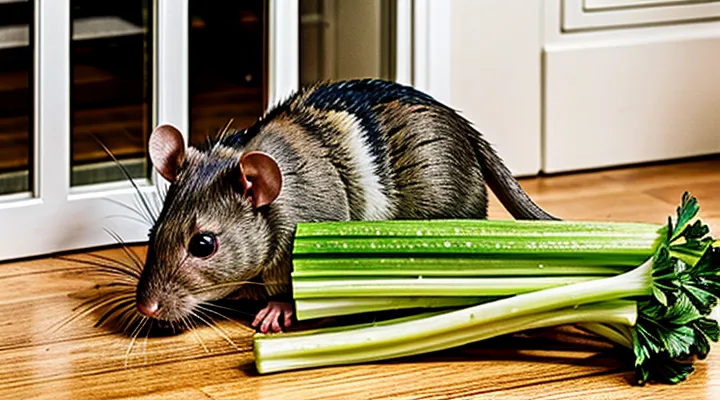
The Nutritional Profile of Celery for Rats
Key Nutrients in Celery
Vitamins and Minerals
Celery supplies several micronutrients that can complement a rat’s diet when offered in moderation. The vegetable contains vitamin K1, which supports normal blood clotting, and vitamin C, an antioxidant that assists in tissue repair. Vitamin A precursors (beta‑carotene) are present in small amounts, contributing to eye health and immune function.
Mineral content includes potassium, which aids nerve transmission and muscle contraction, and calcium, essential for bone development. Trace amounts of magnesium, phosphorus, and iron also appear, each participating in enzymatic reactions and oxygen transport.
When incorporating celery, consider the following points:
- Offer only fresh, washed stalks; remove any wilted sections.
- Limit portions to 1‑2 cm of celery per 100 g of body weight per day to avoid excessive fiber.
- Combine with a balanced pellet diet to ensure adequate protein, fat, and essential nutrients not abundant in celery.
Excessive consumption may lead to gastrointestinal upset due to high water and fiber content. Monitoring stool consistency and overall activity helps detect adverse reactions early.
Overall, celery can be a useful source of specific vitamins and minerals, provided it complements a nutritionally complete regimen and is fed in controlled amounts.
Fiber Content
Celery supplies approximately 1.6 g of dietary fiber per 100 g of raw stalk, consisting mainly of insoluble cellulose with a smaller proportion of soluble pectin. The fiber is low‑calorie and adds bulk without significantly increasing energy intake.
In rats, insoluble fiber promotes gastrointestinal motility, helping to prevent constipation and maintain healthy gut flora. Excessive soluble fiber can slow gastric emptying, potentially leading to reduced nutrient absorption if offered in large quantities.
Feeding guidelines:
- Offer raw celery in small pieces, not exceeding 0.5 g per 100 g of body weight per day.
- Limit to 2–3 servings per week to avoid overloading the digestive tract.
- Ensure the rest of the diet provides balanced nutrients; celery should complement, not replace, staple foods.
Adhering to these limits delivers the benefits of fiber while minimizing the risk of digestive upset.
Water Content
Celery consists of approximately 95 % water, providing a substantial source of hydration for pet rats. A typical medium stalk (about 40 g) delivers roughly 38 g of water, which can contribute to daily fluid intake without requiring additional drinking water.
When incorporating celery into a rat’s diet, consider the following points:
- Offer small, bite‑size pieces to prevent choking and to allow the animal to chew thoroughly.
- Rinse the stalk under cool running water to remove surface residues; a brief soak is unnecessary because the vegetable’s intrinsic moisture is already high.
- Monitor the rat’s overall water consumption; excessive celery may reduce drinking behavior, potentially leading to insufficient intake of electrolytes found in plain water.
- Balance celery with lower‑moisture foods such as dry pellets or small amounts of grain to maintain a varied diet and avoid over‑reliance on water‑rich vegetables.
Providing celery in moderation supplies both hydration and a modest amount of dietary fiber, supporting digestive health while complementing the rat’s regular water supply.
Can Rats Eat Celery?
The Verdict: Is Celery Safe for Rats?
Celery can be offered to pet rats, but only as a limited supplement. The vegetable provides moisture, fiber, and small amounts of vitamins A, K, and C, yet it lacks protein and fat, which constitute the bulk of a rat’s dietary needs.
High fiber content may aid digestion, while the crisp texture encourages chewing behavior. However, celery also contains oxalic acid, which can contribute to kidney stone formation if consumed in excess, and its low calcium-to-phosphorus ratio may disrupt mineral balance when overfed. Raw stalks may pose a choking hazard, especially for smaller or elderly rats, and pesticide residues are common on commercially grown produce.
Safe inclusion requires thorough washing, removal of any wilted or damaged sections, and cutting the stalk into bite‑size pieces. Monitor each rat for signs of gastrointestinal upset after the first offering.
Feeding guidelines
- Wash thoroughly under running water.
- Trim ends and discard leaves if they appear wilted.
- Slice stalks into ½‑inch pieces.
- Offer no more than one to two small pieces per rat, two to three times per week.
- Observe for coughing, gagging, or changes in stool; discontinue if adverse reactions occur.
When these precautions are observed, celery serves as an occasional, low‑calorie treat without compromising overall health.
Benefits of Feeding Celery to Rats
Hydration and Digestion
Celery contains about 95 % water, making it an effective source of fluid for pet rats when offered in moderation. The high moisture level can help maintain adequate hydration, especially if the animal’s water intake is inconsistent. However, celery should not replace fresh drinking water; it supplements but does not fulfill the daily requirement.
The vegetable’s fibrous structure contributes to gastrointestinal motility. Insoluble fiber adds bulk, encouraging peristalsis and preventing constipation. Soluble fiber forms a gel-like substance that slows gastric emptying, allowing more thorough nutrient absorption. Excessive fiber may cause loose stools, so limit portions to 1–2 cm × 1 cm pieces per feeding.
Key considerations for safe inclusion:
- Offer only fresh, washed stalks; discard wilted or contaminated pieces.
- Introduce gradually, observing stool consistency and appetite.
- Provide a balanced diet that includes pellets, grains, and protein sources alongside the vegetable.
- Ensure continuous access to clean water; monitor consumption after adding celery.
In practice, a small daily serving—approximately 0.5 g of celery per 100 g body weight—delivers supplemental hydration and fiber without overwhelming the digestive system. Adjust quantity based on the rat’s size, activity level, and overall health status. Regular veterinary checks will confirm that the diet supports optimal hydration and digestive function.
Dental Health
Rats’ incisors grow throughout life, requiring constant wear to prevent overgrowth that can impair eating and cause injury. Celery offers a firm, fibrous texture that encourages gnawing, providing natural abrasion for the teeth. The high water content softens the snack, reducing the risk of tooth fracture while still delivering the necessary mechanical stimulus.
Key dental considerations when offering celery:
- Fiber density – The cellulose fibers create resistance, promoting even wear on both upper and lower incisors.
- Moisture balance – Hydration from the stalk prevents dry chewing, which can lead to excessive force and enamel wear.
- Size and shape – Cut celery into 1‑2 inch pieces; overly long stalks increase the chance of choking and uneven tooth wear.
- Frequency – Introduce celery 2‑3 times per week; daily use may over‑soften teeth, while occasional feeding maintains adequate abrasion.
Supplement celery with other chew items, such as untreated wood blocks or mineral chews, to ensure varied angles of wear and prevent localized overgrowth. Regularly inspect the rat’s teeth for signs of malocclusion, such as misalignment, sharp points, or difficulty chewing. If abnormalities appear, consult a veterinarian experienced in rodent dentistry promptly.
Potential Risks and Concerns
Choking Hazard
Rats can enjoy celery as an occasional treat, but the vegetable’s fibrous stalk presents a choking risk if not prepared correctly. The dense, stringy texture can become lodged in a rat’s throat or digestive tract, especially when the animal attempts to bite large, uncut sections. Small rodents lack the ability to manipulate bulky food items, so any piece that exceeds the size of a pea may obstruct the airway or cause intestinal blockage.
To minimize danger, follow these precise steps:
- Wash celery thoroughly to remove pesticides and soil.
- Trim the stalk into bite‑size cubes, no larger than 0.5 cm (¼ inch) on each side.
- Remove the outer strings, which are tougher and more likely to snag.
- Offer only a few cubes at a time; monitor the rat for signs of distress such as gagging, excessive salivation, or prolonged silence.
- Discard any uneaten pieces after 30 minutes to prevent prolonged exposure.
If a rat exhibits choking symptoms—coughing, wheezing, or inability to swallow—immediate veterinary attention is required. Prompt intervention reduces the risk of permanent damage or fatality.
Pesticide Residues
Celery can be a safe treat for pet rats when it is free of pesticide residues. Residues may remain after conventional farming practices and can cause gastrointestinal irritation, liver stress, or neurological effects in rodents. Because rats are small and metabolize chemicals quickly, even low levels of contaminants pose a risk.
To minimize exposure, follow these steps:
- Purchase organic celery or verify that conventional produce is certified pesticide‑free.
- Rinse each stalk under running water for at least 30 seconds.
- Use a brush or soak in a dilute solution of white vinegar (1 part vinegar to 3 parts water) for 5 minutes, then rinse again.
- Pat dry with a clean cloth before cutting into bite‑size pieces.
Regularly inspect celery for bruises or discoloration, which can harbor additional chemicals. Rotate celery with other low‑sugar vegetables such as cucumber or bell pepper to provide nutritional variety while limiting any single source of potential contaminants.
Digestive Upset from Overfeeding
Rats that receive too much celery may develop gastrointestinal disturbances. Celery’s high fiber and water content can overwhelm a rodent’s small digestive tract, leading to loose stools, bloating, and reduced nutrient absorption.
Signs of overconsumption include:
- Watery or frequent droppings
- Abdominal swelling
- Decreased appetite
- Lethargy
To prevent these issues, limit celery portions to no more than a thin slice per feeding, distribute it sparingly throughout the week, and monitor stool consistency after each offering. If symptoms appear, suspend celery entirely for several days and provide a bland diet of plain rodent pellets and fresh water until normal digestion resumes.
How to Safely Feed Celery to Your Rat
Preparation Tips
Washing Celery
Cleaning celery before giving it to rats eliminates soil, pesticide residues, and potential pathogens. Untreated stalks can introduce harmful bacteria into a pet’s digestive system and compromise health.
To prepare celery safely, follow these steps:
- Trim the outer leaves and discard any that appear wilted or damaged.
- Cut the stalk into bite‑size pieces appropriate for a rat’s mouth.
- Rinse each piece under cold, running water, turning them to expose all surfaces.
- Use a soft vegetable brush to scrub the grooves where dirt can hide.
- Submerge the pieces in a solution of one part white vinegar to three parts water for one minute; this helps reduce microbial load.
- Rinse thoroughly with fresh water to remove any vinegar taste.
- Pat dry with a clean kitchen towel or spin in a salad spinner before serving.
After washing, inspect each piece for bruises or discoloration and discard any compromised sections. Store cleaned celery in an airtight container in the refrigerator, using it within two days to maintain crispness and nutritional value.
Cutting Celery for Rats
Celery can be a safe, low‑calorie addition to a rat’s diet when prepared correctly. The vegetable’s fibrous stalks must be cut into appropriately sized pieces to prevent choking and to encourage natural foraging behavior.
- Wash the stalk thoroughly under running water to remove pesticide residues and soil.
- Trim the leafy tops; they are tougher and may be less palatable for rats.
- Slice the stalk into ½‑inch (1.3 cm) thick rounds. This thickness is easy for a rat to bite and chew without breaking into large, hazardous fragments.
- For smaller rats or juveniles, further halve the rounds into ¼‑inch (0.6 cm) pieces.
- Offer a few pieces at a time, observing the animal’s reaction. Remove any uneaten celery after 24 hours to avoid spoilage.
Consistent preparation using these dimensions ensures the celery remains a nutritious, crunchy supplement without posing a health risk.
Serving Size and Frequency
Introducing Celery to Your Rat's Diet
Celery offers a low‑calorie source of water, fiber, and vitamins A, C, and K, making it a suitable occasional supplement for pet rats. Its crisp texture can encourage chewing, but the high water content means it should not replace staple foods.
Safety considerations include the risk of choking on long stalks, potential pesticide residues, and the possibility of digestive upset if introduced in excess. Rats tolerate small quantities well; overfeeding may lead to watery stools or reduced appetite for nutritionally dense pellets.
Preparation steps:
- Rinse thoroughly under running water to remove contaminants.
- Trim the ends and discard any wilted or bruised sections.
- Slice into bite‑size pieces (approximately 1‑2 cm) to prevent obstruction.
- Offer fresh pieces daily; discard leftovers after a few hours to avoid spoilage.
When adding celery, follow a gradual schedule:
- Day 1‑2: Offer a single 1‑cm piece; monitor for signs of refusal or distress.
- Day 3‑5: Increase to two pieces if no adverse reaction occurs.
- Day 6 onward: Maintain a modest portion (no more than 5 % of total daily intake) alongside regular pellets and a varied vegetable mix.
Integrate celery as a treat rather than a staple. Combine with other low‑sugar vegetables such as bell pepper, broccoli, or kale to provide a balanced nutrient profile. Regularly assess body condition and adjust quantities to keep weight stable and overall health optimal.
Moderation is Key
Rats may enjoy celery as an occasional treat, but the amount and frequency must be controlled. Celery’s high water content and low calorie value provide hydration and a source of fiber, yet its fibrous texture can cause digestive upset if given in excess.
- Offer no more than a 1‑2 cm piece per rat per day.
- Limit servings to two or three times per week.
- Remove any leaves that have wilted or show signs of decay.
- Observe the animal for signs of loose stools or reduced appetite after consumption.
Overfeeding celery can lead to diarrhea, reduced nutrient intake, and displacement of more balanced foods. Integrating small, measured pieces into a varied diet maintains nutritional balance while allowing rats to experience the texture and taste of celery safely.
What Parts of Celery Can Rats Eat?
Stalks
Celery stalks are safe for rats when offered in moderation. The fibrous texture aids digestion, while the low calorie content prevents weight gain. Ensure the stalk is washed thoroughly to remove pesticide residues and cut into bite‑size pieces to avoid choking hazards.
Nutritional aspects of celery stalks include vitamin K, potassium, and a small amount of vitamin C. Fiber contributes to regular bowel movements, but excessive intake may cause loose stools. Rats should not rely on celery as a primary food source; it serves only as a supplemental treat.
Feeding guidelines:
- Wash and trim the stalk; remove any wilted or discolored sections.
- Cut into pieces no larger than 1 cm³.
- Offer 1–2 small pieces per feeding, no more than 3 times weekly.
- Observe the rat for signs of digestive upset; discontinue if diarrhea occurs.
If the rat shows a preference for the crunchy texture, celery stalks can enrich the diet without replacing balanced rodent pellets and fresh vegetables. Regular monitoring ensures the treat remains beneficial rather than problematic.
Leaves
Celery leaves are safe for pet rats when offered in moderation. The foliage contains water, fiber, and modest amounts of vitamins A and K, providing hydration and aiding digestion. However, the leaf tissue is low in calories and protein, so it should complement a balanced diet rather than replace staple foods.
Before serving, rinse leaves thoroughly to remove pesticides or soil residues. Pat dry and cut into bite‑size pieces to prevent choking. Introduce a small portion (approximately one teaspoon) and observe for any signs of digestive upset; increase gradually only if the rat tolerates the supplement.
Feeding guidelines:
- Offer fresh leaves no more than two to three times per week.
- Limit total leaf intake to 5 % of the daily food volume.
- Discard any wilted or discolored material.
- Combine with a varied diet of grains, pellets, and occasional fruits or vegetables.
Regular monitoring of weight and stool consistency confirms that celery foliage integrates well into the rat’s nutrition plan.
Alternative Healthy Snacks for Rats
Fruits and Vegetables
Rats thrive on a diet that combines high‑quality pellets with fresh produce. Vegetables provide fiber, water, and micronutrients that support digestion and overall health, while fruits supply natural sugars and antioxidants in limited amounts.
Celery is safe for rats when offered in small, bite‑size pieces. It contains about 95 % water, dietary fiber, and trace vitamins (A, K, C). The low calorie content makes it suitable as an occasional treat, not a staple. Rats should receive celery without leaves or stems that are wilted or contaminated. Wash thoroughly, cut into 1‑2 cm segments, and monitor for any signs of digestive upset.
Guidelines for incorporating fruits and vegetables:
- Offer fresh produce 2–3 times per week; limit total vegetable portion to 10 % of daily intake.
- Provide 1–2 cm pieces per rat; adjust size for juveniles.
- Rinse all items under running water; remove pesticide residues.
- Rotate varieties to ensure a broad nutrient spectrum.
- Exclude toxic plants such as avocado, rhubarb, and raw potatoes.
- Observe each rat for preference and tolerance; discontinue any item that causes diarrhea or reduced appetite.
By adhering to these practices, celery and other suitable produce become beneficial components of a balanced rodent diet.
Other Safe Human Foods
Rats readily accept many human foods that complement a balanced diet. Including these items expands nutritional variety and encourages natural foraging behavior.
- Fresh fruits: apple (core removed), banana, blueberry, strawberry, melon, pear.
- Vegetables: carrot, cucumber, bell pepper, zucchini, kale, spinach, broccoli (florets only).
- Whole grains: cooked brown rice, oatmeal, whole‑wheat pasta, quinoa.
- Protein sources: boiled egg, plain cooked chicken, low‑fat cottage cheese, plain tofu.
- Treats in moderation: unsalted popcorn, plain plain unsweetened yogurt, small pieces of whole‑grain bread.
Serve foods at room temperature, wash thoroughly, and remove seeds, pits, or skins that may pose choking hazards. Cut items into bite‑size pieces to prevent digestive blockage. Introduce new foods gradually, observing the rat for any signs of intolerance.
Avoid citrus peels, raw potatoes, onions, garlic, chocolate, caffeine, and foods high in salt or sugar. These items can cause toxicity or digestive upset.
When to Avoid Feeding Celery
Specific Health Conditions
Celery offers low‑calorie fiber and a modest amount of vitamin K, making it an occasional addition for healthy rats. However, certain medical conditions alter its suitability.
- Kidney disease – high potassium can exacerbate renal insufficiency; avoid celery or limit to minimal pieces.
- Digestive disorders (e.g., inflammatory bowel disease, ulcerative colitis) – raw celery’s fibrous strings may irritate inflamed mucosa; provide only cooked, finely shredded portions or omit entirely.
- Dental problems – rats with overgrown incisors or periodontal disease may struggle with the crunchy texture; offer softened celery or substitute with softer greens.
- Obesity or metabolic syndrome – despite low calories, celery’s sodium content (if pre‑seasoned) can contribute to fluid retention; serve plain, unsalted stalks in very small amounts.
- Allergic reactions – rare but possible; monitor for sneezing, itching, or gastrointestinal upset after first exposure.
For rats with any of the above conditions, introduce celery gradually, observe behavior and stool consistency, and consult a veterinarian if adverse signs appear. In the absence of health issues, a single 1‑2 cm bite of raw celery two to three times per week provides enrichment without nutritional imbalance.
Signs of Intolerance
Rats may accept celery as an occasional snack, but some individuals react negatively. Recognizing intolerance promptly prevents discomfort and health complications.
- Diarrhea or loose stools occurring within hours of consumption
- Persistent vomiting or regurgitation
- Sudden loss of appetite or refusal to eat familiar foods
- Swelling around the mouth, eyes, or paws
- Excessive scratching, licking, or biting of the gastrointestinal area
- Lethargy, reduced activity, or abnormal posture
If any of these symptoms appear after offering celery, remove the vegetable immediately and monitor the rat for at least 24 hours. Provide fresh water and a bland diet of plain pellets or cooked rice. Should symptoms persist or worsen, consult a veterinarian experienced with small rodents.