
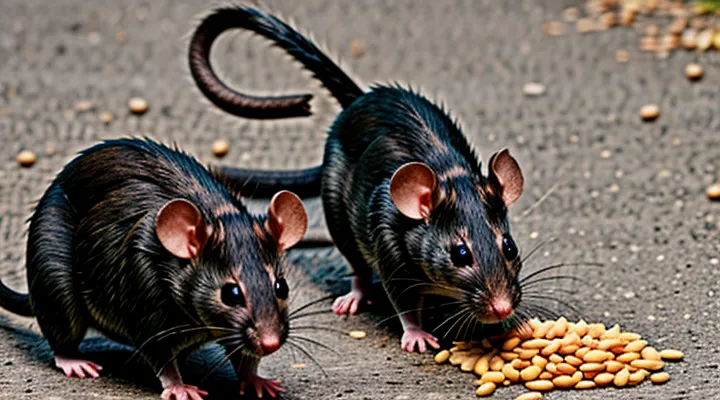
Understanding Rat Diet and Nutritional Needs
Rats thrive on a diet that balances protein, fat, fiber, vitamins, and minerals. Commercial rodent pellets supply most of these nutrients, but supplemental foods can enhance health when offered correctly.
Beans contain protein, complex carbohydrates, and micronutrients such as iron and B‑vitamins. Raw beans include lectins and phytates that can irritate the gastrointestinal tract and interfere with mineral absorption. Cooking destroys most antinutrients, making the beans safer for consumption.
When introducing beans to a rat’s diet, observe the following guidelines:
- Cook beans thoroughly; boiling for at least 10 minutes is sufficient.
- Rinse cooked beans to remove excess salt or seasoning.
- Offer only a small portion—approximately one teaspoon per adult rat per week.
- Monitor for signs of digestive upset, such as loose stool or reduced appetite.
Beans should complement, not replace, the primary pellet diet. Excessive bean intake can lead to an imbalanced nutrient profile, particularly a surplus of carbohydrates and a deficiency in essential fatty acids.
In summary, rats may safely eat beans if the beans are fully cooked, served in modest quantities, and incorporated as an occasional supplement to a balanced rodent diet. Regular observation ensures that any adverse reaction is detected promptly.
Beans and Rats: A Complex Relationship
The Dangers of Raw Beans for Rats
Raw beans pose serious health risks to pet rats. They contain high levels of lectins, proteins that bind to intestinal cells and disrupt nutrient absorption. Ingesting lectins can cause vomiting, diarrhea, and severe dehydration. Additionally, many beans harbor phytohemagglutinin, a toxin that damages red blood cells and may lead to hemolytic anemia. The enzyme inhibitors present in uncooked legumes interfere with protein digestion, increasing the likelihood of intestinal inflammation and bacterial overgrowth.
Key hazards of feeding uncooked beans to rats include:
- Acute gastrointestinal distress (vomiting, watery stools)
- Hemolysis and anemia from phytohemagglutinin exposure
- Nutrient malabsorption due to lectin activity
- Potential long‑term damage to the intestinal lining
Cooking beans at appropriate temperatures (boiling for at least 10 minutes) deactivates lectins and toxins, rendering them safe in moderation. Raw beans should never be offered as a regular component of a rat’s diet.
Types of Beans and Their Suitability
Green Beans («String Beans»)
Rats may safely consume green beans when the vegetables are fresh, clean, and served in appropriate portions. The legumes provide a source of fiber, low‑calorie carbohydrates, and vitamins such as A, C, and K, along with minerals including potassium and iron. These nutrients support digestive health and contribute to overall well‑being without adding excessive fat or sugar.
Preparation should follow these steps:
- Rinse beans thoroughly under running water.
- Trim the ends and discard any bruised or discolored sections.
- Offer raw pieces or lightly steam for a few minutes; avoid boiling, which reduces nutrient density.
- Do not use canned beans that contain added salt, sugar, or preservatives.
Feeding guidelines:
- Limit servings to 1–2 small pieces per 100 g of body weight per day.
- Introduce green beans gradually to monitor tolerance.
- Observe for signs of diarrhea or gas; reduce amount if gastrointestinal distress occurs.
- Rotate green beans with other vegetables to ensure a balanced diet.
Cooked Beans (e.g., Kidney, Black, Pinto)
Rats are omnivorous rodents that readily accept a variety of plant foods, including legumes that have been cooked. Cooking eliminates most raw‑bean toxins, making kidney, black, and pinto beans more digestible for the animal.
Cooked beans supply protein, complex carbohydrates, dietary fiber, and minerals such as iron and potassium. These nutrients can complement a standard rodent chow, which is typically high in grain‑based protein and fat.
Potential effects of feeding cooked beans to rats:
-
Positive:
• Additional protein source supports growth and tissue repair.
• Fiber promotes gastrointestinal motility and microbial diversity.
• Minerals contribute to bone health and metabolic functions. -
Negative:
• Excessive fiber may cause soft stools or diarrhea.
• High carbohydrate load can lead to weight gain if not balanced with overall diet.
• Residual lectins or phytates, though reduced by cooking, may still irritate the intestinal lining in sensitive individuals.
When incorporating cooked beans into a rat’s diet, follow these guidelines:
- Cool beans to room temperature before offering; hot food may burn oral tissues.
- Serve in small portions (no more than a tablespoon per 100 g body weight) to assess tolerance.
- Mix beans with regular chow to ensure balanced nutrient intake.
- Observe for changes in stool consistency, appetite, or behavior; discontinue if adverse signs appear.
- Provide fresh water at all times, as increased fiber intake raises hydration needs.
Proper preparation and moderation allow cooked legumes to be a safe, supplemental food for rats.
Lentils and Peas
Rats can safely include lentils and peas in their diet when the legumes are properly prepared. Both foods supply protein, fiber, vitamins, and minerals that support growth, immune function, and digestive health in laboratory and pet rodents.
Key nutritional attributes:
- Protein content ranges from 20 % to 25 % of dry weight, comparable to standard rodent chow.
- Dietary fiber promotes gut motility and microbial diversity.
- Folate, iron, and potassium contribute to hematologic and metabolic processes.
- Low fat levels reduce the risk of obesity when portion sizes are controlled.
Preparation guidelines:
- Rinse thoroughly to remove dust and potential pesticide residues.
- Cook until soft; raw lentils and peas contain lectins and antinutrients that can cause gastrointestinal irritation.
- Cool to room temperature before offering to prevent burns.
- Serve in modest portions (no more than 5 % of total daily intake) to avoid excess protein or fiber, which may lead to diarrhea.
Potential hazards:
- Undercooked legumes retain phytohemagglutinin, a toxin that can damage intestinal cells.
- Salted, flavored, or canned varieties introduce sodium and additives unsuitable for rats.
- Moldy or spoiled beans develop mycotoxins that are lethal even in small quantities.
Monitoring recommendations:
- Observe stool consistency and appetite for signs of intolerance.
- Adjust portion size if weight gain or loss exceeds normal growth curves.
- Rotate legumes with other protein sources to ensure a balanced nutrient profile.
Incorporating lentils and peas, when cooked and served responsibly, provides a valuable supplement to standard rat feed without compromising health.
Canned Beans
Canned beans provide protein, fiber, and carbohydrates, but they also contain added salt, sugars, and preservatives that differ from fresh legumes.
Rats possess a short, acidic digestive tract capable of breaking down plant cell walls, allowing them to extract nutrients from beans. Their natural diet includes a variety of seeds and legumes, indicating a physiological capacity to process beans when prepared appropriately.
Potential concerns include:
- High sodium levels that can lead to hypertension or kidney strain.
- Added sugars or flavorings that may cause digestive upset or weight gain.
- Preservatives such as citric acid or sulfites, which can irritate the gastrointestinal lining.
Safe feeding practice:
- Rinse beans thoroughly to remove excess brine.
- Offer plain beans without sauces, spices, or added fats.
- Limit portions to a few teaspoons per week to avoid nutrient imbalance.
- Observe the animal for signs of diarrhea, lethargy, or loss of appetite after consumption.
When these precautions are observed, canned beans can serve as an occasional supplement in a rat’s diet without compromising health.
Preparing Beans Safely for Rats
Proper Cooking Methods
Beans can provide rats with protein, fiber, and essential nutrients, but only when prepared correctly. Raw beans contain lectins and other antinutrients that may cause gastrointestinal distress or interfere with nutrient absorption. Proper cooking eliminates these risks and makes the food safe for consumption.
Effective preparation involves three essential steps:
- Soaking: Submerge beans in cold water for 8–12 hours. Change the water once to reduce oligosaccharide content that can cause flatulence.
- Boiling: Drain, rinse, and place beans in fresh water. Bring to a vigorous boil, then maintain a steady simmer for 45–60 minutes, depending on bean size. Verify tenderness by pressing a bean between fingers; it should yield without resistance.
- Cooling: Remove beans from heat, let them cool to room temperature, and discard any residual cooking liquid. Serve beans plain, without added salt, spices, or fats.
Additional considerations:
- Use only plain, unsalted water; avoid sauces that contain onions, garlic, or citrus, which are toxic to rats.
- Store cooked beans in airtight containers in the refrigerator for up to three days. Discard any beans that develop mold or off‑odors.
- Introduce beans gradually into the rat’s diet, limiting the portion to no more than 10 % of total daily intake to prevent digestive upset.
By adhering to these methods, beans become a safe and nutritious supplement for rat diets.
Avoiding Additives and Seasonings
Rats may safely eat beans only when the beans are plain and free of any additives or seasonings. Commercially prepared beans often contain salt, sauces, spices, preservatives, or flavor enhancers that can irritate a rat’s digestive system, alter electrolyte balance, or introduce toxic compounds.
- Salt or soy sauce – excess sodium stresses renal function.
- Garlic, onion, or chives – contain organosulfoxides that are hemolytic for rodents.
- Pepper, chili, or hot spices – cause gastrointestinal irritation and may lead to ulceration.
- Sugar, honey, or sweetened syrups – promote obesity and dental disease.
- Canned preservatives (e.g., sodium benzoate, potassium sorbate) – can trigger liver stress.
- Artificial flavorings or colorings – lack nutritional value and may be allergenic.
To prepare beans for rat consumption, rinse cooked beans thoroughly, discard any seasoning packets, and serve only the flesh of the bean. Ensure the beans are cooked until soft; raw beans contain lectins that are harmful to rodents. Portion size should not exceed 10 % of the animal’s total daily diet, with the remainder consisting of a balanced grain‑based staple, fresh vegetables, and protein sources.
Monitoring the rat’s stool and behavior after introducing beans helps detect adverse reactions early. If any signs of diarrhea, lethargy, or loss of appetite appear, discontinue bean feeding and consult a veterinarian.
Benefits of Safe Bean Consumption
Rats that receive properly prepared beans experience measurable nutritional improvements. Cooked beans supply high‑quality protein, supporting muscle development and tissue repair. The carbohydrate profile provides sustained energy without causing rapid blood‑sugar spikes, which helps maintain stable activity levels.
Fiber in beans enhances gastrointestinal motility, reduces the risk of constipation, and promotes a balanced microbial community. Regular consumption of soluble fiber contributes to short‑chain fatty acid production, which reinforces the intestinal barrier and modulates immune responses.
Vitamins and minerals present in beans—such as folate, iron, magnesium, and potassium—address common deficiencies in laboratory and pet rat diets. Adequate folate supports DNA synthesis, while iron and magnesium aid oxygen transport and enzymatic functions.
When beans are introduced safely, the following benefits are observed:
- Improved coat condition due to higher protein and essential fatty acid precursors.
- Lower incidence of obesity, as fiber promotes satiety and reduces overeating.
- Enhanced cognitive performance linked to steady glucose availability.
- Strengthened immune system, reflected in reduced frequency of respiratory infections.
Safety measures are essential. Beans must be fully cooked to deactivate lectins, especially in kidney and navy varieties. Salt, spices, and additives should be omitted to avoid renal strain and gastrointestinal irritation. Portion sizes should not exceed 10 % of total daily intake to prevent excess caloric load.
In summary, incorporating cooked, unseasoned beans into a rat’s diet yields protein, fiber, and micronutrient advantages, provided that preparation eliminates toxic compounds and respects dietary balance.
Alternative Safe Treats for Rats
Rats can safely enjoy a variety of treats beyond legumes. While beans may be offered sparingly, their high protein and fiber content can cause digestive upset if fed in excess. Providing alternatives ensures nutritional balance and reduces the risk of gastrointestinal issues.
Fresh fruits such as apple slices (core removed), blueberries, and banana chunks deliver natural sugars and vitamins. Vegetables like carrot sticks, cucumber, and steamed broccoli supply fiber and essential minerals without excessive calories. Whole grains, including cooked quinoa, brown rice, and small portions of oatmeal, offer complex carbohydrates that support steady energy release.
Protein sources suitable for rodents include boiled egg whites, low‑fat cottage cheese, and plain cooked chicken breast. Insects such as dried mealworms or crickets provide additional protein and enrichment, provided they are sourced from reputable suppliers and free of additives.
- Apple (seedless)
- Blueberries
- Carrot sticks
- Cucumber slices
- Steamed broccoli florets
- Cooked quinoa
- Brown rice (unsalted)
- Oatmeal (plain)
- Boiled egg white
- Low‑fat cottage cheese
- Plain cooked chicken breast
- Dried mealworms or crickets
These items can be introduced gradually, monitoring the rat’s response to maintain health and encourage a varied diet.
When to Consult a Veterinarian
Rats may consume certain beans safely, but several conditions require professional veterinary assessment.
Signs that indicate immediate consultation include:
- Persistent vomiting or diarrhea after bean ingestion
- Blood in stool or vomit
- Noticeable abdominal swelling or pain
- Loss of appetite lasting more than 24 hours
- Lethargy, tremors, or unsteady gait
Additional circumstances warranting a vet visit:
- The rat is a juvenile, pregnant, or has a known health condition such as renal disease
- The beans were raw, uncooked, or seasoned with salt, spices, or onions, which can be toxic
- The owner is uncertain about the type of bean or the portion size given
Even in the absence of acute symptoms, a routine check is advisable if bean consumption is part of a new diet, to verify that the animal tolerates the food without long‑term digestive or metabolic effects. Prompt veterinary input prevents complications and ensures the rat’s nutritional regimen remains safe.