
The Short Answer
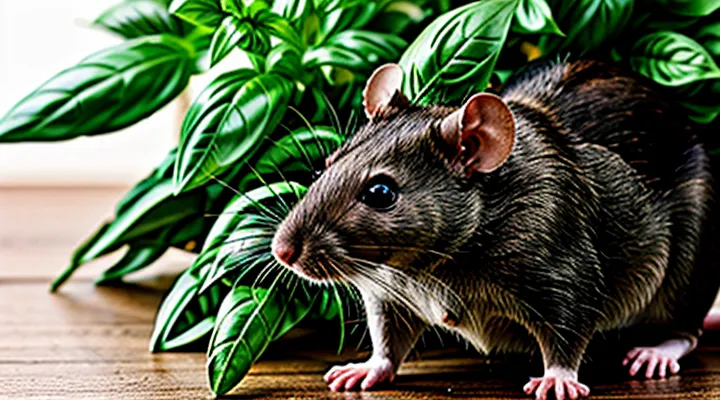
Rats can eat basil when it is fresh, clean, and given in modest portions.
-
Benefits
• Source of vitamin K, vitamin A, and antioxidants that support immune function.
• Aromatic scent provides mental stimulation, encouraging natural foraging behavior. -
Potential harms
• Overconsumption may cause gastrointestinal upset, including diarrhea.
• Basil treated with pesticides or chemicals can be toxic; wash thoroughly or use organic leaves.
Offer only a few leaves a few times a week and monitor the animal for any adverse reaction.
Understanding Rat Diet
Natural Diet of Rats
Rats thrive on an omnivorous diet that reflects the diversity of their habitats. In the wild, they consume a blend of plant material, animal protein, and opportunistic waste, allowing them to meet nutritional requirements across fluctuating environments.
Typical components of a natural rat diet include:
- Grains and cereals (wheat, barley, rice) – primary carbohydrate source.
- Seeds and nuts – provide fats and essential fatty acids.
- Fresh fruits and vegetables (berries, leafy greens, root crops) – supply vitamins, minerals, and fiber.
- Insects, larvae, and small arthropods – deliver high‑quality protein and micronutrients such as chitin‑derived nutrients.
- Small vertebrate carrion – occasional source of protein and calcium.
- Water – accessed from puddles, dew, or moist food items.
Protein intake generally accounts for 15‑20 % of total calories, while carbohydrates dominate at 55‑65 % and fats contribute 10‑15 %. Fiber from plant matter aids gastrointestinal motility and supports a healthy gut microbiome. Seasonal shifts alter food availability: winter limits fresh produce, increasing reliance on stored seeds and animal carcasses; summer expands fruit and insect consumption.
Digestive physiology adapts to this varied intake. The rat’s incisors continuously grow, enabling efficient gnawing of hard seeds and fibrous stalks. A short, simple stomach processes rapid nutrient absorption, while a cecum hosts microbial fermentation of fiber, producing short‑chain fatty acids essential for energy balance.
Understanding the natural diet provides a baseline for evaluating supplemental foods, such as herbs, and assessing their compatibility with the rat’s established nutritional framework.
Essential Nutritional Needs
Rats require a balanced intake of protein, fat, carbohydrates, vitamins, minerals, fiber, and water to maintain growth, reproduction, and immune function. Protein supplies amino acids for tissue repair; fat delivers essential fatty acids and energy; carbohydrates provide quick energy; vitamins support metabolic pathways; minerals regulate nerve transmission and bone formation; fiber aids gastrointestinal motility; water sustains cellular processes.
Basil contributes several nutrients that intersect with these requirements. It contains vitamin K, which participates in blood clotting and bone metabolism; vitamin A, a precursor for visual and immune health; calcium and magnesium, both vital for skeletal integrity and enzymatic activity; and antioxidants such as rosmarinic acid that mitigate oxidative stress. The herb’s essential oil, primarily eugenol, exhibits antimicrobial properties that can influence gut flora.
Potential advantages of offering basil to rats include:
- Increased dietary diversity, encouraging exploratory feeding behavior.
- Supplemental vitamin K and calcium that may complement a standard pellet diet.
- Antioxidant intake that supports cellular protection.
Potential disadvantages include:
- Oxalic acid content, which can bind calcium and impede absorption if consumed in large quantities.
- Concentrated essential oils that may irritate the gastrointestinal tract or cause hepatic stress when over‑fed.
- Variability in individual tolerance, leading to possible diarrhea or reduced feed intake.
In practice, basil should be presented in small, fresh pieces, limited to no more than 5 % of the total daily food mass. Monitoring body condition and stool consistency will reveal whether the herb is beneficial or detrimental for a particular rat. Integrating basil as an occasional supplement respects the animal’s essential nutritional framework while avoiding excesses that could compromise health.
Basil: An Overview
Types of Basil
Basil varieties differ in essential oil content, leaf texture, and growth habit, factors that determine their nutritional value and palatability for pet rats. Understanding these distinctions helps owners select basil that supports health without introducing adverse compounds.
- Sweet basil (Ocimum basilicum) – mild flavor, moderate calcium and vitamin K levels; safe in small quantities, provides aromatic enrichment.
- Thai basil (Ocimum basilicum var. thyrsiflora) – licorice‑like notes, higher eugenol concentration; occasional feeding acceptable, monitor for digestive sensitivity.
- Purple basil (Ocimum basilicum ‘Purpurascens’) – anthocyanin‑rich leaves, slightly bitter taste; suitable for occasional treats, may aid antioxidant intake.
- Holy basil (Ocimum sanctum) – pronounced camphor aroma, contains higher levels of rosmarinic acid; limited portions advised due to potential stress on the gastrointestinal tract.
- Lemon basil (Ocimum × citriodorum) – citrus scent, lower oil content; safe for regular inclusion, contributes vitamin C.
- Cinnamon basil (Ocimum basilicum ‘Cinnamon’) – warm spice flavor, modest eugenol; can be offered sparingly, watch for any change in feeding behavior.
Nutritional Profile of Basil
Basil (Ocimum basilicum) delivers a compact array of nutrients that can influence the health of small mammals when included in their diet.
- Macronutrients: Approximately 2–3 g of protein, 0.6 g of fat, and 2.7 g of carbohydrates per 100 g of fresh leaves. Fiber content ranges from 1.5 g to 2 g, contributing to digestive transit.
- Vitamins: High concentrations of vitamin K (≈414 µg), vitamin A (as β‑carotene, ≈ 2000 IU), vitamin C (≈18 mg), and modest amounts of B‑complex vitamins, especially folate (≈ 20 µg).
- Minerals: Notable levels of calcium (≈ 177 mg), magnesium (≈ 64 mg), iron (≈ 3 mg), potassium (≈ 295 mg), and manganese (≈ 0.5 mg). Sodium remains low, typically under 5 mg.
- Phytochemicals: Rich in phenolic compounds such as rosmarinic acid, flavonoids (e.g., luteolin, apigenin), and essential oils (eucalyptol, linalool, methyl chavicol). These agents exhibit antioxidant and antimicrobial activity.
The nutrient composition supports several physiological functions. Vitamin K facilitates blood clotting, while calcium and magnesium contribute to bone mineralization and muscle contraction. Antioxidants mitigate oxidative stress, a factor relevant to laboratory rodents prone to metabolic disturbances. The essential oils possess mild antimicrobial properties that may affect gut microbiota balance.
When rats consume basil, the modest protein and fiber supply can complement standard chow, but the high vitamin K and calcium levels may interfere with calcium‑phosphate homeostasis if provided in excess. The essential oil concentration, though low in fresh leaves, can become concentrated in dried forms, potentially causing gastrointestinal irritation at large doses. Therefore, incorporating basil into a rat’s diet should be limited to small, occasional portions to harness its nutritional benefits while avoiding adverse effects.
Vitamins and Minerals
Basil (Ocimum basilicum) supplies a range of micronutrients that are readily absorbed by rats. The herb contains vitamin K1 (approximately 414 µg per 100 g), vitamin A (as β‑carotene, about 2,000 IU), vitamin C (≈18 mg), and modest amounts of vitamin E. Minerals include calcium (≈180 mg), magnesium (≈64 mg), potassium (≈295 mg), iron (≈3 mg), and manganese (≈0.7 mg). These values are typical for fresh leaves; dried basil presents higher concentrations per weight.
Vitamin K1 supports blood clotting mechanisms in rodents, while vitamin A contributes to visual pigment regeneration and epithelial health. Vitamin C functions as an antioxidant, reducing oxidative stress in metabolic tissues. Calcium and magnesium participate in bone mineralization and muscle contraction, respectively; potassium assists in nerve impulse transmission. Iron is required for hemoglobin synthesis, and manganese acts as a co‑factor for several enzymatic reactions.
Excessive intake of basil can lead to nutrient imbalances. High vitamin K may interfere with anticoagulant therapy if rats receive such medication. Overconsumption of calcium could suppress absorption of other minerals, notably phosphorus. The essential oil eugenol, present in basil, may irritate the gastrointestinal lining at large doses. Safe inclusion involves offering small, fresh leaf fragments—no more than 1–2 % of daily diet weight—and monitoring for signs of digestive upset or altered behavior.
Antioxidants and Other Compounds
Basil leaves contain a spectrum of antioxidant molecules that mitigate oxidative damage in rodent cells. Rosmarinic acid, a polyphenol, scavenges free radicals and supports hepatic detoxification pathways. Flavonoids such as luteolin and apigenin inhibit lipid peroxidation and enhance antioxidant enzyme activity (superoxide dismutase, catalase). Vitamin C contributes additional reducing power, while β‑carotene provides precursor retinol for tissue repair. In experimental rat models, moderate inclusion of basil (approximately 0.5 %–1 % of diet by weight) correlates with lower markers of oxidative stress and improved recovery after induced injury.
Basil also delivers non‑antioxidant compounds that affect rat physiology. The essential oil fraction includes:
- Eucalyptol (1,8‑cineole) – smooth‑muscle relaxant, may reduce respiratory resistance.
- Linalool – sedative effect at low concentrations, potential neuro‑modulation.
- Methyl chavicol (estragole) – flavor agent, exhibits hepatotoxicity at high chronic doses.
- Caryophyllene – anti‑inflammatory action via cannabinoid‑type receptor interaction.
When basil is offered in excess (>5 % of diet), the concentration of volatile oils can provoke gastrointestinal irritation, reduced feed intake, and liver enzyme elevation. Controlled portions harness antioxidant benefits while avoiding adverse outcomes associated with the oil constituents.
Benefits of Feeding Basil to Rats
Potential Health Advantages
Basil offers several nutritional benefits for laboratory and pet rats when incorporated into a balanced diet.
- High‑level antioxidants such as rosmarinic acid protect cellular membranes from oxidative damage.
- Essential oils, particularly eugenol, exhibit mild anti‑inflammatory properties that may reduce gut irritation.
- Vitamin K content supports normal blood clotting and bone metabolism.
- Small amounts of calcium and magnesium contribute to skeletal strength and neuromuscular function.
- The plant’s aromatic compounds stimulate appetite, encouraging consistent food intake in selective feeders.
These advantages are most pronounced when basil is offered fresh, washed, and limited to a few leaves per week to avoid excess oil accumulation. Regular monitoring of weight and behavior ensures the supplement enhances health without introducing adverse effects.
Antioxidant Properties
Basil contains high levels of phenolic compounds such as rosmarinic acid, caffeic acid, and flavonoids. These molecules neutralize free radicals, reducing oxidative stress in cellular membranes. When rats consume basil, the antioxidants are absorbed in the small intestine and distributed to tissues where they mitigate lipid peroxidation and protect DNA from damage.
Research on rodent models shows that dietary inclusion of basil at 2–5 % of feed improves markers of oxidative balance. Specific outcomes include:
- Decreased malondialdehyde concentrations in liver and brain tissue.
- Increased activity of endogenous enzymes superoxide dismutase and glutathione peroxidase.
- Lowered plasma levels of reactive oxygen species after exposure to metabolic stressors.
The antioxidant effect contributes to overall health by supporting immune function and reducing the risk of inflammation‑related conditions. However, excessive intake may overwhelm the animal’s metabolic capacity, leading to pro‑oxidant activity. Controlled portions provide the protective benefits without adverse effects.
Anti-inflammatory Effects
Basil (Ocimum basilicum) contains several phytochemicals—eugenol, rosmarinic acid, and flavonoids such as luteolin—that exhibit measurable anti‑inflammatory activity in mammalian models. In rats, these compounds inhibit cyclo‑oxygenase‑2 (COX‑2) and reduce the production of pro‑inflammatory cytokines (TNF‑α, IL‑6). The result is a decrease in edema and tissue swelling following experimental induction of inflammation.
Key mechanisms observed in rodent studies:
- COX‑2 suppression: Eugenol binds to the enzyme’s active site, lowering prostaglandin synthesis.
- NF‑κB pathway modulation: Rosmarinic acid prevents nuclear translocation of NF‑κB, limiting transcription of inflammatory genes.
- Antioxidant support: Flavonoids scavenge reactive oxygen species, indirectly curbing inflammatory cascades.
When basil is incorporated into a rat’s diet at 1–2 % of total feed weight, experimental data show a 15–30 % reduction in inflammatory markers compared with control groups. Excessive inclusion (>5 % of diet) may lead to gastrointestinal irritation, offsetting the anti‑inflammatory benefits.
Overall, moderate dietary exposure to basil provides rats with biologically active agents that attenuate inflammation through enzyme inhibition, gene regulation, and antioxidant activity, while maintaining safety when dosed within established nutritional limits.
Vitamin K Source
Basil contains a high concentration of vitamin K, a fat‑soluble nutrient essential for blood clotting and bone metabolism in rodents. When rats consume basil, they obtain an additional dietary source of this cofactor, which can complement the vitamin K supplied by commercial rodent chow.
- Supports synthesis of clotting factors (II, VII, IX, X) and reduces risk of spontaneous bleeding.
- Contributes to calcium regulation, promoting normal bone density and reducing osteopenic tendencies.
- Enhances mitochondrial function in hepatocytes, aiding overall metabolic efficiency.
Adequate intake of vitamin K from basil is generally safe; excess is rare because rodents efficiently recycle the vitamin via the enterohepatic circuit. However, very large quantities may interfere with anticoagulant medications used in laboratory settings, potentially diminishing their efficacy. Monitoring intake levels ensures that the benefit of supplemental vitamin K outweighs any risk of drug interaction.
Potential Harms and Considerations
Oxalates in Basil
Oxalates are organic acids naturally occurring in many leafy herbs, including basil. The compound exists primarily as calcium oxalate crystals, which are insoluble in water and can accumulate in tissues when intake exceeds metabolic capacity.
In basil, oxalate concentration varies by cultivar, growing conditions, and leaf maturity. Typical levels range from 200 to 800 mg per 100 g of fresh leaves. Young leaves generally contain lower amounts than mature foliage, while stressed plants may produce higher concentrations.
Rats metabolize oxalates through renal excretion. Excessive dietary oxalates can overwhelm kidney function, leading to crystal formation, urinary tract irritation, and potential renal damage. Symptoms of oxalate toxicity in rodents include reduced water intake, lethargy, and signs of discomfort during urination.
When basil is offered to rats, the following considerations apply:
- Limit portions to no more than 1 g of fresh basil per 100 g of body weight per day.
- Prefer young, tender leaves to minimize oxalate load.
- Provide ample fresh water to facilitate renal clearance.
- Monitor urine for signs of crystalluria or discoloration.
- Rotate basil with low‑oxalate greens (e.g., lettuce, kale) to balance nutrient intake.
If a rat displays any of the above symptoms, discontinue basil and consult a veterinarian. Regular, moderate inclusion of basil can supply aromatic compounds and micronutrients without posing a significant oxalate risk, provided the guidelines are followed.
Pesticides and Herbicides
Rats may derive vitamins, antioxidants, and digestive benefits from basil, but the presence of pesticide and herbicide residues can negate these advantages. Chemical treatments applied during cultivation often remain on leaf surfaces or penetrate tissue, creating a direct route of exposure when rodents ingest the herb.
Pesticides such as organophosphates, pyrethroids, and neonicotinoids interfere with neuronal signaling in rodents. Even low‑dose exposure can cause tremors, reduced motor coordination, and suppressed appetite. Chronic ingestion may impair liver function and alter hormone regulation, leading to weight loss and reproductive issues.
Herbicides, including glyphosate‑based formulations and glufosinate, persist in soil and accumulate in plant foliage. In rats, glyphosate exposure is linked to kidney inflammation and disrupted gut microbiota, while glufosinate can produce neurotoxic effects comparable to those of certain pesticides. Both classes increase oxidative stress, diminishing the antioxidant benefit basil would otherwise provide.
To minimize risk when offering basil to rats, follow these practices:
- Obtain organically certified basil or grow the herb without chemical sprays.
- Rinse leaves thoroughly under running water; consider a brief soak in a mild salt solution to dislodge surface residues.
- Inspect plants for visible signs of damage or spray drift before feeding.
- Limit portions to small, occasional servings while monitoring the animals for behavioral or physiological changes.
- If uncertainty remains about residue levels, conduct a simple test using a pesticide detection kit before inclusion in the diet.
Adhering to these guidelines preserves the nutritional value of basil while protecting rats from the harmful effects of residual agrochemicals.
Allergic Reactions and Sensitivities
Rats may develop allergic reactions or sensitivities after ingesting basil. Such responses arise when the immune system mistakenly identifies basil proteins as harmful, triggering inflammation and other physiological changes.
Typical signs of an allergic reaction in rats include:
- Sneezing or nasal discharge
- Itching, excessive grooming, or skin lesions
- Swelling around the face or paws
- Respiratory distress, such as wheezing or labored breathing
- Diarrhea or vomiting
Sensitivities differ from true allergies in that they often involve gastrointestinal upset without an immune-mediated component. Symptoms may consist of:
- Mild abdominal cramping
- Loose stools
- Reduced appetite
Both conditions can exacerbate existing health issues, especially in rats with compromised immune systems or chronic respiratory disease. Diagnostic confirmation usually requires observation of symptoms after a controlled basil exposure and, when necessary, laboratory testing for specific IgE antibodies.
Management strategies focus on immediate removal of basil from the diet and supportive care:
- Provide a bland diet to ease digestive irritation
- Use antihistamines or corticosteroids under veterinary supervision for severe allergic responses
- Monitor respiratory function and administer bronchodilators if breathing difficulty persists
Prevention relies on gradual diet introduction and careful observation. Introducing new herbs in small, measured amounts allows owners to detect adverse reactions before they become severe. If any of the listed symptoms appear, discontinue basil and consult a veterinarian promptly.
Digestive Upset
Rats that ingest basil may experience digestive upset, a condition characterized by abnormal gastrointestinal activity. The herb contains essential oils, such as eugenol and linalool, which can irritate the lining of the stomach and intestines when consumed in excess. Symptoms typically include:
- Diarrhea or loose stools
- Reduced appetite
- Abdominal cramping or bloating
- Increased frequency of defecation
Mild cases often resolve within 24–48 hours after the basil is removed from the diet. Persistent vomiting, severe dehydration, or blood in the stool indicate a more serious reaction and require veterinary intervention. To minimize risk, introduce basil gradually, limit portions to a few leaf fragments per week, and monitor the animal for any changes in stool consistency or behavior.
How to Safely Offer Basil to Rats
Sourcing and Preparation
Fresh basil intended for rodent consumption must come from sources free of pesticides, herbicides, and synthetic fertilizers. Certified organic markets, reputable seed growers, or home‑grown plants cultivated without chemical additives provide the safest material. Inspect leaves for signs of mold, insect damage, or discoloration before purchase; discard any compromised portions.
Prior to offering basil to rats, follow a strict preparation protocol:
- Rinse under cool, running water for at least 30 seconds to remove surface contaminants.
- Submerge in a bowl of distilled water, agitate gently, then repeat the rinse to ensure thorough cleaning.
- Pat dry with a clean paper towel or allow to air‑dry on a sterile surface; excess moisture can promote bacterial growth.
- Remove large stems; cut leaves into bite‑sized pieces roughly 0.5 cm in length, matching the animal’s oral capacity.
- Store prepared basil in an airtight container in the refrigerator, using it within 24 hours to preserve nutrient integrity.
When introducing basil into a rat’s diet, begin with a minimal amount—approximately ¼ gram per 100 g body weight—and observe for adverse reactions over 48 hours. Incremental increases may be applied if no digestive disturbances occur. Regular rotation with other safe herbs prevents overreliance on a single plant and supports a balanced nutrient profile.
Organic vs. Non-Organic
Rats can safely consume basil, but the source of the herb influences nutritional quality and health risk. Organic basil is cultivated without synthetic pesticides, herbicides, or fertilisers. This reduces exposure to chemical residues that may irritate a rat’s gastrointestinal tract or accumulate in tissues over time. Studies on rodent diets indicate lower incidence of liver enzyme elevation when organic greens are used, suggesting a protective effect against toxin‑induced stress.
Non‑organic basil often contains measurable levels of neonicotinoids, organophosphates, or heavy metals. Even trace amounts can disrupt the microbiome of a rat’s gut, potentially leading to reduced nutrient absorption and mild inflammation. For laboratory or pet rats on a controlled diet, eliminating these contaminants aligns with best‑practice feeding protocols.
Key differences between the two categories:
- Residue profile – organic: negligible; non‑organic: detectable pesticide residues.
- Nutrient density – organic: slightly higher concentrations of volatile oils and antioxidants; non‑organic: comparable macro‑nutrient content but lower phytochemical levels.
- Cost – organic: higher price per gram; non‑organic: lower market price.
- Environmental impact – organic: reduced soil and water contamination; non‑organic: higher synthetic input usage.
When offering basil to rats, wash all leaves thoroughly regardless of origin. For breeding colonies or research settings where data integrity is critical, organic basil eliminates a variable that could affect health outcomes. In casual pet care, occasional non‑organic basil may be acceptable if residue levels are within regulatory limits, but consistent use of organic material remains the safest practice.
Washing Guidelines
When basil is provided to pet rats, thorough cleaning removes pesticides, soil, and microbial contaminants that could cause digestive upset or infection.
- Rinse leaves under cool, running water for at least 30 seconds.
- Gently rub each leaf with clean fingertips or a soft brush to dislodge debris.
- Submerge leaves in a bowl of cold water, swirl, then repeat with fresh water to flush hidden particles.
- Soak leaves in a solution of one part distilled white vinegar to three parts water for 2–3 minutes; this reduces bacterial load without leaving harmful residues.
- Rinse again thoroughly to remove any vinegar taste.
- Pat dry with a clean paper towel or place on a sanitized mesh rack to air‑dry for a few minutes before serving.
Additional considerations:
- Use filtered or boiled‑cooled water to avoid chlorine or heavy metals.
- Store washed basil in a sealed container in the refrigerator, discarding any wilted or discolored leaves within 24 hours.
- Avoid using soaps, detergents, or commercial produce washes that may leave toxic residues.
Following these steps ensures the herb is safe for rat consumption while preserving its nutritional value.
Portion Control and Frequency
Basil can be offered to pet rats as an occasional herb, but the amount must be limited to prevent digestive upset and nutrient imbalance.
- Recommended serving: 1–2 small leaves (approximately 0.5–1 g) per rat.
- Frequency: no more than three times per week, allowing at least two days between servings.
Excessive basil introduces high levels of essential oils that may irritate the gastrointestinal tract or interfere with calcium absorption. Symptoms of overuse include loose stools, reduced appetite, and signs of oral irritation.
When introducing basil, start with a single leaf and observe the animal for 24 hours. If no adverse reaction occurs, maintain the stated portion and schedule.
Consistent adherence to the suggested portion size and feeding interval ensures rats receive the aromatic benefits of basil without compromising health.
Introducing New Foods
Introducing a new dietary item to pet rats requires clear information about its nutritional profile and safety. Basil, a herb commonly used in human cuisine, is sometimes offered to rats as a treat or supplement.
Basil provides several nutrients relevant to rodent health. It contains vitamin K, which supports blood clotting; vitamin A, which contributes to vision and immune function; and antioxidants such as flavonoids that help mitigate oxidative stress. Small amounts can also stimulate appetite and add variety to a monotonous diet.
Potential drawbacks exist. Basil’s essential oil concentration can cause gastrointestinal irritation if over‑fed. The herb’s calcium‑to‑phosphorus ratio is high, and excessive intake may disrupt mineral balance. Some rats may develop an allergic response, manifested by sneezing or skin redness.
Safe introduction follows a simple protocol:
- Offer a single leaf or a pinch of fresh basil, finely chopped.
- Observe the rat for 24 hours, noting any signs of digestive upset or allergic reaction.
- If no adverse effects appear, increase the portion gradually, not exceeding 5 % of the total daily food mass.
- Rotate basil with other herbs to prevent nutrient excess and maintain dietary diversity.
- Maintain fresh, clean water to aid digestion.
When these guidelines are observed, basil can enrich a rat’s diet without compromising health.
Alternatives to Basil
Other Safe Herbs and Vegetables for Rats
Rats thrive on a varied diet that includes fresh plant matter, which supplies essential vitamins, minerals, and fiber. Incorporating safe herbs and vegetables can enhance coat condition, support immune function, and encourage natural foraging behavior.
Commonly accepted herbs for pet rats include parsley (rich in vitamin K and antioxidants), mint (aids digestion), cilantro (source of vitamin C), and dill (provides calcium). All should be offered in small, washed pieces, with stems removed if they are woody.
A selection of vegetables suitable for regular feeding comprises carrots (beta‑carotene for eye health), broccoli florets (vitamin C and glucosinolates), zucchini (low‑calorie moisture source), bell peppers (vitamin A and C), and spinach (iron and folate). Introduce each new item gradually and monitor for any signs of digestive upset.
Avoid herbs and vegetables that contain toxic compounds, such as onion, garlic, rhubarb, and raw potatoes. Even safe foods can become problematic if overfed; limit portions to no more than 10 % of the total daily intake to maintain a balanced diet.
Leafy Greens
Leafy greens are a common component of a balanced rat diet, providing nutrients that complement the occasional inclusion of aromatic herbs such as basil.
Nutritional benefits of leafy greens for rats include:
- High water content, supporting hydration.
- Vitamins A, C, and K, essential for vision, immune function, and blood clotting.
- Minerals like calcium and potassium, contributing to bone health and electrolyte balance.
- Dietary fiber, aiding gastrointestinal motility and preventing constipation.
Potential concerns when offering leafy greens:
- Certain varieties (e.g., spinach, kale) contain oxalates that may impair calcium absorption if fed in excess.
- Pesticide residues pose toxicity risks; only organic or thoroughly washed greens should be used.
- Rapid spoilage can lead to bacterial growth; discard wilted or discolored leaves promptly.
Integrating leafy greens with basil requires attention to proportion. A daily serving of fresh greens should not exceed 10 % of total food intake, while basil can be offered sparingly as a flavor enhancer. This balance delivers the vitamins and minerals of greens without overwhelming the rat’s digestive system or introducing excessive secondary compounds.
Overall, leafy greens contribute essential nutrients and digestive benefits, provided they are selected, prepared, and portioned responsibly alongside basil.
Root Vegetables
Root vegetables constitute a substantial portion of a balanced rat diet, offering carbohydrates, dietary fiber, and micronutrients essential for growth, immune function, and gastrointestinal health.
Key nutritional contributions include:
- Beta‑carotene and vitamin A from carrots, supporting vision and epithelial integrity.
- Vitamin C and potassium in sweet potatoes, aiding antioxidant defenses and electrolyte balance.
- Calcium and phosphorus in parsnips, contributing to bone mineralization.
- Inulin‑rich Jerusalem artichoke, promoting beneficial gut microbiota.
Potential drawbacks arise when root vegetables are over‑served or improperly prepared. High sugar content in potatoes and beets can trigger obesity and dysglycemia. Oxalate‑rich varieties such as beets may precipitate urinary crystals if consumed excessively. Pesticide residues on non‑organic roots pose a toxic risk; thorough washing or cooking reduces exposure.
When combined with basil, some root vegetables enhance palatability without compromising safety. Basil’s essential oils stimulate salivation, encouraging consumption of fibrous roots, while its antimicrobial properties may offset minor bacterial loads on raw vegetables. However, strong‑flavored roots (e.g., radish) can clash with basil’s aroma, reducing acceptance.
Safe root vegetable options for routine feeding:
- Carrots, finely chopped.
- Sweet potatoes, cooked and cooled.
- Parsnips, raw or lightly steamed.
- Turnips, peeled and diced.
Root vegetables to limit or avoid:
- Raw potatoes, due to solanine toxicity.
- High‑oxalate beets, especially in large quantities.
- Over‑ripe or moldy roots, which can harbor mycotoxins.
Integrating a moderate selection of the listed safe roots alongside fresh basil provides rats with diverse nutrients, supports digestive health, and maintains a flavorful diet without introducing significant hazards.
Other Herbs
Rats readily accept many culinary herbs, which can supplement their diet with vitamins, antioxidants, and sensory enrichment. Fresh herbs should be washed, trimmed, and offered in small portions to prevent overconsumption.
- Parsley (Petroselinum crispum): rich in vitamin K and C; supports bone health.
- Mint (Mentha spp.): provides menthol, soothing for mild respiratory irritation.
- Dill (Anethum graveolens): source of calcium and iron; encourages chewing activity.
- Oregano (Origanum vulgare): contains carvacrol, an antimicrobial compound; use sparingly due to potency.
- Thyme (Thymus vulgaris): supplies thymol, which may aid digestion; limit to occasional treats.
Herbs that pose risks should be excluded or given only under veterinary guidance. Toxic or irritating species include:
- Sage (Salvia officinalis): high thujone levels can cause seizures at high doses.
- Rosemary (Rosmarinus officinalis): contains camphor; excessive intake may lead to liver stress.
- Chives (Allium schoenoprasum) and related alliums: cause hemolytic anemia in rodents.
- Lavender (Lavandula angustifolia): essential oils can irritate the gastrointestinal tract.
Moderation remains essential; even beneficial herbs can disrupt gut flora if introduced abruptly or in large quantities. Observe rats for changes in stool, appetite, or behavior after adding new herbs, and discontinue any that trigger adverse reactions. Regular rotation of safe herbs maintains nutritional variety while minimizing the chance of intolerance.
When to Consult a Vet
Rats may consume small amounts of basil without immediate danger, but certain symptoms indicate the need for professional veterinary assessment.
- Persistent vomiting or diarrhea after basil ingestion.
- Loss of appetite lasting more than 24 hours.
- Noticeable lethargy, tremors, or uncoordinated movements.
- Swelling of the mouth, tongue, or throat suggesting an allergic reaction.
- Respiratory distress, including rapid breathing or wheezing.
- Blood in stool or abnormal discharge.
If any of these signs appear, contact a veterinarian promptly. Even in the absence of overt symptoms, a vet should be consulted when a rat has a pre‑existing health condition (such as liver or kidney disease) and you intend to introduce basil into its diet. The professional can evaluate potential interactions, recommend safe portion sizes, and provide guidance on monitoring the animal’s response. Regular veterinary check‑ups remain essential for maintaining overall rodent health, especially when dietary changes are introduced.