
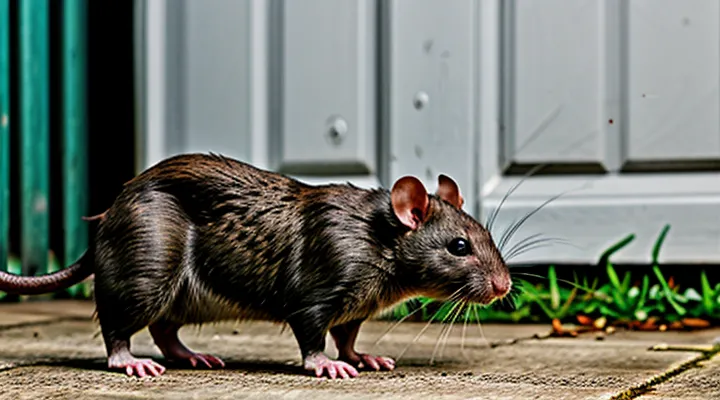
Understanding Rat Behavior
Wild vs. Domesticated Rats
Rats captured from natural habitats retain strong flight responses, high wariness of humans, and a diet that varies with seasonal availability. Their social structure focuses on dominance hierarchies within loosely organized colonies, and they exhibit limited capacity for repeated handling without stress. These characteristics make spontaneous habituation rare, requiring extensive conditioning protocols to achieve reliable interaction.
Domesticated rats, descended from laboratory and pet lines, show reduced fear of humans, consistent feeding schedules, and selective breeding for docility. They develop stable bonds with caregivers, respond to routine handling, and display problem‑solving abilities that facilitate training. Their predictable behavior and lower cortisol levels support ongoing human‑rat cooperation.
Key differences can be summarized:
- Fear response: Wild rats react aggressively to unfamiliar stimuli; domesticated rats exhibit calm acceptance.
- Learning speed: Wild individuals require prolonged exposure to novel tasks; domesticated rats acquire new skills within a few sessions.
- Health profile: Wild rats carry diverse parasites and pathogens; domesticated rats benefit from controlled environments and veterinary care.
- Social interaction: Wild rats maintain fluid group dynamics; domesticated rats form individualized attachments to owners.
Successful taming depends on reducing innate fear, establishing consistent routines, and applying positive reinforcement. Without these measures, wild rats remain largely untameable, while domesticated rats demonstrate reliable trainability and companionship.
Social Nature of Rats
Rats thrive in groups, forming hierarchies that regulate access to food, nesting sites, and grooming opportunities. Dominant individuals assert control through posture, scent marking, and occasional aggression, while subordinates display submissive behaviors such as crouching and vocalizations. These dynamics create a predictable social environment that can be leveraged to encourage cooperation with humans.
Interaction with conspecifics shapes learning patterns; rats observe peers when solving mazes, locating food, or responding to novel objects. This observational learning extends to human handlers, enabling rats to adopt tasks demonstrated by familiar cage mates or caretakers. Repeated exposure to gentle handling reduces stress hormones, fostering trust and facilitating tameness.
Key social traits influencing tamability:
- Strong affiliative bonding, evident in mutual grooming and huddling, which transfers to human contact when caregivers provide consistent, gentle touch.
- Vocal communication, including ultrasonic chirps that signal contentment or alarm, allowing handlers to interpret emotional states and adjust interactions accordingly.
- Play behavior, characterized by chasing and wrestling, which can be redirected into training exercises that reinforce desired actions.
The Taming Process
Building Trust with Your Rat
Initial Introduction and Handling
Rats respond to consistent, low‑stress exposure; the first encounter sets the foundation for later cooperation. Present the animal in a quiet environment, limit sudden noises, and keep the cage open only when you are prepared to interact. Hand washing before contact reduces scent cues that may trigger wariness.
- Approach the cage from the side, not directly over the top.
- Extend a gloved or bare hand slowly, palm down, allowing the rat to sniff.
- Offer a small treat, such as a piece of fruit or a seed, directly from the fingers.
- When the rat steps onto the hand, support its body gently but firmly, avoiding restraint of the tail.
- Release the rat back into the cage after a brief period of calm handling; repeat daily for 5–10 minutes.
Gradual familiarity builds trust. Maintain a predictable routine, use the same handling technique each session, and reward calm behavior with food or gentle petting. Over weeks, the rat will associate human presence with safety and positive outcomes, facilitating more advanced training and social interaction.
Positive Reinforcement Techniques
Positive reinforcement provides a reliable method for encouraging desired behaviors in rats, allowing owners to shape cooperative actions without coercion. The approach relies on delivering a rewarding stimulus immediately after the target behavior, strengthening the association between the act and the benefit.
- Offer a small piece of preferred food within seconds of the desired response.
- Use a clicker or verbal marker to signal the exact moment the behavior occurs, then follow with the treat.
- Break complex tasks into incremental steps; reward each successful approximation before progressing.
- Maintain consistent timing; delays of more than a couple of seconds reduce effectiveness.
- Keep sessions brief, typically five to ten minutes, to sustain attention and prevent fatigue.
Implementation begins with establishing a safe, quiet environment free of distractions. Introduce the rat to the training area, allow exploration, then present the cue (e.g., a hand signal or word). When the rat complies, apply the marker and deliver the treat. Repeating this cycle builds a predictable pattern, encouraging the animal to repeat the action voluntarily.
Observable results include increased willingness to approach handlers, reduced retreat behaviors, and the emergence of trained tricks such as target touching or slotting into a carrier. These indicators confirm that the rat has internalized the link between specific cues and positive outcomes, demonstrating that taming through reinforcement is both practical and measurable.
Essential Supplies for Taming
Cage Setup and Environment
A well‑designed cage is essential for encouraging tameness in rats. The enclosure must provide enough space for movement, mental stimulation, and safety. Minimum dimensions of 24 × 18 inches per rat, with a height of at least 12 inches, prevent overcrowding and allow natural behaviors such as climbing and exploration. Solid flooring eliminates foot injuries; wire mesh is acceptable only when the gaps are smaller than ½ inch.
Bedding should be absorbent, dust‑free, and non‑toxic. Paper‑based or aspen shavings meet these criteria and support scent marking, which reduces stress. Replace soiled bedding at least twice weekly to maintain hygiene and prevent odor buildup.
Enrichment items promote interaction and trust. Include:
- Chewable toys (untreated wood blocks, mineral chews) to satisfy gnawing instincts.
- Climbing structures (branches, ladders) to encourage agility.
- Hideouts (plastic tunnels, cardboard tubes) for security and privacy.
- Foraging opportunities (scatter feeding, puzzle feeders) to engage problem‑solving skills.
Location influences temperament. Place the cage in a quiet area away from direct sunlight, drafts, and loud appliances. Maintain ambient temperature between 65–75 °F (18–24 °C) and a consistent light cycle of 12 hours dark and 12 hours light to regulate circadian rhythms.
Water and food dispensers must be sturdy and leak‑proof. Glass bottles with metal sippers prevent contamination; stainless‑steel bowls are suitable for fresh food. Check and refill daily to ensure constant access.
Regular cleaning sustains health and cooperation. Remove waste, disinfect surfaces with a mild, rodent‑safe solution, and rinse thoroughly before adding fresh bedding. A predictable cleaning routine reduces anxiety, making rats more receptive to handling.
By adhering to these specifications, owners create an environment that supports the development of calm, approachable rats, thereby facilitating the taming process.
Appropriate Treats and Toys
Rats respond best to food items that are low in fat, high in protein, and free from artificial additives. Suitable treats include:
- Small pieces of cooked chicken or turkey breast, plain and unseasoned.
- Hard‑boiled egg yolk, broken into pea‑size portions.
- Unsalted, roasted peanuts or almonds, limited to one or two halves per session.
- Fresh fruits such as apple, banana, or berries, offered in tiny cubes to avoid choking.
- Commercial rodent treats formulated with grain and seed blends, checked for minimal sugar content.
When selecting toys, prioritize objects that stimulate natural foraging and climbing behaviors while being safe for chewing. Effective options are:
- Wooden blocks or chew sticks made from untreated hardwood, free of paint or varnish.
- Wire mesh tunnels and ladders designed for laboratory rodents, providing vertical movement.
- Puzzle feeders that release small food rewards when manipulated, encouraging problem‑solving.
- Small cardboard tubes, cut to length, allowing rats to explore enclosed spaces.
- Rope or sisal toys wrapped tightly, offering texture without fraying.
Combine treats with interactive toys during training sessions. Present a treat inside a puzzle feeder, then reward the rat for extracting it. This pairing reinforces positive associations with handling and improves willingness to engage with the caretaker. Rotate treats and toys regularly to maintain novelty and prevent habituation.
Challenges and Considerations
Common Taming Obstacles
Shy or Fearful Rats
Shy or fearful rats often display heightened alertness, rapid retreat, and limited interaction with humans. These behaviors stem from a lack of positive exposure and can be mitigated by gradual, low‑stress encounters. Consistent, gentle handling reduces cortisol spikes and encourages the animal to associate human presence with safety.
Effective approaches for taming timid rats include:
- Quiet environment: Minimize sudden noises and movements during initial sessions.
- Slow introductions: Allow the rat to explore a hand or a small, stable surface before attempting to pick it up.
- Treat reinforcement: Offer small, high‑value food items (e.g., sunflower seeds) immediately after brief contact to create a reward link.
- Routine schedule: Conduct short handling periods at the same time each day to build predictability.
- Gentle restraint: Use a cupped hand rather than a tight grip, supporting the body without restricting breathing.
Progress is measured by reduced flight responses, increased willingness to approach, and longer periods of voluntary contact. Persistent application of these methods typically transforms a fearful rat into a cooperative companion.
Biting Behavior
Rats that are kept as pets display a range of bite responses, which directly affect attempts to tame them. Understanding the triggers behind these responses is essential for successful domestication.
Bite incidents arise from several predictable sources:
- Perceived threat: sudden movements, loud noises, or unfamiliar hands can provoke defensive bites.
- Pain or illness: injuries, dental problems, or infections increase irritability.
- Social hierarchy: dominant individuals may bite to assert control over cage mates.
- Lack of exposure: rats with limited human contact often react aggressively when handled.
Mitigation strategies rely on consistent, low‑stress interaction:
- Gradual habituation: introduce a hand slowly, allowing the rat to sniff before any contact.
- Positive reinforcement: reward calm behavior with treats, avoiding punishment that can heighten fear.
- Health monitoring: regular veterinary checks detect pain sources that might provoke biting.
- Environmental enrichment: nesting material, tunnels, and chew toys reduce frustration and territorial aggression.
- Pairing compatible individuals: observe interactions to prevent dominance‑related bites.
When these measures are applied systematically, bite frequency declines, and rats become more receptive to handling, supporting the broader goal of taming the species.
Time Commitment and Patience
Rats respond to consistent interaction, but the process demands regular scheduling. Daily sessions of 10–15 minutes establish familiarity; extending to 20–30 minutes after the first week accelerates trust. A minimum of five days per week sustains progress; gaps longer than two days often reverse gains.
Patience governs every step. Initial encounters may provoke flight or defensive biting; maintaining calm posture and allowing the animal to approach reduces stress. Rewarding quiet proximity with treats reinforces desired behavior. Progress should be measured in incremental milestones—eye contact, voluntary climbing onto a hand, and brief handling—rather than immediate obedience. Persistence through setbacks, such as occasional aggression, prevents regression and ultimately yields a cooperative pet.
Individual Rat Personalities
Rats display a range of consistent behavioral patterns that influence their responsiveness to human interaction. Researchers identify three primary personality dimensions: boldness, sociability, and curiosity. Bold individuals approach novel objects and people quickly, often facilitating early bonding. Sociable rats seek contact with conspecifics and humans, showing prolonged grooming and proximity behaviors. Curious rats investigate new environments persistently, which can be harnessed during training sessions.
These traits are measurable through standardized tests such as the open‑field assay (assessing boldness), the social preference test (evaluating sociability), and the novel‑object recognition task (gauging curiosity). Data indicate that rats scoring high on boldness and sociability are more likely to accept handling, exhibit reduced stress hormone spikes, and learn avoidance or reward cues faster than their timid counterparts.
Practical implications for taming include:
- Selecting bold and sociable individuals for initial conditioning programs.
- Providing gradual exposure to human scent and touch to reinforce positive associations.
- Tailoring enrichment activities to stimulate curiosity without overwhelming shy rats.
Understanding individual personality profiles enables caretakers to predict taming outcomes, adjust training intensity, and improve welfare standards for domesticated rats.
Benefits of a Tamed Rat
Enhanced Human-Animal Bond
Rats exhibit social intelligence comparable to that of many companion animals, allowing a deepened relationship when humans apply consistent, low‑stress interaction techniques. Regular hand‑feeding, gentle handling, and exposure to predictable routines condition rats to associate human presence with safety and reward, reinforcing trust and facilitating voluntary approach behaviors.
Key practices that strengthen the human‑rat connection include:
- Gradual desensitization: Begin with brief, calm contact sessions; extend duration as the animal shows reduced startle responses.
- Positive reinforcement: Offer small food rewards immediately after desired actions such as stepping onto a hand or following a cue.
- Environmental enrichment: Provide tunnels, chew toys, and nesting material to encourage exploratory behavior, which increases opportunities for interaction.
- Consistent vocal cues: Use a distinct, soft tone when approaching the cage; over time, rats learn to anticipate interaction and display anticipatory posture.
- Observation of body language: Recognize signs of stress (flattened ears, rapid grooming) and pause activity to prevent fear conditioning.
Scientific observations confirm that rats trained with these methods display lower cortisol levels and increased affiliative behaviors, indicating a measurable shift in the physiological stress response. Enhanced bonding also improves the reliability of behavioral experiments, as rats become more cooperative and exhibit reduced variability in task performance.
Implementing the outlined strategies yields a mutually beneficial relationship: humans gain reliable, responsive companions, while rats experience enriched, predictable environments that promote welfare and reduce anxiety.
Easier Care and Handling
Rats that have been accustomed to human interaction require less intensive maintenance than wild counterparts. Their reduced stress response allows routine cleaning, feeding, and health checks to be performed quickly, minimizing disturbance to the animal.
Handling becomes straightforward once the animal recognizes the caretaker’s scent and voice. Regular short sessions build trust, enabling the rat to be lifted, examined, and placed in carriers without resistance. Consistent handling also improves the animal’s willingness to cooperate during veterinary procedures.
Practical measures that simplify care and handling:
- Provide a cage with smooth bars and a solid floor to prevent injuries during lifting.
- Use chew‑proof bedding that can be changed without removing the rat from the enclosure.
- Offer a balanced diet of commercial pellets supplemented with fresh vegetables; predictable nutrition reduces opportunistic foraging behavior.
- Introduce a handheld treat dispenser to reward calm behavior during handling sessions.
- Keep a routine schedule for cleaning, feeding, and interaction to reinforce familiarity and reduce anxiety.
By establishing a predictable environment and employing gentle, repetitive handling techniques, rats become manageable companions that respond positively to routine care. This approach eliminates many obstacles associated with maintaining a wild‑type animal and confirms that effective taming translates directly into easier daily management.
Enrichment and Playtime
Enrichment and playtime are essential components of a rat’s behavioral development and influence its responsiveness to human interaction. Structured activities stimulate natural foraging instincts, reduce stress, and promote confidence, which together increase the likelihood that a rat will accept handling.
Providing a varied environment encourages exploration. Effective items include:
- Chewing blocks made of safe wood or cardboard to satisfy dental needs.
- Tunnel systems that mimic burrow networks, allowing the animal to navigate confined spaces.
- Puzzle feeders that require manipulation to access food, reinforcing problem‑solving skills.
- Climbing structures such as ropes or ladders that develop agility and muscle tone.
Regular scheduled sessions of interactive play reinforce trust. During these periods, owners should:
- Offer gentle hand‑offered treats to create positive associations.
- Use lightweight toys (e.g., plastic balls, small plush objects) that the rat can push or carry.
- Practice brief, calm handling, gradually extending the duration as the rat shows comfort.
Consistency matters: daily exposure to enrichment and brief, predictable play intervals conditions rats to view humans as sources of safety and reward. Over time, these practices transform a typically skittish animal into a cooperative companion capable of reliable interaction.