
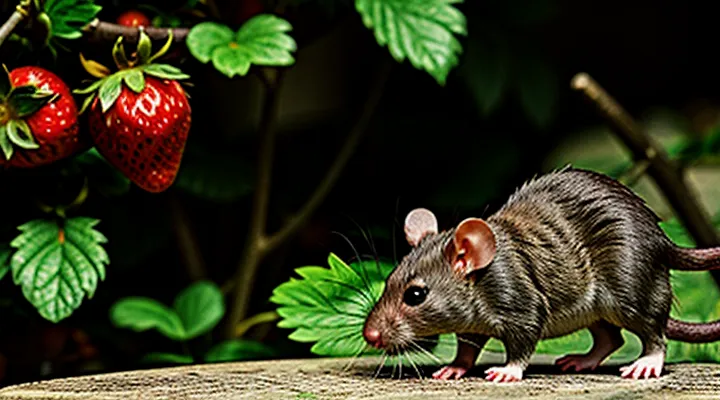
Understanding Rat Dietary Needs
Essential Components of a Rat's Diet
A rat’s nutrition requires a balance of macronutrients, micronutrients, and adequate hydration. The core elements of a healthy diet include:
- Protein: 15‑20 % of total calories; sources such as cooked eggs, lean meat, or high‑quality rodent pellets.
- Fiber: 5‑7 % of diet; provided by whole‑grain cereals, hay, and fresh vegetables to support digestive motility.
- Complex carbohydrates: 45‑55 % of calories; supplied by whole grains, legumes, and root vegetables.
- Essential fats: 3‑5 % of calories; obtained from seeds, nuts (unsalted, unroasted), and occasional fish oil.
- Vitamins and minerals: calcium, phosphorus, magnesium, potassium, vitamin A, D, E, and B‑complex; ensured through fortified pellets and a variety of fresh produce.
- Water: continuous access to clean, fresh water is mandatory.
Treats such as strawberries can be introduced sparingly. Their high sugar content and potential pesticide residues limit their suitability as a regular component. When offered, limit portions to less than 5 % of daily caloric intake and verify that the fruit is washed and pesticide‑free. Regular monitoring of weight and stool consistency will reveal any adverse effects from occasional fruit inclusion.
Foods to Avoid for Rats
Pet rats require a diet that excludes foods known to cause toxicity, digestive upset, or nutritional imbalance. Understanding which items are harmful helps owners prevent acute illness and long‑term health problems.
- Citrus fruits (lemons, oranges, grapefruits) – high acidity damages enamel and can irritate the gastrointestinal tract.
- Chocolate and caffeine‑containing products – contain theobromine and caffeine, both cardiotoxic to rodents.
- Raw potatoes and green tomato parts – contain solanine, a neurotoxin that can lead to vomiting and seizures.
- Onions, garlic, and chives – introduce compounds that damage red blood cells, causing hemolytic anemia.
- Processed meats and high‑fat snacks – excessive fat promotes obesity and liver strain.
- Alcohol and fermented beverages – depress the central nervous system and may be fatal even in small doses.
- Artificial sweeteners (xylitol) – can cause rapid insulin release and hypoglycemia.
- Dairy products – rats lack lactase, leading to diarrhea and nutrient malabsorption.
Strawberries, when offered in limited quantities, fit within a safe fruit portion and do not belong on the avoidance list. However, they should be washed, seeded, and presented without added sugars or syrups. Balancing fresh produce with a high‑quality pellet base ensures optimal nutrition while steering clear of the hazardous foods outlined above.
Strawberries and Rats: The Basics
Nutritional Profile of Strawberries
Vitamins in Strawberries
Strawberries contain a range of vitamins that influence the nutritional profile for laboratory and pet rodents.
Vitamin C is the most abundant, providing approximately 58 mg per 100 g fresh fruit. Rats synthesize vitamin C endogenously, yet dietary sources can reduce oxidative stress and support immune function.
Folate (vitamin B9) appears at about 24 µg per 100 g. Adequate folate contributes to DNA synthesis and cell division, processes critical during rapid growth phases in young rats.
Vitamin K1 (phylloquinone) is present at roughly 2.2 µg per 100 g. This vitamin participates in blood clotting mechanisms, though rats obtain sufficient amounts from standard chow.
Vitamin A precursors, primarily β‑carotene, are found in modest quantities (≈30 µg per 100 g). Conversion to retinol supports visual health and epithelial integrity.
Other B‑vitamins, such as thiamine, riboflavin, and niacin, occur in trace amounts, contributing to energy metabolism.
When incorporating strawberries into a rat’s diet, consider the following guidelines:
- Limit fresh fruit to no more than 5 % of total daily caloric intake to avoid excess sugar.
- Ensure the fruit is washed thoroughly to remove pesticide residues.
- Offer small, bite‑size pieces to prevent choking hazards.
- Monitor body weight and health indicators after introduction.
The vitamin profile of strawberries can complement a balanced rodent diet, provided that portion control and hygiene are maintained.
Minerals in Strawberries
Strawberries supply a range of minerals that influence rodent health. The fruit’s mineral profile includes potassium, calcium, magnesium, phosphorus, iron, and trace amounts of zinc and copper.
- Potassium: ~153 mg per 100 g
- Calcium: ~13 mg per 100 g
- Magnesium: ~13 mg per 100 g
- Phosphorus: ~24 mg per 100 g
- Iron: ~0.4 mg per 100 g
- Zinc: ~0.1 mg per 100 g
- Copper: ~0.04 mg per 100 g
Potassium supports nerve transmission and muscle function; calcium contributes to bone development; magnesium participates in enzyme activation; phosphorus assists in energy metabolism; iron is essential for hemoglobin synthesis; zinc and copper act as cofactors for antioxidant enzymes. Excessive intake of any mineral can disrupt homeostasis, particularly potassium, which may induce cardiac arrhythmias if concentrations rise sharply.
For laboratory or pet rats, occasional strawberry pieces (no more than 5 g per 100 g body weight, administered 2–3 times weekly) provide mineral benefits without overwhelming physiological limits. Fresh fruit should be washed, free of pesticides, and offered in small, bite‑size portions. Monitor for signs of gastrointestinal upset; discontinue if diarrhea or discomfort appears.
Sugar Content in Strawberries
Strawberries contain approximately 7–8 g of sugars per 100 g of fresh fruit, primarily fructose, glucose, and a small proportion of sucrose. The sugar profile is consistent across cultivars, with minor variation due to ripeness and growing conditions. A typical medium strawberry (≈12 g) delivers about 0.9 g of total sugars.
Rats metabolize simple sugars efficiently but exhibit a dietary ceiling for added sugars. Laboratory data indicate that a diet exceeding 10 % of caloric intake from simple sugars can lead to hyperglycemia and weight gain in adult rats. Assuming a 250 g laboratory rat consumes roughly 20 kcal per day, the safe sugar contribution from strawberries should not surpass 2 kcal, equivalent to about 2 g of total sugars.
Practical guidance for offering strawberries to rats:
- Limit fresh strawberry portions to 1–2 g per day (≈1–2 small berries).
- Ensure strawberries are washed, free of pesticides, and presented without stems or leaves.
- Combine strawberries with low‑sugar protein sources to balance macronutrients.
- Monitor the animal’s weight and blood glucose if regular strawberry treats are used.
Providing strawberries within the stated limits supplies antioxidants and vitamin C without surpassing the rat’s sugar tolerance, supporting occasional enrichment without metabolic risk.
Potential Benefits of Feeding Strawberries to Rats
Strawberries provide a range of nutrients that can improve rat health when included in a balanced diet. The fruit’s high vitamin C content supports immune function and aids in collagen synthesis, which benefits skin and tissue repair. Antioxidants such as anthocyanins and ellagic acid reduce oxidative stress, potentially lowering the incidence of age‑related cellular damage.
Dietary fiber in strawberries promotes gastrointestinal motility, helping to prevent constipation and maintain a healthy gut microbiome. The fruit’s natural sugars and water content offer a mild source of energy and hydration, useful during periods of increased activity or warm ambient temperatures.
In addition to physiological effects, occasional strawberry treats serve as environmental enrichment. Novel flavors stimulate exploratory behavior, reduce stereotypic actions, and can strengthen the bond between caretaker and animal when used as a positive reinforcement during training sessions.
To maximize benefits while avoiding adverse effects, adhere to the following guidelines:
- Limit portions to 5–10 g of fresh strawberry per 100 g of body weight, administered no more than three times per week.
- Wash fruit thoroughly to remove pesticide residues.
- Remove stems and leaves, which contain low levels of toxic compounds.
- Monitor individual rats for signs of digestive upset or allergic reaction after initial exposure.
When integrated responsibly, strawberries contribute vitamins, antioxidants, fiber, and enrichment value, supporting overall well‑being in laboratory and pet rats.
Potential Risks of Feeding Strawberries to Rats
Sugar Overload Concerns
Strawberries contain natural sugars that can quickly raise glucose levels in rats. Excessive intake may lead to hyperglycemia, weight gain, and increased risk of insulin resistance. Rats have a limited capacity to metabolize fructose, and repeated exposure to high‑sugar foods can strain pancreatic function.
Key concerns about sugar overload include:
- Rapid blood‑sugar spikes causing temporary lethargy or hyperactivity.
- Accumulation of adipose tissue, contributing to obesity.
- Potential development of metabolic disorders similar to type 2 diabetes.
- Interference with balanced nutrient absorption, reducing intake of essential proteins and fibers.
To mitigate these risks, limit strawberry portions to less than 5 % of daily caloric intake and monitor body weight and behavior regularly. Replace frequent fruit treats with low‑sugar vegetables to maintain a nutritionally balanced diet.
Pesticide Residue Worries
Strawberries are occasionally used as a palatable supplement for laboratory or pet rats, yet pesticide residues on the fruit raise significant safety concerns.
Residues commonly detected on commercial strawberries include organophosphates, pyrethroids, and fungicide metabolites. Typical concentrations range from 0.01 mg kg⁻¹ to 0.5 mg kg⁻¹, often exceeding the maximum residue limits (MRLs) established for human consumption. Because rodents have higher metabolic rates and lower body weights, the same residue level represents a proportionally larger dose for a rat.
Sub‑lethal exposure to organophosphate residues can inhibit acetylcholinesterase activity, leading to altered locomotion, reduced food intake, and impaired learning. Pyrethroid residues may cause neuroexcitability, tremors, and increased mortality at doses as low as 0.05 mg kg⁻¹. Chronic ingestion of fungicide residues has been linked to hepatic inflammation and oxidative stress in rodent studies.
Mitigation strategies:
- Source strawberries certified organic or verified pesticide‑free.
- Rinse fruit under running water for at least 30 seconds; use a mild brush to remove surface residues.
- Perform a brief soak in a 1 % vinegar solution, followed by a second rinse with clean water.
- Conduct random residue testing on batches intended for animal use.
- Limit strawberry portions to ≤5 % of total daily caloric intake, ensuring that any residual pesticide exposure remains below toxic thresholds.
Implementing these measures reduces the risk of adverse health effects while preserving the nutritional and enrichment benefits of strawberries for rats.
How to Offer Strawberries to Your Rat
Choosing the Right Strawberries
Strawberries may be offered to pet rats as an occasional treat, but only when the fruit meets strict quality standards. Selecting appropriate berries reduces the risk of contamination, digestive upset, and excess sugar intake.
- Choose berries that are firm, bright red, and free of bruises or mold.
- Prefer organic or pesticide‑free specimens; conventional strawberries often carry residues that can harm small mammals.
- Opt for small to medium fruits; large berries contain higher sugar concentrations and may be difficult for rats to consume safely.
- Verify that the fruit is freshly harvested; over‑ripe strawberries become mushy and ferment, producing undesirable microbes.
Before serving, rinse the berries under running water to remove surface debris, then pat dry. Remove the green calyx and cut the fruit into bite‑size pieces no larger than a quarter of an inch. Offer only a few pieces per feeding session, limiting the total amount to no more than 5 % of the rat’s daily caloric intake.
Regular monitoring of the animal’s response—checking for signs of diarrhea, reduced appetite, or weight changes—ensures that the chosen strawberries remain a safe, enjoyable supplement to a balanced diet.
Proper Preparation Methods
Feeding strawberries to rats requires careful preparation to avoid digestive upset and potential contamination. Fresh fruit must be free of pesticides, mold, and bruises, as rodents are sensitive to toxins and spoiled material.
Preparation steps:
- Select organic, ripe strawberries; discard any with visible damage.
- Rinse each berry under cool running water for at least 30 seconds.
- Pat dry with a clean paper towel to remove excess moisture.
- Remove the stem and slice the fruit into bite‑size pieces no larger than ½ cm.
- Store portions in an airtight container in the refrigerator; use within 24 hours.
Serve the prepared pieces as an occasional treat, limiting the amount to no more than 5 % of the rat’s daily caloric intake. Monitor the animal for signs of gastrointestinal distress after the first offering.
Portion Control Guidelines
When offering strawberries to pet rats, precise portion control prevents digestive upset and maintains balanced nutrition.
- Recommended serving size: one to two small bite‑sized pieces, roughly 0.5 cm in length, per adult rat. This amount supplies a modest dose of natural sugars and vitamin C without overwhelming the diet.
- Frequency: no more than two to three times per week. Regular inclusion beyond this schedule can displace essential protein and fiber sources.
- Preparation: wash thoroughly, remove stems and leaves, and cut into uniform pieces. Avoid adding sugar, syrup, or other sweeteners.
- Monitoring: observe each rat for signs of diarrhea, lethargy, or reduced appetite after consumption. If adverse reactions occur, discontinue strawberries and consult a veterinarian.
- Adjustments for juveniles or small‑breed rats: halve the adult portion and reduce frequency to once weekly, reflecting lower caloric needs.
Adhering to these guidelines ensures strawberries serve as a safe, occasional treat that complements, rather than compromises, a rat’s overall diet.
Frequency of Feeding
Strawberries provide vitamin C, fiber, and antioxidants, but their natural sugar content requires careful scheduling in a rodent diet. Excessive sugar can disrupt gut flora, promote obesity, and increase the risk of dental issues.
Guidelines for offering strawberries to pet rats recommend the following limits:
- Maximum frequency: no more than three servings per week.
- Serving size: one to two small pieces (approximately ¼ inch each) per individual rat.
- Distribution: spread evenly across the week to avoid consecutive high‑sugar days.
When strawberries are included, adjust the overall diet by reducing other sugary or fruit items on the same day. Monitor body weight and stool consistency; any signs of weight gain or loose feces indicate the need to reduce frequency.
Veterinary nutritionists advise maintaining a balanced staple of high‑quality rodent pellets, fresh vegetables, and occasional treats. Within this framework, strawberries remain an occasional supplement rather than a regular component.
Alternative Safe Fruits for Rats
Berries
Strawberries are frequently examined when assessing whether rats can safely consume berries. Their composition includes vitamin C, folate, potassium, and dietary fiber, while natural sugars account for roughly 7 % of fresh weight. The nutrient profile offers modest antioxidant benefits but does not replace the essential components of a laboratory‑grade rat chow.
Safety considerations focus on three factors. First, residual pesticides may pose toxic risk; washing the fruit thoroughly eliminates most surface contaminants. Second, the soft texture reduces choking hazard, yet large pieces can still obstruct the oral cavity of smaller specimens. Third, the sugar concentration can disrupt glycemic balance if offered in excess, potentially leading to weight gain and altered metabolic markers.
Guidelines for inclusion in a rat diet:
- Slice fruit into pieces no larger than 0.5 cm.
- Offer no more than 1 g of fresh strawberry per 100 g of body weight per week.
- Limit exposure to three sessions per week, with each session lasting no longer than 10 minutes.
- Monitor individual animals for signs of gastrointestinal upset or changes in feeding behavior.
Other berries—blueberries, raspberries, and blackberries—share similar micronutrient profiles and can be rotated to provide variety while maintaining the same quantitative limits. Each alternative requires the same preparation standards: thorough washing, size reduction, and controlled frequency.
Other Fruits
Rats can safely consume a variety of fruits besides strawberries, provided portions remain modest and the fruit is fresh.
Safe options include:
- Apples (core and seeds removed)
- Blueberries
- Bananas (small slices)
- Pears (skin removed if pesticide‑treated)
- Kiwi (peeled)
- Mango (seedless)
- Cantaloupe and honeydew (seedless)
Fruits to avoid or limit:
- Citrus fruits (high acidity may cause digestive upset)
- Grapes and raisins (risk of renal toxicity)
- Cherries (pits contain cyanogenic compounds)
- Avocado (persin toxic to many mammals)
Guidelines for feeding fruit:
- Offer no more than 10 % of the rat’s total daily caloric intake.
- Wash thoroughly to remove residues.
- Introduce new fruits gradually to monitor tolerance.
Consistent adherence to these practices ensures fruit serves as a nutritious supplement rather than a health risk.
Recognizing Adverse Reactions
Signs of Digestive Upset
Feeding strawberries to rats introduces natural sugars and fiber that can disturb the gastrointestinal tract if the fruit is offered in excess or if the animal has a sensitive digestive system. Monitor the following indicators to detect a problem promptly:
- Loose, watery stool or sudden increase in fecal volume.
- Presence of mucus or blood in the feces.
- Reduced appetite or refusal to eat familiar foods.
- Lethargy, reduced activity, or a hunched posture.
- Abdominal swelling or palpable discomfort.
- Excessive drooling or frequent licking of the anal area.
These signs may appear within hours of ingestion or develop over a day. Immediate removal of strawberries from the diet and provision of plain water and a bland, easily digestible feed can alleviate mild symptoms. Persistent or severe manifestations, such as continuous diarrhea, weight loss, or marked dehydration, require veterinary assessment to prevent complications and ensure the rat’s health.
Allergic Reactions
Feeding strawberries to rats raises the possibility of allergic reactions, a concern for anyone managing laboratory or pet rodents.
Rats possess an immunoglobulin E (IgE) system comparable to that of other mammals; exposure to novel proteins can trigger sensitization. When a rat’s immune system identifies strawberry proteins as allergens, mast cells release histamine and other mediators, producing the classic signs of an immediate‑type hypersensitivity reaction.
Typical manifestations include:
- Facial swelling or puffiness around the eyes and nose
- Itching, excessive grooming, or fur loss in localized areas
- Respiratory distress such as rapid breathing, wheezing, or nasal discharge
- Gastrointestinal upset, including vomiting or diarrhea
- Reduced activity or lethargy
Assessment should begin with a gradual introduction: offer a single, small piece of strawberry and observe the animal for at least 30 minutes. If any of the listed signs appear, discontinue the fruit immediately and consider antihistamine therapy under veterinary guidance. Re‑exposure after a symptom‑free interval is discouraged unless a controlled challenge test is performed by a qualified professional.
Preventive measures include:
- Selecting low‑allergen fruit varieties when dietary enrichment is desired.
- Maintaining detailed health records that note previous reactions to specific foods.
- Providing alternative treats such as apple slices or carrot sticks, which have a lower incidence of reported rodent allergies.
Overall, strawberries can be offered to rats only after careful monitoring for hypersensitivity; the presence of even mild allergic signs warrants cessation of the fruit and appropriate medical intervention.
Consulting a Veterinarian
When to Seek Professional Advice
Feeding strawberries to pet rats may appear harmless, yet the decision involves nutritional, health, and species‑specific considerations. Small fruits contain sugar, fiber, and vitamin C; however, rats have unique digestive tolerances and metabolic rates that can turn a seemingly benign treat into a problem if not managed correctly.
Professional guidance should be sought when any of the following conditions are present:
- The rat shows signs of gastrointestinal upset (diarrhea, vomiting, reduced appetite).
- The animal has a known metabolic disorder such as diabetes, renal disease, or obesity.
- The rat is a juvenile, pregnant, or elderly, because physiological needs differ from those of healthy adults.
- The owner plans to introduce strawberries as a regular component of the diet rather than an occasional treat.
- There is uncertainty about appropriate portion size, frequency, or preparation method (e.g., raw versus washed, seed removal).
Veterinary consultation provides accurate assessment of the rat’s health status, precise dosage recommendations, and monitoring strategies to prevent adverse reactions. The professional may also suggest alternative fruits or supplements that align better with the animal’s dietary requirements. Prompt advice reduces the risk of long‑term complications and ensures that the treat contributes positively to the rat’s well‑being.