
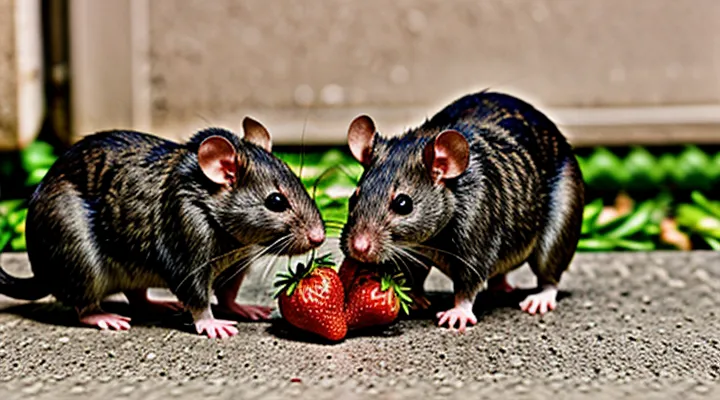
Introduction to Rat Diet and Nutrition
Rats require a balanced diet that mimics the nutritional profile of wild foragers while accommodating the convenience of laboratory or pet feeding. Their intake should consist primarily of high‑quality commercial pellets, which deliver consistent levels of protein, fat, fiber, vitamins, and minerals essential for growth, reproduction, and immune function. Fresh vegetables and fruits serve as supplementary sources of micronutrients and hydration, but they must be offered in limited quantities to prevent digestive upset and nutrient imbalances.
Key nutritional components for a healthy rat diet include:
- Protein (15‑20 % of calories): Supports tissue repair and enzyme production; sources include soy, whey, and insect meal.
- Fat (5‑8 % of calories): Provides energy and aids absorption of fat‑soluble vitamins; derived from plant oils and animal fats.
- Fiber (5‑7 % of calories): Promotes gut motility and microbial health; supplied by whole grains, oats, and leafy greens.
- Vitamin A, C, D, E, K: Essential for vision, antioxidant protection, calcium metabolism, and blood clotting; obtained from fortified pellets and fresh produce.
- Minerals (calcium, phosphorus, magnesium, zinc, selenium): Critical for bone formation, nerve transmission, and enzymatic activity; balanced in pellet formulations.
Introducing strawberries into this regimen demands careful assessment. The fruit offers vitamin C and natural sugars, yet its high water content and acidity can cause diarrhea if overfed. A measured portion—no more than one teaspoon per week for an adult rat—provides nutritional benefit without compromising digestive stability. Monitoring individual tolerance remains essential, as some rats may react adversely to the fruit’s fructose load.
The Safety of Strawberries for Rats
Nutrient Profile of Strawberries
Vitamins and Minerals
Strawberries contain vitamin C, vitamin K, folate, and small amounts of vitamin A, B‑complex vitamins, as well as minerals such as potassium, magnesium, calcium, and manganese. Vitamin C supports antioxidant defenses and collagen synthesis, which can aid tissue repair in rodents. Vitamin K contributes to blood clotting, while folate participates in DNA synthesis and cellular division. Potassium regulates fluid balance and nerve transmission; magnesium assists enzymatic reactions; calcium is required for bone mineralization; manganese functions as a cofactor for metabolic enzymes.
Potential benefits for rats include:
- Enhanced immune response from antioxidant vitamins.
- Support of bone health through calcium and vitamin K.
- Improved metabolic efficiency via magnesium and manganese.
Potential drawbacks include:
- Low fiber content relative to typical rodent diets, offering limited digestive benefit.
- Presence of natural sugars that may contribute to weight gain if consumed excessively.
- Possible pesticide residues unless berries are thoroughly washed or certified organic.
Balanced inclusion of strawberries should not exceed 5 % of total daily food weight, ensuring that essential nutrients are supplemented without displacing staple feed. Regular monitoring of body condition and blood parameters can verify that the added vitamins and minerals are well tolerated.
Sugars and Fiber
Strawberries contain measurable amounts of simple sugars, primarily fructose and glucose, which raise blood‑sugar levels quickly after ingestion. In rats, rapid spikes can stress insulin regulation, potentially contributing to weight gain and metabolic disturbances if the fruit is offered repeatedly or in large portions. Dental health may also suffer, as sugary residues promote bacterial growth on incisors.
The fruit is rich in dietary fiber, especially soluble pectin. Fiber supports intestinal peristalsis, aids in the maintenance of a balanced gut microbiota, and can help prevent constipation in laboratory or pet rats. However, excessive fiber intake may accelerate transit time beyond optimal absorption, leading to loose stools or mild diarrhea, particularly in younger or sensitive individuals.
Potential advantages
- Provides natural antioxidants and vitamin C alongside fiber.
- Encourages chewing behavior, which can reduce boredom.
- Contributes to short‑term hydration due to high water content.
Potential disadvantages
- High fructose content may cause hyperglycemia and weight increase.
- Sugar residue increases risk of dental plaque formation.
- Overconsumption of fiber can result in gastrointestinal upset.
Moderate, infrequent servings—approximately one teaspoon of diced fruit per 200‑gram rat—allow the nutritional benefits of sugars and fiber while minimizing health risks. Monitoring body weight, blood‑sugar trends, and stool consistency is essential when incorporating strawberries into a rat’s diet.
Potential Benefits for Rat Health
Antioxidant Properties
Strawberries contain high levels of vitamin C, anthocyanins, flavonoids, and ellagic acid, all recognized for their ability to neutralize free radicals. These compounds reduce oxidative stress by donating electrons to unstable molecules, thereby preventing cellular damage.
In rodents, antioxidant intake supports immune response, improves vascular health, and may protect neural tissue from degeneration. Absorption of these phytochemicals occurs primarily in the small intestine, with plasma concentrations rising shortly after ingestion.
Rats metabolize sugars and acids differently from humans, so the quantity of strawberry material must be limited to avoid metabolic overload. Fresh fruit retains the full complement of antioxidants, while frozen or processed forms may lose potency.
Potential advantages for rats
- Enhanced antioxidant capacity
- Reduced markers of oxidative damage
- Possible improvement in coat condition and wound healing
- Support for age‑related cognitive function
Possible disadvantages for rats
- Elevated simple sugar intake can lead to weight gain or insulin spikes
- High acidity may cause gastric irritation or diarrhea
- Overconsumption may interfere with experimental variables that rely on controlled oxidative status
- Seasonal availability may limit consistent dietary inclusion
Balancing a small portion of fresh strawberries with a standard rodent diet provides the antioxidant benefit while minimizing risks associated with sugar and acidity.
Hydration
Feeding strawberries to rats introduces a source of water that can supplement daily fluid intake. A typical medium‑sized strawberry contains roughly 90 % water, providing about 5 ml of liquid per fruit. This contribution can be meaningful for rats that do not drink sufficient water from bottles, especially in warm environments.
Potential benefits for hydration
- Additional fluid reduces risk of mild dehydration during heat stress.
- Moisture from fruit may encourage natural drinking behavior, helping maintain kidney function.
Possible drawbacks
- Strawberries have a modest sugar load; excessive consumption could increase urine output, offsetting fluid gains.
- High‑water fruit may dilute electrolyte balance if not paired with appropriate mineral intake.
Owners should monitor water bottle levels after offering strawberries and adjust overall fluid provision accordingly. Providing a small slice (no more than one‑third of a strawberry) ensures a measurable water boost without overwhelming the rat’s diet.
Dental Health Considerations
Strawberries contain natural sugars that can promote bacterial growth on a rat’s teeth. Excessive sugar exposure accelerates plaque formation, leading to tartar buildup and increasing the risk of dental caries. Regular feeding of whole strawberries may therefore require more frequent dental monitoring.
The fruit’s acidity (pH ≈ 3.5) can erode enamel if exposure is prolonged. Even brief contact with acidic pulp can soften the outer dentin layer, making teeth more vulnerable to fractures. Rinsing the mouth with water after a strawberry treat reduces acid retention and mitigates enamel loss.
Vitamin C and antioxidants in strawberries support gum health by limiting inflammation and promoting collagen synthesis. Adequate intake may help maintain gingival integrity, provided the fruit is offered in moderation and the overall diet remains balanced.
Dental health considerations – pros and cons
- Pros
- Antioxidants reduce gum inflammation.
- Vitamin C aids collagen formation for healthy gums.
- Cons
- High sugar content encourages plaque.
- Acidic pH can weaken enamel.
- Frequent feeding may necessitate additional dental checks.
Guidelines for Feeding Strawberries to Rats
Proper Preparation
Washing
Washing strawberries before offering them to pet rats removes surface contaminants that could cause gastrointestinal upset. Rinse the fruit under running water, gently rub with clean fingertips, and pat dry with a paper towel to eliminate pesticide residues, soil particles, and microbial growth.
-
Reduces risk of bacterial infection
-
Eliminates pesticide traces that may be toxic to rodents
-
Improves texture, making the fruit easier for rats to chew
-
Consumes additional preparation time
-
May remove natural waxes that protect fruit freshness
-
Over‑washing can cause fruit softening, leading to quicker spoilage
Optimal practice involves a brief, thorough rinse, followed by immediate serving or storage in a sealed container in the refrigerator. This approach balances hygiene with fruit quality, ensuring rats receive a safe, palatable treat.
Cutting
When offering strawberries to pet rats, the method of preparation influences both safety and nutritional benefit. Cutting the fruit into appropriately sized pieces reduces choking risk and facilitates digestion. Small cubes, roughly 0.5 cm on each side, fit comfortably in a rat’s mouth and allow the animal to chew without excessive strain on jaw muscles.
Advantages of proper cutting
- Limits the chance of obstruction in the esophagus.
- Increases surface area, enhancing exposure to vitamins and antioxidants.
- Enables precise portion control, preventing overconsumption of sugar.
Potential drawbacks
- Excessive fragmentation may cause the fruit to dry quickly, reducing palatability.
- Very small pieces could be swallowed whole, bypassing the chewing process that stimulates saliva production.
- Improperly cut pieces (e.g., jagged edges) might damage oral tissue.
To implement safe cutting, follow these steps:
- Wash the strawberry thoroughly to remove pesticide residues.
- Remove the leafy cap and any bruised sections.
- Slice the fruit longitudinally, then cut crosswise to achieve uniform cubes.
- Offer a limited amount—no more than one teaspoon per day—to monitor tolerance.
Regular observation after feeding will reveal whether the chosen size supports healthy intake or introduces any adverse reactions. Adjust the cut dimensions accordingly to maintain a balanced diet while minimizing health risks.
Portion Control and Frequency
Feeding strawberries to rats requires strict portion control to avoid excess sugar and potential digestive upset. A single medium strawberry contains approximately 7 g of sugar; for an average adult rat (250–300 g), this represents a significant caloric contribution. Limit each serving to no more than one‑quarter of a strawberry, roughly 2 g of fruit flesh.
Frequency should be limited to prevent habituation and nutritional imbalance. Offer strawberries no more than twice per week, spacing servings at least three days apart. This schedule supplies occasional enrichment without displacing essential protein and fiber sources.
Guidelines for safe inclusion
- Size: ¼ of a medium strawberry (≈2 g) per serving.
- Frequency: ≤2 servings per week, with a minimum 72‑hour interval.
- Preparation: Wash thoroughly, remove stems, and cut into bite‑size pieces.
- Monitoring: Observe for signs of diarrhea, weight gain, or reduced activity after consumption.
Exceeding recommended portions or feeding daily can lead to hyperglycemia, obesity, and altered gut flora. Consistent adherence to the outlined limits maintains the health benefits of occasional fruit treats while preserving the rat’s balanced diet.
Introducing New Foods to Rats
Introducing unfamiliar items into a rat’s diet requires gradual exposure, observation for adverse reactions, and adherence to nutritional balance. Small portions should replace a portion of the regular feed, not augment the total caloric intake. Monitor weight, stool consistency, and behavior for at least 48 hours after each new offering.
Strawberries present a high water content and natural sugars, which differ markedly from the typical grain‑based diet. Their texture is soft, making them easy to chew, but the fruit also contains acids that may irritate sensitive digestive tracts if over‑consumed.
-
Potential benefits
- Source of vitamin C and antioxidants
- Moisture contribution reduces need for supplemental water
- Novel taste can stimulate appetite in picky eaters
-
Potential drawbacks
- Sugar level may promote obesity or dental decay
- Acidic pH can cause gastrointestinal upset
- Seasonal availability limits consistent inclusion
To incorporate strawberries safely, offer a single bite (approximately 0.5 g) once or twice a week, observe the rat for any signs of distress, and record any changes in health metrics. If no adverse effects appear, the portion may be modestly increased, but total fruit intake should never exceed 5 % of daily calories.
Potential Risks and Downsides
High Sugar Content Concerns
Diabetes Risk
Strawberries contain natural sugars that can raise blood glucose levels in rats, especially when offered in large quantities or without balancing nutrients. Elevated glucose spikes may increase the likelihood of developing insulin resistance, a precursor to type‑2 diabetes, similar to effects observed in other small mammals fed high‑sugar fruits.
Factors influencing diabetes risk when feeding strawberries to rats
- Portion size: small, occasional pieces (1–2 g) produce minimal glycemic impact; servings exceeding 5 g per day can cause measurable glucose elevation.
- Frequency: daily feeding amplifies cumulative carbohydrate load, whereas weekly treats limit exposure.
- Overall diet composition: a high‑fiber, low‑fat baseline diet mitigates sugar‑induced insulin spikes; a diet already rich in simple carbohydrates exacerbates risk.
- Strain susceptibility: certain laboratory rat strains (e.g., Zucker diabetic fatty) display heightened sensitivity to dietary sugars, requiring stricter control.
- Monitoring: regular glucose measurements allow early detection of abnormal trends, enabling dietary adjustments before chronic hyperglycemia develops.
Weight Gain
Strawberries provide a modest amount of calories, roughly 32 kcal per 100 g, and contain natural sugars that can contribute to weight gain if included in a rat’s diet without adjustment of other food components. Rats consuming strawberries as a regular supplement may exceed their typical caloric intake, especially when the fruit is offered daily or in large portions.
-
Positive influence on weight management
-
Negative influence on weight management
- Simple sugars raise blood glucose levels, encouraging fat storage when excess calories are not offset.
- Frequent feeding may lead to cumulative caloric surplus, resulting in gradual weight gain.
- Individual variability in metabolism means some rats may gain weight more readily from the same amount of fruit.
Effective use of strawberries requires monitoring total daily caloric intake and adjusting the base diet accordingly. Limiting portions to 1–2 g per 100 g of body weight and providing the fruit no more than two times per week helps prevent undesirable weight gain while preserving the nutritional benefits.
Allergic Reactions and Sensitivities
Rats may develop allergic reactions or sensitivities when introduced to strawberries, a factor that must be weighed alongside nutritional benefits.
Common indicators of an adverse response include:
- Sudden swelling of the face, ears, or paws
- Itching, excessive grooming, or hair loss in localized areas
- Respiratory distress such as wheezing or rapid breathing
- Diarrhea, vomiting, or unexplained weight loss
Allergic susceptibility varies by strain, age, and prior exposure to other fruits. Laboratory studies show that approximately 2‑5 % of laboratory rats exhibit IgE‑mediated reactions to novel fruit proteins, while outbred populations may display higher variability. Sensitivity can also arise from pesticide residues on unwashed berries or from excessive sugar content that disrupts gut flora.
To mitigate risk, introduce strawberries gradually, starting with a single bite-sized piece and observing the animal for at least 24 hours. If any listed symptom appears, discontinue the fruit immediately and consult a veterinarian. Antihistamine treatment may be prescribed for mild cases; severe reactions require emergency care.
When strawberries are tolerated, they can be offered as an occasional treat, not exceeding 5 % of daily caloric intake. Regular monitoring ensures that the potential nutritional advantage does not translate into health complications.
Pesticide Residue and Organic Options
Strawberries purchased from conventional sources often carry pesticide residues that can harm a rat’s liver, kidneys, and nervous system. Residue levels vary by farm, pesticide type, and post‑harvest handling; some chemicals persist even after washing. Chronic exposure may lead to reduced fertility, weight loss, or immune suppression, especially in young or compromised animals. When assessing risk, consider the specific pesticide profile, the frequency of strawberry treats, and the individual rat’s health status.
Organic strawberries eliminate most synthetic pesticides, reducing toxic exposure while preserving the fruit’s natural vitamins, fiber, and antioxidants. Certified organic produce still undergoes minimal processing, and occasional contamination from environmental sources cannot be ruled out. Nevertheless, organic options provide a clearer safety margin for regular feeding.
Key considerations
- Conventional strawberries: possible pesticide ingestion; risk increases with frequent feeding; washing reduces but does not guarantee removal.
- Organic strawberries: minimal synthetic pesticide presence; lower toxicity risk; still require thorough rinsing to remove dust and microbes.
- Cost: organic fruit typically costs more; budget constraints may limit regular use.
- Availability: seasonal and regional factors affect access to certified organic berries.
Alternative Safe Treats for Rats
Other Fruits and Vegetables
Rats can safely eat a variety of fresh produce, expanding their diet beyond strawberries while providing essential nutrients and sensory enrichment.
- Apples (core removed, no seeds)
- Blueberries
- Raspberries
- Bananas (small portions)
- Carrots (raw, peeled)
- Bell peppers (any color)
- Cucumber (seedless)
- Zucchini
- Leafy greens such as kale, spinach, and romaine lettuce (moderate amounts)
These items supply vitamins A, C, K, and B‑complex, minerals like potassium and magnesium, and dietary fiber that supports gastrointestinal health. Antioxidants present in berries and leafy greens may reduce oxidative stress, contributing to overall vitality.
Potential drawbacks include high sugar content in many fruits, which can lead to weight gain or dental issues if overfed. Certain vegetables, such as spinach and kale, contain oxalates that may affect calcium metabolism. Pesticide residues pose a toxic risk; thorough washing or sourcing organic produce is essential.
Recommended practice: introduce a new item in a 1‑2 gram portion, observe for 24 hours, then increase gradually up to 5 % of the rat’s daily caloric intake. Remove stems, pits, and seeds that could cause choking or toxicity. Serve fresh, discard leftovers after a few hours to prevent spoilage.
Commercial Rat Treats
Commercial rat treats constitute a widely available source of supplemental nutrition for pet rats. Manufacturers formulate these products to meet the specific dietary requirements of rodents, emphasizing balanced protein, fiber, and vitamin content.
Typical ingredients include dried grains, seeds, powdered vegetables, and added vitamins such as A, D, and B‑complex. Some brands incorporate natural flavorings, while others use synthetic additives to enhance palatability. The nutrient ratios are designed to complement a standard grain‑based base diet, providing calories without excess fat.
Advantages
- Consistent nutrient composition verified by laboratory analysis.
- Shelf‑stable; no refrigeration needed, reducing waste.
- Portion control facilitated by pre‑measured packets or dispensers.
- Low risk of pesticide or pesticide residue exposure compared with fresh fruit.
- Often fortified with minerals (calcium, phosphorus) absent in strawberries.
Disadvantages
- May contain added sugars or artificial sweeteners not ideal for long‑term health.
- Texture differs from natural foods, potentially limiting dental exercise.
- Cost per serving higher than bulk fresh produce.
- Some formulations include allergens (e.g., soy, nuts) that can trigger sensitivities.
- Preservatives may cause gastrointestinal upset in rats with delicate digestion.
When evaluating strawberry feeding alongside commercial treats, consider the following: strawberries supply vitamin C and antioxidants but contribute minimal protein and can introduce excess moisture, leading to spoilage if not managed. Commercial treats offer a stable, protein‑rich supplement, whereas strawberries serve as an occasional enrichment. A balanced regimen might allocate daily portions of treats for nutritional completeness and reserve strawberries for limited, supervised treats to provide variety without compromising dietary stability.
Monitoring Your Rat’s Health
When introducing strawberries into a rat’s diet, regular health checks become essential. Observe changes in weight, coat condition, and activity level within the first 48 hours. Any sudden loss of appetite, diarrhea, or respiratory distress warrants immediate veterinary consultation.
Key parameters to record daily:
- Body weight (to the nearest gram)
- Food intake (quantity of standard pellets versus strawberry portions)
- Stool consistency (normal, soft, or watery)
- Water consumption (ml per day)
- Grooming behavior (frequency and thoroughness)
Use a calibrated scale, a food log, and a water bottle with measurement markings. Compare current data with baseline values taken before the fruit was introduced. Consistent deviations indicate intolerance or metabolic issues and should guide adjustments to the diet or prompt professional evaluation.