
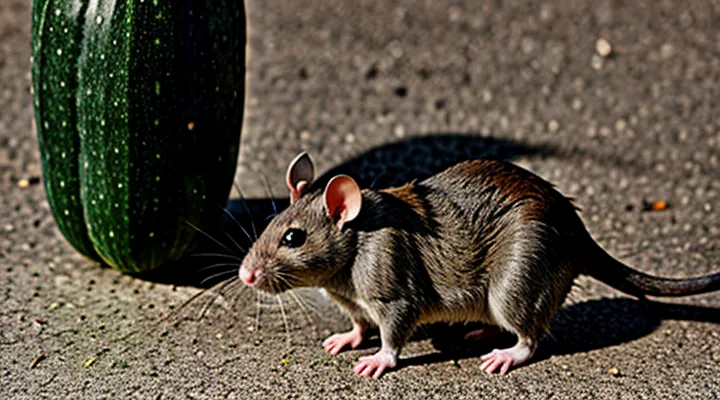
Nutritional Profile of Zucchini
Vitamins and Minerals
Raw zucchini offers a modest nutrient profile that can complement a rat’s diet when offered occasionally. The vegetable supplies several vitamins and minerals essential for physiological functions, but the quantities are low relative to the animal’s overall nutritional requirements.
- Vitamin C: contributes to antioxidant defense and collagen synthesis; rats synthesize this vitamin endogenously, so dietary intake is not critical.
- Vitamin A (β‑carotene precursor): converted to retinol, supporting vision and immune health; conversion efficiency in rats is limited, making supplemental sources more reliable.
- Vitamin K: involved in blood coagulation; zucchini provides a small amount, generally insufficient to meet daily needs.
- Folate (vitamin B9): participates in DNA synthesis and red blood cell formation; the content in raw zucchini is modest.
- Potassium: regulates fluid balance and nerve transmission; the vegetable adds a minor contribution.
- Magnesium: required for enzymatic reactions and muscle function; zucchini supplies a low level.
- Manganese and small traces of iron and calcium are also present.
When raw zucchini is introduced, it should be washed thoroughly, cut into bite‑size pieces, and offered in limited portions (no more than 5 % of total daily intake). Excessive consumption may lead to gastrointestinal upset due to the fiber content. Balanced nutrition for rats relies primarily on a formulated pellet diet; vegetables like zucchini serve as supplemental sources of vitamins and minerals rather than primary providers.
Water Content
Raw zucchini contains approximately 95 % water, a proportion comparable to most summer vegetables. This high moisture level contributes significantly to a rat’s overall fluid intake when the vegetable is offered as part of a balanced diet.
- One medium slice (about 10 g) supplies roughly 9.5 g of water.
- Adding a small amount of raw zucchini each day can help maintain adequate hydration, especially in environments where water bottles may be less accessible.
- Excessive portions may displace other essential nutrients; limiting the vegetable to 5–10 % of total daily food weight preserves nutritional balance while still delivering water benefits.
Monitor the animal’s water consumption and body condition; if the rat shows signs of overhydration or reduced intake of other foods, adjust the serving size accordingly.
Raw Zucchini for Rats: The Safety Aspects
Potential Benefits
Feeding raw zucchini to laboratory or pet rats introduces a source of low‑calorie hydration. The vegetable’s high water content supports fluid balance without adding excess calories.
Raw zucchini supplies essential nutrients that complement standard rodent diets. It provides:
- Vitamin C, contributing to immune function.
- Vitamin A precursors, aiding vision and epithelial health.
- Dietary fiber, promoting gastrointestinal motility and preventing constipation.
- Antioxidants such as lutein and zeaxanthin, reducing oxidative stress at the cellular level.
- Potassium, assisting in electrolyte regulation and nerve transmission.
Inclusion of this vegetable can aid weight management by offering satiety with minimal energy density, and the crunchy texture may facilitate natural chewing behavior, supporting dental wear and oral health.
Digestive Considerations
Raw zucchini presents a high moisture content and moderate dietary fiber, both of which influence the gastrointestinal function of pet rodents. The water component assists in maintaining hydration, while the soluble fiber can promote peristaltic activity. Excessive fiber, however, may accelerate transit time, leading to loose stools or mild diarrhea if introduced abruptly.
Key digestive factors to monitor include:
- Portion size: a single slice (approximately 1 cm × 2 cm) per 100 g of body weight is generally safe.
- Frequency: limit raw zucchini to two to three servings per week to avoid overloading the gut with fiber.
- Preparation: wash thoroughly to remove pesticide residues and surface microbes; avoid peeling, as the skin contains additional fiber.
- Observation: track stool consistency for 48 hours after each exposure; any persistent softness indicates the need to reduce or discontinue the food.
Raw zucchini lacks significant anti‑nutritional compounds, yet it contains low levels of cucurbitacin, which can cause irritation if consumed in large quantities. Cooking deactivates these compounds but also reduces the water content that benefits hydration. Therefore, a balanced approach—providing small, washed, raw pieces alongside a varied diet of grains, protein, and vegetables—optimizes digestive health while minimizing the risk of gastrointestinal upset.
Preparing Zucchini for Your Rat
Washing and Cleaning
Raw zucchini intended for rats must be free of soil, pesticides, and microbial contaminants. Proper washing removes residues that could cause gastrointestinal upset or introduce pathogens.
- Rinse under cool, running water for at least 30 seconds.
- Use a soft brush to dislodge particles adhering to the skin.
- Submerge in a solution of 1 part white vinegar to 3 parts water for 2–3 minutes; this reduces bacterial load.
- Rinse again with clean water to eliminate vinegar taste.
If the zucchini surface is waxed or heavily treated, peel the outer layer after washing. Pat the pieces dry with a clean towel before cutting into rat‑appropriate sizes.
Only after thorough cleaning should raw zucchini be offered as a supplemental treat, ensuring the vegetable is fresh and free of visible damage.
Optimal Portion Sizes
Raw zucchini can be included in a rat’s diet as a source of water, fiber, and vitamins. The vegetable should be served plain, without seasoning or cooking, to preserve its natural nutrients.
- Rats weighing up to 100 g: ½ – 1 cm³ piece (approximately 2–3 g) once daily.
- Rats weighing 100–200 g: 1 – 2 cm³ piece (4–6 g) once daily.
- Rats over 200 g: 2 – 3 cm³ pieces (7–10 g) once daily, divided into two feedings if the animal shows reduced appetite.
Portion size must not exceed 10 % of the total daily food intake. Excessive zucchini can displace protein‑rich pellets and cause digestive upset. Introduce the vegetable gradually, starting with the lowest amount, and observe stool consistency and weight stability.
If a rat exhibits loose stools, reduce the portion by half for several days before returning to the recommended amount. Regularly weigh the animal and adjust portions accordingly to maintain a balanced diet while providing the benefits of raw zucchini.
Frequency of Feeding
Rats can safely receive uncooked zucchini as part of a varied diet, but the timing and amount must be controlled to avoid nutritional imbalance.
Raw zucchini should be offered no more than two to three times per week. Frequent feeding can displace essential protein and fat sources, leading to weight loss or digestive issues. A typical serving for an adult rat consists of ½ to 1 cm³ of diced flesh, roughly the size of a pea. Younger or pregnant individuals require smaller portions, while larger, active rats may tolerate the upper limit.
Key considerations for scheduling zucchini intake:
- Provide the vegetable in the evening, when rats are most active, to encourage consumption before the resting period.
- Observe each animal for signs of soft stools or reduced appetite; reduce frequency if adverse effects appear.
- Rotate zucchini with other low‑calorie vegetables (e.g., cucumber, bell pepper) to maintain dietary diversity without overreliance on a single food.
- Record feeding dates and quantities in a simple log to track patterns and adjust as needed.
In summary, raw zucchini can be incorporated into a rat’s regimen, but limiting exposure to two or three weekly servings, monitoring health indicators, and balancing with protein‑rich foods ensures optimal nutrition.
Risks and Precautions
Pesticides and Chemicals
Feeding uncooked zucchini to laboratory or pet rats raises concerns about pesticide residues and chemical contaminants. Zucchini cultivated for human consumption often undergoes treatments with insecticides, fungicides, or growth regulators. Even when labeled “organic,” the produce may contain naturally occurring compounds such as nitrates or phytochemicals that affect rodent metabolism.
Key considerations:
- Residue levels – Maximum residue limits (MRLs) established for humans differ from safe thresholds for rats. Rodents have higher metabolic rates, so a residue considered negligible for people can produce measurable toxicity in rats.
- Absorption and distribution – Lipophilic pesticides accumulate in fatty tissue, potentially leading to chronic exposure after repeated feeding. Water‑soluble chemicals are excreted more rapidly but may still disrupt gut flora.
- Acute toxicity – Acute LD₅₀ values for common zucchini pesticides (e.g., chlorpyrifos, imidacloprid) fall within ranges that can cause neurological symptoms in rodents after a single dose of contaminated produce.
- Regulatory guidance – Institutional Animal Care and Use Committees (IACUCs) typically require washing, peeling, or cooking to reduce contaminant load before inclusion in rodent diets.
Practical steps to minimize risk:
- Select certified organic zucchini, verify that the supplier follows strict pesticide‑free standards.
- Wash thoroughly under running water; use a mild vegetable brush to remove surface particles.
- Peel the fruit to eliminate epidermal residues where most chemicals concentrate.
- Consider blanching or steaming for a brief period; heat deactivates many pesticide compounds without destroying nutritional value.
- Conduct periodic testing of sample batches for pesticide residues, especially when sourcing from new growers.
Adhering to these protocols allows researchers and owners to incorporate raw zucchini into rat diets while maintaining animal welfare and experimental integrity.
Oxalates and Their Impact
Raw zucchini occasionally appears in rodent diets because it offers moisture and modest carbohydrate content. The plant’s leaf and fruit tissues contain oxalic acid, which forms soluble and insoluble salts known as oxalates. These compounds bind calcium and other divalent minerals, creating complexes that resist intestinal absorption.
In rats, elevated oxalate intake can lead to:
- precipitation of calcium oxalate crystals in renal tubules,
- reduced bioavailability of dietary calcium and magnesium,
- potential gastrointestinal irritation at high concentrations.
Experimental data indicate that chronic feeding of unprocessed zucchini exceeding 10 % of total diet weight increases urinary oxalate excretion and may predispose to nephrolithiasis. Short‑term exposure to smaller amounts does not produce measurable renal pathology in healthy adult rats, provided overall calcium intake remains adequate.
To incorporate raw zucchini safely:
- Limit inclusion to ≤5 % of daily feed mass.
- Pair zucchini servings with calcium‑rich foods (e.g., fortified pellets, dairy substitutes) to offset mineral binding.
- Observe urine for crystal formation; discontinue if crystalluria appears.
- Rotate with low‑oxalate vegetables (e.g., cucumber, bell pepper) to maintain dietary variety.
Adhering to these parameters minimizes oxalate‑related risks while allowing rats to benefit from the modest nutritional value of uncooked zucchini.
Choking Hazards
Raw zucchini is a low‑calorie source of water and vitamins for pet rats, but its fibrous texture and size can create choking risks. When a rat bites a large or overly thick piece, the vegetable may lodge in the oral cavity or trachea, obstructing airflow. The risk increases with whole stalks, thick slices, or unpeeled skin that remains tough.
Preventive measures:
- Cut zucchini into bite‑size cubes, no larger than ½ cm on each side.
- Peel the skin if it feels rubbery; a smooth surface reduces resistance.
- Offer only a few pieces at a time; monitor the rat’s chewing behavior.
- Provide a separate water source to aid swallowing and moisture intake.
Signs of choking include sudden silence, gasping, inability to swallow, or loss of balance. Immediate response should involve gently opening the mouth, clearing any visible obstruction, and, if the rat cannot breathe, applying a brief, controlled pressure to the throat to expel the blockage. Veterinary assistance is required if the animal remains distressed.
Regular observation during feeding sessions and adherence to the size guidelines minimize the likelihood of respiratory obstruction while allowing rats to benefit from the nutritional content of uncooked zucchini.
Alternative Vegetables for Rats
Safe Options
Feeding uncooked zucchini to pet rats can be safe when specific precautions are followed.
The vegetable must be thoroughly washed to remove pesticide residues and soil particles. Use a brush under running water, then rinse again. Prefer organic produce to minimize chemical exposure.
Cut the zucchini into bite‑size pieces, no larger than a pea. Small portions reduce the risk of choking and allow the animal’s digestive system to process the fiber efficiently. Introduce the food gradually, observing the rat for signs of diarrhea or discomfort.
Avoid the following hazards:
- Seeds or hard core, which may cause intestinal blockage.
- Excessive amounts; limit to 5–10 % of the daily diet volume.
- Zucchini that shows signs of spoilage, such as soft spots, mold, or unpleasant odor.
When uncertainty exists about the safety of raw zucchini, a brief steam (2–3 minutes) can soften the tissue and deactivate potential pathogens while preserving most nutrients. After cooling, the same portion guidelines apply.
Regular monitoring of weight, coat condition, and stool consistency confirms that the inclusion of raw zucchini remains beneficial. If adverse reactions appear, discontinue the vegetable and consult a veterinary professional experienced with rodents.
Vegetables to Avoid
Raw zucchini is generally safe for pet rats when offered in moderation, but several common vegetables pose health risks and should be excluded from their diet. Toxic compounds, high acidity, or indigestible fibers can cause gastrointestinal distress, organ damage, or lethal poisoning. Veterinarians and rodent nutrition specialists advise omitting the following items:
- Allium family: onions, garlic, leeks, chives – contain thiosulfates that damage red blood cells.
- Solanaceae family (unripe or raw): green tomatoes, green potatoes, eggplant – contain solanine, a neurotoxin.
- Rhubarb leaves: high oxalic acid content leads to kidney failure.
- Cabbage and related crucifers (large quantities): produce gas and can exacerbate bloating.
- Kale and spinach (excessive amounts): rich in oxalates, increasing risk of urinary stones.
- Citrus fruits: high acidity may irritate the stomach lining.
- Avocado (fruit flesh and pit): contains persin, which is cardiotoxic to rats.
Providing a balanced diet that substitutes these vegetables with safe alternatives—such as carrots, bell peppers, broccoli florets, and small portions of fruit—supports optimal health and avoids the hazards associated with the listed items.