
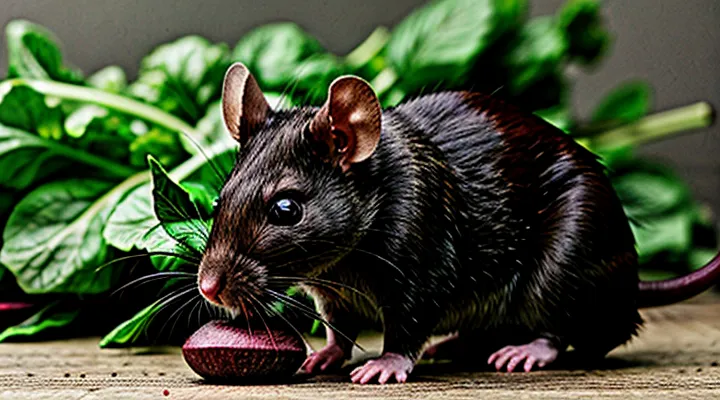
Raw Beetroot and Rat Diet: An Overview
Nutritional Profile of Beetroot
Vitamins and Minerals
Raw beetroot offers a range of micronutrients that can complement a rat’s diet when offered in moderation.
- Vitamin C: contributes to antioxidant defense.
- Vitamin B6 (pyridoxine): supports protein metabolism.
- Folate (vitamin B9): essential for cell division and DNA synthesis.
Mineral content includes:
- Potassium: regulates fluid balance and nerve function.
- Magnesium: participates in enzymatic reactions.
- Iron: required for hemoglobin formation.
- Calcium: needed for bone health, though present in lower amounts than in dairy sources.
Rats can absorb these nutrients efficiently from uncooked beetroot, provided the portion does not exceed 5 % of total daily intake. Excessive consumption may introduce high levels of oxalates, which can precipitate kidney stones, and elevated natural sugars that could disrupt glucose regulation. A safe protocol involves offering a small, finely diced piece two to three times per week, monitoring for digestive upset or changes in urine color.
Incorporating raw beetroot alongside a balanced commercial pellet diet supplies additional vitamins and minerals without replacing essential protein and fat sources. Regular veterinary assessment ensures that nutrient supplementation aligns with the animal’s overall health status.
Fiber Content
Raw beetroot supplies a measurable amount of dietary fiber that can influence a pet rat’s gastrointestinal health. A 100‑gram serving of uncooked beetroot contains approximately 2.8 grams of total fiber, divided into about 0.8 grams of soluble fiber and 2 grams of insoluble fiber.
- Total fiber: ~2.8 g per 100 g
- Soluble fiber: ~0.8 g per 100 g
- Insoluble fiber: ~2 g per 100 g
- Caloric contribution: ~43 kcal per 100 g
Fiber promotes regular bowel movements and supports a balanced gut microbiome. Soluble fiber ferments in the colon, producing short‑chain fatty acids that serve as energy sources for intestinal cells. Insoluble fiber adds bulk, accelerating transit and reducing the risk of constipation.
For rats, a daily fiber intake of 2‑4 % of total diet weight is typical. Incorporating raw beetroot should not exceed 5 % of the overall food volume to avoid excess sugar and potential digestive upset. Introduce beetroot gradually, monitor fecal consistency, and discontinue if diarrhea or bloating occurs.
Sugars and Oxalates
Raw beetroot contains a high proportion of simple sugars, primarily glucose and fructose, which can rapidly elevate blood glucose levels in rodents. Rats metabolize these sugars efficiently, yet excessive intake may lead to hyperglycemia, insulin resistance, or weight gain if the vegetable is offered in large, unregulated quantities. Monitoring portion size is essential to prevent metabolic disturbances.
Oxalate concentration in uncooked beetroot ranges from 0.5 % to 0.8 % of fresh weight. Oxalates bind calcium in the gastrointestinal tract, reducing calcium absorption and potentially precipitating calcium oxalate crystals in the kidneys. Chronic exposure to elevated oxalate levels increases the risk of renal calculi and may impair renal function in susceptible individuals.
Key considerations for including raw beetroot in a rat’s diet:
- Limit serving to no more than 5 % of total daily food intake to control sugar load.
- Provide complementary calcium‑rich foods (e.g., dairy or fortified pellets) to counteract oxalate binding.
- Observe urine output and stool consistency for signs of renal stress or gastrointestinal upset.
- Rotate beetroot with low‑oxalate vegetables to diversify nutrient intake and reduce cumulative oxalate exposure.
When these guidelines are followed, raw beetroot can be a safe occasional treat, delivering antioxidants and micronutrients without imposing undue metabolic or renal risk.
Potential Benefits of Feeding Beetroot to Rats
Antioxidant Properties
Raw beetroot contains high concentrations of betalains, vitamin C, and polyphenols, each exhibiting measurable free‑radical scavenging activity. In laboratory rodents, these compounds reduce oxidative stress markers such as malondialdehyde and elevate endogenous antioxidant enzymes (superoxide dismutase, catalase, glutathione peroxidase).
Key antioxidant constituents of uncooked beetroot:
- Betalains – water‑soluble pigments that neutralize reactive oxygen species and inhibit lipid peroxidation.
- Vitamin C – a hydrophilic electron donor that regenerates other antioxidants and protects cellular membranes.
- Polyphenols – flavonoids and phenolic acids that chelate metal ions and modulate signaling pathways linked to oxidative defense.
When incorporated into a rat diet, raw beetroot delivers these agents without the degradation associated with heat processing. Studies indicate that daily inclusion at 5–10 % of total feed weight improves plasma antioxidant capacity and mitigates oxidative damage in hepatic and neural tissues.
Potential considerations:
- High fiber content may affect gastrointestinal transit; gradual introduction minimizes disruption.
- Nitrate levels, while beneficial for vascular function, require monitoring to avoid methemoglobinemia in susceptible strains.
Overall, the antioxidant profile of fresh beetroot supports its use as a functional food ingredient for laboratory rats, provided dosage and dietary balance are managed appropriately.
Digestive Health
Raw beetroot can be included in a rat’s diet, but its impact on gastrointestinal function requires careful assessment. Beetroot supplies soluble fiber, which promotes peristalsis and may aid in regular bowel movements. However, the high sugar concentration can alter gut microbiota balance, potentially leading to dysbiosis if offered excessively.
Key considerations for digestive health when introducing uncooked beetroot:
- Portion size: Limit to no more than 5 % of total daily intake; excessive amounts increase osmotic load and may cause loose stools.
- Frequency: Offer once or twice a week to avoid chronic sugar exposure.
- Preparation: Wash thoroughly to remove soil and pesticide residues; avoid adding salt or seasoning.
- Observation: Monitor fecal consistency for signs of diarrhea or constipation; adjust quantity accordingly.
- Veterinary guidance: Consult a veterinarian before regular inclusion, especially for rats with known gastrointestinal sensitivities.
Potential benefits include increased fiber intake and antioxidant provision from betalains, which may support mucosal integrity. Risks involve rapid fermentation of sugars, gas production, and possible irritation of the intestinal lining. Balancing these factors ensures beetroot contributes positively to a rat’s digestive health without compromising overall wellbeing.
Blood Pressure Regulation
Raw beetroot contains dietary nitrate, which the gastrointestinal tract reduces to nitrite and subsequently to nitric oxide (NO). NO induces vasodilation, lowers peripheral resistance, and can modify arterial pressure. When rats ingest uncooked beetroot, the nitrate load enters the bloodstream without prior thermal degradation, preserving its bioavailability for conversion to NO.
Rats regulate blood pressure through the renin‑angiotensin‑aldosterone system (RAAS), sympathetic nervous activity, and endothelial-derived factors such as NO. An increase in circulating NO directly opposes the vasoconstrictive actions of angiotensin II, thereby attenuating systolic and diastolic pressures.
Experimental data indicate that feeding raw beetroot to laboratory rats produces measurable reductions in arterial pressure:
- Daily supplementation of 2 % fresh beetroot (weight/weight) for four weeks lowered mean arterial pressure by 5–8 mm Hg compared with control animals.
- Higher concentrations (5 % fresh beetroot) produced greater reductions but were associated with gastrointestinal discomfort and occasional weight loss.
- The antihypertensive effect correlated with elevated plasma nitrate and nitrite levels, confirming the nitrate‑NO pathway as the primary mechanism.
Researchers planning to include raw beetroot in rat diets should observe the following guidelines:
- Start with a low inclusion rate (≤2 % of total feed) to assess tolerance.
- Monitor body weight, food intake, and stool consistency daily.
- Measure blood pressure using tail‑cuff plethysmography or telemetry before, during, and after the intervention.
- Record plasma nitrate/nitrite concentrations to verify systemic exposure.
Raw beetroot can therefore be used as a dietary source of nitrate to modulate blood pressure in rats, provided that dosage and animal welfare are carefully managed.
Risks and Considerations
Oxalate Content and Kidney Stones
Raw beetroot contains oxalates, compounds that can combine with calcium to form calcium oxalate crystals, the most common type of kidney stone in mammals. Typical beetroot oxalate concentration ranges from 0.3 % to 0.5 % of fresh weight, equating to roughly 300–500 mg oxalate per 100 g of edible portion. In rats, dietary oxalate is absorbed in the small intestine, enters the bloodstream, and is filtered by the kidneys. Excessive renal excretion of oxalate raises urinary supersaturation, promoting crystal nucleation and aggregation.
Key considerations for feeding raw beetroot to laboratory or pet rats:
- Limit portion size to 5–10 g of fresh beetroot per 100 g of body weight per day; larger amounts significantly increase urinary oxalate.
- Provide ample water to maintain dilute urine, reducing crystal formation risk.
- Monitor urinary pH; acidic urine (pH < 6.0) enhances calcium oxalate precipitation.
- Include dietary calcium sources (e.g., powdered bone meal) to bind oxalate in the gut, lowering absorption.
Research indicates that short‑term exposure to modest beetroot quantities does not cause measurable renal pathology in healthy rats, whereas chronic high‑oxalate diets lead to increased stone incidence and renal tubular damage. Therefore, raw beetroot can be included in a rat’s diet only when oxalate intake is carefully controlled and balanced with calcium and hydration strategies.
High Sugar Levels
Raw beetroot contains approximately 6–7 g of sugar per 100 g, a level that can markedly raise blood glucose in laboratory rats. Elevated glucose triggers rapid insulin release, potentially leading to hypoglycemia after the initial spike. Repeated exposure may predispose animals to metabolic disturbances resembling type 2 diabetes, including impaired glucose tolerance and increased adiposity.
When incorporating beetroot into a rodent diet, consider the following limits:
- Serve no more than 5 % of total daily caloric intake as raw beetroot.
- Provide portions smaller than 2 g per 100 g of body weight.
- Monitor fasting blood glucose weekly for deviations beyond 100–120 mg/dL.
- Alternate beetroot with low‑sugar vegetables (e.g., cucumber, lettuce) to maintain dietary balance.
Excessive sugar intake compromises experimental consistency by introducing variable metabolic states. Researchers should record beetroot quantity, frequency, and glucose measurements to control for these effects.
Potential for Choking Hazards
Raw beetroot presents a genuine choking risk for rats because of its dense, fibrous structure and occasional hard core fragments. The average laboratory rat can swallow pieces up to roughly one‑centimeter in diameter, but larger or irregularly shaped pieces may become lodged in the oral cavity or esophagus.
Key factors that increase the hazard:
- Size: Whole or thick slices exceed the safe swallowing limit.
- Texture: Fibrous strands resist breakdown during mastication.
- Hard core: The central beetroot segment can remain firm even after biting.
Mitigation strategies:
- Cut beetroot into cubes no larger than 5 mm on each side.
- Blanch briefly (30–60 seconds) to soften fibers without fully cooking.
- Observe each rat during the first exposure; remove any uneaten pieces after five minutes.
- Offer beetroot alongside softer foods to encourage thorough chewing.
When prepared correctly, raw beetroot can be a safe occasional supplement, but failure to reduce size and hardness significantly raises the probability of airway obstruction.
Preparing Beetroot for Rats
Washing and Peeling
Proper preparation of uncooked beetroot is a prerequisite for safe inclusion in a rat’s diet. Contaminants on the surface can introduce pathogens, while residual skin may cause digestive irritation.
- Rinse the beetroot under running water at a temperature of at least 20 °C.
- Use a dedicated vegetable brush to dislodge soil, applying gentle circular motions.
- Inspect the surface for visible debris; repeat rinsing if particles remain.
Peeling removes the fibrous outer layer that can be difficult for rats to chew and may harbor pesticide residues.
- Place the washed beetroot on a clean cutting board.
- Employ a sharp, stainless‑steel peeler, withdrawing the blade away from the body to avoid accidental cuts.
- Remove the skin in thin strips, ensuring the underlying flesh is intact and free of bruises.
After washing and peeling, pat the beetroot dry with a disposable paper towel, then cut into bite‑size pieces (approximately 0.5 cm cubes). Store the portions in an airtight container refrigerated at 4 °C and use within 48 hours to preserve freshness and prevent microbial growth.
Recommended Portion Sizes
Raw beetroot offers rats a source of fiber, vitamin C, and antioxidants, but its high sugar and oxalate content requires controlled serving sizes. Veterinary guidance recommends treating beetroot as an occasional supplement rather than a staple component of the diet.
- Standard adult rat (150–250 g): ½ – 1 teaspoon of finely diced raw beetroot per week.
- Larger or more active rat (over 250 g): up to 1 teaspoon per week.
- Juvenile rats (under 150 g): no more than ¼ teaspoon per week, introduced only after weaning.
Portion sizes should not exceed 5 % of total daily caloric intake. Serve beetroot raw, washed, and cut into uniform cubes to prevent choking. Observe the animal for signs of gastrointestinal upset; discontinue if diarrhea, bloating, or changes in urine color occur.
Frequency matters as much as quantity. Limit servings to two times per week, allowing at least three days between portions to avoid excessive sugar accumulation. Adjust amounts downward if the rat shows a preference for the treat or exhibits weight gain.
Monitoring weight and overall health ensures beetroot remains a safe, beneficial addition. Regular veterinary check‑ups provide an opportunity to reassess portion recommendations based on the rat’s condition.
Frequency of Feeding
Raw beetroot can be incorporated into a rat’s diet, but the feeding schedule must balance nutritional benefits with potential risks.
- Offer small portions no more than twice per week. A teaspoon of finely grated beetroot for a standard adult rat provides sufficient fiber and antioxidants without overwhelming the digestive system.
- Observe each individual’s response. If stool consistency changes or a mild gastrointestinal upset occurs, reduce frequency to once weekly or eliminate the item temporarily.
- Rotate beetroot with other vegetables. Alternating with carrots, broccoli, or leafy greens prevents excessive intake of oxalates, which can contribute to kidney stone formation when consumed in large amounts.
Consistent monitoring is essential. Record the amount given, the day of the week, and any observable changes in weight, activity, or coat condition. Adjust the schedule based on these data to maintain a balanced diet while preserving the advantages of raw beetroot’s vitamins and phytonutrients.
Alternative Safe Vegetables for Rats
Leafy Greens
Rats require a balanced diet that includes protein, grains, and a modest amount of vegetables. Vegetables supply fiber, vitamins, and minerals that support digestive health and immune function.
Leafy greens such as kale, romaine lettuce, spinach, and Swiss chard deliver high levels of vitamin K, vitamin C, and calcium while contributing minimal calories. Their water content aids hydration, and their fiber content promotes regular bowel movements.
Raw beetroot can be offered to rats, but it should be presented alongside leafy greens rather than as a primary vegetable source. Beetroot’s sugar concentration is higher than that of most greens; excessive intake may lead to gastrointestinal upset or weight gain. Combining beetroot with low‑sugar leafy greens balances nutrient intake and reduces the risk of adverse effects.
Safe leafy greens for rats
- Kale – rich in vitamin K and antioxidants; serve in small pieces.
- Romaine lettuce – low in oxalates; suitable for daily rotation.
- Spinach – high in iron and magnesium; limit to occasional servings due to oxalate content.
- Swiss chard – provides vitamin A and potassium; feed in moderation.
- Arugula – peppery flavor; useful for variety, but avoid overfeeding.
Feeding guidelines:
- Introduce a new green in a 2‑day trial, observing for signs of diarrhea or reduced appetite.
- Offer 1–2 tablespoons of mixed greens per 100 g of body weight, divided into two daily portions.
- Wash greens thoroughly to remove pesticides; remove stems that are tough or fibrous.
- Store leftovers in the refrigerator for no more than 24 hours; discard wilted material.
Integrating leafy greens with occasional raw beetroot creates a nutritionally diverse diet that supports growth, coat quality, and overall health in pet rats.
Root Vegetables
Root vegetables provide essential carbohydrates, fiber, and micronutrients that support the digestive health and energy needs of pet rats. Commonly included items such as carrots, sweet potatoes, and beetroot contribute vitamin C, potassium, and beta‑carotene, which are beneficial when offered in appropriate amounts.
Beetroot contains high levels of natural sugars and oxalic acid. The sugar content supplies quick energy but can promote obesity if fed excessively. Oxalic acid binds calcium, potentially leading to urinary stone formation in susceptible individuals. The pigment betalain offers antioxidant activity, yet the same compound may cause mild discoloration of rat urine, a harmless cosmetic effect.
Feeding raw beetroot safely requires adherence to the following guidelines:
- Offer no more than a ½‑inch cube per 100 g of body weight per serving.
- Limit frequency to two times per week to prevent excess sugar intake.
- Wash thoroughly to remove soil and pesticide residues.
- Trim any green tops, which contain higher oxalate concentrations.
- Observe the rat for signs of digestive upset, such as loose stools or reduced water consumption, and discontinue if symptoms appear.
Compared with cooked beetroot, raw form retains more vitamin C but presents higher oxalate levels. For rats prone to urinary issues, steaming the beetroot for 3–5 minutes reduces oxalate content while preserving most nutrients. Alternative root vegetables—carrots, parsnips, and small pieces of raw sweet potato—provide similar energy without the same oxalate risk and may be rotated to maintain dietary variety.
Other Fruits and Vegetables
Pet rats thrive on a diet that combines high‑quality commercial pellets with a measured variety of fresh produce. Raw beetroot can be part of this regimen, but its inclusion must be balanced with other fruits and vegetables that provide complementary nutrients and prevent dietary monotony.
Suitable fresh items include:
- Apples (core removed, skin left); a few thin slices three times a week.
- Blueberries; up to five berries daily, given sparingly due to sugar content.
- Carrots; small, bite‑size pieces twice weekly, raw or lightly steamed.
- Kale; one leaf per week, washed thoroughly to remove pesticides.
- Peas; a teaspoon of shelled peas twice weekly, raw or lightly cooked.
- Zucchini; a few small cubes three times weekly, raw or steamed.
Items requiring caution or exclusion:
- Citrus fruits (oranges, lemons, limes); high acidity can irritate the digestive tract.
- Raw potatoes and tomatoes; contain solanine, toxic to rodents.
- Avocado; persin in the flesh is harmful to rats.
- Rhubarb leaves; contain oxalic acid, a known toxin.
- Grapes and raisins; associated with renal failure in small mammals.
General guidelines:
- Introduce each new food individually, observe for 48 hours before adding another item.
- Limit total fresh produce to no more than 10 % of the daily caloric intake.
- Offer produce in small, manageable pieces to prevent choking.
- Remove uneaten fresh food after two hours to avoid spoilage.
By adhering to these practices, owners can safely expand a rat’s diet beyond raw beetroot, ensuring nutritional balance and long‑term health.
General Dietary Guidelines for Pet Rats
Balanced Nutrition
Rats require a diet that supplies protein, fat, carbohydrates, vitamins, and minerals in proportions that support growth, reproduction, and immune function. Raw beetroot offers carbohydrates, dietary fiber, vitamin C, folate, and minerals such as potassium and manganese, but it lacks sufficient protein and essential fatty acids for a complete diet.
When adding beetroot to a rat’s regimen, consider the following points:
- Offer only small pieces (no larger than a pea) to prevent choking.
- Limit frequency to 1–2 times per week; excess sugar and oxalates can stress the kidneys.
- Combine with a high‑quality pellet or laboratory chow that meets protein (15‑20 % of diet) and fat (5‑10 %) requirements.
- Monitor for signs of digestive upset, such as loose stools or reduced appetite, and discontinue if observed.
Prepared correctly, beetroot can contribute variety and antioxidants without compromising nutritional balance. It should remain a supplemental treat, not a staple, ensuring the rat’s overall diet remains protein‑rich and nutritionally complete.
Foods to Avoid
Rats can tolerate many vegetables, but some foods pose health risks and should be excluded from their diet. Raw beetroot contains high levels of natural sugars and oxalates, which can lead to digestive upset and kidney strain in small rodents. Therefore, beetroot should be offered only in limited, cooked portions, if at all.
Foods to avoid for pet rats include:
- Citrus fruits (lemons, oranges, grapefruits) – acidity irritates the gastrointestinal tract.
- Processed snacks (chips, crackers, cookies) – contain unhealthy fats, salts, and additives.
- Dairy products – rats lack lactase, leading to diarrhea.
- Raw potatoes and green tomato parts – contain solanine, a toxic alkaloid.
- Chocolate and caffeine – methylxanthines cause cardiac and neurological effects.
- Onion, garlic, and related Allium species – cause hemolytic anemia.
- High‑sugar fruits (grapes, cherries) – promote obesity and dental decay.
- Alcohol and any fermented substances – toxic at minimal doses.
These items can cause acute poisoning, chronic organ damage, or nutritional imbalances. Providing a diet composed of rodent pellets, fresh leafy greens, limited cooked root vegetables, and clean water ensures optimal health and reduces the likelihood of complications associated with unsafe foods.
Introducing New Foods
Observation for Adverse Reactions
Feeding uncooked beetroot to laboratory rats requires systematic monitoring for any negative physiological or behavioral responses. Observers should record baseline parameters before introduction of the vegetable, then compare post‑exposure data at regular intervals.
- Gastrointestinal signs: diarrhea, soft stools, abdominal distension, vomiting, reduced feed intake.
- Dermatological signs: skin reddening, swelling, ulceration around the mouth or paws.
- Respiratory signs: increased respiratory rate, labored breathing, nasal discharge.
- Neurological signs: tremors, ataxia, seizures, lethargy, hyperactivity.
- Weight changes: sudden loss or gain exceeding 5 % of baseline within 48 hours.
- Blood parameters: elevated liver enzymes, altered glucose, hemoglobin reduction indicating hemolysis.
Observation protocols should include:
- Direct visual checks every 4 hours for the first 24 hours, then twice daily for the following week.
- Daily weight measurement at consistent times.
- Weekly blood sampling for hematology and biochemistry, using minimally invasive techniques.
- Video recording of cage activity to capture subtle behavioral alterations.
- Immediate documentation of any abnormal finding, followed by veterinary assessment.
Consistent data collection enables identification of acute toxicity, allergic reactions, or chronic effects associated with raw beetroot consumption in rats.
Gradual Introduction
Introducing raw beetroot into a rat’s diet requires a measured approach to prevent digestive upset and ensure acceptance. Beetroot supplies fiber, vitamins, and antioxidants, but its high sugar and oxalic acid content can cause diarrhea or kidney strain if offered in large amounts. A slow increase allows the animal’s gut flora to adapt and reduces the risk of adverse reactions.
- Day 1–2: Offer a single ¼‑inch piece of peeled, raw beetroot alongside regular food; observe for any signs of refusal or distress.
- Day 3–5: Increase to two small pieces, maintaining the same feeding schedule; note stool consistency and water intake.
- Day 6–9: Provide a thin slice (approximately ½ inch) as a regular supplement, not exceeding 5 % of total daily intake.
- Day 10 onward: If tolerance is confirmed, incorporate up to 10 % of the diet as raw beetroot, adjusting quantity based on body condition and health status.
Continuous monitoring is essential. Record changes in appetite, weight, and fecal quality. Should any gastrointestinal symptoms appear, reduce or discontinue the beetroot and consult a veterinary professional. The gradual protocol ensures that the nutritional benefits are realized without compromising the rat’s well‑being.