
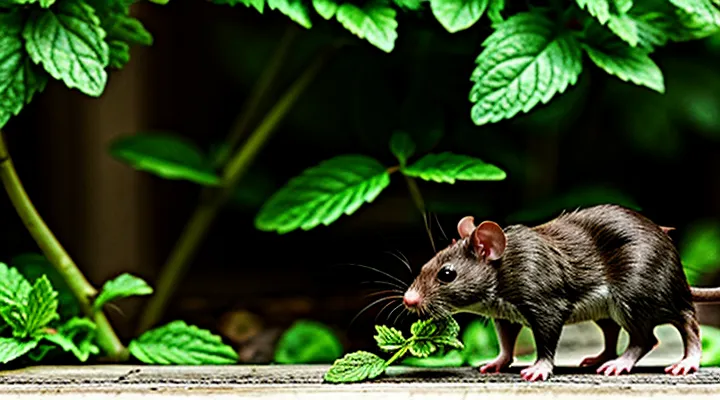
Understanding Mint and Its Varieties
Common Mint Types and Their Properties
Peppermint
Peppermint (Mentha piperita) contains menthol, rosmarinic acid, and volatile oils that give a strong aromatic profile and a cooling sensation. Fresh leaves provide a modest amount of these compounds, while distilled oil concentrates them manyfold.
Safety considerations for rats
- Fresh leaf material, limited to a few millimetres, is generally tolerated.
- Concentrated peppermint oil, even in drops, can cause hepatic stress and respiratory irritation.
- Chronic exposure to strong scent may lead to avoidance behaviour and reduced feeding.
Potential benefits
- Small pieces of leaf can serve as environmental enrichment, encouraging chewing and exploration.
- Menthol’s mild antispasmodic effect may support gastrointestinal comfort when administered sparingly.
- The aromatic stimulus can promote mental stimulation in captive settings.
Guidelines for use
- Offer fresh leaf fragments no larger than 2–3 mm, once or twice weekly.
- Ensure the leaf is washed thoroughly to remove pesticides or contaminants.
- Avoid any form of essential oil, tincture, or concentrate.
- Monitor the animal for signs of respiratory distress, reduced appetite, or unusual grooming.
- Remove uneaten material after 24 hours to prevent mold growth.
Risk mitigation
- Keep peppermint separate from primary food sources to prevent overconsumption.
- Provide fresh water at all times to dilute any residual menthol in the mouth.
- Consult a veterinarian before introducing peppermint to rats with pre‑existing liver or respiratory conditions.
When applied according to these parameters, peppermint can be a safe and useful supplement for rat husbandry, offering enrichment without compromising health.
Spearmint
Spearmint (Mentha spicata) contains essential oils, primarily carvone and limonene, which provide a mild aromatic flavor and modest antimicrobial activity. In laboratory rodents, these compounds have been shown to influence gastrointestinal motility and microbial balance when administered in controlled amounts.
Rats tolerate small quantities of spearmint without immediate adverse effects. However, excessive intake can lead to gastrointestinal irritation, reduced appetite, or altered gut flora. The risk of toxicity remains low because the lethal dose of carvone for rodents exceeds typical dietary exposures by an order of magnitude.
Practical guidelines for offering spearmint to pet rats:
- Quantity: No more than a single leaf (≈0.5 g fresh weight) per 100 g of body weight, offered no more than twice weekly.
- Preparation: Rinse thoroughly to remove pesticides; provide fresh, unprocessed leaves.
- Observation: Monitor for changes in eating behavior, stool consistency, or signs of oral irritation for 24 hours after exposure.
- Contraindications: Avoid spearmint if the rat has a history of digestive disorders, respiratory sensitivity, or is on medications metabolized by hepatic enzymes that carvone may induce.
Potential benefits include mild appetite stimulation and a temporary reduction in oral bacterial load, which may be useful during dental health maintenance. The primary consideration remains moderation; spearmint should complement, not replace, a balanced grain‑based diet enriched with fresh vegetables and protein sources.
Other Mint Varieties
Mint is a broad genus that includes many species beyond the common spearmint and peppermint often offered to pets. Each variety possesses distinct essential oil profiles, leaf texture, and potential toxicity, which influences its suitability for rodent diets.
Peppermint (Mentha × piperita) contains high concentrations of menthol and menthone. These compounds can cause gastrointestinal irritation in rats when supplied in large amounts. Small, occasional pieces of fresh leaf are generally tolerated, but the risk of excessive menthol exposure remains.
Spearmint (Mentha spicata) has lower menthol levels and higher carvone content. The milder flavor reduces the likelihood of digestive upset, making it a safer option for limited inclusion in a rat’s diet.
Apple mint (Mentha suaveolens) produces fuzzy leaves with a subtle fruity aroma. The reduced essential oil concentration makes it the least likely to provoke irritation, though the texture may be less palatable for some individuals.
Chocolate mint (Mentha × piperita ‘Chocolate’) combines peppermint’s menthol with a cocoa‑like scent. The menthol component still poses a risk of mild stomach discomfort; the chocolate flavor does not offset this concern.
Pineapple mint (Mentha suaveolens ‘Variegata’) offers variegated foliage and a sweet, tropical scent. Its essential oil content is comparable to apple mint, allowing safe, occasional feeding.
When selecting any mint variety for rats, follow these guidelines:
- Offer only fresh, pesticide‑free leaves.
- Limit portions to no more than a few millimeters of leaf per day.
- Observe the animal for signs of vomiting, diarrhea, or reduced appetite.
- Remove any wilted or moldy material promptly.
Varieties with higher menthol levels, such as peppermint and chocolate mint, should be used sparingly. Those with lower essential oil concentrations, like apple mint and pineapple mint, present a lower risk and can be incorporated more regularly, provided all other dietary requirements are met.
Components of Mint Potentially Affecting Rats
Menthol Content
Menthol, the primary volatile compound in mint, typically ranges from 0.5 % to 5 % of fresh leaf weight, depending on species, cultivation conditions, and harvest time. Essential‑oil extracts concentrate menthol to 30 %–55 % by weight, while dried herb contains roughly 0.2 %–0.8 % menthol.
In rodents, menthol activates transient receptor potential melastatin‑8 (TRPM8) channels, producing a cooling sensation and transient respiratory irritation. High concentrations provoke bronchoconstriction, reduced feeding, and alterations in locomotor activity. Toxicological studies report a median lethal dose (LD50) of approximately 1 g kg⁻¹ body weight for menthol administered orally to rats; sub‑lethal effects appear at doses as low as 50 mg kg⁻¹.
Safety thresholds derived from these data suggest the following maximum menthol intakes for adult laboratory rats (average 250 g body weight):
- Fresh mint leaves: ≤ 0.25 g kg⁻¹ (≈ 0.06 g per rat per day), corresponding to ≤ 0.15 % menthol of the leaf mass.
- Dried mint: ≤ 0.10 g kg⁻¹ (≈ 0.025 g per rat per day), reflecting the lower moisture content.
- Pure menthol oil: ≤ 0.02 g kg⁻¹ (≈ 5 mg per rat per day), to avoid acute irritation.
When incorporating mint into rat diets, adhere to these limits, verify menthol content analytically, and introduce the herb gradually to monitor behavioral and physiological responses. Avoid using undiluted essential‑oil preparations, as they exceed safe concentrations by orders of magnitude. Regular health checks should include respiratory assessment and food‑intake monitoring to detect early signs of menthol‑induced stress.
Other Essential Oils
Rats tolerate some aromatic compounds, but each essential oil requires separate evaluation of toxicity, concentration, and exposure method. Safety data for a few commonly used oils are summarized below.
- Lavender (Lavandula angustifolia): Low toxicity at concentrations below 0.5 % v/v in water or food. Prolonged inhalation may cause mild respiratory irritation; limit exposure to brief, ventilated sessions.
- Eucalyptus (Eucalyptus globulus): Moderate toxicity; oral ingestion of more than 0.1 % v/v can cause liver stress. Use only as a dilute vapor, not exceeding 0.2 % v/v, and monitor for signs of distress.
- Tea Tree (Melaleuca alternifolia): High toxicity; even low concentrations (0.1 % v/v) can produce neurologic symptoms. Generally unsuitable for rats.
- Citrus (Citrus limon, Citrus sinensis): Low to moderate toxicity; citrus oils can cause gastric upset at concentrations above 0.3 % v/v. Use sparingly in water or as a short‑duration aroma.
- Peppermint (Mentha × piperita): Similar safety profile to mint leaves; safe below 0.5 % v/v, but excessive inhalation may trigger sneezing or nasal irritation.
When introducing any essential oil, observe the following protocol: start with the minimal effective dilution, provide a single exposure, and watch for changes in appetite, grooming, activity, or respiratory pattern. If adverse reactions appear, discontinue use immediately and consult a veterinarian familiar with rodent care.
Overall, only a limited subset of essential oils can be offered to rats without significant risk. Each oil must be vetted for dosage limits, route of administration, and individual animal tolerance before routine use.
Nutritional Value
Mint supplies rats with several nutrients that can complement a standard laboratory or pet diet. Fresh leaves contain vitamin C, vitamin A precursors (β‑carotene), and modest amounts of B‑complex vitamins such as folate and riboflavin. Minerals include calcium, iron, magnesium, and potassium, each contributing to bone health, oxygen transport, enzymatic reactions, and cellular electrolyte balance.
The herb’s essential oil, primarily menthol, exhibits mild antimicrobial activity. In small quantities, menthol may aid digestive motility and reduce gastrointestinal discomfort, but concentrations above 0.5 % of the diet risk irritation of the oral mucosa and respiratory passages.
Fiber content in mint is low but includes soluble pectin, which can support gut microbiota diversity. Antioxidants such as rosmarinic acid and flavonoids (e.g., luteolin) provide free‑radical scavenging, potentially lowering oxidative stress markers in rats.
Key nutritional components of mint for rats
- Vitamin C: 5–10 mg per 100 g, supports immune function.
- β‑carotene: 200–300 µg per 100 g, precursor of vitamin A.
- Calcium: 180 mg per 100 g, contributes to skeletal development.
- Iron: 2 mg per 100 g, essential for hemoglobin synthesis.
- Magnesium: 30 mg per 100 g, involved in enzymatic processes.
- Menthol (essential oil): 0.2–0.5 % of fresh weight, modest stimulant of digestion.
When incorporating mint, limit portions to no more than 2 % of total feed weight to avoid excess menthol exposure. Monitor rats for signs of oral irritation, reduced feed intake, or respiratory distress. Properly washed, fresh mint offers a safe source of vitamins, minerals, and antioxidants that can enrich a rat’s nutritional profile when used sparingly.
Safety and Risks of Feeding Mint to Rats
Potential Benefits of Mint for Rats
Digestive Aid (Anecdotal)
Mint is occasionally offered to pet rats as a natural digestive aid. Owners report that a small leaf or a pinch of dried spearmint can stimulate peristalsis and reduce mild gas after a high‑fiber meal. The aromatic oil, primarily menthol, relaxes smooth muscle in the gastrointestinal tract, which may ease passage of food.
Anecdotal observations include:
- Rats accepting fresh mint leaves voluntarily, often chewing the edge before swallowing.
- Reduced incidence of bloating when mint is introduced gradually, typically over a three‑day period.
- No obvious changes in appetite or activity levels when mint is limited to 0.5 g of fresh leaf per 100 g body weight per day.
Potential concerns:
- Excessive menthol can irritate the mucosa, leading to diarrhea or loss of water balance.
- Some rats exhibit aversion after a single exposure, suggesting individual sensitivity.
- Mint oil concentrates are not suitable for direct administration; only the plant material in modest amounts is advisable.
Best practice for caretakers:
- Offer a single fresh leaf (approximately 2–3 g) once daily for a week, monitoring stool consistency.
- If tolerance is confirmed, maintain the leaf as an occasional supplement, not a daily staple.
- Discontinue use immediately if diarrhea, lethargy, or loss of appetite occurs, and consult a veterinarian familiar with rodent nutrition.
Antioxidant Properties
Mint contains high levels of phenolic compounds such as rosmarinic acid, caffeic acid, and flavonoids. These molecules scavenge free radicals, reduce oxidative stress, and protect cellular membranes from lipid peroxidation.
Research on laboratory rodents demonstrates that dietary inclusion of mint extracts raises plasma antioxidant capacity. In controlled experiments, rats receiving 0.5 %–2 % fresh‑mint foliage or equivalent aqueous extract showed:
- Increased activity of superoxide dismutase (SOD)
- Elevated glutathione peroxidase (GPx) levels
- Lower malondialdehyde (MDA) concentrations, indicating reduced lipid oxidation
The antioxidant effect appears dose‑dependent; higher inclusion rates produce a greater rise in enzymatic defenses but may also introduce mild gastrointestinal irritation.
Potential benefits for rats consuming mint include:
- Enhanced resistance to oxidative damage during aging or disease models
- Support of hepatic detoxification pathways
- Modulation of inflammatory markers linked to oxidative stress
Risks remain limited when mint is offered in moderation. Excessive amounts can lead to reduced feed intake and mild metabolic acidosis due to high menthol content. Therefore, a balanced regimen—no more than 2 % fresh mint by weight of the diet—optimizes antioxidant gains while minimizing adverse outcomes.
Potential Risks and Concerns
Toxicity of Essential Oils
Mint, particularly in the form of essential oil, contains compounds that can harm rodents. The primary toxic agents are menthol, pulegone, and carvone. Exposure to these substances may lead to respiratory distress, liver dysfunction, and neurological impairment.
- Menthol: irritates mucous membranes, causes sneezing and labored breathing.
- Pulegone: metabolized into hepatotoxic metabolites, resulting in elevated liver enzymes.
- Carvone: interferes with enzyme activity in the central nervous system, producing tremors or seizures.
Symptoms of essential‑oil poisoning in rats appear within minutes to hours after ingestion or inhalation. Observable signs include excessive salivation, vomiting, lethargy, and loss of coordination. Severe cases may progress to convulsions or death.
Safe handling protocols recommend avoiding direct application of mint oil to cages, feed, or water. If mint flavoring is desired, use fresh or dried herb material in minimal quantities, ensuring that no concentrated oil is present. Regular monitoring of animal behavior after any dietary change is essential to detect adverse reactions promptly.
Allergic Reactions
Mint is a potent aromatic herb that can elicit hypersensitivity in laboratory and pet rodents. When rats ingest mint, immune-mediated reactions may develop, ranging from mild dermal irritation to severe systemic anaphylaxis.
Typical manifestations include:
- Pruritus, erythema, or swelling around the mouth and paws
- Sneezing, nasal discharge, or ocular discharge
- Gastrointestinal upset such as vomiting or diarrhea
- Rapid heart rate, respiratory distress, or collapse indicating anaphylactic shock
Allergic susceptibility varies among individuals; prior exposure to related Lamiaceae species increases risk. Diagnosis relies on clinical observation and, when necessary, serum IgE testing or skin prick assays adapted for rodents.
Management strategies:
- Discontinue mint immediately upon symptom onset.
- Administer antihistamines (e.g., diphenhydramine) at rodent‑appropriate dosages.
- For systemic reactions, provide emergency care with corticosteroids and supportive oxygen.
- Record the event and avoid future exposure to mint and related herbs.
Preventive measures involve gradual dietary introductions, monitoring for early signs of hypersensitivity, and maintaining a controlled environment free of volatile plant compounds.
Digestive Upset
Mint is a potent aromatic herb that can irritate the gastrointestinal tract of rodents. When a rat ingests fresh or dried mint, essential oils such as menthol may stimulate excessive gastric secretion, leading to nausea, vomiting, or diarrhea. The resulting digestive upset can compromise nutrient absorption and cause dehydration if fluid loss is significant.
Common indicators of mint‑induced gastrointestinal distress include:
- Frequent watery stools or loose feces
- Visible abdominal swelling or discomfort
- Reduced food intake and weight loss
- Episodes of regurgitation or vomit‑like expulsion
If these symptoms appear after introducing mint, discontinue the herb immediately. Offer bland, easily digestible foods such as plain cooked rice or oatmeal, and provide fresh water in excess to counteract fluid loss. Monitoring the rat for 24–48 hours will reveal whether the condition improves; persistent signs warrant veterinary evaluation.
Preventive measures involve limiting exposure to strong aromatic plants, storing mint out of reach, and introducing any new dietary element gradually, observing the animal’s response before increasing the amount.
Recommended Quantities and Frequency
Small Amounts as an Occasional Treat
Mint can be included in a rat’s diet, but only in limited quantities and infrequently. The herb contains menthol and essential oils that may cause gastrointestinal irritation if consumed in excess. Veterinary sources recommend treating mint as a novelty rather than a staple food.
Guidelines for offering mint as an occasional treat:
- Provide no more than a single leaf or a small pinch of fresh mint per week.
- Observe the rat for signs of digestive upset, such as loose stools or reduced appetite, after the first exposure.
- Offer only plain mint; avoid varieties that have been seasoned, glazed, or mixed with sugars.
- Ensure the mint is washed thoroughly to remove pesticide residues.
If the rat tolerates the small amount without adverse effects, the treat can be repeated on a monthly schedule. Persistent feeding or larger portions increase the risk of liver stress and may interfere with the balance of nutrients supplied by the regular diet.
Avoiding Overfeeding
Mint can be a safe, occasional treat for pet rats, but the amount must be strictly limited. Excess mint introduces unnecessary calories, can disrupt the natural balance of the diet, and may cause gastrointestinal upset. Overfeeding any supplemental food reduces the intake of nutritionally complete pellets, leading to deficiencies or weight gain.
Key points for preventing overfeeding when offering mint:
- Offer no more than a single, small leaf (about 1 gram) per rat, two to three times per week.
- Remove any uneaten mint after 24 hours to avoid prolonged exposure.
- Monitor body condition weekly; a visible increase in fat stores indicates excessive treats.
- Adjust pellet portions downward only if the rat consistently finishes the mint and shows signs of reduced appetite for the main diet.
- Keep a log of each mint feeding, noting the date, amount, and any changes in behavior or stool consistency.
By adhering to these limits, owners can provide the aromatic benefits of mint without compromising the rat’s overall health or nutritional balance.
Veterinary and Expert Opinions
Consensus on Mint for Rats
Veterinary and rodent‑research communities agree that mint is not a standard component of a rat’s diet, but limited, controlled exposure is considered safe for most healthy adults.
Scientific observations show that:
- Fresh spearmint leaves cause mild oral stimulation without measurable toxicity in short‑term trials.
- Peppermint oil, even in low concentrations, can irritate the gastrointestinal tract and should be avoided.
- No peer‑reviewed study reports long‑term health benefits from regular mint consumption in rats.
Guidelines for occasional mint provision:
- Offer a single small leaf (approximately 0.2 g) no more than twice a week.
- Use only fresh, pesticide‑free spearmint; avoid dried, powdered, or oil‑based forms.
- Monitor for signs of vomiting, diarrhea, or reduced activity after ingestion; discontinue immediately if symptoms appear.
Contraindications include:
- Juvenile, pregnant, or immunocompromised rats, which are more susceptible to digestive disturbances.
- Rats with a history of respiratory or renal issues, where mint vapors or metabolites may exacerbate conditions.
When to Consult a Vet
Mint is safe for most pet rats in small amounts, but certain signs indicate a veterinary evaluation is required.
If a rat shows any of the following after ingesting mint, contact a professional immediately:
- Persistent vomiting or retching
- Diarrhea lasting more than 24 hours
- Loss of appetite or refusal to drink water
- Lethargy, weakness, or inability to move normally
- Swelling, redness, or discharge around the mouth or eyes
Rapid onset of respiratory distress, such as open‑mouth breathing or wheezing, also warrants urgent care.
Even in the absence of overt symptoms, a veterinarian should be consulted when:
- The rat is very young (under eight weeks) or elderly, because metabolic rates differ.
- The diet already includes other herbs or supplements that could interact with mint’s essential oils.
- The owner is uncertain about the appropriate portion size; a professional can advise on safe limits.
Regular health checks remain essential for all rodents. During routine examinations, ask the veterinarian to assess the impact of mint on dental health, gastrointestinal function, and overall wellbeing.
Prompt veterinary attention prevents complications and ensures the rat’s health is maintained while allowing safe inclusion of mint in its diet.
Observing Your Rat for Adverse Reactions
When introducing mint to a pet rat, observe the animal closely for any negative response. Begin monitoring within the first hour after exposure and continue for several days, as some symptoms develop later.
Watch for the following indicators of distress:
- Reduced appetite or refusal to eat
- Lethargy, excessive sleeping, or lack of movement
- Diarrhea, loose stools, or blood in feces
- Sneezing, nasal discharge, or coughing
- Swelling around the mouth, eyes, or paws
- Skin irritation, redness, or scratching
- Rapid breathing or open‑mouth panting
- Unusual aggression or sudden fearfulness
If any of these signs appear, discontinue mint immediately and consult a veterinarian with experience in small rodents. Record the time of mint administration, the amount given, and the observed symptoms; this information assists the veterinarian in diagnosing the reaction and recommending treatment.
After a safe period with no adverse effects, a small, occasional amount of fresh mint may be re‑introduced, but maintain vigilant observation each time. Consistent monitoring ensures the rat’s health remains protected while exploring dietary variety.
Alternatives and Safe Treats for Rats
Other Herbs Safe for Rats
Parsley
Parsley is a herb commonly considered safe for small rodents, including rats. It supplies vitamins A, C, and K, as well as calcium and iron, which can complement a balanced diet. The leaf texture is gentle on the dentition of rats, encouraging natural chewing behavior.
Potential concerns include the presence of oxalic acid, which in large amounts may interfere with calcium absorption. To avoid this risk, limit parsley to a small portion—approximately one teaspoon of fresh, finely chopped leaves per 100 g of body weight, offered no more than three times per week.
When evaluating the suitability of mint alternatives, the following points differentiate parsley:
- Low essential oil concentration; mint contains menthol, which can be irritating to a rat’s gastrointestinal tract.
- Higher fiber content, supporting digestive regularity.
- Minimal risk of toxicity; mint species such as pennyroyal are known to be harmful, while parsley lacks such compounds.
For optimal health, introduce parsley gradually, monitor the animal for any signs of digestive upset, and ensure the overall diet remains diverse, incorporating grains, proteins, and other fresh vegetables.
Cilantro
Cilantro (Coriandrum sativum) is an herb often offered to pet rats as a supplement to their standard diet. The leaves contain vitamins A, C, K, and minerals such as potassium and calcium, which can contribute to ocular health, immune function, and bone maintenance. Protein and fiber levels are modest, supporting digestive regularity without displacing essential protein sources.
When considering the inclusion of cilantro alongside mint or other aromatic herbs, keep the following points in mind:
- Safety: Cilantro is non‑toxic to rats. Small, fresh portions do not trigger adverse reactions.
- Quantity: Limit servings to 1‑2 teaspoons per 100 g of body weight, offered no more than three times weekly. Excessive intake may cause mild gastrointestinal upset due to the herb’s natural oils.
- Preparation: Rinse thoroughly to remove pesticide residues. Offer raw leaves; cooking diminishes vitamin content.
- Interaction with mint: Both herbs contain volatile compounds that can stimulate appetite. Alternating them prevents sensory fatigue and reduces the risk of overexposure to essential oils.
Monitoring weight, coat condition, and stool consistency after introducing cilantro will confirm tolerance. If any signs of diarrhea, loss of appetite, or lethargy appear, discontinue the herb and consult a veterinarian.
Basil
Basil (Ocimum basilicum) is an herb with aromatic leaves that many pet owners consider as a treat for rodents. The plant contains essential oils, primarily eugenol and linalool, which provide a mild flavor and modest antioxidant activity. Rats can safely ingest small quantities of fresh basil without adverse effects, provided the leaves are washed to remove pesticides or contaminants.
Key points for offering basil to rats:
- Offer only a few leaves per day; excessive intake may cause gastrointestinal upset.
- Use fresh, pesticide‑free basil; dried or powdered forms concentrate oils and increase the risk of irritation.
- Introduce basil gradually, observing the animal for changes in appetite, stool consistency, or behavior.
- Avoid feeding basil that shows signs of mold, wilting, or discoloration, as these indicate spoilage.
Potential benefits of basil include:
- Mild stimulation of the digestive system, which can aid in regular bowel movements.
- Antioxidant compounds that may support overall cellular health.
- Enrichment through scent and texture, encouraging natural foraging behavior.
Precautions:
- Do not combine basil with other strong herbs (e.g., mint, rosemary) in the same serving; mixed essential oils can overwhelm the rat’s metabolism.
- Monitor for signs of allergic reaction, such as sneezing, excessive licking, or lethargy, and discontinue use if symptoms appear.
- Keep basil as an occasional supplement rather than a staple; the primary diet should consist of a balanced commercial rat feed.
In summary, basil can be incorporated as a safe, occasional treat for rats, complementing a nutritionally complete diet while providing sensory enrichment. Proper handling, portion control, and observation are essential to avoid negative outcomes.
Fruits and Vegetables Safe for Rats
Apples (Seedless)
Rats often enjoy aromatic herbs, yet owners must evaluate complementary foods to maintain a balanced diet. Seedless apples provide a fruit option that aligns with the dietary preferences of rodents while avoiding the hazards associated with seeds.
The flesh of seedless apples contains soluble fiber, vitamins C and A, and a modest amount of natural sugars. These nutrients support digestive health and visual function in rats. The absence of hard seeds eliminates the risk of choking or intestinal blockage.
When offering seedless apples, confirm that the fruit is washed thoroughly to remove pesticide residues. Limit portions to no more than one teaspoon per 100 g of body weight to prevent excessive sugar intake, which can lead to obesity or dental issues.
If mint is included in the rat’s diet, introduce seedless apple pieces in small, separate servings. Monitor for any signs of gastrointestinal upset, as combined flavors may alter palatability. Ensure fresh water is always available.
Key considerations for feeding seedless apples to rats:
- Wash fruit before use.
- Remove any remaining core or stem.
- Serve in bite‑size pieces.
- Restrict frequency to two–three times weekly.
- Observe behavior after consumption.
Integrating seedless apples alongside mint can enrich the rat’s diet, provided the guidelines above are followed.
Carrots
Carrots are a common component of a balanced rat diet, providing essential nutrients without posing health risks when offered in appropriate quantities. Their high water content supports hydration, while beta‑carotene supplies a precursor to vitamin A, crucial for vision and immune function. Fiber promotes gastrointestinal motility, reducing the likelihood of constipation.
When evaluating the feasibility of adding mint to a rat’s menu, consider the following points regarding carrots:
- Carrots contain no compounds that interfere with the mild aromatic oils found in mint.
- Both foods are low in fat and calories, making them suitable for weight‑controlled feeding plans.
- Carrots’ natural sweetness can mask the strong flavor of mint, encouraging acceptance by picky eaters.
Potential concerns are limited to over‑consumption. Excessive carrot intake may lead to elevated sugar levels, which can affect blood glucose regulation in diabetic‑prone rodents. To avoid this, limit carrot portions to a few small pieces per day, supplemented with a varied diet that includes protein, grains, and leafy greens.
In practice, introducing mint alongside carrots should be done gradually. Start with a single leaf of fresh mint paired with a bite‑sized carrot segment, observe the rat’s response, and adjust quantities based on appetite and stool consistency. This method ensures that the dietary addition enhances flavor without compromising nutritional balance.
Broccoli
Broccoli is a common vegetable in laboratory rat diets and can be considered when evaluating the suitability of mint for rodents. Its high fiber, vitamin C, and calcium content support gastrointestinal health and bone development in rats. However, broccoli also contains glucosinolates, which may affect thyroid function if consumed in excessive amounts.
When assessing the combination of broccoli and mint, the following points are relevant:
- Nutrient balance – Mint offers menthol and essential oils that can stimulate appetite, while broccoli provides bulk and micronutrients. Together they can create a more varied diet without displacing primary protein sources.
- Digestive tolerance – Both foods are low in fat and high in water content, reducing the risk of obesity. Sudden introduction of large quantities may cause soft stools; gradual incorporation is advisable.
- Potential antagonism – Menthol can increase gastric motility, potentially accelerating the passage of broccoli fibers and limiting nutrient absorption. Monitoring weight and fecal consistency helps detect any adverse effect.
- Safety limits – Limit broccoli to no more than 10 % of total daily food weight and mint to 2–3 % to avoid excessive glucosinolate or menthol exposure.
Practical guidance for caretakers:
- Introduce broccoli in small, chopped pieces for a week before adding mint.
- Offer mint leaves fresh or dried, ensuring they are pesticide‑free.
- Observe rats for changes in feeding behavior, coat condition, and stool quality.
- Adjust portions if signs of gastrointestinal upset appear.
Overall, broccoli can be part of a balanced diet that includes mint, provided both are offered in moderate amounts and introduced gradually.
Commercial Rat Treats
Commercial rat treats are formulated to meet the nutritional requirements of domestic rats while providing palatable flavors. Most products contain a blend of seeds, grains, dried fruits, and occasional herbs. When evaluating the inclusion of mint, consider the following factors:
- Ingredient safety – Mint (Mentha spp.) is generally recognized as safe for rodents in small quantities. Excessive mint oil can irritate the gastrointestinal tract and may cause respiratory discomfort if inhaled as a strong aroma.
- Concentration limits – Reputable manufacturers limit mint to less than 2 % of the total formulation, ensuring that the flavor is detectable without overwhelming the diet.
- Label transparency – Products that list mint as a primary flavor must disclose the specific type (e.g., spearmint, peppermint) and the source of the extract. Clear labeling assists owners in monitoring cumulative mint intake from multiple sources.
- Regulatory compliance – In the United States, the Food and Drug Administration (FDA) classifies mint as a non‑dangerous food additive for pet rodents. European Union regulations require a separate safety assessment for essential oils; compliant brands provide documentation of this evaluation.
- Interaction with other ingredients – Mint may enhance the palatability of high‑fiber components, encouraging consumption of otherwise bland treats. However, it should not replace essential nutrients such as protein, calcium, and vitamin D.
For owners seeking to incorporate mint flavor, select treats that meet the concentration criteria above and verify that the product carries a third‑party certification (e.g., NSF, AAFCO). Avoid unregulated homemade mixes that lack precise dosing, as they can introduce toxic levels of essential oil. Regularly rotate treat varieties to prevent overexposure to any single herb, maintaining a balanced diet while satisfying the animal’s preference for aromatic flavors.