
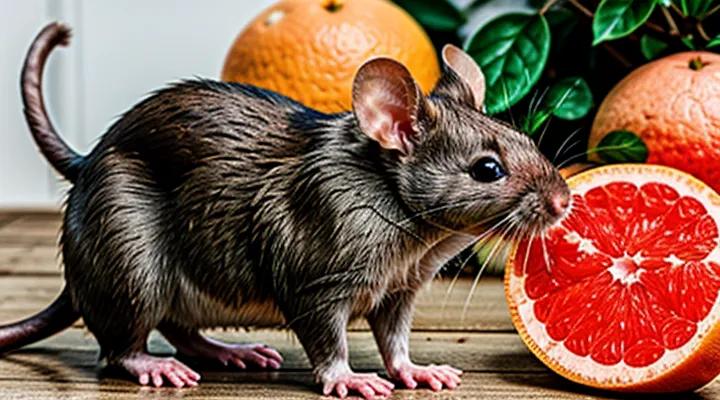
Understanding Rat Diet and Nutritional Needs
Essential Dietary Components for Rats
Rats require a balanced diet that supplies protein, fat, carbohydrates, fiber, vitamins, minerals, and adequate hydration. Each component supports growth, reproduction, immune function, and overall health.
Protein sources such as high‑quality rodent pellets, cooked eggs, or lean meat provide essential amino acids. Fat contributes energy and aids absorption of fat‑soluble vitamins; it should constitute 5–10 % of total calories, supplied by seeds, nuts, or small amounts of vegetable oil. Carbohydrates from grains and vegetables deliver quick energy, while fiber from hay, bran, and leafy greens promotes gastrointestinal motility and prevents digestive disorders.
Vitamins and minerals must be present in appropriate ratios. Vitamin A, D, E, and K, along with the B‑complex group, support vision, bone health, antioxidant defenses, and metabolism. Calcium and phosphorus balance is critical for skeletal development; a 2:1 calcium‑to‑phosphorus ratio is optimal. Trace elements such as zinc, copper, and selenium are required in minute quantities for enzymatic activity.
Water availability is non‑negotiable; fresh, clean water should be accessible at all times. Dehydration rapidly impairs renal function and can be fatal.
Regarding citrus fruits, grapefruit contains high levels of citric acid and compounds that may interfere with calcium absorption. Small, infrequent portions are permissible if the overall diet remains nutritionally complete and does not exceed recommended fruit intake (no more than 10 % of total calories). Excessive grapefruit exposure can lead to gastrointestinal upset and mineral imbalances.
Key dietary guidelines for rats
- Provide a nutritionally complete commercial pellet as the staple.
- Supplement with fresh vegetables (leafy greens, carrots, broccoli) for fiber and micronutrients.
- Offer limited fruit, ensuring citrus is occasional and portion‑controlled.
- Include occasional protein treats (cooked egg, lean meat) no more than 5 % of daily intake.
- Maintain constant access to fresh water.
- Monitor body condition and adjust portions to prevent obesity or malnutrition.
Adhering to these components ensures that any inclusion of grapefruit does not compromise the rat’s nutritional balance.
Foods to Avoid for Rats
Rats require a balanced diet that mimics natural foraging habits while avoiding substances that can cause toxicity, digestive upset, or nutritional deficiencies. Grapefruit, when offered in small, seed‑free portions, is generally safe, but the overall diet must exclude several hazardous foods.
- Chocolate and caffeine‑containing products – contain theobromine and caffeine, which are lethal in small doses.
- Citrus seeds and peels – high acidity and essential oils can irritate the gastrointestinal tract.
- Raw beans, especially kidney beans – contain lectins that damage intestinal lining.
- Onions, garlic, and related Allium species – cause hemolytic anemia by damaging red blood cells.
- Processed meats and salty snacks – high sodium and preservatives strain renal function.
- Sugary treats and artificial sweeteners – promote obesity, insulin resistance, and can be toxic (e.g., xylitol).
- Alcoholic beverages – depress central nervous system and lead to rapid organ failure.
- High‑fat dairy products – excessive fat overwhelms the rat’s digestive capacity and may cause pancreatitis.
Providing a diet rich in fresh vegetables, fruits (including limited grapefruit), whole grains, and species‑appropriate protein ensures optimal health while eliminating the listed risk factors. Regular monitoring of weight, coat condition, and activity levels confirms that dietary choices remain appropriate.
Grapefruit and Rats: A Detailed Analysis
Nutritional Profile of Grapefruit
Vitamins and Minerals
Grapefruit supplies several micronutrients that influence rat health. Vitamin C concentrations reach approximately 30 mg per 100 g of fruit, supporting antioxidant defenses and collagen synthesis. Vitamin A is present as β‑carotene, which rats convert to retinol for vision and epithelial maintenance. B‑vitamin complex includes modest amounts of thiamine, riboflavin, niacin and folate, contributing to energy metabolism and red‑blood‑cell formation. Mineral content features potassium (≈150 mg/100 g) for cellular osmotic balance, calcium (≈20 mg/100 g) for bone mineralization, magnesium (≈10 mg/100 g) for enzymatic activity, and trace copper and manganese that act as cofactors for oxidative‑stress enzymes.
Potential concerns arise from grapefruit’s phytochemicals. Furanocoumarins inhibit cytochrome P450 enzymes, which can alter the pharmacokinetics of veterinary drugs administered to rats. High acidity may irritate the gastrointestinal mucosa, especially when offered in large quantities. Excess potassium can exacerbate renal strain in animals with compromised kidney function.
Guidelines for incorporating grapefruit into a rat diet:
- Limit portion size to no more than 5 % of total daily intake, ensuring overall nutrient balance.
- Monitor for signs of digestive upset, such as reduced feed consumption or soft feces.
- Avoid concurrent administration of medications metabolized by CYP3A4 enzymes; consult a veterinarian before introducing grapefruit.
- Provide a source of calcium and vitamin D to offset the fruit’s relatively low calcium‑to‑phosphorus ratio.
- Rotate with other fruit options to prevent overreliance on a single source of vitamin C.
When applied judiciously, grapefruit contributes beneficial vitamins and minerals without jeopardizing metabolic stability. Continuous observation and veterinary oversight remain essential for safe dietary integration.
Acidity and Sugar Content
Grapefruit contains a distinct acidity profile that influences rat digestion. Typical fruit pH ranges from 3.0 to 3.6, sufficient to stimulate gastric secretion without causing ulceration when administered in modest quantities. Excessive acidity may disrupt the balance of gut microbiota and impair nutrient absorption.
The sugar composition of grapefruit includes approximately 6–8 g of total sugars per 100 g of edible flesh, primarily fructose and glucose in roughly equal proportions. Rats metabolize these monosaccharides efficiently, yet high sugar intake can promote hyperglycemia and weight gain if not controlled.
Practical guidance for incorporating grapefruit into a rodent diet:
- Limit total grapefruit portion to no more than 10 % of daily food mass.
- Ensure the fruit is fresh, free of pesticide residues, and washed thoroughly.
- Offer grapefruit no more than three times per week to avoid chronic exposure to acidity and sugar.
- Monitor body weight and blood glucose levels regularly when grapefruit is included in the regimen.
Adherence to these parameters maintains nutritional balance while allowing rats to benefit from the vitamin C and antioxidant content of the fruit.
Potential Risks of Feeding Grapefruit to Rats
Acidity and Digestive Issues
Grapefruit contains high levels of citric acid, which can lower the pH of a rat’s gastrointestinal tract. A sudden drop in acidity may disrupt the balance of stomach enzymes, impairing protein breakdown and nutrient absorption.
Excessive acidity can irritate the lining of the esophagus and stomach, leading to inflammation, reduced appetite, and occasional vomiting. Rats that are not accustomed to sour foods are more vulnerable to these effects, especially when grapefruit is introduced in large quantities or without gradual acclimation.
Recommendations for safe inclusion of grapefruit in a rat’s diet:
- Offer only a small piece (approximately 0.2 g) once or twice a week.
- Observe the animal for signs of discomfort, such as reduced food intake or abnormal stool consistency.
- Provide ample fresh water to help neutralize stomach acidity.
- Combine grapefruit with low‑acid foods (e.g., leafy greens) to moderate overall pH impact.
- Discontinue grapefruit if any digestive disturbances appear and consult a veterinarian.
Drug Interactions (Furanocoumarins)
Grapefruit contains furanocoumarins, natural compounds that inhibit cytochrome P450 enzymes, particularly CYP3A isoforms. In rodents, CYP3A enzymes mediate the metabolism of a broad range of pharmaceuticals, including certain antibiotics, antihistamines, and immunosuppressants. Inhibition by furanocoumarins can raise systemic drug concentrations, extending half‑life and amplifying pharmacological effects or toxicity.
Experimental data show that rats receiving grapefruit juice exhibit up to a three‑fold increase in plasma levels of drugs primarily cleared by CYP3A. The magnitude of interaction depends on the dose of furanocoumarins, the timing of grapefruit administration relative to drug dosing, and the specific drug’s metabolic pathway. Studies also indicate that chronic exposure to grapefruit can induce adaptive changes in enzyme expression, yet residual inhibition often persists for 24–48 hours after the last dose.
For dietary protocols involving rats, the following precautions are recommended:
- Exclude grapefruit or grapefruit‑derived products when testing drugs known to be CYP3A substrates.
- If grapefruit exposure is unavoidable, schedule a minimum 48‑hour washout period before drug administration.
- Document any incidental grapefruit consumption in study records to facilitate interpretation of pharmacokinetic data.
- Consider substituting low‑furanocoumarin fruits (e.g., oranges or apples) when a citrus component is required for palatability.
Adherence to these guidelines minimizes confounding drug‑food interactions and ensures reliable assessment of therapeutic efficacy in rodent models.
Allergic Reactions
Rats may develop hypersensitivity to compounds found in citrus fruits, including grapefruit. The immune system can recognize certain flavonoids and essential oils as antigens, triggering an allergic cascade. Clinical signs appear within minutes to hours after ingestion and may include:
- Sudden scratching or grooming of the facial area
- Swelling of the muzzle or ears
- Respiratory distress, such as rapid breathing or wheezing
- Diarrhea or vomiting
Laboratory evaluation often reveals elevated serum IgE specific to citrus proteins, supporting a diagnosis of IgE‑mediated allergy. Non‑IgE mechanisms, such as mast‑cell degranulation by direct irritants, can also produce similar symptoms without detectable antibodies.
Preventive measures focus on diet formulation and monitoring. Excluding grapefruit and related citrus products from rodent feed eliminates the primary exposure source. If a citrus flavor is required for enrichment, substitute with non‑allergenic fruits, such as apples or berries, after confirming tolerance. Regular observation for early signs of hypersensitivity enables swift removal of the offending ingredient.
In cases where accidental exposure occurs, immediate intervention includes:
- Discontinuation of citrus intake
- Administration of antihistamines appropriate for rodents, following veterinary dosage guidelines
- Supportive care, such as fluid therapy, if gastrointestinal symptoms are severe
Documentation of allergic episodes contributes to long‑term dietary planning and reduces recurrence risk.
Scientific Consensus and Expert Opinions
Current scientific literature indicates that grapefruit is not a standard component of laboratory rodent nutrition. Peer‑reviewed studies consistently report limited acceptance of citrus fruits by rats and highlight potential metabolic interactions.
Key findings from authoritative sources include:
- Grapefruit contains furanocoumarins that inhibit cytochrome P450 enzymes, potentially altering drug metabolism in rodents.
- High acidity may cause gastrointestinal irritation, leading to reduced feed intake.
- Nutrient profile lacks essential protein and fat levels required for optimal growth in adult rats.
Expert panels advise the following practices for researchers considering citrus supplementation:
- Limit grapefruit exposure to occasional, small‑quantity treats, not exceeding 5 % of total daily caloric intake.
- Conduct a preliminary tolerance test with a cohort of at least five animals, monitoring body weight, feed consumption, and stool consistency for a minimum of seven days.
- Exclude grapefruit from diets of rats receiving medications metabolized by CYP3A4 analogues, to prevent pharmacokinetic interference.
Consensus emphasizes that routine inclusion of grapefruit in rat feed is unsupported by evidence and may compromise experimental validity.
Safe Alternatives to Grapefruit for Rats
Recommended Fruits for Rats
Berries
Berries provide rats with vitamins C and K, dietary fiber, and antioxidant compounds such as anthocyanins. These nutrients support immune function and gastrointestinal health without introducing excessive fat or protein.
Fresh berries must be rinsed thoroughly to remove pesticide residues. Seeds of most small berries are safe; large seeds (e.g., from grapes) should be avoided. Sugar content is modest, yet regular consumption of large quantities can disrupt glucose regulation in rodents.
When rats receive citrus, particularly grapefruit, the fruit’s flavonoids may alter hepatic enzyme activity. This effect can modify the metabolism of certain nutrients found in berries, potentially reducing the bioavailability of vitamin C. Therefore, simultaneous feeding of large amounts of grapefruit and berries is not recommended.
Practical guidelines for berry inclusion:
- Offer no more than ½ teaspoon of mixed berries per 100 g of body weight, three times per week.
- Provide berries as a treat, not as a staple component of the diet.
- Alternate berry days with grapefruit days to prevent metabolic interaction.
Monitoring body weight and stool consistency after introducing berries helps identify any adverse response. Adjust portions or discontinue if signs of diarrhea or weight loss appear.
Apples (Seedless)
Seedless apples provide a source of simple sugars, dietary fiber, and vitamin C that can complement a rodent’s fruit intake. When evaluating fruit options for rats, the low‑acid profile of seedless apples reduces the risk of gastrointestinal irritation compared to highly acidic citrus. The flesh contains minimal pesticide residues when sourced from organic growers, further supporting safe consumption.
Nutritional contributions of seedless apples include:
- Approximately 13 g of carbohydrates per 100 g, supplying quick energy.
- 2–3 g of dietary fiber, aiding digestive regularity.
- 4–5 mg of vitamin C per 100 g, supporting immune function without excessive acidity.
- Negligible fat and protein, preserving the balance of a protein‑rich rodent diet.
Feeding guidelines recommend offering seedless apple slices in moderation:
- Limit to 1–2 g per 100 g of body weight per day.
- Present as small, bite‑size pieces to prevent choking.
- Remove any residual skin if the rat shows sensitivity.
- Rotate with other low‑acid fruits to ensure dietary variety.
Incorporating seedless apples alongside citrus options, such as grapefruit, can diversify the flavor profile while maintaining nutritional balance. Proper portion control and observation of individual tolerance remain essential for optimal health outcomes.
Bananas (in moderation)
Bananas provide rats with carbohydrates, potassium, and small amounts of vitamin C, yet their sugar content exceeds that of most standard rodent treats. Introducing banana pieces can diversify a rat’s diet, but excessive intake may lead to weight gain and digestive upset.
Guidelines for moderate banana consumption:
- Offer a slice no larger than ¼ inch thick, roughly the size of a pea, once or twice a week.
- Observe the animal for signs of diarrhea or reduced appetite after feeding.
- Balance banana treats with a diet rich in high‑fiber pellets, fresh vegetables, and limited fruit.
When evaluating fruit options, consider the overall sugar load and nutritional balance to maintain optimal health in pet rodents.
Recommended Vegetables for Rats
Leafy Greens
Leafy greens provide essential nutrients for laboratory and pet rats, delivering vitamins A, K, and C, as well as dietary fiber that supports gastrointestinal health.
Commonly used varieties include spinach, kale, romaine lettuce, and Swiss chard. Each should be washed thoroughly, trimmed of thick stems, and offered in small, bite‑size pieces to prevent choking.
When combining greens with citrus items such as grapefruit, the high acidity of the fruit can interfere with the mineral absorption facilitated by the greens. Moderation reduces the risk of digestive upset and maintains a balanced pH in the gut.
Recommended protocol: serve a handful of fresh «leafy greens» three times per week, limiting grapefruit to no more than one small segment per week. Observe individual tolerance and adjust portions accordingly.
Carrots
Carrots provide a balanced source of beta‑carotene, vitamin A, fiber, and moderate natural sugars, making them a common supplement in rodent nutrition. Their low fat content aligns with the dietary needs of pet rats, which require a diet high in protein and moderate in carbohydrates.
When introduced, carrots should be offered raw, washed thoroughly, and cut into bite‑size pieces no larger than 0.5 cm. A typical serving for an adult rat equals one to two small dice per day, not exceeding 5 % of total caloric intake. Over‑feeding may lead to excess sugar consumption and digestive upset.
Carrots do not counteract the acidic nature of grapefruit. However, the high citric acid in grapefruit can irritate the gastrointestinal tract if combined with large quantities of carrot fiber. To minimize risk, feed grapefruit sparingly—no more than one thin slice per week—and separate it from carrot portions by at least 24 hours.
Guidelines for integrating carrots into a rat’s diet that includes occasional grapefruit:
- Offer fresh carrot pieces once daily; monitor for stool consistency.
- Limit carrot servings to 5 % of the diet’s caloric content.
- Provide grapefruit only as a treat, not a staple.
- Separate carrot and grapefruit feedings by a full day.
- Observe the rat for signs of dental wear or gastrointestinal distress; adjust portions accordingly.
Broccoli
Broccoli is a nutrient‑dense vegetable frequently included in balanced rat diets. It supplies vitamin C, vitamin K, beta‑carotene, calcium and dietary fiber while contributing minimal calories.
Raw broccoli contains cellulose that can cause mild gas in some rats; light steaming reduces fiber rigidity and improves digestibility without destroying most vitamins. Prior to serving, rinse thoroughly to remove pesticide residues.
Feeding guidelines:
- Offer 1 – 2 grams of steamed or raw broccoli per 100 grams of body weight, three times weekly.
- Introduce gradually; observe stool consistency and activity levels for signs of intolerance.
- Combine with other low‑sugar vegetables to maintain dietary variety.
- Discard wilted or moldy portions; store fresh broccoli in a sealed container in the refrigerator for up to three days.
Compared with citrus options, broccoli lacks significant citric acid, reducing the risk of gastrointestinal irritation that can accompany frequent grapefruit consumption. Incorporating broccoli alongside limited citrus provides a broader spectrum of nutrients while minimizing potential adverse effects.
Practical Feeding Guidelines for Rat Owners
How to Introduce New Foods
Introducing a new food to a rat’s diet requires a systematic approach to ensure safety and acceptance. Begin with a small portion of the fruit, no more than a quarter of a teaspoon, mixed with the regular feed. Observe the animal for any signs of gastrointestinal upset, such as loose stool or loss of appetite, within the first 24 hours. If no adverse reaction occurs, increase the amount gradually over a week, reaching a maximum of one teaspoon per day.
Key considerations for successful introduction:
- Verify that the grapefruit is free of pesticides and thoroughly washed.
- Remove all seeds and any rind, as these can contain compounds harmful to rodents.
- Offer the fruit at a consistent time each day to establish a routine.
- Maintain a balanced overall diet; the fruit should complement, not replace, staple feed.
- Record observations daily, noting intake volume and any behavioral changes.
After the gradual increase, assess whether the rat consistently consumes the fruit without negative effects. If tolerance is confirmed, the grapefruit can remain a periodic treat, limited to two to three servings per week to prevent excess acidity. Continuous monitoring ensures long‑term health while expanding dietary variety.
Portion Control and Moderation
Rats can safely consume grapefruit when the portion is limited and offered infrequently. A typical adult rat weighing 250–300 g should receive no more than a 2‑gram segment of flesh, representing roughly 0.5 % of body weight. The segment must be peeled, seeded, and free of rind, which contains higher concentrations of bitter compounds.
Key considerations for moderation include:
- Frequency: no more than two servings per month, allowing the digestive system to adjust.
- Sugar content: grapefruit contains natural sugars; excessive intake may lead to obesity or dental issues.
- Acidity: high citric acid can irritate the gastrointestinal lining; monitor for signs of discomfort such as reduced appetite or soft stools.
- Variety: grapefruit should complement a balanced diet of commercial rodent pellets, fresh vegetables, and occasional fruit treats.
If a rat shows any adverse reaction, discontinue grapefruit immediately and consult a veterinarian. Maintaining strict portion sizes and limiting exposure ensures that citrus adds nutritional variety without compromising health.
Observing for Adverse Reactions
When grapefruit is introduced into a rodent diet, systematic observation for negative health effects is essential. Initial monitoring should begin immediately after the first exposure and continue for at least 48 hours. During this interval, record body weight, water consumption, and food intake at regular intervals. Any deviation from baseline values warrants closer scrutiny.
Key indicators of a harmful response include:
- Lethargy or reduced activity
- Diarrhea or abnormal stool consistency
- Decreased water intake
- Respiratory distress or labored breathing
- Unexplained weight loss
- Signs of abdominal discomfort, such as hunching
If any of these signs appear, cease grapefruit provision and provide supportive care. Veterinary consultation is recommended to assess the severity of the reaction and to determine whether a short‑term withdrawal period is sufficient or a permanent dietary adjustment is required.
Long‑term observation extends beyond the acute phase. Daily checks for at least one week help identify delayed effects, such as altered metabolic markers or changes in coat condition. Maintaining a control group that receives a standard diet permits comparison of health parameters and strengthens the reliability of conclusions.
Documentation should be precise, noting the amount of grapefruit offered, the form in which it was presented (fresh slices, juice, or powdered supplement), and the exact timing of observed symptoms. Consistent record‑keeping facilitates reproducibility and supports evidence‑based dietary recommendations for laboratory rats.