
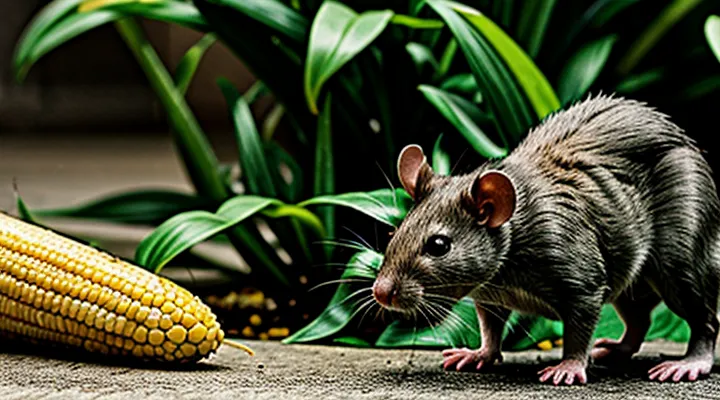
Can Rats Eat Fresh Corn?
Nutritional Value of Fresh Corn for Rats
Vitamins and Minerals
Fresh corn provides a notable profile of vitamins and minerals that can contribute to the nutritional balance of laboratory or pet rats. The grain’s composition includes:
- Vitamin A (β‑carotene) – supports vision and immune function.
- Vitamin C – limited in rodents but can aid antioxidant defenses when present.
- Vitamin B complex (especially thiamine, riboflavin, niacin, and folate) – essential for energy metabolism and red blood cell formation.
- Vitamin E – protects cell membranes from oxidative damage.
- Vitamin K – involved in blood clotting.
Mineral content comprises:
- Potassium – regulates fluid balance and nerve transmission.
- Magnesium – required for muscle contraction and enzymatic reactions.
- Phosphorus – critical for bone health and ATP synthesis.
- Iron – necessary for hemoglobin synthesis.
- Zinc – supports growth, immune response, and wound healing.
When incorporated into a rat’s diet, fresh corn supplies these nutrients in bioavailable forms. However, several considerations are necessary:
- Fiber load – corn’s high carbohydrate and fiber content can cause gastrointestinal upset if introduced abruptly.
- Caloric density – excessive portions may lead to weight gain and obesity, especially in sedentary animals.
- Vitamin A toxicity – prolonged overconsumption can result in hypervitaminosis A; monitor total intake from all sources.
- Balanced diet requirement – corn should complement a protein‑rich base diet; it does not provide sufficient essential amino acids or fatty acids on its own.
Recommended practice: offer small, diced pieces of fresh corn no more than 5 % of total daily food mass, gradually increasing exposure while observing stool consistency and body condition. Combine with a complete rodent chow to ensure adequate protein, essential fatty acids, and micronutrient coverage.
In summary, fresh corn delivers a spectrum of vitamins and minerals beneficial to rat health when used as a limited, supplemental component of a well‑balanced diet. Proper portion control and monitoring prevent adverse effects and maximize nutritional advantage.
Fiber Content
Fresh corn supplies a moderate amount of dietary fiber, primarily insoluble cellulose. A typical ear of corn contains about 2–3 g of fiber per 100 g of edible portion. Rats require roughly 4–6 % fiber in their total diet to maintain normal gastrointestinal motility; the fiber contributed by a small serving of corn can help meet this requirement without exceeding it.
- One tablespoon (≈15 g) of cooked corn provides 0.3–0.5 g of fiber.
- Adding this quantity to a balanced rat diet adds approximately 0.5–1 % of total dietary fiber, depending on the overall feed composition.
- Excessive corn intake (over 20 % of total diet by weight) risks fiber overload, leading to loose stools and reduced nutrient absorption.
Rats efficiently ferment insoluble fiber in the cecum, producing short‑chain fatty acids that support colon health. However, corn’s fiber is less fermentable than the cellulose found in grasses or legumes, so it should complement, not replace, higher‑fiber components such as hay or bran. Providing fresh corn as an occasional treat—no more than a few spoonfuls per day—delivers beneficial fiber while avoiding digestive disturbances.
Calorie Information
Fresh corn contains approximately 86 kilocalories per 100 g of edible kernels. A standard laboratory rat weighing 250 g requires about 15–20 kcal per day to maintain body weight, while a growing juvenile of 100 g needs roughly 8–10 kcal daily. Consequently, a 30‑gram serving of corn (≈ 26 kcal) would represent:
- 130 %–170 % of an adult rat’s total daily energy requirement;
- 260 %–325 % of a juvenile’s daily energy requirement.
Rats metabolize carbohydrates efficiently, but excess calories from corn can lead to rapid weight gain and adiposity. To incorporate corn without exceeding caloric limits, limit the portion to 5–10 g per day, providing 4–9 kcal, which corresponds to 20 %–45 % of an adult’s required intake. Adjust quantities proportionally for smaller or larger individuals.
When formulating a diet, balance corn’s carbohydrate load with protein‑rich components (e.g., soy, mealworms) and essential fats to meet the rat’s recommended nutrient profile while keeping total caloric intake within the species‑specific range.
Potential Risks and Considerations
Digestive Issues and Concerns
High Sugar Content
Fresh corn contains a considerable amount of simple sugars, primarily glucose and fructose, which can comprise up to 10 % of the kernel’s dry weight. The rapid absorption of these sugars leads to a swift rise in blood glucose levels after ingestion.
Rats metabolize simple carbohydrates efficiently, yet excessive sugar intake can produce several adverse effects:
- Elevated blood glucose may stress pancreatic insulin secretion.
- Persistent hyperglycemia can predispose rodents to obesity and insulin resistance.
- High sugar loads increase the risk of dental decay due to fermentable substrate for oral bacteria.
When offering fresh corn to rats, limit the portion to no more than 5 % of the total daily diet by weight. Combine corn with high‑fiber, low‑sugar components such as leafy greens or whole‑grain pellets to balance macronutrient intake. Monitor body weight and blood glucose if the animal has a history of metabolic disorders.
In summary, the sugar concentration in fresh corn warrants controlled feeding practices to prevent metabolic complications in rats.
Mycotoxins and Mold
Feeding fresh corn to laboratory or pet rats introduces a potential source of fungal contamination. Corn harvested and stored under warm, humid conditions often develops mold, which can produce a range of mycotoxins harmful to rodents.
Mycotoxins commonly detected in contaminated corn include:
- Aflatoxin B1 – hepatotoxic, immunosuppressive, carcinogenic.
- Fumonisin B1 – disrupts sphingolipid metabolism, causes pulmonary edema and liver lesions.
- Ochratoxin A – nephrotoxic, reduces weight gain.
- Zearalenone – estrogenic, interferes with reproductive function.
- Deoxynivalenol (vomitoxin) – suppresses feed intake, induces vomiting and diarrhea.
Health consequences for rats exposed to these compounds manifest as reduced growth rates, liver and kidney damage, compromised immune response, and increased mortality at high concentrations. Subclinical exposure may impair experimental outcomes by altering physiological parameters.
To minimize risk, implement the following practices:
- Store corn in cool, dry environments (≤ 15 °C, relative humidity ≤ 60 %).
- Inspect kernels visually; discard any with visible mold, discoloration, or off‑odors.
- Use moisture meters to verify grain moisture content below 13 %.
- Consider adding certified mycotoxin binders to the diet when corn is a primary carbohydrate source.
- Rotate stock regularly to avoid prolonged storage periods.
By adhering to strict storage and inspection protocols, the likelihood of mycotoxin ingestion can be reduced, allowing fresh corn to serve as a safe dietary component for rats.
Choking Hazards
Fresh corn presents a genuine choking risk for pet rats. The kernels are larger than typical rodent pellets and can become lodged in the oral cavity or trachea, especially when offered whole. Rats lack the incisors needed to break down dense kernels efficiently, increasing the likelihood of obstruction.
Key factors that amplify the hazard:
- Kernel size: Whole kernels exceed the safe bite dimension for most rats.
- Texture: Fibrous husk and starchy interior resist rapid chewing, creating a potential block.
- Individual variability: Smaller or younger rats are more vulnerable than larger adults.
To mitigate the danger, follow these practices:
- Remove husk and cut kernels into pieces no larger than 2 mm.
- Steam or boil the corn briefly to soften the starch, then cool before serving.
- Offer only a few pieces at a time, observing the rat for signs of distress.
- Provide alternative fibers such as finely shredded carrots or leafy greens, which are easier to ingest.
If a rat exhibits coughing, gagging, or labored breathing after corn consumption, seek veterinary assistance immediately. Prompt intervention reduces the risk of fatal airway blockage.
Feeding Guidelines
Preparation of Fresh Corn
Removing the Kernel
Fresh corn can be offered to rats as an occasional supplement, but the kernels must be removed before feeding. The outer husk and cob contain fibrous material that rats cannot digest efficiently and may cause gastrointestinal blockage.
Removing kernels eliminates choking hazards and reduces the risk of mold growth on the cob. It also allows precise control of portion size, preventing excess carbohydrate intake that could lead to obesity or metabolic disturbances.
Procedure for kernel removal
- Cut the ear of corn into manageable sections.
- Use a sharp knife to separate the kernels from the cob, working from the top down.
- Rinse the detached kernels under cool running water to wash away residual sugars and potential pesticide residues.
- Pat dry with a clean paper towel before offering a small portion to the rat.
After preparation, serve no more than one to two teaspoons of kernels per rat, monitoring for signs of digestive upset. Discard any uneaten kernels after 24 hours to avoid spoilage.
Cooking vs. Raw
Feeding rats corn raises a question about whether the kernels should be served cooked or raw. Raw corn kernels retain their natural fiber, vitamins, and antioxidants, but they also contain cellulose that rats digest poorly. Cooking breaks down the cellulose, making starch more accessible and reducing the risk of gastrointestinal blockage. However, heat treatment can diminish heat‑sensitive nutrients such as vitamin C and some B‑vitamins, and may introduce compounds like acrylamide if overcooked.
Key considerations when choosing a preparation method:
- Digestibility – Boiled or steamed corn is easier for rats to chew and absorb; raw kernels may pass through the digestive tract largely unchanged.
- Nutrient retention – Raw corn preserves most vitamins; short, gentle cooking (e.g., steaming for 3–5 minutes) minimizes nutrient loss while improving texture.
- Safety – Raw corn may carry surface microbes; thorough washing and brief cooking reduce bacterial contamination.
- Caloric density – Cooking does not alter caloric content, but softer corn may encourage overconsumption, potentially leading to weight gain.
The optimal approach combines both methods: offer a small portion of lightly steamed corn to ensure digestibility and safety, supplemented occasionally with a few raw kernels for nutritional variety. Monitor the rats for signs of digestive upset and adjust the ratio accordingly.
Portion Sizes
Fresh corn can be included in a rat’s diet, but the amount must be limited to prevent digestive upset and excess calories.
A typical adult rat (200‑300 g) should receive no more than 1–2 teaspoons (approximately 5–10 g) of cooked or raw corn kernels per day. Smaller juveniles require half that quantity, while larger breeding pairs may tolerate the upper limit of the range.
Portion size should be evaluated against the rat’s total daily caloric intake, which averages 15–20 kcal. Corn contributes roughly 0.35 kcal per gram; therefore, the recommended serving represents 2–3 % of daily energy needs.
Guidelines for serving fresh corn
- Measure kernels with a standard teaspoon; avoid loosely packed scoops.
- Offer the portion once daily, preferably as a treat after the main pellet or laboratory diet.
- Observe the animal for signs of diarrhea or reduced appetite; reduce or discontinue if symptoms appear.
- Rotate corn with other vegetables to maintain nutritional balance and prevent monotony.
Consistent adherence to these limits ensures that corn remains a safe, occasional supplement without compromising overall health.
Frequency of Feeding
Fresh corn offers a source of carbohydrates, fiber, and limited vitamins for pet rats. Its high sugar content can disrupt gut flora if offered excessively, while occasional inclusion supplies variety without replacing a balanced pellet diet.
Recommended feeding schedule for fresh corn:
- Maximum frequency: once per week.
- Portion size: no more than one teaspoon of cooked or raw kernels per rat.
- Preparation: remove husk and silks, steam or blanch briefly to soften; avoid added salt, butter, or seasonings.
- Observation: monitor weight, stool consistency, and activity after each serving; discontinue if diarrhea or weight gain occurs.
Adhering to these limits ensures corn acts as a supplemental treat rather than a dietary staple.
Alternatives and Supplements
Safe Vegetable Options
Rats thrive on a varied diet that includes fresh vegetables, provided the produce is free from pesticides and prepared correctly.
Safe vegetable choices include:
- Carrots, raw or lightly steamed
- Bell peppers, all colors, seeded and chopped
- Zucchini, sliced thinly
- Spinach, rinsed and offered in small portions
- Broccoli florets, lightly blanched to reduce bitterness
Corn can be offered as an occasional treat. Fresh kernels contain carbohydrates and fiber, but the high sugar content warrants limited servings. A single teaspoon of cooked or raw kernels per week satisfies curiosity without risking obesity.
Avoid vegetables that are toxic to rodents, such as raw potatoes, onions, and rhubarb. Always introduce new foods gradually, monitoring for digestive upset. Clean any uneaten portions within 24 hours to prevent spoilage.
Commercial Rat Food
Commercial rat diets are formulated to meet the complete nutritional requirements of laboratory and pet rodents. They provide balanced proportions of protein, fat, fiber, vitamins, and minerals in a form that minimizes waste and spoilage. The composition is based on research that identifies the optimal levels of essential amino acids, calcium‑phosphorus ratios, and micronutrients for growth, reproduction, and immune function.
Fresh corn offers high carbohydrate content and some vitamin A, but it lacks adequate protein and essential nutrients that rats need for long‑term health. Introducing fresh corn without adjusting the overall diet can cause an imbalance, leading to excess calories, weight gain, and potential deficiencies in amino acids and minerals.
Key points for integrating fresh corn into a rat’s diet:
- Assess the baseline commercial feed: ensure it already supplies at least 18‑20 % protein and appropriate mineral levels.
- Limit corn to a small supplement: no more than 5‑10 % of total daily intake by weight.
- Monitor body condition: track weight and coat quality to detect over‑nutrition or deficiencies.
- Adjust the commercial feed formula if corn is added regularly: reduce carbohydrate‑rich components to maintain caloric balance.
Veterinary guidelines recommend that any fresh vegetable, including corn, be offered as an occasional treat rather than a staple. The primary source of nutrition should remain a high‑quality commercial rat food, which guarantees consistency, safety, and compliance with established dietary standards.
Treats to Avoid
Feeding rats fresh corn requires careful selection of complementary snacks. Certain treats can compromise health, negate nutritional benefits, or introduce toxins.
- Chocolate and cocoa products: contain theobromine, toxic to rodents.
- Caffeinated beverages or foods: stimulate heart rate, cause seizures.
- High‑salt snacks (e.g., chips, pretzels): lead to dehydration and kidney strain.
- Citrus peels and seeds: acidity damages digestive lining; seeds may contain harmful oils.
- Processed meats (bacon, sausage): high fat, sodium, and preservatives increase cardiovascular risk.
- Sugary candies or syrups: promote obesity, dental disease, and blood‑sugar spikes.
- Raw potatoes and green tomato parts: contain solanine, a potent neurotoxin.
These items should be excluded from a rat’s diet, especially when fresh corn is offered as a primary carbohydrate source. Removing hazardous treats preserves digestive balance, supports immune function, and maximizes the nutritional value of corn.