
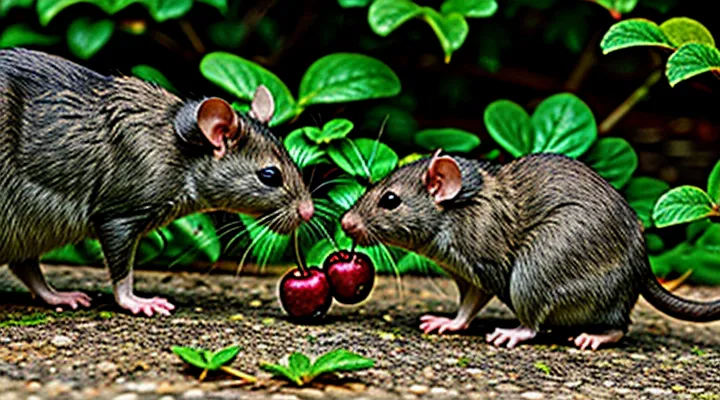
Cranberries for Rats: A Nutritional Overview
The Nutritional Profile of Cranberries
Vitamins and Minerals
Rats may consume cranberries when the fruit’s vitamin and mineral profile is considered alongside species‑specific dietary requirements.
Cranberries provide several vitamins relevant to rodent health:
- Vitamin C: antioxidant, supports immune function; excess may cause gastrointestinal irritation if not balanced with other sources.
- Vitamin K1: essential for blood clotting; levels in cranberries are low, unlikely to affect coagulation in normal diets.
- B‑vitamins (B1, B2, B3, B5, B6, B9): involved in energy metabolism and nervous system maintenance; cranberry amounts are modest compared to standard rodent feed.
Key minerals present in cranberries include:
- Potassium: aids fluid balance and nerve transmission; concentrations are moderate, compatible with typical rat intake.
- Calcium: required for bone development; cranberry calcium is limited, so supplementation from other sources remains necessary.
- Magnesium: participates in enzymatic reactions; levels are insufficient to meet rat dietary standards alone.
- Iron: supports hemoglobin synthesis; cranberries contain non‑heme iron, which is less readily absorbed by rats.
Practical considerations:
- Sugar content in cranberries is high; limiting portions prevents caloric excess and potential dental issues.
- Fresh or unsweetened frozen cranberries are preferable; processed varieties often contain added sugars or preservatives that may harm rats.
- Introduce small quantities (no more than 5 % of total daily food weight) and monitor for digestive changes such as soft stools or reduced appetite.
- Ensure the overall diet supplies adequate levels of calcium, magnesium, and B‑vitamins, as cranberries alone cannot fulfill these requirements.
Conclusion: Cranberries can be offered as an occasional supplement, providing vitamin C, select B‑vitamins, and trace minerals, provided that portion size is controlled and the base diet remains nutritionally complete.
Antioxidants and Phytonutrients
Cranberries contain high concentrations of antioxidants, chiefly anthocyanins, quercetin, and vitamin C. These compounds neutralize free radicals, reducing oxidative stress in mammalian cells. In rodents, diminished oxidative stress correlates with improved cardiovascular function, enhanced immune response, and slower age‑related tissue degeneration.
Phytonutrients present in cranberries—such as proanthocyanidins, flavonols, and organic acids—exhibit antimicrobial activity against pathogenic bacteria, including Escherichia coli and Salmonella spp. In laboratory rats, dietary inclusion of proanthocyanidin‑rich extracts has been shown to lower urinary tract infection incidence and modulate gut microbiota composition toward beneficial lactobacilli.
Key considerations for incorporating cranberries into a rat diet:
- Dosage: Studies report safe daily intake at 0.5–1 % of total feed weight; higher concentrations may cause gastrointestinal upset.
- Preparation: Fresh or frozen berries should be washed, seeded, and homogenized to ensure uniform distribution; dried, sugar‑coated products increase caloric load and risk of dental disease.
- Toxicity: Cranberries contain oxalic acid; excessive amounts can precipitate calcium oxalate crystals in the kidneys, especially in strains predisposed to renal calculi.
- Nutrient balance: Antioxidant supplementation should not replace essential vitamins and minerals; monitor serum vitamin C levels to avoid hypervitaminosis.
Empirical data suggest that moderate cranberry supplementation provides measurable antioxidant and antimicrobial benefits without compromising rat health, provided that dosage, preparation, and overall diet composition are carefully managed.
Sugar and Acidity Levels
Cranberries contain relatively low amounts of sugar, typically around 4 g per 100 g of fresh fruit. This modest carbohydrate level translates to a modest caloric contribution for a rat, but the natural sugars are primarily fructose and glucose, which can influence blood‑sugar regulation if consumed in large quantities. Rats metabolize simple sugars efficiently, yet excessive intake may lead to weight gain or insulin resistance, especially when combined with other high‑carbohydrate foods.
The fruit’s acidity is pronounced; fresh cranberries have a pH between 2.5 and 3.0, reflecting high concentrations of citric, malic, and quinic acids. Such low pH can irritate the gastrointestinal lining of rodents, potentially causing ulceration or reduced appetite. Acidic environments also affect dental enamel, increasing the risk of enamel erosion with frequent exposure.
Key points for evaluating cranberries as a rat treat:
- Sugar content: ~4 g/100 g; modest energy source, monitor total dietary carbohydrate.
- Acidity: pH 2.5‑3.0; high organic‑acid concentration may irritate stomach and teeth.
- Portion size: Small, occasional pieces (no more than a few grams) minimize metabolic and mucosal stress.
- Preparation: Rinse to remove surface wax; avoid added sugars or sweeteners that raise total sugar load.
- Observation: Watch for signs of digestive upset (loose stools, reduced feeding) after introduction.
Balancing the low sugar advantage against the high acidity risk suggests that cranberries can be offered sparingly, provided the rat’s overall diet remains balanced and any adverse reactions are promptly addressed.
Benefits of Cranberries for Rats
Potential Health Advantages
Cranberries contain antioxidants, vitamins, and fiber that can contribute positively to rodent health when incorporated into a balanced diet. Their high concentration of proanthocyanidins offers protection against oxidative stress, while vitamin C supports immune function and collagen synthesis. Dietary fiber aids gastrointestinal motility and promotes a healthy gut microbiome.
Potential health advantages for rats receiving cranberry supplements include:
- Reduction of urinary tract inflammation due to antimicrobial properties of phenolic compounds.
- Lowered risk of cardiovascular oxidative damage through scavenging of free radicals.
- Enhanced immune response associated with increased leukocyte activity.
- Improved bowel regularity and stool consistency from soluble fiber content.
Safety considerations require limiting portion size to prevent excessive sugar intake and monitoring for individual tolerance. Fresh or unsweetened frozen cranberries, washed and chopped, provide the most reliable nutrient profile without added preservatives. Regular veterinary assessment ensures that cranberry supplementation aligns with the animal’s overall nutritional plan.
Urinary Tract Health
Cranberries contain proanthocyanidins that inhibit bacterial adhesion to the urinary epithelium. In laboratory rodents, this mechanism reduces the incidence of ascending infections caused by Escherichia coli and other uropathogens. When considering cranberries as a dietary supplement for rats, the following points are essential:
- Effective dose: Studies in mice suggest 0.2 %–0.5 % fresh cranberry weight in the diet achieves measurable anti‑adhesive activity without adverse effects. Translating to rats, a similar range of 0.2 %–0.5 % of total feed mass is appropriate.
- Form of cranberry: Whole fruit, freeze‑dried powder, or standardized extract provide comparable proanthocyanidin levels. Extracts allow precise dosing; whole fruit introduces variable sugar content.
- Safety profile: Short‑term trials report no significant changes in renal function markers (blood urea nitrogen, creatinine) at recommended doses. Excessive intake (>2 % of diet) may cause gastrointestinal upset and mild hypoglycemia due to natural sugars.
- Interaction with water intake: Adequate hydration is critical for urinary flushing. Cranberry supplementation should accompany unrestricted access to fresh water to maximize protective effects.
- Evidence limitations: Most data derive from murine models; direct rat studies are fewer. Extrapolation assumes similar urinary tract physiology, but species‑specific differences may affect efficacy.
In practice, incorporating a modest amount of cranberry powder into a balanced rat diet can support urinary tract health, provided dosage stays within the established safe range and water consumption remains sufficient. Continuous monitoring of urinary pH and renal biomarkers is advisable to detect any unexpected reactions.
Antioxidant Support
Cranberries contain high levels of polyphenols, particularly proanthocyanidins, which function as potent antioxidants. When incorporated into a rat’s diet, these compounds can neutralize reactive oxygen species, reducing oxidative stress in cellular membranes and mitochondria.
Research on rodent models shows that regular, moderate cranberry supplementation elevates serum antioxidant capacity, measured by increased total antioxidant status (TAS) and decreased markers such as malondialdehyde (MDA). The effect supports:
- Enhanced protection of lipid membranes from peroxidation.
- Preservation of protein structures against oxidative modification.
- Improved function of enzymes involved in cellular detoxification (e.g., superoxide dismutase, glutathione peroxidase).
Dosage considerations are critical. Studies recommend a cranberry concentration of 1–2 % of total feed weight, equivalent to approximately 10–20 g of fresh berries per kilogram of diet. Exceeding this range may introduce excessive acidity, potentially disrupting gastrointestinal pH and mineral absorption.
Safety assessments indicate no adverse hematological changes at the recommended inclusion level. However, monitoring renal function is advisable, as high anthocyanin intake can increase urinary excretion of oxalates, which may predispose susceptible individuals to stone formation.
In summary, controlled cranberry provision offers measurable antioxidant benefits for rats, contributing to reduced oxidative damage and supporting overall physiological resilience.
Risks and Considerations
High Sugar Content
Cranberries contain a considerable amount of natural sugars, typically 4–5 g per 100 g of fresh fruit. This concentration exceeds the recommended carbohydrate intake for laboratory rats, which is limited to roughly 5–10 % of their daily caloric budget. Excessive sugar can overwhelm the rat’s metabolic capacity, leading to rapid spikes in blood glucose and insulin release.
Elevated glucose levels provoke several physiological responses:
- Increased glycogen storage in the liver and muscles, reducing availability of glucose for immediate energy needs.
- Stimulation of lipogenesis, which may cause hepatic fat accumulation.
- Heightened risk of insulin resistance, a precursor to type‑2 diabetes in rodents.
- Promotion of dental plaque formation, accelerating tooth decay.
Rats metabolize sugars differently from humans; their pancreatic beta cells are less tolerant of chronic hyperglycemia. Studies demonstrate that diets containing more than 15 % simple sugars produce measurable weight gain and impaired glucose tolerance within weeks. Consequently, introducing cranberries as a regular treat can compromise experimental control and animal welfare.
If cranberries are offered, the following precautions reduce sugar‑related hazards:
- Limit portions to less than 0.5 g per 100 g body weight per serving.
- Provide only occasional, not daily, access.
- Pair with a high‑fiber, low‑carbohydrate base to dilute sugar concentration.
- Monitor blood glucose and body weight regularly.
In summary, the high sugar content of cranberries makes them unsuitable as a staple component of a rat’s diet. Controlled, minimal exposure may be acceptable for enrichment, provided that quantitative limits and health monitoring are strictly applied.
Acidity and Digestive Issues
Cranberries are highly acidic, with a typical pH range of 2.3–2.5. When introduced to a rat’s diet, this acidity can lower the stomach’s pH beyond the normal range of 3.5–4.5, potentially irritating the gastric mucosa.
Excessive acidity may cause:
- Gastric inflammation
- Diarrhea or loose stools
- Reduced appetite
- Vomiting or regurgitation
- Weight loss over time
Rats possess a limited capacity to neutralize strong acids. Small, occasional portions (no more than 2–3 g of fresh fruit per 100 g of body weight) are generally tolerated, but larger or frequent servings increase the risk of digestive upset.
Monitoring guidelines:
- Offer a single, measured piece and observe behavior for 24 hours.
- Record stool consistency; any shift to watery or unformed feces warrants discontinuation.
- Check for signs of discomfort, such as hunching, reduced activity, or excessive grooming of the abdominal area.
- If symptoms appear, remove cranberries and provide plain water and a bland diet (e.g., boiled rice with a small amount of cooked chicken) for 48 hours.
For long‑term feeding, incorporate cranberries as a rare treat rather than a staple, balancing the diet with low‑acid fruits and vegetables to maintain overall gastrointestinal health.
Choking Hazards
Rats may consume cranberries if the fruit is prepared correctly, but the size and texture of the pieces create a real choking risk. Whole berries, even when soft, contain seeds and fibrous skins that can lodge in a rat’s airway. Small rodents have a narrow esophagus; any object larger than a few millimeters can obstruct breathing.
To minimize danger:
- Remove skins and seeds completely.
- Cut the flesh into cubes no larger than 2 mm on each side.
- Offer only a few pieces at a time, observing the animal’s chewing behavior.
- Provide fresh water immediately after the treat.
If a rat shows signs of distress—gasping, silent coughing, or inability to swallow—intervention is required. The recommended response is:
- Gently hold the rat in a supine position.
- Apply a gentle back‑thrust to dislodge the obstruction.
- If the airway remains blocked, seek veterinary assistance without delay.
Regular monitoring during the first few minutes after introducing cranberry pieces is essential. Once the rat demonstrates safe chewing and swallowing, the treat can be given intermittently, but never as a staple food.
Feeding Guidelines
Preparation of Cranberries
Cranberries must be prepared carefully before offering them to rats. First, select fresh, firm berries free of mold or bruises. Rinse thoroughly under cold running water to eliminate surface contaminants. Remove any stems or leaves, then inspect each berry for hidden debris.
Next, cut the berries into bite‑size pieces, roughly one‑centimeter cubes, to facilitate chewing and digestion. For rats that are new to fruit, consider blanching the pieces in boiling water for 30 seconds, then cooling them in an ice bath; this softens the texture and reduces the natural acidity that can irritate sensitive stomachs.
After cutting, pat the pieces dry with a clean paper towel. Optional steps include:
- Sprinkling a pinch of calcium carbonate to balance mineral intake.
- Adding a few drops of water‑based vitamin supplement if the diet lacks essential nutrients.
- Storing the prepared berries in an airtight container in the refrigerator for no more than 48 hours to prevent spoilage.
Before feeding, verify that the batch is free of mold, excessive softness, or off‑odors. Offer a small portion—no more than two to three berries per rat per day—to assess tolerance and avoid gastrointestinal upset. Monitor the animals for signs of discomfort; discontinue use if adverse reactions occur.
Appropriate Portions
Cranberries can be included in a rat’s diet, but only in limited amounts. The fruit’s high acidity and natural sugars require careful measurement to avoid digestive upset.
- Fresh berries, washed and stem‑free, are preferred.
- One to two small berries (approximately 0.5–1 g) constitute a safe single serving.
- Offer this portion no more than two to three times per week.
- For larger rats, increase the serving by at most 0.2 g per additional 10 g of body weight, without exceeding the weekly frequency limit.
Avoid canned varieties that contain added sugars, syrups, or preservatives, as these compounds can damage a rat’s dental health and alter gut flora. Introduce cranberries gradually and observe for signs of diarrhea, loss of appetite, or reduced activity; discontinue if any adverse reaction occurs. Adjust portion size based on the individual’s tolerance and overall diet composition.
Frequency of Feeding
Cranberries are safe for rats when offered in moderation, but they should not become a staple of the diet. Fresh or frozen berries can be used, but the portion size must remain small to prevent digestive upset and excessive sugar intake.
A typical feeding schedule includes:
- Occasional treat: one to two small pieces (approximately ¼ teaspoon) once or twice a week.
- Observation period: monitor the animal for signs of diarrhea, changes in appetite, or weight fluctuations after each offering.
- Adjustment: if adverse reactions occur, eliminate cranberries entirely and consult a veterinarian.
Consistent daily feeding of cranberries is discouraged because the high natural acidity and sugar content can alter gut flora and increase the risk of urinary complications. Integrating cranberries into a balanced diet should follow the principle of “treats no more than 5 % of total caloric intake.”
Alternatives and Supplements
Other Safe Fruits and Vegetables
Rats can safely consume a variety of fresh produce alongside occasional cranberries. Veterinary guidance recommends offering these items in moderation to prevent digestive upset and maintain a balanced diet.
- Apples (core removed, skin optional); slice thin, limit to a few small pieces per week.
- Blueberries; whole, no more than five berries at a time.
- Carrots; raw or lightly steamed, cut into bite‑size chunks, one to two teaspoons weekly.
- Peas; fresh or frozen, thawed, serve a tablespoon no more than twice weekly.
- Spinach; washed, chopped, a tablespoon once a week; avoid large quantities due to oxalates.
- Zucchini; raw, diced, a teaspoon two to three times per week.
- Bell peppers; seeds removed, small strips, up to five pieces weekly.
Preparation guidelines: wash all produce thoroughly, remove pits, seeds, and stems that could pose choking hazards, and serve at room temperature. Introduce new items gradually, observing for signs of diarrhea or reduced appetite. Excessive fruit can lead to obesity or sugar‑related health issues; balance with a high‑quality pellet base and limited protein sources.
Overall, a diverse selection of safe fruits and vegetables enhances nutrient intake, supports dental health, and provides enrichment for pet rats when integrated responsibly into their regular feeding regimen.
Commercial Rat Treats
Commercial rat treats are formulated to provide balanced nutrition, enrichment, and palatability for pet rodents. Manufacturers often incorporate dried fruits, grains, and protein sources to meet dietary requirements while appealing to a rat’s natural foraging instincts.
Many products list fruit extracts or dehydrated berries among their ingredients. When cranberries appear, they are usually present as a powdered flavoring or a small dried fragment. The inclusion level typically ranges from 0.5 % to 2 % of the total mix, insufficient to deliver a meaningful nutritional benefit but enough to influence taste.
Safety considerations include:
- Sugar concentration – dried cranberries contain added sugars; excessive intake can lead to obesity or dental issues.
- Acidity – cranberries are highly acidic; overconsumption may irritate the gastrointestinal lining.
- Preservatives – some brands add sulfites or artificial sweeteners to prolong shelf life, which can cause adverse reactions in sensitive individuals.
- Allergen potential – cross‑contamination with nuts or dairy may occur in facilities that process multiple pet food lines.
Owners seeking to incorporate fresh cranberries should verify that the commercial treat they use does not already exceed safe fruit limits. If the treat contains no cranberries, a measured portion of fresh, washed berries (approximately one teaspoon per week for an adult rat) can complement the diet without disrupting nutritional balance. Selecting treats that list whole‑food ingredients, minimal additives, and transparent sourcing helps ensure compatibility with occasional cranberry supplementation.