
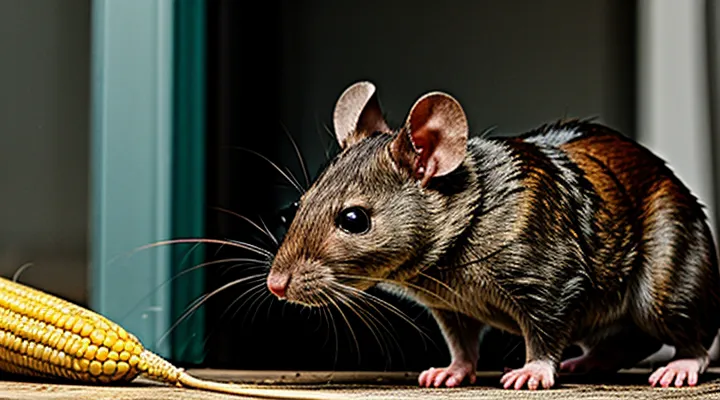
Understanding Rat Dietary Needs
Essential Nutritional Components for Rats
Macronutrients
Cooked corn supplies primarily carbohydrate, with modest amounts of protein and fat, and a small fraction of dietary fiber. The carbohydrate content delivers quick energy, while protein contributes to tissue maintenance. Fat provides essential fatty acids, and fiber aids gastrointestinal motility.
Advantages related to macronutrient profile
- Carbohydrates support active metabolism and can supplement a grain‑based diet.
- Protein augments the amino‑acid pool when other sources are limited.
- Fat contributes to skin health and hormone synthesis.
- Fiber promotes regular bowel movements, reducing risk of constipation.
Potential drawbacks
- High carbohydrate load may cause rapid glucose spikes, leading to weight gain if not balanced with other nutrients.
- Protein quantity is insufficient to meet the full requirement of a growing or breeding rat.
- Fat level is low; essential fatty‑acid deficiency could develop without supplemental sources.
- Fiber in cooked corn is less effective than that in raw vegetables, offering limited bulking effect.
When incorporating cooked corn into a rat’s regimen, adjust other feed components to ensure that protein, fat, and fiber meet established nutritional standards. Regular monitoring of body condition and blood glucose helps detect imbalances early.
Micronutrients
Cooked corn supplies rats with several micronutrients that influence health and development. Vitamin B6, vitamin C, and small amounts of vitamin E are present in the softened kernels, offering antioxidant protection and supporting metabolic pathways. Minerals such as magnesium, phosphorus, and trace zinc become more bioavailable after heating, assisting bone formation and enzymatic activity. The heat process also reduces antinutrients like phytic acid, enhancing mineral absorption.
Potential drawbacks accompany these benefits. Heat destroys most of the corn’s folate content, a vitamin essential for DNA synthesis. Excessive cooking can degrade carotenoids, lowering provitamin A availability, which is critical for vision and immune function. The carbohydrate density of cooked corn may cause rapid glucose spikes, potentially leading to obesity or insulin resistance if portions are not controlled. Additionally, the fiber reduction compared with raw corn diminishes gastrointestinal motility support.
Considerations for inclusion in a rat diet:
- Provide cooked corn as a supplement, not a staple; limit to 10‑15 % of total daily intake.
- Pair with a balanced feed rich in protein, essential fatty acids, and missing micronutrients.
- Monitor weight and blood glucose levels to detect adverse metabolic effects.
- Rotate with other vegetable sources to ensure a broad spectrum of vitamins and minerals.
Foods to Avoid for Rats
Toxic Substances
Rats may ingest cooked corn without immediate physiological distress, yet several toxic substances can compromise safety.
Mycotoxins, primarily aflatoxin and fumonisin, develop when corn kernels are stored under humid conditions. Even brief cooking does not neutralize these metabolites; they persist in the grain matrix and can cause liver damage, immunosuppression, and reduced growth rates in rodents.
Pesticide residues frequently remain on commercial corn. Heat treatment lowers the concentration of some organophosphates, but many synthetic compounds—such as neonicotinoids and pyrethroids—are heat‑stable. Chronic exposure to these agents interferes with neural transmission, leading to tremors, seizures, and mortality.
Chemical additives used in processing, including sodium nitrate, propylene glycol, and artificial flavor enhancers, may be present in pre‑packaged cooked corn. These substances can trigger metabolic acidosis, renal stress, and gastrointestinal irritation when consumed regularly by rats.
Potential contaminants from cooking equipment must also be considered. Non‑stick coatings can leach perfluorinated compounds at high temperatures; stainless steel surfaces may release nickel or chromium ions if corroded. Both categories accumulate in rodent tissues and impair endocrine function.
Key toxic risks associated with feeding rats cooked corn:
- Mycotoxin contamination – aflatoxin, fumonisin, deoxynivalenol
- Pesticide residues – organophosphates, neonicotinoids, pyrethroids
- Processing additives – nitrates, glycol, artificial flavors
- Cooking‑derived chemicals – perfluorinated compounds, metal ions
Mitigation strategies include sourcing organic, non‑treated corn; inspecting kernels for mold; rinsing thoroughly before cooking; using stainless steel cookware in good condition; and limiting portion size to reduce cumulative toxin load.
High-Fat and Sugary Foods
Rats that receive cooked corn must be compared with diets that contain high‑fat and sugary items to assess nutritional balance. High‑fat foods raise caloric density, increase lipid deposition, and can trigger hepatic steatosis when offered regularly. Rats metabolize saturated fats less efficiently than unsaturated fats, leading to elevated blood triglycerides and reduced lifespan. Excessive fat also diminishes the appeal of fibrous components, potentially lowering overall feed intake.
Sugary foods elevate blood glucose rapidly, imposing stress on pancreatic insulin production. Chronic exposure to simple sugars results in hyperglycemia, weight gain, and heightened susceptibility to cataracts and neuropathy. Rats lack the enzymatic capacity to process large quantities of sucrose without adverse shifts in gut microbiota, which can impair nutrient absorption.
When evaluating cooked corn, consider the following points:
- Corn provides moderate carbohydrates, low fat, and essential fiber; it does not introduce the metabolic burdens associated with high‑fat or sugary diets.
- The starch in cooked corn is digestible, offering a steady energy source without the spikes characteristic of refined sugars.
- Absence of significant fat limits the risk of lipid‑related organ damage, aligning with health recommendations for laboratory rodents.
- Lack of added sugars prevents glucose overload, supporting stable blood‑sugar levels and reducing the likelihood of insulin resistance.
Therefore, incorporating cooked corn into a rat’s diet presents a safer alternative to high‑fat or sugary foods, delivering energy without the metabolic complications linked to those categories.
Cooked Corn for Rats: The Pros
Nutritional Benefits of Cooked Corn
Vitamins and Minerals
Cooked corn can contribute several micronutrients to a rat’s diet, but the balance of these nutrients must be evaluated against the animal’s overall nutritional requirements.
Corn contains beta‑carotene, a provitamin A that rats convert to retinol for vision and immune function. The grain also supplies thiamine (vitamin B1), essential for carbohydrate metabolism, and small amounts of niacin (vitamin B3) and folate, which support energy production and DNA synthesis. Minerals present include magnesium, phosphorus, and potassium, all involved in bone development, cellular signaling, and electrolyte balance. Iron is present in modest quantities, aiding oxygen transport.
Cooking alters the nutrient profile. Heat destroys heat‑sensitive vitamins such as thiamine, reducing their bioavailability. Conversely, gelatinization of starch improves digestibility, allowing rats to extract more energy from the same portion. The loss of certain vitamins can be offset by supplementing the diet with a fortified rat chow or a balanced multivitamin mix.
Potential advantages
- Provides beta‑carotene, supporting retinal health.
- Supplies magnesium and phosphorus for skeletal integrity.
- Increases starch digestibility, delivering readily available calories.
Potential disadvantages
- Significant reduction of thiamine after boiling or steaming.
- Low overall calcium content, risking an imbalanced calcium‑phosphorus ratio.
- Possible presence of residual pesticides if corn is not thoroughly washed before cooking.
When incorporating cooked corn, limit the portion to no more than 10 % of total daily intake and complement it with a complete rodent diet that supplies the missing vitamins and minerals. Regular monitoring of weight and coat condition can indicate whether the added corn meets the rat’s nutritional needs without causing deficiencies.
Fiber Content
Cooked corn supplies dietary fiber that differs from raw kernels because heat softens cell walls, making fiber more accessible to a rat’s digestive enzymes. A typical serving of boiled corn (approximately 100 g) contains 2.4 g of total fiber, of which 0.8 g is insoluble and 1.6 g is soluble.
Fiber supports gastrointestinal motility in rodents. Soluble fiber ferments in the cecum, producing short‑chain fatty acids that provide an energy source for enterocytes. Insoluble fiber adds bulk, encouraging regular peristalsis and reducing the risk of constipation.
Potential disadvantages arise when fiber intake exceeds the rat’s tolerance. Excess soluble fiber may cause gas accumulation and mild diarrhea, while too much insoluble fiber can accelerate transit time, limiting nutrient absorption. Overreliance on corn for fiber may displace other essential nutrients, such as protein and essential fatty acids.
Considerations for feeding cooked corn
-
Pros
- Provides a modest amount of both soluble and insoluble fiber.
- Enhances cecal fermentation, supporting gut health.
- Adds dietary variety without excessive caloric load.
-
Cons
- Fiber concentration is lower than in dedicated rodent fiber sources (e.g., oat bran).
- Risk of gastrointestinal upset if offered in large quantities.
- May reduce intake of higher‑protein foods if presented as a primary staple.
Palatability and Enjoyment
A Treat in Moderation
Cooked corn can serve as an occasional treat for pet rats when offered in limited quantities. The grain supplies carbohydrates, a modest amount of protein, and trace vitamins such as B‑complex. Cooking softens the cell walls, making the starch more accessible and reducing the risk of choking compared to raw kernels.
Benefits of limited inclusion
- Provides a quick source of energy for active rats.
- Adds variety to a diet that may otherwise consist mainly of pellets and fresh vegetables.
- Offers a palatable reward that can reinforce training or encourage eating in picky individuals.
Potential drawbacks of excessive use
- High carbohydrate load can accelerate weight gain if given daily.
- Lack of balanced nutrients; corn contains little calcium, which may contribute to skeletal deficiencies when it displaces more complete foods.
- Residual sugars may promote dental plaque formation.
- Overcooking can degrade heat‑sensitive vitamins, reducing nutritional value.
Guidelines for safe administration
- Limit servings to a teaspoon of cooled, plain cooked corn per rat, no more than twice a week.
- Ensure the corn is free of added salt, butter, or seasoning.
- Observe the rat for any digestive upset after introduction; discontinue if diarrhea or bloating occurs.
- Rotate corn with other low‑calorie treats, such as small pieces of carrot or apple, to maintain a balanced treat profile.
When integrated as a modest supplement, cooked corn enriches the diet without compromising health. Consistency in portion control and frequency preserves the treat’s positive impact while minimizing nutritional imbalances.
Cooked Corn for Rats: The Cons and Risks
Potential Digestive Issues
High Starch Content
Cooked corn supplies a substantial amount of starch, which translates into a rapid source of glucose for rats. The carbohydrate load can support high activity levels and assist in weight gain for undernourished individuals. However, the same property may cause blood‑sugar spikes, especially in rats prone to insulin resistance, and can promote excessive fat accumulation if portions are not carefully controlled.
Advantages linked to high starch content
- Immediate energy boost after consumption
- Helpful for recovery in sick or recuperating rats
- Contributes to palatability, encouraging regular feeding
Disadvantages linked to high starch content
- Potential for hyperglycemia and related metabolic stress
- Increased risk of obesity when combined with other calorie‑dense foods
- May alter gut microbiota, favoring starch‑fermenting bacteria at the expense of fiber‑digesting species
Balancing the amount of cooked corn with low‑starch vegetables, protein sources, and adequate fiber mitigates the risks while preserving the energetic benefits. Monitoring body condition and blood‑glucose indicators is essential when incorporating high‑starch corn into a rat’s diet.
Indigestion and Bloating
Cooked corn provides readily digestible carbohydrates but alters the typical fiber balance in a rat’s diet. The cooking process gelatinizes starch, making it more accessible to intestinal enzymes and microbial populations.
High-starch content can overwhelm the small intestine’s capacity to break down carbohydrates, leading to incomplete digestion. Undigested starch passes into the cecum where bacterial fermentation produces excess gas and short‑chain fatty acids, which may trigger abdominal discomfort.
Gas accumulation in the cecum and colon manifests as bloating. Rapid expansion of the gastrointestinal tract can compress surrounding organs, reduce appetite, and increase the risk of gastrointestinal stasis. Visible signs include a distended abdomen, reduced mobility, and audible rumbling.
Potential outcomes related to indigestion and bloating:
- Positive aspects
- Energy boost from easily absorbable glucose.
- Temporary increase in body weight for underweight animals.
- Negative aspects
- Elevated risk of gas‑related distension.
- Possible disruption of normal gut flora balance.
- Increased likelihood of vomiting or diarrhea due to malabsorption.
Mitigation strategies include limiting cooked corn to no more than 5 % of total daily intake, introducing it gradually, and monitoring for abdominal swelling or changes in fecal consistency. Regular provision of high‑fiber vegetables helps maintain motility and reduces fermentation overload.
Choking Hazards
Whole Kernels
Whole kernels of cooked corn provide rats with carbohydrates, modest protein, and small amounts of fiber, vitamins B and C, and the antioxidant lutein. The texture remains soft after cooking, making the kernels easy to chew and swallow for small rodents.
Advantages
- Rapid energy source due to simple sugars; supports activity bursts.
- Adds dietary variety, reducing monotony of standard lab chow.
- Lutein contributes to retinal health; vitamin C assists in immune function.
- Soft texture minimizes risk of dental injury compared to raw kernels.
Disadvantages
- High starch content can cause rapid blood‑glucose spikes, potentially leading to obesity if overfed.
- Cooking eliminates most fiber, limiting digestive benefits.
- Excess corn may displace essential nutrients such as calcium and amino acids found in balanced pellets.
- Improper preparation (e.g., added salt, butter, or seasoning) introduces sodium and fat, which are harmful to rats.
Guidelines
- Offer no more than one to two whole kernels per 100 g of body weight per day.
- Ensure kernels are boiled or steamed without oil, salt, or seasoning.
- Cool kernels to room temperature before presentation.
- Monitor weight and behavior; adjust portions if signs of weight gain or digestive upset appear.
Providing whole cooked corn kernels in controlled amounts can enrich a rat’s diet, but careful management is essential to avoid metabolic and nutritional imbalances.
Proper Preparation Methods
Cooked corn can be introduced to a rat’s diet only after thorough preparation to prevent nutritional imbalance and health risks.
The preparation process should follow these steps:
- Rinse fresh corn kernels under running water to remove surface contaminants.
- Boil water, add a pinch of salt, and cook kernels for 3–5 minutes until soft but not mushy; overcooking destroys essential carbohydrates.
- Drain immediately, allow to cool to room temperature, and spread on a clean surface to air‑dry for 10–15 minutes, reducing moisture that encourages mold growth.
- Portion kernels into ½‑teaspoon servings, store in an airtight container in the refrigerator, and discard any leftovers after 24 hours.
Before each feeding, inspect the corn for discoloration, foul odor, or slime; any sign of spoilage warrants disposal. Combine the cooked corn with a balanced commercial rat pellet diet, limiting the addition to no more than 5 % of total daily intake to avoid excess starch. Monitor the animal for changes in stool consistency, weight, or activity level, and adjust portions accordingly.
Adhering to these preparation guidelines ensures that cooked corn contributes safely to a rat’s nutritional regimen while minimizing potential drawbacks.
Pesticide and GMO Concerns
Organic vs. Conventional Corn
Organic corn is grown without synthetic pesticides, herbicides, or genetically modified seeds. When cooked and offered to rats, it provides a source of carbohydrates, fiber, and essential micronutrients such as vitamin B6, magnesium, and lutein. The absence of chemical residues reduces the risk of gastrointestinal irritation, liver strain, or long‑term accumulation of toxic compounds in the animal’s system.
Conventional corn typically yields higher output per acre and is less expensive. Its production often involves chemical treatments that can remain on the kernels after harvest. Cooking may degrade some pesticide residues, but persistent substances can survive the process and be ingested by rats, potentially affecting kidney function or altering gut microbiota.
Key considerations for choosing between the two types:
- Residue exposure: Organic corn offers minimal pesticide load; conventional corn may contain detectable residues.
- Nutrient density: Both varieties contain similar macronutrient profiles; organic crops sometimes exhibit higher antioxidant levels.
- Cost and availability: Conventional corn is generally cheaper and more widely stocked; organic corn commands a premium price and may be limited in supply.
- Environmental impact: Organic farming promotes soil health and biodiversity; conventional methods rely on synthetic inputs that can affect surrounding ecosystems.
When evaluating the benefits and drawbacks of feeding rats cooked corn, the primary factor is the potential health impact of residual chemicals. If the goal is to minimize toxin exposure, organic corn presents a safer option despite higher cost. If budget constraints dominate and the corn is sourced from reputable suppliers with strict residue limits, conventional corn can be acceptable, provided it is thoroughly cooked to reduce surface contaminants.
Washing and Preparation
Proper washing and preparation are required before offering cooked corn to rats, as residues and contaminants can cause digestive upset or introduce toxins.
- Rinse corn kernels under running water to remove dust, pesticides, and surface bacteria.
- Use a fine‑mesh strainer to ensure thorough drainage.
- Inspect each kernel for mold, discoloration, or foreign material; discard any compromised pieces.
After cleaning, the corn must be cooked and cooled correctly:
- Boil or steam kernels for 3–5 minutes until tender; overcooking degrades nutrients, undercooking leaves hard starches that rats may struggle to digest.
- Allow the cooked corn to reach room temperature; hot food can burn oral tissues and raise gut temperature.
- Portion the corn into small, bite‑size servings (approximately 1 gram per 100 g of rat body weight) to prevent overconsumption of carbohydrates.
Following these procedures eliminates microbial hazards, reduces the risk of choking, and ensures that the nutritional benefits of corn—fiber, vitamins, and carbohydrates—are delivered without compromising rat health.
Safe Feeding Practices for Cooked Corn
Preparation Guidelines
Cooking Methods
Cooking corn for rats involves several techniques, each influencing nutrient retention, texture, and safety. Boiling softens kernels, reduces fiber, and eliminates surface microbes; however, prolonged exposure to water leaches water‑soluble vitamins such as thiamine and niacin. Steaming preserves more vitamins while still achieving a tender consistency, but requires careful monitoring to avoid over‑cooking, which can produce a mushy product difficult for rats to gnaw. Roasting at moderate temperature (150‑180 °C) caramelizes sugars, enhancing palatability and introducing a crunchy texture; excessive heat degrades essential amino acids and may generate acrylamide, a potential toxin. Microwaving offers rapid heating with minimal water loss, retaining most nutrients; uneven heating can create hot spots that damage oral tissues. Slow‑cooking in a pressure cooker reduces cooking time and retains nutrients, yet high pressure may alter starch structure, affecting digestibility.
Key considerations for each method
- Nutrient preservation: Steaming > microwaving > boiling > roasting > pressure cooking.
- Texture suitability: Roasting and microwaving provide crunch; boiling and steaming yield softness.
- Safety risks: Over‑roasting produces acrylamide; uneven microwaving creates burns; insufficient boiling may leave pathogens.
- Preparation effort: Boiling and steaming require the most time; microwaving and roasting are quickest.
Selecting an appropriate technique depends on balancing nutrient retention, texture preferences, and risk mitigation. A mixed approach—light steaming followed by brief roasting—can deliver a soft interior with a firm exterior, maximizing both digestibility and enjoyment for rats.
Portion Sizes
Cooked corn can be part of a rat’s diet, but the amount must be controlled to avoid nutritional imbalance and digestive issues.
- Small adult rat (150‑250 g): ½ teaspoon of cooked corn per day, divided into two feedings.
- Juvenile rat (under 150 g): ¼ teaspoon per day, split into two portions.
- Large rat (over 250 g): up to 1 teaspoon per day, divided into two feedings.
Portion size influences calorie intake. Excess corn adds sugars and starches that can lead to obesity, elevated blood glucose, and gastrointestinal upset. Insufficient corn provides little benefit, reducing the potential intake of fiber and vitamin C that the food offers.
Appropriate portions deliver advantages:
- Supplemental fiber supports gut motility.
- Vitamin C contribution helps prevent scurvy in species that cannot synthesize the nutrient.
Improper portions create drawbacks:
- Over‑feeding raises risk of weight gain and related health problems.
- Under‑feeding limits nutritional contribution, making the effort to include corn ineffective.
Adjust portions based on the rat’s weight, activity level, and overall diet composition to maintain a balanced regimen.
Frequency of Feeding
As an Occasional Treat
Rats can tolerate small portions of cooked corn when offered sporadically, but the practice requires careful consideration of nutritional balance and digestive tolerance.
Potential advantages
- Provides a source of carbohydrates that can boost short‑term energy.
- Supplies modest amounts of fiber, which may aid gastrointestinal motility.
- Adds variety to a diet that otherwise consists of standard rodent pellets, potentially increasing enthusiasm for feeding sessions.
Possible drawbacks
- Lacks essential amino acids and vitamins found in complete rat chow; excessive reliance may create deficiencies.
- High starch content can disrupt blood‑sugar regulation, especially in older or overweight individuals.
- Overcooking may reduce fiber integrity and produce compounds that irritate the intestinal lining.
- Corn kernels can pose a choking hazard if not appropriately sized or softened.
Guidelines for occasional use
- Limit to no more than one teaspoon per feeding, no more than twice a week.
- Ensure corn is fully cooked, unseasoned, and cooled to room temperature.
- Offer in small, bite‑size pieces to prevent obstruction.
- Monitor weight, activity level, and stool consistency after introduction.
- Adjust or discontinue if any signs of digestive upset appear.
When administered within these parameters, cooked corn serves as a harmless occasional indulgence that can enrich a rat’s palate without compromising health.
Monitoring for Adverse Reactions
When introducing cooked corn into a rat’s diet, systematic observation is essential to detect any negative health effects. Immediate visual checks should focus on changes in fur condition, activity level, and respiratory patterns. Record any vomiting, diarrhea, or unusual drooling within the first 24 hours after exposure.
A structured monitoring protocol includes:
- Baseline data: weight, coat quality, and behavior before offering corn.
- Timed assessments: examinations at 2 h, 6 h, 12 h, and 24 h post‑feeding.
- Quantitative measures: daily weight, food intake, and stool consistency.
- Clinical signs: lethargy, tremors, labored breathing, or swelling of the abdomen.
- Intervention criteria: any deviation exceeding 10 % of baseline weight loss, persistent diarrhea, or respiratory distress triggers veterinary evaluation.
Documentation must be consistent, using a simple log sheet or digital record. Include date, time, observed symptoms, and any remedial actions taken. Regular review of the log enables trend analysis and early identification of patterns that suggest intolerance or toxicity.
If adverse reactions are confirmed, discontinue corn immediately, provide supportive care such as fluid therapy, and consult a veterinarian for diagnostic testing (e.g., blood chemistry, imaging). Long‑term monitoring should continue for at least three days after symptom resolution to ensure full recovery before reintroducing the food.
Alternative Healthy Treats for Rats
Vegetables
Leafy Greens
Leafy greens provide essential micronutrients that balance the carbohydrate load of cooked corn in a rat’s diet. Vitamins A, K, and several B‑complex nutrients are abundant in varieties such as romaine lettuce, kale, and spinach, while dietary fiber supports gastrointestinal motility and helps prevent constipation that can arise from starchy foods.
Potential issues include oxalic acid in spinach and beet greens, which may interfere with calcium absorption and contribute to urinary crystal formation. Pesticide residues on commercially grown leaves pose a toxic risk; thorough washing or sourcing organic produce mitigates this hazard. Excessive intake of vitamin‑rich greens can lead to hypervitaminosis, particularly of vitamin A, if offered in large, unregulated portions.
Guidelines for integrating leafy greens with cooked corn:
- Choose low‑oxalate options (e.g., romaine, collard greens) for regular feeding.
- Wash leaves thoroughly; consider blanching to reduce pesticide load.
- Offer 1–2 teaspoons of chopped greens per 100 g of cooked corn, adjusting for the rat’s size and activity level.
- Rotate greens weekly to ensure a broad spectrum of nutrients and prevent dietary monotony.
When combined appropriately, leafy greens complement cooked corn by supplying vitamins, minerals, and fiber, while minimizing the risk of nutritional imbalances and toxin exposure.
Other Safe Vegetables
Rats thrive on a varied vegetable diet that complements protein sources and occasional grains. The following vegetables are widely recognized as safe for regular consumption, provided they are fresh, washed, and offered in modest portions.
- Carrots – raw or lightly steamed; high in beta‑carotene, supports vision and immune function.
- Broccoli – raw florets or briefly steamed; supplies vitamin C and fiber; avoid large quantities to prevent gas.
- Spinach – raw, chopped; rich in iron and folate; limit to prevent oxalate buildup.
- Bell peppers – any color, raw; source of vitamin A and antioxidants; remove seeds.
- Zucchini – raw or cooked; low in calories, high in water content; slice thinly for easy chewing.
- Cucumber – raw, peeled; hydrating with minimal calories; serve in bite‑size pieces.
- Green beans – raw or steamed; provide fiber and vitamin K; ensure they are cut into manageable lengths.
- Peas – fresh or frozen, thawed; offer protein and B vitamins; remove shells if present.
When introducing a new vegetable, monitor the animal for signs of digestive upset and adjust portion size accordingly. Rotate selections to prevent nutrient imbalances and to keep the diet stimulating. Avoid vegetables from the nightshade family (e.g., tomatoes, potatoes) and those high in oxalic acid (e.g., rhubarb) as they may pose health risks.
Fruits
Berries
Berries present a fruit‑based alternative when evaluating the suitability of cooked corn for rats. Their natural sugars, fiber, and antioxidants differ markedly from the starch‑rich profile of corn, influencing digestion and overall health.
Advantages of berries for rats
- High water content supports hydration.
- Antioxidants may reduce oxidative stress.
- Low starch reduces risk of excessive weight gain.
- Variety of colors often indicates diverse phytonutrients.
Potential drawbacks
- Small size can lead to choking if not prepared properly.
- Certain varieties contain seeds that are toxic to rodents.
- Rapid spoilage demands frequent fresh supply.
- High natural sugar may aggravate dental issues if over‑offered.
Other Safe Fruits
Rats can enjoy a variety of fruits that pose no health risk when offered in moderation. Including safe fruit options expands dietary diversity and provides essential vitamins without compromising the evaluation of cooked corn as a staple.
- Apples (core removed, seeds discarded) – rich in fiber and vitamin C.
- Blueberries – high antioxidant content, suitable for occasional treats.
- Pears (seedless, skin peeled if pesticide residue is a concern) – source of potassium and dietary fiber.
- Strawberries – provide vitamin C and folate; serve in bite‑size pieces.
- Bananas – supply potassium and vitamin B6; limit to thin slices due to sugar content.
- Cantaloupe – offers beta‑carotene and hydration; remove seeds before feeding.
When integrating fruit into a rat’s diet, observe the following guidelines: limit fruit to no more than 10 % of total daily intake; wash thoroughly to eliminate contaminants; present fresh, cut pieces to prevent choking; monitor for individual intolerances such as diarrhea. These practices ensure that fruit complements the overall nutritional plan while maintaining the focus on the suitability of cooked corn for rats.
Grains and Seeds
Grains and seeds constitute a major portion of a rat’s natural diet, offering carbohydrates, fiber, and essential micronutrients. Cooked corn, classified as a grain, fits within this category but differs from raw kernels in texture, moisture content, and digestibility.
The cooking process gelatinizes starch, making energy more readily available and reducing the risk of choking on hard particles. However, heat also diminishes certain heat‑sensitive vitamins, such as vitamin C and some B‑complex vitamins, and can increase the glycemic load.
Advantages
- Rapidly digestible carbohydrates supply immediate energy.
- Softened texture facilitates consumption for older or dental‑compromised rats.
- Cooking eliminates potential microbial contaminants present on raw corn.
Disadvantages
- Loss of heat‑sensitive nutrients reduces overall nutritional balance.
- Elevated sugar levels may promote weight gain and glucose intolerance.
- Absence of fiber structure can impair gastrointestinal motility if overused.
- Potential for added salt, butter, or oil during preparation introduces harmful additives.
Balanced feeding protocols recommend offering cooked corn sparingly, no more than 5 % of total daily intake, and supplementing with raw whole grains, seeds, and fresh vegetables to preserve fiber and micronutrient diversity. Regular monitoring of body condition and blood glucose ensures that the inclusion of cooked corn does not compromise health.