
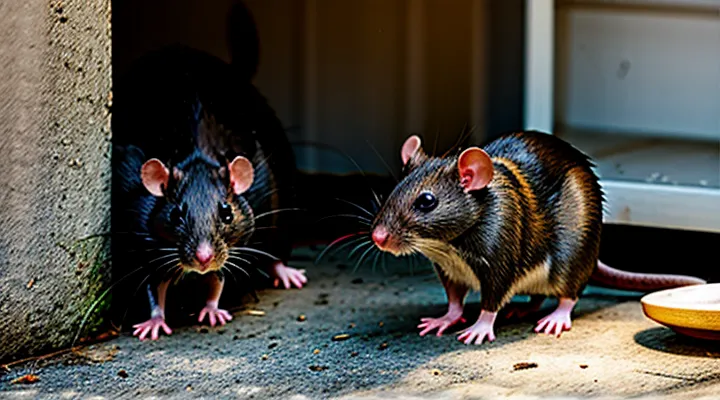
Nutritional Value of Chicken for Rats
Protein Content
Chicken provides a high level of animal protein that can meet the nutritional requirements of laboratory and pet rats. A typical raw chicken breast contains approximately 31 g of protein per 100 g, while cooked breast offers about 27 g per 100 g. These values exceed the 20 g of protein per 100 g recommended for a balanced rat diet, allowing chicken to serve as a supplemental source without exceeding protein limits when portioned correctly.
Key considerations for incorporating chicken into a rat’s diet:
- Serve only cooked, boneless pieces to eliminate the risk of bone fragments and bacterial contamination.
- Limit portions to 5–10 % of total daily intake to prevent excess protein, which can strain renal function.
- Ensure the meal is free of added salts, spices, or sauces that could be harmful to rodents.
When used in moderation, chicken’s protein content contributes to muscle maintenance, growth, and metabolic health in rats, complementing the plant‑based components of a standard rodent feed.
Essential Amino Acids
Rats require ten essential amino acids that cannot be synthesized and must be supplied by diet. When chicken meat is introduced as a protein source, it contributes most of these nutrients, but the exact profile depends on the cut, preparation method, and inclusion rate in the ration.
The essential amino acids for rats are:
- Histidine
- Isoleucine
- Leucine
- Lysine
- Methionine (often supplied as methionine + cysteine)
- Phenylalanine (often supplied as phenylalanine + tyrosine)
- Threonine
- Tryptophan
- Valine
- Arginine (conditionally essential in some growth phases)
Chicken typically provides high levels of lysine, methionine, and threonine, which are often limiting in plant‑based diets. However, chicken is relatively low in tryptophan and may lack sufficient arginine for rapidly growing or breeding rats. Balancing the diet may require supplementation of the deficient amino acids or inclusion of complementary protein sources such as soy or whey.
Nutrient analyses indicate that a diet containing 15–20 % cooked chicken meat meets the recommended ratios of essential amino acids for adult rats, provided that total protein does not exceed 18 % of the diet and that vitamin and mineral requirements are also satisfied. For weanling or pregnant rats, higher levels of lysine and methionine are advisable, and additional tryptophan supplementation may improve feed conversion and growth performance.
In practice, formulate the rat diet by calculating the contribution of each essential amino acid from the chicken portion, compare it to the established requirement values, and adjust with purified amino acid powders or alternative proteins to achieve a balanced profile. Regular monitoring of growth rates and health markers confirms that the amino acid balance remains adequate.
Vitamins and Minerals
Feeding chicken to rats introduces a source of high‑quality protein, but the associated vitamins and minerals must be evaluated to avoid nutritional imbalances.
Chicken meat supplies vitamin B12, niacin, and riboflavin, each supporting red‑blood‑cell formation and energy metabolism. It also contributes iron, zinc, and phosphorus, essential for bone development and enzymatic function. However, chicken lacks sufficient vitamin A, vitamin D, calcium, and certain trace elements that rats require for vision, immune health, and skeletal integrity.
Key considerations when incorporating chicken into a rat’s diet:
- Vitamin A: absent in muscle tissue; supplement with carrots, sweet potatoes, or fortified feed.
- Vitamin D: minimal in raw chicken; provide exposure to natural light or a vitamin D supplement.
- Calcium: low levels may lead to dental and bone issues; balance with calcium‑rich foods such as cheese, yogurt, or a dedicated rodent calcium supplement.
- Vitamin K: not supplied in significant amounts; ensure presence in leafy greens or a multivitamin mix.
- Sodium and potassium: chicken contains moderate sodium; monitor to prevent hypertension, especially in older rats.
Moderation is critical. Limit chicken to no more than 10 % of total daily caloric intake, and combine it with a complete rodent pelleted diet that already meets the full spectrum of vitamin and mineral requirements. Regular veterinary check‑ups can confirm that the diet maintains appropriate blood levels of these nutrients.
Risks and Considerations
Bones and Choking Hazards
Chicken provides high‑quality protein for rats, but the presence of bones creates significant choking and gastrointestinal risks. Rat anatomy lacks the robust dentition and digestive enzymes needed to process hard, sharp bone fragments safely.
Small, soft bones such as those from cooked chicken wings may pass through a rat’s digestive tract without incident, yet even these can splinter under pressure. Larger, dense bones—leg, thigh, or breastbone—pose a high probability of obstruction in the esophagus or stomach, leading to rapid health decline or death.
Safe feeding practices include:
- Remove all bones before offering chicken to a rat.
- Use only boneless, cooked meat; avoid raw chicken to prevent bacterial contamination.
- Cut meat into pieces no larger than ½ cm to reduce the chance of accidental inhalation.
- Observe the rat while eating; intervene immediately if the animal shows signs of distress, such as coughing, gagging, or prolonged silence.
Adhering to these precautions eliminates choking hazards while allowing rats to benefit from the nutritional value of chicken.
Seasonings and Additives
Feeding chicken to rats requires careful selection of seasonings and additives to avoid toxicity and digestive upset. Rodent nutrition guidelines permit only a limited range of flavor enhancers that are non‑toxic, low in sodium, and free of artificial preservatives.
Safe options include:
- Fresh herbs such as parsley, dill, and thyme, added in small amounts.
- Ground black pepper or mild paprika, used sparingly to avoid irritation.
- Unsalted, unseasoned broth reduced to a gelatinous consistency, providing moisture without excess salt.
- Vitamin‑rich powders like powdered kelp, incorporated at manufacturer‑recommended levels.
Additives to avoid:
- Salt substitutes containing potassium chloride, which can disturb electrolyte balance.
- Garlic or onion powder, both of which contain compounds harmful to rodent red blood cells.
- Commercial spice blends with MSG, sugar, or artificial flavor enhancers, as they may cause gastrointestinal distress.
- High‑fat sauces or marinades, especially those containing dairy or citrus, which can lead to pancreatitis in small mammals.
When preparing chicken for rats, apply seasonings after cooking, ensuring the meat is fully cooked and cooled to room temperature. Measure additives precisely; excess amounts can quickly exceed safe thresholds for a rat’s limited body mass. Regular veterinary consultation is advisable to confirm that any flavoring regimen aligns with the individual animal’s health status.
Raw vs. Cooked Chicken
Bacterial Contamination in Raw Chicken
Raw chicken frequently carries pathogenic bacteria that can cause illness in both humans and laboratory rodents. The most prevalent organisms include:
- Salmonella enterica – invasive, capable of colonizing intestinal tracts.
- Campylobacter jejuni – induces severe gastroenteritis, thrives at low temperatures.
- Escherichia coli (particularly O157:H7) – produces potent toxins, resistant to many disinfectants.
- Clostridium perfringens – spore‑forming, proliferates in anaerobic conditions.
When rats ingest contaminated meat, bacterial load can overwhelm their immune defenses, leading to diarrhea, weight loss, and mortality. Rodents lack the gastric acidity that humans possess, making them more susceptible to lower infectious doses. Moreover, subclinical carriage may alter experimental outcomes by introducing confounding variables such as altered gut microbiota or systemic inflammation.
To minimize risk, implement the following controls:
- Source chicken from certified suppliers with documented pathogen testing.
- Store raw meat at ≤ 4 °C and use within 24 hours of purchase.
- Thaw frozen chicken in a refrigerator, never at ambient temperature.
- Cook to an internal temperature of ≥ 74 °C, verified with a calibrated probe.
- Disinfect work surfaces with a 1 % sodium hypochlorite solution after handling.
- Use dedicated feeding equipment for rodents, sterilized by autoclaving before each use.
If raw chicken must be offered for specific experimental protocols, conduct quantitative bacterial cultures before and after preparation. Record colony‑forming units per gram and adjust dosages to remain below established safety thresholds. Document all procedural steps in the animal care log to ensure traceability and compliance with institutional biosafety guidelines.
Preservatives and Spices in Processed Chicken
Processed chicken commonly contains chemical preservatives and flavoring agents that affect its suitability for rodent diets. Sodium nitrite, a common curing agent, inhibits bacterial growth but can cause methemoglobinemia in small mammals when ingested in excess. BHA and BHT, synthetic antioxidants, prevent lipid oxidation but have been linked to hepatic stress in laboratory studies. Phosphates improve water retention and texture; high levels may disrupt mineral balance in rats. When evaluating processed poultry for pet rodents, verify that additive concentrations fall within the safety margins established for laboratory rodents.
Spices added for taste present additional considerations. Capsaicin, found in chili powders, can irritate the gastrointestinal tract of rats, leading to reduced feed intake. Garlic and onion powders contain organosulfur compounds that cause hemolytic anemia in many small mammals. Paprika and smoked flavorings often include smoke condensates with polycyclic aromatic hydrocarbons, which have carcinogenic potential. Avoid processed chicken products that list these ingredients or contain unspecified “natural flavors.”
Key points for safe inclusion of processed chicken in rat nutrition:
- Confirm absence of sodium nitrite, BHA/BHT, and high phosphate levels.
- Exclude products with chili, garlic, onion, or smoked flavor additives.
- Prefer formulations labeled “no added preservatives” and “plain” or “unsalted.”
- Conduct a gradual introduction, monitoring weight, coat condition, and behavior for adverse reactions.
Fat Content and Obesity
Chicken provides high‑quality protein but also contributes variable amounts of fat, which directly influences caloric intake in laboratory and pet rats. Fat levels differ among cuts: skinless breast contains approximately 2–3 % fat, while thigh meat averages 6–8 % and skin‑on portions exceed 15 % fat. These percentages translate into 9 kcal per gram of fat, substantially raising the energy density of a meal.
Rats metabolize dietary fat efficiently, yet excess intake accelerates adipose deposition and elevates body‑weight gain rates. Studies measuring feed conversion ratios show that adding 10 % chicken fat to a standard rodent diet increases weekly weight gain by 15–20 % compared with a low‑fat formulation. Consequently, regular inclusion of high‑fat chicken portions predisposes rats to obesity‑related complications such as insulin resistance and hepatic steatosis.
Practical guidelines for incorporating chicken into rat diets:
- Use skinless breast meat as the primary source; trim visible fat from other cuts.
- Limit chicken to no more than 5 % of total daily caloric intake, equivalent to 0.5–1 g of cooked meat per 100 g of body weight.
- Offer chicken no more than three times per week; replace with low‑fat protein sources on remaining days.
- Monitor body weight and adiposity indices weekly; adjust portion size if a 5 % increase over baseline occurs within two weeks.
Adhering to these parameters controls fat intake, minimizes obesity risk, and preserves the nutritional benefits of chicken for rats.
Best Practices for Feeding Chicken to Rats
Preparation Guidelines
Cooking Methods
Feeding chicken to rats requires preparation that eliminates pathogens while preserving nutrients. Heat treatment is the primary safety measure; raw poultry carries Salmonella and Campylobacter, which can cause illness in rodents.
- Boiling: Submerge boneless, skinless chicken pieces in water, bring to a rolling boil, maintain for 5 minutes, then cool. Boiling retains moisture, produces a soft texture suitable for small mouths, and fully destroys bacteria.
- Baking: Preheat oven to 180 °C (350 °F). Place chicken on a parchment‑lined tray, bake for 20–25 minutes until internal temperature reaches 74 °C (165 °F). Baking yields a firmer bite and a mild, dry surface that rats often accept.
- Steaming: Arrange chicken in a single layer over boiling water, cover, steam for 6–8 minutes. Steaming preserves protein content and prevents excess fat accumulation.
- Grilling: Lightly brush chicken with a small amount of oil, grill over medium heat for 4 minutes per side, ensuring the core reaches 74 °C (165 °F). Grilling imparts a subtle smoky flavor without adding seasoning.
After cooking, shred or dice the meat into pieces no larger than 0.5 cm to accommodate a rat’s dentition. Remove all bones, cartilage, and skin to avoid choking hazards and excess fat. Cool the prepared chicken to room temperature before offering it as a treat, limiting portions to 5–10 % of the animal’s daily caloric intake.
Portion Sizes
Rats may receive cooked chicken as an occasional protein supplement, but portions must be limited to prevent digestive upset and excess fat intake.
- A typical adult rat (150–250 g) can be offered ¼ to ½ teaspoon of finely shredded, boneless chicken once or twice a week.
- Juvenile rats (under 100 g) require no more than ¼ teaspoon per serving, divided into two small meals.
- Larger breeding or athletic rats may tolerate up to 1 teaspoon per serving, provided the total weekly intake does not exceed 2 % of body weight.
Portion size should be adjusted if the rat shows signs of weight gain, diarrhea, or reduced activity. Always serve chicken plain, without seasoning, sauces, or bones, and ensure it is fully cooked to eliminate pathogens. Regular monitoring of body condition will guide appropriate adjustments.
Frequency of Feeding
Rats may accept cooked chicken as a supplemental protein, but it should not replace their staple diet of commercial pellets, fresh vegetables, and occasional fruits. Over‑reliance on poultry can cause an imbalance of nutrients and increase the risk of digestive upset.
A typical feeding schedule for chicken includes:
- Amount: ½ to 1 teaspoon of finely shredded, boneless, cooked chicken per adult rat.
- Frequency: 2–3 times per week, spaced evenly throughout the week.
- Timing: Offer the portion in the evening, when rats are most active, and remove any leftovers after 30 minutes.
- Preparation: Ensure the meat is plain, without seasoning, sauces, or added fats; cool to room temperature before serving.
Adjust the schedule for juveniles or pregnant females, providing smaller portions and monitoring body condition closely. Consistent adherence to these guidelines maintains a balanced diet while allowing rats to benefit from occasional animal protein.
Alternative Protein Sources
Other Meats and Fish
Rats can receive a variety of animal proteins in addition to poultry, provided the sources are safe and properly prepared.
- Beef: lean cuts, cooked thoroughly, no seasoning, small portions.
- Pork: lean portions, well‑cooked, trimmed of excess fat.
- Lamb: trimmed of fat, cooked without spices.
- Organ meats (liver, kidney, heart): high in nutrients, limited to once or twice a week.
- Turkey: dark meat offers additional protein, prepared like chicken.
Fish may be included, but selection and handling are critical.
- Salmon: rich in omega‑3 fatty acids, cooked to eliminate parasites.
- White fish (cod, haddock, tilapia): low in fat, fully cooked.
- Sardines: canned in water, no added salt, moderate serving size.
- Avoid raw fish, shellfish, and species high in mercury (tuna, swordfish).
Preparation standards apply to all animal foods.
- Cook to an internal temperature of at least 165 °F (74 °C) to destroy pathogens.
- Remove all bones, especially small fish bones that can cause injury.
- Serve in bite‑size pieces appropriate for a rat’s mouth.
- Limit portions to 5–10 % of the total daily diet; the remainder should consist of a balanced rodent pellet and fresh vegetables.
Potential hazards include excess fat leading to obesity, nutrient imbalances if meat replaces essential plant components, and the risk of bacterial contamination from undercooked items. Monitoring weight and health indicators after introducing any new protein source ensures that the diet remains appropriate for the animal.
Plant-Based Proteins
Plant-based proteins provide a viable nutritional alternative when considering whether to include poultry in a rat’s diet. Rats are omnivorous; however, their protein requirements can be satisfied with legumes, grains, and specially formulated soy products. These sources deliver essential amino acids, support growth, and maintain tissue health without the need for animal flesh.
Key plant-derived protein options include:
- Soy isolate or soy meal, offering a complete amino acid profile.
- Pea protein, rich in lysine and methionine.
- Lentil and chickpea flours, providing fiber and micronutrients.
- Quinoa, a pseudo‑cereal with high biological value protein.
When substituting meat, balance the diet with complementary nutrients such as vitamin B12, iron, and taurine, which are less abundant in plant foods. Commercial rodent feeds often incorporate these supplements, ensuring that rats receive a complete diet without chicken.
In practice, a diet comprised of high‑quality plant proteins, appropriate vitamins, and minerals meets the physiological demands of rats. This approach reduces reliance on poultry, aligns with ethical considerations, and simplifies diet formulation for laboratory or pet care settings.
Observing Your Rat's Reaction
Digestive Issues
Feeding poultry meat to rats introduces a protein source that differs markedly from their typical grain‑based diet. The sudden inclusion of chicken can overwhelm the gastrointestinal tract, leading to dysbiosis, excess gas, and altered stool consistency. Rats possess a relatively short digestive tract; high‑fat or heavily processed meat may exceed their enzymatic capacity, causing malabsorption and irritation of the intestinal lining.
Potential digestive disturbances include:
- Soft, watery feces or occasional diarrhea
- Increased flatulence and audible abdominal rumbling
- Reduced appetite and weight loss
- Visible mucus or blood in the stool
To minimize risk, introduce chicken gradually, limiting portions to no more than 5 % of total daily calories. Cook the meat thoroughly, remove skin and fat, and chop it into small, uniform pieces to facilitate digestion. Avoid seasoning, sauces, or additives that could irritate the gut or introduce toxic compounds.
If a rat exhibits any of the listed symptoms, discontinue chicken immediately and revert to a balanced, fiber‑rich diet. Monitor hydration and consider a probiotic supplement to restore normal flora. Persistent issues warrant veterinary assessment to rule out underlying infections or inflammatory conditions.
Allergic Responses
Feeding chicken meat to laboratory or pet rats raises the possibility of hypersensitivity reactions, which can compromise animal welfare and experimental outcomes. Rats possess immunoglobulin E–mediated pathways similar to other mammals; exposure to avian proteins may trigger allergic processes.
Allergic responses in rats fall into two principal categories. Immediate‑type reactions involve rapid release of mediators such as histamine, producing vascular permeability and bronchoconstriction. Delayed‑type reactions develop over 24–72 hours, driven by T‑cell activation and resulting in tissue inflammation and necrosis.
Typical clinical manifestations include:
- Sudden respiratory distress or wheezing
- Facial swelling, especially around the eyes and muzzle
- Pruritus and excessive grooming of the head and neck
- Dermal erythema or ulceration at ingestion sites
- Lethargy, reduced food intake, and weight loss
Veterinarians confirm allergic status through skin‑prick testing with purified chicken protein extracts, serum IgE quantification, and histopathological examination of affected tissues. Challenge trials, performed under controlled conditions, differentiate true allergy from intolerance.
Management strategies prioritize avoidance of avian proteins in the diet. When exposure cannot be eliminated, antihistamines (e.g., diphenhydramine) and corticosteroids reduce acute inflammation. Desensitization protocols, involving incremental dosing of chicken protein, have shown limited success and require specialist oversight. Routine monitoring of respiratory and dermatological signs ensures early detection and intervention.
Preventive measures include sourcing poultry from certified hypoallergenic suppliers, validating feed composition through laboratory analysis, and documenting any prior allergic incidents in individual animal records. Implementing these controls minimizes the risk of hypersensitivity while allowing the nutritional benefits of protein supplementation when appropriate.
Behavioral Changes
Feeding chickens to rats produces measurable shifts in activity, social interaction, and problem‑solving. Laboratory observations reveal that protein‑rich avian meat triggers the following behavioral alterations:
- Increased exploratory locomotion within the enclosure, evident by longer distance traveled in open‑field tests.
- Elevated aggression toward conspecifics, demonstrated by higher frequency of biting and mounting attempts during group housing.
- Enhanced performance in maze trials, reflected by reduced latency to locate food rewards after exposure to chicken meals.
- Modified grooming patterns, with a noticeable decline in self‑cleaning bouts and a rise in social grooming among cage mates.
These changes correlate with elevated plasma levels of amino acids and neurotransmitters such as dopamine, which influence reward pathways and territorial behavior. The impact varies with the proportion of chicken in the diet; a modest supplement (10–15 % of daily caloric intake) yields subtle enhancements in cognition, whereas a high‑protein regimen (30 % or more) intensifies aggression and alters social hierarchy. Consistent monitoring of these patterns is essential for maintaining welfare standards while exploiting the nutritional benefits of avian protein for rats.