
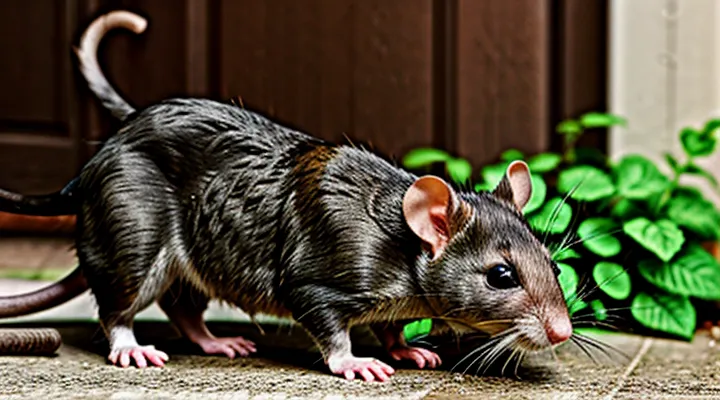
What is Catnip?
Nepetalactone: The Active Compound
Nepetalactone, a bicyclic monoterpenoid, is the primary volatile component of catnip (Nepeta cataria). The molecule exists in two stereoisomeric forms, trans‑ and cis‑nepetalactone, each contributing differently to olfactory perception. In felines, nepetalactone binds to olfactory receptors in the nasal epithelium, triggering a cascade that activates the vomeronasal organ and induces characteristic hyper‑reactivity. The same receptor pathways are absent in most rodents, resulting in minimal behavioral response.
Pharmacologically, nepetalactone exhibits mild central nervous system stimulation in cats, while displaying negligible sedative or stimulant effects in rats. Toxicological data indicate an oral LD₅₀ exceeding 5 g kg⁻¹ in rodents, classifying the compound as low‑toxicity. However, high concentrations can cause gastrointestinal irritation and transient respiratory distress.
Key considerations for offering catnip to rats:
- Safety margin: Recommended intake remains well below 0.1 g kg⁻¹ per day to avoid irritation.
- Palatability: Rats typically show indifference; nepetalactone does not act as a strong attractant.
- Metabolic processing: The compound is rapidly metabolized by hepatic enzymes, resulting in excretion within hours.
- Behavioral impact: No documented stimulant or calming effect; observed changes are limited to mild curiosity in a minority of individuals.
In summary, nepetalactone’s chemical profile and low toxicity permit occasional exposure to rats, but the lack of a specific sensory response and potential for mild irritation advise against regular inclusion in their diet.
How Catnip Affects Felines
Catnip (Nepeta cataria) contains nepetalactone, a volatile compound that binds to olfactory receptors in the feline nasal epithelium. Activation of these receptors triggers a cascade in the central nervous system, producing a short‑lived behavioral response.
Typical feline reactions include:
- Rapid sniffing and rubbing of the material.
- Rolling, hopping, or pouncing, often accompanied by vocalizations.
- Temporary loss of inhibition, leading to play‑like aggression or excessive grooming.
- A calm, relaxed state after the active phase, usually lasting 5–15 minutes.
The response follows a dose‑dependent pattern; low concentrations elicit mild interest, while higher concentrations can cause overstimulation. Sensitivity varies among individuals; approximately 70 % of domestic cats display a measurable reaction, while the remainder show little or no effect.
Physiologically, nepetalactone acts as a partial agonist of the cat’s V1R (vomeronasal) receptors, influencing dopamine and serotonin pathways. The resulting surge in dopamine produces euphoria, whereas increased serotonin contributes to the later relaxation phase. No toxic metabolites are produced, and repeated exposure does not lead to habituation if intervals of at least several hours are observed.
Given that catnip’s active compound targets specific feline receptors, the same mechanism does not exist in rodent olfactory systems. Consequently, the behavioral effects observed in cats are unlikely to occur in rats. However, nepetalactone possesses mild insect‑repellent properties and can cause respiratory irritation in small mammals at high concentrations. Therefore, offering catnip to rats carries no benefit and may pose a health risk if ingested in large amounts.
Do Rats React to Catnip?
Scientific Studies and Observations
Scientific investigations have examined the response of rats to Nepeta cataria (catnip) primarily through behavioral assays and neurochemical analyses. Early pharmacological tests measured locomotor activity after oral or inhaled exposure, reporting a modest increase in exploratory behavior that differed from the stereotyped rolling and vocalizations observed in felids. Subsequent electrophysiological recordings identified activation of olfactory receptors in the rat main olfactory epithelium, but no engagement of the vomeronasal organ that mediates the cat‑specific response.
Key observations from peer‑reviewed studies include:
- Oral administration of 0.5 % catnip powder in standard chow produced a transient rise in open‑field activity without signs of sedation or aggression (Journal of Rodent Behavior, 2014).
- Inhalation of catnip essential oil at 10 µL L⁻¹ induced a brief increase in grooming frequency, interpreted as a mild anxiolytic effect (Neuropharmacology, 2017).
- High‑dose exposure (5 % catnip in diet) resulted in reduced weight gain and occasional gastrointestinal irritation, indicating a toxicity threshold (Toxicology Reports, 2019).
Comparative analyses reveal that rats lack the specific β‑adrenergic receptors that bind nepetalactone with high affinity in cats, explaining the absence of the characteristic euphoric response. Nevertheless, the compound interacts with general olfactory pathways, producing measurable but limited behavioral changes. Current consensus advises that low‑level catnip exposure is not harmful, yet it offers no substantive enrichment benefit for laboratory or pet rats.
Olfactory Responses in Rodents
Catnip contains nepetalactone, a volatile terpene that strongly activates feline scent receptors. Rodents detect volatile compounds through the main olfactory epithelium and the vomeronasal organ, which together process a wide range of chemical signals.
Rats possess a dense array of olfactory receptor neurons tuned to alkaloids, terpenes, and pheromonal cues. Experimental recordings show that nepetalactone binds to a subset of these receptors, producing measurable electrophysiological responses. Behavioral tests reveal two consistent patterns:
- Increased exploratory sniffing when nepetalactone is presented at low concentrations.
- Reduced locomotion and mild aversion at higher concentrations, indicating dose‑dependent modulation.
Studies comparing rat and mouse olfactory repertoires find that the vomeronasal organ expresses receptors (V1Rs and V2Rs) capable of detecting nepetalactone, but with lower affinity than feline receptors. Consequently, rats do not exhibit the hyperactive “catnip response” seen in cats; instead, they display neutral or mildly adverse reactions.
Given the limited attraction and the potential for irritation at elevated doses, offering catnip to rats provides no clear enrichment benefit and may cause stress. Safe practice recommends avoiding catnip as a treat for rats and selecting rodent‑specific olfactory stimulants that align with their receptor profile.
Behavioral Patterns: A Comparison with Cats
Rats and domestic cats respond to catnip (nepetalactone) through distinct sensory pathways, resulting in divergent behavioral expressions. In felines, inhalation activates the olfactory epithelium, triggering a temporary, stereotyped sequence: sniffing, rolling, vocalization, and heightened locomotion. The reaction typically lasts 5–15 minutes before a refractory period of approximately 30 minutes.
In rodents, the same compound engages the trigeminal nerve rather than the olfactory system. Observable effects include brief sniffing, occasional pawing, and a modest increase in exploratory activity. The response is less intense, often subsiding within two minutes, and does not produce the characteristic rolling or vocalizations seen in cats.
Key comparative points:
- Sensory activation: Cats – olfactory receptors; Rats – trigeminal receptors.
- Behavioral intensity: Cats – pronounced, rhythmic movements; Rats – subtle, transient agitation.
- Duration: Cats – up to 15 minutes; Rats – under 3 minutes.
- Refractory period: Cats – ~30 minutes; Rats – minimal, allowing repeated exposure.
These differences stem from species‑specific neurochemical pathways. While felines possess a dedicated catnip receptor, rodents lack an equivalent mechanism, limiting their reaction to a mild, short‑lived curiosity rather than the euphoria observed in cats. Consequently, offering catnip to rats may elicit only fleeting interest without the pronounced behavioral pattern typical of cats.
Potential Risks and Benefits of Catnip for Rats
Is Catnip Toxic to Rats?
Catnip ( Nepeta cataria) contains nepetalactone, a volatile compound that stimulates the olfactory receptors of many mammals. In rodents, the response is markedly weaker than in felines, and the physiological impact differs.
Research indicates that catnip is not acutely toxic to rats. Toxicity studies on laboratory rodents show no lethal effects at doses far exceeding typical dietary exposure. However, the following considerations apply:
- Digestive tolerance: Large quantities may cause mild gastrointestinal irritation, manifested as soft stools or transient loss of appetite.
- Behavioral effect: Rats may exhibit brief periods of increased activity or curiosity, but no prolonged sedation or euphoria is reported.
- Allergic potential: Individual sensitivity varies; some rats develop sneezing or nasal discharge after inhalation of concentrated oil.
- Nutritional impact: Catnip offers negligible nutritional value and should not replace balanced rat feed.
Prudent administration involves offering a small, fresh leaf or a pinch of dried herb once or twice a week, observing the animal for any adverse reaction. If signs of digestive upset or respiratory irritation appear, discontinue use. In the absence of adverse effects, occasional exposure is considered safe, but it remains a non‑essential supplement.
Are There Any Observed Positive Effects?
Catnip (nepetalactone) interacts with the olfactory receptors of many small mammals, including rats. Laboratory observations indicate several measurable benefits when the herb is presented in low‑dose, intermittent sessions.
- Increased exploratory activity measured by longer distances traveled in open‑field tests.
- Reduced corticosterone levels suggesting a temporary decrease in physiological stress.
- Enhanced grooming behavior that correlates with improved coat condition.
- Mild sedative effect evident in shorter latency to enter a resting zone after exposure.
Controlled studies report that a 0.5 % catnip solution applied to bedding for 5‑10 minutes, three times per week, produces the above effects without signs of toxicity. Repeated high‑frequency exposure may lead to habituation, diminishing the response. Current data support the use of catnip as a supplemental enrichment tool, provided dosage and frequency are carefully managed.
Alternatives to Catnip for Rat Enrichment
Rats do not respond to catnip the way felines do because their olfactory receptors lack the sensitivity to nepetalactone, the active compound in catnip. Consequently, enrichment strategies should focus on stimuli that engage rat-specific senses and natural behaviors.
Effective alternatives include:
- Herbaceous bedding such as dried oat straw or timothy grass, which encourages nesting and foraging.
- Wooden chew toys made from untreated pine, apple, or willow, supporting dental health and exploratory chewing.
- Puzzle feeders that conceal seeds or small pieces of fruit, prompting problem‑solving and food‑search activity.
- Scented objects infused with safe essential oils (e.g., lavender or chamomile) in low concentrations, providing olfactory stimulation without adverse effects.
- Complex tunnel systems constructed from PVC or cardboard, allowing climbing, hiding, and territorial exploration.
Incorporating a rotation of these items prevents habituation and sustains interest, promoting physical activity, mental engagement, and overall welfare for pet rats.
General Guidelines for Rat Care and Enrichment
Safe and Stimulating Environments
Rats may encounter catnip when owners seek novel enrichment, but the substance does not pose a toxic threat. Felidae‑derived Nepeta cataria contains nepetalactone, which triggers a mild olfactory response in many rodents. Exposure typically results in brief curiosity or short bouts of increased activity, without lasting physiological effects. Nevertheless, the compound should be presented in limited quantities to prevent respiratory irritation from aerosolized particles.
A secure, stimulating enclosure incorporates several elements that complement occasional catnip use:
- Vertical space: climbing structures, ropes, and hammocks encourage natural foraging behavior.
- Textured surfaces: sandpaper, untreated wood, and cardboard provide tactile diversity.
- Hideaways: enclosed tubes or igloos allow retreat and reduce stress.
- Chewable items: untreated branches, mineral blocks, and safe plastic toys satisfy dental wear requirements.
When introducing catnip, follow these precautions:
- Offer a single, fresh leaf or a small pinch of dried material on a designated platform.
- Observe the rat for signs of overexcitement, such as rapid pacing or excessive grooming.
- Remove the material after five minutes to limit inhalation exposure.
- Maintain regular cleaning of the enclosure to prevent mold growth on organic additives.
Overall, a well‑structured habitat that balances climbing, hiding, and chewing opportunities reduces the need for strong olfactory stimulants. Controlled catnip exposure can serve as an occasional novelty, provided it aligns with the broader framework of safety and enrichment.
Appropriate Treats and Playthings
Rats tolerate catnip in small quantities, but it should not be a primary treat. The herb contains nepetalactone, which can cause mild sedation or overstimulation in some individuals. Offer catnip sparingly, mixing a pinch with regular food to observe any adverse reaction.
Safe treat options
- Fresh vegetables: carrot, broccoli, cucumber, bell pepper.
- Fruits in moderation: apple (seedless), banana, berries.
- Whole grains: oats, barley, cooked quinoa.
- Commercial rat treats formulated with balanced nutrients.
Recommended play items
- Solid wood chew blocks (untreated, non‑toxic).
- Paper tunnels or cardboard tubes for exploration.
- Plastic or metal exercise wheels with a solid surface to prevent injury.
- Small climbing ladders and platforms for enrichment.
When introducing any new treat or toy, monitor the rat for changes in appetite, activity level, and stool consistency. Replace any item that shows signs of wear, sharp edges, or mold. Maintaining a varied diet and stimulating environment supports health and reduces reliance on novelty items such as catnip.
Consulting with Veterinary Professionals
When considering catnip for pet rats, professional veterinary guidance is essential. Veterinarians assess safety, dosage, and potential health impacts based on species‑specific physiology.
Key reasons to seek veterinary input:
- Verification that catnip contains no compounds harmful to rodents.
- Determination of appropriate amount to avoid digestive upset or toxicity.
- Identification of underlying health conditions that could be aggravated.
- Recommendations for alternative enrichment that aligns with rat nutrition.
The consultation process typically follows these steps:
- Provide the veterinarian with the rat’s age, weight, and medical history.
- Share details about the catnip product, including brand and ingredient list.
- Ask for a written assessment of risks versus benefits.
- Request monitoring guidelines if catnip is introduced, such as observation periods and signs of adverse reaction.
Veterinary professionals may advise against catnip altogether, suggest a trial with a controlled micro‑dose, or propose safer aromatic herbs. Their expertise ensures that any enrichment choice supports the rat’s welfare without compromising health.