
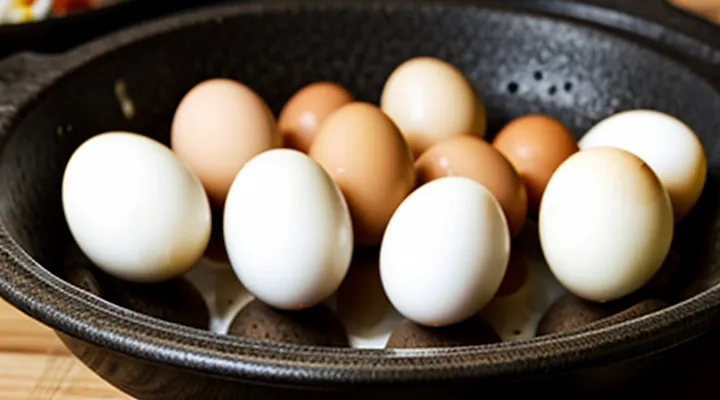
Understanding Rat Dietary Needs
General Nutritional Requirements for Rats
Rats require a balanced diet that supplies adequate protein, fat, carbohydrates, fiber, vitamins, minerals, and water. Protein should represent 14‑20 % of total calories, sourced from lab‑grade rodent pellets, lean meats, or cooked eggs in limited amounts. Fat intake must remain below 5‑7 % of calories; excess fat leads to obesity and hepatic lipidosis. Carbohydrates provide energy, but should not exceed 45‑55 % of the diet; complex sources such as whole grains and vegetables are preferred over simple sugars.
Key micronutrients include:
- Calcium : 1‑2 % of diet, balanced with phosphorus to prevent skeletal disorders.
- Vitamin A, D, and E: required for vision, calcium metabolism, and antioxidant protection.
- B‑complex vitamins: support metabolic functions and nervous system health.
- Trace minerals (zinc, iron, selenium, magnesium): essential for enzymatic activity and immune competence.
Water must be continuously available, fresh and clean. Fiber, supplied by hay, leafy greens, or coarse pellets, promotes gastrointestinal motility and dental wear. Over‑supplementation of any single nutrient, including boiled chicken eggs, can disrupt the delicate nutritional equilibrium and increase the risk of metabolic disease.
Foods to Avoid for Rats
Toxic Foods for Rats
Boiled chicken eggs are a protein source that most pet rats tolerate well, but the diet must exclude foods that can cause toxicity. Recognizing hazardous items prevents liver damage, gastrointestinal distress, and neurological symptoms.
Common toxic foods for rats include:
- Chocolate and cocoa products – contain theobromine, which rats metabolize slowly.
- Onions, garlic, leeks, and chives – cause hemolytic anemia by damaging red blood cells.
- Avocado flesh and pit – contain persin, a toxin that can lead to respiratory distress.
- Citrus peels and large quantities of fruit acids – irritate the digestive tract and may cause ulceration.
- Raw or undercooked beans, especially kidney beans – contain phytohaemagglutinin, a potent toxin.
- Alcohol and caffeinated beverages – depress the central nervous system and increase heart rate.
- High‑salt or high‑fat processed foods – promote kidney strain and obesity.
- Xylitol‑sweetened products – trigger rapid insulin release, leading to hypoglycemia.
Avoiding these items while offering a balanced diet of fresh vegetables, grains, and occasional boiled egg ensures rats receive adequate nutrition without exposure to harmful compounds.
Harmful Foods for Rats
Rats have a sensitive digestive system that reacts poorly to several common human foods. The following items are consistently identified as hazardous:
- Chocolate, cocoa products, and caffeine‑containing beverages – contain theobromine and caffeine, which can cause cardiac arrhythmia and seizures.
- Raw or undercooked beans, especially kidney beans – high levels of phytohaemagglutinin lead to severe gastrointestinal distress and possible death.
- Processed meats with added salts, nitrates, or spices – excess sodium and preservatives damage renal function and may trigger hypertension.
- Citrus fruits and juices – high acidity irritates the stomach lining and can result in ulceration.
- Dairy products, particularly cheese and milk – many rats lack lactase, leading to malabsorption, diarrhea, and dehydration.
- Avocado flesh and pit – persin toxin induces respiratory distress and myocardial damage.
- Onion, garlic, and related Allium species – contain thiosulfates that cause hemolytic anemia.
- Alcoholic beverages – depress central nervous system, cause hypoglycemia and organ failure.
These foods should be excluded from any rat’s diet, regardless of the intended inclusion of other protein sources such as cooked poultry eggs. When assessing whether a rat can safely consume boiled chicken eggs, ensure that the diet remains free of the listed toxic items and that the egg is offered in moderation, without added salt or seasoning.
Boiled Chicken Eggs as a Food Source for Rats
Nutritional Value of Boiled Eggs
Protein Content
Boiled chicken eggs supply a concentrated source of animal protein, which aligns with the high‑protein requirements of laboratory and pet rats. One large egg (≈50 g) contains roughly 6 g of protein, translating to about 12 % protein by weight—significantly higher than typical grain‑based rodent feeds.
- Whole boiled egg: ~6 g protein (≈12 % of egg weight)
- Egg white only: ~3.6 g protein (≈80 % of white weight)
- Egg yolk only: ~2.7 g protein (≈5 % of yolk weight)
Incorporating boiled eggs into a rat’s diet should not exceed 10 % of total daily caloric intake to avoid excess fat and cholesterol. A typical adult rat consumes 15–20 g of food per day; adding 1 g of egg protein (approximately one‑quarter of a boiled egg) satisfies a meaningful portion of the protein requirement without displacing essential fiber and micronutrients. Regular monitoring of body condition and stool consistency is advisable when introducing egg protein to ensure tolerance and prevent digestive upset.
Vitamin and Mineral Content
Boiled chicken eggs provide a concentrated source of vitamins and minerals that can supplement a rat’s diet when offered in moderation.
- Vitamin A – approximately 64 µg per egg; supports vision and epithelial health.
- Vitamin D3 – about 1 µg; aids calcium absorption and bone development.
- Vitamin B12 – roughly 0.5 µg; essential for red blood cell formation and neurological function.
- Riboflavin (B2) – 0.2 mg; involved in energy metabolism.
- Folate – 24 µg; contributes to DNA synthesis and cell division.
- Choline – 147 mg; important for cell membrane integrity and neurotransmitter synthesis.
Key minerals present in a boiled egg include:
- Iron – 0.8 mg; required for hemoglobin synthesis.
- Selenium – 15 µg; functions as an antioxidant.
- Phosphorus – 95 mg; critical for skeletal structure and energy transfer.
- Calcium – 28 mg; supports bone mineralization.
- Zinc – 0.6 mg; involved in enzymatic reactions and immune response.
Rat nutritional guidelines list daily requirements that are lower than the amounts found in a whole egg. Feeding a single boiled egg can exceed recommended intakes for vitamin A, D, and choline, potentially leading to hypervitaminosis or mineral imbalances if given repeatedly.
To incorporate eggs safely, limit exposure to a small portion (e.g., a quarter of a boiled egg) no more than once or twice per week, and monitor overall diet to ensure that total nutrient intake remains within established limits for laboratory or pet rats.
Potential Benefits for Rats
Source of Essential Nutrients
Boiled chicken eggs provide a concentrated source of protein, vitamins, and minerals that meet several of the dietary requirements of laboratory and pet rats. Each large egg contains approximately 6 g of high‑quality protein, essential amino acids, and a spectrum of nutrients such as vitamin A, vitamin D, vitamin B12, riboflavin, and choline. The yolk supplies fat‑soluble vitamins and phospholipids, while the white contributes primarily albumin, a readily digestible protein.
Key nutrients supplied by boiled eggs include:
- Protein (≈6 g per egg): supports tissue growth, repair, and immune function.
- Vitamin A: essential for vision, epithelial maintenance, and cellular differentiation.
- Vitamin D: facilitates calcium absorption, influencing bone health.
- Vitamin B12 and riboflavin: involved in energy metabolism and red blood cell formation.
- Choline: critical for neurotransmitter synthesis and liver function.
- Selenium and phosphorus: contribute to antioxidant defenses and skeletal development.
When incorporating boiled eggs into a rat’s diet, limit intake to one‑quarter to one‑half of an egg per 100 g of body weight per week. Excessive egg consumption can cause imbalances in calcium‑phosphorus ratios and increase fat intake, potentially leading to obesity or hepatic stress. Ensure the egg is fully cooked, cooled, and free of shell fragments to prevent bacterial contamination and mechanical injury. Regular monitoring of weight, coat condition, and fecal consistency will confirm that the nutrient contribution remains beneficial without adverse effects.
Enrichment and Treat Value
Boiled chicken eggs can serve as a valuable enrichment item for pet rats. The hard‑cooked form is safe to handle, reduces the risk of bacterial contamination, and retains most protein and essential amino acids. Introducing a single egg, cut into small, bite‑size pieces, adds novelty to the daily routine and encourages natural foraging behavior. Rats will explore the texture, scent, and taste, which stimulates their sensory systems and prevents monotony.
From a nutritional standpoint, a modest portion—approximately one‑quarter of a medium egg per adult rat—delivers a concentrated source of high‑quality protein, vitamins B12 and D, and minerals such as selenium and choline. These nutrients complement a balanced grain‑based diet, supporting muscle maintenance and overall health. Because the caloric density of egg exceeds that of standard rodent chow, the treat should be offered sparingly to avoid excess weight gain.
Key considerations for safe implementation:
- Verify that the egg is fully cooked; raw or undercooked eggs may contain salmonella.
- Cool the egg to room temperature before serving to prevent burns.
- Remove the shell completely; shell fragments can cause gastrointestinal irritation.
- Limit frequency to 2–3 times per week, adjusting portion size to the individual’s body condition.
- Observe for signs of digestive upset, such as diarrhea or reduced appetite, after each feeding.
When used appropriately, boiled egg pieces provide both mental stimulation and a high‑value nutritional reward, enhancing the welfare of captive rats without compromising their dietary balance.
Risks and Considerations
Choking Hazards
Boiled chicken eggs present specific choking risks for rodents. Egg whites solidify when cooked, creating firm fragments that may exceed a rat’s typical bite capacity. Whole yolk pieces retain a smooth texture but can remain large enough to obstruct the airway if not reduced.
Key hazards include:
- Large, uncut egg sections that can block the trachea.
- Hard‑cooked whites that break into sharp shards.
- Moist, sticky yolk that adheres to the palate, increasing the chance of accidental inhalation.
To mitigate these risks, prepare the egg as follows:
- Cool the boiled egg completely, then remove the shell.
- Slice the egg into pieces no larger than 2 mm in diameter.
- Test each fragment for pliability; discard any that feel rigid.
- Offer only a single small piece at a time, observing the animal’s chewing behavior.
- Remove any uneaten portions after five minutes to prevent prolonged exposure.
Monitoring during feeding is essential. Immediate signs of distress—gasping, silent coughing, or inability to swallow—indicate a possible obstruction and require prompt veterinary intervention. Regular assessment of each rat’s dental health and chewing strength further reduces the likelihood of choking incidents.
Allergic Reactions
Feeding boiled chicken eggs to rats can trigger immune‑mediated hypersensitivity. Egg white contains ovalbumin and ovomucoid, proteins known to elicit IgE antibodies in susceptible mammals. When a rat’s immune system recognizes these proteins as foreign, mast cells release histamine and other mediators, producing an allergic reaction.
Typical manifestations include:
- Respiratory distress (rapid breathing, wheezing)
- Cutaneous signs (scratching, redness, swelling)
- Gastrointestinal upset (vomiting, diarrhea)
- Behavioral changes (lethargy, agitation)
Severity ranges from mild irritation to anaphylaxis, a rapid, life‑threatening collapse. Anaphylactic signs comprise sudden collapse, cyanosis, and loss of consciousness. Immediate veterinary intervention is required.
Preventive measures:
- Conduct a skin‑prick or serum IgE test before introducing egg products.
- Offer a single, small portion and observe for at least two hours.
- Maintain a record of any adverse response for future dietary planning.
- Consult a veterinarian to confirm tolerance or to obtain antihistamine prophylaxis.
If allergic signs appear, discontinue egg exposure, provide supportive care, and seek professional treatment promptly.
Overfeeding and Weight Gain
Feeding rats boiled chicken eggs introduces a high‑quality protein source, but excessive portions quickly raise caloric intake. A single large egg contains roughly 70 kcal, equivalent to 30 % of the daily energy requirement for an adult laboratory rat. Regular inclusion of whole eggs, especially without adjusting other diet components, leads to surplus calories that the animal stores as adipose tissue.
Overfeeding manifests in measurable weight gain, altered body condition scores, and reduced mobility. Persistent excess energy also predisposes rats to metabolic disturbances such as insulin resistance and hepatic lipidosis. Monitoring body weight weekly and comparing it to established growth curves helps detect early signs of overnutrition.
Practical guidelines to avoid overfeeding:
- Offer no more than one‑quarter of a boiled egg per rat per week.
- Replace a portion of the standard pellet ration with the egg, keeping total caloric intake within the recommended range.
- Record individual food intake and adjust portions based on observed weight trends.
- Conduct periodic health checks, focusing on coat quality, activity level, and abdominal palpation.
Implementing these controls maintains the nutritional benefits of eggs while preventing the adverse effects of excess weight.
Salmonella Concerns
Feeding boiled hen eggs to pet rodents raises legitimate concerns about Salmonella infection. Although cooking eliminates most pathogenic bacteria, the risk persists if the egg is undercooked, improperly handled, or stored at unsafe temperatures. The following points summarize the principal hazards:
- Incomplete coagulation leaves viable Salmonella cells capable of colonizing the gastrointestinal tract.
- Cross‑contamination during peeling, cracking, or serving can introduce bacteria from surfaces or hands.
- Reheating leftovers without reaching 165 °F (74 °C) may permit bacterial regrowth.
Preventive measures include verifying that the egg reaches a firm, fully set yolk; washing hands and utensils before and after preparation; cooling the cooked egg rapidly and refrigerating it within two hours; and discarding any portion left at room temperature for more than one hour. Observing these protocols minimizes the likelihood of Salmonella transmission while allowing rats to benefit from the protein and nutrients eggs provide.
Best Practices for Feeding Boiled Eggs to Rats
Preparation Guidelines
Cooking Method and Doneness
Boiled chicken eggs can be a protein-rich supplement for rodents when prepared correctly. The egg must be cooked to eliminate Salmonella and other pathogens, and the texture should suit a rat’s dentition and digestive system.
Cooking procedure
- Place eggs in a saucepan, cover with cold water, and bring to a rolling boil.
- Once boiling, maintain a steady boil for 9 minutes to achieve a fully set yolk and white.
- After the timer expires, transfer eggs to an ice‑water bath for 2 minutes to stop cooking and simplify shell removal.
- Peel the shells completely; any remaining fragments may cause injury.
Doneness considerations
- A 9‑minute boil yields a hard‑cooked egg, preventing soft centers that could harbor bacteria.
- Shorter times (5–6 minutes) produce a semi‑soft yolk, which is less safe for rats due to higher bacterial risk.
- Overcooking beyond 12 minutes creates a chalky texture that may be difficult for rats to chew.
Serving guidelines
- Cool the egg to room temperature before offering.
- Cut the egg into ½‑inch cubes to accommodate a rat’s bite size.
- Limit portions to ¼ of a whole egg per 100 g of body weight, adjusting for the animal’s overall diet.
- Observe the rat for any signs of digestive upset after introduction.
Following these steps ensures that boiled eggs are safe, nutritionally valuable, and appropriate for rat consumption.
Cooling and Serving Temperature
When offering boiled chicken eggs to pet rodents, the temperature at which the egg is presented is critical for safety and palatability. The egg should be cooled to a temperature that does not exceed the animal’s body heat, typically around 30–35 °C (86–95 °F). Serving the egg hotter than this range risks burns to the delicate oral tissues; serving it colder than 10 °C (50 °F) may reduce the animal’s willingness to eat and can cause gastrointestinal discomfort.
Practical steps for achieving the proper temperature:
- Remove the egg from boiling water and place it in a bowl of cold tap water for 1–2 minutes to halt cooking.
- Transfer the egg to a clean surface and let it sit at room temperature for 5–10 minutes, monitoring the surface temperature with a food‑grade thermometer.
- Cut the egg into small, bite‑size pieces and verify that the internal temperature falls between 30 °C and 35 °C before offering it to the rat.
Consistently serving the egg within this temperature window minimizes health risks and encourages acceptance by the animal.
Shell Removal
Feeding boiled chicken eggs to rats can be a nutritious supplement, but the shell must be removed before offering the egg. The shell presents a choking risk, can cause gastrointestinal irritation, and may introduce excess calcium that disrupts the animal’s mineral balance.
Effective shell removal follows a precise sequence:
- Cool the boiled egg rapidly by immersing it in cold water for 1–2 minutes.
- Tap the egg gently to create cracks across the surface.
- Peel the shell off in thin fragments, using fingertips or a small, clean utensil.
- Rinse the exposed egg white and yolk under running water to eliminate residual shell particles.
- Pat dry with a paper towel or allow air‑drying for a few minutes before serving.
After removal, store the shell‑free egg in a sealed container in the refrigerator and use within 24 hours to prevent bacterial growth. Serve the egg in small, bite‑size portions to match the rat’s typical intake and monitor for any adverse reactions.
Portion Control and Frequency
When offering boiled chicken eggs to pet rats, limit each serving to one‑quarter of a medium egg (approximately 10 g). This amount provides a modest protein boost without overwhelming the animal’s digestive system.
- Frequency: Provide egg treats no more than twice per week. Regular inclusion beyond this schedule can displace essential fiber and vitamin sources in the diet.
- Caloric impact: A 10‑gram portion contributes roughly 15 kcal, representing less than 5 % of a typical adult rat’s daily energy requirement (300–350 kcal). Maintaining this proportion prevents excess weight gain.
- Preparation: Use fully cooked, unseasoned eggs. Remove all shell fragments to avoid choking hazards and potential intestinal blockage.
- Monitoring: Observe weight and stool consistency after each egg feeding. Adjust portion size or frequency if signs of obesity, diarrhea, or reduced activity appear.
Adhering to these guidelines ensures that boiled egg supplementation enhances nutrition without compromising overall health.
Introducing New Foods to Rats
Rats readily accept a varied diet, but any addition must be evaluated for safety, digestibility, and nutritional balance. Introducing a novel item such as cooked poultry eggs requires a systematic approach.
Begin with a small portion, no larger than a quarter of a hard‑boiled egg, offered on a clean surface. Observe the animal for 30 minutes, noting any hesitation, refusal, or adverse behavior. If the rat consumes the sample without signs of distress, repeat the trial after 24 hours, gradually increasing the amount to a maximum of one whole egg per week.
Key considerations when adding eggs to a rat’s regimen:
- Protein content – eggs provide high‑quality protein but can displace essential plant‑based sources if overused.
- Fat levels – yolk fats are calorie‑dense; monitor overall caloric intake to prevent weight gain.
- Allergies and sensitivities – rare in rodents but possible; discontinue immediately if scratching, swelling, or respiratory signs appear.
- Preparation – eggs must be boiled thoroughly, shells removed, and served plain; avoid seasoning, oil, or additives that could irritate the gastrointestinal tract.
- Frequency – treat eggs as an occasional supplement rather than a staple; daily inclusion can lead to nutrient imbalances.
Record each feeding event, including quantity, time, and the rat’s response. Maintain a balanced base diet of commercial pellets, fresh vegetables, and occasional fruit. Adjust the overall diet composition if the egg supplement alters the rat’s weight or health markers.
By following these steps, caretakers can safely assess the suitability of boiled chicken eggs and other new foods for their rats, ensuring nutritional adequacy while minimizing risk.
Alternative Protein Sources for Rats
Other Safe Human Foods
Boiled chicken eggs are a protein source that many owners consider for pet rats. When adding human foods to a rat’s diet, safety and nutritional balance remain paramount. The following items are widely recognized as safe for occasional feeding:
- Cooked, unseasoned lean meats (chicken breast, turkey, lean beef)
- Plain, unsalted boiled or scrambled eggs (including yolk)
- Fresh fruits without pits or seeds (apple slices, berries, banana, melon)
- Vegetables served raw or lightly steamed (carrots, broccoli, peas, kale, cucumber)
- Whole grain products (plain oatmeal, brown rice, whole‑wheat pasta)
- Low‑fat dairy in moderation (plain yogurt, cottage cheese)
- Unsalted nuts and seeds (almonds, sunflower seeds, pumpkin seeds)
These foods should be introduced gradually, limited to no more than 10 % of total caloric intake, and offered in small, bite‑size portions. Remove any uneaten portions within two hours to prevent spoilage. Avoid processed items, added salts, sugars, spices, and foods known to be toxic to rodents (chocolate, onions, citrus peels, avocado). Regular monitoring of weight and health indicators will confirm that supplemental human foods support, rather than compromise, the rat’s well‑being.
Commercial Rat Food Options
Commercial rat diets fall into three categories: pelleted formulas, seed‑mix blends, and specialty treats. Each type addresses the nutritional balance required for healthy rodents while offering convenience for owners.
Pelleted formulas provide complete nutrition in a single, easily measured portion. Ingredients typically include wheat, corn, soy, and added vitamins, minerals, and protein sources such as fish meal or dried insects. The uniform shape prevents selective eating, ensuring consistent intake of essential nutrients.
Seed‑mix blends combine sunflower seeds, millet, oats, and legumes. They deliver high energy and natural foraging behavior, but the variable composition may lead to excess fat or insufficient protein if not supplemented. Owners often combine seeds with fortified blocks to correct deficiencies.
Specialty treats encompass dried fruits, nuts, and fortified biscuits. These items supply variety and enrichment but should constitute no more than 5 % of daily caloric intake to avoid obesity and nutrient imbalance.
When considering supplemental boiled chicken eggs, evaluate the following points:
- Protein content aligns with the protein levels found in most commercial formulas.
- Egg yolk adds fat and cholesterol, which commercial diets regulate.
- Fresh eggs lack the vitamins and minerals fortified in pelleted feeds.
A balanced feeding regimen may incorporate a high‑quality pellet as the staple, occasional seed mix for enrichment, and limited boiled egg portions for protein boost. Monitor body condition and adjust portions to maintain optimal weight.