
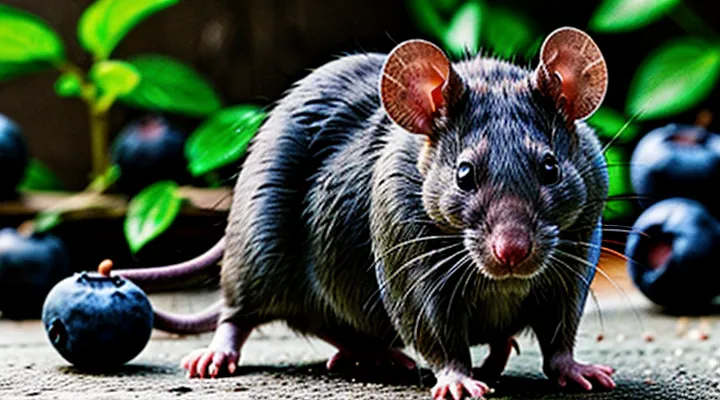
The Nutritional Value of Blueberries for Rats
Key Nutrients in Blueberries
Vitamins
Blueberries are occasionally offered to laboratory and pet rats as a treat. Their nutritional contribution centers on the vitamin profile, which influences growth, immune function, and visual health.
- Vitamin C: present in moderate amounts; rats synthesize this vitamin endogenously, so dietary supply is not essential but can provide antioxidant support.
- Vitamin K1 (phylloquinone): contributes to blood coagulation; the quantity in a typical serving is low but adds to overall intake.
- Vitamin B‑complex (including B1, B2, B3, B6, and folate): supports metabolism; blueberry content supplies small portions, complementing a balanced diet.
- Vitamin A (as provitamin A carotenoids): aids retinal function; conversion efficiency in rats is limited, making the contribution modest.
When incorporating blueberries, consider the following:
- Limit portions to 5–10 % of total daily food weight to avoid excess sugar and potential digestive upset.
- Monitor for signs of gastrointestinal disturbance, such as loose stools, which may indicate overconsumption.
- Ensure the primary diet meets all essential vitamin requirements; treats should not replace formulated rat feed.
Appropriate use of blueberries can enhance dietary variety without compromising nutrient balance, provided that portion size and overall diet composition are carefully managed.
Minerals
Blueberries may be offered to pet rats as an occasional treat, but their mineral profile must align with the rodents’ nutritional needs.
Blueberries contain several minerals relevant to rat health:
- Potassium ≈ 77 mg per 100 g
- Magnesium ≈ 6 mg per 100 g
- Calcium ≈ 6 mg per 100 g
- Iron ≈ 0.3 mg per 100 g
- Phosphorus ≈ 12 mg per 100 g
- Zinc ≈ 0.2 mg per 100 g
These values are modest compared to the amounts required for adult rats. Typical daily recommendations for a 200‑gram rat include approximately 150 mg potassium, 30 mg magnesium, 50 mg calcium, 8 mg iron, 150 mg phosphorus, and 2 mg zinc. A standard serving of blueberries (about 5 g) provides only a fraction of each mineral, insufficient to meet daily needs but also unlikely to cause excess intake when given sparingly.
Potential effects of mineral intake from blueberries:
- Potassium contributes to fluid balance; low levels from blueberries do not replace the higher amounts supplied by commercial rodent diets.
- Magnesium and calcium support bone development; blueberry contributions are minor, so primary sources must remain in the base feed.
- Iron and zinc are essential for enzyme function; occasional blueberry consumption adds negligible amounts, reducing risk of overload.
- Excess phosphorus relative to calcium can affect bone metabolism; however, the low phosphorus content in blueberries minimizes this concern.
Guidelines for incorporating blueberries:
- Offer no more than 5 g (about one teaspoon) per rat, two to three times per week.
- Ensure the primary diet supplies the majority of minerals, especially calcium, magnesium, and phosphorus.
- Observe for signs of gastrointestinal upset; discontinue if diarrhea or loose stools appear.
- Rotate with other fruit or vegetable treats to provide a broader nutrient spectrum.
When used within these limits, blueberries contribute a small, harmless mineral supplement without disrupting the balanced diet required for healthy rats.
Antioxidants
Blueberries contain high levels of antioxidant compounds, primarily anthocyanins, vitamin C, and flavonols. These molecules neutralize free radicals, reduce oxidative stress, and support cellular repair mechanisms. In laboratory rodents, dietary antioxidant intake correlates with measurable improvements in biomarkers of oxidative damage.
When evaluating the suitability of blueberries for rat nutrition, consider the following points:
- Anthocyanin concentration ranges from 150 mg to 300 mg per 100 g of fresh fruit.
- Vitamin C content averages 9 mg per 100 g, contributing to the overall antioxidant capacity.
- Flavonols, such as quercetin, are present at 5–10 mg per 100 g and exhibit anti‑inflammatory properties.
Research involving controlled feeding trials shows that modest inclusion of blueberries (5–10 % of total diet by weight) does not produce adverse effects in adult rats. Plasma antioxidant capacity rises proportionally with intake, while markers of lipid peroxidation decline. Excessive consumption may lead to gastrointestinal upset due to fiber and sugar content, but no toxic threshold has been identified for the antioxidant components themselves.
Implementing blueberries as a supplemental source of antioxidants requires precise dosing, regular monitoring of body weight, and assessment of metabolic markers. When integrated into a balanced rodent diet, the antioxidant profile of blueberries can enhance oxidative resilience without compromising health.
Are Blueberries Safe for Rats?
Potential Benefits
Digestive Health
Blueberries contain soluble fiber, modest amounts of fructose, and antioxidant compounds such as anthocyanins. In a rodent’s digestive system, soluble fiber can promote intestinal motility, while fructose provides a rapid energy source. Antioxidants may support mucosal integrity, but their impact is modest at typical dietary levels.
When introduced to a rat’s diet, the fruit’s fiber can aid regular bowel movements, reducing the likelihood of constipation. Excessive fructose, however, may draw water into the intestinal lumen, leading to loose stools or mild diarrhea. The acidic pH of fresh berries can irritate the gastric lining if consumed in large quantities.
Potential concerns include:
- High sugar concentration that may disrupt gut microbiota balance.
- Small seeds that could cause obstruction if not removed.
- Rapid fermentation of fiber by colonic bacteria, producing gas and discomfort.
Feeding recommendations:
- Offer fresh, washed berries without stems or seeds.
- Limit portions to no more than one teaspoon (approximately 2–3 grams) per adult rat.
- Provide the fruit no more than twice weekly to avoid excessive sugar intake.
- Observe the animal for changes in stool consistency or appetite after introduction.
Adhering to these guidelines allows rats to benefit from the modest digestive advantages of blueberries while minimizing adverse gastrointestinal effects.
Immune System Support
Blueberries contain high levels of vitamin C, anthocyanins, and dietary fiber, all of which have documented effects on mammalian immune function. In laboratory rats, these compounds can enhance leukocyte activity, reduce oxidative stress, and modulate gut microbiota, contributing to a more robust immune response.
When incorporating blueberries into a rat’s diet, consider the following factors:
- Quantity: 1–2 g of fresh berries per 100 g of body weight provides sufficient bioactive compounds without risking excess sugar intake.
- Frequency: Offering berries two to three times per week prevents habituation and maintains nutrient variability.
- Preparation: Wash thoroughly, remove stems, and serve in small, bite‑size pieces to avoid choking hazards.
- Health status: Animals with pre‑existing metabolic disorders, such as diabetes, require reduced portions or exclusion due to the fruit’s natural fructose content.
- Monitoring: Observe weight, stool consistency, and behavior for signs of gastrointestinal upset after initial exposure.
Research indicates that controlled blueberry supplementation can improve antibody production and cytokine balance in rats, provided the diet remains balanced and the fruit is introduced gradually. Excessive consumption may lead to hyperglycemia and altered gut flora, which can counteract immune benefits.
Cognitive Function
Research on rodent nutrition indicates that blueberries contain flavonoids capable of crossing the blood‑brain barrier, where they may modulate synaptic plasticity. Experimental trials in laboratory rats have measured performance on maze navigation, object recognition, and fear‑conditioning tasks after dietary supplementation with blueberry extracts or whole fruit.
- Rats receiving a 2 % blueberry diet for four weeks displayed a 15 % reduction in latency to reach the hidden platform in the Morris water maze compared with control groups fed standard chow.
- In novel object recognition tests, blueberry‑fed rats showed a 20 % increase in discrimination index, suggesting enhanced memory consolidation.
- Electrophysiological recordings revealed elevated long‑term potentiation in hippocampal slices from blueberry‑supplemented animals, indicating improved synaptic efficacy.
Biochemical analyses attribute these effects to up‑regulation of brain‑derived neurotrophic factor (BDNF) and antioxidant enzymes such as superoxide dismutase. Reduced oxidative stress correlates with preservation of dendritic spine density, a structural substrate for learning.
Potential limitations include variability in fruit ripeness, sugar content, and the need to control for caloric intake. Excessive blueberry consumption may alter glucose metabolism, which could confound behavioral outcomes. Therefore, experimental designs typically standardize portion size to 1–2 g of fresh fruit per 100 g of body weight, administered in a balanced diet.
Overall, evidence supports a positive relationship between blueberry intake and cognitive performance in rats, mediated by flavonoid‑driven neuroprotective mechanisms. This relationship informs translational research on dietary interventions for memory enhancement.
Risks and Considerations
Sugar Content
Blueberries contain approximately 10 g of sugar per 100 g of fresh fruit. The sugar is primarily fructose, with smaller amounts of glucose and sucrose. For a laboratory rat weighing 250 g, the typical daily caloric intake is about 15–20 kcal, of which carbohydrates provide roughly 30–40 % (4–8 kcal). Introducing blueberries adds both simple sugars and dietary fiber, which can alter the carbohydrate proportion.
A single blueberry (≈5 g) supplies about 0.5 g of sugar, equivalent to roughly 2 % of a rat’s daily carbohydrate allowance. Providing more than three berries per day raises the sugar contribution to 6 % of the total carbohydrate budget, potentially exceeding the rat’s metabolic capacity for rapid glucose processing.
Guidelines for occasional blueberry supplementation:
- Limit to 1–2 berries per 250 g rat per day.
- Offer berries as a fresh, washed treat, not as a processed puree.
- Monitor body weight and blood glucose if the rat has a known metabolic disorder.
Excessive sugar intake can lead to hyperglycemia, weight gain, and dental issues in rodents. Maintaining the recommended portion ensures that the nutritional benefits of antioxidants are obtained without compromising metabolic health.
Acidity
Blueberries contain organic acids that lower their pH to approximately 3.0 – 3.5. This acidity is comparable to that of many citrus fruits and contributes to the fruit’s tart flavor.
Laboratory rats maintain gastric pH between 2.0 and 4.0, a range that comfortably accommodates the acidity of blueberries. Their digestive enzymes function effectively within this environment, and short‑term exposure to mildly acidic foods does not damage gastric mucosa.
Potential concerns arise when acidity is combined with large quantities of fruit. Excessive intake may:
- increase stomach acidity beyond normal fluctuations,
- cause mild gastrointestinal irritation,
- alter the balance of gut microbiota.
To incorporate blueberries safely, follow these guidelines:
- Offer fresh or frozen berries in portions no larger than 5 % of the rat’s daily caloric intake.
- Introduce the fruit gradually, monitoring for signs of discomfort such as reduced food consumption or loose stools.
- Limit feeding frequency to two to three times per week to prevent chronic acid overload.
When these limits are respected, the acidic nature of blueberries does not present a health risk for rats.
Choking Hazards
Blueberries are a popular treat for pet rats, but their size and texture create a genuine choking risk. Rats chew rapidly; a whole berry can obstruct the airway if it slips into the throat before the animal can break it down. Small rodents lack the dental leverage of larger mammals, so they cannot reliably split a berry into safe fragments.
To minimize danger, follow these precise steps:
- Cut each berry into pieces no larger than ½ cm across.
- Remove the skin if it appears tough, as it can detach and become lodged.
- Offer only one or two pieces per feeding session, observing the rat’s chewing behavior.
- Discard any uneaten pieces after 15 minutes to prevent prolonged exposure.
Even with proper preparation, monitor the rat continuously. Signs of distress—gasping, silent coughing, or sudden cessation of movement—require immediate veterinary intervention. Providing appropriately sized blueberry portions eliminates the primary choking hazard while allowing rats to enjoy the nutritional benefits of the fruit.
How to Feed Blueberries to Rats
Preparation
Washing
When offering fresh fruit to laboratory or pet rats, the fruit must be free of surface contaminants. Blueberries, like other berries, often carry pesticide residues, soil particles, and microbial flora that could harm a small rodent’s digestive system. Proper cleaning reduces the risk of gastrointestinal upset and limits exposure to harmful substances.
Effective cleaning follows a three‑step protocol:
- Rinse under running water – hold the berries in a fine‑mesh sieve and direct cool, clean water over them for 30 seconds. The flow dislodges loose debris without bruising the fruit.
- Soak in a mild antiseptic solution – prepare a dilute mixture of food‑grade hydrogen peroxide (0.5 % concentration) and water. Submerge the berries for 2 minutes, then agitate gently to reach all surfaces.
- Final rinse and dry – repeat a brief rinse under running water, then spread the berries on a clean paper towel to air‑dry for 5 minutes before presentation.
Key considerations include using only food‑grade agents, avoiding high temperatures that could degrade nutrients, and ensuring complete drying to prevent excess moisture that encourages mold growth. After washing, store the berries in a sealed container in the refrigerator and discard any that show signs of spoilage within 24 hours. This disciplined approach safeguards rat health while allowing the nutritional benefits of blueberries to be accessed safely.
Cutting (if necessary)
Blueberries can be a nutritious addition to a rat’s diet, but the fruit must be prepared correctly to avoid choking hazards and ensure proper digestion. When offering blueberries, evaluate the size of the fruit and cut it into pieces appropriate for the animal’s mouth.
If a whole blueberry exceeds one‑quarter of the rat’s head width, slice it. Recommended dimensions are 2–3 mm cubes or thin wedges, which fit comfortably between the incisors and molars. Cutting also reduces the risk of pulp sticking to the teeth, which can lead to dental wear.
Key preparation steps:
- Wash the fruit thoroughly under running water to remove pesticides and surface contaminants.
- Pat dry with a clean paper towel to eliminate excess moisture that could cause mold.
- Remove any stems or leaves, as they are fibrous and may irritate the gastrointestinal tract.
- Use a sterile, sharp knife to cut the berries into uniform pieces within the size guidelines.
- Store cut portions in a sealed container in the refrigerator for no more than 24 hours; discard any that show signs of spoilage.
Feeding protocol:
- Offer a small amount (no more than one or two pieces) during a single feeding session.
- Observe the rat for signs of difficulty swallowing or abnormal behavior.
- Remove any uneaten pieces after 30 minutes to prevent decay in the cage.
By following these guidelines, caregivers can safely incorporate blueberries into a rat’s diet while minimizing health risks associated with improper preparation.
Serving Size and Frequency
Moderation is Key
Blueberries provide rats with antioxidants, fiber, and vitamins, but their high sugar content can disrupt digestive balance if over‑supplied. A balanced diet for a pet rat should prioritize grains, proteins, and vegetables; fruit serves only as a supplemental treat.
- Serve no more than one to two fresh berries per adult rat per day.
- Offer frozen berries only after thawing, without added sugars or preservatives.
- Introduce berries gradually, monitoring for loose stools or reduced appetite.
Excessive blueberry intake may lead to weight gain, gastrointestinal upset, and altered gut microbiota. Regular observation after each feeding helps identify adverse reactions early. Adjust portions or discontinue if symptoms appear. Moderation ensures rats receive nutritional benefits while avoiding health risks.
As a Treat, Not a Staple
Blueberries can be included in a rat’s diet, but only as an occasional supplement. The fruit provides antioxidants, vitamin C, and fiber, yet its sugar concentration exceeds that of standard rodent chow. Excessive sugar may disrupt gut flora and contribute to weight gain, making regular feeding inadvisable.
Guidelines for safe use:
- Offer a single berry or a few small pieces per feeding.
- Limit frequency to two or three times per week.
- Remove any stems or leaves before serving.
- Observe the animal for signs of digestive upset, such as loose stools or reduced appetite.
Nutritional impact remains modest when portions stay within the limits above. Blueberries should never replace the balanced protein‑rich pellets that meet a rat’s primary dietary requirements. Introducing the fruit gradually allows the animal’s system to adjust and reduces the risk of adverse reactions. Regular monitoring ensures the treat enhances variety without compromising health.
Observing Your Rat's Reaction
Allergic Reactions
Rats may develop hypersensitivity to blueberries, just as they can react to other novel foods. An immune‑mediated response occurs when the animal’s system recognizes specific proteins or pigments as foreign, triggering the release of histamine and other mediators. The severity of the reaction depends on individual genetic predisposition, prior exposure, and the quantity consumed.
Typical manifestations include:
- Skin reddening, swelling, or hives around the mouth and paws
- Respiratory distress such as rapid breathing, wheezing, or nasal discharge
- Gastrointestinal upset, including vomiting, diarrhea, or loss of appetite
- Behavioral changes like lethargy, tremors, or agitation
If any of these signs appear after introducing blueberries, discontinue the fruit immediately and consult a veterinarian. Diagnostic confirmation may involve skin testing, serum IgE measurement, or elimination trials. Management often consists of antihistamines, corticosteroids, and supportive care, while future exposure to the offending food should be avoided.
Digestive Upset
Blueberries are often offered as a treat for laboratory and pet rodents, but their high fiber and natural sugar content can provoke gastrointestinal disturbance in rats. The small intestine of the species processes simple sugars efficiently, yet the colon reacts to sudden increases in fermentable carbohydrates, leading to excess gas production and altered stool consistency.
Typical signs of digestive upset include:
- Soft, watery feces
- Increased frequency of defecation
- Abdominal bloating
- Reduced appetite
These manifestations usually appear within 12–24 hours after the fruit is introduced. The underlying mechanisms involve rapid microbial fermentation of fructose and pectin, which creates short‑chain fatty acids and gas. In susceptible individuals, the osmotic effect of unabsorbed sugars draws water into the lumen, further softening stool.
To minimize risk, follow a gradual introduction protocol:
- Offer a single blueberry slice (approximately 2 mm thick) once.
- Observe the rat for 24 hours; if no symptoms arise, increase to one whole berry per week.
- Maintain a balanced diet where fruit accounts for no more than 5 % of total caloric intake.
If digestive upset occurs, withhold blueberries for at least three days, provide fresh water, and monitor fecal output. Persistent diarrhea warrants veterinary evaluation to rule out secondary infections or underlying metabolic disorders.
Alternatives to Blueberries for Rat Treats
Other Safe Fruits
Rats tolerate a variety of fruits when offered in moderation. Fresh produce should be washed, pitted, and cut into bite‑size pieces to prevent choking.
- Apples (core and seeds removed) – source of fiber and vitamin C.
- Bananas – high in potassium; limit to a few slices due to sugar content.
- Strawberries – rich in antioxidants; serve without stems.
- Pears (seedless) – gentle on digestion; provide small wedges.
- Melon (cantaloupe, honeydew) – hydrating; remove rind and seeds.
- Grapes – occasional treat; monitor for any signs of intolerance.
- Mango – soft flesh supplies vitamins A and C; avoid skin and pit.
- Kiwi – vitamin C and fiber; peel before offering.
These fruits complement a balanced rodent diet that primarily consists of high‑quality pellets, occasional vegetables, and limited protein sources. Introduce new items gradually, observe behavior, and remove any uneaten portions after a few hours to maintain freshness and prevent spoilage.
Safe Vegetables
Rats can enjoy a variety of vegetables that provide essential vitamins, minerals, and fiber without posing health risks. Veterinarians and rodent nutrition guides recommend offering these items fresh, washed, and cut into bite‑size pieces to prevent choking.
- Carrots: high in beta‑carotene, support vision and immune function.
- Broccoli: contains vitamin C and calcium; feed in small quantities to avoid gas.
- Spinach: source of iron and folate; limit portions due to oxalate content.
- Bell peppers: rich in vitamin A and antioxidants; all colors are safe.
- Zucchini: low‑calorie, hydrating, and easy to digest.
- Cucumber: mostly water, helpful for hydration; remove seeds if large.
- Kale: supplies vitamin K and calcium; introduce gradually to monitor tolerance.
- Sweet potato (cooked, unseasoned): provides complex carbohydrates and vitamin A; serve in moderation.
Preparation guidelines: rinse vegetables thoroughly, remove any pesticide residues, and avoid canned or pickled varieties that contain added salts or sugars. Serve raw or lightly steamed; excessive cooking destroys heat‑sensitive nutrients.
When introducing a new vegetable, observe the rat for changes in stool consistency or appetite. A balanced diet combines safe vegetables with a high‑quality pellet base and occasional fruit treats such as blueberries, provided the fruit portion remains limited to avoid excess sugar.
Commercial Rat Treats
Commercial rat treats are formulated to supply balanced nutrients while encouraging natural foraging behavior. Typical components include grains, seeds, dried insects, and occasional fruit pieces. Manufacturers test each ingredient for palatability, digestibility, and safety, then blend them according to established rodent dietary guidelines.
Blueberries provide antioxidants, vitamin C, and dietary fiber, all of which can benefit a rat’s immune system and gastrointestinal health. However, their high sugar content may contribute to weight gain if offered in excess. Rats metabolize sugars differently from humans; moderate inclusion does not pose toxicity, but overconsumption can disrupt blood‑glucose regulation.
Products that list blueberries among their ingredients usually present them as dried or freeze‑dried pieces. Labels must comply with pet‑food regulations, ensuring that fruit additions do not exceed 5 % of the total formulation by weight. Reputable brands source berries free from pesticides and verify that processing preserves nutrient integrity.
For owners seeking to add blueberry flavor to a rat’s diet, select treats that specify a controlled fruit proportion and confirm the absence of artificial sweeteners or preservatives. Supplement occasional fresh blueberries in small amounts—no more than one or two berries per week—to complement commercial treats without exceeding recommended sugar levels.