
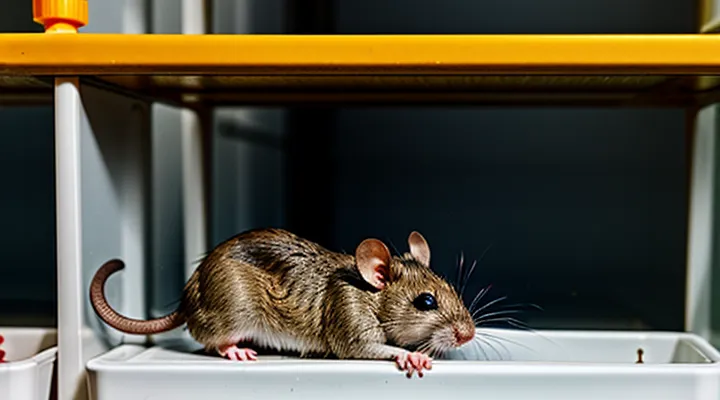
The Historical Context of Rodent Use
Early Discoveries and Contributions
Pioneering Research with Rodents
Rodents provide a genetic and physiological platform that mirrors many aspects of human biology, enabling precise manipulation of disease models. Their short reproductive cycles and well‑characterized genomes allow rapid generation of transgenic lines, facilitating the study of gene function and therapeutic targets.
Key contributions of rodent‑based research include:
- Development of insulin therapy through studies of pancreatic function in rats.
- Identification of oncogenic pathways using mouse models of breast and lung cancer.
- Elucidation of neurodegenerative mechanisms via genetically engineered mice expressing human disease‑related proteins.
- Advancement of vaccine efficacy testing, exemplified by mouse models for emerging viral pathogens.
Ethical frameworks governing animal experimentation require rigorous justification, refinement of procedures, and reduction of animal numbers. Institutional review boards assess protocols to ensure that the scientific value of rodent experiments justifies the use of live subjects, while alternative methods are integrated whenever feasible.
The cumulative impact of rodent research manifests in approved pharmaceuticals, diagnostic tools, and preventive strategies that address a broad spectrum of health challenges. Continued investment in rodent genetics and imaging technologies promises further breakthroughs, reinforcing the species’ indispensable role in translational science.
Key Milestones in Biomedical Science
Rodents have served as primary laboratory models for discovering mechanisms that underpin human health and disease. Their genetic similarity to humans, rapid reproductive cycle, and ease of manipulation have enabled experiments that would be impractical in larger species.
- 1908 – Development of the first inbred mouse strain, establishing a reproducible genetic background for studying hereditary diseases.
- 1944 – Discovery of the link between radiation exposure and leukemia using mouse models, providing the first experimental evidence of carcinogenesis.
- 1952 – Identification of insulin’s structure through experiments on rats, leading to synthetic hormone production and diabetes treatment.
- 1972 – Creation of the first transgenic mouse, allowing insertion of human genes and investigation of genetic disorders such as cystic fibrosis.
- 1981 – Introduction of the knockout mouse technique, enabling systematic study of gene function and the development of targeted therapies.
- 1995 – Use of mouse models to demonstrate the efficacy of monoclonal antibodies against cancer, paving the way for modern immunotherapy.
- 2002 – Generation of humanized mice capable of supporting human immune cell development, facilitating vaccine testing and HIV research.
Each milestone illustrates how the reliance on small mammals has accelerated biomedical innovation, from basic physiology to precision medicine. The continuity of these contributions confirms the indispensable role of rodent research in translating laboratory findings into clinical applications.
Biological Suitability of Rats and Mice
Genetic Homology with Humans
Shared Genetic Makeup
Rats and mice belong to the Muridae family, sharing more than 90 % of their protein‑coding genes. Their genomes contain extensive orthology with human genes, enabling direct translation of genetic findings. Conservation extends to regulatory elements, splice variants, and non‑coding RNAs, which together preserve functional pathways across species.
Key aspects of the shared genetic makeup include:
- High proportion of conserved disease‑related genes (e.g., TP53, APOE, CFTR).
- Similar organization of chromosomal regions, facilitating syntenic mapping.
- Parallel expression patterns of metabolic and signaling networks such as insulin‑PI3K‑AKT and MAPK cascades.
These genetic commonalities allow precise modeling of human disorders, rapid generation of knockout or transgenic lines, and reproducible assessment of pharmacological interventions. The genetic continuity between rodents and humans underpins their widespread adoption in experimental biology.
Disease Models and Human Conditions
Rats and mice provide a practical platform for reproducing human pathologies because their genetic, anatomical, and physiological characteristics closely resemble those of people. Their short reproductive cycles and well‑characterized genomes enable rapid generation of disease‑specific strains, facilitating systematic investigation of disease mechanisms.
Common human conditions reproduced in rodent models include:
- Metabolic disorders such as type 2 diabetes and obesity
- Cancer types, including breast, lung, and colon carcinoma
- Neurodegenerative diseases like Alzheimer’s, Parkinson’s, and Huntington’s disease
- Cardiovascular ailments, for example hypertension and atherosclerosis
- Infectious diseases, encompassing influenza, tuberculosis, and COVID‑19
These models allow researchers to monitor disease onset, progression, and response to interventions in a controlled environment. Physiological responses observed in rodents often predict therapeutic outcomes in clinical trials, supporting the identification of drug targets and the evaluation of safety profiles.
Standardization of breeding, housing, and experimental protocols enhances reproducibility across laboratories, strengthening the reliability of preclinical data. Ethical oversight and refinement of experimental designs mitigate animal welfare concerns while preserving scientific validity.
Physiological Similarities
Organ Systems and Function
Rodents exhibit organ systems that are structurally and physiologically comparable to those of larger mammals, allowing direct investigation of disease mechanisms and therapeutic interventions. The similarity extends across major systems, providing a comprehensive platform for experimental analysis.
• Cardiovascular system – heart rate, blood pressure, and vascular responsiveness mirror human patterns, facilitating studies of hypertension, atherosclerosis, and cardiac pharmacology.
• Respiratory system – airway architecture and gas exchange efficiency enable evaluation of pulmonary toxins, asthma models, and ventilation strategies.
• Nervous system – brain organization, neurotransmitter pathways, and peripheral nerve composition support research on neurodegeneration, pain, and behavioral phenotypes.
• Digestive system – gastrointestinal motility, enzyme secretion, and microbiota composition allow assessment of nutrient absorption, metabolic disorders, and drug metabolism.
• Reproductive system – hormonal cycles and reproductive organ morphology provide insight into fertility, endocrine disruption, and developmental toxicity.
• Endocrine system – pancreatic islet structure, adrenal function, and thyroid regulation facilitate endocrine disease modeling and hormone therapy testing.
• Musculoskeletal system – bone remodeling, muscle fiber composition, and joint biomechanics serve investigations of osteoporosis, muscular dystrophy, and orthopedic implants.
• Immune system – innate and adaptive immune cell populations, cytokine profiles, and pathogen response are suitable for immunology, vaccine development, and infection studies.
The functional alignment of these systems with human physiology reduces translational gaps, permitting precise measurement of physiological endpoints and rapid assessment of experimental outcomes. Genetic tractability, short reproductive cycles, and well‑characterized baseline parameters further enhance the utility of rodents for systematic exploration of organ‑level processes within biomedical research.
Drug Metabolism and Efficacy
Rats and mice dominate pre‑clinical pharmacology because they provide reproducible data on how compounds are processed and how they act in a living system. Their hepatic enzyme complement, including cytochrome P450 families, conjugating transferases and phase‑I/II activities, mirrors human metabolism closely enough to predict metabolic routes, identify active or toxic metabolites, and assess clearance rates.
Small body mass and rapid life cycles enable multiple dose‑response experiments within a short timeframe, allowing precise determination of pharmacokinetic parameters such as absorption, distribution, metabolism and excretion. Scaling of doses from rodents to humans relies on well‑validated allometric relationships, which are grounded in extensive comparative studies.
Genetic uniformity of inbred strains reduces variability, while the availability of transgenic and knockout lines permits direct evaluation of specific metabolic enzymes or drug targets. This capacity to manipulate gene expression clarifies causal links between metabolic pathways and therapeutic outcomes.
Cost efficiency, ease of handling, and established regulatory acceptance further streamline study design, data collection and statistical analysis. Consequently, rodents remain the preferred organism for early‑stage assessment of drug metabolism and efficacy, providing a reliable bridge between in vitro assays and human clinical trials.
Reproductive Characteristics
High Prolificacy and Short Gestation
Rats and mice produce large numbers of offspring each breeding cycle. A single litter often contains « 8–12 » pups, allowing researchers to generate statistically robust groups without excessive animal procurement. High reproductive output also facilitates genetic line maintenance, as colonies can be expanded rapidly to meet experimental demands.
Gestation in these rodents lasts approximately three weeks, markedly shorter than in larger mammals. The brief pregnancy period enables the transition from mating to weaning within a month, compressing the timeline for longitudinal studies and accelerating the evaluation of therapeutic interventions. Rapid sexual maturity, reached at 5–6 weeks of age, further shortens the interval between generations.
Key advantages of this reproductive profile include:
- Large litter sizes that increase sample availability.
- Short gestation reducing the time required to obtain experimental cohorts.
- Early onset of sexual competence, permitting swift generation turnover.
- Predictable breeding cycles that simplify scheduling of experimental protocols.
Rapid Generation Turnaround
Rapid generation turnover characterizes laboratory rodents, allowing a full reproductive cycle within weeks. Female rats and mice reach sexual maturity at approximately six to eight weeks, and gestation lasts about three weeks. This compressed life span enables multiple generations to be produced in a short period.
Short generational intervals accelerate the evaluation of genetic, pharmacological, and toxicological effects. Researchers can observe heritable traits, disease progression, and drug response across successive cohorts without prolonged waiting periods. The ability to obtain statistically robust data from several generations enhances the reliability of longitudinal studies.
Key advantages of rapid generation turnover include:
- swift acquisition of multigenerational data;
- reduction of overall project duration;
- increased statistical power through larger sample sizes per unit time;
- capacity to model evolutionary and epigenetic phenomena within feasible research timelines.
Practical Advantages for Research
Ease of Handling and Maintenance
Small Size and Housing Requirements
Rats and mice occupy minimal physical space, allowing large numbers of individuals to be maintained within limited laboratory areas. Their compact bodies reduce the volume of required housing equipment, lower construction costs for animal facilities, and simplify transportation between research sites.
Housing systems for these rodents are standardized, with cages designed to accommodate group living while providing controlled temperature, humidity, and lighting. The modest space needs enable:
- High‑density cage racks that fit within conventional animal rooms.
- Automated ventilation and filtration units that efficiently regulate air quality.
- Scalable breeding programs, because a single breeding pair can generate numerous offspring in a confined environment.
These characteristics make small rodents uniquely suited for experiments that demand extensive replication, longitudinal studies, and rapid turnover of experimental subjects.
Docility and Amenability to Procedures
Rats and mice exhibit a natural calmness that facilitates handling in laboratory settings. Their tendency to accept confinement and routine manipulation reduces the likelihood of stress‑induced physiological alterations, thereby preserving experimental integrity.
Key aspects of their docility and amenability include:
- Rapid habituation to cages, tunnels and restraint devices.
- Minimal aggression toward handlers, allowing safe and efficient procedures.
- Consistent behavioral responses across individuals, supporting reproducibility.
These traits enable researchers to perform invasive techniques, repeated dosing and longitudinal monitoring with reduced risk of confounding variables linked to animal distress. The predictable cooperation of these rodents underpins the reliability of data generated in biomedical investigations.
Cost-Effectiveness
Affordable Acquisition and Care
Rats and mice remain prevalent in biomedical research primarily because they can be obtained and maintained at low cost. Suppliers offer large colonies of standardized strains, enabling bulk purchases that reduce per‑animal expense. Short gestation periods and high litter sizes further lower acquisition costs, as a single breeding cycle produces dozens of offspring ready for experimental use.
Cost‑effective care stems from several practical factors:
- Simple housing requirements; standard cages, bedding, and enrichment items suffice.
- Minimal dietary needs; commercially available rodent chow provides complete nutrition at modest price.
- Limited space demands; high‑density racks accommodate many individuals within a small footprint, decreasing facility overhead.
- Streamlined health monitoring; routine veterinary checks focus on common pathogens, avoiding expensive specialized screenings.
These economic advantages allow laboratories to allocate resources toward experimental design and data analysis rather than animal procurement, sustaining large‑scale studies without compromising scientific rigor.
Scalability of Research Studies
The use of rodents in laboratory research provides a framework that can be expanded from pilot investigations to extensive studies without compromising methodological consistency. Small size, rapid reproductive cycles, and well‑characterized genetics enable the maintenance of large colonies under controlled conditions, which directly supports the increase in sample numbers required for robust statistical analysis.
Key factors that facilitate scalability include:
- Low housing and feeding costs allow allocation of resources to larger cohorts.
- Standardized strains reduce genetic variability, simplifying replication across multiple laboratories.
- Short gestation periods permit multiple generations within a single year, accelerating longitudinal experiments.
- Compatibility with automated equipment supports high‑throughput screening of pharmacological agents and genetic manipulations.
The capacity to generate extensive data sets improves the detection of subtle effects and enhances the reliability of conclusions drawn from experimental outcomes. Large‑scale designs also permit subgroup analyses, dose‑response assessments, and multi‑factorial investigations that would be impractical with larger or more expensive animal models.
Limitations persist. Species‑specific physiology may restrict the extrapolation of findings to humans, and the need for rigorous ethical oversight intensifies with increasing animal numbers. Nonetheless, the inherent characteristics of rats and mice remain decisive in allowing research programs to progress from exploratory phases to comprehensive, statistically powered studies.
Genetic Modifiability
Transgenic and Knockout Models
Transgenic and knockout rodent models provide precise genetic manipulation that mirrors human disease mechanisms. The ability to introduce, delete, or modify specific genes in rats and mice creates organisms whose phenotypes can be directly linked to defined genomic alterations.
Key advantages of these species for genetic engineering include short reproductive cycles, well‑mapped genomes, and low maintenance costs. These factors enable rapid generation of multiple lines and facilitate large‑scale studies without prohibitive resource demands.
Transgenic models are produced by inserting foreign DNA constructs into the germ line. Common applications are:
- Expression of human oncogenes to study tumor initiation and progression.
- Introduction of fluorescent reporter genes for real‑time visualization of cellular processes.
- Overexpression of metabolic enzymes to investigate pathways implicated in obesity or diabetes.
Knockout models rely on targeted disruption of endogenous genes. Techniques such as homologous recombination and CRISPR‑Cas9 create null alleles or precise edits. Representative uses include:
- Deletion of immune‑regulatory genes to explore autoimmune disease mechanisms.
- Generation of point mutations that replicate single‑nucleotide polymorphisms associated with neurodegenerative disorders.
- Conditional knockouts that allow temporal or tissue‑specific gene inactivation, enhancing study of essential genes whose complete loss would be lethal.
The resulting animal lines serve as reproducible platforms for drug efficacy testing, safety assessment, and biomarker identification. By recapitulating human genetic pathology within a controlled laboratory environment, transgenic and knockout rats and mice accelerate translational research and reduce reliance on less predictive experimental systems.
Precision in Gene Editing
Precision in gene editing determines the reliability of experimental outcomes when rodents serve as biological models. Rats and mice possess compact, well‑characterized genomes that facilitate the design of guide RNAs and the detection of unintended modifications. Their rapid reproductive cycles enable the generation of multiple generations within a short period, allowing researchers to confirm inheritance of precise edits.
CRISPR‑Cas9, base editors, and prime editors provide mechanisms for single‑nucleotide changes, insertions, or deletions with minimal collateral damage. Strategies to enhance accuracy include:
- Use of high‑fidelity Cas9 variants that reduce off‑target cleavage.
- Incorporation of chemically modified guide RNAs to improve binding specificity.
- Application of paired nickases to create staggered cuts, limiting double‑strand breaks.
- Implementation of deep‑sequencing pipelines to quantify on‑target and off‑target events across the genome.
Rodent models offer distinct advantages for evaluating editing precision:
- Inbred strains present uniform genetic backgrounds, simplifying the interpretation of sequence alterations.
- Established embryonic stem cell lines allow for pre‑implantation screening of edited clones.
- Availability of extensive phenotypic databases supports correlation of genotype with observable traits.
- Compatibility with high‑throughput breeding programs accelerates the production of homozygous lines for downstream studies.
Collectively, the integration of advanced editing tools with the intrinsic qualities of rats and mice creates a robust platform for precise genetic manipulation, ensuring that experimental conclusions rest on accurately engineered genomes.
Ethical Considerations and Regulations
Animal Welfare Standards
Guidelines for Humane Treatment
Humane treatment of laboratory rats and mice is a prerequisite for ethical compliance and reliable data. Standards address housing, enrichment, handling, pain management, and euthanasia.
- Provide cages that meet minimum space requirements, maintain stable temperature, humidity, and light cycles.
- Supply nesting material, shelters, and objects that encourage natural behaviors.
- Handle animals using gentle, low‑stress techniques; train personnel in restraint methods that minimize injury.
- Apply analgesics and anesthetics before any potentially painful procedure; monitor physiological indicators of distress.
- Perform euthanasia with agents and methods approved by veterinary guidelines; confirm death before disposal.
- Conduct regular health assessments; document observations and intervene promptly when abnormalities arise.
Adherence to these practices reduces animal suffering, enhances reproducibility, and aligns research with regulatory expectations.
Oversight Bodies and Committees
Oversight of rodent research is enforced by multiple regulatory entities that evaluate scientific justification, animal welfare, and compliance with legal standards.
Key bodies include:
- «Institutional Animal Care and Use Committee» (IACUC) – reviews protocols, inspects facilities, and mandates training for personnel.
- United States Department of Agriculture (USDA) under the Animal Welfare Act – conducts inspections, issues licenses, and enforces record‑keeping requirements.
- National Institutes of Health Office of Laboratory Animal Welfare (OLAW) – oversees grant‑related compliance and issues guidelines for humane practices.
- European Union Directive 2010/63/EU – sets standards for the protection of animals used for scientific purposes across member states.
- Local ethics committees – evaluate site‑specific concerns and monitor adherence to national legislation.
These organizations perform three core functions:
- Protocol assessment – verify that the use of rats or mice is scientifically justified, that alternatives have been considered, and that experimental design minimizes pain and distress.
- Facility monitoring – conduct scheduled and unannounced inspections, review housing conditions, and ensure that veterinary care meets established benchmarks.
- Enforcement – impose corrective actions, suspend research activities, or revoke funding when violations are identified.
Compliance with these oversight mechanisms safeguards animal welfare, maintains public trust, and secures the validity of experimental outcomes.
The 3Rs Principle
Replacement Alternatives
Rodent models have been central to biomedical research, yet ethical standards and scientific progress drive the development of non‑animal methods. Replacement alternatives aim to reduce or eliminate the need for rats and mice while preserving data quality.
• In‑vitro cell cultures derived from human tissues provide direct insight into cellular responses.
• Three‑dimensional organoids recreate tissue architecture, enabling study of complex interactions.
• Microfluidic organ‑on‑a‑chip platforms simulate organ function under controlled flow conditions.
• Computational modeling predicts pharmacokinetic and toxicological outcomes from chemical structure.
• Lower‑order organisms such as zebrafish embryos or fruit flies offer rapid screening with reduced ethical concerns.
• Advanced imaging of human‑derived tissues permits longitudinal observation without live animal use.
Regulatory agencies accept many of these techniques when validation demonstrates reproducibility and relevance to human physiology. Standardized protocols and inter‑laboratory studies support their credibility, allowing replacement methods to meet safety assessment requirements.
Adoption of validated alternatives reduces reliance on rodent experimentation, aligns research with evolving ethical frameworks, and enhances translational relevance to human health.
Reduction in Animal Numbers
Reduction of animal numbers is a fundamental element of ethical research practice involving rodents. The principle requires that each study employing rats or mice be designed to obtain the maximum amount of information with the fewest individuals.
Statistical planning underpins this requirement. Power analysis determines the smallest sample size capable of detecting a predefined effect size with acceptable confidence. Sequential testing and adaptive designs allow termination of experiments once sufficient data are collected, preventing unnecessary continuation.
Resource optimization further lowers animal use. Re‑use of biological material, such as tissues and DNA, eliminates the need for additional subjects. Data sharing across institutions enables replication of findings without new animal cohorts.
Regulatory frameworks reinforce reduction. Institutional review boards assess study protocols for compliance with the 3R principle, mandating justification of sample size and encouraging alternative methods. Funding agencies often require evidence of reduction strategies in grant applications.
Key tactics for minimizing rodent numbers include:
- Power calculations based on pilot data
- Adaptive or interim analyses
- Use of historical control groups
- Consolidation of multiple endpoints within a single cohort
- Implementation of in‑silico models to predict outcomes before animal testing
Collectively, these measures ensure that scientific investigations involving rats and mice achieve rigorous results while adhering to the ethical imperative of minimizing animal use.
Refinement of Experimental Procedures
Refinement of experimental procedures focuses on minimizing discomfort and stress for rodent subjects while increasing data reliability. Adjustments to handling techniques, such as gentle tail‐avoidance methods and habituation to the testing environment, reduce anxiety‑induced physiological variability. Environmental enrichment—providing nesting material, shelter, and chew objects—supports natural behaviors and stabilizes baseline measurements.
Key refinement strategies include:
- Use of non‑invasive imaging and telemetry to collect physiological data without surgical implantation.
- Implementation of automated home‑cage monitoring systems that track activity, temperature, and social interactions continuously.
- Application of refined anesthesia protocols that employ short‑acting agents and precise dosing to shorten recovery periods.
- Adoption of refined endpoint criteria, employing objective humane thresholds based on weight loss, body temperature, and behavior scores.
These measures align with ethical standards and improve experimental outcomes, reinforcing the suitability of rodents as model organisms in biomedical research.
Future Directions in Rodent Research
Advancements in Imaging Techniques
Non-Invasive Monitoring
Non‑invasive monitoring enables continuous collection of physiological and behavioral data from rodents without disrupting normal functions. Techniques such as telemetry implants transmit heart rate, blood pressure, and body temperature to external receivers, providing real‑time metrics while animals remain freely moving. Optical imaging methods, including bioluminescence and fluorescence, reveal cellular processes through skin‑penetrating light, eliminating the need for repeated tissue sampling. High‑resolution video systems equipped with infrared illumination record locomotor activity, sleep patterns, and social interactions throughout dark cycles. Automated home‑cage platforms integrate sensors for food intake, water consumption, and metabolic rate, delivering longitudinal datasets without handling.
Key advantages of these approaches include:
- Preservation of animal welfare by reducing stress associated with anesthesia or restraint.
- Enhancement of data reliability through uninterrupted monitoring periods.
- Facilitation of longitudinal studies that track disease progression or therapeutic effects over weeks or months.
Implementation of non‑invasive monitoring aligns with ethical guidelines and improves translational relevance, as data reflect naturalistic physiology rather than artifacts introduced by invasive procedures.
Real-Time Data Collection
Real‑time data collection provides immediate physiological readouts from rodent models, enabling precise monitoring of biological responses during experimental interventions. Continuous telemetry captures heart rate, blood pressure, and temperature without restraining the animal, preserving natural behavior and reducing stress‑induced artifacts. High‑speed imaging systems record neuronal activity and vascular flow, delivering millisecond‑resolution datasets that reveal dynamic processes otherwise missed by endpoint measurements.
Key technologies facilitating instantaneous observation include:
- Implantable telemetry devices transmitting wireless signals to external receivers.
- Fiber‑optic photometry probes detecting calcium fluctuations in live brain tissue.
- Miniaturized electroencephalography (EEG) headsets delivering real‑time cortical activity profiles.
- Intravital microscopy platforms visualizing cellular interactions in vivo.
Immediate data streams accelerate hypothesis testing by allowing rapid protocol adjustments based on observed trends. Researchers can terminate ineffective treatments early, conserving resources and minimizing animal exposure to unnecessary procedures. The ability to correlate behavioral outcomes with physiological parameters in real time strengthens causal inference and improves reproducibility across laboratories.
Integration of real‑time monitoring aligns with ethical standards that prioritize refinement of animal use. By reducing the number of required subjects and enhancing data richness per individual, the approach supports responsible experimental design while maintaining scientific rigor.
Sophisticated Genetic Engineering
CRISPR-Cas9 Applications
CRISPR‑Cas9 provides precise, efficient genome editing that transforms rodent research. The technology enables direct manipulation of DNA sequences in rats and mice, producing models that mirror human genetic conditions with unprecedented speed.
Key applications include:
- Generation of loss‑of‑function and gain‑of‑function alleles for disease‑gene studies.
- Creation of multiplexed mutations to explore gene networks and epistatic interactions.
- Introduction of humanized loci for preclinical evaluation of therapeutics.
- Rapid development of conditional alleles using Cre‑dependent systems.
- Production of reporter lines that visualize cellular processes in vivo.
The reliance on rodents stems from their short reproductive cycles, extensive genomic resources, and physiological parallels to humans. CRISPR‑Cas9 amplifies these advantages by reducing the time required to establish genetically engineered strains, lowering costs, and expanding experimental possibilities without compromising reproducibility.
Regulatory frameworks mandate rigorous assessment of off‑target effects and animal welfare. Standardized protocols and comprehensive sequencing verify genomic integrity, ensuring that edited models meet ethical and scientific standards.
Personalized Disease Modeling
Rats and mice provide a versatile platform for constructing disease models tailored to individual genetic backgrounds. Their genomes can be edited with precision tools, enabling the insertion, deletion, or modification of specific genes that mirror patient‑derived mutations. This capacity creates live systems that reflect the molecular pathology of human disorders while preserving the complexity of whole‑organism physiology.
The rapid breeding cycle and well‑characterized physiology of these rodents allow researchers to generate cohorts that differ only in the introduced genetic alteration. Consequently, experiments can isolate the impact of a single variant on disease progression, therapeutic response, or biomarker expression. Such control eliminates confounding variables that often obscure results in heterogeneous human populations.
Key advantages of rodent‑based personalized disease modeling include:
- Direct replication of human genetic lesions in a living organism;
- Ability to monitor disease onset and evolution longitudinally;
- Compatibility with a wide range of pharmacological and surgical interventions;
- Cost‑effective scaling for large‑sample studies.
Data derived from these models inform precision‑medicine strategies by revealing genotype‑specific drug efficacy, identifying novel therapeutic targets, and supporting the development of diagnostic tools. The integration of rodent genetics with patient‑centered research accelerates the translation of laboratory findings into clinically relevant solutions.
The Role of Artificial Intelligence
Data Analysis and Interpretation
Rats and mice provide a biologically consistent platform for generating quantitative data, enabling rigorous statistical evaluation of experimental outcomes. Their short reproductive cycles and well‑characterized genomes produce large sample sizes with minimal variability, facilitating the detection of subtle effects through parametric tests such as t‑tests, ANOVA, and linear regression.
Data collected from these models often include physiological measurements, behavioral scores, and molecular readouts. Reliable interpretation depends on:
- Normalization of raw values to account for inter‑animal differences (e.g., body weight, age).
- Application of appropriate statistical models that reflect experimental design (e.g., repeated‑measures analysis for longitudinal studies).
- Correction for multiple comparisons to reduce false‑positive rates when assessing numerous endpoints.
Robust analysis pipelines incorporate quality‑control steps, including outlier identification and verification of assay sensitivity. Results are expressed with confidence intervals and effect sizes, providing clear insight into biological relevance rather than mere statistical significance.
The reproducibility afforded by rodent models supports meta‑analysis across independent studies, allowing aggregation of effect estimates and refinement of predictive models for human health outcomes. Consequently, data analysis and interpretation grounded in these animals yield high‑confidence conclusions that guide translational research and regulatory decision‑making.
Predictive Modeling in Drug Discovery
Predictive modeling transforms early‑stage drug discovery by converting biological measurements from rodent experiments into quantitative forecasts of efficacy, toxicity, and pharmacokinetics. Data obtained from mice and rats—such as dose‑response curves, metabolic pathways, and adverse‑event frequencies—serve as training inputs for machine‑learning algorithms that extrapolate human outcomes. By capturing complex relationships within high‑dimensional datasets, these models enable researchers to prioritize candidates before costly in‑vivo testing.
Key advantages of integrating predictive analytics include:
- Accelerated identification of lead compounds, reducing the number of animal studies required.
- Quantitative risk assessment that informs dosage selection and safety margins.
- Continuous refinement of algorithms as new experimental results become available, enhancing predictive accuracy over time.
«Predictive models reduce reliance on animal testing by simulating pharmacokinetic profiles», a recent review notes, highlighting the synergy between rodent‑derived data and computational techniques. This synergy supports ethical considerations, resource efficiency, and faster progression from discovery to clinical evaluation.