
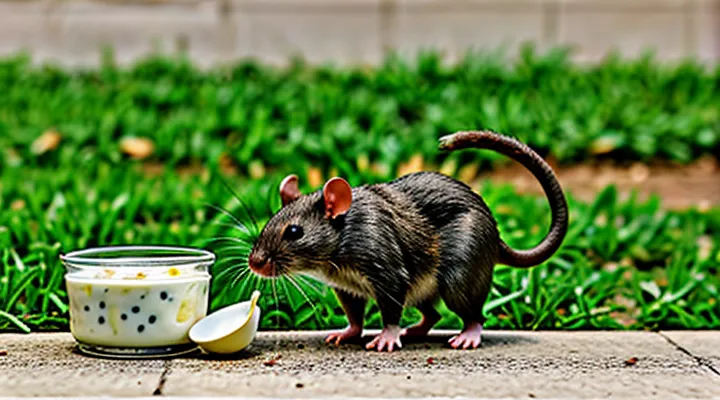
Understanding Rat Dietary Needs
Essential Nutritional Requirements for Rats
Rats require a balanced diet that supplies adequate protein, fat, fiber, vitamins, minerals, and water. Protein sources should provide 14‑20 % of calories, supporting tissue growth and maintenance. Essential amino acids, particularly lysine and methionine, must be present in sufficient quantities. Fat should account for 5‑10 % of calories, delivering essential fatty acids such as linoleic and α‑linolenic acid. Dietary fiber, primarily from cellulose, promotes gastrointestinal motility and prevents hindgut fermentation disorders.
Vitamins A, D, E, K, and the B‑complex are necessary for vision, bone health, antioxidant protection, and metabolic functions. Minerals including calcium, phosphorus, magnesium, potassium, sodium, and trace elements (zinc, copper, iron, selenium) must be supplied in ratios that avoid skeletal abnormalities and electrolyte imbalances. Continuous access to clean water is critical for hydration and nutrient transport.
When evaluating yogurt as a supplemental food, consider the following criteria:
- Protein content aligns with the rat’s daily requirement without exceeding total caloric limits.
- Fat level remains within the recommended 5‑10 % of total calories.
- Added sugars or artificial sweeteners are absent, as they can cause obesity and metabolic disturbances.
- Flavorings, colorants, and preservatives are free of toxic compounds (e.g., xylitol, propylene glycol).
- Calcium‑phosphorus ratio does not disrupt mineral balance.
Meeting these nutritional standards ensures that any yogurt offered, with or without additives, does not compromise the rat’s health.
Foods to Avoid
Toxic Foods
Yogurt can be a source of protein and probiotics for laboratory and pet rats, but additives often present in flavored or processed varieties pose toxicity risks. Rats metabolize many compounds differently from humans; substances safe for people may cause digestive distress, organ damage, or fatal outcomes in rodents.
Common yogurt additives that are hazardous to rats include:
- Artificial sweeteners such as xylitol, which can trigger rapid hypoglycemia and hepatic failure.
- Preservatives like potassium sorbate and sodium benzoate, linked to gastrointestinal irritation and potential carcinogenic effects at high concentrations.
- Flavor enhancers containing monosodium glutamate (MSG) or citric acid, which may lead to renal stress and electrolyte imbalance.
- Colorants derived from synthetic dyes (e.g., Red 40, Yellow 5), associated with behavioral changes and possible neurotoxicity.
To minimize danger, provide plain, unsweetened yogurt free of the listed additives. Verify ingredient labels for hidden compounds, limit portions to no more than 5 % of the animal’s daily caloric intake, and monitor for signs of distress such as reduced activity, loose stools, or weight loss. When uncertainty remains, substitute with a known-safe protein source or consult a veterinary specialist.
Harmful Ingredients
Yogurt that contains additives can pose health risks to rats. Certain components commonly found in flavored or fortified yogurts are unsuitable for rodent consumption and may lead to acute or chronic problems.
- Artificial sweeteners such as xylitol and saccharin interfere with glucose metabolism and can cause hypoglycemia or gastrointestinal distress.
- Preservatives including potassium sorbate, sodium benzoate, and propylene glycol have been linked to liver toxicity and altered gut flora in small mammals.
- Flavor enhancers like monosodium glutamate (MSG) may trigger excitotoxic effects, resulting in neural irritation and reduced appetite.
- Color additives (e.g., Red 40, Yellow 5) have demonstrated carcinogenic potential in laboratory studies involving rodents.
- High concentrations of added sugars raise the risk of obesity, dental decay, and insulin resistance.
These ingredients exceed the nutritional tolerances of rats and can compromise immune function, organ health, and overall longevity. Feeding plain, unsweetened, additive‑free yogurt in limited amounts remains the only safe approach when dairy is offered as an occasional supplement.
The Nature of Yogurt
What is Yogurt?
Yogurt is a fermented dairy product produced by inoculating pasteurized milk with specific bacterial cultures, primarily Lactobacillus bulgaricus and Streptococcus thermophilus. The bacteria convert lactose into lactic acid, causing milk proteins to coagulate and create a semi‑solid texture with a mildly acidic flavor.
The basic composition of plain yogurt includes:
- Water (approximately 85 %)
- Milk proteins (casein and whey, 3–4 %)
- Fat (0–10 % depending on milk type)
- Lactose (4–5 %)
- Live bacterial cultures (10⁷–10⁹ CFU g⁻¹)
Variations arise from added ingredients such as fruit puree, sweeteners, thickeners, or flavor extracts. These additives can alter macronutrient ratios, introduce sugars, or provide additional micronutrients, but they also modify the product’s microbial environment.
Nutritionally, yogurt supplies calcium, phosphorus, B‑vitamins, and probiotic bacteria that may influence gut flora. The probiotic effect depends on viable culture counts and storage conditions; heat treatment or prolonged refrigeration can reduce bacterial viability.
When considering yogurt as a component of a rodent diet, several factors merit attention:
- Lactose tolerance: adult rats possess limited lactase activity; excessive lactose may cause digestive upset.
- Fat content: high‑fat varieties increase caloric density, potentially leading to obesity if not balanced with overall intake.
- Additive safety: artificial sweeteners, certain preservatives, or flavor compounds may be toxic to rodents; each additive requires individual assessment.
- Microbial load: probiotic strains beneficial to humans are not automatically safe for rats; some may disrupt native gut microbiota.
In summary, yogurt is a cultured dairy matrix characterized by specific bacterial cultures, defined macronutrient content, and optional additives that influence its nutritional and safety profile. Any inclusion of yogurt, especially formulations containing supplementary ingredients, must be evaluated against rat-specific dietary tolerances and toxicological data.
Types of Yogurt
Plain Yogurt
Plain yogurt consists primarily of milk proteins, lactose, and a modest amount of fat. The protein profile is rich in casein and whey, providing essential amino acids that rodents can utilize for growth and tissue repair. Lactose content may be problematic for adult rats, as many develop reduced lactase activity after weaning, leading to potential gastrointestinal upset if consumed in large quantities.
The low sugar concentration of unsweetened yogurt makes it a more suitable option than flavored varieties, which often contain added sugars or artificial sweeteners that can cause dysbiosis or metabolic disturbances in rats. However, the presence of live bacterial cultures in plain yogurt introduces probiotics that may influence gut flora. While some studies suggest probiotic benefits for rodents, the specific strains in commercial yogurt are not always characterized for rodent compatibility, and excessive intake could disrupt the native microbiome.
When evaluating the suitability of yogurt for rats, consider the following factors:
- Lactose tolerance: Offer small portions (no more than 1 g per 100 g body weight) and observe for signs of diarrhea or bloating.
- Fat content: Choose low‑fat varieties to avoid excess caloric intake that could promote obesity.
- Additive exclusion: Ensure the product contains no fruit pieces, flavorings, or preservatives, as these additives may be toxic or irritant to rodents.
- Frequency: Limit to occasional treats rather than a regular dietary component; the primary diet should remain a balanced rodent chow.
In summary, plain, unsweetened yogurt without additives can be introduced cautiously as an occasional supplement for rats, provided lactose tolerance is monitored, fat levels are controlled, and the product is free of extraneous ingredients. Regular assessment of the animal’s health and behavior is essential to confirm that the inclusion of yogurt does not produce adverse effects.
Flavored Yogurt
Flavored yogurt contains sugars, fruit purees, artificial sweeteners, colorants, and preservatives that differ markedly from plain dairy. Rats digest lactose poorly; additional lactose from yogurt can cause gastrointestinal upset. Added sugars increase caloric density and may promote obesity, especially when combined with the high‑energy content of dairy. Artificial flavorings and colorants lack nutritional value and can provoke allergic reactions or irritate the mucous membranes of the digestive tract. Preservatives such as potassium sorbate or sodium benzoate are metabolized slowly in rodents and may accumulate with repeated exposure.
When evaluating flavored yogurt for rodent consumption, consider the following factors:
- Lactose content: high levels exacerbate diarrhea; lactase‑deficient strains should avoid any yogurt.
- Sugar concentration: natural fruit sugars and added sucrose raise blood glucose; limit to less than 5 g per 100 g serving.
- Artificial additives: synthetic flavors, colors, and preservatives have limited safety data; best practice is to exclude them.
- Protein and calcium: yogurt supplies these nutrients, but the amounts in flavored varieties are comparable to plain versions and do not justify the added risk.
- Portion size: a teaspoon (≈5 g) provides minimal nutritional benefit while keeping additive exposure low.
Scientific reports indicate that occasional, very small amounts of plain, low‑lactose yogurt can be tolerated by adult rats with intact digestive function. The presence of flavoring agents and sweeteners negates this tolerance, increasing the likelihood of adverse effects. Therefore, flavored yogurt should not be incorporated into a regular rat diet, and any experimental use must be preceded by veterinary consultation and controlled dosing.
Additives in Yogurt
Common Additives Found in Yogurt
Sugars and Artificial Sweeteners
Sugars naturally occurring in dairy products provide a rapid source of glucose for rodents, supporting short‑term energy needs. Lactose, the primary carbohydrate in plain yogurt, is digested by rats possessing lactase activity; however, many adult laboratory rats exhibit reduced lactase, leading to incomplete digestion and potential gastrointestinal distress when lactose is abundant.
Artificial sweeteners introduced as flavor enhancers differ markedly from natural sugars. Common agents such as sucralose, aspartame, and saccharin are metabolically inert in rodents, passing through the gastrointestinal tract without providing caloric value. Their safety profile relies on low toxicity at concentrations below established no‑observable‑effect levels (NOELs). Exceeding these thresholds may alter gut microbiota composition, affect insulin signaling, or provoke renal stress, as documented in dose‑response studies.
Key considerations for incorporating sweetened yogurt into rat diets:
- Lactose content: limit to ≤10 % of total diet weight to avoid fermentative gas production.
- Artificial sweetener dosage: maintain concentrations ≤0.5 % w/w, aligning with FDA‑approved acceptable daily intake for rodents.
- Palatability versus health: excessive sweetness can increase voluntary intake, risking caloric imbalance and obesity.
- Microbiome impact: monitor fecal bacterial profiles when introducing non‑nutritive sweeteners, as shifts may influence immune function.
When formulating yogurt for rats, prioritize low‑lactose or lactase‑treated bases, and select sweeteners only within the specified safety margins. Regular health assessments—body weight, blood glucose, renal markers—are essential to verify that the additive regimen does not compromise physiological stability.
Artificial Colors and Flavors
Artificial colors and flavors are common additives in commercial yogurt. Their inclusion raises several concerns when the product is offered to laboratory or pet rats.
Rats possess a highly sensitive olfactory system. Synthetic flavorings can mask the natural taste of yogurt, potentially leading to overconsumption or reduced interest in the food. Overconsumption may cause gastrointestinal upset, including diarrhea and abdominal discomfort. Certain artificial colors, especially those derived from azo compounds, have been linked to liver enzyme induction in rodents. Chronic exposure can alter metabolic pathways and interfere with experimental outcomes.
Key points for safe use:
- Verify that each additive is listed as safe for rodent consumption by regulatory agencies (e.g., FDA, EFSA).
- Limit additive concentration to levels comparable with natural dairy products, typically below 0.1 % w/w.
- Conduct a short‑term tolerance trial: introduce a small amount of flavored yogurt, observe behavior and stool consistency for 48 hours.
- Record any changes in weight, activity, or feeding patterns, and discontinue if adverse effects appear.
- Prefer additives with established nutritional profiles, such as natural fruit extracts, over synthetic dyes and flavor enhancers.
When artificial colors and flavors are unavoidable, maintain strict batch records, rotate formulations, and ensure that control groups receive plain yogurt. This approach minimizes confounding variables and protects rat health while allowing the study of additive effects.
Preservatives
Preservatives are chemical agents that extend the shelf life of yogurt by inhibiting microbial growth and oxidative deterioration. When considering their inclusion in a rodent diet, several factors must be evaluated.
-
Toxicity thresholds: Each preservative has an established acceptable daily intake (ADI) for mammals. Laboratory data indicate that sodium benzoate, potassium sorbate, and calcium propionate are tolerated at concentrations below 0.1 g kg⁻¹ body weight in rats without observable adverse effects. Exceeding these limits can cause liver enzyme elevation, gastrointestinal irritation, or metabolic disturbances.
-
Metabolic pathways: Rodents metabolize many preservatives through hepatic conjugation and renal excretion. For instance, benzoic acid is converted to hippuric acid and eliminated in urine. Impaired kidney function or chronic exposure may overload these pathways, leading to accumulation.
-
Interaction with dairy matrix: Yogurt’s protein and fat content can bind certain preservatives, reducing their bioavailability. Studies show that sorbate’s antimicrobial activity diminishes in high‑fat formulations, potentially lowering the effective dose ingested by the animal.
-
Behavioral effects: Short‑term feeding trials report no significant changes in locomotor activity or food preference when rats receive yogurt containing standard preservative levels. However, high concentrations of artificial sweeteners often co‑added with preservatives may alter taste perception and reduce voluntary intake.
-
Regulatory guidance: Food safety agencies classify the listed preservatives as Generally Recognized As Safe (GRAS) for human consumption. Extrapolation to laboratory rodents requires adherence to the same ADI values, adjusted for species‑specific metabolic rates.
In practice, formulating yogurt for rats with preservatives should involve:
- Selecting agents with documented low toxicity in rodent studies.
- Maintaining concentrations at or below established ADI values.
- Verifying that the preservative does not interfere with the nutritional profile of the yogurt.
- Monitoring hepatic and renal biomarkers during prolonged exposure.
Properly controlled inclusion of preservatives allows yogurt to remain stable while providing a safe supplemental food source for rats.
Fruit Pieces and Syrups
Fruit pieces and syrups are frequently added to yogurt to enhance flavor and texture. In rodent diets, these additives introduce simple carbohydrates, natural sugars, and occasional fiber, which can affect blood glucose levels, dental health, and gut microbiota.
- Simple sugars in syrups raise plasma glucose rapidly; repeated spikes may lead to insulin resistance in rats.
- Fruit pieces provide vitamins (A, C, K) and antioxidants but also contain fructose and dietary fiber that can cause gastrointestinal upset if introduced abruptly.
- Commercial syrups often contain artificial sweeteners, preservatives, or additives such as citric acid, which may be toxic to rodents at low concentrations.
Safe inclusion requires strict control of portion size and composition. Recommended practice:
- Limit total added sugar to no more than 2 % of the yogurt’s weight.
- Use fresh, unsweetened fruit pieces; remove seeds and pits to prevent choking.
- Choose syrups labeled “natural” and free of artificial sweeteners, colorants, or high‑potassium preservatives.
- Introduce the additive gradually over several days, monitoring for changes in appetite, stool consistency, and weight.
- Provide plain yogurt as the primary source of protein and calcium; treat fruit pieces and syrups as occasional supplements, not daily staples.
Excessive sugar intake can predispose rats to obesity, dental decay, and metabolic disorders. When the above guidelines are followed, fruit pieces and syrups can be used sparingly to diversify a rat’s yogurt supplement without compromising health.
Potential Risks of Additives for Rats
Digestive Issues
Yogurt containing additives can affect a rat’s gastrointestinal tract. Lactose present in dairy products may exceed the limited lactase activity of many rodents, leading to fermentation by colonic bacteria and resulting in gas, bloating, or diarrhea. Additives such as artificial sweeteners, flavor enhancers, or stabilizers may introduce compounds that irritate the intestinal lining or alter microbial balance.
Potential digestive disturbances include:
- Soft or watery stools
- Abdominal distension
- Reduced appetite
- Weight loss
- Increased frequency of defecation
These signs often appear within hours of consumption and may persist for several days if the irritant remains in the diet.
To minimize risk, introduce yogurt gradually, starting with a spoon‑full of plain, low‑fat product and observing the animal for any adverse reaction. Avoid varieties containing sugar substitutes, high‑intensity flavors, or preservatives. If symptoms develop, discontinue the treat immediately and seek veterinary advice to assess possible lactose intolerance or additive sensitivity. Continuous monitoring ensures that the nutritional benefits of probiotic‑rich yogurt do not compromise digestive health.
Hyperactivity
Feeding rats yogurt that contains artificial sweeteners, flavor enhancers, or colorants can trigger measurable increases in locomotor activity. Laboratory observations show that rats exposed to these additives display higher rates of ambulation, rearing, and exploratory behavior compared to control groups receiving plain yogurt.
Key mechanisms linked to this response include:
- Dopaminergic stimulation – certain sweeteners act as mild agonists of dopamine receptors, amplifying reward pathways and promoting motor output.
- Gut‑brain signaling – additives alter microbiota composition, producing metabolites that influence the vagus nerve and central arousal centers.
- Hormonal modulation – flavor enhancers may elevate circulating cortisol, which correlates with heightened activity levels.
When designing dietary protocols for rodent studies, limit or eliminate additives if the objective is to maintain baseline behavior. If hyperactivity is a variable of interest, incorporate measured amounts of the above substances and record activity using automated tracking systems to quantify the effect precisely.
Long-term Health Concerns
Feeding rats yogurt that contains added ingredients raises several chronic health issues. The dairy base introduces lactose, which adult rats often cannot digest efficiently; persistent lactose exposure can lead to chronic gastrointestinal irritation, malabsorption, and altered gut flora. Additives such as artificial sweeteners, flavorings, and preservatives may disrupt microbial balance, promoting overgrowth of opportunistic bacteria and reducing beneficial Lactobacillus populations. Long‑term exposure to these compounds has been linked to metabolic dysregulation, including increased adiposity and insulin resistance.
Key concerns include:
- Lactose intolerance: continuous intake may cause chronic diarrhea, weight loss, and nutrient deficiencies.
- Sugar and sweeteners: excess simple sugars foster obesity, hepatic steatosis, and dental decay.
- Artificial preservatives: compounds like potassium sorbate or sodium benzoate can accumulate in hepatic tissue, impairing detoxification pathways.
- Fat content: high‑fat yogurt formulations elevate plasma cholesterol, accelerating atherosclerotic changes in rodent models.
- Immune modulation: repeated exposure to foreign proteins and additives may trigger hypersensitivity reactions, leading to chronic inflammation of the respiratory and gastrointestinal tracts.
Research on laboratory rodents indicates that diets rich in processed dairy products shorten lifespan relative to standard grain‑based feeds. Chronic inflammation, metabolic syndrome, and organ pathology observed in long‑term studies suggest that yogurt with additives is unsuitable as a regular dietary component for rats.
Safe Yogurt Options for Rats
Plain, Unsweetened Yogurt
Probiotic Benefits
Yogurt supplies live bacterial cultures that colonize the gastrointestinal tract of rodents, altering microbial composition and activity. The introduction of these microorganisms can stabilize the intestinal environment, reduce overgrowth of opportunistic bacteria, and support nutrient absorption.
Key probiotic advantages for rats include:
- Enhanced breakdown of complex carbohydrates, leading to increased short‑chain fatty acid production.
- Modulation of immune cells in the gut-associated lymphoid tissue, resulting in heightened resistance to infections.
- Competitive exclusion of pathogenic strains through adhesion site occupation and bacteriocin secretion.
- Regulation of gut motility, reducing incidence of constipation or diarrhea.
- Influence on metabolic pathways that affect weight gain and glucose homeostasis.
When yogurt contains additives such as sweeteners, flavorings, or stabilizers, each component must be evaluated for toxicity, palatability, and impact on bacterial viability. Viable counts should remain above 10⁶ CFU g⁻¹ to ensure therapeutic effect. Excessive sugar or artificial preservatives can impair microbial activity and provoke dysbiosis. Therefore, a formulation that preserves probiotic integrity while minimizing harmful substances is essential for safe and effective feeding.
Moderation is Key
Rats can tolerate plain yogurt, but added flavorings, sweeteners, or preservatives introduce variables that may disrupt gut flora or cause gastrointestinal irritation. Small portions provide probiotics and calcium without overwhelming the animal’s digestive system.
- Offer no more than ½ teaspoon of plain or lightly sweetened yogurt per 100 g of body weight, once or twice weekly.
- Choose additives free of artificial colors, high‑intensity sweeteners, and excessive salt. Natural fruit puree or a pinch of cinnamon are acceptable in limited amounts.
- Monitor rats for changes in stool consistency, appetite, or activity after each serving; discontinue any additive that produces adverse signs.
Excessive yogurt intake can lead to weight gain, nutrient imbalances, and reduced consumption of staple feed. Maintaining a controlled portion size and selecting low‑risk additives ensures that the nutritional benefits of yogurt are realized without compromising rat health.
Introducing Yogurt to a Rat’s Diet
Small Portions
Feeding rats yogurt that contains additives requires careful control of portion size. Small servings limit the intake of sugars, artificial flavors, and stabilizers that can disrupt gut flora or cause digestive upset.
A typical safe amount equals one‑quarter of a teaspoon per 100 g of body weight, delivered no more than once daily. This dosage provides probiotic benefits while keeping additive exposure low.
Guidelines for serving:
- Measure the portion with a calibrated spoon; avoid estimating by eye.
- Offer the yogurt on a clean surface separate from regular feed to prevent accidental overconsumption.
- Observe the rat for 30 minutes after ingestion; stop feeding if signs of diarrhea, lethargy, or abnormal behavior appear.
- Adjust the amount downward if the animal shows any adverse reaction, then re‑evaluate after a 48‑hour interval.
Gradual introduction, beginning with the minimal quantity, allows the rat’s system to adapt. Consistent monitoring ensures that the benefits of probiotic yogurt outweigh the risks associated with added ingredients.
Observation for Adverse Reactions
Observations of adverse reactions are essential when evaluating the suitability of yogurt containing additives for laboratory rats.
Critical endpoints include clinical signs (e.g., lethargy, tremors, respiratory distress), behavioral alterations (reduced grooming, abnormal nesting), physiological measurements (body weight, temperature, heart rate), and mortality.
Experimental design should comprise at least two groups: a test cohort receiving a defined portion of additive‑enriched yogurt and a control cohort receiving plain yogurt or standard chow. Dosage must reflect realistic consumption levels, administered daily for a minimum of 14 days. Observations are recorded at consistent intervals—pre‑dose, 30 min, 2 h, and 24 h post‑dose—and logged in a structured sheet.
Typical adverse outcomes reported in comparable studies are:
- Diarrhea or soft stools
- Vomiting or regurgitation
- Visible skin irritation or swelling
- Decreased body weight exceeding 10 % of baseline
- Elevated fecal blood presence
Interpretation of data requires statistical comparison of incidence rates between test and control groups. Significant increases in any adverse endpoint warrant reconsideration of the additive’s safety profile for rat nutrition.
When to Consult a Veterinarian
Feeding rats yogurt that includes additives introduces a potential source of digestive upset, allergic reaction, or toxicity. Pet owners should seek veterinary advice promptly if any of the following conditions appear after introducing such a treat.
- Persistent vomiting or diarrhea lasting more than 24 hours.
- Loss of appetite or marked weight loss within a few days.
- Excessive lethargy, trembling, or uncoordinated movements.
- Swelling of the face, paws, or abdomen, indicating a possible allergic response.
- Blood in stool, urine, or nasal discharge.
- Signs of dehydration, such as sunken eyes or skin that remains tented when pinched.
Additional circumstances that warrant a professional consultation include:
- The rat has a known history of lactose intolerance or previous adverse reactions to dairy products.
- The additive list contains artificial sweeteners, preservatives, or flavorings not recognized as safe for rodents.
- The animal is pregnant, nursing, or very young, when dietary changes pose higher risks.
- The owner observes any sudden behavioral changes, such as aggression or extreme fearfulness, after the new food is offered.
Veterinarians can assess the rat’s health, perform necessary diagnostics, and recommend appropriate dietary adjustments or treatments to prevent long‑term complications. When in doubt, contacting a qualified professional before offering any novel or additive‑rich foods is the safest course of action.