
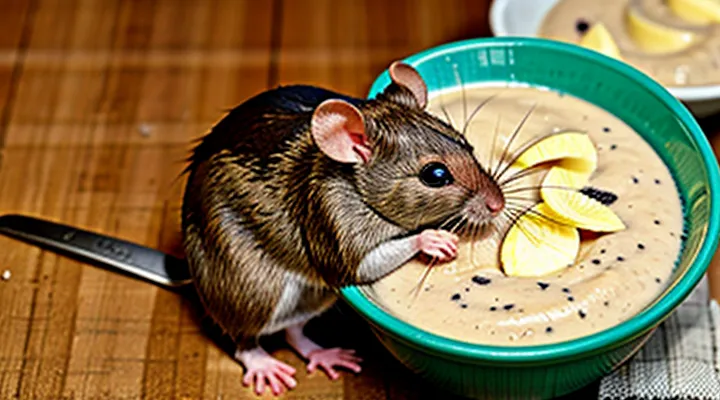
Understanding Rat Nutrition
Essential Dietary Components for Rats
Macronutrients
Feeding rats semolina porridge introduces a source of carbohydrate, protein, and fat that must align with their nutritional requirements. Rats require a diet where macronutrient ratios support growth, reproduction, and metabolic health. Semolina porridge, when prepared plain, provides the following macronutrient profile per 100 g dry weight:
- Carbohydrates: 73 g, primarily starch, offering rapid energy.
- Protein: 13 g, containing essential amino acids but lower in lysine and methionine than typical rodent chow.
- Fat: 1.5 g, mainly unsaturated, insufficient for the lipid needs of adult rats.
Rats also need dietary fiber, vitamins, and minerals that plain semolina lacks. To incorporate semolina porridge safely:
- Limit the portion to no more than 10 % of total daily intake.
- Supplement with a high‑quality rodent feed that supplies missing amino acids, fats, and micronutrients.
- Ensure the porridge is cooked without added salt, sugar, or dairy products that could cause digestive upset.
When balanced with a complete rodent diet, semolina porridge can serve as an occasional carbohydrate supplement. Excessive reliance on it risks protein deficiency, inadequate fat intake, and micronutrient imbalances. Monitoring body condition and adjusting the overall diet accordingly maintains health while allowing rats to consume semolina porridge.
Micronutrients
Rats can consume semolina porridge, but the dish supplies negligible amounts of the vitamins and trace elements required for healthy growth and reproduction. Without supplementation, a diet based on semolina will quickly become deficient in essential micronutrients.
Key micronutrients for laboratory and pet rats include:
- Vitamin A – supports vision and epithelial health; found in liver, carrots, and fortified feeds.
- Vitamin D – regulates calcium balance; sourced from UV‑treated diets or cod liver oil.
- Vitamin E – antioxidant protecting cell membranes; abundant in seeds and vegetable oils.
- Vitamin K – necessary for blood clotting; present in leafy greens.
- B‑complex (B1, B2, B3, B5, B6, B12, folic acid) – involved in energy metabolism; supplied by meat, eggs, and yeast extracts.
- Calcium – bone formation; provided by dairy products, bone meal, or calcium carbonate powder.
- Phosphorus – works with calcium; abundant in fish meal and bone meal.
- Magnesium – enzyme cofactor; found in nuts and whole grains.
- Zinc – immune function; delivered via meat, nuts, and zinc sulfate supplements.
- Copper – iron metabolism; supplied by liver and copper gluconate.
- Selenium – antioxidant enzyme activity; added as selenomethionine.
- Iron – oxygen transport; supplied by blood meals or iron chelate.
Semolina porridge consists mainly of starch and provides limited amounts of the nutrients listed above. The carbohydrate load can be balanced by adding a measured quantity of a commercially prepared rat vitamin‑mineral supplement or by mixing in pure sources such as dried liver, egg yolk, or fortified powdered diets. Typical supplementation rates range from 1 % to 3 % of the total feed weight, depending on the animal’s age, weight, and reproductive status.
Implementing a supplementation protocol ensures that rats receiving semolina porridge meet their micronutrient requirements, maintain normal physiological functions, and avoid deficiencies that could compromise experimental outcomes or pet health.
Foods to Avoid for Rats
Toxic Substances
Feeding rats semolina porridge requires evaluation of possible toxic agents that may be present in the grain, the cooking process, or added flavorings.
Potential hazards include:
- Aflatoxins – fungal metabolites that can develop on improperly stored wheat or semolina; highly hepatotoxic at low concentrations.
- Heavy metals – lead, cadmium, or arsenic may contaminate grain during cultivation or milling; chronic exposure impairs renal and neurological function.
- Preservatives – sodium benzoate, potassium sorbate, or sulfites used to extend shelf life; can provoke allergic reactions or metabolic disturbances in rodents.
- Excessive salt – sodium chloride added for taste; induces hypertension and electrolyte imbalance in small mammals.
- Sugars and artificial sweeteners – sucrose, high‑fructose corn syrup, or xylitol; cause rapid glycemic spikes, dental issues, and, in the case of xylitol, severe hypoglycemia.
Safe preparation demands plain, fully cooked semolina without additives. Use filtered water, avoid seasoning, and verify that the grain originates from a reputable, contaminant‑free source. After introduction, observe rats for reduced activity, loss of appetite, or gastrointestinal distress; any such signs warrant immediate cessation of the diet and veterinary assessment.
High-Sugar and High-Fat Foods
Semolina porridge can be part of a rat’s diet if it remains low in added sugars and fats. High‑sugar and high‑fat foods introduce several physiological challenges for rodents:
- Rapid glucose spikes increase insulin demand, potentially leading to insulin resistance.
- Excess fat contributes to hepatic lipid accumulation, elevating the risk of fatty liver disease.
- Elevated calorie density accelerates weight gain, reducing lifespan and impairing mobility.
- Dietary imbalances disturb gut microbiota, weakening immune defenses.
Rats require a balanced intake of protein, complex carbohydrates, fiber, and minimal fat. Standard semolina provides carbohydrate energy with modest protein, but sweeteners or butter added to the porridge raise the sugar and fat content beyond acceptable limits. Laboratory guidelines recommend that total dietary fat not exceed 5 % of calories and added sugars remain below 10 % of total carbohydrate intake.
To safely incorporate semolina porridge:
- Prepare with water only; avoid milk, oil, or sugar.
- Limit serving size to 5–10 % of the daily caloric requirement.
- Monitor body weight and blood glucose regularly.
When these conditions are met, semolina porridge supplies digestible energy without exposing rats to the metabolic risks associated with high‑sugar and high‑fat foods. Adding sweet or fatty ingredients defeats this purpose and should be excluded from any feeding regimen.
Semolina Porridge for Rats: An Analysis
What is Semolina?
Nutritional Profile of Semolina
Semolina is a coarse wheat flour derived from the endosperm of durum wheat. It contains approximately 360 kcal per 100 g, with a macronutrient distribution of 12 g protein, 2 g fat, 73 g carbohydrates, and 3 g dietary fiber. The protein fraction is rich in gluten, providing high levels of glutamine and proline but limited in lysine and methionine. Carbohydrates are primarily starch, yielding a glycemic index around 70. Fat consists mainly of polyunsaturated fatty acids, and fiber is largely insoluble.
Key micronutrients per 100 g of semolina include:
- Iron: 4 mg
- Calcium: 15 mg
- Magnesium: 30 mg
- Phosphorus: 240 mg
- Zinc: 2 mg
- B‑vitamins (thiamine, riboflavin, niacin, pyridoxine): 0.3–1.2 mg collectively
- Vitamin E: 0.1 mg
Rats require a diet providing 14–20 % protein, 5–10 % fat, and an energy density of roughly 300 kcal kg⁻¹. Semolina meets the energy requirement but falls short on protein quality and essential fatty acids. The low lysine and methionine content can limit growth, while the modest calcium and vitamin D levels may affect skeletal development. Fiber content is comparable to standard rodent chow, supporting gastrointestinal health.
When incorporating semolina into a rat feeding regimen, supplementation with:
- High‑quality animal or soy protein to raise lysine and methionine,
- Fish oil or vegetable oil to increase essential fatty acids,
- Calcium carbonate and vitamin D₃ to balance mineral intake, ensures that the overall diet aligns with established nutritional standards for laboratory rodents.
Processing of Semolina
Semolina originates from durum wheat grains that have been cleaned, tempered, and passed through a roller mill. The milling process separates the endosperm from the bran and germ, producing coarse granules that retain a high proportion of protein and starch. After milling, the granules undergo sifting to achieve uniform particle size, typically ranging from 0.5 mm to 2 mm. The resulting product is dried to a moisture content of 12–14 % to ensure stability during storage.
Processing steps relevant to preparing a rat‑compatible porridge include:
- Hydration: Mix semolina with water at a ratio of 1 part semolina to 4 parts water.
- Cooking: Heat the mixture to a rolling boil, maintain gentle simmer for 5–7 minutes while stirring to prevent clumping.
- Cooling: Remove from heat, allow temperature to fall below 30 °C before offering to rodents.
- Optional enrichment: Incorporate a measured amount of vitamin‑mineral premix or lean protein source, ensuring total nutrient levels align with rodent dietary standards.
The cooking stage gelatinizes starch, reduces raw wheat allergens, and creates a soft consistency that rats can ingest without dental strain. Moisture reduction during storage prevents mold growth, which could introduce mycotoxins harmful to rodents. When the porridge is served at appropriate temperature and supplemented to meet the species’ nutritional requirements, it provides a digestible carbohydrate source without excessive fat or fiber. Consequently, properly processed semolina porridge can be incorporated safely into a rat’s diet, provided it complements a balanced feed regimen.
Potential Benefits of Semolina Porridge for Rats
Energy Source
Semolina porridge provides a high‑carbohydrate energy source suitable for rodents when incorporated correctly. The grain’s starch content delivers approximately 350 kcal per 100 g, surpassing the caloric density of standard laboratory rat chow. Rapid digestion supplies glucose that supports immediate metabolic demands, such as thermoregulation and activity bursts.
Key nutritional attributes:
- Carbohydrate profile: Predominantly amylopectin, which is quickly hydrolyzed to glucose.
- Caloric contribution: 3.5 kcal g⁻¹, comparable to commercial pellets but with lower protein and fat levels.
- Fiber content: Minimal; supplemental fiber may be required to maintain gastrointestinal health.
Practical feeding guidelines:
- Prepare a thin, lukewarm slurry (1 part semolina to 4 parts water) to ease ingestion and reduce the risk of aspiration.
- Limit portions to 5 % of total daily intake by weight; excess may lead to obesity or nutrient imbalance.
- Complement with a protein‑rich supplement (e.g., soy or whey) to meet the species‑specific requirement of 14–18 % crude protein.
- Monitor body condition and fecal consistency daily; adjust water content if stools become dry.
Potential concerns:
- Nutrient deficiency: Absence of essential amino acids, vitamins, and minerals necessitates fortification.
- Glycemic spikes: High glucose influx may stress insulin regulation in susceptible individuals.
- Dental health: Soft texture reduces natural tooth wear; provide hard chewing material separately.
When used as a supplemental carbohydrate, semolina porridge can effectively meet the energy needs of rats, provided that protein, micronutrient, and fiber requirements are simultaneously satisfied.
Digestibility
Semolina porridge can be introduced into a rat’s diet, but its digestibility depends on several physiological factors. Rats possess a relatively short gastrointestinal tract optimized for rapid processing of high‑energy foods. The primary carbohydrate in semolina is starch, which is broken down by pancreatic amylase and intestinal brush‑border enzymes. Efficient hydrolysis yields glucose that rats readily absorb, supporting energy requirements.
Key determinants of how well rats handle semolina porridge include:
- Particle size – finely ground semolina enhances enzymatic contact, increasing starch breakdown.
- Moisture content – a well‑hydrated porridge softens the matrix, facilitating gastric mixing and intestinal transit.
- Fiber proportion – excessive insoluble fiber can slow gastric emptying and reduce overall nutrient absorption.
- Protein balance – semolina’s protein quality is lower than that of animal sources; supplementing with soy or whey improves amino‑acid availability.
- Processing temperature – cooking at 95 °C for 5–10 minutes gelatinizes starch, making it more accessible to digestive enzymes.
Empirical studies on laboratory rodents show that a semolina‑based mash, when prepared with the above considerations, yields a digestibility coefficient of approximately 80 % for carbohydrates and 65 % for protein. Compared with standard grain pellets, the energy yield is comparable, but the lower protein digestibility necessitates complementary protein sources to meet the rat’s growth and maintenance needs.
In practice, feeding semolina porridge should follow these guidelines:
- Grind semolina to a powder finer than 200 µm.
- Cook with water at a 1:3 ratio (semolina:water) until the mixture thickens.
- Cool to room temperature before offering.
- Mix with a high‑quality protein supplement (e.g., 10 % whey) and a modest amount of vegetable oil for essential fatty acids.
- Limit the portion to no more than 15 % of the total daily caloric intake to avoid gastrointestinal disturbance.
When these parameters are observed, rats efficiently extract energy from semolina porridge, making it a viable supplementary component of a balanced rodent diet.
Potential Risks of Semolina Porridge for Rats
High Glycemic Index
Semolina porridge possesses a high glycemic index, typically ranging from 70 to 85 on the standard scale. Foods with such values cause rapid elevation of blood glucose after ingestion, prompting an equally swift insulin response.
In rodents, a sudden glucose surge can overload pancreatic β‑cells, accelerate glycogen storage, and promote adipose tissue accumulation. Repeated exposure to high‑GI diets correlates with increased incidence of obesity, insulin resistance, and altered gut microbiota composition. Additionally, the rapid carbohydrate influx may stress the digestive system, leading to diarrhoea or reduced nutrient absorption.
When considering semolina porridge as part of a rat’s diet, the following precautions are advisable:
- Limit servings to a small portion (no more than 5 % of total daily caloric intake).
- Offer the porridge only a few times per week, not daily.
- Combine with high‑fiber ingredients (e.g., oat bran, psyllium) or protein sources (e.g., boiled egg, lean meat) to blunt the glycemic impact.
- Monitor body weight, blood glucose (if feasible), and stool consistency for signs of metabolic disturbance.
Overall, the high glycemic index of semolina porridge makes it unsuitable as a staple food for rats; occasional, moderated inclusion with compensatory nutrients can mitigate adverse effects.
Lack of Essential Nutrients
Semolina porridge provides carbohydrates and modest protein, but it fails to supply several nutrients rats require for normal growth and physiological function. The diet lacks:
- Taurine – essential for retinal health and cardiac development.
- Vitamin A – critical for vision, immune response, and epithelial maintenance.
- Vitamin D3 – necessary for calcium absorption and bone mineralization.
- Calcium – supports skeletal integrity and neuromuscular signaling.
- Essential fatty acids (omega‑3 and omega‑6) – involved in cell membrane structure and inflammatory regulation.
- Trace minerals (zinc, iron, selenium) – vital for enzyme activity and antioxidant defenses.
Rats consuming only semolina-based porridge are prone to deficiencies that manifest as poor coat condition, stunted growth, impaired reproduction, and increased susceptibility to disease. To meet nutritional standards, the porridge must be supplemented with a complete rodent laboratory diet or fortified with the missing vitamins, minerals, and amino acids. Without such augmentation, semolina porridge alone cannot serve as a balanced feed for rats.
Preparation Concerns
Rats may accept semolina porridge if it is prepared with strict attention to safety and nutritional suitability.
The base mixture should consist of plain semolina and water in a 1:4 ratio. Heat the liquid to a rolling boil, then gradually stir in the semolina to avoid clumping. Continue stirring for 3–5 minutes until the mixture reaches a smooth, thick consistency.
Immediately after cooking, reduce the temperature to below 40 °C before offering the porridge to rats. Exposure to temperatures above this threshold can cause burns and accelerate microbial growth.
Texture must be soft enough for a rodent’s small incisors yet firm enough to hold shape. Over‑cooking produces a glue‑like mass that rats reject; under‑cooking leaves gritty particles that may damage teeth. Aim for a spoon‑soft consistency that holds a gentle ridge when lifted.
Additives should be limited to rat‑safe ingredients. Acceptable supplements include:
- A teaspoon of finely shredded carrots or apple (fresh, unsweetened) for fiber and vitamins.
- A pinch of powdered mouse‑oriented multivitamin blend, if available.
- No sugar, salt, butter, or dairy; these increase the risk of obesity and digestive upset.
Store any unused porridge in a sealed container in the refrigerator for no more than 24 hours. Discard if odor changes, mold appears, or the temperature rises above 5 °C during storage, as spoilage can introduce harmful bacteria.
By following these preparation guidelines, the porridge remains nutritionally appropriate, palatable, and safe for laboratory or pet rats.
Recommendations for Feeding Semolina to Rats
Moderation and Frequency
Semolina porridge can serve as an occasional carbohydrate source for laboratory or pet rats, but its inclusion must be limited to prevent nutritional imbalance. A single serving should not exceed 5 % of the animal’s total daily caloric intake, which translates to roughly 2–3 grams of cooked semolina for an adult rat weighing 250 g. Larger portions increase the risk of obesity, digestive upset, and displacement of essential protein‑rich foods.
Feeding frequency should remain low. Offering the porridge more than twice per week creates a pattern of excessive carbohydrate consumption and may alter gut flora. A schedule of one serving every three to four days allows rats to enjoy the taste while maintaining a diet dominated by standard rodent pellets and fresh vegetables.
Practical guidelines
- Measure cooked semolina with a kitchen scale; do not exceed 3 g per serving.
- Provide the portion in a shallow dish to limit spillage and waste.
- Observe the rat for signs of reduced appetite for regular feed, weight gain, or loose stools after each offering.
- Record the date and amount served; adjust future portions if any adverse effects appear.
- Keep the porridge refrigerated and discard any leftovers after 24 hours to prevent bacterial growth.
Adhering to these limits ensures that semolina porridge remains a safe, occasional treat without compromising the overall health of the rat.
Preparation Guidelines
Semolina porridge can be an occasional supplement for laboratory or pet rats when prepared correctly. The following guidelines ensure nutritional safety and palatability.
Ingredients
- Fine semolina (plain, unflavored) – 1 cup
- Water – 2 cups (or a low‑sodium broth for added flavor)
- Optional: a pinch of vitamin‑E oil or a small amount of finely grated carrot for enrichment
Preparation steps
- Measure semolina and liquid precisely; inaccurate ratios cause texture problems.
- Bring the liquid to a gentle boil, then reduce to a low simmer.
- Slowly whisk semolina into the simmering liquid to prevent clumping.
- Continue stirring for 3–5 minutes until the mixture thickens and becomes smooth.
- Remove from heat; allow the porridge to cool to room temperature (≈ 22 °C).
- If using an additive, incorporate it once the mixture is cool to preserve nutrient integrity.
Serving recommendations
- Offer a small portion (approximately 5 g per rat) on a clean feeding dish.
- Observe the rats for any adverse reactions during the first exposure.
- Remove uneaten porridge after 30 minutes to prevent spoilage.
Storage
- Store leftovers in an airtight container in the refrigerator for no more than 24 hours.
- Reheat gently to room temperature before re‑offering; do not microwave, as uneven heating may create hot spots.
Adhering to these procedures provides a safe, digestible semolina porridge that can diversify a rat’s diet without compromising health.
Alternative Healthy Grains for Rats
Rats tolerate semolina porridge, but reliance on a single grain limits nutritional balance. Diversifying the carbohydrate source enhances protein quality, fiber intake, and micronutrient spectrum.
- Brown rice – high in complex carbohydrates, moderate protein, low fat; requires cooking to soften kernels.
- Oats – rich in soluble fiber, beta‑glucan, and antioxidants; best served as rolled or cooked grains.
- Quinoa – complete protein profile, contains essential amino acids, calcium, and iron; rinse before cooking to remove saponins.
- Barley – abundant beta‑glucan, moderate protein, good source of B‑vitamins; use hulled or pearl barley after thorough cooking.
- Millet – low‑glycemic carbohydrate, high in magnesium and phosphorus; cook until soft to aid digestion.
- Amaranth – high protein and lysine content, provides calcium and iron; cook similarly to quinoa.
When adding grains to a rat’s diet, follow these guidelines: cook grains without salt or additives; cool to room temperature before mixing; limit grain portion to 10–15 % of total daily intake; combine with fresh vegetables, lean protein sources, and a balanced commercial pellet base. Regularly monitor body condition and adjust quantities to prevent obesity or nutrient imbalance.