
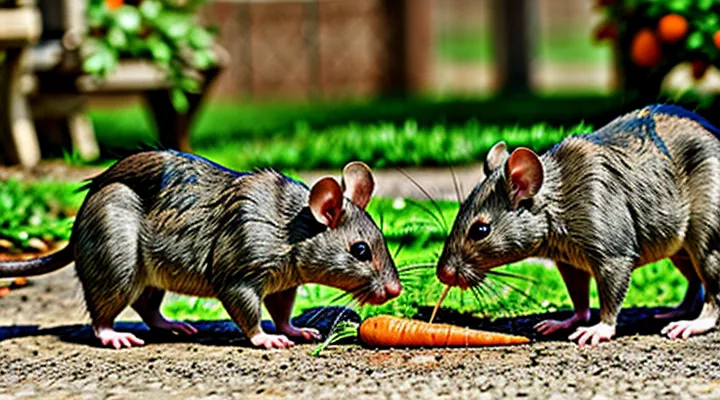
Nutritional Benefits of Carrots for Rats
Vitamins and Minerals
Carrots supply a range of micronutrients that influence the nutritional balance of a rat’s diet.
• Vitamin A – present as beta‑carotene, essential for vision, immune function and epithelial health.
• Vitamin K – contributes to blood coagulation and bone metabolism, though levels are modest.
• Vitamin C – rats synthesize this vitamin endogenously; dietary contribution is supplementary.
• B‑vitamins – small amounts of thiamine, riboflavin and niacin support energy metabolism.
Mineral content includes potassium, which assists nerve transmission and fluid balance; magnesium, involved in enzymatic reactions; and trace amounts of calcium and phosphorus, necessary for skeletal development. Iron and zinc appear in low concentrations, insufficient to meet the rats’ requirements without additional sources.
Carrots are low in protein and fat, nutrients that rats require in higher proportions for growth and reproduction. The high fiber and sugar content can aid gastrointestinal motility but may lead to excess caloric intake if offered in large quantities.
A balanced rat diet typically incorporates a commercial pellet base providing complete protein, essential fatty acids, and fortified vitamins and minerals. Carrots may serve as a supplemental source of vitamin A and potassium, provided they are offered in moderation and combined with other vegetables to ensure a comprehensive micronutrient profile.
Overall, carrots contribute beneficial vitamins and minerals but cannot replace the comprehensive nutrient profile required for optimal rat health.
Fiber Content
Rats can safely include carrots in their diet, provided the fiber content aligns with their nutritional requirements.
Carrots contain both soluble and insoluble fiber. Soluble fiber dissolves in water, forming a gel that moderates blood glucose levels. Insoluble fiber adds bulk to the digestive tract, promoting regular bowel movements.
The recommended daily fiber intake for a typical laboratory rat ranges from 3 % to 5 % of total diet weight. Carrots contribute approximately 2.8 % dietary fiber per 100 g of fresh weight, positioning them as a moderate source.
Guidelines for incorporating carrots:
- Offer raw carrot pieces no larger than 1 cm³ to prevent choking.
- Limit carrot portions to 10 % of total daily food volume; excess fiber may cause gastrointestinal discomfort.
- Monitor fecal consistency; loose stools indicate over‑consumption.
Adequate fiber supports gut health, assists in weight management, and reduces the risk of constipation. Excessive fiber can lead to reduced nutrient absorption and intestinal blockage, especially in young or ill rats.
«A balanced diet with controlled fiber sources sustains optimal digestive function.»
Potential Concerns and Considerations
Sugar Content and Moderation
Carrots contain a measurable amount of simple sugars, primarily glucose and fructose. On average, a raw carrot supplies roughly 4‑5 g of sugar per 100 g of edible tissue. This concentration exceeds the typical sugar intake of many laboratory rodent diets, which are formulated to provide less than 2 g of sugar per 100 g of feed.
Rats metabolize carbohydrates efficiently, yet excessive simple sugars can lead to rapid blood‑glucose spikes, increased adiposity, and potential dental decay. Their digestive systems lack the capacity to buffer large, sudden sugar loads without physiological stress.
Guidelines for incorporating carrots into a rat’s diet emphasize moderation:
- Offer no more than 10 g of raw carrot per 100 g of total daily food intake.
- Limit carrot portions to a maximum of two servings per week.
- Observe individual weight and activity levels; reduce or cease carrot provision if weight gain accelerates.
- Pair carrot pieces with high‑fiber, low‑sugar staples to balance overall carbohydrate load.
Practical feeding practices include cutting carrots into bite‑size cubes, removing any wilted or damaged sections, and storing fresh portions in a sealed container for no longer than 24 hours. Regular monitoring of body condition ensures that the occasional carrot treat contributes nutritional variety without compromising health.
Choking Hazards
Carrots are frequently offered to pet rodents, yet their firmness and length create a genuine choking risk for rats. The rodent’s oral cavity can accommodate only small fragments; larger sections may become lodged in the trachea, obstructing airflow.
Rats possess a relatively narrow airway and a powerful chewing apparatus. When a carrot piece exceeds the size of a typical bite, the animal may attempt to swallow it whole, bypassing the molar grinding action. This behavior increases the likelihood of blockage in the laryngeal passage.
Guidelines to minimise choking incidents:
- Slice carrots into sticks no longer than ½ cm and no thicker than ¼ cm.
- Offer only one piece at a time; remove uneaten portions after a few minutes.
- Supervise feeding sessions, especially with younger or inexperienced rats.
- Provide softer alternatives, such as grated carrot, for animals with dental issues.
Signs of airway obstruction include sudden silence, gasping, drooling, and loss of coordination. Immediate response involves gently opening the mouth, attempting to clear the obstruction with a finger sweep if visible, and seeking veterinary assistance without delay.
How to Safely Offer Carrots to Rats
Preparation and Portion Size
Rats can safely consume carrots when the vegetable is properly prepared. Wash the carrot thoroughly to remove soil and pesticide residues. Peel only if the skin is thick or if the rat shows sensitivity to fibrous textures. Cut the carrot into bite‑sized pieces that a rat can grasp without choking risk.
- Rinse under running water.
- Peel when necessary.
- Slice into 0.5‑cm cubes or thin sticks.
- Offer a single portion at a time to monitor acceptance.
Portion size must respect the rat’s overall dietary balance. Carrots provide sugars and beta‑carotene, but they should not exceed 10 % of total daily intake. A typical adult rat (200‑250 g) can be given ½‑1 cm³ of carrot flesh per day, equivalent to roughly one to two small cubes. Limit fresh carrot servings to three times per week to avoid excess carbohydrate load.
- Daily limit: 5‑10 % of total calories.
- Quantity: ½‑1 cm³ (one‑two cubes).
- Frequency: up to three servings weekly.
Consistent preparation and measured portions ensure carrots contribute nutritional variety without compromising health.
Frequency of Feeding
Rats tolerate carrots as an occasional vegetable, but the feeding schedule must prevent excess sugar and calorie intake. Small, raw carrot pieces serve as a treat rather than a staple.
- Offer carrot fragments no more than 1–2 times per week.
- Limit each serving to ½–1 cm cube, equivalent to roughly 2–3 g per adult rat.
- Observe body condition after each serving; discontinue if weight gain or digestive upset occurs.
- Provide fresh water and maintain a balanced base diet of commercial pellets, grains, and protein sources.
Consistent monitoring of weight and stool quality ensures that carrot inclusion enhances enrichment without compromising health. «Regular, limited exposure maintains nutritional balance while satisfying exploratory behavior.»
Alternative Safe Vegetables for Rats
Leafy Greens
Rats that receive carrots in their diet benefit from the addition of leafy greens, which supply complementary vitamins and minerals.
Leafy greens provide high levels of vitamin A, vitamin K, calcium and dietary fiber, all of which support vision, blood clotting, bone health and digestive function.
Typical greens suitable for rats include:
- Spinach (offered sparingly because of oxalate content)
- Kale (rich in calcium, best served in small portions)
- Romaine lettuce (low‑calorie source of water and fiber)
- Swiss chard (source of magnesium, avoid excessive feeding)
- Dandelion leaves (natural source of antioxidants)
Safety measures require washing greens thoroughly to remove pesticides, trimming tough stems, and serving only fresh material. Introduce new varieties gradually to monitor for digestive upset. Limit daily intake to no more than 10 % of the total diet by weight, ensuring that carrots remain the primary vegetable component.
Combining carrots with a balanced selection of leafy greens creates a varied diet that meets the nutritional demands of pet rats while minimizing the risk of deficiencies.
Other Root Vegetables
Rats readily consume several root vegetables in addition to carrots, providing dietary variety and essential nutrients.
Commonly accepted options include:
- Sweet potatoes – high in beta‑carotene and complex carbohydrates; feed in small, cooked pieces.
- Parsnips – rich in fiber and vitamin C; offer raw or lightly steamed slices.
- Turnips – source of potassium and folate; present raw or boiled, avoiding excessive leaf consumption.
- Radishes – low‑calorie, crunchy texture; serve in modest amounts due to natural peppery flavor.
Nutritional benefits must be balanced with potential risks. Excessive raw sweet potatoes can cause digestive upset; high oxalate levels in raw beets may contribute to kidney stone formation. All vegetables should be washed thoroughly, trimmed of any green or sprouted sections, and cut into bite‑size pieces to prevent choking.
Inclusion of these root vegetables should complement a base diet of high‑quality rodent pellets, ensuring that overall calorie intake remains appropriate for the animal’s size and activity level.
Foods to Avoid for Rats
Harmful Vegetables
Carrots provide rats with beta‑carotene, fiber, and modest calories, yet a balanced diet must exclude certain vegetables that can damage rodent health.
• Potatoes, especially raw, contain solanine, a glycoalkaloid toxic to rats.
• Tomatoes, when unripe, also hold solanine and acidic compounds that irritate the digestive tract.
• Eggplant carries comparable alkaloids; consumption may lead to neurological symptoms.
• Rhubarb leaves contain oxalic acid, which precipitates calcium crystals and can cause renal failure.
• Spinach and other oxalate‑rich greens, in large quantities, promote kidney stone formation.
These plants introduce neurotoxic alkaloids or high oxalate loads, impairing renal function and causing gastrointestinal distress. Limiting or eliminating them from a rat’s menu preserves organ health and supports longevity.
General Toxic Foods
Rats tolerate many vegetables, yet several common foods pose serious health risks. Awareness of these hazards prevents accidental poisoning and supports proper dietary planning.
Typical toxic categories include:
- Solanaceous plants – potatoes, tomatoes, eggplant; contain solanine that can cause gastrointestinal distress and neurological symptoms.
- Allium family – onions, garlic, leeks; produce thiosulfates leading to hemolytic anemia.
- Citrus peels and seeds – high in essential oils and cyanogenic compounds; may cause liver irritation.
- Chocolate and caffeine – methylxanthines interfere with cardiac function and may be fatal at low doses.
- Alcohol and fermented products – depress central nervous system, resulting in hypothermia and respiratory failure.
- Artificial sweeteners – especially xylitol; trigger rapid insulin release and hypoglycemia.
Symptoms of toxicity often manifest within hours: vomiting, diarrhea, lethargy, tremors, or sudden death. Immediate removal of the offending material and consultation with a veterinarian are recommended.
When introducing new items such as carrots, provide only the edible root portion, avoid leaves, and monitor for adverse reactions. Balanced rat diets should emphasize fresh greens, grains, and protein sources while excluding the listed hazardous foods.