
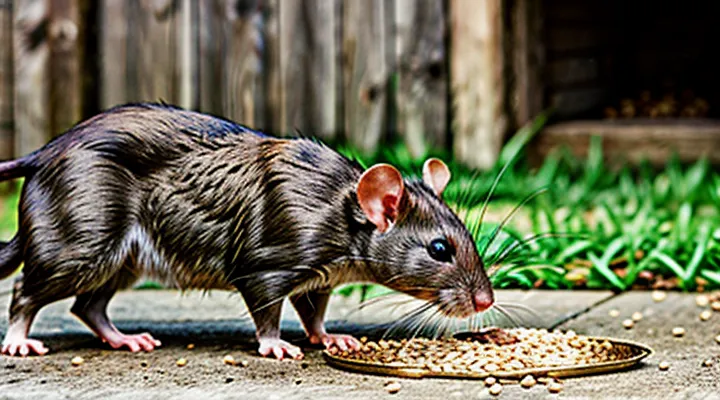
Understanding Rat Dietary Needs
Essential Nutritional Requirements for Rats
Macronutrients
Buckwheat offers a distinct macronutrient profile that can be incorporated into a rodent diet with careful formulation. The grain supplies carbohydrates primarily as complex starches, providing a steady energy source. Protein content ranges from 13 % to 15 % of dry weight, delivering essential amino acids such as lysine and arginine, which complement the typical rodent feed protein spectrum. Fat contributes roughly 3 % to 5 % of the dry matter, consisting mainly of polyunsaturated fatty acids that support membrane integrity and metabolic functions.
When evaluating the suitability of buckwheat for rats, consider the following macronutrient implications:
- Carbohydrate load – high fiber (≈10 %) moderates glucose absorption and promotes gastrointestinal health.
- Protein quality – complementarity with standard lab chow reduces the risk of essential amino‑acid deficiencies.
- Fat level – low total fat minimizes excess caloric intake while supplying omega‑3 and omega‑6 precursors.
Balanced inclusion, typically 5 %–10 % of the total diet by weight, ensures that energy density remains appropriate and that nutrient ratios align with the species’ physiological requirements. Excessive proportion may elevate carbohydrate intake beyond optimal levels, potentially leading to weight gain or metabolic disturbances. Regular monitoring of body condition and adjusting the overall feed composition mitigates these risks.
Micronutrients
Buckwheat supplies a range of micronutrients relevant to rodent nutrition. A 100‑g dry weight portion contains roughly 2.4 mg vitamin B6, 0.4 mg thiamine (B1), 0.1 mg riboflavin (B2), 0.8 mg niacin (B3), 0.6 µg vitamin E, and 0.5 µg folate. Minerals include 231 mg magnesium, 1.3 mg zinc, 1.3 mg iron, 366 mg phosphorus, 0.8 mg copper, and 0.9 µg selenium.
Key micronutrients for laboratory and pet rats:
- Vitamin B6: supports amino‑acid metabolism; requirement ≈0.2 mg kg⁻¹ day⁻¹.
- Thiamine (B1): essential for carbohydrate utilization; requirement ≈0.1 mg kg⁻¹ day⁻¹.
- Riboflavin (B2): involved in oxidative‑phosphorylation; requirement ≈0.1 mg kg⁻¹ day⁻¹.
- Niacin (B3): needed for NAD/NADP synthesis; requirement ≈0.6 mg kg⁻¹ day⁻¹.
- Vitamin E: antioxidant protecting cell membranes; requirement ≈10 IU kg⁻¹ day⁻¹.
- Magnesium: cofactor for over 300 enzymes; requirement ≈20 mg kg⁻¹ day⁻¹.
- Zinc: crucial for DNA synthesis and immune function; requirement ≈5 mg kg⁻¹ day⁻¹.
- Iron: required for hemoglobin formation; requirement ≈10 mg kg⁻¹ day⁻¹.
- Phosphorus: component of bone and ATP; requirement ≈100 mg kg⁻¹ day⁻¹.
- Selenium: trace element for glutathione‑peroxidase; requirement ≈0.03 mg kg⁻¹ day⁻¹.
When compared with rat nutritional standards, buckwheat meets or exceeds needs for most B‑vitamins and magnesium, while providing modest amounts of vitamin E, zinc, iron, and selenium. The phosphorus content aligns with dietary limits, avoiding excess that could disrupt calcium balance.
Practical guidance: incorporate buckwheat as a supplemental ingredient, limiting inclusion to 5–10 % of total dry matter to prevent excessive phosphorus and maintain a balanced amino‑acid profile. Monitor copper‑to‑zinc ratios; if copper intake approaches the upper safe threshold, adjust other feed components accordingly. For colonies with heightened demand for vitamin E or selenium, consider targeted supplementation alongside buckwheat to achieve optimal micronutrient status.
Foods to Avoid for Rats
Toxic Substances
Buckwheat can be included in a rodent diet, but certain chemical constituents may pose health risks if concentrations exceed safe limits. The plant contains naturally occurring compounds such as saponins and oxalic acid, which can irritate the gastrointestinal tract and interfere with calcium metabolism. Excessive intake may lead to reduced feed efficiency, weight loss, or renal stress in rats.
Potential toxic hazards associated with buckwheat for rats include:
- Saponins – can cause mucosal irritation and affect nutrient absorption.
- Oxalic acid – binds calcium, increasing the risk of hypocalcemia and kidney stone formation.
- Mycotoxins – arise from fungal contamination of stored grain; aflatoxin and ochratoxin are especially harmful, causing liver damage and immunosuppression.
- Pesticide residues – may remain after agricultural treatment; organophosphates and carbamates can produce neurotoxic effects.
- Heavy metals – accumulation of lead, cadmium, or arsenic in contaminated soil can result in chronic toxicity.
When buckwheat is sourced from reputable suppliers, processed to reduce moisture, and incorporated at modest levels (typically not exceeding 10 % of total diet weight), the risk of adverse reactions remains low. Regular testing for mycotoxins and pesticide residues further ensures safety for laboratory or pet rats.
Foods Causing Digestive Issues
Buckwheat provides protein, fiber, and essential minerals, but its high phytate content can interfere with mineral absorption in rodents. Excessive intake may lead to soft stools or mild diarrhea, especially when introduced abruptly. Gradual incorporation of small quantities (no more than 5 % of total diet by weight) usually prevents gastrointestinal upset.
Common rodent foods that frequently cause digestive disturbances include:
- Raw beans and legumes – contain lectins and oligosaccharides that ferment in the gut, producing gas and bloating.
- Citrus fruits – high acidity can irritate the intestinal lining, resulting in watery feces.
- Dairy products – many rats lack sufficient lactase, leading to lactose intolerance and cramping.
- High‑fat snacks – excess lipids overwhelm pancreatic enzymes, causing steatorrhea.
- Sugary cereals – rapid fermentation by gut bacteria creates excess gas and loose stools.
When evaluating buckwheat as a supplement, compare its risk profile with the items above. Its fiber is soluble, which can aid regularity in modest amounts but may become problematic if the rat’s diet already contains multiple fiber‑rich sources. Monitoring fecal consistency after each feeding adjustment is essential; any transition to softer or looser stools indicates the need to reduce or discontinue the ingredient.
To minimize digestive issues while offering buckwheat:
- Introduce gradually – start with a pinch mixed into the regular feed.
- Balance with low‑phytate foods – include calcium‑rich vegetables (e.g., kale) to offset mineral binding.
- Observe stool texture – maintain firm, well‑formed feces as the benchmark for tolerance.
- Limit frequency – treat buckwheat as an occasional supplement rather than a staple.
Properly managed, buckwheat can be part of a rat’s diet without provoking the digestive problems commonly associated with other problematic foods.
Buckwheat as a Food Source for Rats
Nutritional Profile of Buckwheat
Key Vitamins and Minerals
Buckwheat offers a range of nutrients that can complement a rat’s diet when introduced in moderation. The grain supplies several vitamins and minerals that support physiological functions, yet it should not replace a balanced commercial feed.
- Vitamin B1 (Thiamine): approximately 0.5 mg per 100 g; aids carbohydrate metabolism and nerve function.
- Vitamin B2 (Riboflavin): about 0.1 mg per 100 g; contributes to energy production and skin health.
- Vitamin B3 (Niacin): roughly 5 mg per 100 g; supports digestive enzyme activity.
- Vitamin B6: near 0.2 mg per 100 g; involved in neurotransmitter synthesis.
- Folate: 30 µg per 100 g; essential for cell division and DNA synthesis.
- Iron: 1.3 mg per 100 g; required for hemoglobin formation.
- Magnesium: 230 mg per 100 g; participates in muscle contraction and nerve transmission.
- Phosphorus: 330 mg per 100 g; critical for bone mineralization and energy transfer.
- Zinc: 1.2 mg per 100 g; supports immune response and wound healing.
These nutrients can enhance a rat’s nutritional profile, but excess buckwheat may lead to imbalanced calcium‑phosphorus ratios and fiber overload. Incorporate only a small portion—no more than 5 % of total daily intake—and monitor body condition to ensure optimal health.
Fiber Content
Buckwheat supplies a notable amount of dietary fiber, primarily in the form of insoluble cellulose and a modest portion of soluble polysaccharides. A standard 100‑gram serving of raw buckwheat groats contains approximately 10 g of total fiber, of which about 7 g is insoluble and 3 g is soluble. This fiber profile contributes to bulk formation in the gastrointestinal tract and modestly moderates glucose absorption.
For laboratory and pet rats, the recommended fiber intake ranges from 4 % to 6 % of the total diet by weight. Incorporating buckwheat at 5 %–10 % of a mixed feed can help meet this target without displacing essential protein, fat, and micronutrient sources. Excessive inclusion (>15 % of the diet) may reduce overall digestible energy and increase the risk of fecal impaction, especially in younger or compromised individuals.
Key considerations when evaluating buckwheat’s fiber for rats:
- Digestibility: Insoluble fiber passes largely unchanged, promoting intestinal motility; soluble fiber ferments partially, supplying short‑chain fatty acids that support colon health.
- Nutrient balance: Buckwheat’s fiber dilutes the concentration of other nutrients; formulation must compensate with additional protein and vitamins.
- Health effects: Adequate fiber can prevent constipation, aid weight management, and support a stable gut microbiome; insufficient fiber may lead to soft stools or diarrhea.
Monitoring stool consistency and body weight after introducing buckwheat allows rapid adjustment of the inclusion rate. When used within the recommended range, buckwheat contributes a reliable source of dietary fiber that aligns with the nutritional requirements of rats.
Protein and Carbohydrates
Buckwheat (Fagopyrum esculentum) provides roughly 13 % protein by weight, comparable to many grain‑based rodent feeds. The protein contains all essential amino acids, though lysine and methionine are present in lower concentrations than in soymeal. For laboratory or pet rats, supplementing buckwheat with a source richer in these limiting amino acids helps maintain muscle growth and tissue repair.
Carbohydrates constitute about 70 % of the dry matter in buckwheat. The majority are complex starches that rats can digest efficiently thanks to pancreatic amylase. Simple sugars account for a small fraction, reducing the risk of rapid blood‑glucose spikes. Fiber, primarily insoluble, contributes to gastrointestinal motility and can prevent fecal impaction when included at moderate levels.
When integrating buckwheat into a rat diet, consider the following balance points:
- Protein complement: add soy, fish, or egg protein to meet the recommended 20 %–24 % total dietary protein for adult rats.
- Amino‑acid supplementation: include lysine‑rich ingredients (e.g., whey) and methionine sources (e.g., dried fish meal) if buckwheat is a primary protein contributor.
- Energy density: the high carbohydrate content supplies sufficient calories; adjust portion size to avoid excess weight gain.
- Fiber moderation: limit total dietary fiber to 4 %–5 % of dry matter to prevent reduced nutrient absorption.
Overall, buckwheat can serve as a viable component of rat nutrition, delivering substantial protein and digestible carbohydrates. Proper formulation with complementary protein sources and controlled fiber ensures the diet meets the species’ physiological requirements.
Potential Benefits of Feeding Buckwheat to Rats
Digestive Health
Rats can include buckwheat in their diet, but digestive health considerations dictate careful use.
Buckwheat provides soluble fiber and resistant starch, both of which slow gastric emptying and promote steady glucose release. The grain supplies moderate protein, low fat, and lacks gluten, reducing the risk of gluten‑related intolerance. Antinutrients such as tannins and phytic acid may bind minerals, potentially affecting absorption if consumed in excess.
Increased fiber supports colonic motility and fosters beneficial bacterial populations, particularly Bifidobacteria and Lactobacilli. Short‑chain fatty acids produced from fermentation of buckwheat fiber contribute to mucosal integrity and anti‑inflammatory effects.
Excessive intake can cause bloating, diarrhea, or reduced nutrient uptake due to high phytate levels. Young or compromised rats may be more sensitive to rapid dietary changes.
Guidelines for safe inclusion:
- Cooked, plain buckwheat only; avoid raw grains.
- Introduce gradually, starting with 1–2 g per 100 g body weight.
- Limit to 5–10 % of total daily food volume.
- Provide fresh water at all times.
- Monitor stool consistency and body condition for two weeks after introduction.
Adhering to these practices ensures that buckwheat contributes positively to rat gastrointestinal function without compromising overall health.
Overall Well-being
Buckwheat provides a source of complex carbohydrates, protein, and dietary fiber that can contribute positively to a rat’s health. The grain contains essential amino acids such as lysine and arginine, as well as minerals like magnesium, phosphorus, and copper, which support metabolic functions and bone development.
Potential benefits for rat well‑being
- Stabilizes blood glucose levels due to low glycemic index.
- Enhances gut motility through soluble fiber, reducing constipation risk.
- Supplies antioxidants (rutin, quercetin) that may mitigate oxidative stress.
Considerations and limitations
- High fiber content can cause bloating or diarrhea if introduced abruptly.
- Buckwheat lacks sufficient vitamin A and vitamin D; supplementation remains necessary.
- Raw seeds may contain antinutrients (e.g., tannins) that interfere with mineral absorption; cooking or soaking reduces this effect.
Practical feeding guidelines
- Introduce buckwheat gradually, starting with 1–2 % of the total diet by weight.
- Offer cooked or lightly toasted grains to deactivate antinutrients.
- Monitor stool consistency and body weight for signs of digestive upset.
- Combine buckwheat with a balanced rodent pellet to ensure complete nutrient coverage.
When incorporated correctly, buckwheat can be a valuable component of a rat’s diet, supporting digestive health, energy balance, and antioxidant status without compromising overall well‑being.
Risks and Considerations
Oxalic Acid Content
Buckwheat contains oxalic acid, a naturally occurring organic compound that can bind calcium and form insoluble salts. The average oxalic acid concentration in raw buckwheat kernels ranges from 0.4 % to 0.7 % of dry weight, with higher levels in the hull and bran fractions. Processing methods such as boiling or roasting reduce soluble oxalate by 30–50 %, but a measurable amount remains in the finished product.
Oxalic acid poses a risk to rodents because excessive intake may lead to calcium deficiency, urinary stone formation, or impaired mineral absorption. Rats tolerate low to moderate oxalate levels; dietary guidelines for laboratory rodents recommend keeping total oxalate below 0.2 % of the diet. Consequently, buckwheat should be offered only as a minor component, not exceeding 5 % of total feed, and preferably after heat treatment to lower soluble oxalate.
Key considerations for incorporating buckwheat into rat diets:
- Measure oxalate content of the specific batch; values can vary by cultivar and processing.
- Limit inclusion rate to maintain overall dietary oxalate below 0.2 %.
- Apply cooking or roasting to decrease soluble oxalate.
- Monitor rats for signs of renal stress or mineral imbalance when buckwheat is part of the regimen.
Phytic Acid Content
Phytic acid is a naturally occurring compound in buckwheat seeds, present at concentrations ranging from 0.5 % to 1.2 % of dry weight. The molecule binds minerals such as iron, zinc, calcium, and magnesium, forming insoluble complexes that reduce intestinal absorption in mammals. In rats, high dietary phytic acid can lead to measurable declines in serum levels of these minerals, potentially impairing growth and bone development.
Key considerations for incorporating buckwheat into a rat diet:
- Mineral bioavailability: Phytic acid decreases absorption efficiency of essential trace elements; supplementation with vitamin C or organic acids can mitigate this effect.
- Enzyme activity: Rats possess limited endogenous phytase, the enzyme required to hydrolyze phytic acid. Exogenous phytase additives improve mineral release from buckwheat meals.
- Quantity limits: Studies suggest that diets containing more than 10 % buckwheat (by weight) without phytase supplementation result in significant mineral deficiencies over a six‑week period.
- Processing methods: Soaking, sprouting, or fermentation of buckwheat grains reduces phytic acid content by up to 40 %, enhancing nutrient availability.
When evaluating buckwheat as a component of rat feed, the phytic acid level must be balanced against the animal’s mineral requirements. Adequate formulation—either by limiting buckwheat proportion, applying processing techniques, or adding phytase—ensures that the presence of phytic acid does not compromise health outcomes.
Allergies and Sensitivities
Buckwheat contains proteins that may trigger allergic reactions in rodents. Common allergens include vicilin-like and legumin-like storage proteins, which can provoke IgE-mediated responses similar to those observed in other mammals.
Signs of an adverse reaction appear within minutes to hours after ingestion. Observable symptoms include:
- Respiratory distress (rapid breathing, wheezing)
- Skin irritation (redness, swelling, scratching)
- Gastrointestinal upset (vomiting, diarrhea)
- Lethargy or sudden collapse
The incidence of buckwheat allergy in laboratory or pet rats is not well documented, but anecdotal reports suggest sensitivity in a minority of individuals. Genetic predisposition and prior exposure to related grains increase risk.
When introducing buckwheat into a rat’s diet, follow a graded protocol:
- Offer a minimal amount (approximately 0.5 g of cooked buckwheat) mixed with familiar food.
- Observe the animal for at least 24 hours, recording any physiological changes.
- If no reaction occurs, increase the portion incrementally over several days, maintaining daily observation.
If any adverse signs develop, discontinue buckwheat immediately and consult a veterinarian. Treatment may involve antihistamines, corticosteroids, or supportive care, depending on severity.
For rats with known grain sensitivities, substitute non-allergenic carbohydrate sources such as quinoa, millet, or sweet potato. These alternatives provide comparable nutritional value without the specific protein profile associated with buckwheat.
Regular health monitoring and a documented dietary log help identify and manage individual sensitivities, ensuring safe nutrition for the animal.
How to Safely Incorporate Buckwheat into a Rat's Diet
Preparation Methods
Cooking and Soaking
Buckwheat can be a suitable addition to a rat’s diet when it is properly prepared. Raw grains contain antinutrients that may irritate the digestive tract; cooking or soaking neutralizes these compounds and improves digestibility.
Preparation steps
- Rinse 1 cup of raw buckwheat under cold water to remove debris.
- Soak the grains in fresh water for 4–6 hours at room temperature.
- Drain and discard the soaking liquid, which contains soluble phytic acid.
- Transfer the soaked grains to a saucepan, add 2 cups of water, and bring to a boil.
- Reduce heat, cover, and simmer for 10–12 minutes until the grains are tender but not mushy.
- Cool the cooked buckwheat to room temperature before offering it to the rat.
Nutritional considerations
- Cooked buckwheat provides protein, fiber, and essential minerals such as magnesium and manganese.
- The glycemic index remains low, reducing the risk of rapid blood‑sugar spikes.
- Excessive portions may lead to weight gain; limit the serving to 1–2 tablespoons per 100 g of body weight per week.
Safety guidelines
- Do not add salt, sugar, or seasoning; these additives can harm rodents.
- Verify that the buckwheat is free from mold or spoilage before preparation.
- Introduce the grain gradually to monitor for adverse reactions, such as diarrhea or reduced appetite.
When cooked or soaked correctly, buckwheat offers a balanced supplement to standard rodent feed, supporting overall health without compromising digestive comfort.
Avoiding Seasonings
Buckwheat provides a source of protein, fiber, and essential minerals for laboratory and pet rodents. When incorporating it into a rat’s diet, the grain should be presented plain, without any added flavorings or additives.
Seasonings introduce compounds that can irritate the gastrointestinal tract, alter the natural gut flora, or cause toxic reactions. Salt, sugar, and artificial sweeteners increase the risk of electrolyte imbalance and obesity. Spices such as garlic, onion, or chili contain sulfur‑containing substances that are known to cause hemolytic anemia in small mammals. Fatty sauces and oil‑based dressings add unnecessary calories and may lead to hepatic strain.
Recommended preparation:
- Rinse raw buckwheat thoroughly to remove dust and potential contaminants.
- Cook in plain water until soft; avoid adding broth, butter, or seasoning packets.
- Cool to room temperature before serving.
- Offer in moderate portions, gradually increasing to monitor tolerance.
Prohibited seasonings:
- Sodium chloride (table salt)
- Sucrose, honey, or artificial sweeteners
- Garlic, onion, leeks, chives
- Chili powder, cayenne, paprika
- Soy sauce, Worcestershire sauce, ketchup
- Any flavored oils or butter
By limiting the grain to its unadulterated form, owners ensure that rats receive the nutritional benefits of buckwheat without exposure to harmful additives. Regular observation for signs of digestive upset confirms that the plain preparation remains safe.
Portion Control and Frequency
Recommended Serving Sizes
Buckwheat can serve as an occasional supplement in a rat’s diet, providing protein, fiber, and minerals. Because it is calorie‑dense, portions must be measured precisely.
- Adult rats (≈200–300 g): 1–2 teaspoons of cooked buckwheat per day, not exceeding three times weekly.
- Juvenile rats (≤100 g): ½–1 teaspoon of cooked buckwheat per day, limited to two servings weekly.
- Breeding or larger rats (≥350 g): up to 3 teaspoons per day, with the same frequency restriction of three times per week.
All servings should be cooked, plain, and cooled. Raw buckwheat kernels retain antinutrients and should be avoided or limited to a pinch. Remove any seasoning, salt, or oil before offering.
Observe the animal after each introduction. Signs of digestive upset or weight gain indicate a need to reduce the portion or eliminate the treat. Adjust quantities according to individual tolerance and overall caloric intake.
How Often to Offer Buckwheat
Buckwheat can be a nutritious supplement for pet rats when offered correctly. The grain supplies protein, fiber, and essential minerals, but it should not replace a balanced commercial diet.
Frequency guidelines:
- Adult rats: 1–2 teaspoons of cooked buckwheat twice a week.
- Juvenile rats: ½ teaspoon once a week, increasing gradually if tolerated.
- Pregnant or lactating females: No more than 1 teaspoon once weekly to avoid excess calories.
Key considerations:
- Serve only cooked, unseasoned buckwheat; raw grain contains antinutrients that may irritate the digestive tract.
- Introduce the food gradually, monitoring for changes in stool consistency or appetite.
- Discontinue if the rat shows signs of bloating, diarrhea, or reduced interest in regular feed.
Consistency in offering the grain helps prevent overconsumption. A regular schedule—such as Monday and Thursday for adults—maintains variety without compromising the primary diet. Adjust amounts based on the individual rat’s weight, activity level, and overall health.
Monitoring for Adverse Reactions
Signs of Digestive Upset
Introducing buckwheat into a rat’s diet can trigger gastrointestinal disturbances. When the grain is not tolerated, the animal exhibits specific clinical signs that indicate a problem with digestion.
- Watery or loose feces, sometimes containing blood or mucus
- Decreased food intake and refusal of the new food source
- Noticeable weight loss over a short period
- Abdominal swelling or visible distension
- Excessive flatulence or audible gurgling sounds from the stomach
- Lethargy, reduced activity, and a dull coat condition
Observation of these symptoms should prompt immediate removal of buckwheat from the diet and a reassessment of the rat’s nutritional plan. If signs persist beyond 24‑48 hours, veterinary consultation is recommended to rule out secondary infections or more severe intestinal injury. Continuous monitoring ensures that any adverse reaction is detected early, preventing long‑term health consequences.
When to Consult a Veterinarian
Feeding buckwheat to pet rats can be safe when introduced gradually and monitored for adverse reactions. Owners should recognize specific indicators that require professional veterinary assessment.
- Persistent diarrhea or loose stools lasting more than 24 hours
- Vomiting repeatedly after a buckwheat meal
- Sudden loss of appetite or refusal to eat any food
- Noticeable weight loss within a few days
- Lethargy, reduced activity, or difficulty moving
- Swelling, redness, or discharge around the mouth or eyes
- Respiratory distress, coughing, or wheezing after ingestion
If any of these symptoms appear, contact a veterinarian promptly. Early evaluation prevents complications such as gastrointestinal blockage or allergic response.
Regular health checks, balanced diet planning, and clear communication with a veterinary professional ensure that introducing new foods, including buckwheat, supports the rat’s well‑being without risk.
Alternative Grains and Seeds for Rats
Safe and Nutritious Options
Oats
Oats are a cereal grain rich in soluble fiber, carbohydrates, moderate protein, and essential minerals such as iron, zinc, and magnesium. The fiber content supports digestive regularity, while the protein contributes to tissue maintenance. Oats also contain beta‑glucan, a soluble fiber known to moderate blood glucose levels, which can be beneficial for laboratory rats with metabolic sensitivities.
When evaluating the suitability of oats alongside buckwheat for rat nutrition, several points emerge. Both grains provide comparable energy levels, but oats deliver higher soluble fiber and lower fat than buckwheat. Buckwheat supplies more complete protein and higher levels of rutin, an antioxidant. A balanced diet may therefore include oats as a carbohydrate source while reserving buckwheat for protein and antioxidant supplementation.
Feeding recommendations for oats:
- Offer cooked or lightly steamed oats to improve digestibility; raw oats may cause gastrointestinal irritation.
- Limit portion to 5–10 % of total daily caloric intake to avoid excess carbohydrate load.
- Provide oats no more than three times per week, alternating with other grains to ensure nutrient diversity.
- Monitor body condition; reduce or discontinue if weight gain or stool softness occurs.
Barley
Barley provides a balanced source of carbohydrates, protein, and fiber for laboratory and pet rats. Its starch content supplies readily available energy, while its soluble fiber supports gastrointestinal motility. Compared with buckwheat, barley contains higher levels of beta‑glucan, a soluble fiber known to moderate blood glucose and cholesterol in rodents.
Key nutritional components of barley:
- 12 % protein, including essential amino acids lysine and methionine.
- 3–4 % crude fiber, primarily β‑glucan.
- 2 % fat, predominantly unsaturated fatty acids.
- Vitamins B1, B3, and trace minerals such as selenium and magnesium.
When assessing barley as a dietary element alongside buckwheat, consider the following points:
- Digestibility: barley’s gelatinized starch is more digestible than the raw starch in buckwheat, reducing the risk of fermentation‑related gas.
- Antinutrients: raw barley contains phytic acid; proper cooking or soaking reduces its mineral-binding effect.
- Caloric density: barley contributes slightly more calories per gram than buckwheat, requiring portion adjustment to maintain target body weight.
Inclusion of barley in a rat diet can complement buckwheat by supplying additional soluble fiber and protein. Recommended practice involves offering cooked barley in moderate amounts (no more than 10 % of total diet by weight) and monitoring body condition and stool consistency.
Quinoa
Quinoa is a seed rich in protein, dietary fiber, and essential minerals such as magnesium, phosphorus, and zinc. Its amino‑acid profile includes lysine, an element often limited in rodent diets, making quinoa a valuable supplement for laboratory and pet rats.
Rats tolerate quinoa when it is introduced gradually and served in a cooked, moisture‑free form. Raw quinoa contains saponins that may irritate the gastrointestinal tract; thorough rinsing and boiling for at least five minutes eliminates most of these compounds. After cooling, quinoa can be mixed with standard chow at a proportion not exceeding 10 % of the total diet to avoid excess calories and potential nutrient imbalances.
Feeding guidelines:
- Rinse quinoa under running water to remove saponin residue.
- Boil 1 part quinoa to 2 parts water; simmer until the grains are soft and the water is absorbed.
- Cool to room temperature; do not add salt, butter, or seasoning.
- Offer a small portion (approximately ½ tsp per 100 g body weight) once daily, observing the animal for any signs of digestive upset.
- Rotate quinoa with other supplemental grains to maintain dietary diversity.
When incorporated correctly, quinoa provides a protein‑rich alternative that complements the nutritional profile of rat feed, supporting growth, reproduction, and overall health without compromising the safety concerns associated with raw buckwheat consumption.
Grains to Feed in Moderation
Rice
Rice is a carbohydrate‑rich grain commonly included in laboratory rodent diets. Its starch content supplies readily digestible energy, while the protein level remains low, typically 7–8 % of dry matter. The grain also provides small amounts of vitamins B1, B3, and minerals such as iron and phosphorus, though these are insufficient to meet the complete nutritional requirements of rats.
When evaluating rice as a component of a rat’s diet, consider the following points:
- Energy source: Supplies 3.6 kcal g⁻¹, supporting growth and activity.
- Protein deficit: Must be supplemented with higher‑quality protein sources (e.g., soy, casein) to achieve the 14–18 % protein range recommended for adult rats.
- Fiber content: Low dietary fiber; inclusion of cellulose or beet pulp is advisable to maintain gastrointestinal health.
- Antinutrients: Minimal; however, raw brown rice retains phytic acid, which can impair mineral absorption if not processed.
In comparison with buckwheat, rice offers higher digestibility but lower essential amino acid density. Buckwall’s protein profile includes lysine and tryptophan, nutrients less abundant in rice. A balanced formulation may combine both grains, using rice for energy and buckwheat for protein enrichment, while ensuring overall diet meets the established nutrient specifications for laboratory or pet rats.
Corn
Corn is a common grain in rodent diets, offering high carbohydrate content and moderate protein levels. Raw yellow corn provides approximately 9 % protein, 4 % fat, and 73 % carbohydrates, with a caloric density of about 365 kcal per 100 g. The grain also supplies essential vitamins such as thiamine (B1) and niacin (B3), alongside minerals like phosphorus and magnesium.
When evaluating corn as a supplement for rats, consider the following points:
- Digestibility: Starch in corn is readily digestible, supporting energy needs without overloading the digestive tract.
- Fiber: Corn contains low dietary fiber; insufficient fiber can lead to gastrointestinal slowdown, especially if corn replaces higher‑fiber components.
- Fat content: The modest fat level contributes to a balanced energy ratio but should not exceed 5 % of the total diet to avoid obesity.
- Aflatoxin risk: Improper storage can promote fungal contamination; aflatoxins are toxic to rodents and must be screened out.
Corn can serve as an alternative carbohydrate source to buckwheat, but it lacks the high lysine and antioxidant profile that buckwheat provides. For a balanced regimen, combine corn with protein‑rich legumes or animal‑based meals, and ensure a separate source of fiber such as wheat bran or oat hulls. Regular monitoring of body condition and health markers will confirm whether corn meets the nutritional requirements of the rats in question.