
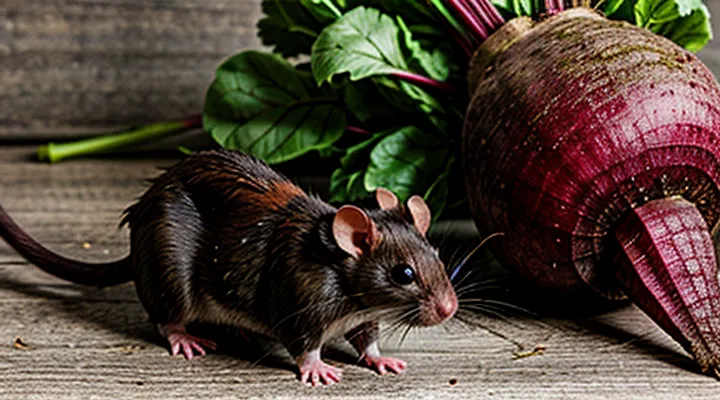
Feeding Rats: The Basics
Dietary Needs of Pet Rats
Pet rats require a balanced diet that supplies protein, essential fatty acids, vitamins, minerals, and fiber. Commercial rodent blocks or formulated pellets provide the core nutrition, delivering 16‑20 % protein, adequate calcium‑phosphorus ratio, and vitamin C. Fresh vegetables, fruits, and occasional protein sources (hard‑boiled egg, cooked lean meat) complement the staple diet and promote digestive health.
Beets can be included, but several factors limit their suitability:
- High natural sugar content; excessive intake may disrupt gut flora and contribute to obesity.
- Presence of oxalates, which can precipitate kidney stones when fed in large quantities.
- Fibrous core aids bowel motility, yet raw beet skin may irritate the oral mucosa.
Guidelines for offering beets to pet rats:
- Introduce only a small piece (approximately ½ cm³) once or twice a week.
- Prefer cooked, peeled beet to reduce oxalate concentration and soften texture.
- Monitor for changes in stool consistency or signs of discomfort; discontinue if adverse effects appear.
- Ensure that beet portions do not replace the primary pellet diet; treat them solely as a supplemental snack.
Overall, the dietary regimen for pet rats should prioritize high‑quality pellets, supplemented with low‑sugar, low‑oxalate vegetables. Beets, when prepared correctly and offered sparingly, fit within this framework without compromising health.
Safe and Unsafe Foods for Rats
Rats thrive on a diet that mimics their natural omnivorous habits, combining proteins, grains, fruits, and vegetables. Evaluating each food item for nutritional value and potential toxicity ensures health and longevity.
Safe foods include:
- Commercial rodent pellets formulated for balanced nutrition
- Cooked lean meats such as chicken or turkey, without seasoning
- Whole grains like oatmeal, brown rice, and whole‑wheat pasta
- Fresh vegetables: carrots, broccoli, kale, cucumber, and leafy greens
- Fresh fruits in moderation: apple (seedless), banana, blueberries, and strawberries
- Nuts and seeds: sunflower seeds, pumpkin seeds, unsalted peanuts (limited quantity)
Unsafe foods comprise:
- Processed snacks containing salt, sugar, or artificial additives
- Citrus fruits (e.g., orange, lemon) due to acidity
- Raw beans and legumes that contain lectins
- Dairy products, which many rats cannot digest
- Chocolate, caffeine, alcohol, and nicotine
- High‑fat meats, fried foods, and greasy leftovers
- Toxic plants such as nightshade, foxglove, and rhubarb leaves
Beets are acceptable when prepared correctly. Remove the skin, wash thoroughly, and cook lightly to soften fibers. Offer small portions (approximately one‑quarter of a medium beet) no more than twice weekly. Monitor for digestive changes; excessive beet consumption may cause loose stools because of high sugar content.
Providing a varied menu of approved items while avoiding known hazards supports optimal weight, dental health, and immune function in pet rats. Regularly review dietary choices to adapt to individual preferences and health status.
Beets and Rats: A Detailed Look
Nutritional Profile of Beets
Vitamins and Minerals in Beets
Beets supply a range of micronutrients that can contribute to a rat’s dietary profile when offered in moderation. The root’s nutrient density includes several vitamins and minerals essential for metabolic processes, immune function, and bone health.
- Vitamin C: approximately 4 mg per 100 g; supports antioxidant activity and collagen synthesis.
- Folate (vitamin B9): about 109 µg per 100 g; required for nucleic acid synthesis and red blood cell formation.
- Vitamin A precursors (β‑carotene): roughly 2 µg per 100 g; converted to retinol for vision and cellular differentiation.
- Potassium: 305 mg per 100 g; aids nerve transmission and fluid balance.
- Iron: 0.8 mg per 100 g; contributes to hemoglobin production.
- Magnesium: 23 mg per 100 g; involved in enzymatic reactions and muscle function.
- Phosphorus: 20 mg per 100 g; essential for bone mineralization and energy metabolism.
The high fiber content of beets also promotes gastrointestinal motility, but excess intake may cause loose stools in rodents. Raw or lightly cooked beets retain most nutrients; prolonged heating degrades vitamin C and some B‑vitamins.
When incorporating beets into a rat’s regimen, limit portions to no more than 5 % of total daily food weight. Monitor individual response, especially for signs of digestive upset or altered urine color, which can indicate excess oxalate consumption. Balanced inclusion of beet-derived nutrients can complement a standard rodent chow without replacing core protein and fat sources.
Sugar Content of Beets
Beet roots contain approximately 6–9 % total sugars by fresh weight, depending on variety and growing conditions. The predominant sugars are sucrose (≈ 4 %), glucose (≈ 1.5 %), and fructose (≈ 1 %). Seasonal variations can shift the sucrose proportion upward in mature beets, while younger roots retain higher glucose‑fructose ratios.
- Fresh beet: 6 % total sugars; 4 % sucrose, 1.5 % glucose, 1 % fructose.
- Cooked beet (steamed, 100 °C, 10 min): total sugars rise to 7–8 % as cell walls break down, releasing additional soluble sugars.
- Canned beet (in brine): sugar content stabilizes around 5 % due to dilution and osmotic loss.
These concentrations translate to roughly 30 g of sugar per kilogram of raw beet. For a laboratory rat weighing 250 g, a 5 g serving of raw beet would provide about 0.15 g of sugar, representing less than 2 % of the typical daily carbohydrate intake recommended for rodent nutrition.
Can Rats Eat Beets?
Raw Beets for Rats
Raw beets are safe for rats when offered in moderation. The vegetable delivers fiber, vitamin C, folate, potassium, and antioxidants, all of which support digestive health and immune function. However, the high natural sugar content can contribute to obesity or dental issues if over‑consumed.
Feeding guidelines
- Wash the beet thoroughly to remove soil and pesticide residues.
- Peel the skin to reduce fiber that may cause gastrointestinal irritation.
- Cut into small, bite‑size pieces no larger than ½ cm to prevent choking.
- Introduce a single piece (approximately 2–3 g) and observe the rat for 24 hours; discontinue if diarrhea, loose stools, or reduced activity occur.
- Limit raw beet portions to 1–2 times per week, not exceeding 5 % of the total daily diet by weight.
Potential concerns include:
- Sugar spikes: raw beets contain roughly 6 g of sugar per 100 g; excess intake may alter blood glucose levels.
- Oxalates: beets hold oxalic acid, which can contribute to kidney stone formation in susceptible individuals; monitor for signs of urinary distress.
- Color staining: beet pigments may stain fur and cage bedding; clean promptly to maintain hygiene.
When raw beets are part of a balanced diet that includes commercial rat pellets, fresh vegetables, and occasional protein sources, they provide nutritional variety without compromising health. Regular veterinary check‑ups will confirm that the inclusion of beets remains appropriate for each individual rat.
Cooked Beets for Rats
Cooked beets provide rats with a source of natural sugars, dietary fiber, and essential micronutrients such as vitamin C, folate, potassium, and manganese. The cooking process softens the fibrous structure, making the vegetable easier for small rodents to chew and digest. However, the heat also reduces the concentration of certain heat‑sensitive vitamins, so the nutritional contribution remains modest.
When offering cooked beets, use plain water‑boiled or steamed pieces without added salt, butter, or seasonings. Cut the beet into bite‑size cubes (approximately ¼ inch) to prevent choking. A safe portion for an adult rat is ½ teaspoon of cooked beet per day, equivalent to roughly one small cube. Juvenile rats should receive half that amount, and the treat should not exceed 10 % of the total diet.
Potential concerns include the beet’s natural sugar content, which can promote weight gain if fed excessively, and the presence of oxalates that may contribute to kidney stone formation in susceptible individuals. Monitor the animal for signs of digestive upset, such as loose stools or reduced appetite, and discontinue the treat if adverse reactions appear.
Feeding guidelines
- Prepare beets by boiling or steaming until tender; cool completely.
- Remove any skin, as it may contain residual soil or pesticides.
- Offer a single small cube daily; adjust quantity based on the rat’s size and health status.
- Record intake and observe stool consistency to detect intolerance early.
- Rotate with other vegetables to ensure a balanced nutrient profile.
Beet Greens and Stems
Beet greens and stems are edible portions of the beet plant that can be offered to pet rats as an occasional supplement. These parts contain fiber, vitamins A and K, calcium, and potassium, which contribute to digestive health and bone maintenance. However, they also carry oxalic acid, which may bind calcium and increase the risk of urinary stone formation if consumed in excess.
When incorporating beet foliage into a rat’s diet, follow these guidelines:
- Wash thoroughly to remove soil and pesticide residues.
- Trim the stems to a length of no more than 1 cm to prevent choking hazards.
- Offer small amounts (approximately ½ tsp of chopped greens per 100 g body weight) no more than twice a week.
- Observe the animal for signs of gastrointestinal upset, such as loose stools or reduced appetite.
If a rat shows adverse reactions, discontinue feeding beet greens and stems immediately and consult a veterinarian. Balanced nutrition for rats should prioritize commercial rodent pellets, supplemented with a limited variety of fresh vegetables and fruits. Beet foliage can fit within this framework when used sparingly and prepared safely.
Potential Benefits of Feeding Beets to Rats
Beet roots contain high levels of beta‑carotene, vitamin C, and folate, nutrients that support ocular health, immune function, and cellular metabolism in rodents. The natural sugars in beets provide a quick energy source, while the fiber content promotes intestinal motility and helps maintain a balanced gut microbiota. Antioxidants such as betalains protect cells from oxidative stress, potentially reducing the incidence of age‑related tissue damage.
Key advantages include:
- Enhanced blood‑cell formation due to iron and folate.
- Improved cardiovascular health through nitrate‑derived vasodilation.
- Stabilized blood‑glucose levels when offered in moderate portions.
When incorporated gradually into a rat’s diet, beets can diversify nutrient intake without displacing essential protein or fat sources. Monitoring portion size prevents excess carbohydrate intake and minimizes the risk of gastrointestinal upset. Overall, modest beet supplementation contributes to a more comprehensive nutritional profile for laboratory or pet rats.
Potential Risks and Concerns
Oxalates in Beets
Beet roots contain oxalic acid, which forms soluble and insoluble oxalate salts. Fresh beets typically hold 600–800 mg oxalate per 100 g edible portion; cooked beets retain roughly 70 % of that amount, depending on preparation method.
Rodents metabolize oxalates through renal excretion. Excessive oxalate intake can precipitate calcium oxalate crystals in the urinary tract, leading to nephrolithiasis and reduced kidney function. Rats possess a limited capacity to degrade dietary oxalate, making them more vulnerable than some other species.
Studies on laboratory rats indicate a tolerable oxalate intake of about 30 mg kg⁻¹ body weight per day without observable renal pathology. A 250‑g adult rat would therefore tolerate approximately 7.5 mg oxalate daily. Given the average oxalate concentration in cooked beets (≈ 450 mg kg⁻¹), a safe serving for such a rat is roughly 1–2 g of cooked beet tissue, administered no more than two times per week.
Practical recommendations for incorporating beets into a rat’s diet:
- Limit beet portions to 1–2 g per 250 g rat, adjusted proportionally for larger or smaller individuals.
- Offer beets no more than twice weekly to prevent cumulative oxalate buildup.
- Provide beets cooked (steamed or boiled) without added salt or sugar, as raw oxalate levels are higher.
- Ensure the primary diet remains a balanced commercial rat chow that meets nutritional requirements.
- Monitor urine for signs of crystal formation if beet consumption is increased.
Adhering to these guidelines minimizes the risk of oxalate‑induced renal complications while allowing rats to benefit from the vitamins and minerals present in beets.
Digestive Upset
Beets are a source of natural sugars, soluble fiber, and oxalates. When introduced to a rat’s diet, these components can provoke digestive upset. Symptoms include loose stools, excessive gas, abdominal cramping, and reduced appetite. In severe cases, oxalate accumulation may irritate the intestinal lining, leading to inflammation.
Key considerations for minimizing risk:
- Portion control – limit fresh beet pieces to no more than 5 % of total daily intake; a single ½‑inch cube suffices for an adult.
- Gradual introduction – start with a small piece and observe stool consistency for 48 hours before increasing the amount.
- Preparation – wash thoroughly, peel to remove surface contaminants, and blanch briefly to reduce oxalate content.
- Monitoring – check for signs of diarrhea or mucus in feces; discontinue beet feeding immediately if these appear.
- Alternative sources of fiber – consider low‑sugar vegetables such as broccoli stems or leafy greens to provide similar benefits without the same digestive load.
Veterinary guidance recommends a balanced diet comprising commercial pellets, occasional fresh produce, and a constant supply of clean water. When beets are offered within the outlined limits, most rats tolerate them without adverse effects. Persistent digestive disturbances after beet consumption warrant veterinary assessment to rule out underlying conditions.
Staining from Beets
Beetroot contains betalain pigments that readily dissolve in water and bind to protein surfaces. When rats consume beets, the pigments travel through the digestive tract and appear in urine and feces as a vivid pink or red coloration. The same pigments can transfer to the fur, especially around the mouth and paws, and may stain the cage’s bedding, food dishes, and water bottles.
The staining does not indicate toxicity; betalains are water‑soluble antioxidants that pass through the body without harmful accumulation. However, visible discoloration can be mistaken for health problems, prompting unnecessary veterinary visits. Accurate interpretation of stained excreta requires awareness that the color originates from the beet’s natural compounds rather than infection or hemorrhage.
Practical steps to control beet‑induced staining:
- Provide beets in a separate feeding tray that can be removed and washed after each use.
- Use light‑colored, absorbent bedding (e.g., paper pulp) to make stains easier to detect and clean.
- Rinse the cage floor and accessories with warm water and mild detergent daily; avoid harsh chemicals that could irritate the rats.
- Monitor the rats’ coat for persistent discoloration; if fur remains stained after several days, a gentle bath with a pet‑safe shampoo can restore normal appearance.
Understanding the source and behavior of beet pigments enables caretakers to maintain a clean environment while safely incorporating this nutritious vegetable into the rats’ diet.
How to Introduce Beets to Your Rat's Diet
Proper Preparation of Beets
Proper preparation of beets is essential before offering them to pet rats. Raw beets contain oxalic acid, which can interfere with calcium absorption and increase the risk of kidney stones. Cooking reduces oxalic acid levels and makes the vegetable easier to digest.
Begin by selecting fresh, firm beets without bruises or soft spots. Rinse each beet under cold running water to remove soil. Use a vegetable brush if the skin is particularly dirty. Peel the beets with a paring knife or vegetable peeler; the skin is tougher and may contain residual pesticides. Cut the peeled beets into small cubes or thin slices—approximately ¼‑inch pieces—to match a rat’s chewing ability.
Steam or boil the beet pieces until they are tender but not mushy, typically 5–7 minutes. Avoid adding salt, butter, or seasoning, as these can be harmful to rodents. After cooking, let the beets cool to room temperature. Drain excess liquid thoroughly; excess moisture can cause diarrhea.
When serving, limit the portion to no more than one teaspoon of cooked beet per 100 g of rat body weight, offered no more than twice a week. Store any unused cooked beet in an airtight container in the refrigerator for up to two days. Discard any beet that develops an off‑odor, mold, or slimy texture.
Key steps for safe beet preparation:
- Choose fresh, unblemished beets.
- Wash thoroughly under running water.
- Peel to remove skin and potential contaminants.
- Cut into ¼‑inch pieces.
- Steam or boil for 5–7 minutes, no additives.
- Cool and drain completely.
- Serve in limited, measured portions.
- Refrigerate leftovers promptly; discard after 48 hours.
Recommended Portion Sizes
Beets are an acceptable occasional treat for pet rats when introduced gradually and offered in appropriate quantities.
A typical adult rat (150–250 g) can safely consume:
- 1 – 2 mm cubes of raw beetroot per day, equivalent to roughly 2–4 % of its total daily caloric intake.
- No more than ½ – 1 teaspoon of cooked, unseasoned beet puree per week, ensuring the carbohydrate load remains low.
- Fresh beet greens in small handfuls (approximately ½ gram) twice weekly, providing fiber without excess sugar.
Portion sizes should be adjusted for younger or smaller rats, reducing amounts by half, and for larger, more active individuals, increasing by up to 25 % within the limits above. Always monitor for signs of digestive upset; discontinue the treat if diarrhea or reduced appetite occurs.
Frequency of Feeding Beets
Rats can safely include beets in their diet, but the timing and quantity require careful planning to avoid digestive upset and nutritional imbalance. Veterinary nutritionists advise limiting beet exposure to a small portion of the overall diet and spacing servings to allow the gastrointestinal system to adjust.
- Offer raw or lightly steamed beet pieces no more than twice per week.
- Limit each serving to 5‑10 g for an adult rat weighing 250‑300 g; smaller juveniles should receive half that amount.
- Ensure beets are introduced gradually, beginning with a single bite and observing the animal’s response before increasing the portion.
Monitor fecal consistency and activity levels after each beet feeding. Loose stools, reduced appetite, or lethargy indicate that the frequency or amount is excessive and should be reduced. In such cases, extend the interval to three‑four days or eliminate beets temporarily.
Adjust the schedule based on individual tolerance, seasonal changes, and overall diet composition. If beets constitute a significant source of sugar, compensate by reducing other carbohydrate‑rich foods to maintain balanced caloric intake. Regular veterinary check‑ups provide additional guidance for fine‑tuning feeding frequency.
Monitoring Your Rat After Feeding
After introducing beet pieces into a rodent’s diet, observe the animal for the first 24 hours. Immediate reactions may include increased salivation or rapid chewing, which indicate acceptance of the new texture.
Watch for gastrointestinal disturbances. Key indicators are:
- Soft or watery feces, especially if the consistency differs from the usual firm pellets.
- Presence of blood or mucus in the stool, suggesting irritation.
- Frequent, small bowel movements that may signal malabsorption.
Behavioral changes provide additional clues. Note any of the following:
- Lethargy or reduced activity compared to the baseline.
- Reluctance to move, hunching, or signs of abdominal discomfort when handled.
- Excessive grooming of the vent area, which can accompany irritation.
Weight monitoring is essential. Record the rat’s body weight before feeding and again after 48 hours. A loss of more than 2 % of body mass may warrant dietary adjustment or veterinary consultation.
If any of these signs persist beyond a day or intensify, discontinue beet supplementation and seek professional advice. Regular observation ensures that the addition of this vegetable does not compromise health.
Alternative Healthy Treats for Rats
Recommended Vegetables
Beet consumption raises concerns about overall vegetable suitability for pet rats. A balanced diet includes a variety of low‑sugar, high‑fiber vegetables that support digestive health and provide essential nutrients.
- Carrots (raw, chopped)
- Broccoli florets (steamed briefly)
- Spinach (fresh, washed)
- Kale (finely shredded)
- Bell peppers (red, yellow, green, seed‑removed)
- Zucchini (raw or lightly cooked)
- Cucumber (peeled, sliced)
- Green beans (steamed, unsalted)
These vegetables supply vitamins A, C, K, and minerals such as calcium and potassium while maintaining a modest glycemic load. When introducing beets, limit portions to no more than one teaspoon per serving and combine them with the recommended vegetables to dilute sugar concentration. Provide fresh water at all times and monitor for changes in stool consistency or appetite.
Recommended Fruits
Fruit can enhance a rat’s diet by supplying natural sugars, vitamins, and fiber that complement vegetables such as beets. Offer fruit sparingly; excessive sugar may lead to obesity or digestive upset. Fresh, pesticide‑free produce should be washed and cut into bite‑size pieces before presentation.
- Apple (core removed, skin left); rich in fiber, vitamin C.
- Blueberries; high antioxidant content, low sugar load.
- Strawberries; source of vitamin C and folate, feed in small portions.
- Pear (seedless, skin thinly sliced); provides vitamin K and copper.
- Kiwi; supplies vitamin C and potassium, remove skin if desired.
- Raspberries; contain fiber and vitamin B6, serve as occasional treat.
- Watermelon (seedless, rind removed); hydrating, low calorie, limit due to water content.
Each fruit should constitute no more than 5 % of the total daily intake. Rotate selections to prevent nutrient imbalances and monitor for any signs of intolerance.
Other Safe Snacks
Rats that receive occasional vegetable treats benefit from variety, provided each item meets safety standards. When considering alternatives to beetroot, several foods are routinely recommended for healthy consumption.
- Fresh apple slices (core and seeds removed) – high in fiber, low in sugar when offered in small pieces.
- Cooked quinoa – source of protein and complex carbohydrates, served plain and cooled.
- Small carrot chunks – rich in beta‑carotene, suitable for brief chewing sessions.
- Unsalted, unflavored popcorn – provides texture, limited to a few kernels per week.
- Fresh green beans – low‑calorie, crunchy, offers vitamins A and C.
- Plain yogurt (unsweetened, low‑fat) – probiotic boost, limited to a teaspoon.
Preparation guidelines include washing produce thoroughly, removing any pits, seeds, or stems that could cause obstruction, and cutting items into bite‑size pieces. Introduce each snack individually, observing the rat for signs of digestive upset before adding additional foods. Limit treat portions to no more than 10 % of the daily caloric intake, and restrict frequency to two or three times per week.
Foods that pose toxicity or choking hazards must be excluded entirely. Toxic items include raw potatoes, citrus peels, chocolate, caffeine, and processed meats. High‑fat or sugary snacks such as chips, candy, and sugary cereals should also be avoided to prevent obesity and metabolic disorders.